In 2025, cancer remained one of the world’s most pressing health challenges. Globally, an estimated 20 million new cancer cases are diagnosed each year, with cancer continuing to rank among the leading causes of death worldwide. In the United States alone, more than 2 million new cancer diagnoses and over 600,000 cancer-related deaths are projected for 2025, reflecting both population aging and persistent gaps in early detection for aggressive disease. Advances in screening, targeted therapies, and immuno-oncology have improved outcomes for many patients, yet late-stage diagnoses and biologically aggressive cancers continue to drive mortality, underscoring the uneven progress of modern oncology.
Against this backdrop of relentless statistics, cancer is often discussed in aggregate incidence curves, survival percentages, and projections that can obscure the individual lives behind the numbers. Yet the celebrity cancer diagnoses of 2025 cut decisively through that background noise. When public figures such as Jessie J, Joe Biden, Gordon Ramsay, and Ben Sasse disclosed their illnesses, the response extended far beyond headlines or social media engagement.
These announcements resonated not simply because of public recognition, but because each diagnosis illuminated a distinct and clinically meaningful dimension of cancer care in 2025: the life-saving impact of early detection, the realities of advanced metastatic disease, the preventability of certain cancers through behavioral change, and the stark limits of medicine when malignancies are discovered too late. Together, they mirrored the full spectrum of oncologyfrom optimism to inevitability playing out in real time.
In a year crowded with epidemiologic data and scientific progress reports, these diagnoses reframed cancer from an abstract public health burden into a deeply human experience one that intersects with leadership, creativity, family, faith, and vulnerability. They served as a reminder that behind every incidence statistic is a life abruptly altered, and that in 2025, some of those moments were shared openly with the world, forcing cancer back into public consciousness not as a number, but as a lived reality.
Jessie J: Early-Stage Breast Cancer and the Power of Early Detection
In June 2025, British singer Jessie J publicly disclosed her diagnosis of early-stage breast cancer, sharing the news in a candid Instagram video that quickly resonated worldwide. “I’ve got breast cancer. But it’s early. That’s the key word early,” she said, deliberately centering her message on prognosis rather than fear. The announcement came after nearly nine weeks of private testing and just days before major performances in London, underscoring the reality that cancer diagnoses often intersect abruptly with active personal and professional lives.
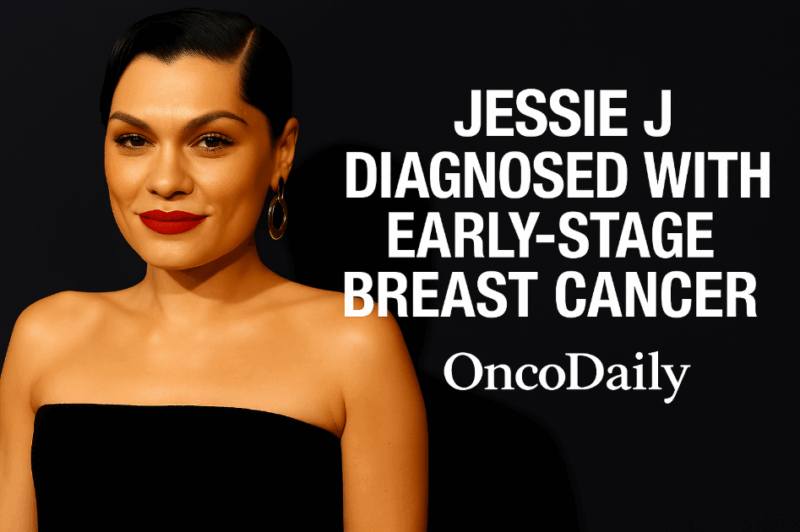
Jessie J’s emphasis on early detection was clinically significant. Early-stage breast cancer is associated with excellent outcomes, with five-year survival rates exceeding 90% when treated appropriately. Her planned surgical management aligned with standard-of-care treatment pathways, reinforcing an evidence-based narrative rather than speculation. By framing her diagnosis around timing and treatability, Jessie J helped counter one of the most persistent public misconceptions: that a breast cancer diagnosis automatically implies poor prognosis.
Beyond the medical facts, her disclosure carried cultural impact. Celebrity cancer announcements often risk sensationalism, yet Jessie J chose transparency with boundaries acknowledging fear and uncertainty while maintaining agency over her story. She openly discussed concerns about media distortion but explained that sharing allowed her to access community support, a dynamic many patients recognize as essential to coping. Her tone hopeful, candid, and occasionally humorous humanized the experience without minimizing its seriousness.
In late June 2025, Jessie J underwent surgery, later sharing reflections on the emotional and physical highs and lows of recovery. She credited her medical team, family, and close support network, including her partner and young son, highlighting the often-unseen ecosystem surrounding cancer care. Importantly, she continued to connect her experience to advocacy, implicitly reinforcing the value of screening, early evaluation of symptoms, and timely intervention.
You Can Also Read Full Story Here
Joe Biden: Metastatic Prostate Cancer, Leadership, and the Reality of Advanced Disease
In May 2025, former U.S. President Joe Biden was diagnosed with an aggressive, metastatic form of prostate cancer at the age of 82, following a routine physical examination that revealed a prostate nodule and worsening urinary symptoms. Subsequent evaluation and biopsy confirmed a Gleason score of 9 (Grade Group 5)—the highest category on the Gleason scale indicating a fast-growing, high-risk malignancy that had already spread to the bones. The diagnosis marked a significant escalation in Biden’s health history and drew global attention to the realities of advanced prostate cancer in older men.
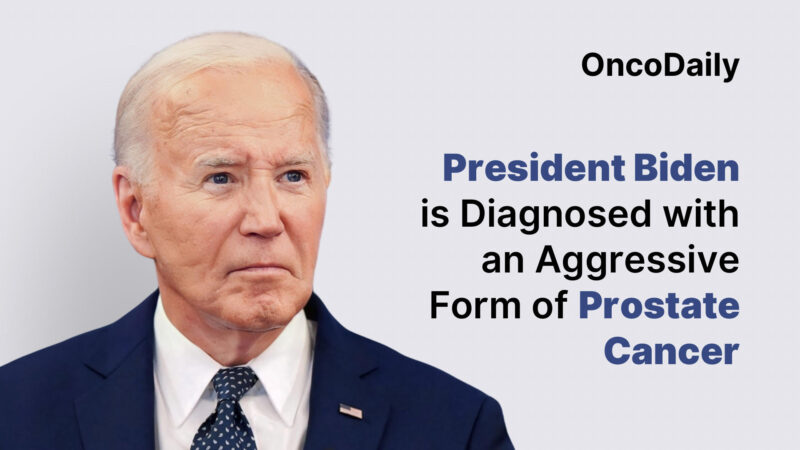
Clinically, metastatic prostate cancer represents a fundamentally different disease state from localized cancer. While early-stage prostate cancer often carries excellent long-term survival, bone metastases signal systemic disease requiring long-term medical management rather than curative intent. Importantly, Biden’s cancer was reported to be hormone-sensitive, meaning it is likely to respond to androgen deprivation therapy, a cornerstone of treatment for advanced prostate cancer. Although no specific treatment regimen was publicly disclosed, hormone-based therapies often combined with modern targeted or systemic agents—can provide meaningful disease control and symptom relief, even in high-risk cases.
Biden’s diagnosis resonated beyond oncology circles because of his longstanding public advocacy for cancer research. As a driving force behind the U.S. Cancer Moonshot initiative, Biden has spent years emphasizing accelerated research, equitable access to care, and improved outcomes for patients and families affected by cancer. His personal diagnosis transformed that advocacy into lived experience, reinforcing the message that cancer does not discriminate by status, power, or prior health achievements.
Public reaction to the announcement was measured but intense, reflecting ongoing scrutiny of the health of political leaders and aging public figures. Yet the broader significance of Biden’s case lies less in politics and more in awareness. Prostate cancer remains one of the most common cancers among men worldwide, and advanced disease is often diagnosed late due to subtle or overlooked symptoms. Biden’s case underscored the importance of continued vigilance, routine evaluation, and open discussion about men’s health particularly in older populations.
You Can Also Read Full Story Here
Gordon Ramsay: Skin Cancer, Visibility, and Prevention in Plain Sight
In 2025, world-renowned chef and television personality Gordon Ramsay revealed that he had undergone surgery to remove a skin cancer lesion near his jawline, using his global platform to deliver a clear and urgent public health message: protect your skin. Sharing postoperative photos on social media, Ramsay confirmed the diagnosis as basal cell carcinoma (BCC) the most common form of skin cancer and urged followers not to overlook sunscreen, even during routine daily exposure.

Basal cell carcinoma typically develops in sun-exposed areas such as the face, ears, and neck, often after years of cumulative ultraviolet (UV) radiation exposure. While BCC rarely metastasizes, it can cause significant local tissue damage if left untreated, particularly in cosmetically and functionally sensitive regions like the jawline. Ramsay’s lesion was treated surgically, consistent with standard management; procedures such as Mohs micrographic surgery are frequently used in these cases to ensure complete tumor removal while preserving healthy tissue. Cure rates for early-detected BCC exceed 95%, making timely diagnosis and intervention critical.
What distinguished Ramsay’s disclosure was not the rarity of the disease, but the clarity of his prevention message. Skin cancer remains the most common cancer worldwide, yet it is also among the most preventable. Ramsay’s candid, slightly humorous tone joking that the surgery was “not a facelift”—helped normalize conversations about skin cancer without trivializing its risks. By showing the physical reality of treatment, he challenged the misconception that non-melanoma skin cancers are inconsequential or unworthy of attention.
His message echoed a growing trend in 2025: celebrities using personal health experiences to reinforce evidence-based prevention. Daily use of broad-spectrum sunscreen, avoidance of peak UV hours, protective clothing, and regular skin checks are well-established strategies to reduce skin cancer risk. Importantly, UV exposure accumulates over time and can occur even on cloudy days or through windows facts often underestimated by the public.
You Can Also Read Full Story Here
Ben Sasse: Stage IV Pancreatic Cancer and the Limits of Power
In December 2025, former U.S. Senator Ben Sasse publicly revealed that he had been diagnosed with stage IV metastatic pancreatic cancer at the age of 53, sharing the news in an unusually direct and deeply personal post on X. His message unfiltered and devoid of political framing—opened with stark acceptance: the disease, he acknowledged, carries a grim prognosis. Yet the post quickly moved beyond statistics, centering instead on faith, family, and the resolve to continue fighting. The candor of his words resonated widely, transforming a policy leader into a profoundly human figure confronting mortality.
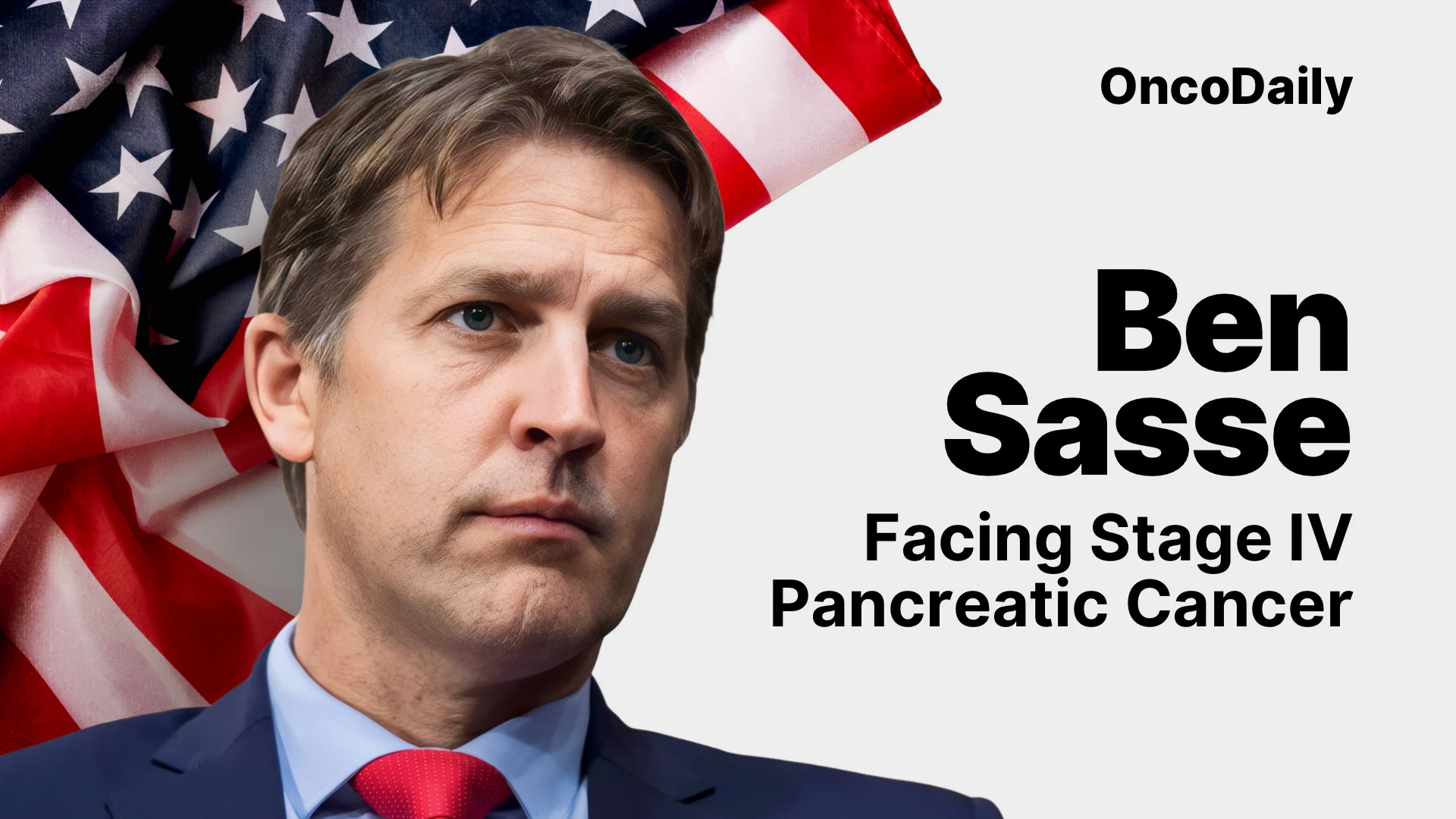
Pancreatic cancer is among the most lethal solid tumors, largely because it is rarely detected early. By the time symptoms emerge, the disease has often spread beyond the pancreas, limiting curative options. In Sasse’s case, the diagnosis of metastatic (stage IV) disease placed him in a category where treatment is palliative rather than curative, focused on prolonging survival and maintaining quality of life. Five-year survival for metastatic pancreatic cancer remains in the low single digits, despite advances in systemic therapy. His public acknowledgment of this reality without euphemism was striking in a media landscape that often softens such truths.
The announcement carried additional emotional weight given Sasse’s recent personal history. Just months earlier, he had stepped away from his role as president of the University of Florida to care for his wife, who was battling severe epilepsy, prioritizing family over professional stature. His cancer diagnosis reframed that decision, casting his long-articulated values family, responsibility, and faith into sharp relief. Rather than invoking his former authority or achievements, Sasse emphasized his identity as a husband and father, underscoring how cancer collapses social hierarchies and equalizes human vulnerability.
Within the broader cancer narrative of 2025, Sasse’s disclosure stood out not because of celebrity spectacle, but because of its honesty. Pancreatic cancer is often discussed in abstract survival curves and clinical trial endpoints; his words returned the conversation to lived experience. At a time when early detection remains elusive and therapeutic progress incremental, his story highlighted both the urgency of continued research and the human cost of delayed diagnosis.
You Can Also Read Full Story Here
Written by Aharon Tsaturyan, MD, Editor at OncoDaily Intelligence Unit