The World Cancer Congress (WCC) 2026 is bringing together leaders from across the global cancer community from September 24–26, 2026, in Hong Kong, with the aim of advancing collaboration, sharing evidence-based strategies, and strengthening cancer control worldwide. Organized by the Union for International Cancer Control (UICC) in collaboration with the Hong Kong Anti-Cancer Society, the Congress will take place at the Hong Kong Convention and Exhibition Centre.
Held every two years, the World Cancer Congress serves as an international platform connecting researchers, clinicians, policymakers, patient advocates, public health experts, and cancer organizations to address challenges across prevention, early detection, treatment, survivorship, and equitable access to care. Previous editions have brought together thousands of participants from more than 130 countries, reflecting the Congress’s global role in shaping cancer control priorities.
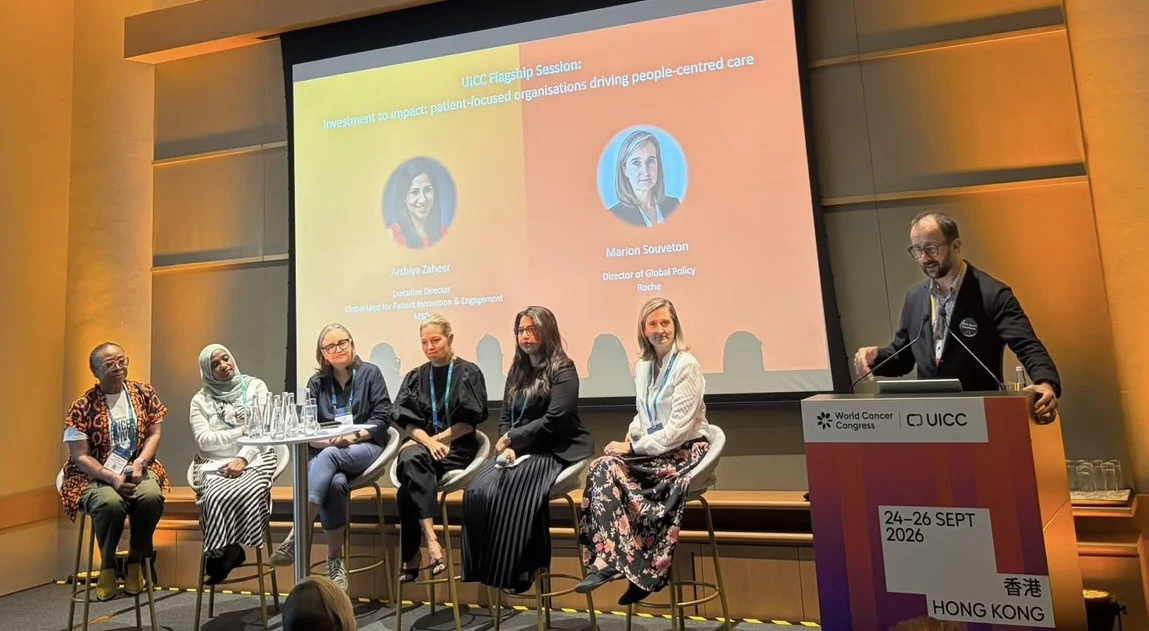
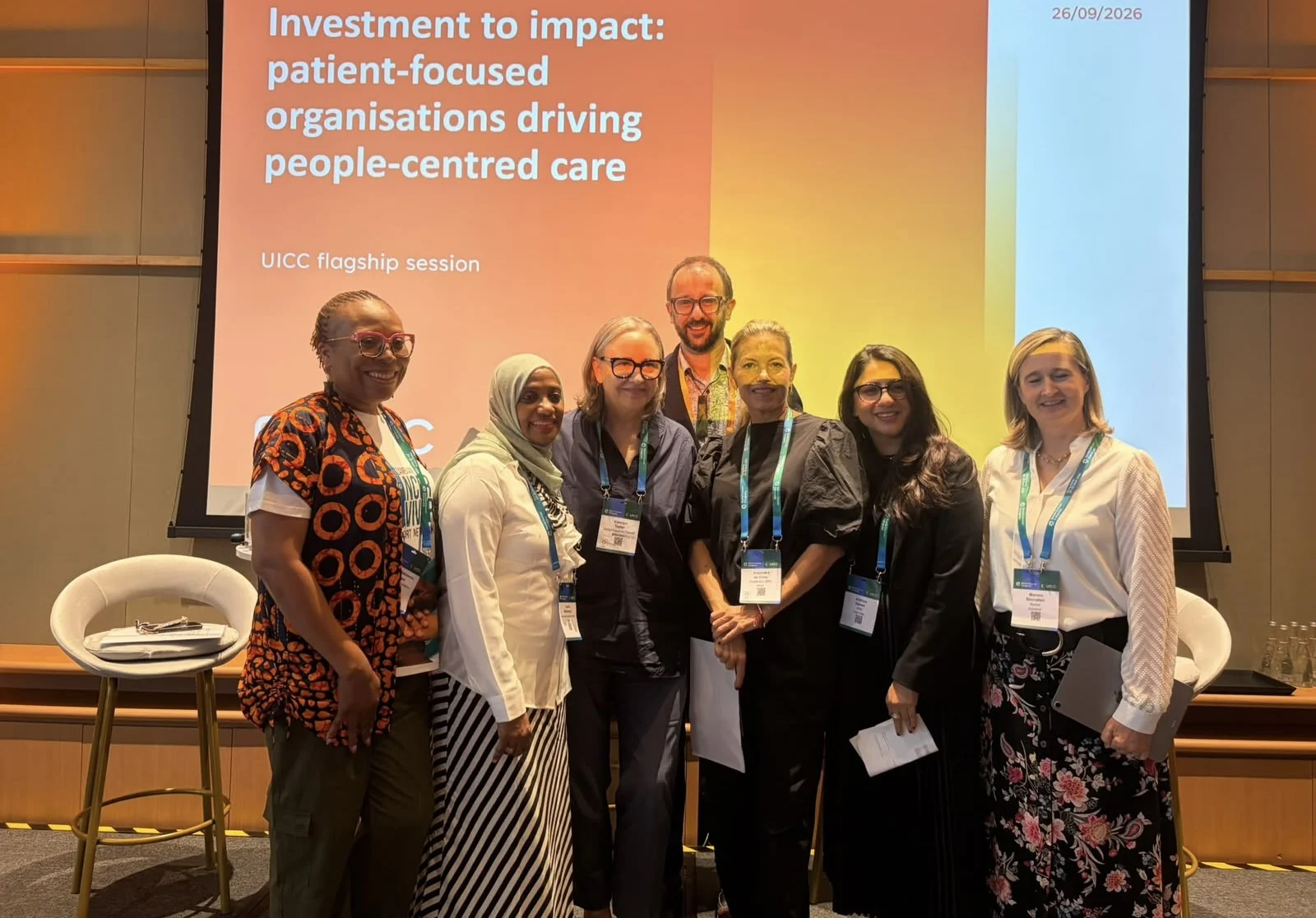
UICC Flagship Session – Investment to impact: patient-focused organisations driving people-centred care
Among the UICC flagship sessions, “Investment to Impact: Patient-Focused Organisations Driving People-Centred Care” examined how organizations led by and working with people affected by cancer can influence policy, strengthen health systems, and help make cancer care more responsive to patient needs.
Organized by the Union for International Cancer Control (UICC), MSD, and Roche, and chaired by Christopher Jackson from the University of Otago, New Zealand, the session brought together patient advocates and health policy leaders from different regions.
Bringing Lived Experience Into National Cancer Policy
Karen Nakawala from Teal Sisters Foundation, Zambia, discussed “Advancing people-centred care through lived experience and national policy engagement.”
The presentation highlighted how patient organizations can use lived experience to inform national cancer policies and advocate for services that better reflect the realities faced by people affected by cancer.
Patient-Driven Data and Co-Created Evidence
Alejandra de Cima Aldrete from Asociación Mexicana contra el Cáncer de Mama A.C. (Fundación CIMA), Mexico, explored “Strengthening people-centred care through co-created evidence and patient-driven data.”
The discussion focused on the value of involving patients in generating evidence and using patient-driven data to help identify gaps in cancer care and inform decision-making.
Embedding Lived Experience in Policy
Carolyn Taylor from Global Focus on Cancer, United States, addressed “Embedding lived experience to advance people-centred policies.”
The presentation examined how patient experiences can be incorporated into policy development, helping ensure that cancer strategies consider the perspectives of those directly affected by the disease.
Meaningful Engagement Across Cancer Control Systems
Lamia Mahmoud from the World Health Organization Regional Office for the Eastern Mediterranean (WHO EMRO), Egypt, discussed “Advancing meaningful engagement in cancer control systems and policy.”
The session highlighted the importance of meaningful participation by people with lived experience in cancer control systems and policy processes.
The session concluded with remarks from Marion Souveton of Roche, Switzerland.
Strengthening the Role of Patient Organizations
Across the discussion, speakers addressed the structural, financial, and capacity challenges that can limit the impact of patient-focused organizations, while highlighting opportunities to strengthen their sustainability and credibility.
The session emphasized the role of patient organizations as partners within health systems—not only in providing support and advocacy, but also in informing policy, generating evidence, and helping shape cancer services around the needs of people affected by the disease.
At WCC 2026, the discussion reinforced the importance of moving from simply consulting patients to meaningfully involving people with lived experience in the decisions that shape cancer care and policy.
Read further on OncoDaily: WCC 2026 Highlights Common Sense Oncology and the Future of Patient-Centered Cancer Care