The World Cancer Congress (WCC) 2026 is bringing together leaders from across the global cancer community from September 24–26, 2026, in Hong Kong, with the aim of advancing collaboration, sharing evidence-based strategies, and strengthening cancer control worldwide. Organized by the Union for International Cancer Control (UICC) in collaboration with the Hong Kong Anti-Cancer Society, the Congress will take place at the Hong Kong Convention and Exhibition Centre.
Held every two years, the World Cancer Congress serves as an international platform connecting researchers, clinicians, policymakers, patient advocates, public health experts, and cancer organizations to address challenges across prevention, early detection, treatment, survivorship, and equitable access to care. Previous editions have brought together thousands of participants from more than 130 countries, reflecting the Congress’s global role in shaping cancer control priorities.
Common Sense Oncology: Balancing Evidence, Equity and Empathy in Global Cancer Care
Among the highlight sessions, “Common Sense Oncology: Balancing Evidence, Equity and Empathy in Global Cancer Care” explored how oncology can better balance innovation with meaningful outcomes, ensuring that progress in cancer treatment translates into real benefits for patients worldwide.
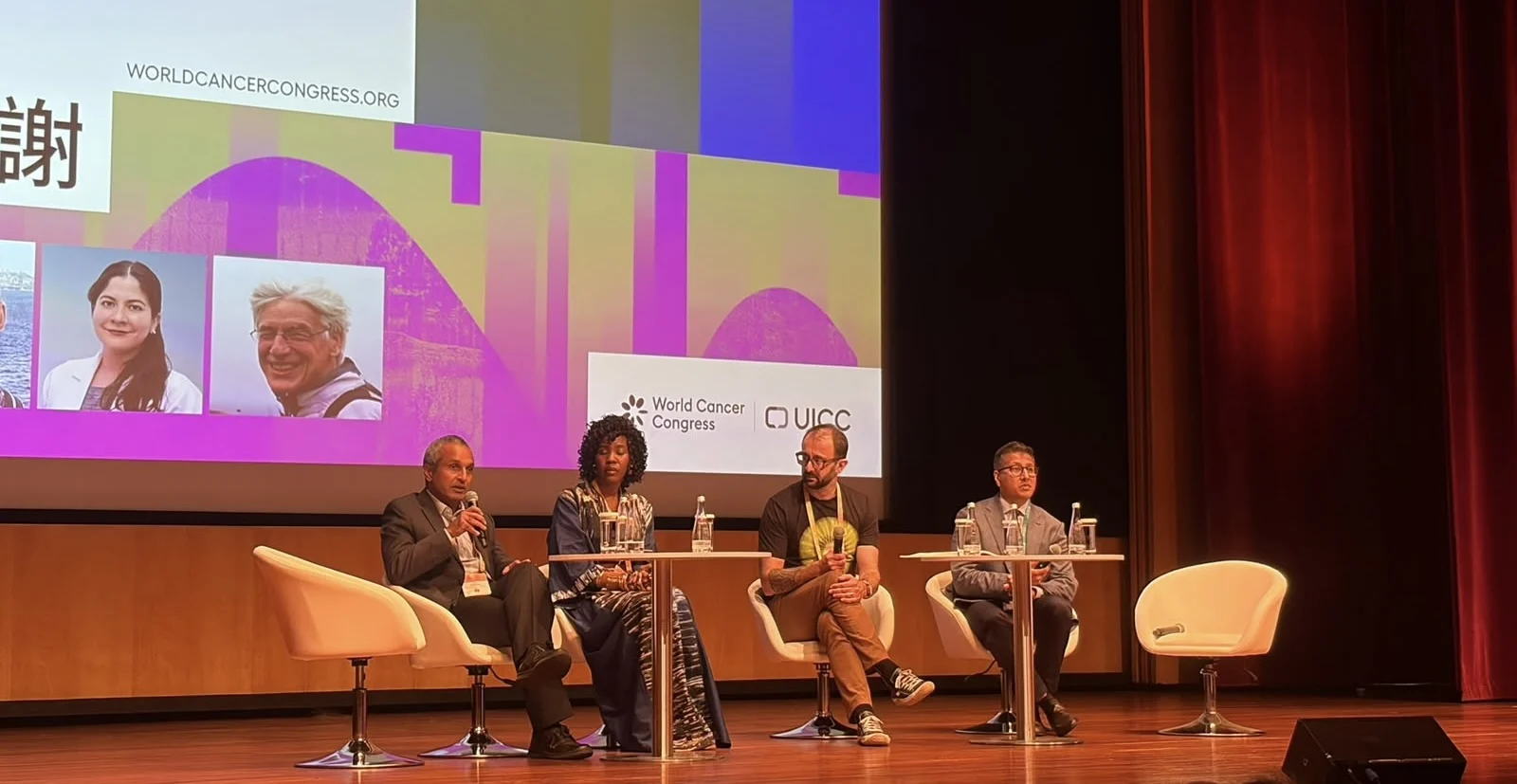
Organized by The University of Otago and chaired by Christopher Jackson from The University of Otago, New Zealand, the session focused on the principles of Common Sense Oncology (CSO), a global initiative aiming to improve how cancer evidence is generated, interpreted, communicated, and implemented.
Moving Beyond Complexity Toward Outcomes That Matter
Opening the session, Christopher Jackson presented “Common Sense Oncology, doubling down on patient outcomes that matter.”
The discussion highlighted the importance of focusing on outcomes that reflect what patients value most, including quality of life, symptom control, survival benefits, and meaningful improvements in daily living.
The CSO approach emphasizes the need to critically evaluate cancer treatments and evidence while ensuring that clinical decisions remain centered on patients and healthcare realities.
Driving System Change for High-Quality and Affordable Cancer Care
C S Pramesh from Tata Memorial Hospital, India, discussed “Driving System Change: Policy for High-Quality and Affordable Cancer Care.”
The presentation explored approaches to improving cancer systems through policies that prioritize access, affordability, and delivery of high-quality care, particularly in settings where resources must be carefully balanced.
Applying Common Sense Oncology in Global and Resource-Limited Settings
The global perspective was further explored by Miriam Mutebi from Aga Khan University/KESHO, Kenya, through “Global Oncology Through a Common-Sense Lens: Lessons from Low- and Middle-Income Countries.”
The presentation highlighted how cancer care strategies must consider local healthcare infrastructure, available resources, and patient needs to create sustainable solutions across different regions.
Making Value Visible in Cancer Care Decisions
Ajay Aggarwal from the London School of Hygiene and Tropical Medicine, United Kingdom, addressed “Making Value Visible: Economics and Priority Setting Through a CSO Lens.”
The discussion examined the role of health economics and priority-setting frameworks in ensuring that cancer resources are directed toward interventions that provide meaningful value for patients and healthcare systems.
Reimagining the Future of Oncology
The WCC 2026 session highlighted a growing global conversation around redefining success in cancer care—not only through scientific innovation, but also through accessibility, affordability, compassion, and outcomes that matter to people living with cancer.
By bringing together perspectives from different healthcare systems and regions, the discussion emphasized the need for practical frameworks that help clinicians, policymakers, researchers, and advocates build more sustainable and patient-centered oncology systems.
Read further on OncoDaily: WCC 2026 Highlights the Human Crisis in Cancer Care Through a Lancet Oncology Commission Discussion