The World Cancer Congress (WCC) 2026 is bringing together leaders from across the global cancer community from September 24–26, 2026, in Hong Kong, with the aim of advancing collaboration, sharing evidence-based strategies, and strengthening cancer control worldwide. Organized by the Union for International Cancer Control (UICC) in collaboration with the Hong Kong Anti-Cancer Society, the Congress will take place at the Hong Kong Convention and Exhibition Centre.
Held every two years, the World Cancer Congress serves as an international platform connecting researchers, clinicians, policymakers, patient advocates, public health experts, and cancer organizations to address challenges across prevention, early detection, treatment, survivorship, and equitable access to care. Previous editions have brought together thousands of participants from more than 130 countries, reflecting the Congress’s global role in shaping cancer control priorities.
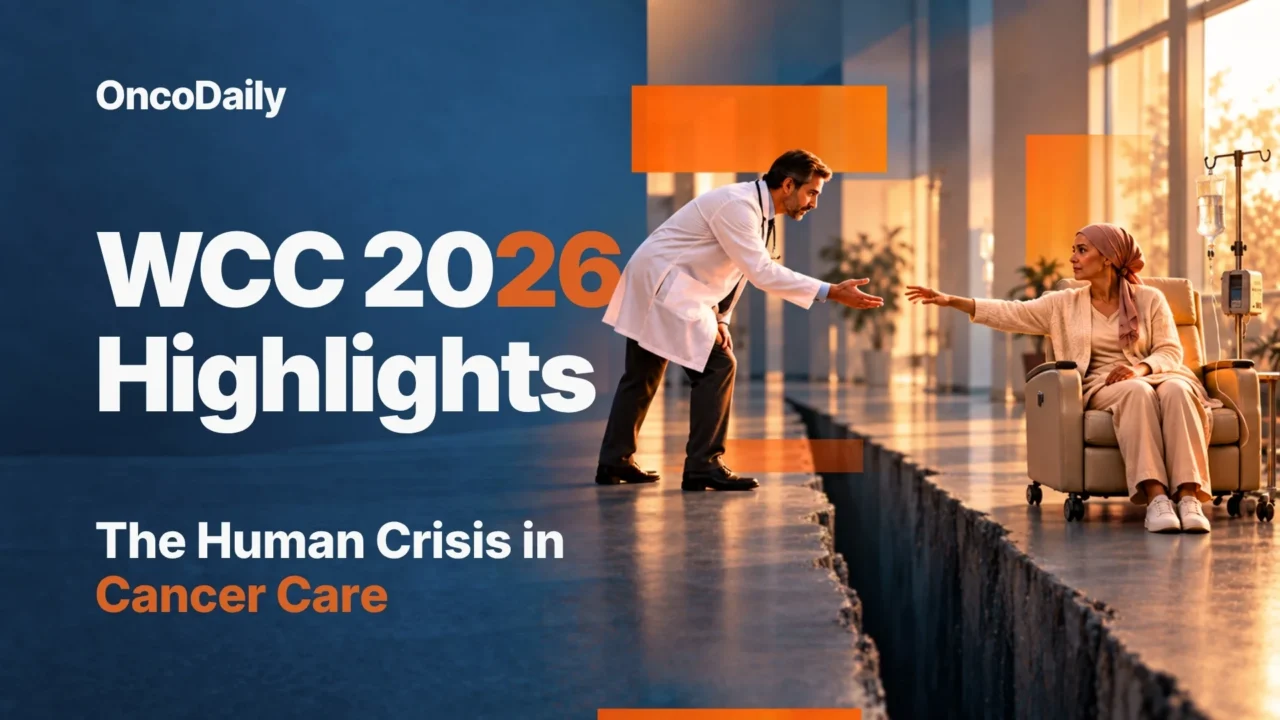
The Human Crisis in Cancer: A Lancet Oncology Commission
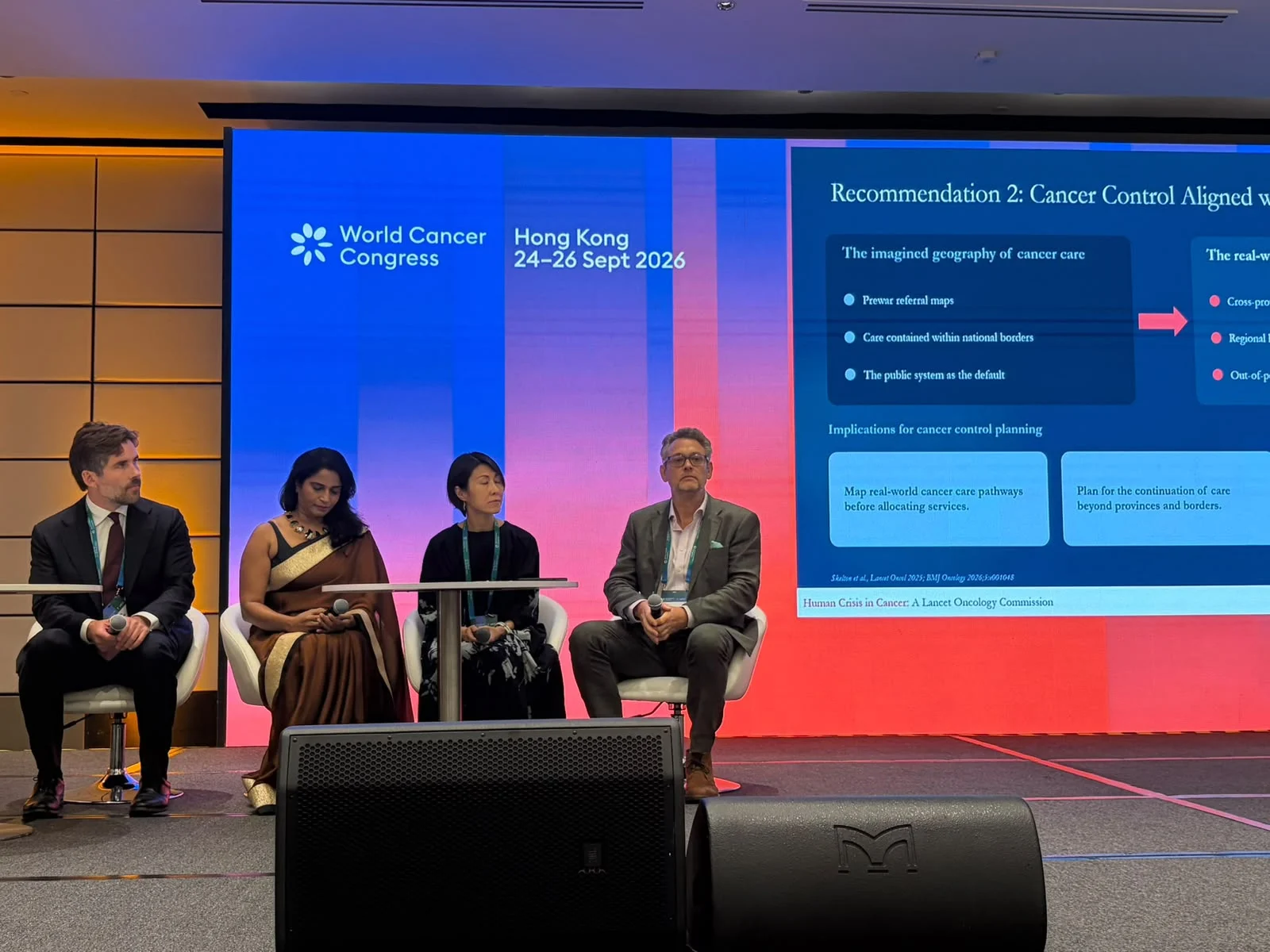
Among the sessions exploring the future of cancer care, “The Human Crisis in Cancer: A Lancet Oncology Commission” examined the need to place people, families, and communities at the center of cancer systems.
Organized by University Health Network and chaired by Gary Rodin from University Health Network, Canada, the session focused on findings from the Lancet Oncology Commission report on the Human Crisis of Cancer (DOI: 10.1016/S1470-2045(25)00530-3), published in 2025.
The Commission highlighted a growing imbalance in cancer care, where biomedical advances have progressed rapidly while human-centered aspects of cancer, including psychosocial support, financial protection, dignity, and compassionate care, remain insufficiently addressed in many settings.
Addressing the Human Dimensions of Cancer Through Health Policy
The session opened with Richard Sullivan from the Institute of Cancer Policy, King’s College London, United Kingdom, who discussed “The role of health policy in addressing the human crisis in cancer.”
The presentation explored how health policies can better reflect the lived realities of people affected by cancer and address gaps between healthcare priorities and patient needs.
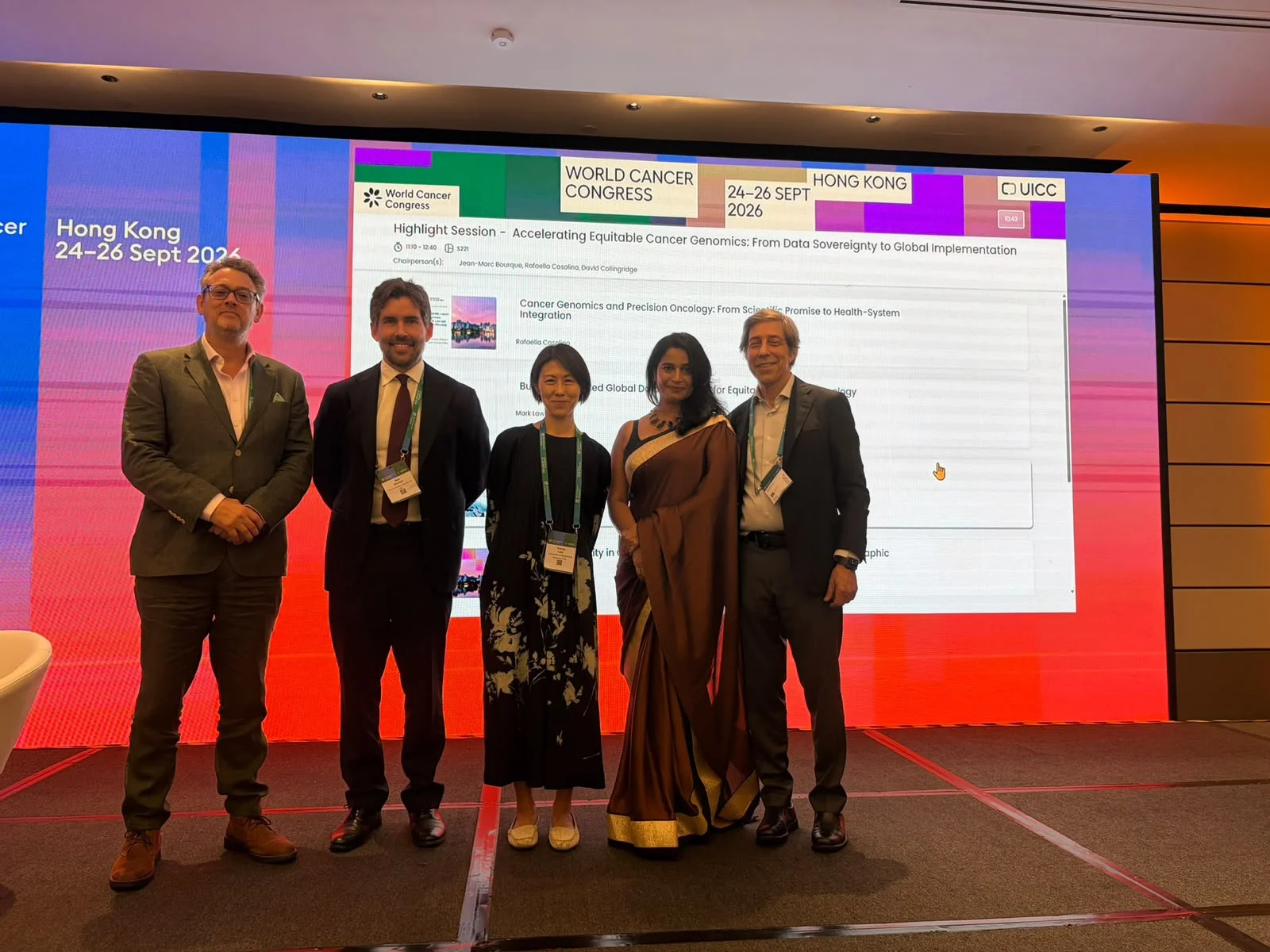
Strengthening Psychosocial Oncology Worldwide
Wendy Wing Tak Lam from The University of Hong Kong, China, presented on “Global consensus on psychosocial oncology competencies: Responding to the human crisis of cancer.”
The discussion highlighted the importance of integrating psychosocial oncology into cancer care systems and ensuring that healthcare professionals are equipped to address emotional, social, and psychological challenges faced by patients and families.
Moving From Financial Toxicity to Financial Protection
Cancer can create significant financial challenges for patients and families, affecting access to care and quality of life.
During the session, Nirmala Bhoo Pathy from Universiti Malaya, Malaysia, explored “From financial toxicity to financial protection: System and patient-facing solutions to the human crisis in cancer.”
The presentation examined strategies to reduce the economic burden of cancer through healthcare system reforms and patient-focused approaches.
Delivering Humane Cancer Care During Crises
Cancer care challenges become even more complex during conflicts and humanitarian emergencies.
Mac Skelton from American University of Iraq, Iraq, addressed “Humane Cancer Care in Contexts of War and Humanitarian Emergencies,” highlighting the need for approaches that preserve access, dignity, and continuity of care even in the most challenging environments.
Reimagining the Future of Cancer Care
The session at WCC 2026 emphasized that progress in oncology must extend beyond scientific breakthroughs alone. A comprehensive cancer response requires healthcare systems that recognize the full human experience of cancer, from diagnosis and treatment to emotional wellbeing, financial challenges, and social support.
As the global cancer community continues to work toward more equitable cancer control, the Human Crisis in Cancer discussion reinforced the importance of building systems that treat both the disease and the person affected by it.
Read further on OncoDaily: WCC 2026 Highlights Growing Focus on Climate Change and the Future of Cancer Care