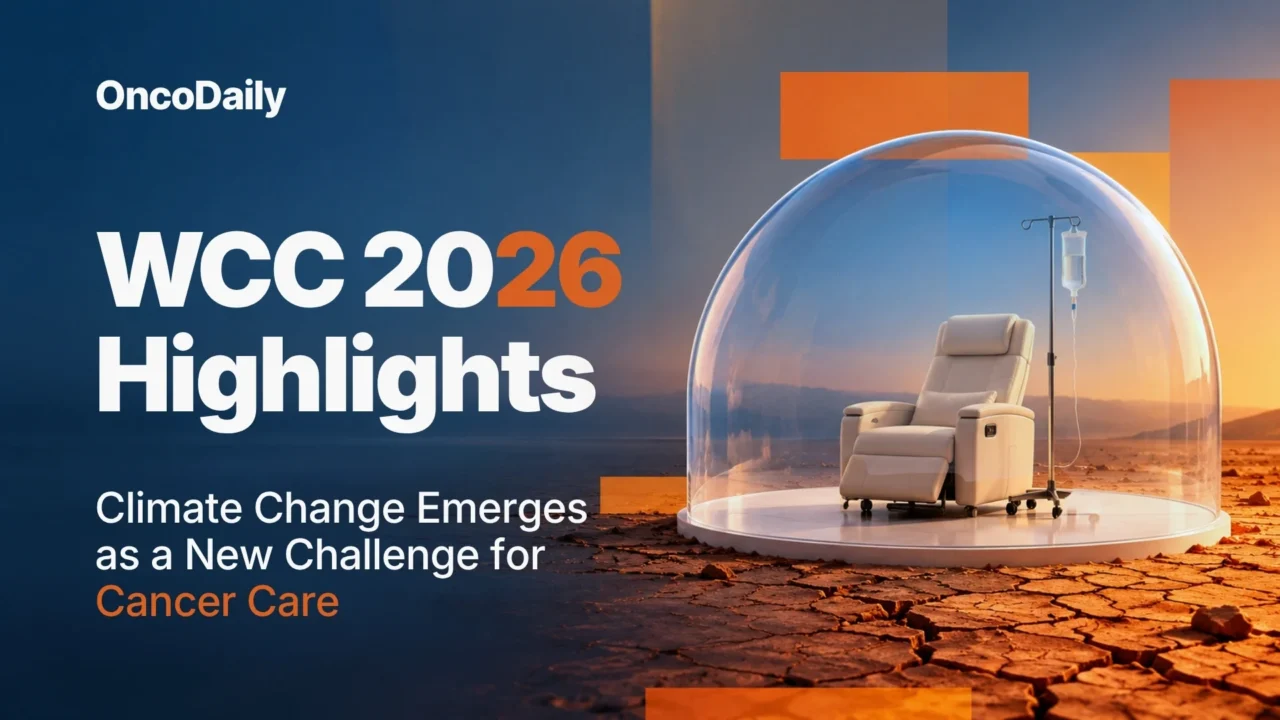
The World Cancer Congress (WCC) 2026 is bringing together leaders from across the global cancer community from September 24–26, 2026, in Hong Kong, with the aim of advancing collaboration, sharing evidence-based strategies, and strengthening cancer control worldwide. Organized by the Union for International Cancer Control (UICC) in collaboration with the Hong Kong Anti-Cancer Society, the Congress will take place at the Hong Kong Convention and Exhibition Centre.
Held every two years, the World Cancer Congress serves as an international platform connecting researchers, clinicians, policymakers, patient advocates, public health experts, and cancer organizations to address challenges across prevention, early detection, treatment, survivorship, and equitable access to care. Previous editions have brought together thousands of participants from more than 130 countries, reflecting the Congress’s global role in shaping cancer control priorities.
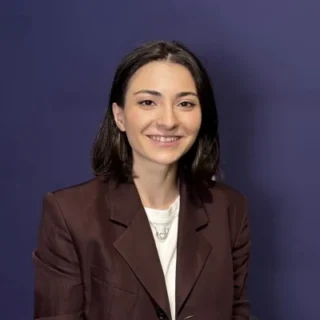
Patricia Chu highlights what to expect from the World Cancer Congress 2026 in Hong Kong.
Advancing Cancer Control Through Global Collaboration
The 2026 Congress will focus on strengthening action across the cancer continuum, highlighting innovative approaches, successful models of care, and strategies to reduce disparities in cancer outcomes. The programme brings together perspectives from different regions and sectors, emphasizing that progress against cancer requires coordinated efforts between healthcare systems, communities, governments, researchers, and people affected by cancer.
With Hong Kong serving as the host city, the Congress also highlights the importance of regional collaboration and knowledge exchange across Asia and beyond. The event is organized together with the Hong Kong Anti-Cancer Society, a long-standing UICC member organization involved in cancer education, support services, and community engagement.
Climate Change and Cancer: A Growing Focus in Global Cancer Care
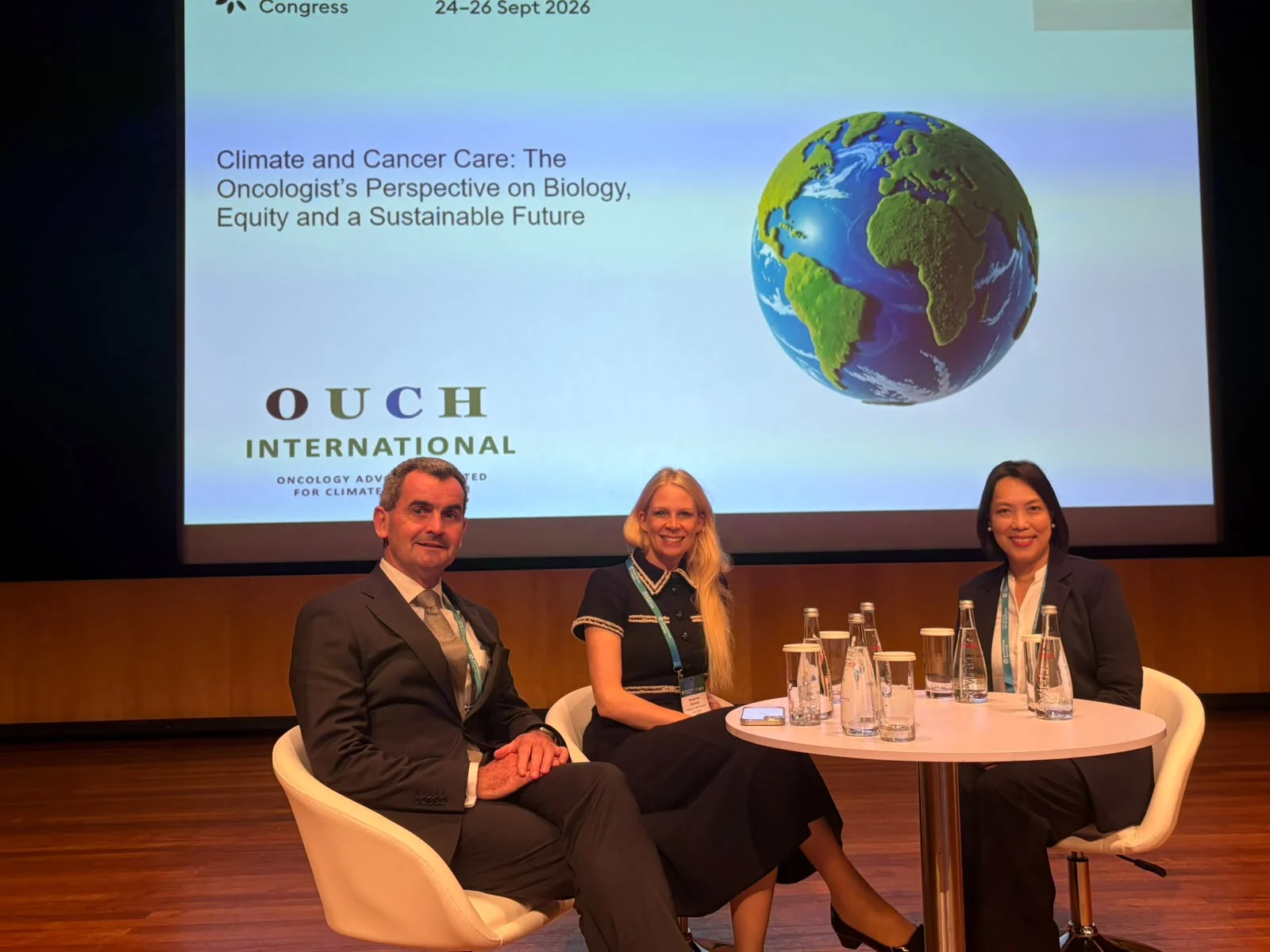
Among the sessions featured at WCC 2026, “Climate and Cancer Care: The Oncologist’s Perspective on Biology, Equity, and a Sustainable Future” examined the increasingly recognized relationship between climate change and cancer outcomes.
Organized by Oncology Advocates United for Climate and Health and chaired by Susannah Stanway from Royal Marsden Hospital, United Kingdom, the session explored how environmental changes, climate-related disruptions, and sustainability challenges are influencing cancer prevention, cancer biology, healthcare access, and future models of care.
The discussion highlighted that climate change is not only an environmental issue but also an emerging challenge for global cancer control. Rising temperatures, air pollution, extreme weather events, and exposure to environmental toxins may influence cancer risk while also creating barriers to timely diagnosis and treatment, particularly in vulnerable populations.
Exploring the Climate Signature in Cancer Biology
Ilit Turgeman from Dana-Farber Cancer Institute and Harvard Medical School, United States, discussed the connection between environmental exposures and tumor biology in a presentation titled “From Exposure to Tumor Biology: Reading the Climate Signature in Cancer.”
The presentation examined how changing environmental conditions may contribute to shifts in cancer patterns and biological mechanisms, including emerging trends such as increasing cancer incidence among populations traditionally considered at lower risk.
Climate Justice and Equity in Cancer Care
Roselle De Guzman from Manila Central University – FDT Medical Foundation Hospital, Philippines, addressed the impact of climate-related disruptions on cancer care delivery through “When the Storm Hits: Global Adaptation Strategies to Enhance Climate Justice and Cancer Care Equity.”
The session highlighted how extreme weather events and climate vulnerabilities can interrupt healthcare access, affect treatment continuity, and deepen existing disparities in cancer outcomes.
Building Sustainable Cancer Centers and Research Systems
The sustainability of cancer care itself was another key theme. Seamus O’Reilly from Cork University Hospital, Ireland, presented “Greener Oncology: Rethinking Cancer Centers and Research for a Sustainable Future,” exploring approaches to reducing the environmental impact of oncology services while maintaining high-quality patient care.
From healthcare infrastructure to research practices, the discussion emphasized the need for sustainable approaches across the oncology ecosystem.
Bringing Patient Perspectives Into Climate Discussions
Leslie Gilham from Breast Cancer Trials, Australia, shared patient perspectives in “Patient Voices at the Climate Frontline: Lived Experience in Cancer and Cancer Care.”
The presentation emphasized the importance of including the experiences of people affected by cancer when developing strategies to address climate-related challenges in healthcare.
Oncologists as Advocates for Change
Closing the session, Susannah Stanway discussed the role of oncologists as catalysts for policy and action in “From Evidence to Influence: Oncologists as Catalysts for Policy and Change.”
The session underscored the expanding role of oncology professionals, not only in treating cancer but also in advocating for prevention strategies, resilient health systems, and policies that address emerging threats to cancer control.
A Global Conversation on the Future of Cancer Care
The climate and cancer discussion at WCC 2026 reflects the broader mission of the Congress: bringing together diverse voices to identify challenges, share solutions, and strengthen global action against cancer.
As cancer care continues to evolve, discussions around environmental sustainability, health equity, and prevention are becoming increasingly important components of the global cancer agenda.
Read more about WCC 2026 on OncoDaily.