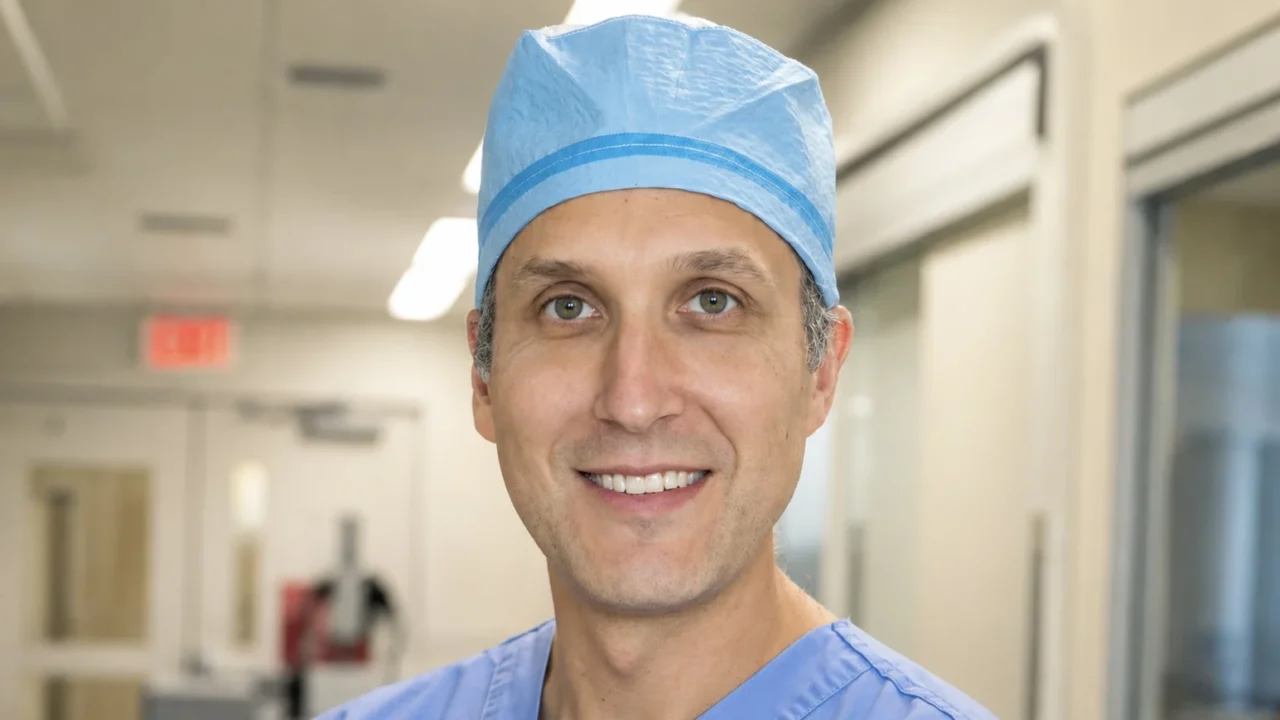
Moishe Liberman, Thoracic Surgeon, Professor of Surgery at University of Montreal, shared on LinkedIn:
“Very excited to announce the launch of the SAVED Lung Cancer Trial in Quebec!
This multicenter, randomized pilot clinical trial will investigate whether surgery can be safely avoided in selected patients with stage II and III lung cancer who achieve a complete clinical response following neoadjuvant chemotherapy and immunotherapy.
SAVED – Surgery After Verification of Existing Disease – challenges the traditional approach of routinely proceeding with surgery, even when there is no detectable residual cancer following treatment.
Our goal is simple: avoid unnecessary surgery, reduce treatment-related morbidity, and improve patient care without compromising cancer outcomes.
If successful, this approach could fundamentally change how we treat patients with locally advanced lung cancer.
ClinicalTrials.gov ID – NCT06743555.”
About SAVED Lung Cancer Trial
The SAVED LUNG trial (NCT06743555) is a Phase I randomized pilot study launched in Quebec, Canada, to explore whether some patients with stage II–III non-small cell lung cancer (NSCLC) can avoid surgery after responding completely to chemotherapy and immunotherapy before surgery (neoadjuvant treatment).
Led by the Centre hospitalier de l’Université de Montréal (CHUM), the study plans to enroll 14 patients. Those who show no detectable signs of cancer after treatment with nivolumab and chemotherapy will be assigned to either standard lung surgery or close monitoring without immediate surgery. Their progress will be followed using imaging, clinical assessments and blood tests for circulating tumor DNA (ctDNA).
The researchers hope to find out whether avoiding surgery can reduce complications and improve patients’ quality of life without affecting treatment outcomes. If the approach proves safe and effective, it could change how some patients with locally advanced lung cancer are treated. For now, the study is an early investigation of this strategy, and much larger trials will be needed before it can become part of routine care.
You may also be interested in:
- SABR Versus Surgery in Early-Stage NSCLC: New JCO Study Supports Surgical Resection, With Important Questions for Older Patients
- Neoadjuvant Immunotherapy Linked to Improved Five-Year Survival in Resected NSCLC: Real-World Study Supports Long-Term Benefit Without Increased Surgical Morbidity