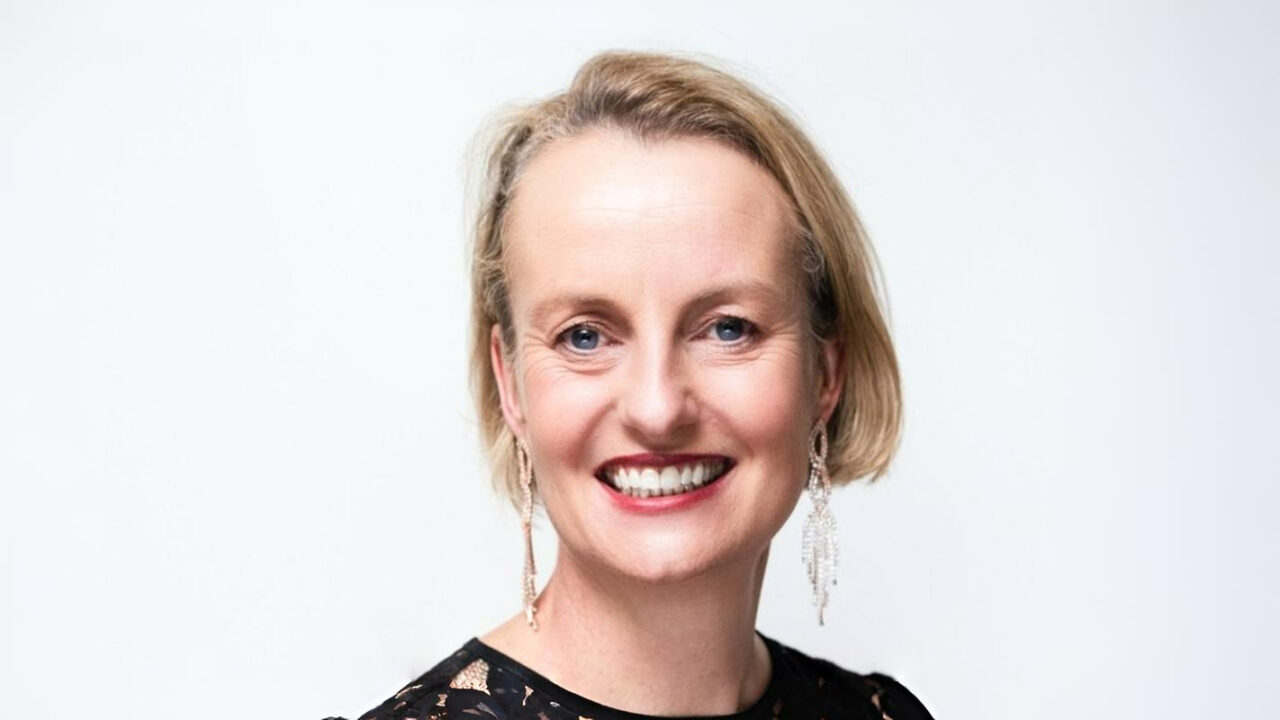
Megan Sanders, Chief Executive Officer at Thoracic Oncology Group of Australasia, shared on LinkedIn:
“More treatment, less treatment, or treatment for longer?
Optimising immunotherapy in cancer care.
Immunotherapy has transformed outcomes for many people with lung cancer, but important questions remain about how best to administer it.
At TOGA’s post-ESMO International Conference Highlights, A/Prof Victoria Bray explored three clinical trials investigating the optimal intensity, duration and frequency of immune checkpoint inhibitor treatment.
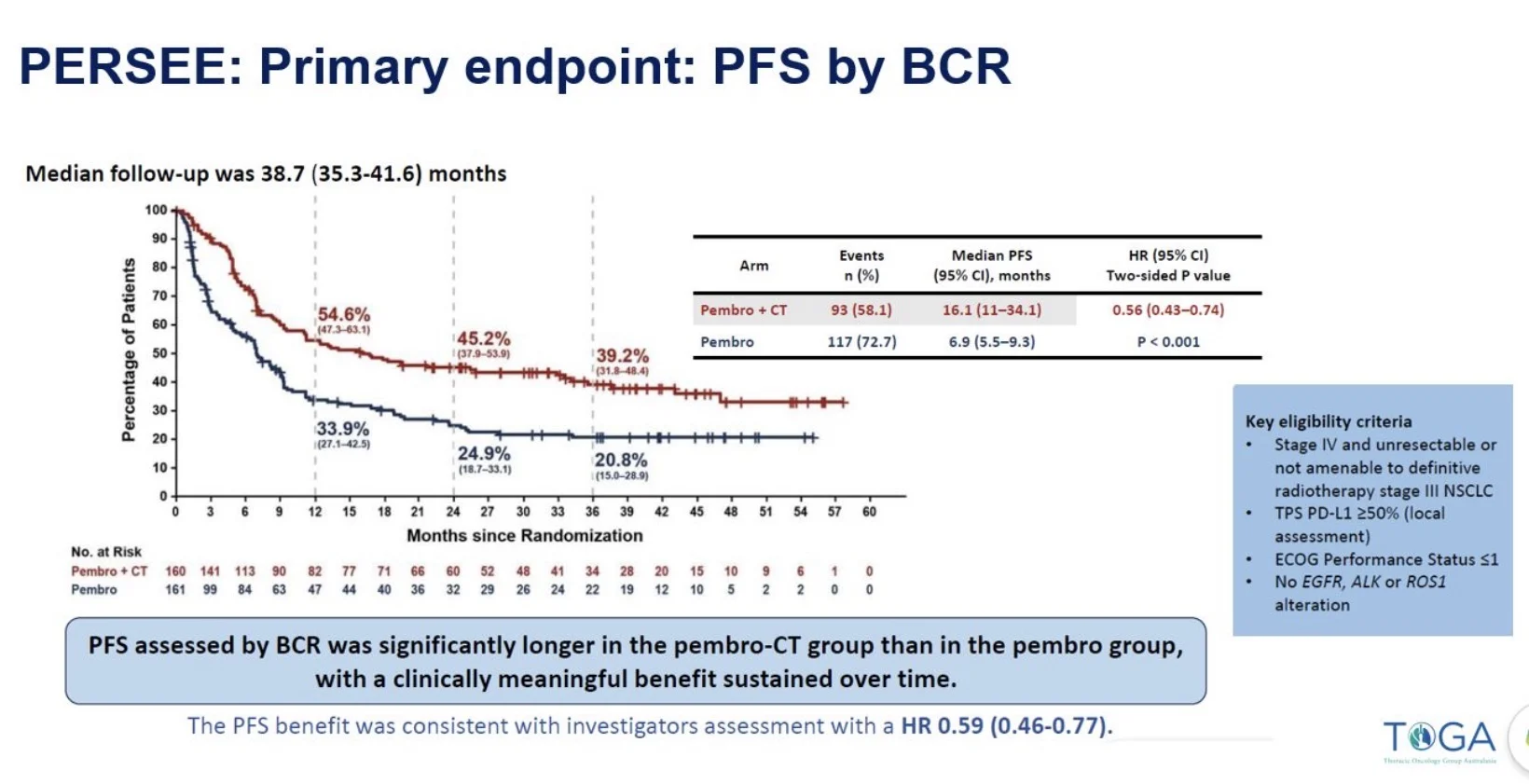
PERSEE: In advanced NSCLC with PD-L1 expression ≥50%, adding chemotherapy to pembrolizumab more than doubled median progression-free survival (16.1 versus 6.9 months). However, greater efficacy came with increased toxicity.
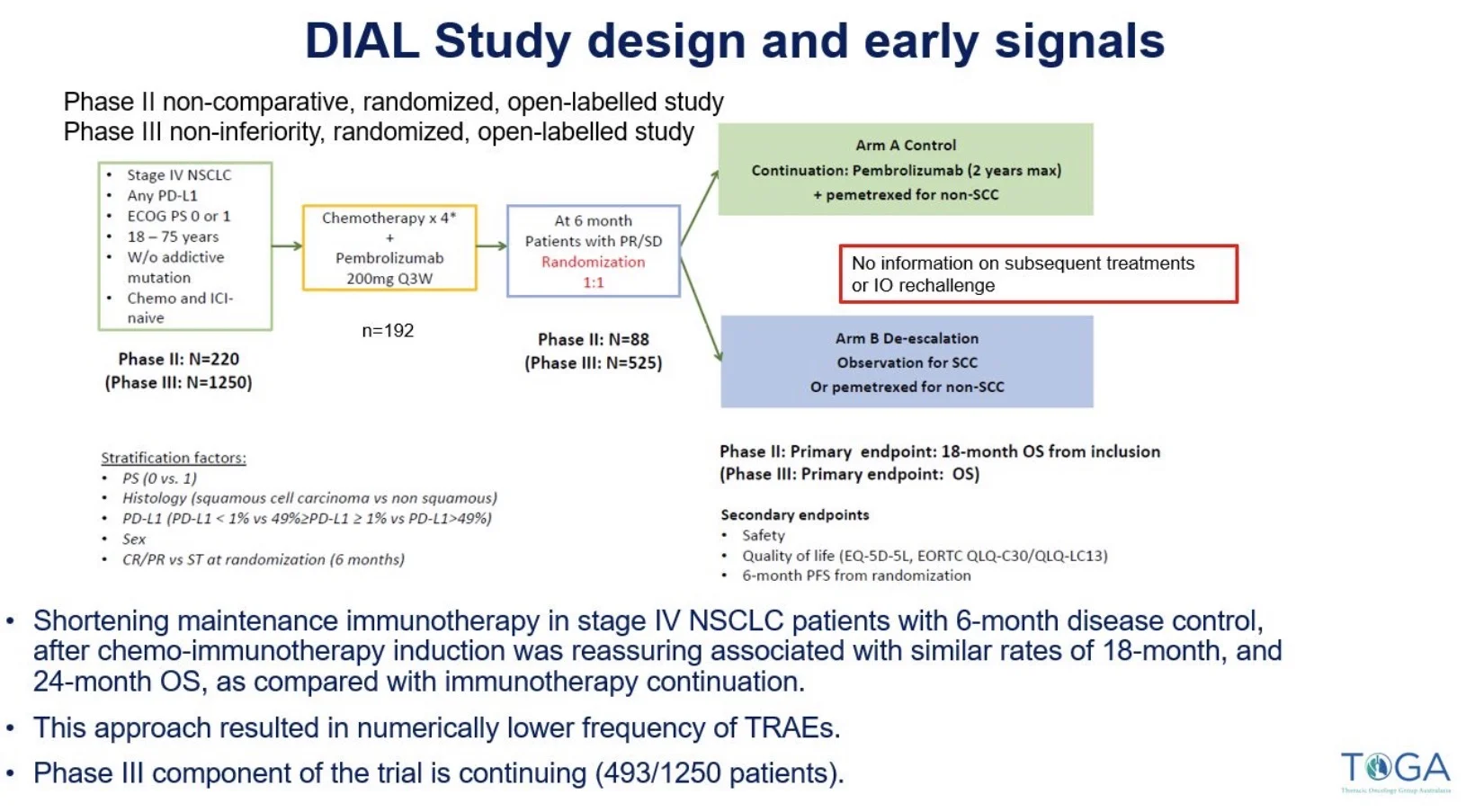
DIAL: Early results suggested that stopping pembrolizumab after six months of disease control may be feasible for selected patients with advanced NSCLC, with similar survival outcomes observed. Larger phase III results are needed before changing practice.
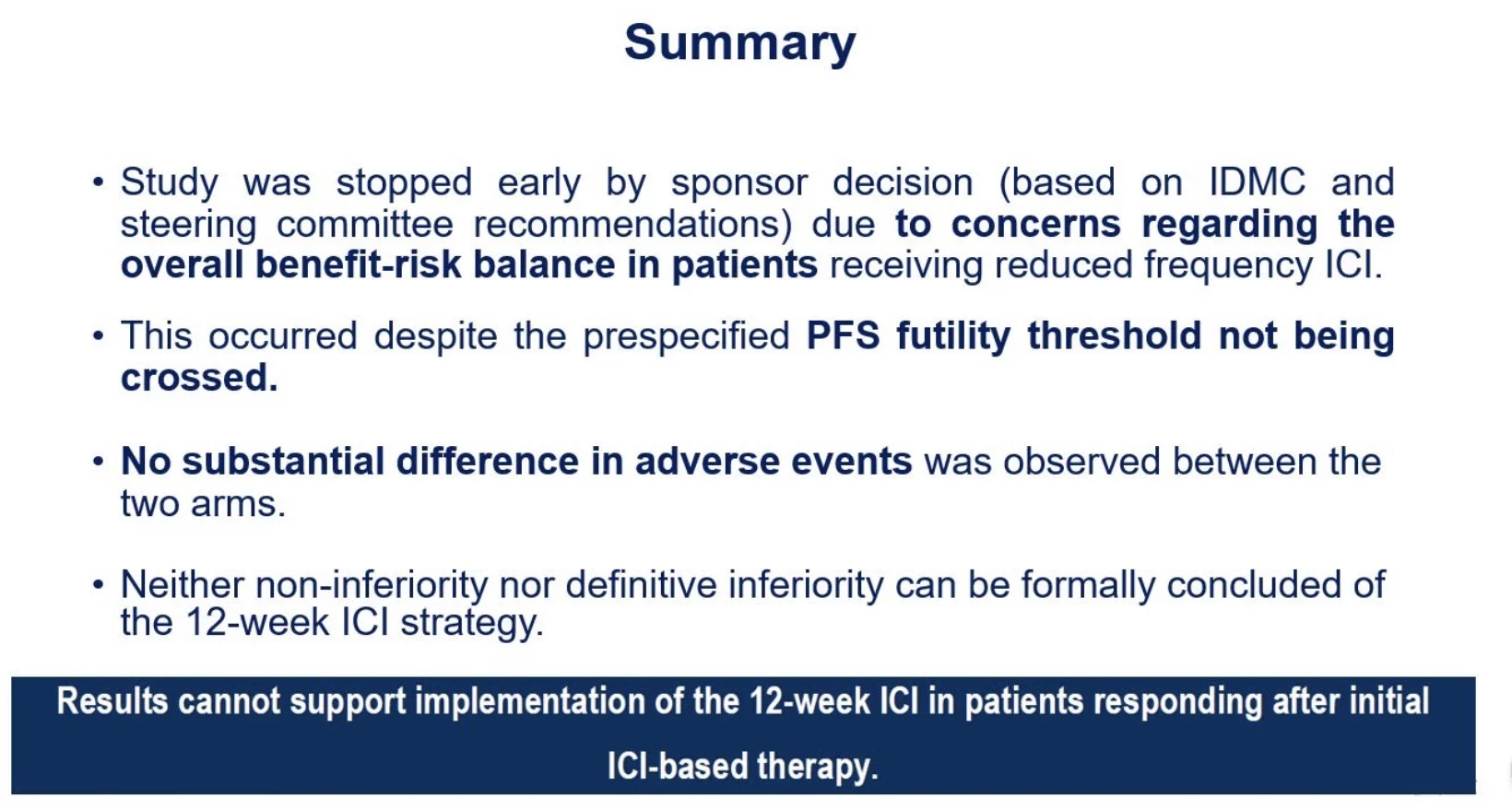
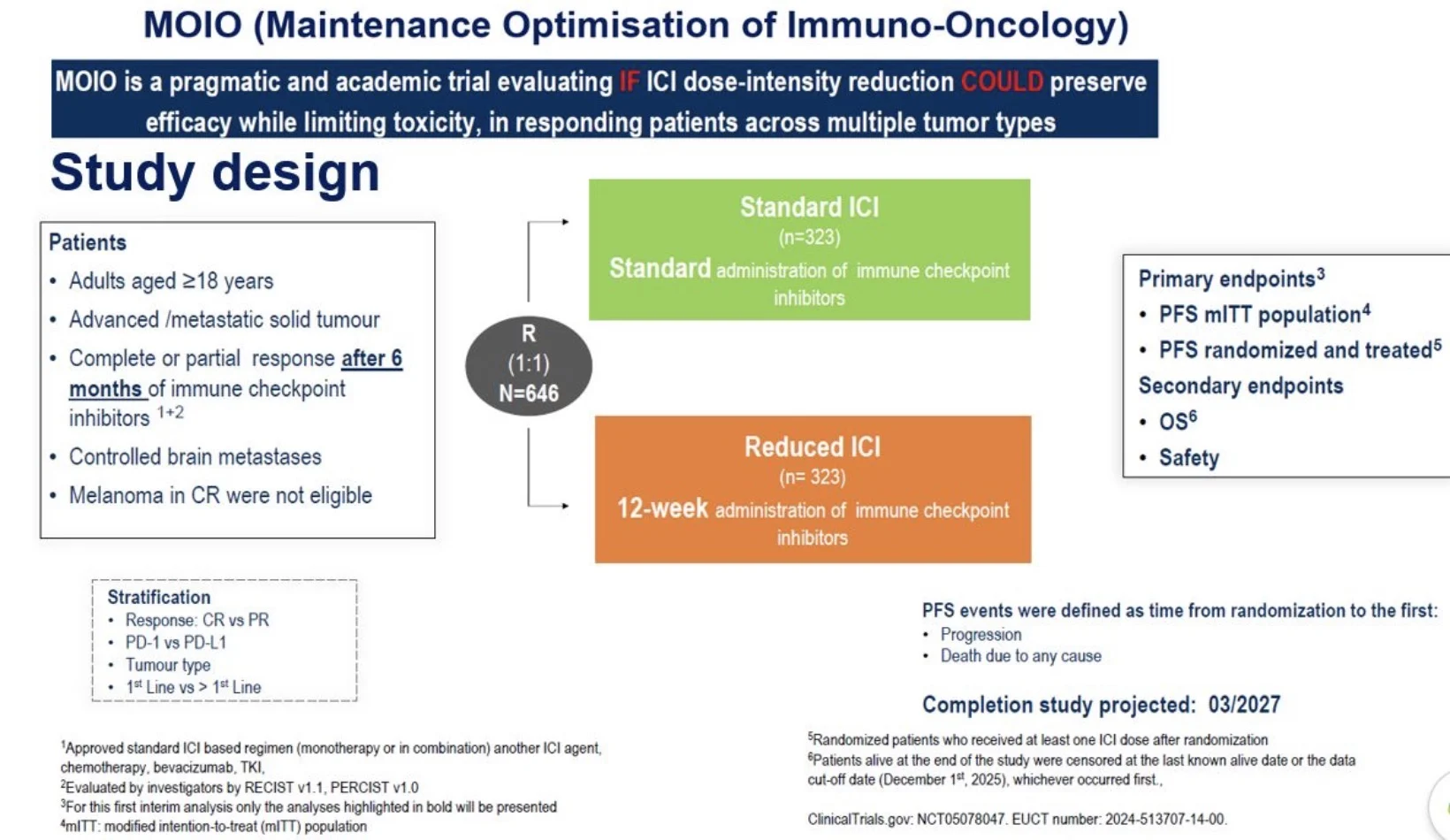
MOIO: This study investigated extending immunotherapy dosing intervals to 12 weeks in patients with several types of advanced cancer. The trial was stopped early following concerns about survival outcomes, reinforcing the need for caution when reducing treatment frequency.
Together, these studies demonstrate that optimising cancer treatment is not simply about developing new therapies. It is also about determining who benefits from more intensive treatment, when treatment can safely be reduced, and how long therapy should continue.
Getting this balance right has the potential to improve outcomes, reduce unnecessary toxicity and treatment burden, and make better use of healthcare resources.
Importantly, reducing treatment intensity requires the same rigorous clinical trial evidence as introducing new therapies.
Thank you to A/Prof Victoria Bray for highlighting these important questions for the future of personalised cancer care.”
You may also be interested in: