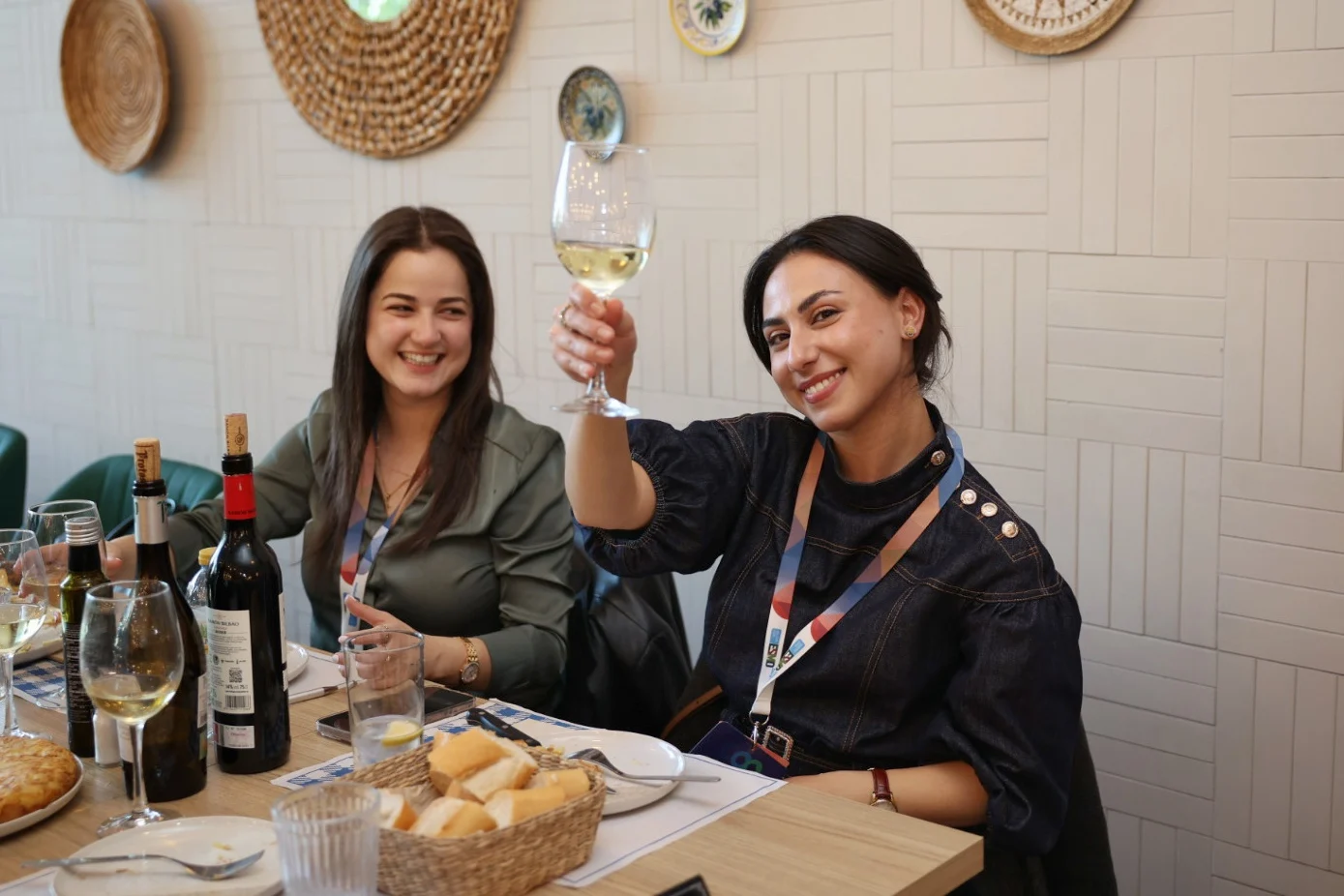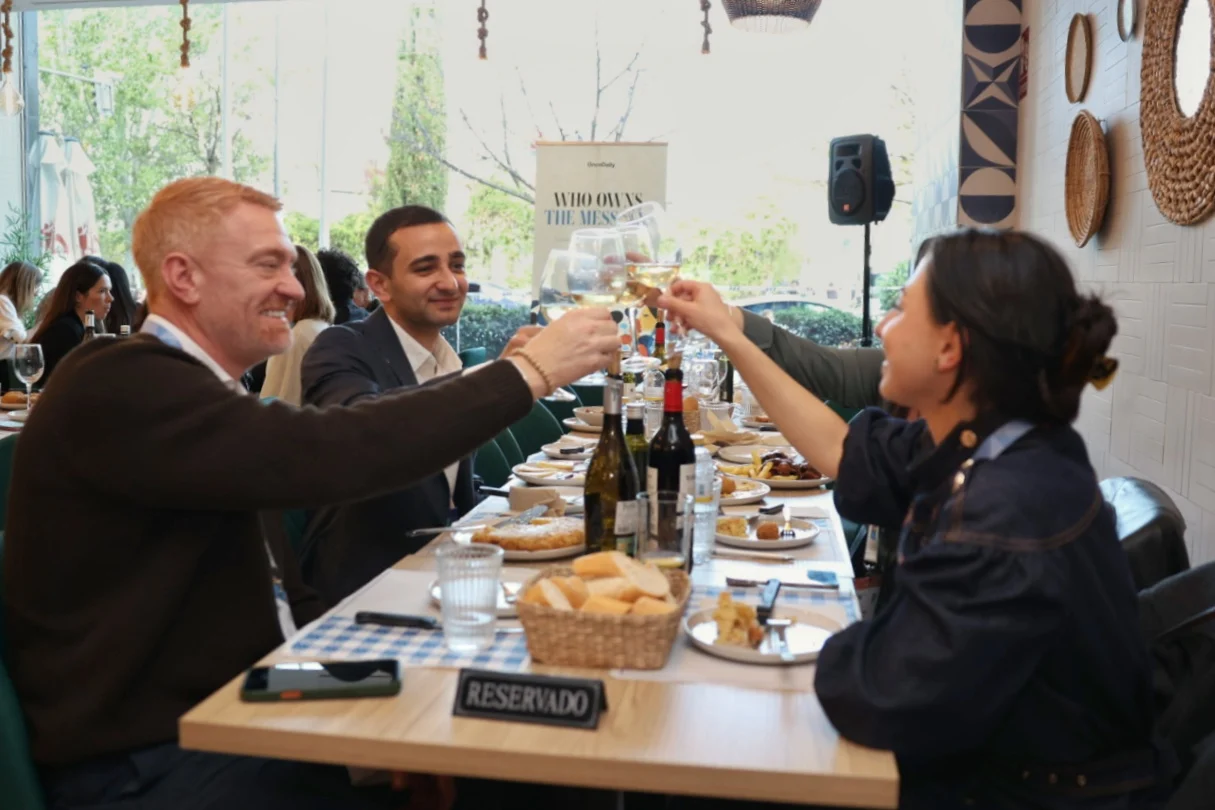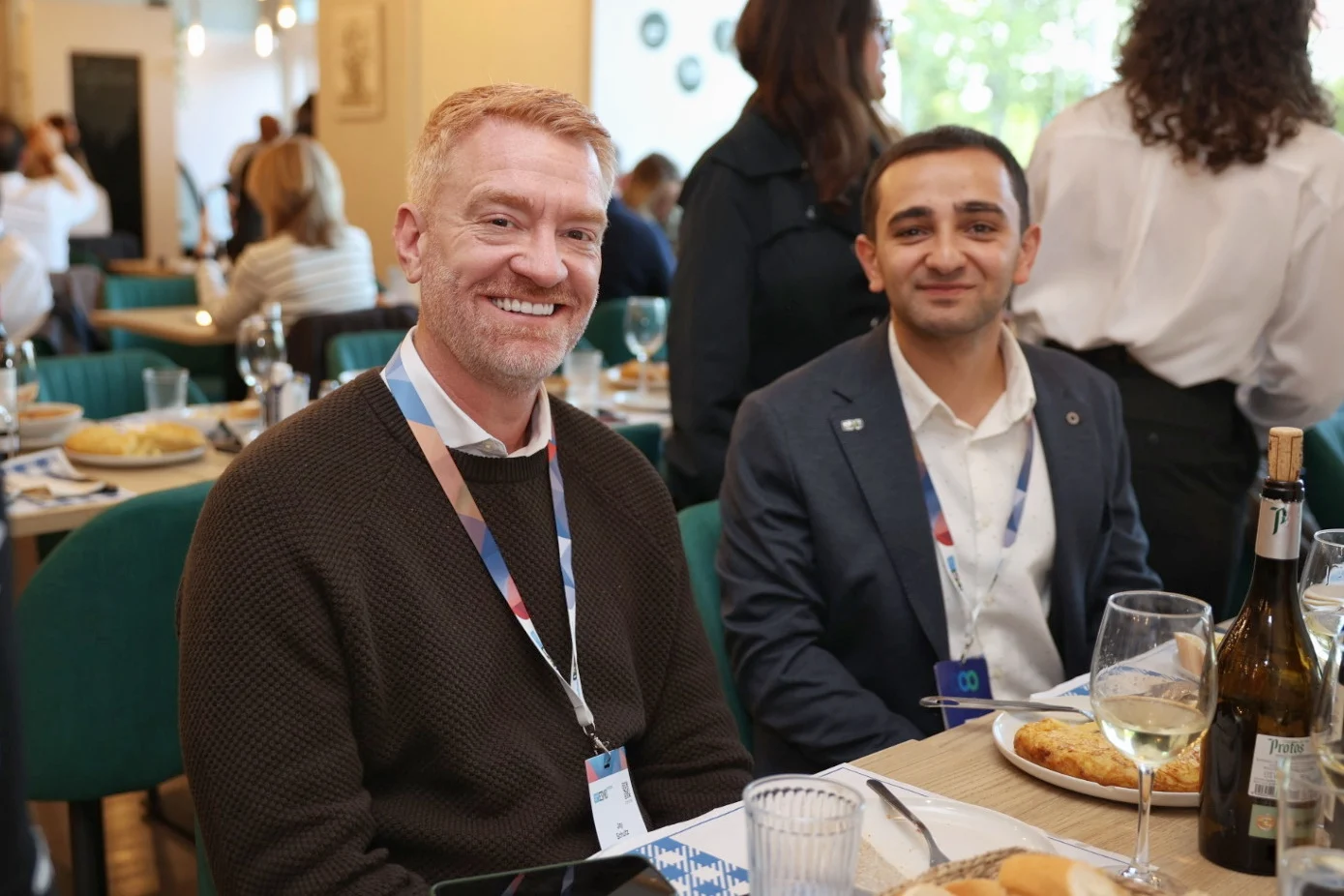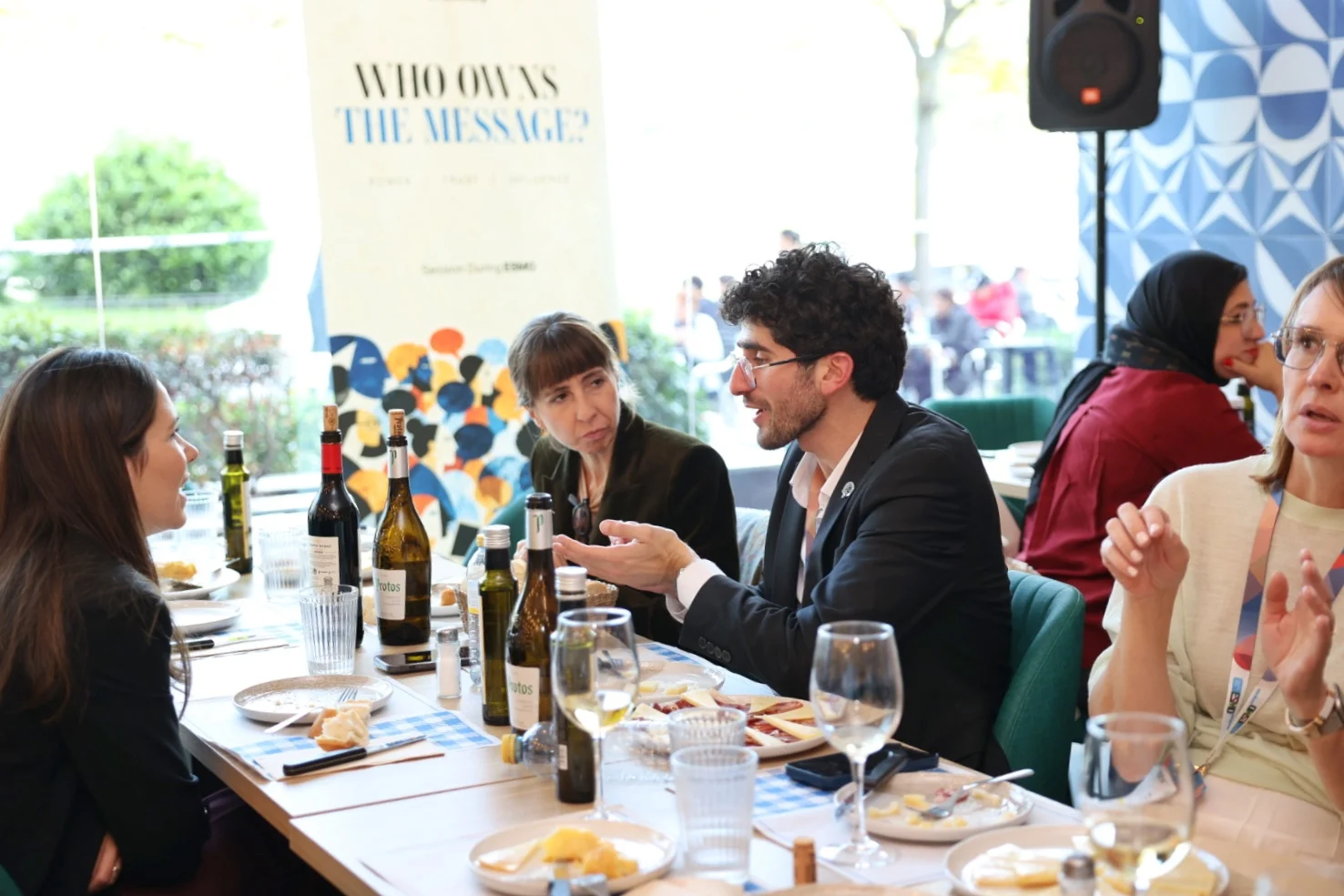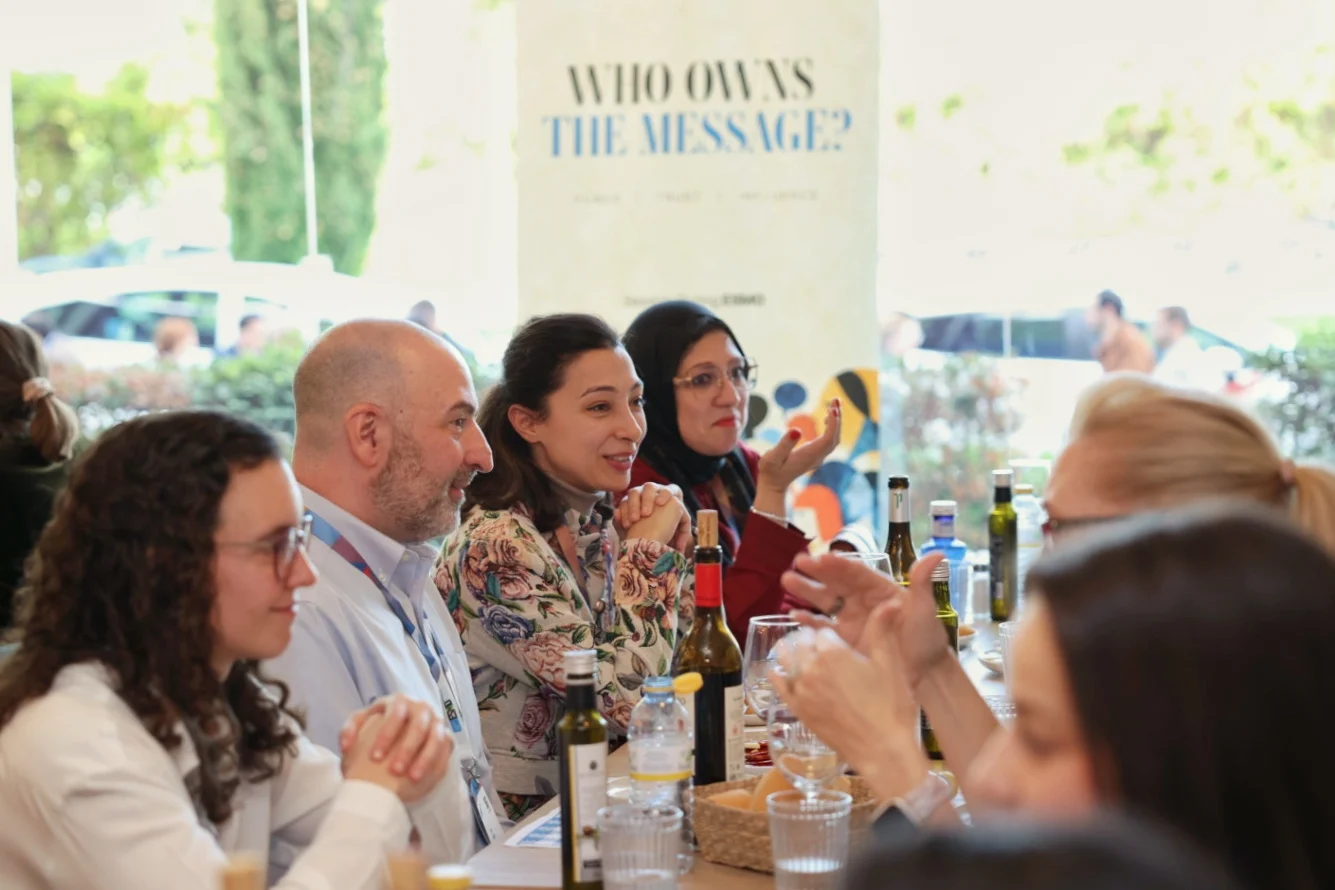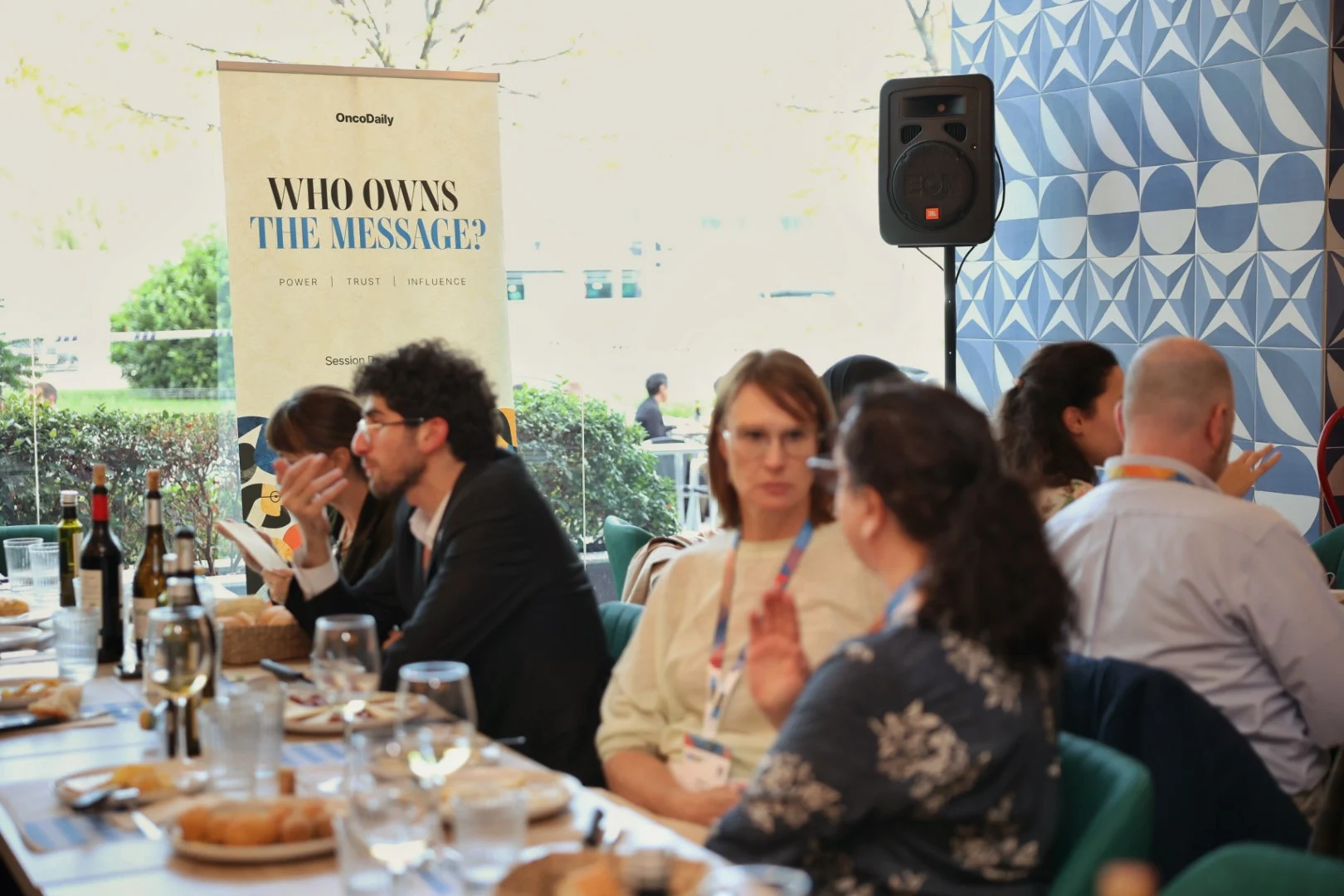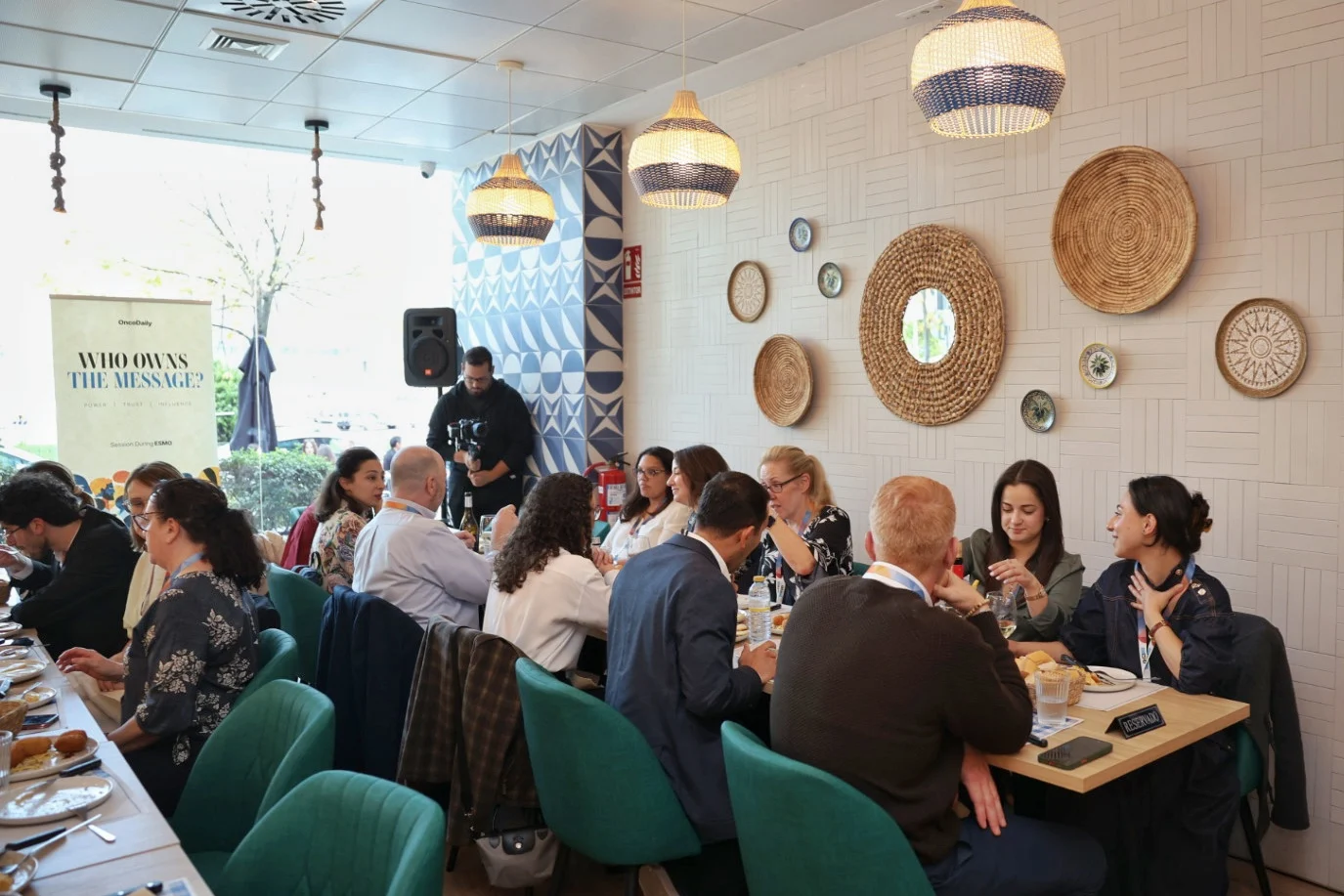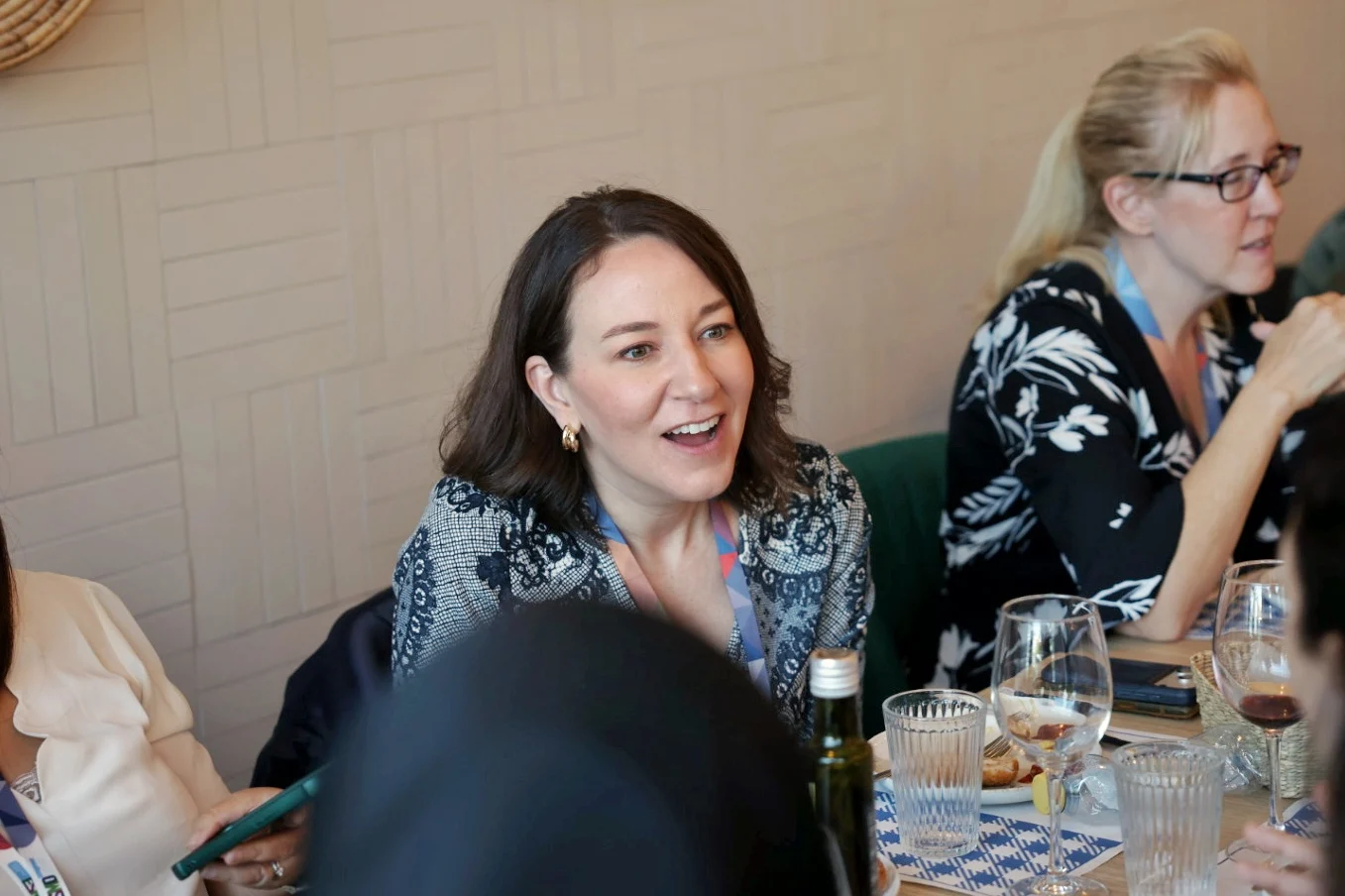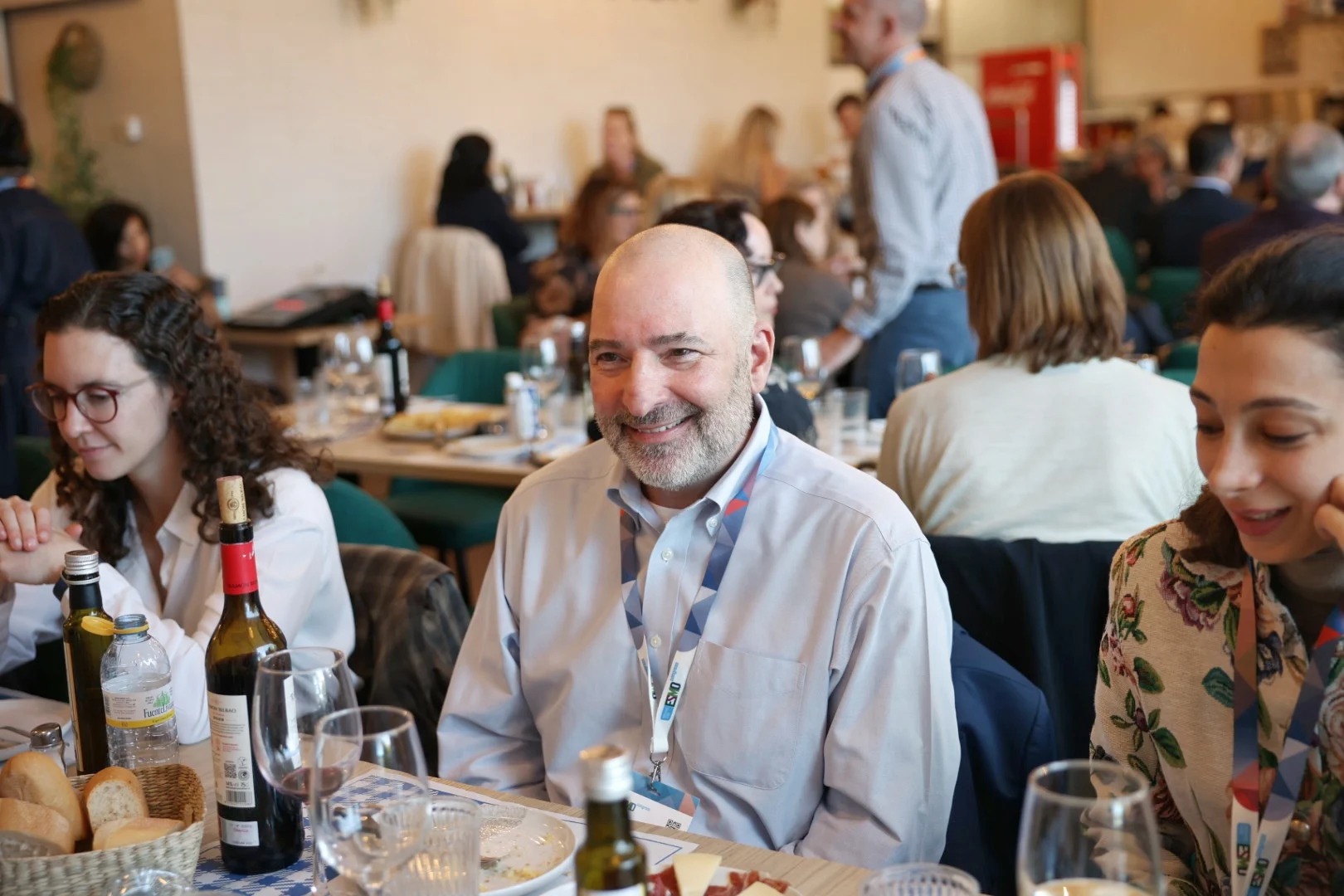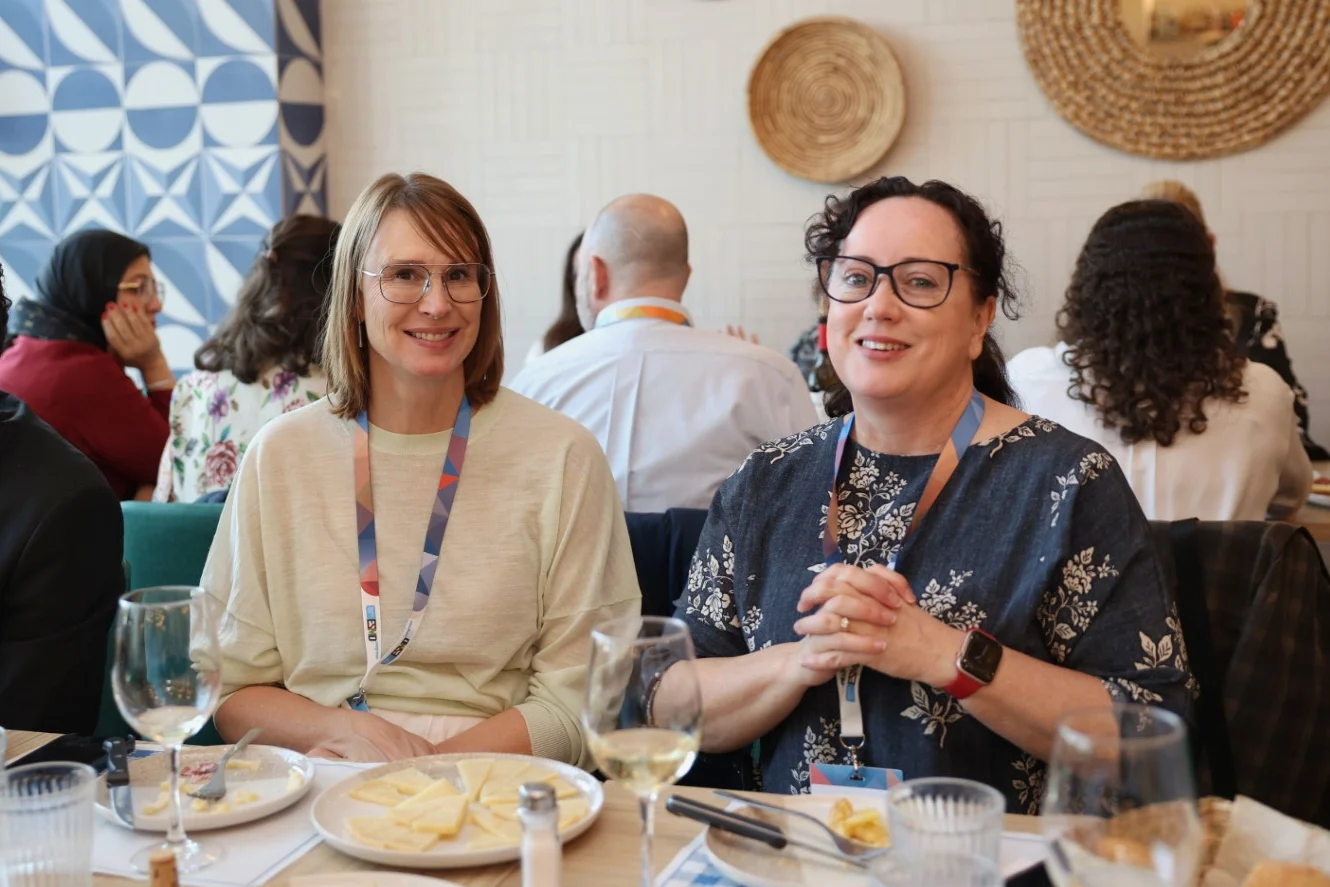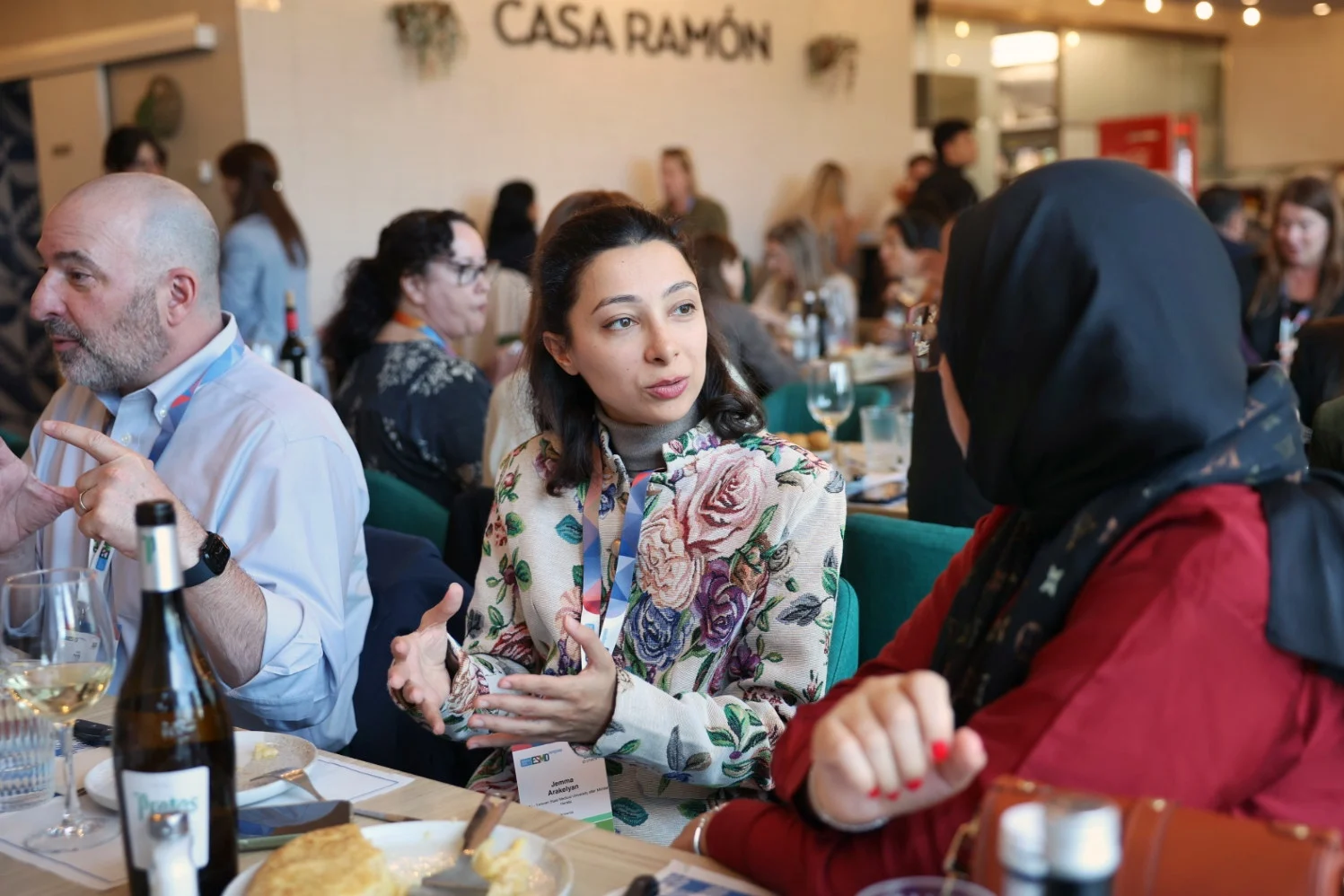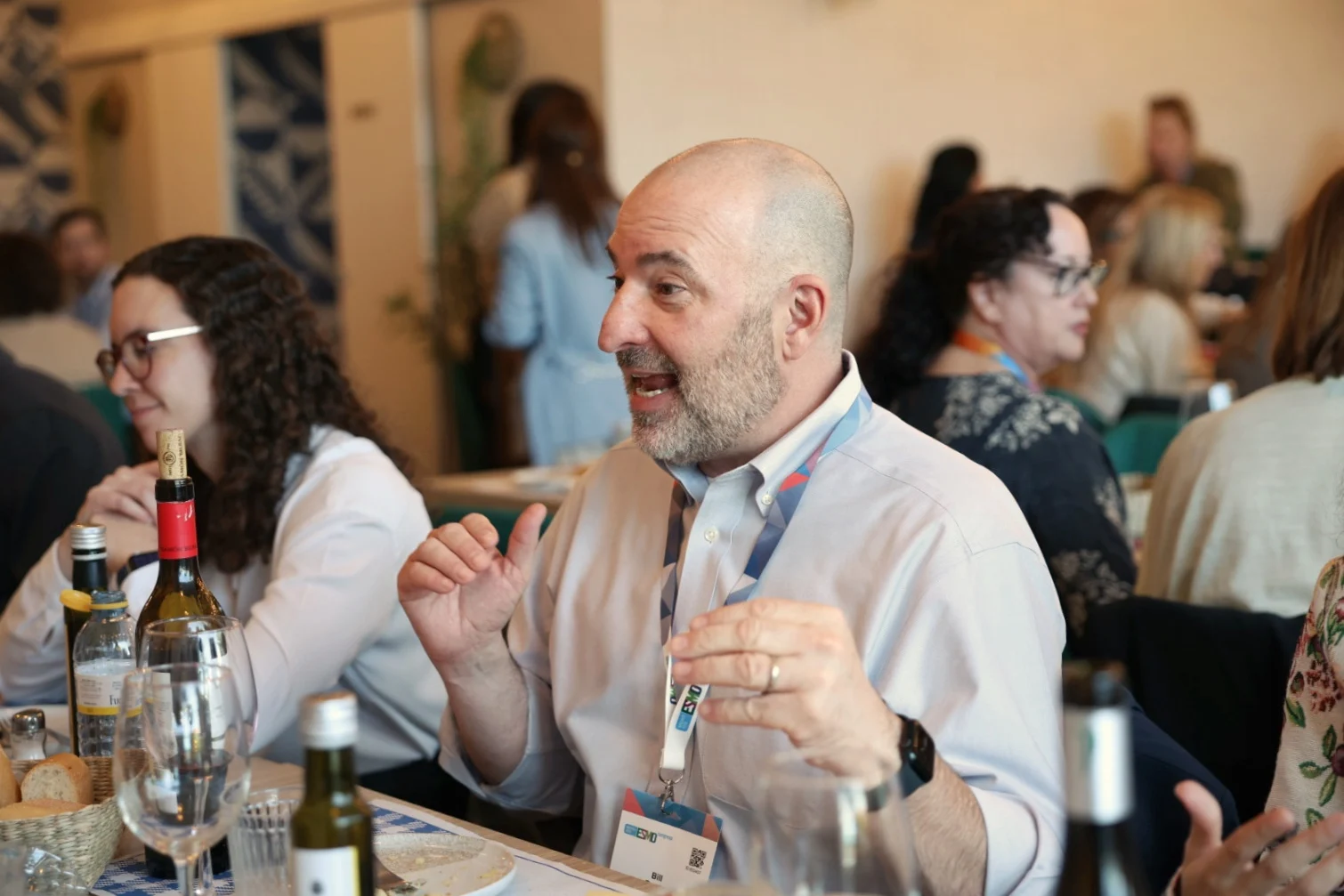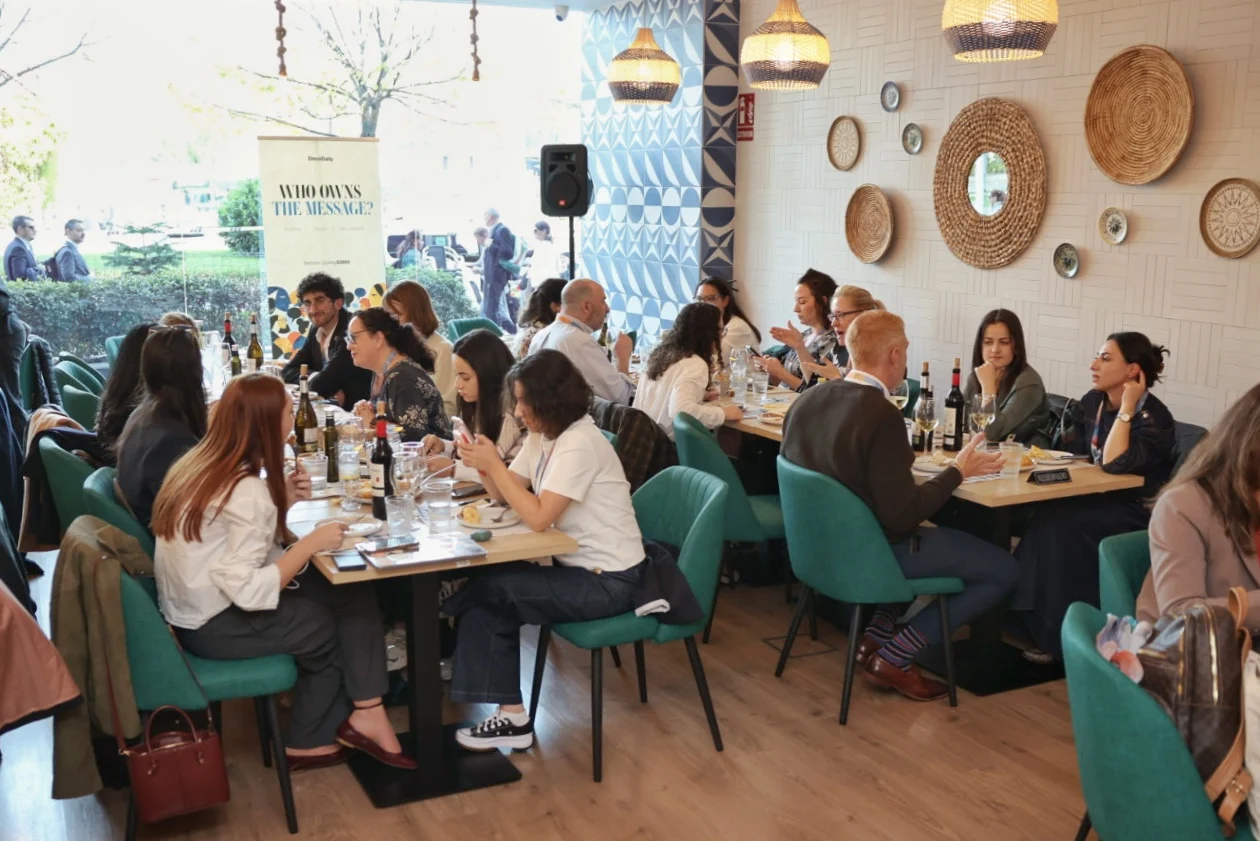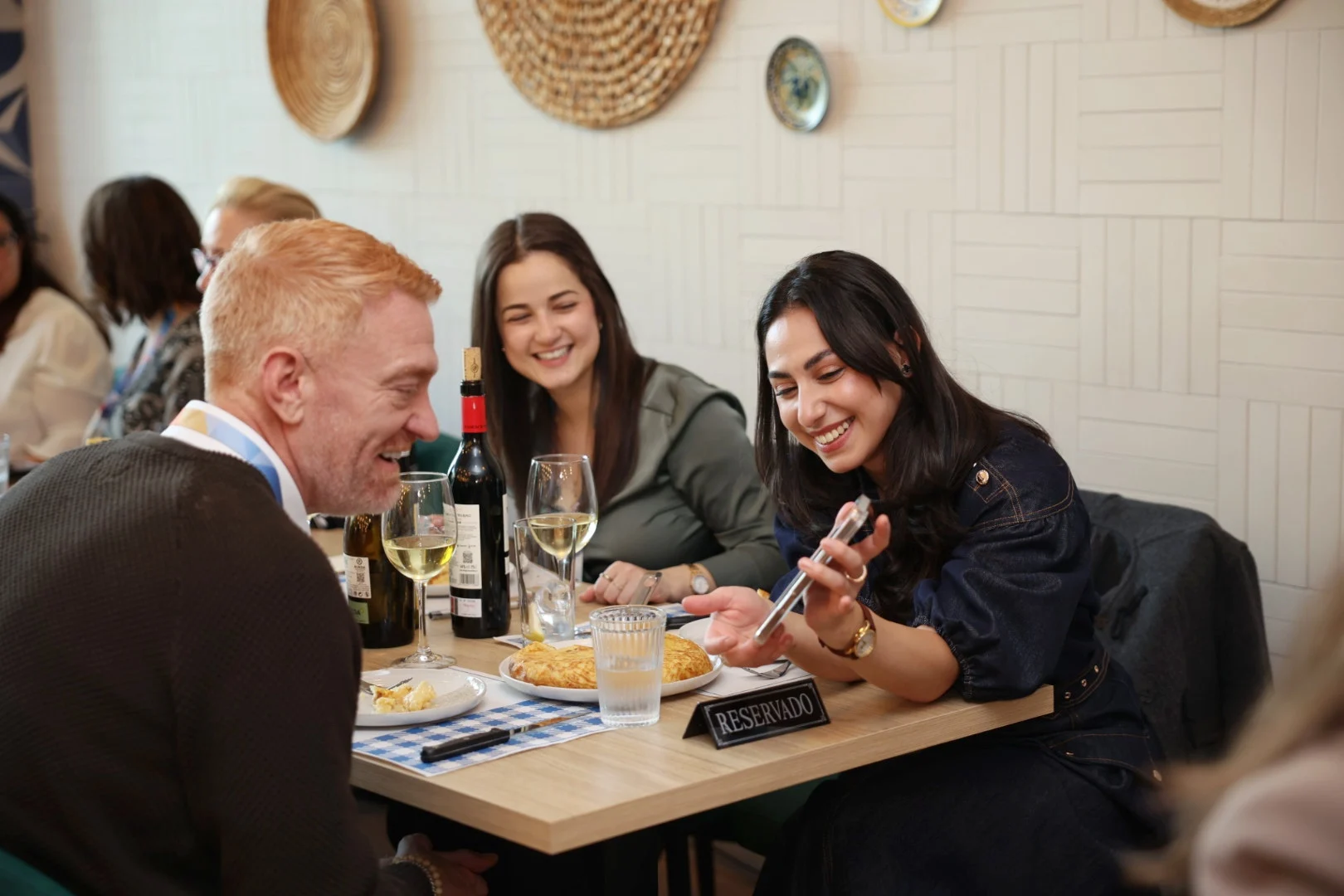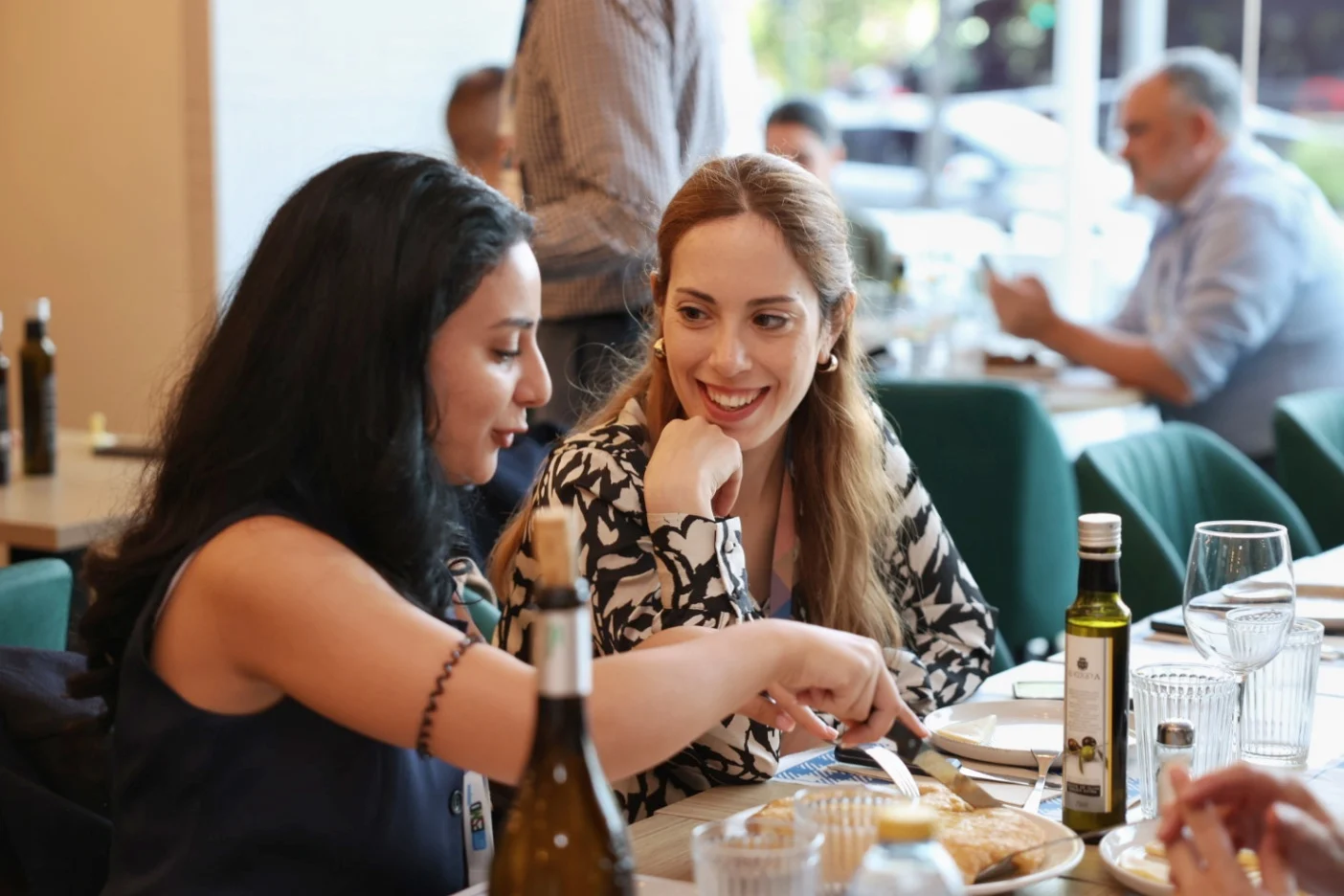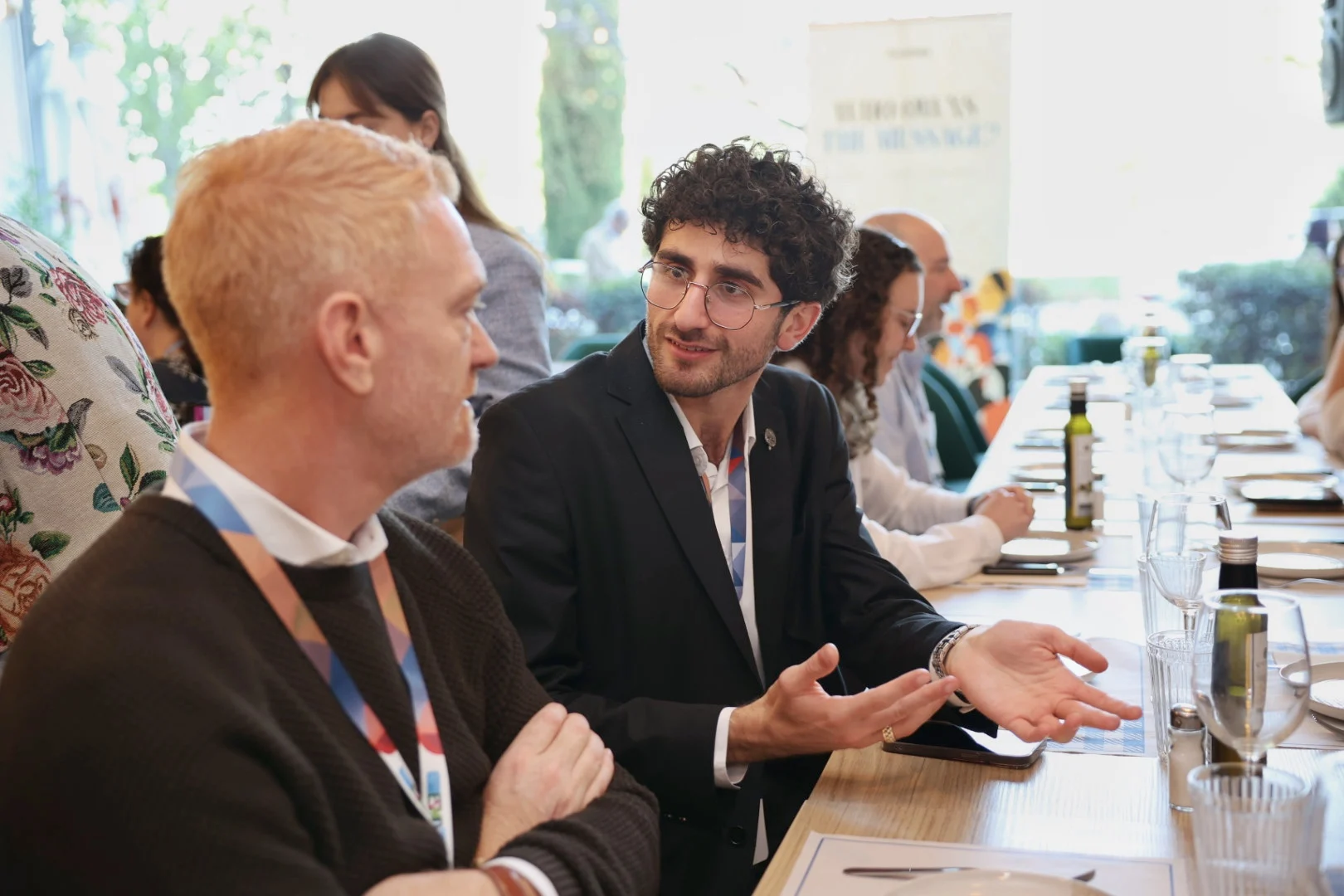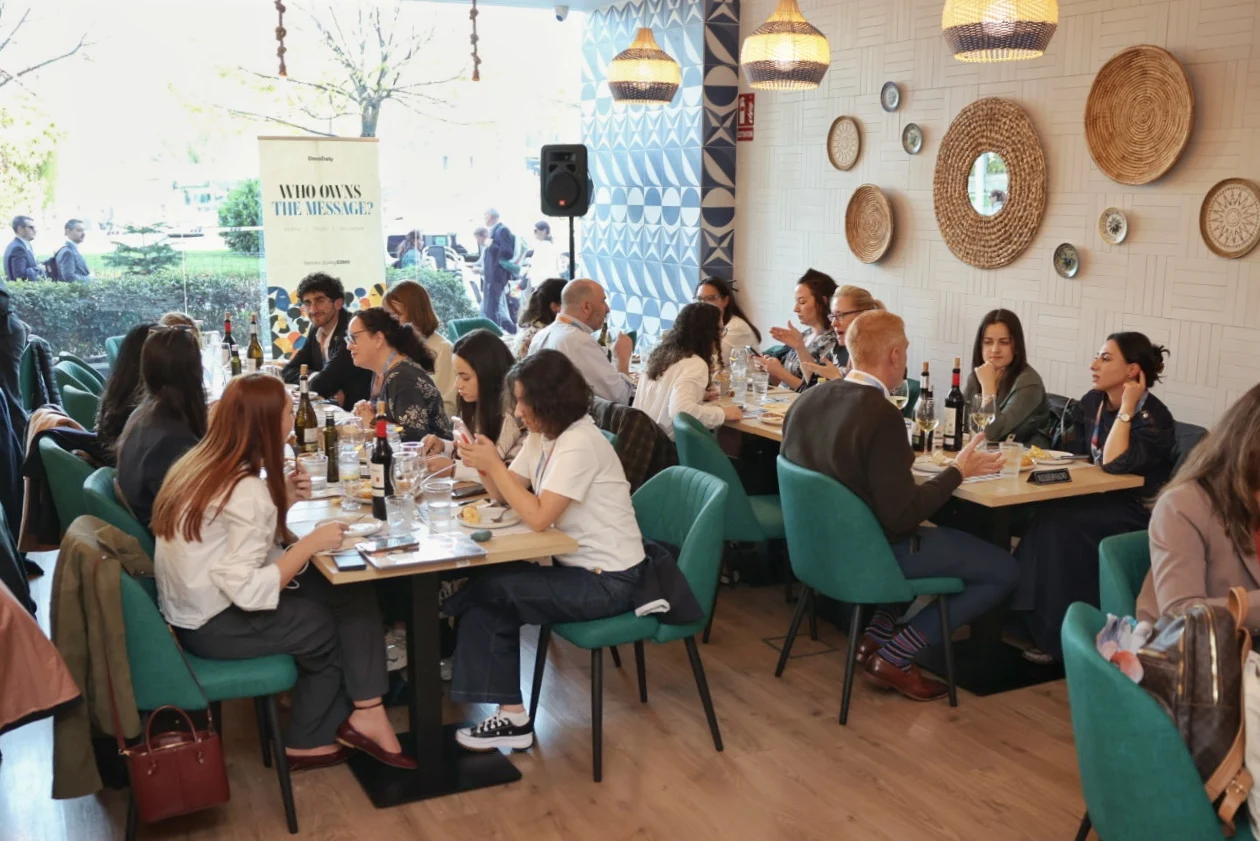
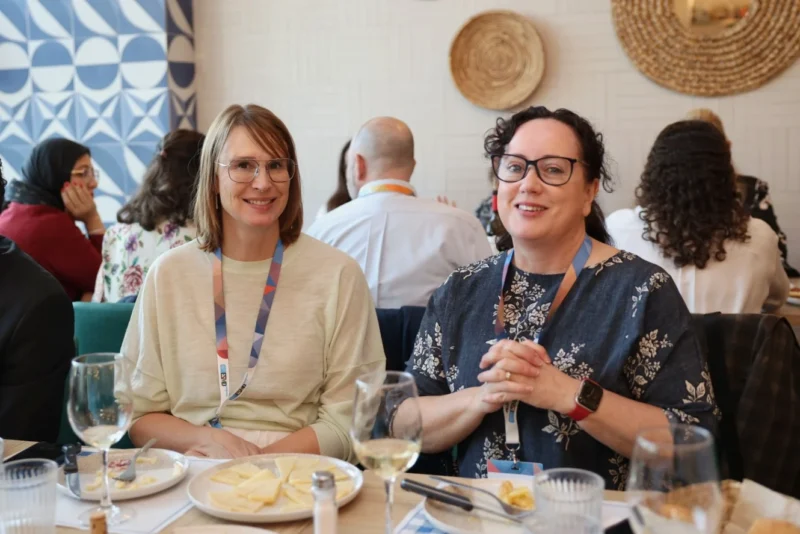
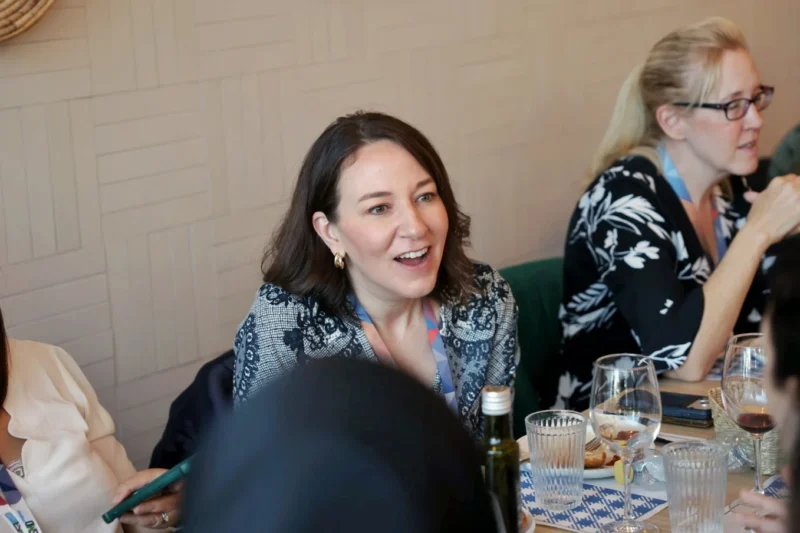
On October 24, 2026, OncoDaily hosted “Who Owns the Message?”, an exclusive, invitation-only brunch at Club de Golf Olivar de la Hinojosa in Madrid, Spain, alongside ESMO Congress 2026.
The gathering brought together senior leaders in communications, corporate affairs, public affairs, and marketing from across the pharmaceutical and healthcare industries to explore one of the most pressing questions in modern healthcare: Who shapes the message, and who ultimately earns the public’s trust?
Moving beyond the traditional conference format, the brunch created an opportunity for open dialogue about the evolving role of communication in healthcare, the growing influence of patients and digital platforms, and the challenges of maintaining scientific credibility in an increasingly complex information environment.
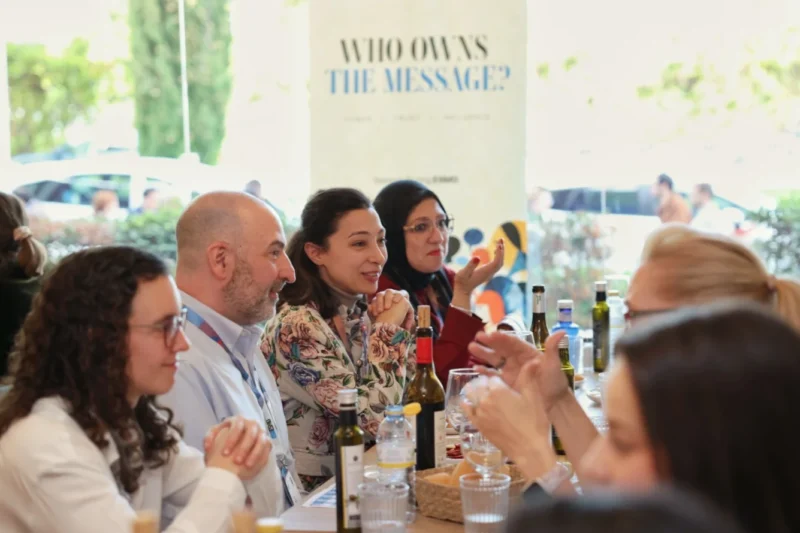
Healthcare Communication in a Changing Landscape
Scientific discoveries are advancing rapidly, but communicating their significance has become increasingly challenging. Information now travels across multiple platforms, reaches audiences with different expectations, and is frequently interpreted outside its original scientific context.
A central theme of the gathering was the need to balance scientific accuracy with accessibility, transparency, and meaningful engagement.
For pharmaceutical and healthcare organizations, effective communication is no longer simply about delivering information. It is about ensuring that complex scientific messages are understood, trusted, and relevant to the people they are intended to reach.
Who Really Owns the Message?
The question at the heart of the brunch reflected a broader shift in healthcare communication.
While pharmaceutical companies, researchers, and healthcare professionals remain important sources of scientific information, patients, advocates, journalists, and digital communities increasingly influence how healthcare narratives develop.
Social media has further transformed this environment, allowing conversations to evolve rapidly and reach global audiences.
These changes raise important questions about responsibility, credibility, and the role of different stakeholders in shaping public understanding of healthcare.
Artificial Intelligence, Trust, and Responsibility
Another important area of discussion was the growing influence of artificial intelligence on how healthcare information is created, distributed, and consumed.
As AI-powered technologies become more integrated into communication strategies, maintaining accuracy, transparency, and accountability remains essential.
The challenge for healthcare leaders is to embrace technological innovation while protecting the scientific integrity and public trust that effective healthcare communication depends upon.
Beyond the Brunch: Continuing the Conversation
“Who Owns the Message?” was designed to encourage dialogue beyond formal presentations and conventional industry networking.
By bringing together leaders from different areas of healthcare communication, OncoDaily created a setting for exchanging perspectives on shared challenges, exploring new approaches, and strengthening connections across the industry.
The event highlighted the importance of collaboration in an environment where communication increasingly shapes public understanding of scientific progress, healthcare innovation, and patient care.
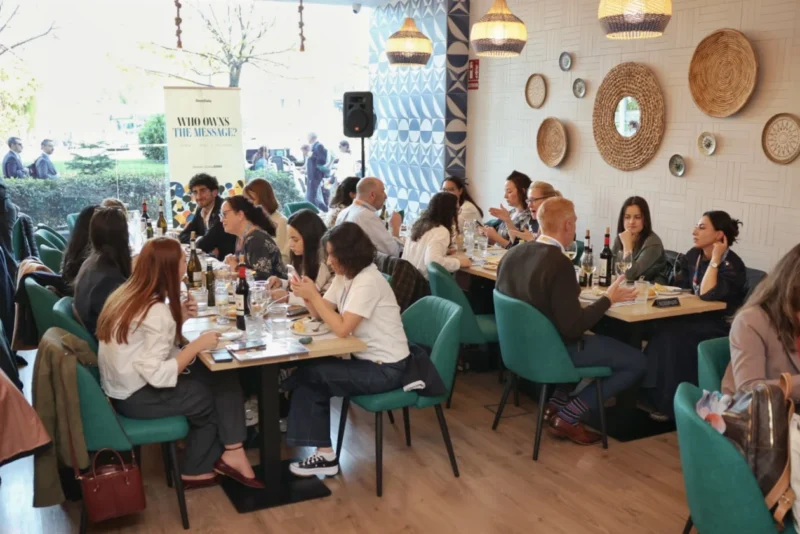
As ESMO Congress 2026 brought the global oncology community together in Madrid, OncoDaily’s “Who Owns the Message?” brunch placed the conversation about science, communication, and trust at the center of the discussion.
The question of who owns the message may not have a single answer. What remains clear is that the future of healthcare communication will depend on shared responsibility, credible information, and meaningful engagement with the audiences it serves.