Early cancer screening is an important part of cancer control strategies. It significantly contributes to reduced mortality through timely detection and treatment of malignancies. However, despite medical advantages, screening rates remain low in many countries, and the distribution among regions is deeply uneven – in 2023, for example, only around 40% of women worldwide receive recommended breast cancer screening, compared with approximately 70-80% in high-income countries. Multiple factors, including social norms, religious beliefs, stigma, limited health literacy, systemic inequities, and socioeconomic constraints, continue to hinder access and participation. These challenges are global in scope but manifest in diverse ways depending on local context. R Ebrahimogli, J Natl Cancer Inst, 2025. Eurostat, Eurostat webpage, 2025.
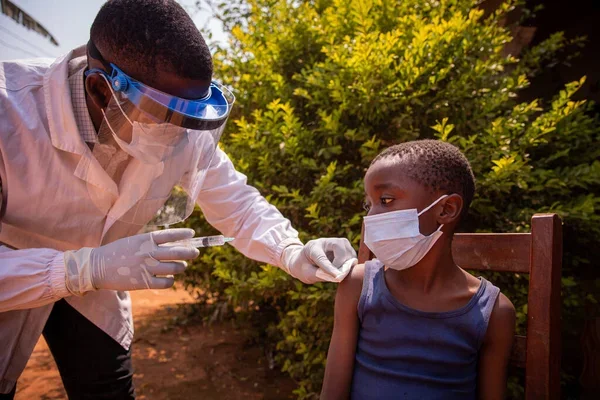
Photo: Depositphotos
This article examines how cultural and social barriers intersect with cancer screening efforts across different regions. Rather than generalizing or oversymplifying the experiences of entire populations, it highlights common challenges and local solutions that show us cancer is never just medical it is deeply human.
Cultural and Social Barriers to Cancer Screening in South Asia
In South Asian countries, several cultural and societal factors can affect cancer screening uptake. People would think, “if God wants it, no test can stop it”, or “once doctors find something, they will cut you open”, or “it’s better not to know”, or even “respectable women don’t expose themselves”.
Modesty and gender norms often prevent women from seeking care, especially when female providers aren’t available – Pap tests and mammograms are often associated with embarrassment and damaging one’s reputation: women fear stigma related to breast and cervical cancers, viewing these diseases, as well as their screening processes as taboo. Gender roles may also place women’s health decisions in the hands of male family members.Family and community influence strongly affect women’s decisions about screening. While family support can encourage women to get screened, cultural norms, especially male-dominated decision-making, often discourage it, reducing screening uptake.
Low health literacy, common misconceptions about cancer and its prevention, and limited knowledge about screening and its importance in certain areas can make it harder to make decisions or navigate the healthcare system.
These factors are further intensified by financial barriers, poor rural access, and limited availability tailored programs. A Maleki, BMC Public Health, 2025. R M Anderson de Cuevas, BMJ Open, 2018. W K W So, Asia Pac J Oncol Nurs, 2019.
From Awareness to Action: How Communities in South Asia Are Improving Cancer Screening
Community health worker-led programs, such as the IMPACT project (Integrative Multimedia Programme for promoting south Asians’ Cancer screening upTake) have successfully improved cancer screening uptake among South Asian populations by trained South Asian community health workers providing culturally tailored education and personalized assistance helping individuals book and attend screening appointments, overcoming logistical and psychological barriers. Using educational materials videos, PowerPoint presentations, health talks, or printed booklets in local languages raises awareness and improves knowledge.
Emphasizing key messages about early detection benefits and addressing specific cultural concerns supports informed decision-making regarding cancer screening. Family and social support play a vital role in improving cancer screening uptake, helping to reduce stigma and fear. Involving families through culturally tailored education boosts acceptance and participation in screening programs. W K W So, Lancet Reg Health West Pac, 2022. I Higgins, Psychooncology, 2025.
Hidden Barriers to Early Detection in Arab Countries
Similar to South Asia, cultural and religious norms in the Middle East significantly influence cancer screening behaviors, particularly among women.
Gender expectations particularly women expected to prioritize family needs over their own health often lead to hesitation in seeking screening. Gender roles also dictate modesty strongly, making women avoid exposing themselves for screening procedures, especially if female healthcare providers are not available. Stigma around cancers affecting intimated areas, such as breast or cervical cancer, can be intense, with screening perceived as suggestive of socially unacceptable behavior.
Family centered decision-making is dominant, and the approval of male relatives or religious leaders can be essential for women to access care. In many Middle Eastern contexts, religious beliefs add an additional layer of complexity – fatalism is more strongly intertwined with faith, and cancer is sometimes interpreted as a divine test or punishment, bringing up a sense of inevitability, discouraging individuals from seeking medical help, and placing trust in divine protection or intervention instead. Low health literacy, and language barriers among refugee or migrant populations can limit awareness and access. S Ali, Nurs Health Sci, 2017. L Racine, J Transcult Nurs, 2022. Q Al Saffer, BMC Health Serv Res, 2021.
However, some Arab countries have achieved comparatively higher screening rates, highlighting how targeted interventions can influence screening uptake. High rates in Bahrain, Lebanon, and Kuwait – 39.7 – 44.1% for cervical cancer – are supported by organized national screening programs, publicly funded or subsidized screening services, and well-developed primary healthcare networks that facilitate routine referrals for breast and cervical cancer screening. Simultaneously, nationwide awareness campaigns, community-based education delivered through primary care and women’s health clinics, and greater awareness of health information and services help reduce fear, stigma, and misconceptions about screenings. H A A Ahmed, BMC Cancer, 2024.
Changing the Narrative: How the Middle East Is Boosting Cancer Screening
Efforts to improve cancer screening rates in the Middle East include culturally sensitive education, integration with primary healthcare, supportive policies, and community engagement.
Public health programs use culturally tailored education to target women’s awareness about cancer risks and the benefits of cancer screenings – dispelling myths, reducing stigma, and overcoming fatalistic beliefs. Integrating screening services into primary healthcare settings improves access and convenience, and providing female-friendly environments addresses cultural modesty concerns.
Programs collaborate with community and religious leaders to reconcile religious fatalism with concern for one’s own health, building trust and promoting participation in screening services. Governments in countries with stronger healthcare infrastructure actively support screening programs, subsidize costs, and invest in diagnostic and treatment facilities, whereas many others still lack comprehensive national programs. H. A. A. Ahmed, BMC Cancer, 2024. D Mukherji, Lancet Oncol, 2025.
Cancer Screening in Africa: Beyond Access to Awareness
The barriers to screening in many African and African diaspora communities lie in misinformation and myths about cancer, such as beliefs that cancer is contagious, caused by mystical forces, or always fatal. Some believe that screening itself can cause cancer. These misconceptions often stem from a lack of accessible, accurate health education, and the resulting social stigma surrounding cancer leading to isolation, discrimination, and shame for those diagnosed or suspected of having the illness creates a cycle where individuals hide symptoms, avoid screening, or delay treatment, which worsens outcomes.
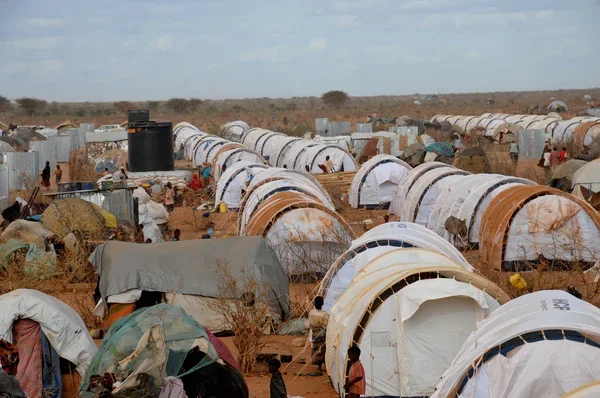
Photo: Depositphotos General view of a tent camp housing thousands of Somali immigrants.
Distrust in healthcare rooted in past negative experiences, perceived low-quality care, cultural insensitivity, and systemic barriers like cost and access – prevents many from engaging with screening services, especially in diaspora populations who may fear discrimination or cultural misunderstanding. African-born immigrants have distinct health experiences and needs compared to African Americans and the broader U.S. population: they are less likely to have a regular health care provider, and experience a higher rate of being uninsured.
Adding to these challenges are socioeconomic factors such as limited income and unstable employment, often leading individuals to focus on meeting immediate needs rather than engaging in routine health screenings. O Aspiras, J Behav Med, 2023. J I Rauch, Int J Environ Res Public Health, 2024.
Faith, Language, and Trust: How African Communities Overcome Screening Barriers
Culturally adapted cancer screening strategies for African and African diaspora communities address stigma, language barriers, and mistrust by using trusted community networks and culturally relevant messaging.
Culturally tailored, especially multilingual, educational materials, such as videos, brochures, and digital apps, address cultural barriers such as myths, fears, and fatalistic beliefs, thereby improving health literacy. Harnessing human potential, bilingual, culturally matched health workers serve as trusted guides who bridge language gaps, personalize education, and connect communities to care. By embedding health promotion within faith teachings, such as messages from spiritual leaders, screening is reframed as an act of self-care and responsibility toward family and community.
Collaborations with religious and cultural leaders normalize screening, building trust in healthcare: mosque-based workshops for Somali women improved cervical cancer screening rates by reframing screening as a faithful act aligned with islamic health teachings rather than conflicting with religious belief. Culturally resonant storytelling rooted in shared beliefs and moral values helps counter fatalistic attitudes, dispel misconceptions, and transform screening from a feared or taboo topic into a normalized, faith-affirming practice. O Abraham, JMIR Cancer, 2024.
So, Are We Ready to Center Equity in Global Cancer Care?
“Illness is not a metaphor, and the most truthful way of regarding illness… is one most purified of, most resistant to, metaphoric thinking.”
Susan Sontag, Illness as Metaphor
If we are to center equity in global cancer care, we must begin by rethinking the way we speak about it. In many parts of the world, cancer remains entangled in stigma and silence, making it perceived as a moral failure rather than a medical condition. This makes the path to prevention and care far more difficult to navigate.
Low cancer screening rates across South Asia, the Middle East, and Africa point to more than gaps in access: they reflect the ongoing challenge of making healthcare truly responsive to the people it serves. Expanding screening cannot be just a technical act; it must be a cultural one shaped by language that heals, not isolates, and by care that grows from within communities’ own understandings of illness.
To center equity is to make care attentive: to listen, to respect, to build trust. It means valuing dignity as much as efficiency, context as much as outcome.
You Can Also Read What Drives Screening Uptake? Exploring Culture, Policy, and Innovation Beyond the Numbers by OncoDaily
Written by Seda Adibekyan, MDc.
FAQ
Why are cancer screening rates low in many parts of the world?
Cancer screening rates remain low globally due to a combination of cultural beliefs, stigma, limited health literacy, financial barriers, and weak healthcare systems. In many regions, fear of diagnosis, modesty norms, religious fatalism, and lack of trust in healthcare providers discourage people—especially women—from participating in screening programs, even when services are available.
How do cultural and religious beliefs affect cancer screening?
Cultural and religious beliefs can strongly influence health behavior. In some communities, cancer is viewed as a divine test, punishment, or inevitable fate, reducing motivation to seek early detection. Modesty norms may discourage women from undergoing breast or cervical screening, particularly when female healthcare providers are unavailable. These beliefs can delay diagnosis and worsen outcomes.
What are the biggest barriers to breast and cervical cancer screening for women?
The most common barriers include stigma around cancers affecting intimate body parts, fear of social judgment, lack of female healthcare providers, low awareness of screening benefits, and family- or male-dominated decision-making. Economic hardship, travel distance, and lack of organized screening programs further reduce participation.
How can community-based programs improve cancer screening uptake?
Community-based programs led by trusted health workers are highly effective. Culturally tailored education in local languages, family involvement, faith-based engagement, and assistance with appointment scheduling help reduce fear, misinformation, and logistical barriers. Programs like community health worker initiatives and faith-centered outreach have consistently increased screening participation.
What can be done to improve equity in global cancer screening?
Improving equity requires more than expanding access. Successful strategies include culturally sensitive education, integration of screening into primary healthcare, government-supported national programs, involvement of community and religious leaders, and building trust through respectful, patient-centered care. Equity-focused screening must adapt to local cultural contexts rather than relying on one-size-fits-all solutions.