The second week of March brings another set of important updates across GI oncology, spanning gastric, colorectal, pancreatic, and hepatocellular cancers.
This week’s selected posts highlight new insights into the management of metastatic gastric cancer, advances in pancreatic cancer research and therapeutic targeting, and progress in international clinical trials such as AZUR-4. Additional discussions include emerging findings in hepatocellular carcinoma biology, nationwide data on image-guided radiotherapy in upper GI malignancies, and initiatives focused on ctDNA-guided strategies to eradicate minimal residual disease in colorectal cancer.
Further highlights explore chemo-immunotherapy outcomes in gastroesophageal adenocarcinoma, preclinical strategies combining PD-1 inhibition with cryoablation in hepatocellular carcinoma, ongoing efforts to raise colorectal cancer awareness, and collaborative research aimed at improving pancreatic cancer treatment.
Together, these posts illustrate how clinical research, translational science, and global collaboration continue to drive progress in gastrointestinal oncology.
Amalya Sargsyan – GI and Sarcoma Medical Oncologist, Yeolyan Center D’Clinic, Armenia | Research Physician, Immune Oncology Research Institute | MSc in Precision Medicine | VP, Research and Intelligence, OncoDaily
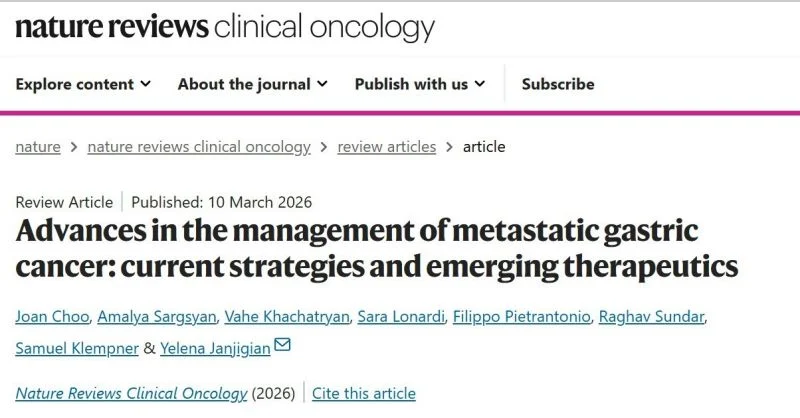
“Still hard to believe, my first publication in Nature Reviews Clinical Oncology (IF 82).
Our article, ‘Advances in the management of metastatic gastric cancer: current strategies and emerging therapeutics,’ is now live.
Two years ago at the CReDO workshop, our group leader was Nature Reviews Clinical Oncology Chief Editor Diana Romero. I remember telling her:
‘One day you will see my name there.’
Today is that day.
Deeply grateful to work under the leadership of my mentor, change-maker, motivator Yelena Janjigian, led by Joan Choo, together with outstanding co-authors, Vahe Khachatryan, field leaders
Sara Lonardi, Filippo Pietrantonio, Raghav Sundar, Samuel Klempner.This review brings together the rapidly evolving landscape of metastatic gastric cancer, from current standards to what is coming next:
▪ treatment sequencing
▪ immunotherapy and targeted approaches
▪ interpretation of key clinical trials
▪ future directions and new therapiesAll in one place for clinicians and researchers navigating this complex disease.
2025 has already been a transformative year for gastric cancer research. May each year bring more progress, more access, and more hope for our patients.
Motivated for what comes next.”
Nelson Dusetti – Research Director, INSERM | Pancreatic Cancer & Translational Oncology | Co-founder of Predicting Med, developing transcriptomic tools for precision oncology
“Delighted to see this important study now available!!
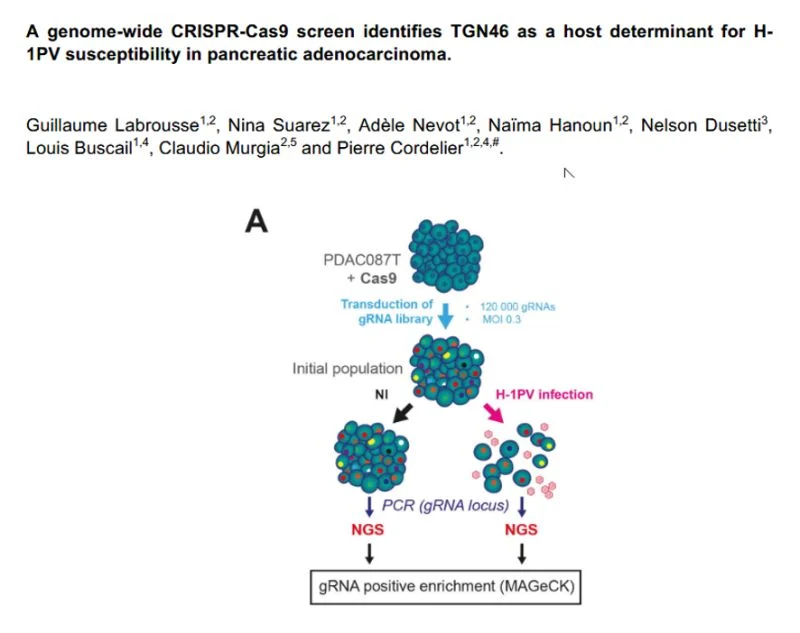
Warm congratulations to Pierre Cordelier and all colleagues involved for this rigorous and conceptually elegant work identifying host determinants of susceptibility to oncolytic virotherapy in pancreatic ductal adenocarcinoma.
Pancreatic cancer remains one of the most lethal malignancies, and the limited efficacy of current treatments calls for bold and innovative therapeutic strategies. Oncolytic viruses hold tremendous promise, not only as direct cytotoxic agents but also as modulators of the tumor ecosystem and anti-tumor immunity. However, their clinical success will depend on our ability to understand and predict which tumors are truly permissive.
This is where functional genomics becomes transformative. Genome-wide CRISPR-Cas9 screening provides a uniquely powerful and unbiased framework to uncover actionable tumor vulnerabilities and mechanistic determinants of therapeutic response. Identifying molecular factors that control viral entry and efficacy is a critical step toward moving virotherapy from empirical use to biomarker-driven precision oncology.
I am very pleased to have contributed to this collaborative effort, which illustrates the strength of interdisciplinary team science at the interface of clinical need, advanced functional modeling, and innovative therapeutic development.
Looking forward to the next steps translating these insights into more personalized and effective treatment strategies for patients with pancreatic cancer.”
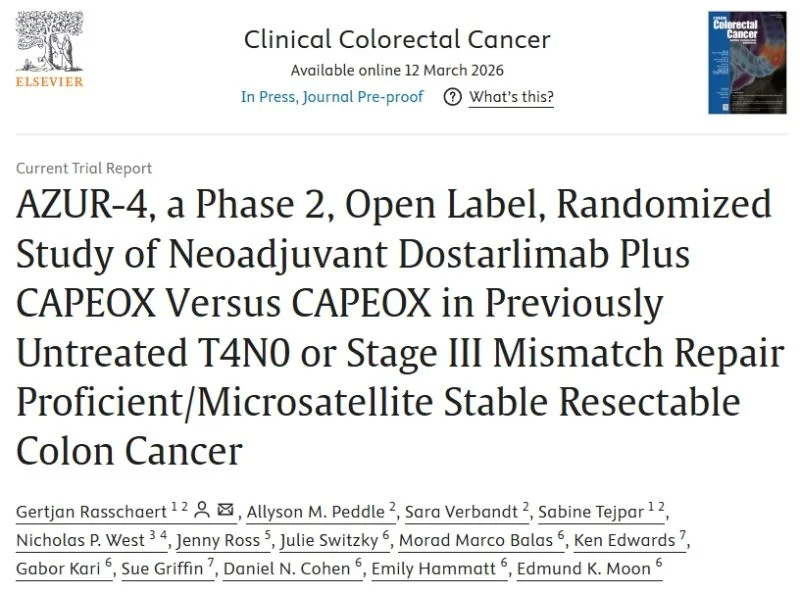
Gertjan Rasschaert – MD, Consultant GI Oncology, UZ Leuven | Colorectal Cancer Research, Tejpar Lab KU Leuven | Clinical Trials
“Happy to be part of AZUR-4, which is now smoothly recruiting at top speed in 5 countries (Belgium, UK, Swiss, Spain and Japan). Proud to see Belgium in a leading role with 11 centers on board, all delivering according to complex and demanding sampling protocols for our skyhigh translational ambitions. Thank you to all our collaborators.
Looking forward for results.”
Abhishek Singh – Senior Scientist, Internal Medicine Research Unit, Pfizer, Cambridge, MA
“Excited to share that our latest research has been published.
In this study, we show that impaired ER-associated NGBR–mediated protein glycosylation drives hepatic cancer in diet-induced obese conditions, resulting in 100% penetrance of hepatocellular carcinoma in mice within just four months.
This is particularly striking because diet-induced obese mice typically do not develop hepatic cancer, even after prolonged high-fat diet feeding. To our knowledge, this represents the first mouse model that achieves complete penetrance of diet-induced HCC in such a short time frame.
Importantly, the model recapitulates key pathological features of human MASH-associated hepatocellular carcinoma, making it a valuable platform for mechanistic studies and therapeutic screening.
Grateful to Bill Sessa for his mentorship, continuous support and guidance throughout this journey—from the early brainstorming sessions to seeing this work published.
Many thanks and congratulations to all the co-authors for their valuable contributions to this work.”
Elena Galofaro – Physician, Azienda Ospedaliero Universitaria delle Marche, Ancona, Italy
“New publication
Happy to share our latest work on image-guided radiotherapy (IGRT) in upper gastrointestinal malignancies, developed within the AIRO – Associazione Italiana di Radioterapia ed Oncologia Clinica Gastrointestinal Study Group.
Through a nationwide survey involving 44 Italian radiotherapy centres, we explored how IGRT is currently implemented for the treatment of liver, pancreatic and gastroesophageal junction tumours.
The results show:
• wide availability of advanced technologies
• but significant variability in clinical practiceThese findings highlight the importance of developing shared national recommendations to harmonise workflows and improve treatment quality.
A special thank you to Rita M. Niespolo for her guidance and constant support throughout this project.
Grateful to all co-authors and the Italian centres that contributed to this collaborative work.”
Van Morris – Associate Professor, MD Anderson Cancer Center
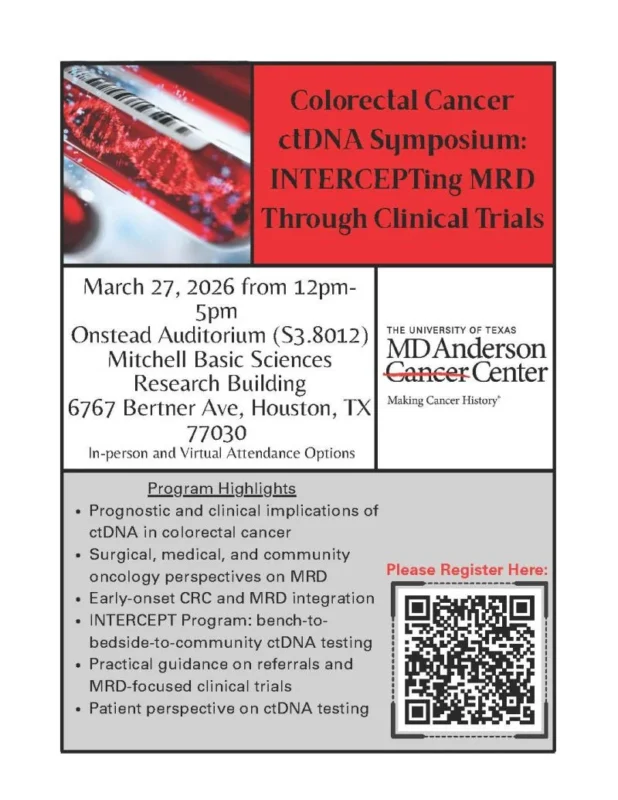
“VERY excited about the upcoming ‘ctDNA Symposium for colorectal cancer’ on March 27, hosted by an incredible team of medical oncologists and surgeons at MD Anderson, Baylor College of Medicine, and Methodist University Hospital — all discussing ways to eradicate MRD.
Highlights include:
clinical trials currently open for patients with ctDNA-positive colorectal cancer MRD
patient, medical oncologist, and surgical oncologist perspectives
community and academic oncologist perspectives
Come in person or attend virtually — the more the merrier! Register through the QR code below, and contact me with any questions!
Erman Akkus – Medical Oncologist, Gastrointestinal Oncology
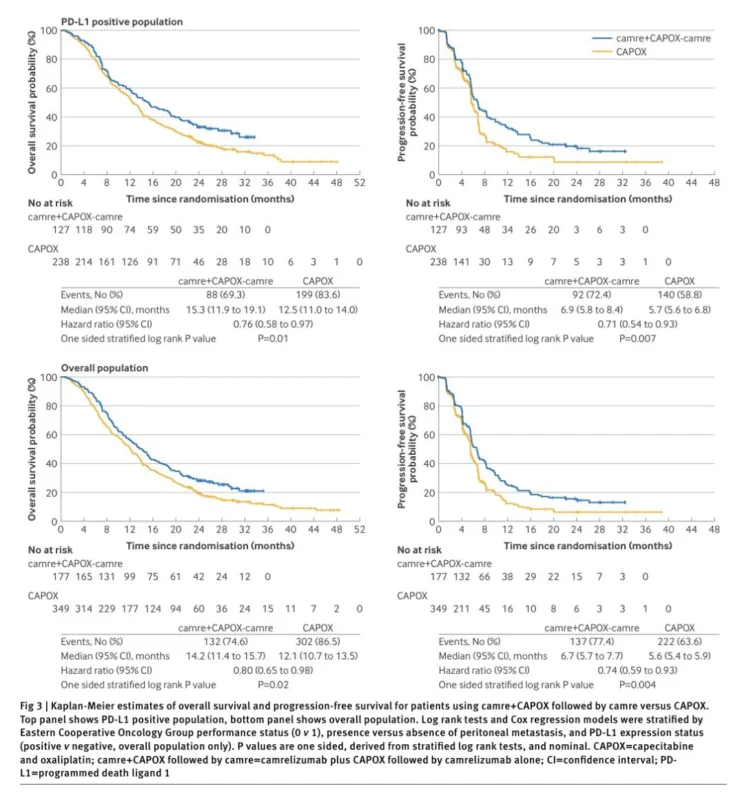
“Camrelizumab plus CAPOX vs CAPOX in 1L of G/GEJ adenocarcinoma
mOS
All patients:
14.2 vs 12.1 mo, HR: 0.80 (0.65 to 0.98)PDL1+ patients:
15.3 v12.5 mo, HR: 0.76 (0.58 to 0.97)”
Tabea Kao – MD/PhD Candidate, Charité University Medicine Berlin | Postgraduate Research Fellow, Yale University
“I’m excited to share that my preclinical research article ‘Neoadjuvant PD-1 Inhibition prior to Partial Cryoablation of Murine Hepatocellular Carcinoma Modulates the Tumor Microenvironment towards Favorable Immunological Profiles has been published in JVIR!
In this study, we investigated the combination of neoadjuvant PD-1 immune checkpoint inhibition with cryoablation in a mouse model of HCC. Immunohistochemistry staining of residual tumors demonstrated increased T-cell infiltration when neoadjuvant PD-1 inhibition was combined with cryoablation compared to partial cryoablation alone, suggesting that neoadjuvant PD-1 inhibition may help counteract the immunosuppressive tumor microenvironment observed after cryoablation.
Thank you Dr. Julius Chapiro and the entire team at the IO Lab Yale School of Medicine for making this work possible! I want to further thank my doctoral supervisor Lynn J. Savic for her incredible support, and the Berlin Institute of Health in der Charité for supporting this project as part of the MD-PhD research scholarship.”
Elizabeth Smyth – Oncology Research, Education & Policy, Oxford | ESMO | EORTC
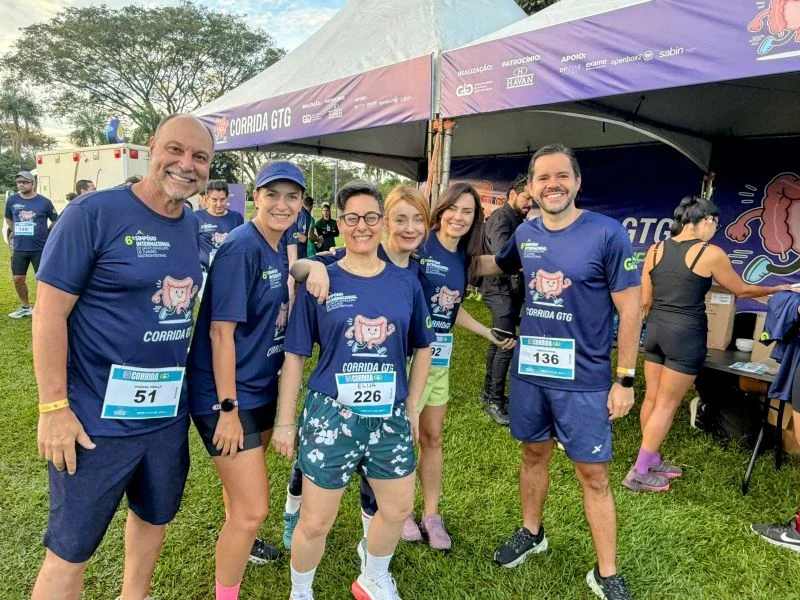
“Not many things get me out of bed at 6am at a conference, but a run for colon cancer awareness at the GTG meeting in beautiful Brasília was definitely one of them.
The meeting has been fantastic, and the Brazilian team have made us feel incredibly welcome. One of the best parts has been making new friends, alongside sharing ideas and learning together. A special mention to Maria Ignez Braghiroli, President of GTG, who has done a superb job, and to Paulo Hoff for the personalised tour of Brasilia on our way home from the run!
No prizes for speed on my side but the effort matters more than the time
A good reminder that raising awareness of colorectal cancer matters, whether through research, education, or simply showing up.
Looking forward to switching gears for my talks on #EarlyOnset #GastricCancer and non-operative management of #MSI cancer later today!”
Palanisamy Nallasamy, Ph.D. – Research Instructor, Oncology Research, University of Nebraska Medical Center, Omaha, Nebraska
“I’m pleased to share that our latest research article has been published in the journal Cancer Letters. I’m honored to have contributed as the first author on this work.
Pancreatic cancer remains one of the most aggressive malignancies, with limited effective therapeutic options. The DEAD-box RNA helicase DDX3 plays a crucial role in several types of solid tumors. In our earlier work (2020), we identified DDX3 as an interacting partner of PAF1, a component of the RNA polymerase II-associated factor complex, involved in pancreatic cancer stem cell enrichment.
In this study, we investigated whether targeting the DDX3/PAF1 signaling axis using the small-molecule inhibitor RK-33, in combination with standard-of-care therapies, could improve therapeutic response in pancreatic cancer.
Using 2D cell culture, 3D organoid systems, and orthotopic in vivo models, our findings provide new insights into strategies that may enhance the effectiveness of existing treatments and highlight a potential therapeutic avenue for targeting pancreatic cancer more effectively.
This work represents a strong collaborative effort. I am deeply grateful to my co-authors, mentors, and collaborators for their support and expertise. Scientific progress is truly a team effort, and I’m proud to contribute to research aimed at advancing pancreatic cancer therapy.”
Find out 10 Must-Read Posts in GI Oncology from the first week of March on OncoDaily.