





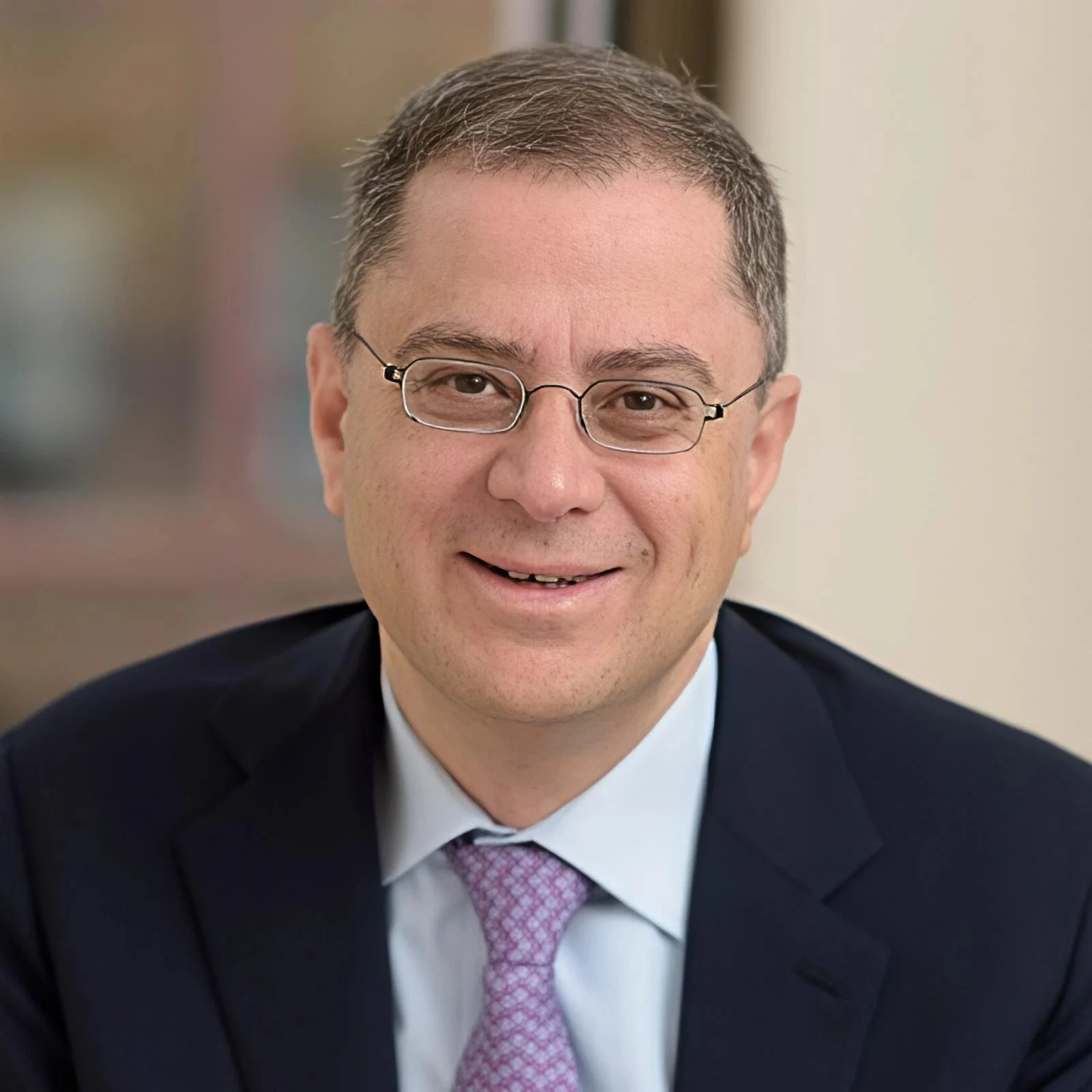
 USA, New York

Dr. Ghassan Abou-Alfa is a board-certified medical oncologist specializing in gastrointestinal medical oncology, with expertise in hepatocellular carcinoma, pancreatic cancer, gallbladder cancer, bile duct cancer, and gastrointestinal cancers. He is an Attending Physician at Memorial Sloan Kettering Cancer Center, Professor at Weill Cornell Medicine, and Adjunct Professor at Trinity College Dublin. His work focuses on gastrointestinal cancers, targeted therapy, hepatocellular carcinoma, cholangiocarcinoma, gallbladder cancer, immunotherapy, clinical trials, and international cancer research and education efforts.
Current Position
- Attending Physician, Memorial Sloan Kettering Cancer Center, July 2001–present
- Professor, Weill Cornell Medicine, July 2001–present
- Adjunct Professor, School of Medicine, Trinity College Dublin, July 2022–present
Education
- Doctor of Medicine, American University of Beirut, September 1988–June 1992
- Internal Medicine Residency Program, Yale University, 1994–1997
- Hematology Oncology Fellowship, Yale University, 1997–2000
- Master of Business Administration, Columbia University, 2015–2017
- Doctor of Law, Fordham University School of Law, August 2021–May 2025
- Honorary PhD, Lebanese University
- Majored in biology before earning his medical degree at the American University of Beirut
Professional Experience
- Attending Physician at Memorial Sloan Kettering Cancer Center
- Professor at Weill Cornell Medicine
- Adjunct Professor at Trinity College Dublin
- Gastrointestinal medical oncologist treating patients with gastrointestinal cancers
- Specializes in primary liver cancer, hepatocellular carcinoma, pancreatic cancer, gallbladder cancer, and bile duct tumors
- Works as part of a multidisciplinary group providing a team approach to gastrointestinal cancer care
- Led the first efforts evaluating sorafenib in hepatocellular carcinoma, which was approved by the FDA for that indication in 2007
- Contributed to efforts that led to the approval of cabozantinib
- Championed work on novel targeted therapies for intrahepatic cholangiocarcinoma and gallbladder cancer, targeting IDH1, FGFR2, and HER2
- Led research efforts related to pemigatinib and ivosidenib
- Led the worldwide HIMALAYA study effort evaluating durvalumab plus tremelimumab in unresectable hepatocellular carcinoma
- Works on understanding the tumor immune microenvironment
- Continues to work on determining CAR-T antigens for hepatocellular carcinoma and fibrolamellar carcinoma
- Immediate previous Chair, National Cancer Institute Hepatobiliary Task Force
- Vice-Chair, NCI AIDS Malignancy Consortium Solid Tumor Working Group
- Co-led a global effort to study cancer germline and environmental convergence and divergence in cancer predisposition worldwide
- Leads international educational and research efforts with institutions worldwide
Research Activity
- Gastrointestinal cancers
- Hepatocellular carcinoma
- Primary liver cancer
- Pancreatic cancer
- Gallbladder cancer
- Bile duct cancer
- Cholangiocarcinoma
- Intrahepatic cholangiocarcinoma
- Fibrolamellar carcinoma
- Targeted therapy
- Immunotherapy
- Sorafenib in hepatocellular carcinoma
- Cabozantinib
- IDH1-targeted therapy
- FGFR2-targeted therapy
- HER2-targeted therapy
- Pemigatinib
- Ivosidenib
- Durvalumab plus tremelimumab in unresectable hepatocellular carcinoma
- Tumor immune microenvironment
- CAR-T antigen research in hepatocellular carcinoma and fibrolamellar carcinoma
- Cancer germline and environmental predisposition research
- International cancer education and research efforts
Academic Impact
- Professor at Weill Cornell Medicine
- Adjunct Professor at Trinity College Dublin
- Attending Physician at Memorial Sloan Kettering Cancer Center
- Immediate previous Chair, National Cancer Institute Hepatobiliary Task Force
- Vice-Chair, NCI AIDS Malignancy Consortium Solid Tumor Working Group
- Led early efforts evaluating sorafenib in hepatocellular carcinoma
- Contributed to work leading to cabozantinib approval
- Led the worldwide HIMALAYA study effort evaluating durvalumab plus tremelimumab in unresectable hepatocellular carcinoma
- Contributed to targeted therapy work in intrahepatic cholangiocarcinoma and gallbladder cancer
- Co-led a global effort studying cancer germline and environmental convergence and divergence in cancer predisposition worldwide
- Leads international educational and research efforts with institutions worldwide
- Advocates for greater awareness of cancer’s global impact
Memberships / Honors / Awards
- Castle Connolly: America’s Top Doctor, 2026
- Castle Connolly: America’s Top Doctor, 2025
- Castle Connolly: America’s Top Doctor, 2024
- Top Doctors New York Metro Area, Castle Connolly, 2023
- Castle Connolly: America’s Top Doctors, 2023
- Order of Merit, Captain, National Order of the Cedar, Presidency of the Government of the Lebanese Republic
- Board Certification, Internal Medicine
- Board Certification, Medical Oncology
Areas of Specialization
- Gastrointestinal medical oncology
- Gastrointestinal cancers
- Hepatocellular carcinoma
- Primary liver cancer
- Pancreatic cancer
- Gallbladder cancer
- Bile duct cancer
- Cholangiocarcinoma
- Fibrolamellar carcinoma
- Targeted therapy
- Immunotherapy
- Tumor immune microenvironment
- CAR-T antigen research in hepatocellular carcinoma and fibrolamellar carcinoma
- International cancer research and education efforts
Publications
Dr. Ghassan Abou-Alfa has more then 500 publications.
His recent publications
A Phase 1b Study of Botensilimab and Balstilimab in Treatment-Refractory Hepatocellular Carcinoma. Liver Cancer, 2026.
Clinical guideline for the diagnosis and treatment of fibrolamellar carcinoma. Hepatology, 2026.
Phase III trial of infigratinib versus gemcitabine/cisplatin in adults with advanced cholangiocarcinoma with FGFR2 gene fusion or rearrangement: results and reflections on early termination of PROOF 301. ESMO Open, 2026.
IL10R Inhibition Induces Neutrophil Tumoricidal Activity. Cancer Immunology Research, 2026.
First-line rilvegostomig plus chemotherapy in advanced biliary tract cancer: Primary analysis of GEMINI-Hepatobiliary substudy 2 Cohort A. Zeitschrift für Gastroenterologie, 2026.
Genomic landscape and clinical outcomes of MDM2 amplifications in biliary tract cancers. Journal of Clinical Oncology, 2026.
ARTEMIDE-HCC01: A phase 3, randomized, open-label, sponsor-blinded, multicentre, global study of rilvegostomig in combination with bevacizumab with or without tremelimumab as first-line treatment for unresectable hepatocellular carcinoma. Journal of Clinical Oncology, 2026.
Evaluating the prognostic impact of IDH mutations in intrahepatic cholangiocarcinoma. Journal of Clinical Oncology, 2026.
Safety outcomes with tremelimumab rechallenge in the phase 3 HIMALAYA study of tremelimumab plus durvalumab in unresectable hepatocellular carcinoma. Journal of Clinical Oncology, 2026.
A phase 1, first-in-human, multicenter study of ZW251, a novel glypican-3-targeted antibody-drug conjugate, in participants with hepatocellular carcinoma. Journal of Clinical Oncology, 2026.
Safety and Efficacy Study of Ablative Radiation Therapy for Large Liver Metastases Invading Into the Inferior Vena Cava and Heart. JCO Oncology Advances, 2026.
Gastrointestinal cancer statistics in 2022 and projection to 2050: GLOBOCAN estimates across 185 countries. Cancer, 2025.
MAPK Pathway Mutations Emerge in Mutant IDH1 Inhibitor–Resistant Cholangiocarcinoma and Attenuate the IFN Response. Clinical Cancer Research, 2025.
Radiomic signatures to estimate survival in patients with advanced hepatocellular carcinoma treated with sorafenib: Cancer and Leukemia Group B 80802. ESMO Open, 2025.
Pooled efficacy and safety with tremelimumab plus durvalumab in participants with unresectable hepatocellular carcinoma from the mainland China extension cohort, and Hong Kong and Taiwan subgroups from the global cohort in the phase III HIMALAYA study. Annals of Oncology, 2025.
ARTEMIDE-HCC01: A phase III, randomised, open-label, sponsor-blinded, multicentre, global study of rilvegostomig in combination with bevacizumab with or without tremelimumab as first-line treatment for unresectable hepatocellular carcinoma. Annals of Oncology, 2025.
Practice changing RCT design and rationale: Abbreviated MRI plus AFP vs. ultrasound plus AFP for HCC surveillance in cirrhosis. JHEP Reports, 2025.
Outcomes of First Versus Second-Line Hepatic Artery Infusion Chemotherapy in Unresectable Intrahepatic Cholangiocarcinoma. Annals of Surgical Oncology, 2025.
Safety of immunotherapy post liver transplantation: A multicentered study of a prospective standardized clinical practice protocol. Liver Transplantation, 2025.
Intrahepatic Cholangiocarcinoma: Recurrence Patterns, Genomics, and Survival. JCO Precision Oncology, 2025.
Reply: Insights into immune-mediated adverse events and survival outcomes: Lessons from HIMALAYA. Hepatology, 2025.
Subsequent anticancer therapy analysis of the Phase 3 HIMALAYA study of tremelimumab plus durvalumab in unresectable hepatocellular carcinoma. Zeitschrift für Gastroenterologie, 2025.
Five-year overall survival and overall survival by baseline liver function from the Phase 3 HIMALAYA study of tremelimumab plus durvalumab in unresectable hepatocellular carcinoma. Zeitschrift für Gastroenterologie, 2025.
Clinical Utility and Prognostic Implications of Circulating Cell-Free DNA in Biliary Tract Cancer. JCO Precision Oncology, 2025.
The Lancet Commission on addressing the global hepatocellular carcinoma burden: comprehensive strategies from prevention to treatment. The Lancet, 2025.
Final analysis of a randomized, double blind, phase II study of sorafenib with or without YIV-906 in patients with advanced HCC. Annals of Oncology, 2025.
Botensilimab plus balstilimab in an expanded cohort of 123 patients with metastatic microsatellite-stable colorectal cancer and no active liver metastases. Annals of Oncology, 2025.
Body mass index and somatic variants in biliary tract cancers. Annals of Oncology, 2025.
IDH2-mutated cholangiocarcinoma: A case series highlighting challenges and insights. Annals of Oncology, 2025.
International Fibrolamellar Cancer Registry: Opportunities and Challenges. JCO Global Oncology, 2025.
Quantitative benefit–risk assessment of data from the phase III ClarIDHy study of ivosidenib versus placebo in patients with mIDH1 cholangiocarcinoma. ESMO Gastrointestinal Oncology, 2025.
First-line rilvegostomig plus chemotherapy in advanced biliary tract cancer: Primary analysis of GEMINI-Hepatobiliary substudy 2 Cohort A. Journal of Clinical Oncology, 2025.
International phase II randomized placebo-controlled study investigating the combination of YIV-906 plus sorafenib in HBV-positive patients with advanced hepatocellular carcinoma. Journal of Clinical Oncology, 2025.
Immune-mediated adverse events and overall survival with tremelimumab plus durvalumab and durvalumab monotherapy in unresectable hepatocellular carcinoma: HIMALAYA phase 3 randomized clinical trial. Hepatology, 2025.
Five-year overall survival update from the HIMALAYA study of tremelimumab plus durvalumab in unresectable HCC. Journal of Hepatology, 2025.
Comparative effectiveness of immunotherapy versus lenvatinib in advanced hepatocellular carcinoma: A real-world analysis using target trial emulation. Hepatology, 2025.
Hepatocellular carcinoma: updates on epidemiology, surveillance, diagnosis and treatment. Clinical and Molecular Hepatology, 2025.
Molecular and clinical determinants of targeted therapy outcomes in biliary tract cancer: Analysis of a prospectively maintained next generation sequencing biorepository. Journal of Clinical Oncology, 2025.
Clinical landscape of cell free DNA alterations in patients with advanced biliary tract cancer treated with targeted therapies. Journal of Clinical Oncology, 2025.
Association between immune-related adverse events and prognosis after immune checkpoint inhibitor in hepatocellular carcinoma: A meta-analysis and systematic review. Journal of Clinical Oncology, 2025.
Obesity and biliary tract cancers: Changing epidemiology. Journal of Clinical Oncology, 2025.
Adjuvant Cytotoxic Chemotherapy may not be Associated with a Survival Advantage for Resected Intrahepatic Cholangiocarcinoma. Annals of Surgical Oncology, 2025.
How Do We Treat Patients With Advanced Hepatocellular Carcinoma? 2025.
Bayesian Hierarchical Model for Heterogeneity in the Diagnosis and Treatment of Hepatocellular Carcinoma in the African Continent. Communications in Statistics: Case Studies, Data Analysis and Applications, 2024.
KRAS Variants Are Associated With Survival Outcomes and Genomic Alterations in Biliary Tract Cancers. JCO Precision Oncology, 2024.
Balancing anticancer therapy efficacy and safety in advanced hepatocellular carcinoma: a case report. Journal of Gastrointestinal Oncology, 2024.
Liver-directed therapies for fibrolamellar carcinoma: A single-center experience. Oncology Research, 2024.
Adjuvant Modified FOLFIRINOX for Resected Pancreatic Adenocarcinoma: Clinical Insights and Genomic Features from a Large Contemporary Cohort. JNCI Journal of the National Cancer Institute, 2024.
Second-Line Fluoropyrimidine-Based Chemotherapy in Advanced Biliary Tract Cancer: A Meta-Analysis Based on Individual Patient-Level Data of Randomized Trials. Cancer Research and Treatment, 2024.
Clinical and Genomic Characterization of ERBB2-Altered Gallbladder Cancer: Exploring Differences Between an American and a Chilean Cohort. JCO Global Oncology, 2024.
Long term outcomes in patients with advanced intrahepatic cholangiocarcinoma treated with hepatic arterial infusion chemotherapy. JNCI Journal of the National Cancer Institute, 2024.
Advancing Global Health Equity in Oncology Clinical Trial Access. Cancer Discovery, 2024.
Five-year overall survival and overall survival by tumour response measures from the phase III HIMALAYA study of tremelimumab plus durvalumab in unresectable hepatocellular carcinoma. Annals of Oncology, 2024.
Neratinib Alone or in Combination with Immune Checkpoint Inhibitors with or without Mammalian Target of Rapamycin Inhibitors in Patients with Fibrolamellar Carcinoma. Liver Cancer, 2024.
Outcomes in the Asian subgroup of the phase III randomised HIMALAYA study of tremelimumab plus durvalumab in unresectable hepatocellular carcinoma. Journal of Hepatology, 2024.
Has Management of Intrahepatic Cholangiocarcinoma Evolved with the Evidence? Trends and Practice Patterns from the National Cancer Database. Annals of Surgical Oncology, 2024.
Extrahepatic Cholangiocarcinoma: Genomic Variables Associated With Anatomic Location and Outcome. JCO Precision Oncology, 2024.
Clinicogenomic predictors of outcomes in patients with hepatocellular carcinoma treated with immunotherapy. The Oncologist, 2024.
Botensilimab plus balstilimab in relapsed/refractory microsatellite stable metastatic colorectal cancer: a phase 1 trial. Nature Medicine, 2024.
A Novel Approach to Quantify Heterogeneity of Intrahepatic Cholangiocarcinoma: The Hidden-Genome Classifier. Clinical Cancer Research, 2024.
Phase 2/3 study of livmoniplimab in combination with budigalimab in patients with locally advanced or metastatic hepatocellular carcinoma. Journal of Clinical Oncology, 2024.
All information is sourced from publicly available materials.