
Key takeaways
- Steroids have several roles in cancer care and are not the same as anabolic steroids.
- Dexamethasone and prednisone may control side effects, inflammation, or form part of some blood-cancer treatments.
- Side effects depend strongly on dose and duration.
- Longer courses should not be stopped suddenly without medical guidance.
Steroids are frequently prescribed during cancer treatment, but their role is not always obvious to patients. Depending on the situation, they may be used to control symptoms, prevent treatment-related side effects, or form part of the cancer therapy itself.
In cancer care, steroids can serve several different purposes depending on the type of cancer, treatment being given, and symptoms a patient is experiencing. The dose and duration can also vary considerably from one situation to another.
Because these medicines can be very effective but also cause important side effects, understanding why steroids are being prescribed and what to expect while taking them can help patients use them more safely and know when to contact their cancer care team.
Why Are Steroids Used During Cancer Treatment?
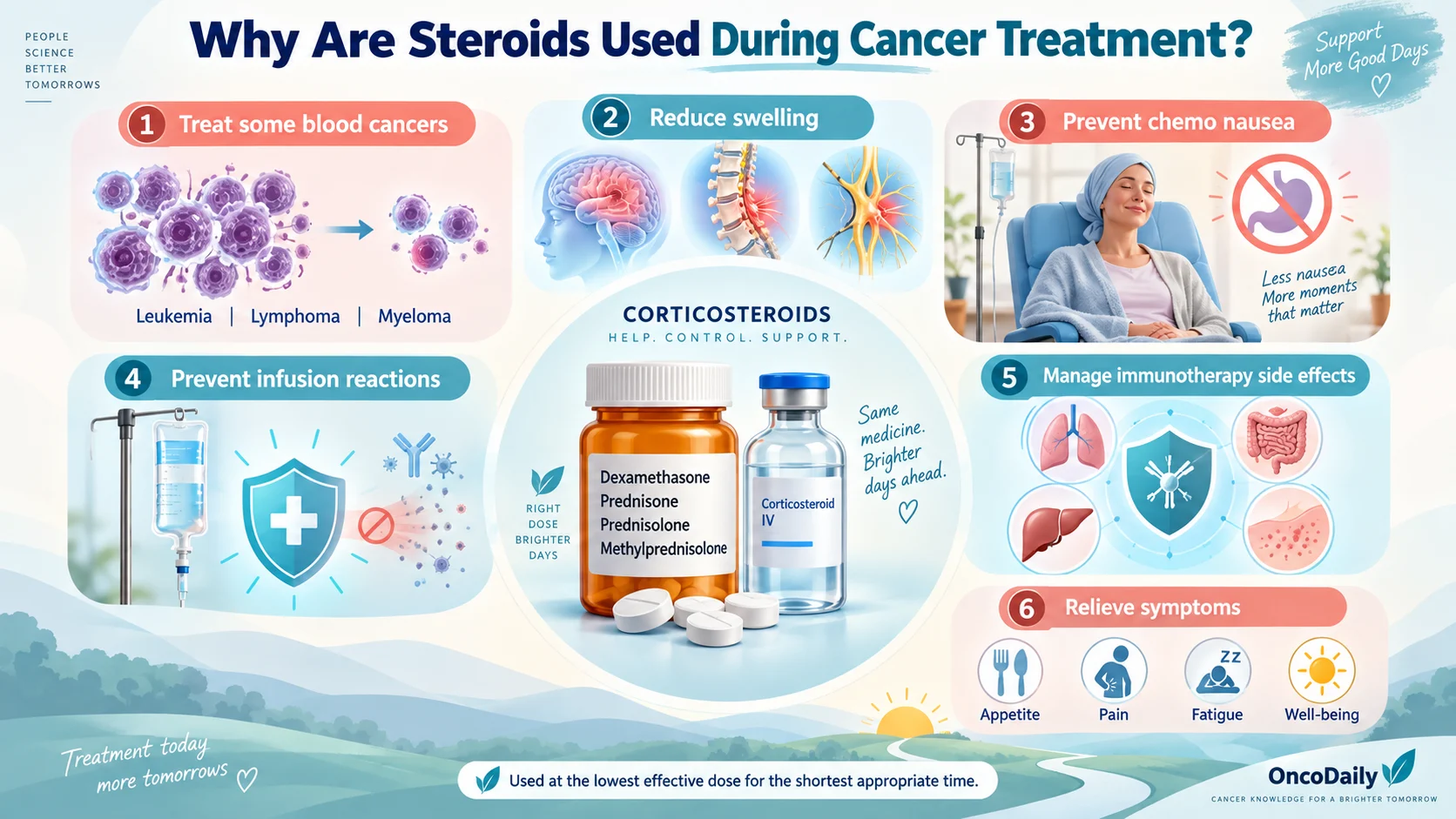
Steroids such as dexamethasone, prednisone, prednisolone, and methylprednisolone are widely used in cancer care. These corticosteroids are different from anabolic steroids and mainly work by reducing inflammation and modifying immune activity. In some blood cancers, they are also part of the anticancer treatment itself. (Prasath et al., 2026).
In acute lymphoblastic leukemia, lymphoma, and multiple myeloma, corticosteroids can directly promote the death of malignant lymphoid or plasma cells and are commonly included in combination treatment regimens. (Pourhassan et al., 2024).
Steroids are also used to reduce inflammation and swelling caused by cancer. Dexamethasone can help control cerebral edema around brain tumors or metastases and may relieve headaches, nausea, weakness, and other neurologic symptoms. Corticosteroids are also used in the urgent management of malignant spinal cord compression. (Prasath et al., 2026).
Another major role is preventing chemotherapy-induced nausea and vomiting. Dexamethasone is often combined with other anti-nausea medications before or after chemotherapy. Steroids may also be given before certain treatments, including taxanes and some monoclonal antibodies, to reduce the risk of infusion or hypersensitivity reactions. (Hesketh et al., 2020; Prasath et al., 2026).
Their immune-suppressing effects are particularly useful when immunotherapy causes the immune system to attack healthy tissues. Corticosteroids are commonly used to treat moderate to severe immune-related toxicities such as colitis, pneumonitis, hepatitis, and skin inflammation. They are also used for selected complications of CAR T-cell therapy, including ICANS. (Schneider et al., 2021; Santomasso et al., 2021).
Short courses may also help improve appetite, pain, fatigue, or overall well-being, particularly in advanced cancer. Because side effects increase with higher doses and longer treatment, doctors generally aim to use the lowest effective dose for the shortest appropriate period.
What Types of Steroids Are Commonly Used in Cancer Care?
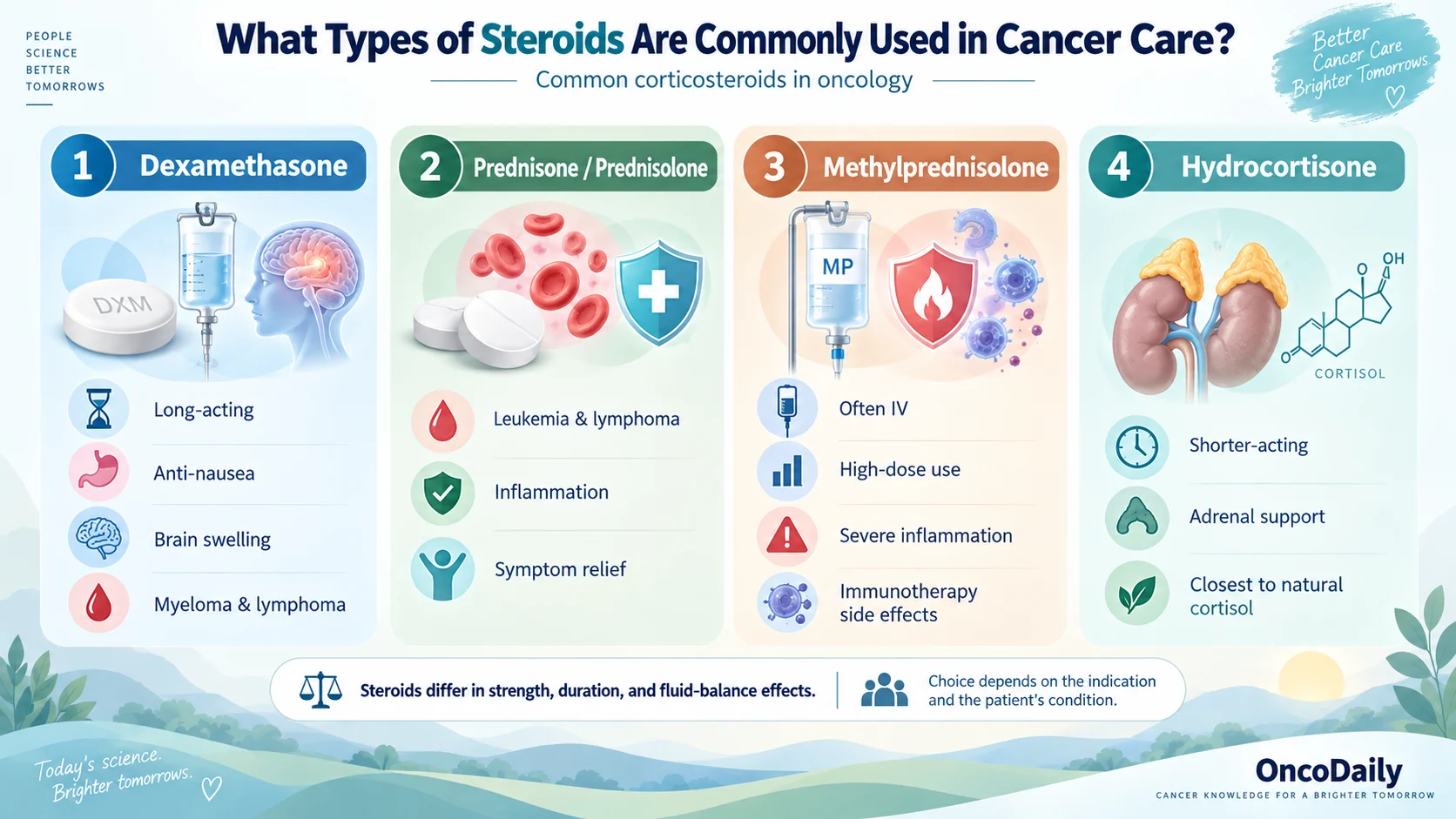
The steroids used most often during cancer treatment are corticosteroids, particularly dexamethasone, prednisone or prednisolone, methylprednisolone, and hydrocortisone. Although they belong to the same drug family, they differ in strength, duration of action, and effects on salt and fluid balance. This helps doctors choose the most appropriate steroid for each situation. (Prasath et al., 2026).
Dexamethasone is one of the most commonly used corticosteroids in oncology. It is long-acting and has relatively little effect on salt and water retention. It is frequently used to prevent chemotherapy-related nausea, reduce swelling around brain tumors or metastases, manage treatment-related reactions, and as part of treatment regimens for blood cancers such as multiple myeloma and lymphoma.
Prednisone and prednisolone are also widely used, particularly in hematologic cancers. They are included in several treatment regimens for leukemia and lymphoma and may also be prescribed to control inflammation or relieve cancer-related symptoms.
Methylprednisolone is often used when intravenous or higher-dose steroid treatment is needed. It is commonly given for severe inflammatory reactions and some immune-related side effects caused by cancer immunotherapy.
Hydrocortisone is shorter-acting and more closely resembles the body’s natural cortisol. In cancer care, it is particularly useful for treating adrenal insufficiency, including cases related to prolonged steroid treatment or certain immunotherapies.
The choice of steroid depends on why it is needed, how quickly it should work, how long the effect should last, and the patient’s overall condition. Patients should not switch between corticosteroids or adjust their dose without medical guidance because these drugs are not directly interchangeable.
How Do Steroids Help With Chemotherapy and Immunotherapy Side Effects?
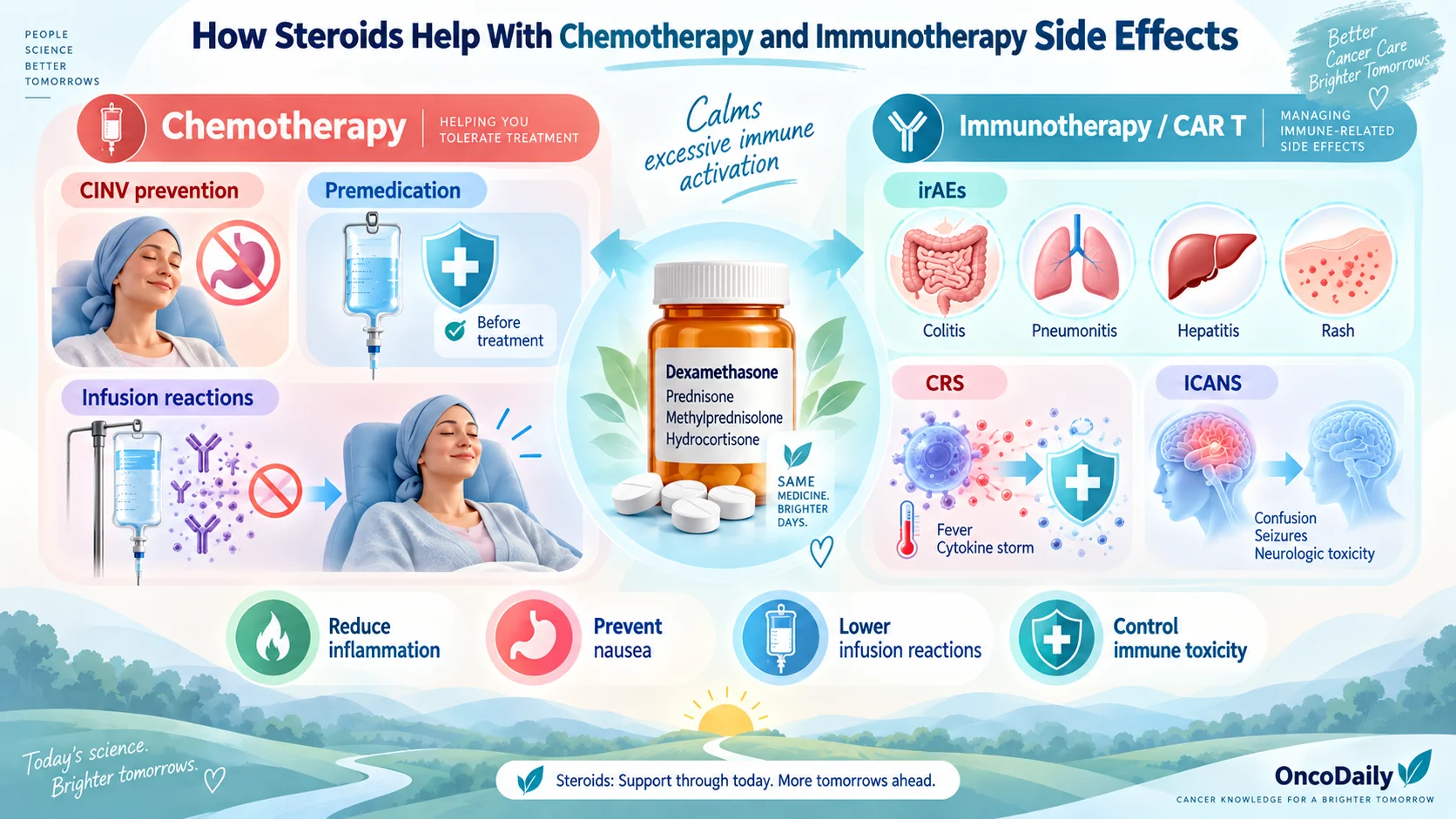
Steroids help manage cancer-treatment side effects mainly by reducing inflammation and calming excessive immune responses. Depending on the treatment, they may be given before therapy to prevent side effects or later if symptoms develop.
One of their most common uses during chemotherapy is preventing nausea and vomiting. Dexamethasone is often combined with other anti-nausea medicines, such as 5-HT3 or NK1 receptor antagonists and sometimes olanzapine, particularly with chemotherapy that has a moderate or high risk of causing nausea. (Hesketh et al., 2020).
Steroids are also commonly used before certain treatments to reduce infusion and hypersensitivity reactions. Drugs such as paclitaxel and some monoclonal antibodies can trigger inflammatory or allergic-type reactions, and corticosteroid premedication can help lower this risk.
Their role becomes especially important with immunotherapy. Checkpoint inhibitors can sometimes cause the immune system to attack healthy tissues, leading to immune-related side effects such as colitis, pneumonitis, hepatitis, or severe skin inflammation. Corticosteroids suppress this excessive immune activity and remain a central treatment for many moderate to severe immune-related adverse events. (Schneider et al., 2021).
Steroids are also used for some complications of CAR T-cell therapy. Prolonged or severe cytokine release syndrome may require corticosteroids together with other treatments, while moderate to severe immune effector cell-associated neurotoxicity syndrome, or ICANS, is commonly managed with corticosteroids and supportive care. (Santomasso et al., 2021).
Because steroids suppress inflammation and immune activity, doctors balance their benefits against possible side effects and individualize treatment according to the type and severity of the reaction.
Can Steroids Also Be Part of the Cancer Treatment Itself?
Yes. In some cancers, particularly blood cancers, steroids are not used only to control symptoms or treatment side effects. They are active anticancer drugs and form an important part of the treatment regimen.
In acute lymphoblastic leukemia (ALL), prednisone and dexamethasone are fundamental components of therapy. They enter leukemia cells and activate glucocorticoid receptors, triggering changes that can lead to programmed cell death. Corticosteroids remain part of induction and later phases of ALL treatment. (Pourhassan et al., 2024).
Steroids also form part of several lymphoma treatments. For example, prednisone is the “P” in the commonly used R-CHOP regimen for diffuse large B-cell lymphoma, where it works alongside other treatments to help eliminate malignant lymphocytes.
In multiple myeloma, dexamethasone remains an important component of many modern combination regimens. It has direct activity against plasma cells and is commonly combined with drugs such as lenalidomide, bortezomib, and daratumumab. Treatment is increasingly individualized, and lower-dose or steroid-sparing approaches may be considered for some older or frail patients.
The role of steroids in these cancers is therefore different from their supportive use during chemotherapy or immunotherapy. Here, the steroid is prescribed specifically because it contributes to controlling or killing the cancer cells themselves.
What Are the Most Common Side Effects of Steroids?
Steroid side effects vary depending on the dose, duration of treatment, and individual patient. A short course given around chemotherapy may cause only mild temporary effects, while higher doses or longer treatment can produce more noticeable changes. (Prasath et al., 2026).
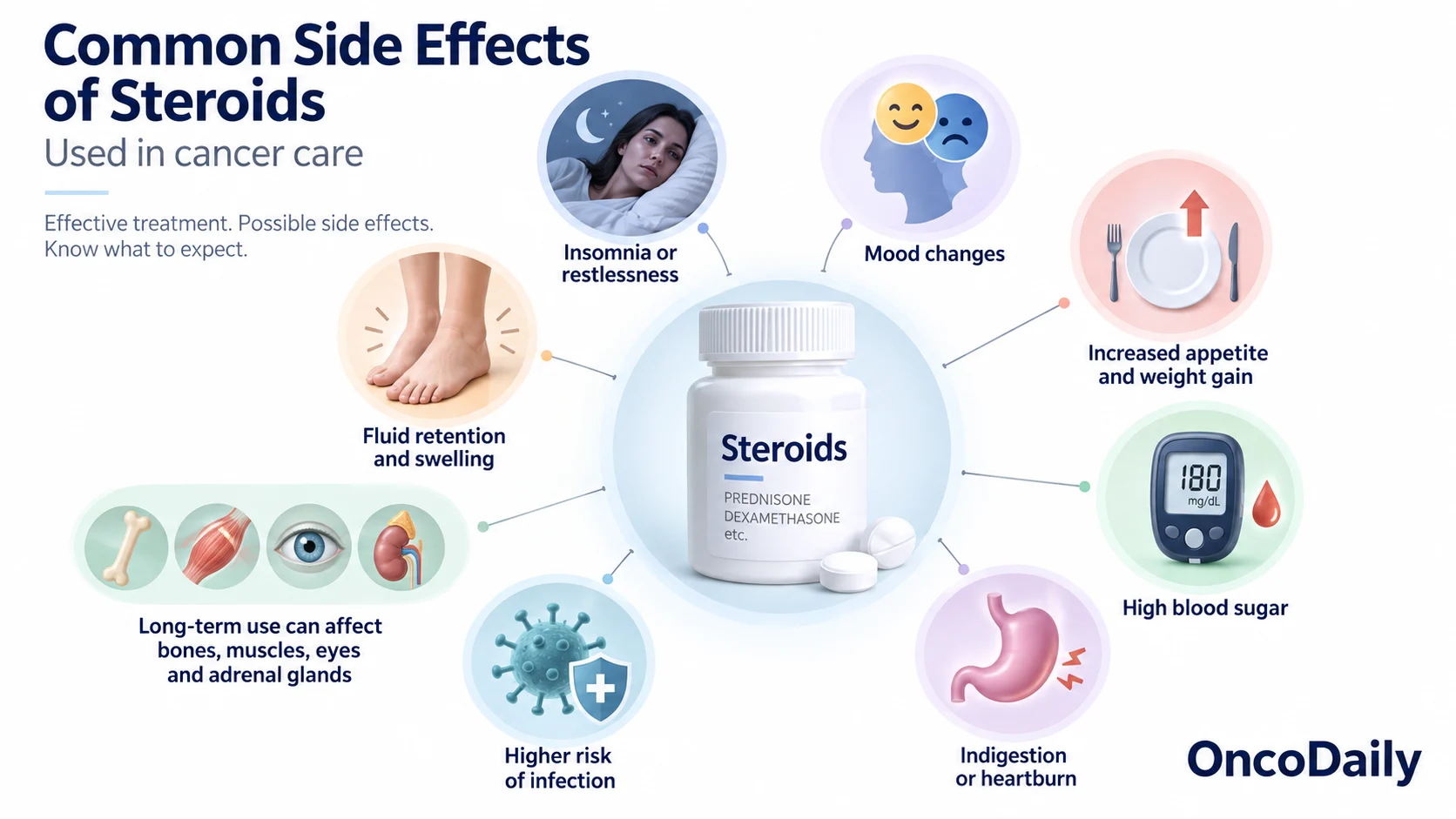
One of the most common effects is difficulty sleeping. Dexamethasone and prednisone can make patients feel more energetic or restless, particularly when taken later in the day. Some people also notice mood changes, including irritability, anxiety, emotional changes, or an unusually elevated mood.
Steroids can also increase appetite, which may lead to weight gain, especially when treatment continues for several weeks. Fluid retention can cause swelling of the face, ankles, or legs and may contribute to higher blood pressure.
Another important effect is higher blood sugar. This is particularly relevant for people who already have diabetes, but steroid-induced hyperglycemia can also occur in patients without a previous diagnosis. Increased thirst, frequent urination, fatigue, or blurred vision can sometimes be signs that blood sugar has risen.
Because corticosteroids suppress immune activity, they can also increase the risk of infection and sometimes make typical signs such as fever less obvious. Indigestion or heartburn may occur as well.
Most short-term effects improve as the steroid dose is reduced or treatment ends. With longer treatment, however, additional problems involving the bones, muscles, eyes, and adrenal glands can become more important.
What Happens If Steroids Are Used for a Long Time?
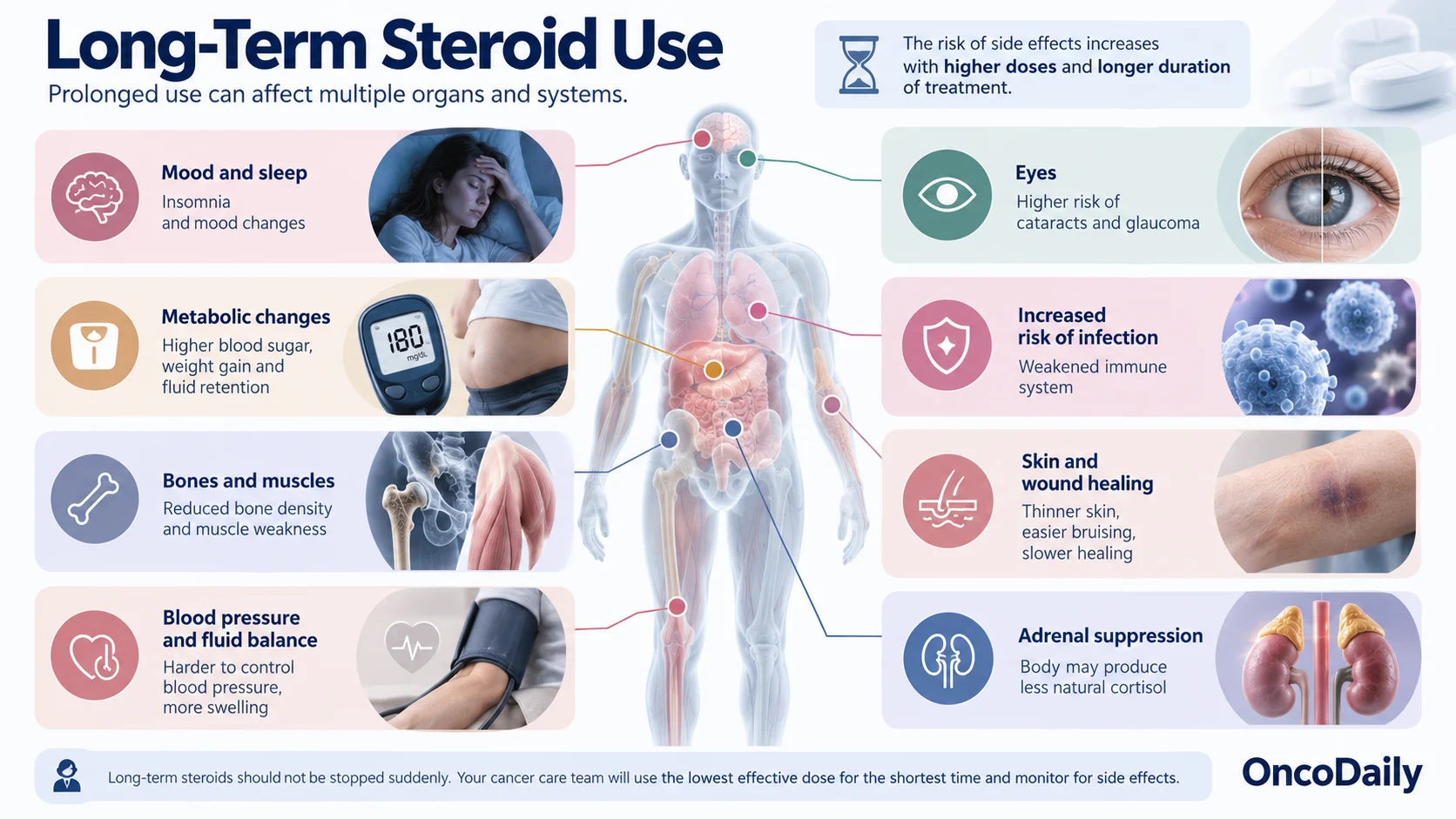
When steroids are used for weeks or months, the risk of side effects increases because corticosteroids affect many systems in the body. The likelihood of complications depends on the dose, duration of treatment, and individual factors such as age, diabetes, bone health, and other cancer treatments. (Prasath et al., 2026).
One of the most important concerns is bone and muscle health. Long-term corticosteroids can reduce bone density and increase the risk of osteoporosis and fractures. They can also cause muscle weakness, particularly around the hips and shoulders. (Humphrey et al., 2023).
Steroids can also cause longer-lasting metabolic changes. Blood sugar may remain elevated or lead to steroid-induced diabetes, while increased appetite and changes in fat distribution can contribute to weight gain. Blood pressure and fluid retention may also become more difficult to control.
Because steroids suppress immune activity, prolonged treatment can increase the risk of infections, particularly in patients receiving higher doses or additional immunosuppressive treatments. Skin may become thinner and bruise more easily, and wound healing can also slow.
Long-term use may affect the eyes, increasing the risk of cataracts and glaucoma. Patients who require extended courses may therefore need monitoring of vision, blood sugar, blood pressure, and bone health depending on the dose and duration of therapy.
Another particularly important effect is adrenal suppression. When corticosteroids are taken for a long time, the adrenal glands may reduce their own production of cortisol. Stopping treatment suddenly can therefore cause symptoms such as severe weakness, nausea, vomiting, dizziness, and low blood pressure. Longer steroid courses may need to be gradually tapered under medical supervision. (Beuschlein et al., 2024).
These risks do not mean that long-term steroids should be avoided when they are medically necessary. Instead, oncology teams aim to use the lowest effective dose for the shortest appropriate period while monitoring and managing complications as needed.
When Should You Contact Your Cancer Care Team About Steroid Side Effects?
Most steroid side effects can be managed, but some symptoms should be reported promptly. Steroids can suppress the immune system, raise blood sugar, affect mood, and sometimes mask the usual signs of infection.
Contact your cancer care team promptly if you develop fever, chills, a new cough, shortness of breath, burning with urination, unusual weakness, or other signs of infection. Because steroids can reduce fever and inflammation, suddenly feeling very unwell can also be important even if your temperature is normal.
You should also contact your team if you develop symptoms of high blood sugar, such as excessive thirst, frequent urination, blurred vision, or unusual fatigue, particularly if you already have diabetes.
Significant mood or behavior changes should also be reported. Severe anxiety, agitation, inability to sleep for several nights, depression, confusion, hallucinations, or unusual behavior can occasionally occur with corticosteroids and may require treatment or dose adjustment.
Other symptoms that need prompt assessment include persistent vomiting, severe abdominal pain, black stools, worsening swelling, sudden vision changes, or new neurologic symptoms such as weakness, severe headache, confusion, or seizures.
Patients who have taken steroids for a longer period should also watch for symptoms of adrenal insufficiency, particularly during dose reduction. Severe weakness, dizziness, fainting, nausea, vomiting, or very low blood pressure can be warning signs. Long-term steroids should therefore not be stopped suddenly unless your healthcare team advises you to do so. (Beuschlein et al., 2024).
Seek emergency medical care for severe difficulty breathing, chest pain, fainting, seizures, severe confusion, major bleeding, signs of a severe allergic reaction, or another rapidly life-threatening symptom.
If you are unsure whether a symptom is related to steroids, it is still appropriate to contact your oncology team. Knowing the steroid name, dose, recent dose changes, and when the symptoms began can help the team decide what needs to happen next.
FAQ
Why are steroids given during cancer treatment?
They may reduce inflammation, prevent nausea or infusion reactions, treat immune-related side effects, or act as part of the cancer treatment itself.
Which steroids are most commonly used in cancer care?
Common examples include dexamethasone, prednisone, prednisolone, methylprednisolone, and hydrocortisone.
What are the most common steroid side effects?
Common effects include trouble sleeping, mood changes, increased appetite, weight gain, higher blood sugar, fluid retention, and increased infection risk.
Can steroids be used for a long time during cancer treatment?
Yes, but longer use increases the risk of problems such as osteoporosis, muscle weakness, cataracts, diabetes, and adrenal suppression.
Can I stop taking steroids suddenly?
Not always. After longer or higher-dose treatment, steroids may need to be gradually reduced to avoid adrenal insufficiency. Always follow your cancer care team’s instructions.