This week in OncoDaily Immuno-Oncology, expert perspectives highlight a broader shift beyond checkpoint blockade—toward integrating metabolism, immune engineering, and multidisciplinary care into more personalized cancer strategies.
Metabolic oncology is gaining traction, with growing evidence linking insulin signaling and dietary factors to treatment response and cancer risk. At the same time, innovations in immunotherapy—from in vivo T-cell reprogramming to curcumin-mediated immune activation—underscore expanding approaches to enhance anti-tumor immunity beyond traditional cytotoxicity.
In lung cancer, real-world case discussions reinforce how neoadjuvant chemo-immunotherapy and dynamic MDT decision-making can downstage disease and enable less extensive surgery, redefining operability and treatment sequencing. Parallel mechanistic insights, such as SLAMF6-mediated T-cell inhibition, are opening new avenues for targeting immune exhaustion.
Across indications, advances in CAR-T engineering, perioperative ADC–immunotherapy combinations, and metabolic modulation strategies reflect a transition toward ecosystem-based and precision-guided immunotherapy—aimed at improving outcomes while optimizing treatment burden and long-term care.
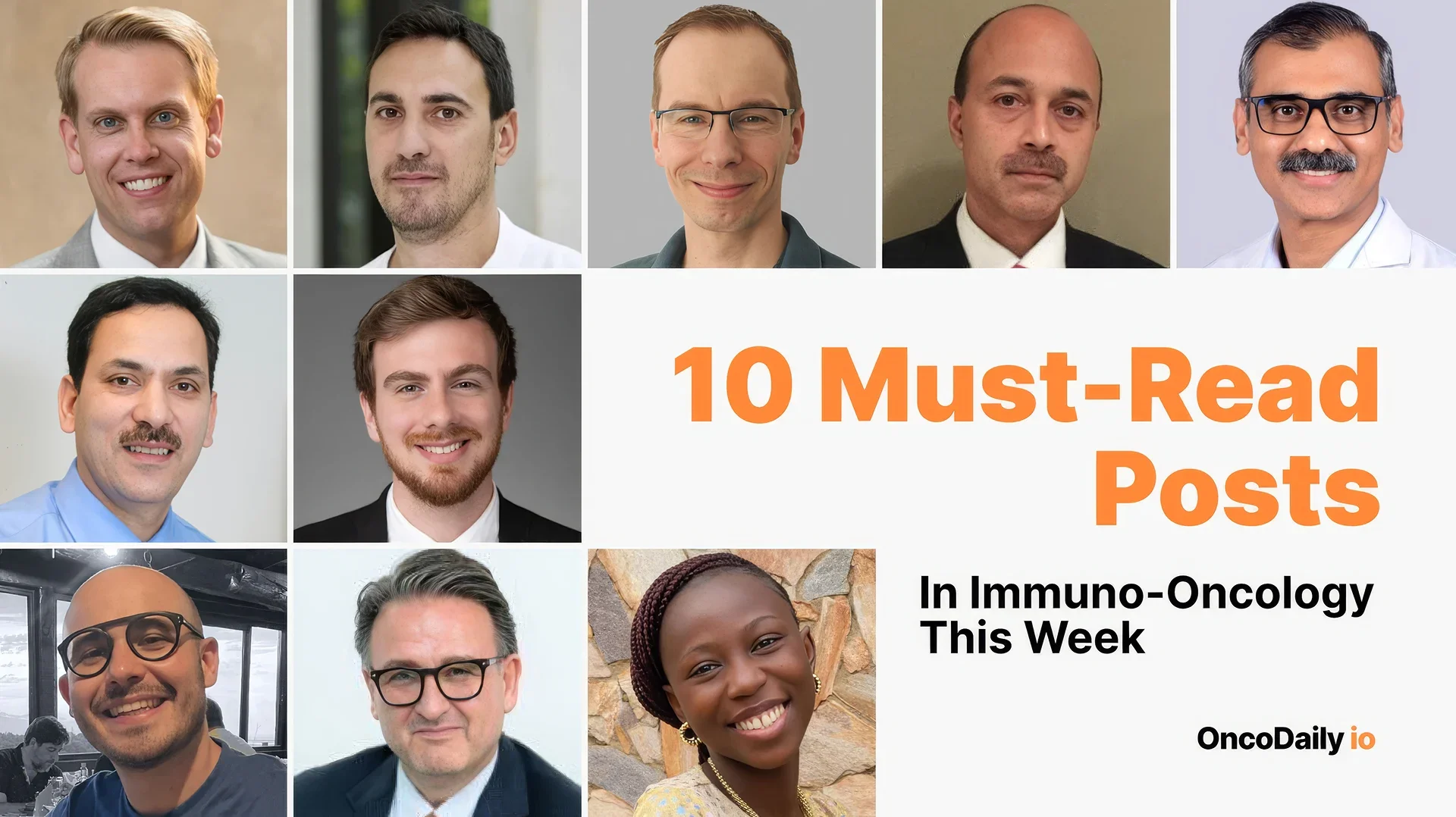
10 Must-Read Posts in Immuno-Oncology This Week
This Week’s Expert Highlights in Immuno-Oncology
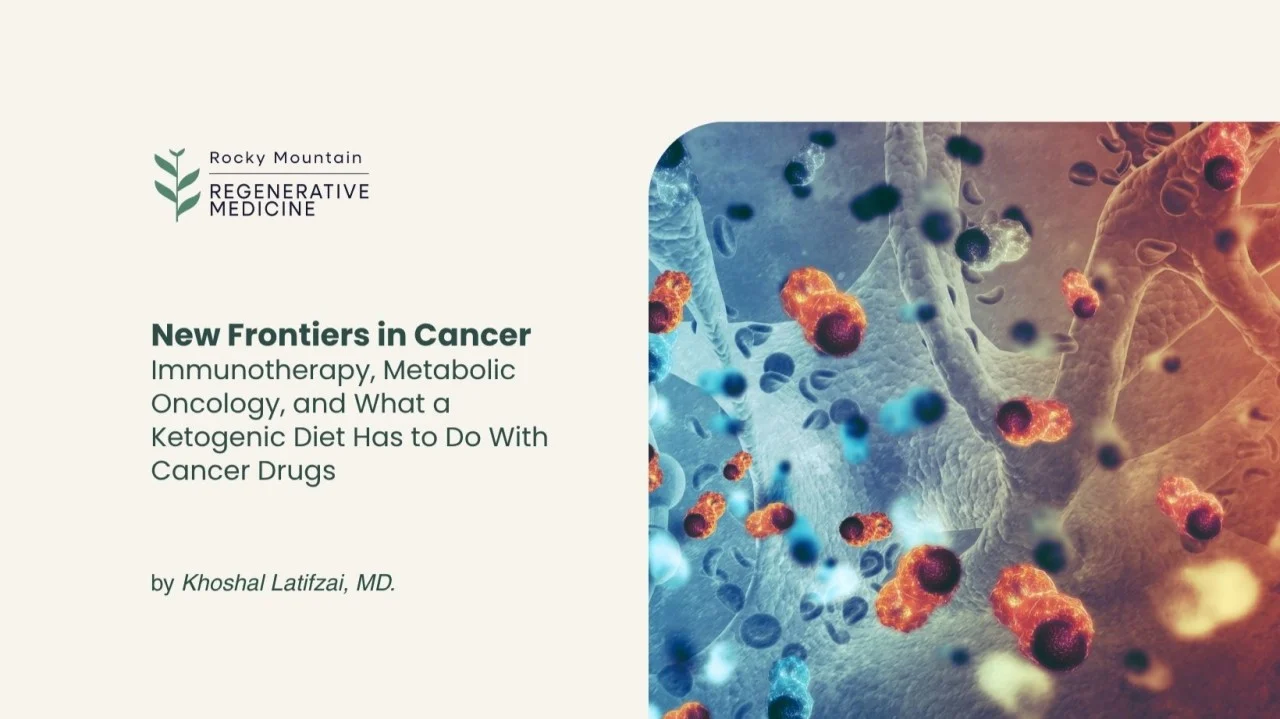
Khoshal Latifzai (Founder and Medical Director at Rocky Mountain Regenerative Medicine CO, Board-Certified Physician):
“Immunotherapy is rewriting what we thought was possible in cancer treatment.Metabolic oncology is revealing how diet and insulin levels can shape whether cancer drugs work.
And the connection between chronic hyperinsulinemia and cancer risk is becoming one of the most important stories in preventive medicine.I just published a breakdown of all three, including what the latest science on ketogenic diets combined with cancer drugs actually shows, and three principles for thinking clearly about any complex medical claim.
Read the full article here: “
Corinne Faivre-Finn (Professor of Thoracic Radiation Oncology at The University of Manchester):
“Delighted to share our latest paper published in Lung Cancer
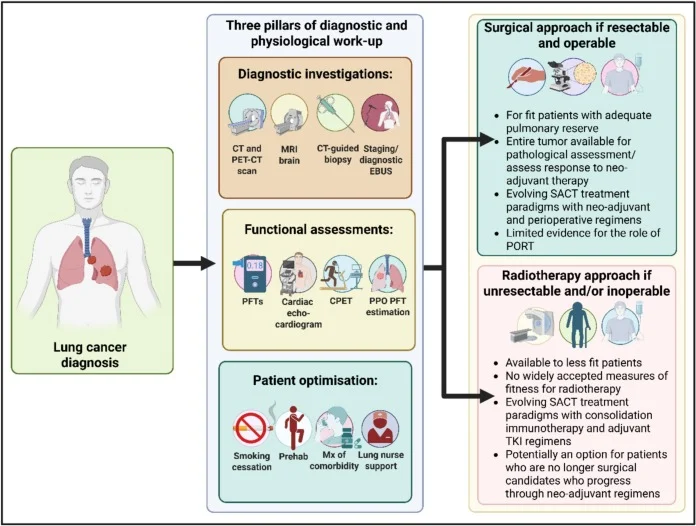
“Navigating controversies in stage III NSCLC: a multidisciplinary case discussion on evolving treatment paradigms”
A special highlight of this work is the leadership of Ash Horne, an early career investigator on the CONCORDE trial, working closely with Igor Gómez-Randulfe.
This paper showcases the impact that emerging clinical academics are already having in shaping complex multidisciplinary decision-making in stage III disease.In this paper, we presented the case of a 69-year-old man with cT3N2aM0 (single-station N2) adenocarcinoma NSCLC and a PD-L1 tumour proportion score of 100%.
Following MDT discussion, he received 3 cycles of neoadjuvant carboplatin, paclitaxel and nivolumab.
The initial surgical plan was pneumonectomy due to tumour proximity to the right main bronchus
Restaging CT demonstrated a 60% tumour reduction
Dynamic reassessment allowed conversion to right upper lobectomy instead of pneumonectomy
Final pathology showed complete response (ypT0ypN0)
This case highlights how neoadjuvant chemo-immunotherapy and iterative MDT decision-making can enable less extensive surgery while achieving excellent oncological outcomes.
Key points discussed:
evolving definitions of operability and resectability
sequencing of systemic therapy and local treatment
potential surgical complexity after immunotherapy
ongoing controversies around postoperative radiotherapy and salvage strategies
critical importance of multidisciplinary coordination
Congratulations to Ash and the whole multidisciplinary team for this excellent collaboration and for demonstrating the importance of supporting early career investigators in leading academic work. “
Mohd. Zeeshan (Microbiologist, Brand Marketer, AI Strategist, and Scientific Communicator, Certified Validation Supervisor (Govt of India), with experience at KIMS Hospitals, Healthians, SpiceJet, and ICMR):
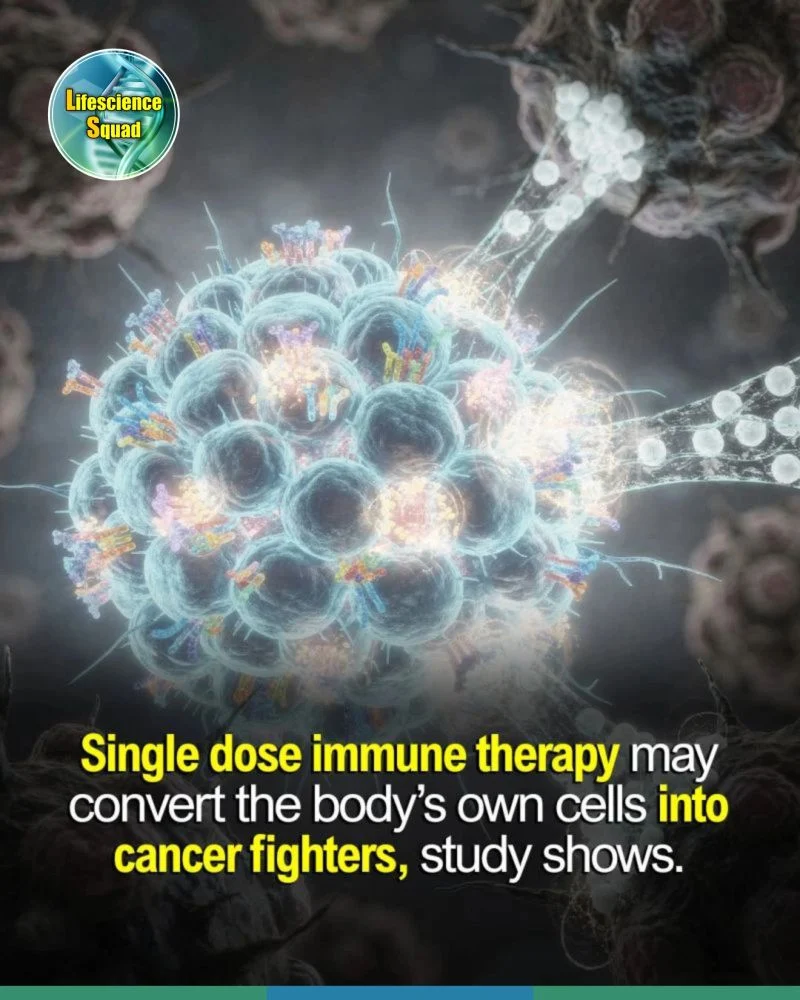
“𝗢𝗻𝗲 𝗦𝗵𝗼𝘁 𝘃𝘀 𝗖𝗮𝗻𝗰𝗲𝗿 – 𝗚𝗮𝗺𝗲 𝗢𝘃𝗲𝗿
No 𝗹𝗮𝗯.
N 𝗹𝗼𝗻𝗴 𝗽𝗿𝗼𝗰𝗲𝘀𝘀.
Reprograms 𝘆𝗼𝘂𝗿 𝗼𝘄𝗻 𝗧 𝗰𝗲𝗹𝗹𝘀 𝗶𝗻𝘀𝗶𝗱𝗲 𝘁𝗵𝗲 𝗯𝗼𝗱𝘆
Uses a 𝗵𝗮𝗿𝗺𝗹𝗲𝘀𝘀 𝘃𝗶𝗿𝘂𝘀 as delivery
Targets cancer with built-in “𝗵𝗼𝗺𝗶𝗻𝗴 𝘀𝗶𝗴𝗻𝗮𝗹𝘀”
In early trial (multiple myeloma):
Patients showed 𝗻𝗼 𝗰𝗮𝗻𝗰𝗲𝗿 𝗶𝗻 𝗯𝗼𝗻𝗲 𝗺𝗮𝗿𝗿𝗼𝘄 (𝟭 𝗺𝗼𝗻𝘁𝗵)
Remission lasted months in some
𝗦𝗶𝗱𝗲 𝗲𝗳𝗳𝗲𝗰𝘁𝘀: 𝗺𝗼𝘀𝘁𝗹𝘆 𝗺𝗶𝗹𝗱
Big shift: From complex therapy → 𝘀𝗶𝗺𝗽𝗹𝗲 𝗶𝗻𝗷𝗲𝗰𝘁𝗶𝗼𝗻
Still early, but powerful
𝗙𝘂𝘁𝘂𝗿𝗲: Turn the body into its own cancer therapy“
Jose W. Rodriguez Zayas (Immunologist and Pre-Clinical/Clinical Research Scientist, Professor, Research Consultant, and Scientific Advisor in Immunotherapies, Vaccines, Drug Discovery and Development, Immunotoxicology, and Immunopharmacology):
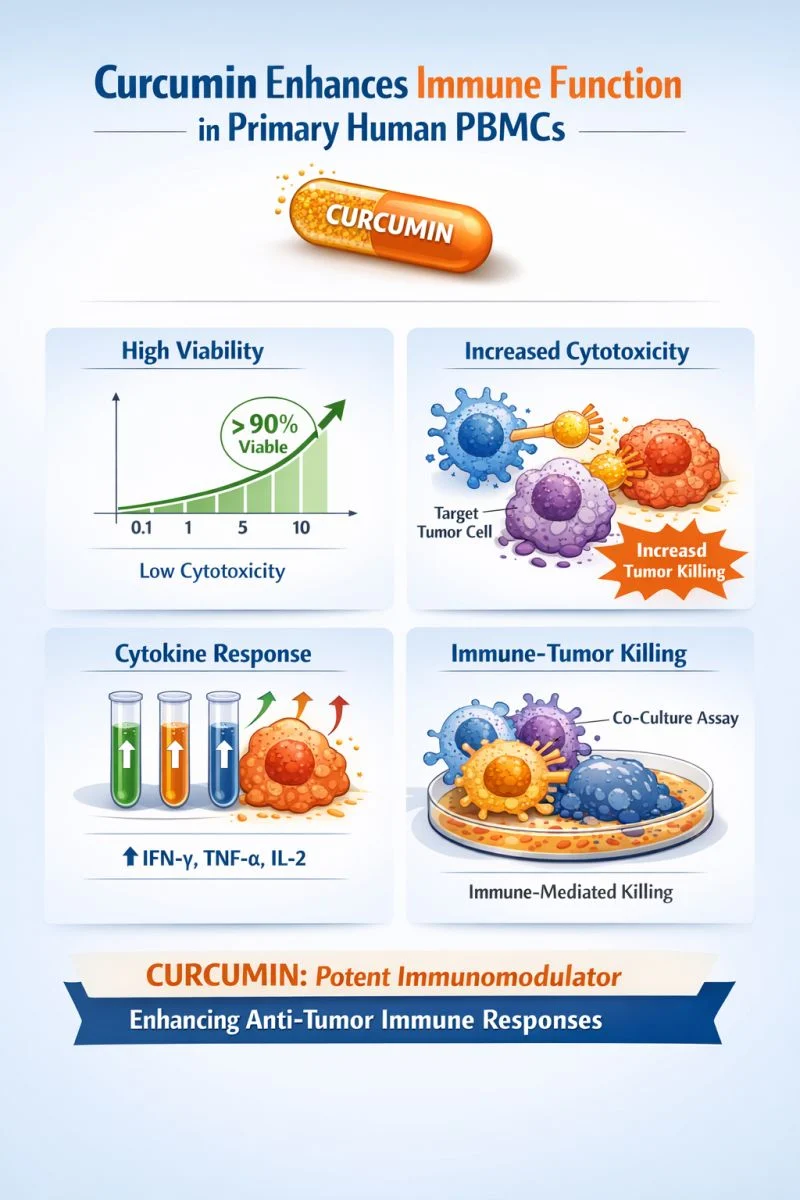
“Our preliminary studies demonstrate that curcumin enhances immune function in primary human PBMCs while maintaining cell viability.
PBMC viability remained high across all tested doses, indicating low cytotoxicity.
Cell-mediated Cytotoxic activity was significantly increased, with PBMCs showing enhanced killing of target prostate tumor cells.
Cytokine profiling revealed elevated levels of IFN-γ, TNF-α, and IL-2, consistent to anti-tumor immune response.
Co-culture experiments confirmed that curcumin significantly enhances immune-dependent tumor cell killing, rather than direct toxicity.
Overall, curcumin acts as a potent immunomodulator, improving PBMC-mediated anti-tumor responses and supporting its potential for translational cancer adjuvant immunotherapy applications.”
Ron DePinho (Professor of Department of Cancer Biology, Division of Discovery Science at MD Anderson Cancer Center):
” A compelling new study in Nature Magazine sharpens our understanding of SLAMF6 in anti-tumor immunity. While much of immuno-oncology has focused on checkpoint receptors, this work identifies SLAMF6 as a distinct and potentially important inhibitory receptor operating on progenitor/stem-like exhausted T cells (Tpex) — the subset most capable of reinvigoration after checkpoint blockade.
What is especially notable is the mechanism: the authors show that SLAMF6 is activated through cis homotypic interactions on the T-cell surface, and that these interactions suppress T-cell activation and constrain anti-tumor immunity independently of SLAMF6 expression on tumor cells. Antibodies able to disrupt these cis interactions enhanced T-cell activation, reduced exhaustion, and inhibited tumor growth in vivo.
Conceptually, this is important for several reasons:
It helps resolve longstanding ambiguity around whether SLAMF6 is activating or inhibitory in T cells. It shifts attention toward T cell-intrinsic checkpoint biology, rather than focusing solely on receptor-ligand interactions in trans within the tumor microenvironment.It suggests a therapeutic strategy aimed at the Tpex compartment, which may be especially relevant for durable immune reinvigoration.
If these findings translate clinically, SLAMF6-directed therapies could broaden the checkpoint toolkit beyond PD-1/CTLA-4 and potentially expand benefit across tumor settings where current approaches remain insufficient.
A very elegant contribution to the evolving biology of T-cell exhaustion and checkpoint targeting.”
Jack Shuang Hou (Executive, Diagnostic Technology Firm – Regulatory & Business Development):
” Astellas Pharma Inc. + Pfizer Secure FDA Priority Review — PADCEV™ + Keytruda® Moves Toward Broad MIBC Standard of Care
A major regulatory signal that perioperative hashtag#immunotherapy + hashtag#ADC combinations are reshaping bladder cancer treatment.
Key leaders
Moitreyee Chatterjee-Kishore, Ph.D., MBA — Head of Oncology Development, Astellas Pharma Inc.
Jeff Legos — Chief Oncology Officer, Pfizer
Priority Review + strong Phase 3 survival data
EV-304 (KEYNOTE-B15) results:
47% ↓ risk of recurrence/progression/death
35% ↓ risk of death
pCR: 55.8% vs 32.5% (chemo)
PDUFA date: August 17, 2026
This is not incremental — this is survival-driven differentiation in earlier-stage disease.
Expanding beyond cisplatin eligibility
~50% recurrence rate despite surgery today
Filing aims to treat ALL MIBC patients (cisplatin-eligible + ineligible)
If approved → first universal perioperative regimen
This removes one of oncology’s biggest constraints:
chemotherapy eligibility as a gatekeeper.
Modality convergence: ADC + checkpoint inhibitor
PADCEV (Nectin-4 ADC) → targeted cytotoxic delivery
Keytruda (PD-1 inhibitor) → immune activation
Combined perioperatively (pre + post surgery)
This reflects a broader shift:
From sequential therapy → integrated multimodal strategy
From late-stage → curative-intent intervention
My takeaway
Bladder cancer is becoming a blueprint for oncology evolution:
Move therapies earlier in disease
Combine targeted + immune mechanisms
Optimize around event-free survival, not just response
The real unlock is shifting from treating relapse → preventing it.
Bottom line: Astellas Pharma Inc. and Pfizer are positioning PADCEV + Keytruda as a potential first universal perioperative standard in MIBC — signaling that ADC + immunotherapy combinations are moving into curative-intent settings and redefining early-stage cancer care.”
Jerome Cabeau (Business Development Manager at Thermo Fisher Scientific):
“The field of immunotherapy has rapidly transformed the management of solid tumors, delivering meaningful survival benefits and changing the prognostic …”

José Luis Torres Cuadros (Associate Director of Clinical Trial Management and Professor at Aliat Universidades):
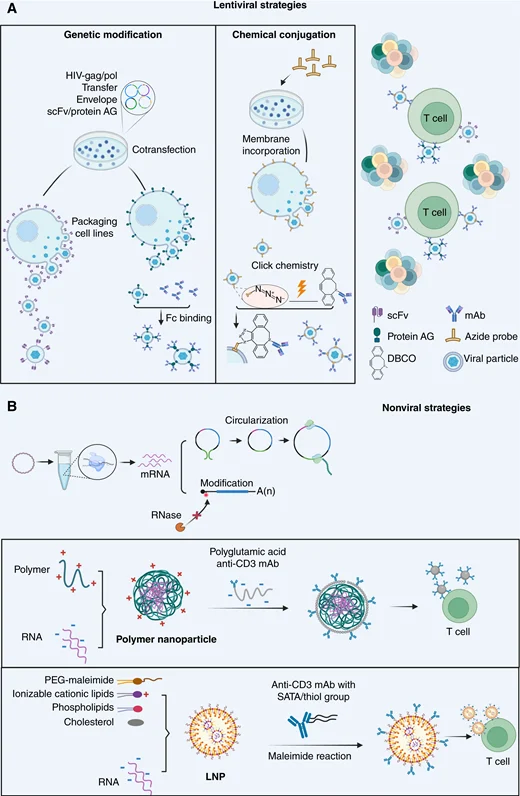
“Optimizing In Vivo CAR T-cell Engineering for Cancer Immunotherapy“
Roseane Mendes (Clinical Nutritionist at A.C.Camargo Cancer Center):
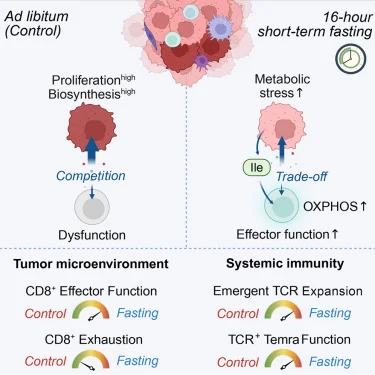
” 16-h fasting optimizes cancer immunotherapy in mice and humans.
new perspective in cancer.
A recent study published in Cell Metabolism shows that metabolism goes beyond energy supply — it directly regulates immune responses and may influence the effectiveness of immunotherapy.Nutrient competition within the tumor microenvironment can favor cancer progression, and metabolic strategies (including nutritional approaches) emerge as potential therapeutic support.
In this context, further research on fasting is essential as a potential metabolic and immunological modulator. Despite its promise, more robust studies in humans are still needed for clinical application.”
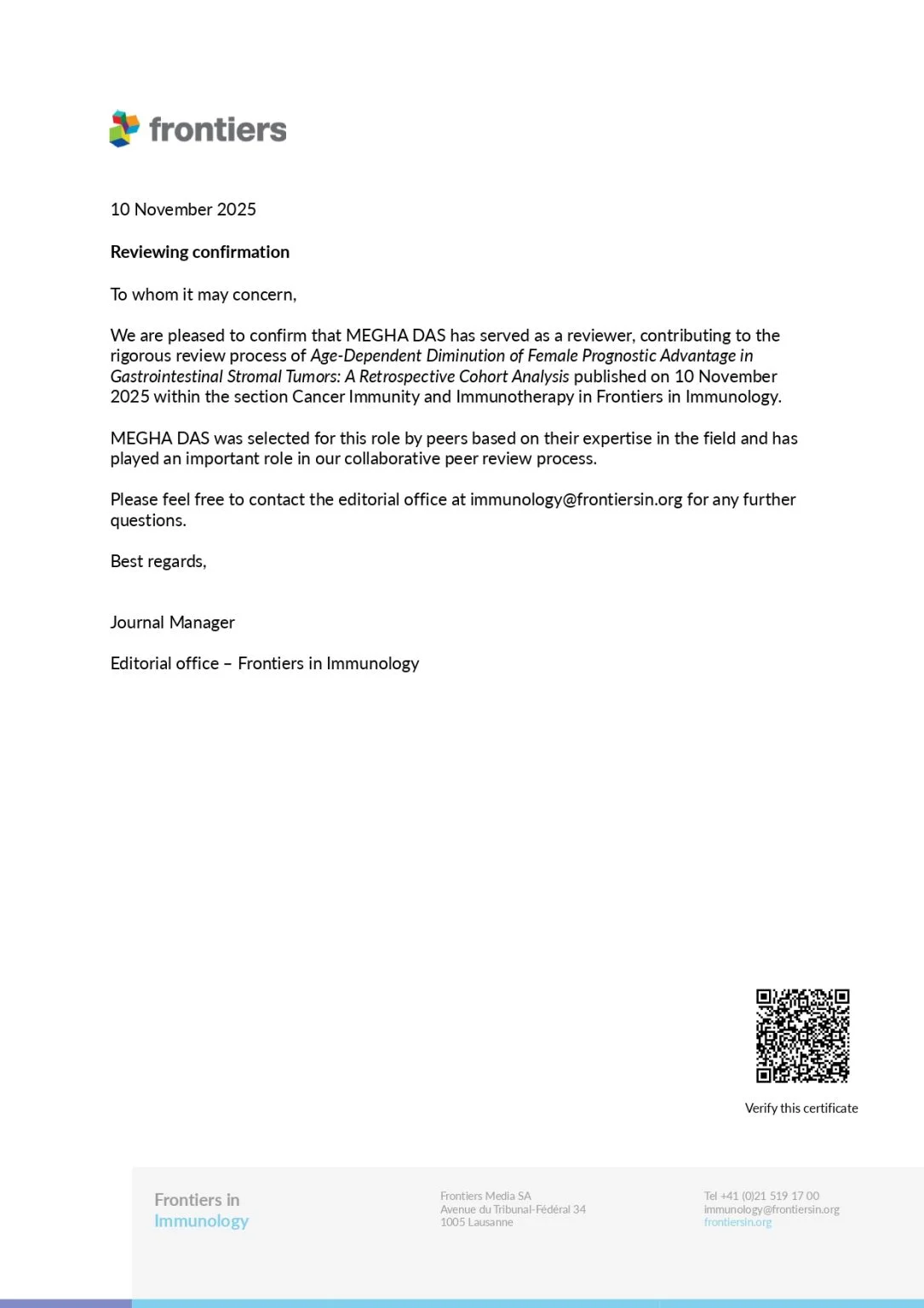
Megha Das (Project Research Scientist II at the Centre for Cellular and Molecular Biology):
” A slightly delayed but meaningful update from my research journey.
Over the past few months, I’ve had the opportunity to contribute as a reviewer for the Cancer Immunity and Immunotherapy section of Frontiers in Immunology and to be part of their Community Reviewer network.
Reviewing manuscripts across cancer immunology and translational work has been both challenging and rewarding. Each paper brings a different perspective- sometimes raising new questions, sometimes reshaping how we think about existing mechanisms. It’s a quiet role, but one that constantly pushes us to think more deeply and critically.
What I value most about peer review is that it’s not just about evaluating others’ work- it’s also about learning, refining our own scientific thinking, and contributing (in a small way) to maintaining the quality of research in our field.
Grateful to the editors for the trust and to the authors whose work keeps pushing the boundaries of cancer immunology.”