This week in OncoDaily Immuno-Oncology, emerging translational discoveries and real-world clinical insights are reshaping the future of cancer immunotherapy — from biomimetic macrophage-derived nanoparticles targeting the TNBC microenvironment and thermodynamic reprogramming of CD8⁺ T cells, to cure-modeling analyses in advanced HCC and single-cycle neoadjuvant PD-1 blockade in dMMR colon cancer. Highlights also include perioperative immunotherapy advances in thoracic oncology, spatial ecotypes outperforming PD-L1 and TMB as predictive biomarkers, PSMA-targeted radioligand therapy as an immune modulator in prostate cancer, and growing efforts to expand organ-sparing strategies through precision immunotherapy. Across tumor types, these developments continue to redefine how we understand durability, response prediction, and next-generation immune-based cancer care.
10 Must-Read Posts in Immuno-Oncology This Week
This Week’s Expert Highlights in Immuno-Oncology
Vania Neves (Life Sciences Solutions Specialist and Trusted Partner at Thermo Fisher Scientific, managing collaborations across Europe (Portugal, Spain, Sweden, Denmark, Norway, and Finland):
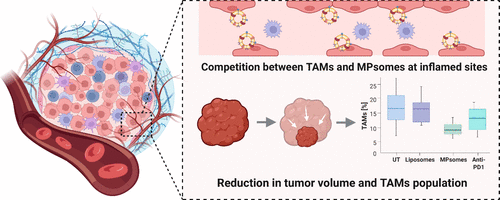
“Triple-negative breast cancer (TNBC), the most aggressive type of cancer, has the shortest survival and highest relapse rates. Researchers have identified that tumor-assisting macrophages in the microenvironment as a target, but many therapeutics are too broad and cause system toxicity of all macrophages (which are a key part of a healthy immune system).
Vizenblit et al recently published a fascinating article in ACS Nano that introduces the use of macrophage-derived biomimetic lipid nanoparticles (MPsomes) to disrupt the immunosuppressive tumor microenvironment. They do this by using microfluidics to assemble synthetic lipid nanoparticles that contain macrophage-derived membrane proteins. These MPsomes look and act like normal macrophages and can displace the tumor-assisting macrophages that bind to inflamed epithelial cells in the tumor. This inhibits tumor growth and represents a novel therapeutic approach.
One key aspect of their work was making sure that endotoxins weren’t confounding their in vivo results, but they needed a fast, efficient, and high-throughput way of doing that for the MPsomes. They accomplished this by using the Quant-iT Endotoxin Detection Assay Kit, a fluorescence-based assay, on a standard plate reader.
Read more about the study here or contact me if you want to learn about easier ways to measure endotoxin levels:”
Pascal MENSAH, (MD, Low-Dose Immunotherapy Specialist in Integrative and Regenerative Medicine, Creator of Ymmunoledge, affiliated with Aix-Marseille Université):
” Your CD8⁺ T cells fight cancer with chemistry.
They win with thermodynamics. Your CD8⁺ T cells fight cancer with chemistry. They win with thermodynamics. We keep treating biology as a catalogue of reactions — enzymes, substrates, products, pathways. But every reaction sits on top of a deeper law: how energy flows, how it gets coupled to work, and how much of it leaks away as entropy.
Three interventions that look completely unrelated make this strikingly clear:
→ Fasting / β-hydroxybutyrate raises mitochondrial membrane potential (ΔΨm), shifts substrate use toward fatty-acid oxidation, and lowers entropy produced per ATP.
→ Urolithin A restores mitochondrial quality through PINK1-mitophagy and biogenesis — closing the proton leak that bleeds free energy as heat. → PKM2 tetramerization agonists(TEPP-46, DASA-58) lock glycolysis into completion, routing carbon to OXPHOS instead of nuclear Warburg signaling — again, less entropy per ATP.
Different molecules. Different pathways. One physical destination: restored OXPHOS coupling efficiency.
That convergence isn’t coincidence. It’s a prediction. Cytotoxic function, naïve CD8⁺ expansion, anti-PD1 synergy, they all track the cell’s ability to keep energy coupled rather than dissipated. Biochemistry tells you what moves. Thermodynamics tells you why it has to.
The immune system is, before anything else, a far-from-equilibrium structure maintained against entropy. Synapse formation, granzyme release, clonal expansion — each is a local decrease in entropy paid for by a larger increase elsewhere. Lose the coupling, and no amount of cytokine signaling will recover the function.
Maybe the next generation of immunotherapy won’t target a receptor. It will target a gradient. Where else in physiology have you spotted a chemical question that was really a thermodynamic one in disguise?”
Jean-Charles Nault (Professor and Hospital Practitioner at AP-HP, Assistance Publique – Hôpitaux de Paris):
” Our new study is out in Clinical Cancer Research!
With Claudia Campani, the Paris Liver Cancer Group and our national and international collaborators, we explored long-term survival and cure in patients with advanced hepatocellular carcinoma (HCC) treated with immunotherapy, using innovative mixture cure models applied to both phase 3 randomized trials and real-world data.
Key findings:
Analysis of phase 3 trials and a large real-world cohort of 1,581 patients treated with atezolizumab–bevacizumab
10–15% of patients achieve long-term survival under immune checkpoint inhibitor combinations
7–9% of patients may reach a statistical cure
Radiological response strongly associated with higher probability of long-term survival and cure
Beyond 3 years, mortality risk approaches that of underlying cirrhosis rather than cancer progression
These results highlight the importance of cure modeling to better capture the durable benefit of immunotherapy and emphasize the need for biomarkers and optimized liver disease management.
Read the full article in Clinical Cancer Research
Notre nouvelle étude est publiée dans Clinical Cancer Research !
Avec Claudia Campani, le Paris Liver Cancer group et nos collaborateurs nationaux et internationaux, nous avons étudié la survie à long terme et la notion de guérison chez des patients atteints de carcinome hépatocellulaire avancé (CHC) traités par immunothérapie, grâce à l’utilisation de modèles statistiques innovants de type mixture cure models appliqués aux essais randomisés et aux données en vie réelle.
Résultats principaux :
Analyse d’essais de phase 3 et d’une cohorte en vie réelle de 1 581 patients traités par atezolizumab–bevacizumab
10–15% des patients présentent une survie à long terme
7–9% pourraient atteindre une guérison statistique
La réponse radiologique est fortement associée à la survie prolongée et à la guérison
Après 3 ans, le risque de décès se rapproche de celui lié à la cirrhose sous-jacente
Cette étude souligne l’intérêt des modèles de guérison pour mieux interpréter les bénéfices durables de l’immunothérapie, ainsi que l’importance d’identifier des biomarqueurs et d’optimiser la prise en charge de la maladie hépatique sous-jacente.
À lire dans Clinical Cancer Research“
Tobias Freyberg Justesen, (MD, PhD, Associate Global Medical Director – Obesity at Novo Nordisk):
“The final results of the RESET-C Trial investigating neoadjuvant immunotherapy in patients with stage I-III dMMR colon cancer are now out in the Journal of Clinical Oncology!
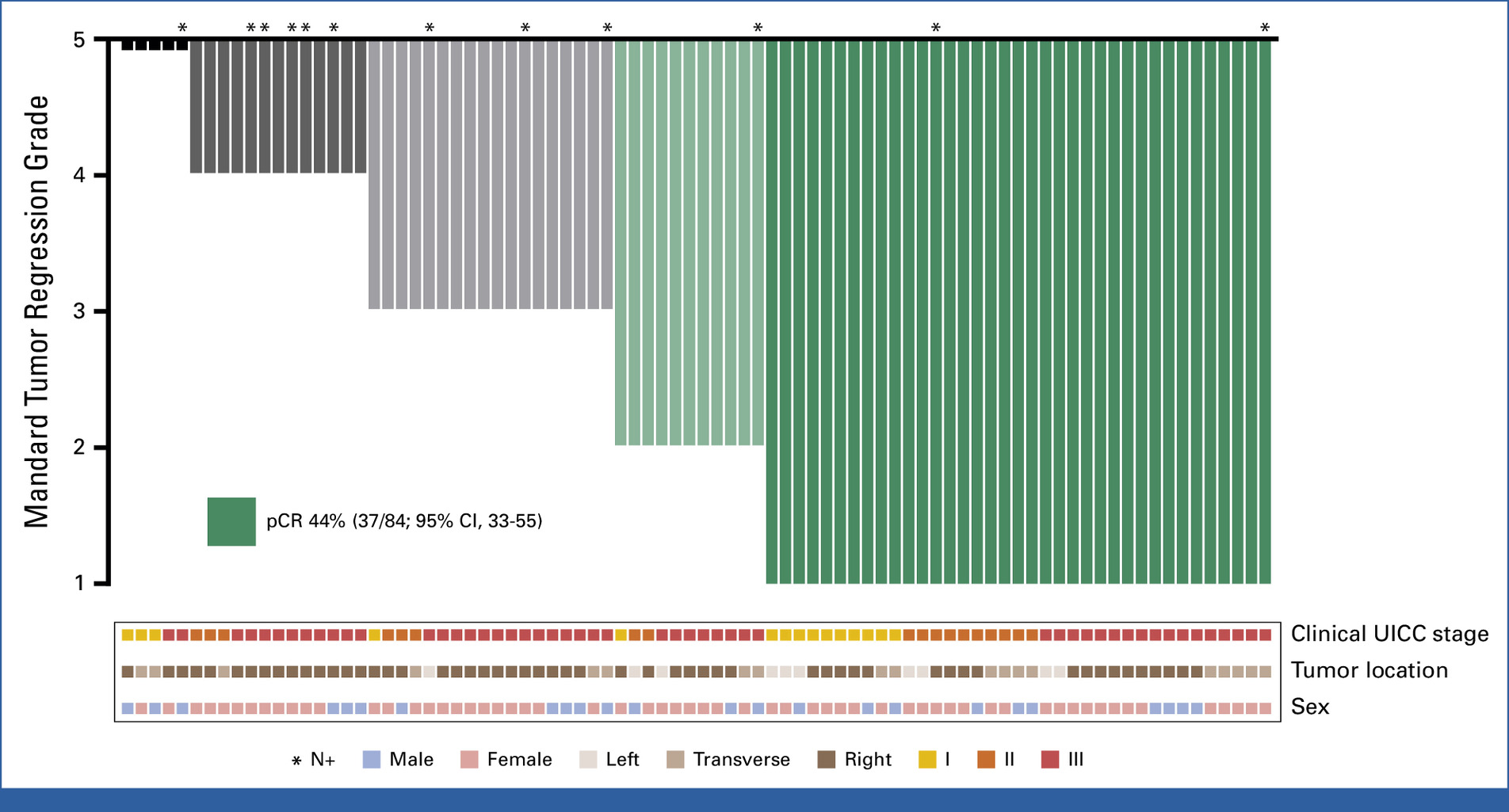
We showed that a single cycle of neoadjuvant immunotherapy (anti-PD1) provided a pathologic complete regression of the cancer in 44% of the patients – in this investigator-initiated, national, multicenter study!
Further, we found that endoscopic images could be used to predict complete treatment response.
Together these findings may help pave the way for future organ-sparing treatment!
It has been a true privilege to be part of this incredible journey during my PhD, from writing the protocol, helping treat patients across Denmark, and to now publishing our findings!
Thanks to all the participating patients and their families, the whole team of RESET-C investigators, and the funding parties for making this possible!
If you are interested in neoadjuvant immunotherapy in patients with dMMR rectal cancer, then the interim results from our sister trial RESET-R led by Line Tarpgaard and Per Pfeiffer were published last week in The Lancet Gastroenterology and Hepatology “
Princess Dina Mired, (Past President of the Union for International Cancer Control, Member of WHO Expert Technical Group for the Elimination of Cervical Cancer):
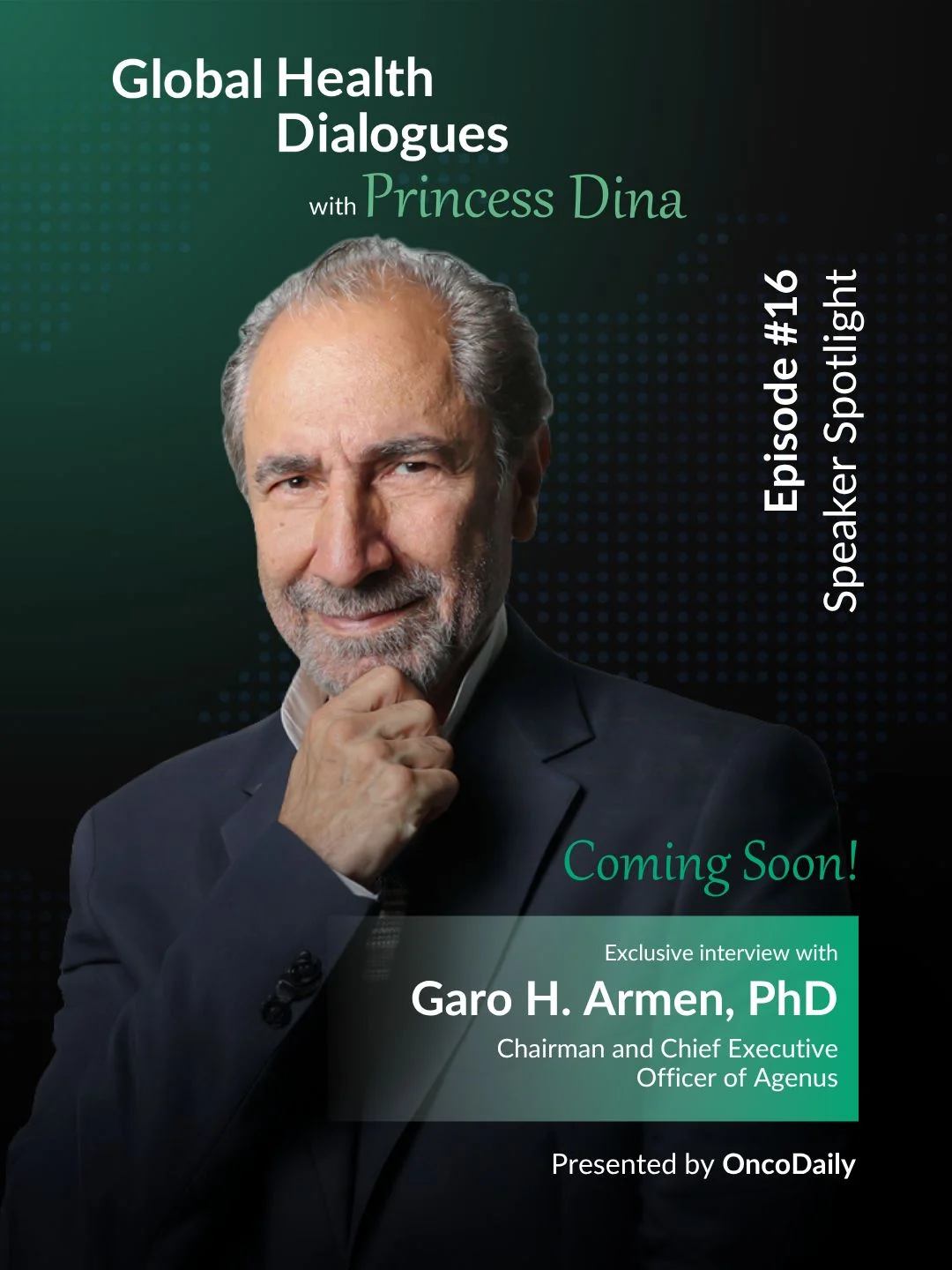
” Speaker Spotlight: Dr. Garo H. Armen
A new episode coming soon on Global Health Dialogues with Princess Dina.
This week, Princess Dina sits down with Dr. Garo Armen is an Armenian-American scientist, entrepreneur, and philanthropist, whose career spans more than three decades at the intersection of science, capital, and human impact. Dr. Garo H. Armen is the Founder, Chairman and Chief Executive Officer of Agenus – a publicly traded biotechnology company at the forefront of cancer immunotherapy.
Dr. Armen founded Agenus in 1994, leading the development of cancer immunotherapies that activate the body’s own immune system – with treatments now reaching patients with cancers once considered untreatable. He is also widely recognized for his work on cancer vaccine development
He is also the founder of the Children of Armenia Fund (COAF), which has transformed more than 100 rural communities through investments in education, healthcare, and economic development, impacting tens of thousands of lives.
From rebuilding institutions to advancing breakthrough cancer science, his work is grounded in one principle: creating real value that serves real human need.
Stay tuned.
Episode drops soon”
Tetsuya Mitsudomi, (Professor of Thoracic Surgery at Kindai University):
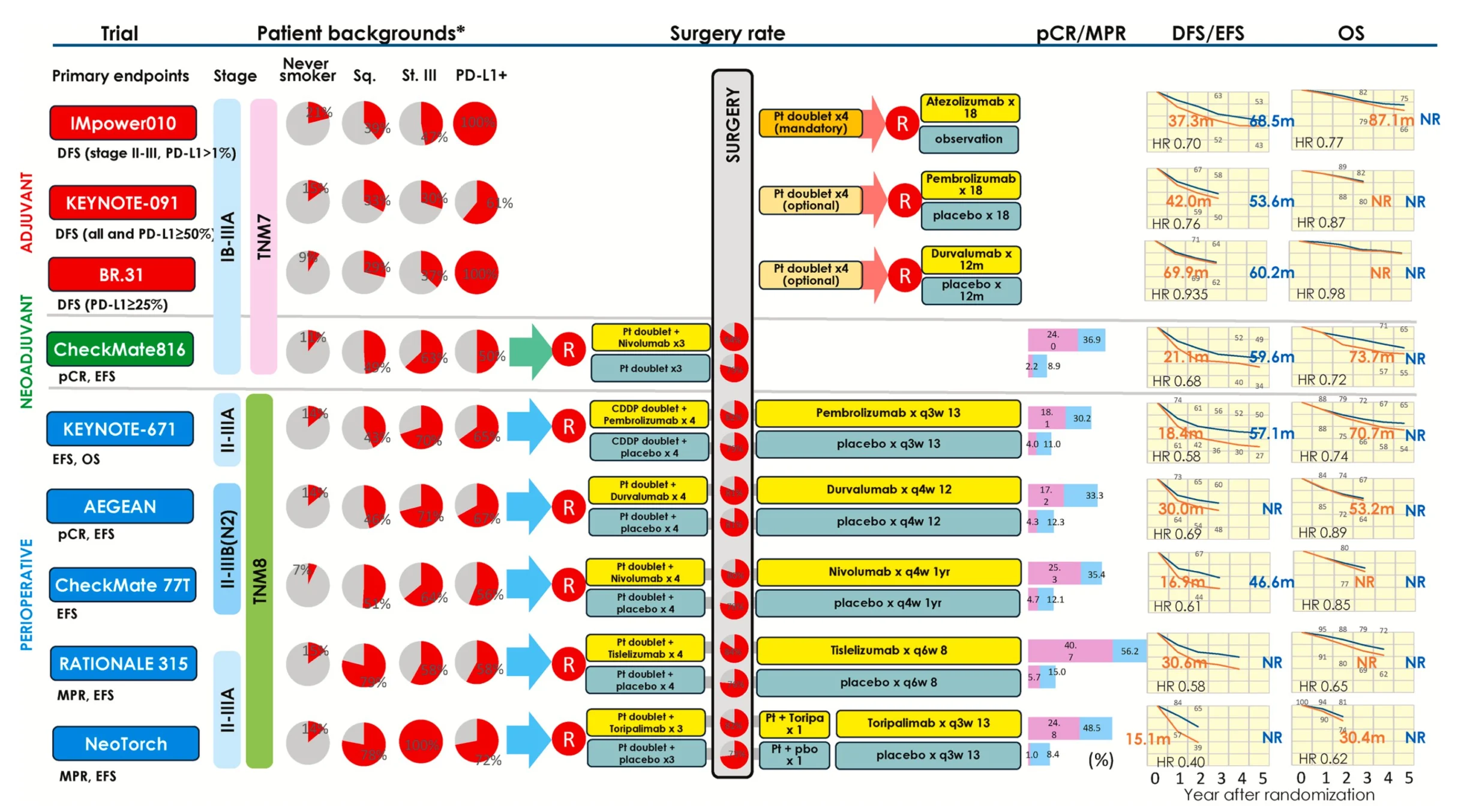
“Our review article on perioperative immunotherapy has just been published in the new English-language journal of the Japan Lung Cancer Society I would very much welcome your comments, criticisms, and discussion.”
Giuseppe Procopio, (Medical Oncologist focused on GU cancers at Fondazione IRCCS Istituto Nazionale dei Tumori):
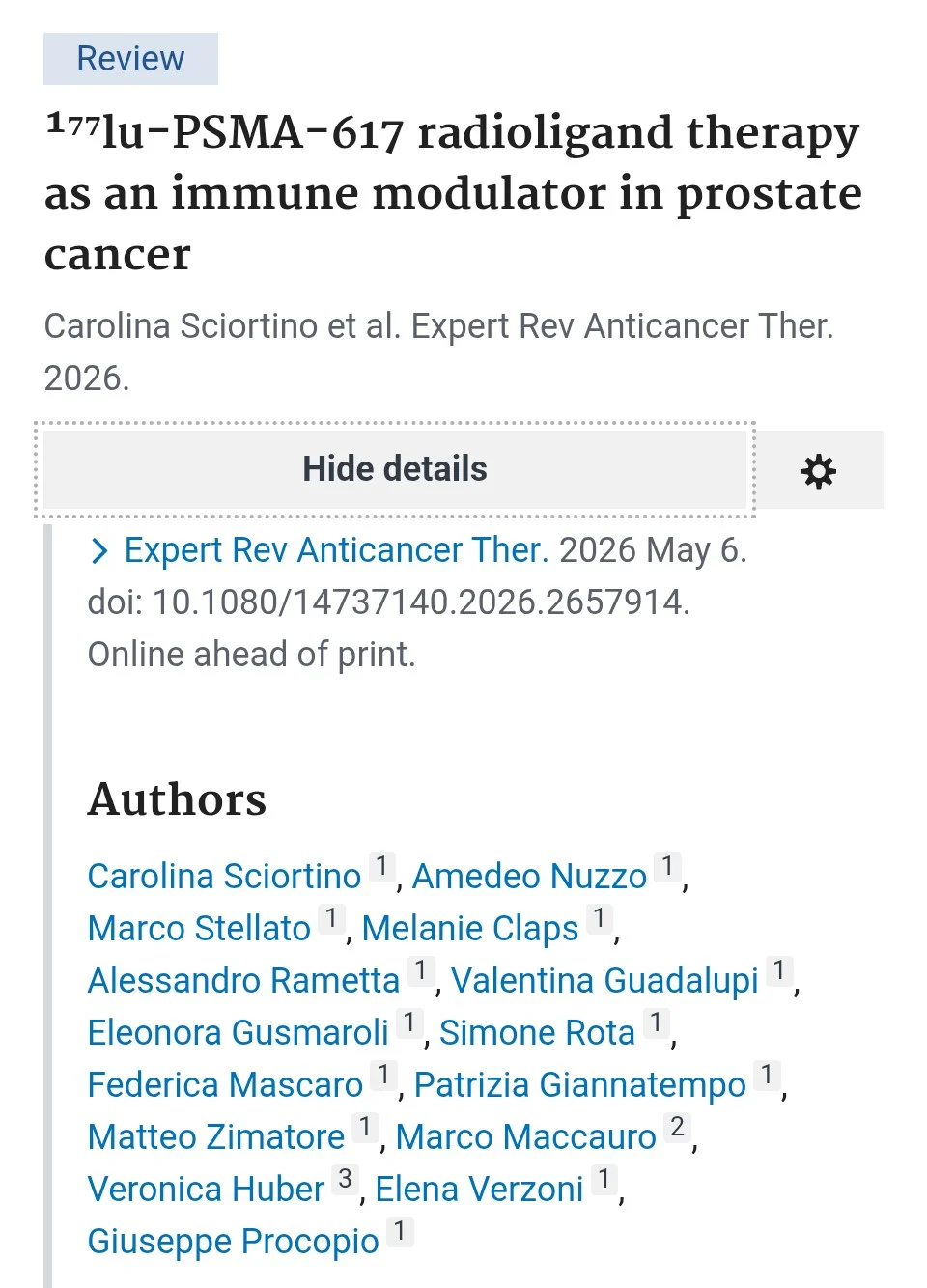
” New Expert Opinion: “¹⁷⁷Lu-PSMA-617 radioligand therapy as an immune modulator in prostate cancer”. PSMA-targeted RLT may reshape the immune microenvironment in mCRPC and support new #immunotherapy strategies More info.”
Akhil Santhosh, (Medical Oncology Specialist at MVR Cancer Centre and Research Institute):
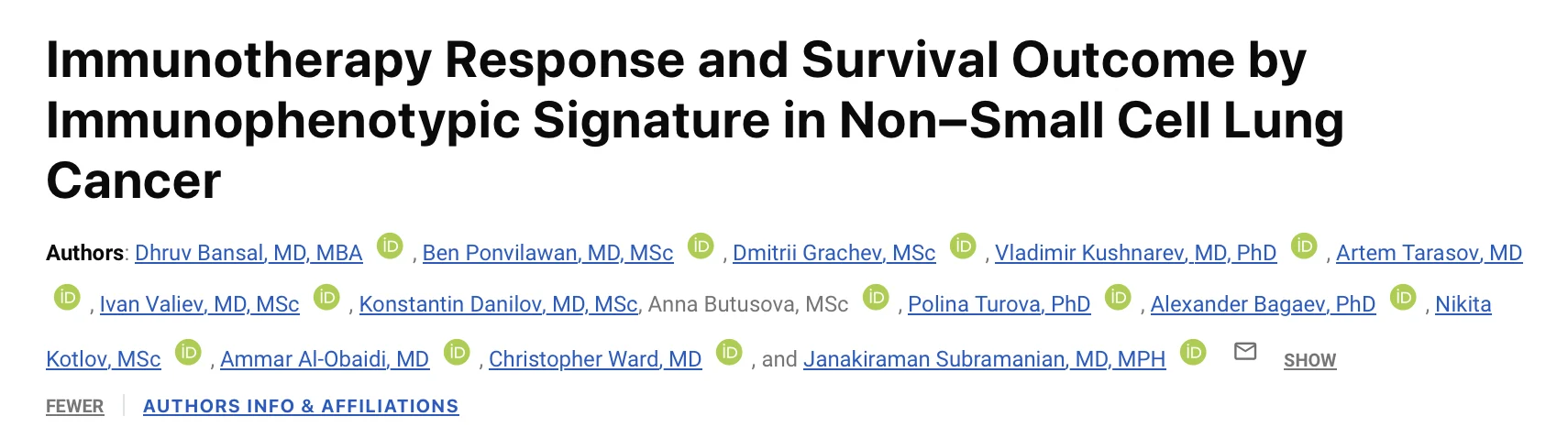
” Immunotherapy Response and Survival Outcome by Immunophenotypic Signature in Non–Small Cell Lung Cancer | JCO Precision Oncology“
Aaron Newman Lab, (Computational Biology, Cancer Genomics, and Stem Cell Bioinformatics Lab at Stanford University and Chan Zuckerberg Biohub):
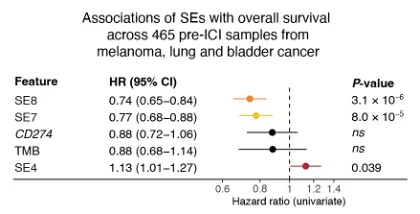
“9/ Indeed, spatial ecotypes outperformed clinical biomarkers including PDL1 expression and tumor mutational burden (TMB) for predicting immunotherapy response and survival in patients with melanoma, lung cancer, bladder cancer, and gastric cancer.”
Gaia Griguolo,( MD, Medical Oncologist and Clinical/Translational Researcher):
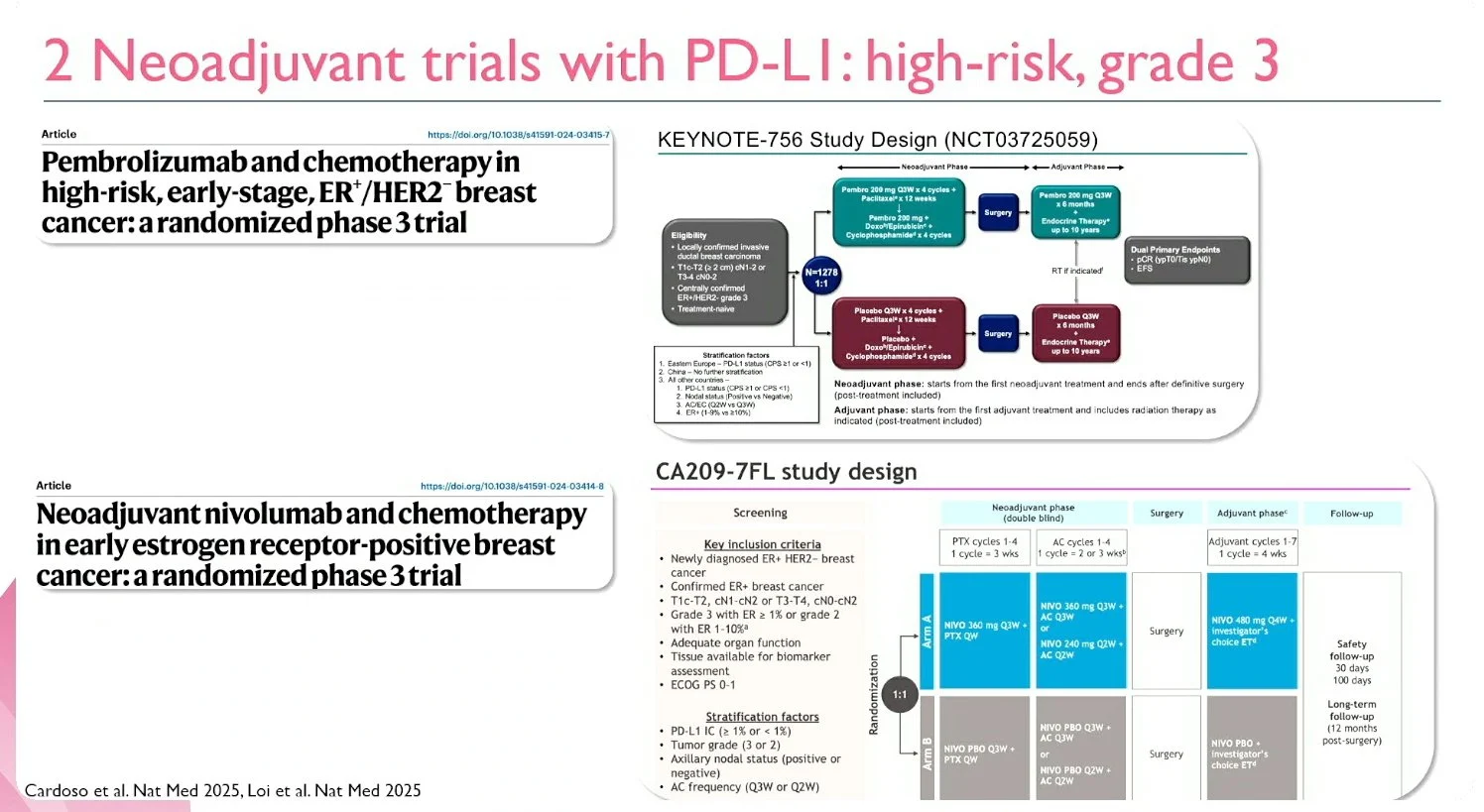
“Great presentation by Rebecca Dent on immunotherapy in early breast cancer today at ESMO Breast
26 Can we develop a pragmatic strategy for potential future implementation in HR+HER2- breast cancer? “