Key takeaways
- Chemotherapy can increase infection risk by lowering white blood cells, especially neutrophils.
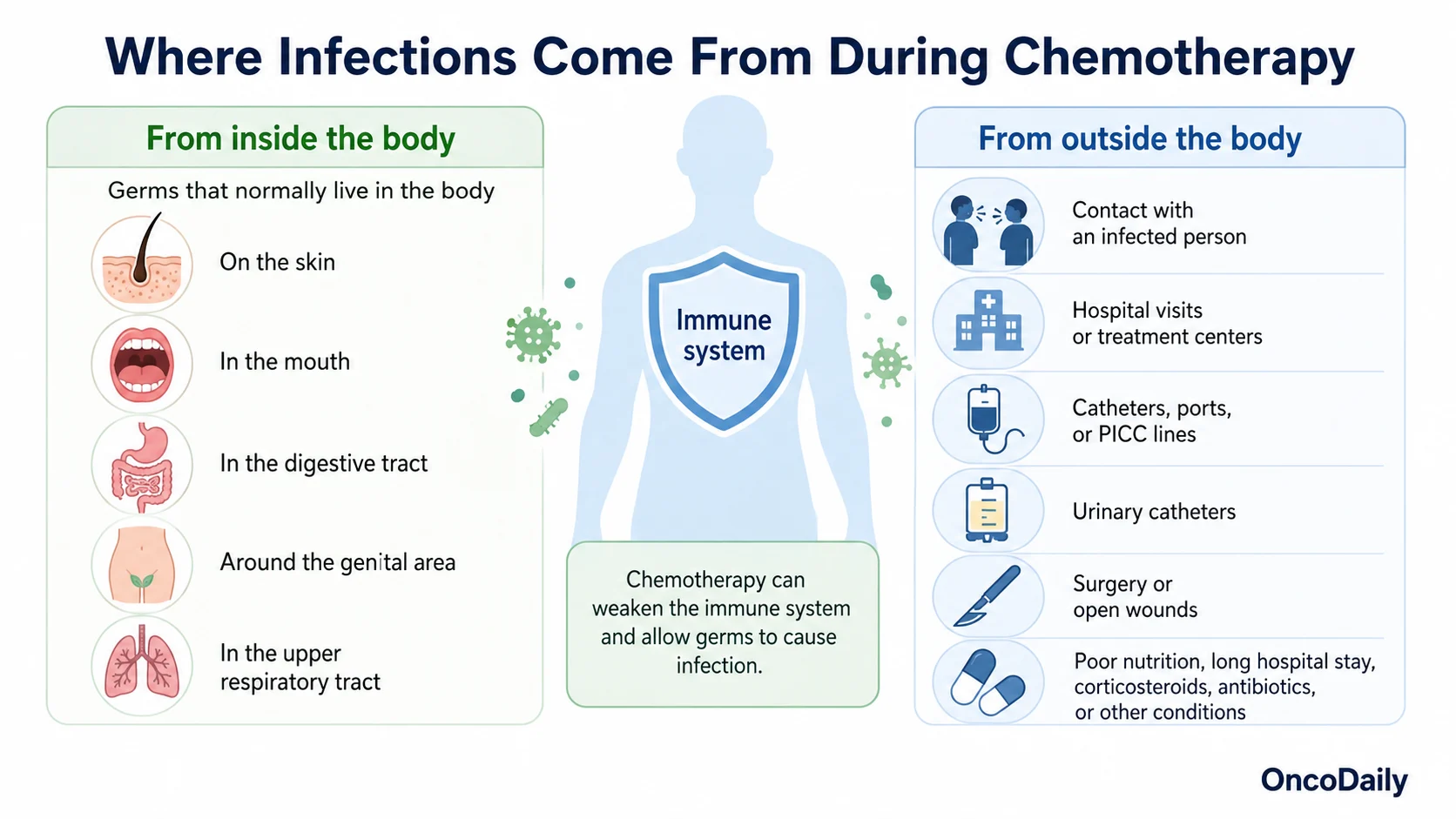
- Infections may come from outside or inside the body, including bacteria and fungi normally present on the skin, in the mouth, or in the digestive tract.
- Fever may be the first or only warning sign, particularly in patients with neutropenia, and requires immediate medical advice.
- Good hygiene, safe food preparation, mouth care, skin protection, and proper catheter care can help reduce infection risk.
- Every patient’s risk is different, so prevention and monitoring should be guided by the oncology team.
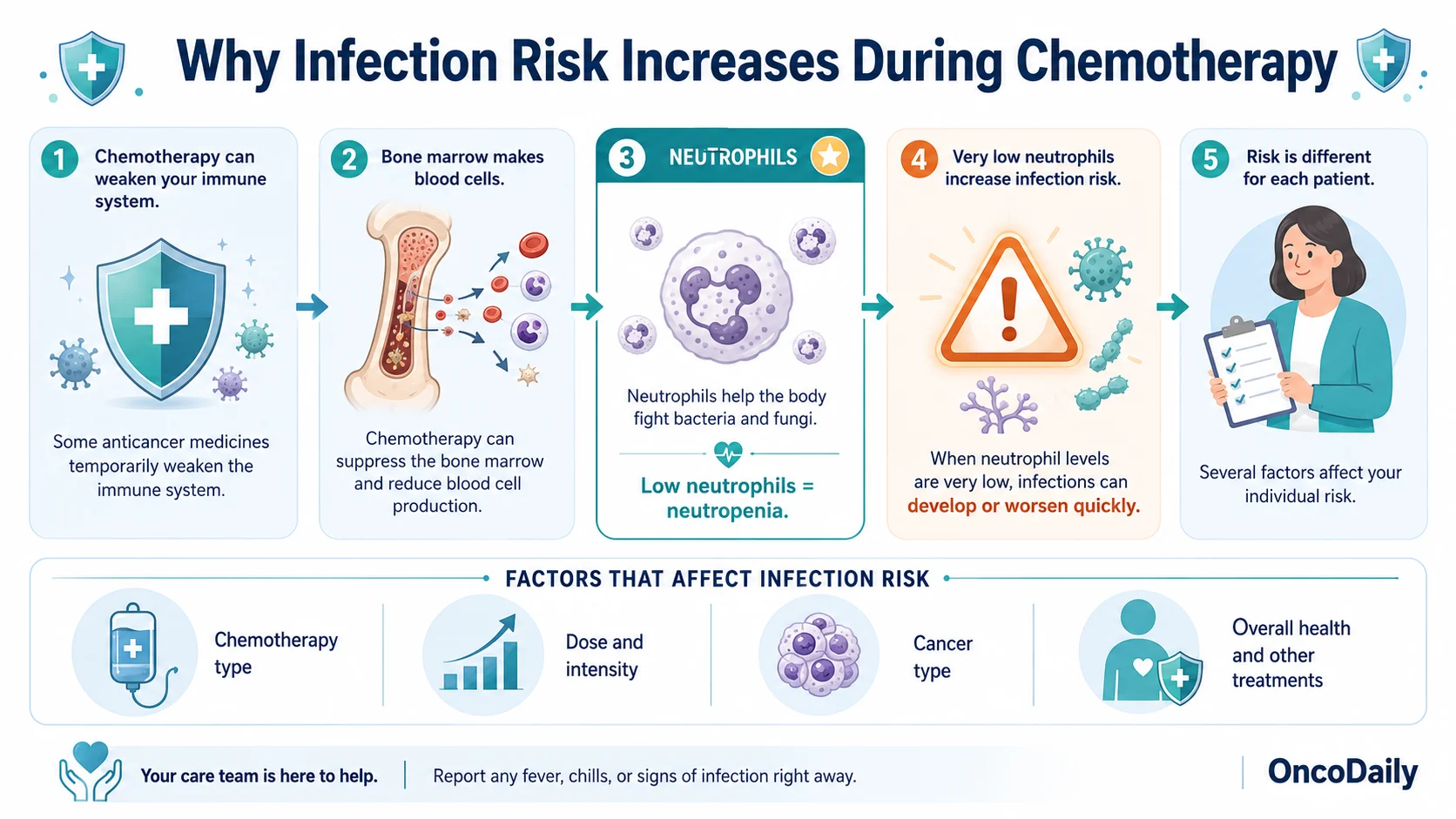
Infections are an important concern during chemotherapy because some anticancer medicines temporarily weaken the immune system. This happens mainly when chemotherapy suppresses the bone marrow, the tissue responsible for producing blood cells.
One of the most important effects is a reduction in neutrophils, a type of white blood cell that helps the body fight bacteria and fungi. A low neutrophil count is called neutropenia. When neutrophil levels become very low, the body may not be able to control germs as effectively, and an infection can develop or worsen quickly.
The risk of infection is not the same for every patient. It depends on the chemotherapy medicines being used, the dose and intensity of treatment, the type of cancer, the patient’s general health, and whether other treatments, such as corticosteroids or stem cell transplantation, are also being given.
Where Infections Come From
Infections during chemotherapy can be caused by bacteria, viruses, yeasts, or other fungi and may begin in different parts of the body. Chemotherapy can increase the risk of infection by lowering the number of white blood cells, particularly neutrophils, that help the body fight germs.
The risk may be especially high at certain points in the chemotherapy cycle when neutrophil levels are lowest. Poor nutrition, stress, and insufficient sleep can further weaken immune defenses. Catheters may also require careful care because redness, swelling, or other changes around the insertion site can indicate infection.
Patients should follow their healthcare team’s advice, keep catheter areas clean and dry, and report possible signs of infection promptly (National Cancer Institute, 2020).
When Is the Infection Risk Highest?
White blood cell levels often begin to drop several days after chemotherapy. The time when they reach their lowest level is called the nadir.
For many chemotherapy treatments, the nadir occurs around 7 to 14 days after treatment, although the exact timing is different for every patient and every treatment plan.
Your oncology team may order regular blood tests to check your:
- White blood cell count
- Absolute neutrophil count, or ANC (absolute neutrophil count)
- Red blood cell count
- Platelet count
The ANC shows how many neutrophils are in your blood. Neutrophils are white blood cells that help protect the body from bacterial and fungal infections. A low ANC means the body may have more difficulty fighting infection, so your healthcare team may recommend closer monitoring or extra precautions.
A lower ANC generally means a greater risk of infection. However, an infection can still occur even when blood counts are not severely reduced.
Bacterial Infections
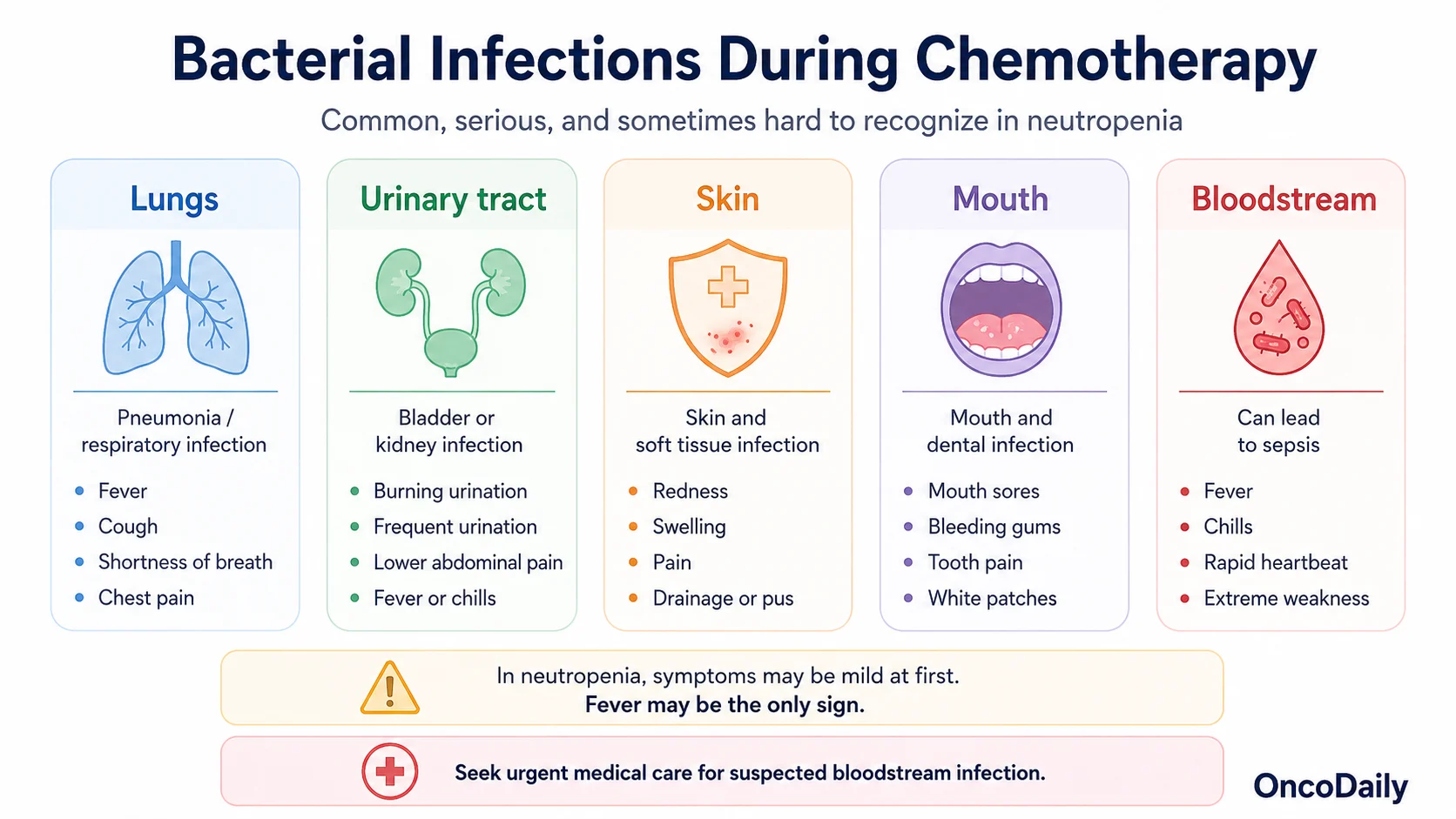
Bacterial infections during chemotherapy can affect different parts of the body. In the lungs, bacteria may cause pneumonia or another respiratory infection, leading to fever, cough, shortness of breath, chest pain, rapid breathing, or increasing weakness. In patients with neutropenia, these symptoms may be mild at first, and a strong cough or mucus may be absent.
Urinary tract infections may involve the bladder or kidneys. Symptoms can include pain or burning during urination, frequent urination, lower abdominal discomfort, cloudy or unusual-smelling urine, blood in the urine, back or side pain, fever, or chills. Some patients with severe immune suppression may experience only fever or general weakness.
Chemotherapy can also make the skin more vulnerable to infection. Dryness, cracks, wounds, nail damage, or inflammation may allow bacteria to enter. Redness, warmth, swelling, pain, tenderness, drainage, or a wound that does not heal should be reported. However, neutropenia can reduce inflammation, so these signs may be less noticeable than expected.
In the mouth, chemotherapy may cause sores, dryness, gum inflammation, or damage to the protective lining. This can increase the risk of mouth and dental infections. Warning signs include painful sores, bleeding gums, tooth pain, swelling of the gums or face, difficulty swallowing, white patches, or persistent mouth pain. These symptoms should be discussed with the oncology team before starting any dental treatment or medication.
Bacteria may also enter the bloodstream from the skin, mouth, intestines, lungs, urinary tract, or a port or catheter. A bloodstream infection can progress to sepsis, a serious and potentially life-threatening condition. Warning signs include fever, shaking chills, rapid heartbeat or breathing, low blood pressure, confusion, dizziness, reduced urination, extreme weakness, or suddenly feeling very unwell. These symptoms require urgent medical assessment and treatment.
Febrile Neutropenia
Febrile neutropenia occurs when a patient develops a fever while the number of infection-fighting neutrophils in the blood is significantly reduced. It is commonly defined as a single oral temperature above 38.3°C, or a temperature above 38.0°C that continues for more than one hour, together with severe neutropenia.
Febrile neutropenia is considered a medical emergency because an infection can develop and progress rapidly when the body has very few neutrophils. The usual signs of infection, such as redness, swelling, pus, or significant pain, may be mild or absent. In some patients, fever may be the only warning sign.
Patients should follow the temperature threshold and emergency instructions provided by their oncology team. A fever during chemotherapy should be reported immediately. Patients should not wait until the following day or until their next appointment, as rapid medical assessment and early treatment can reduce the risk of serious complications (Klastersky et al., 2016).
Viral Infections
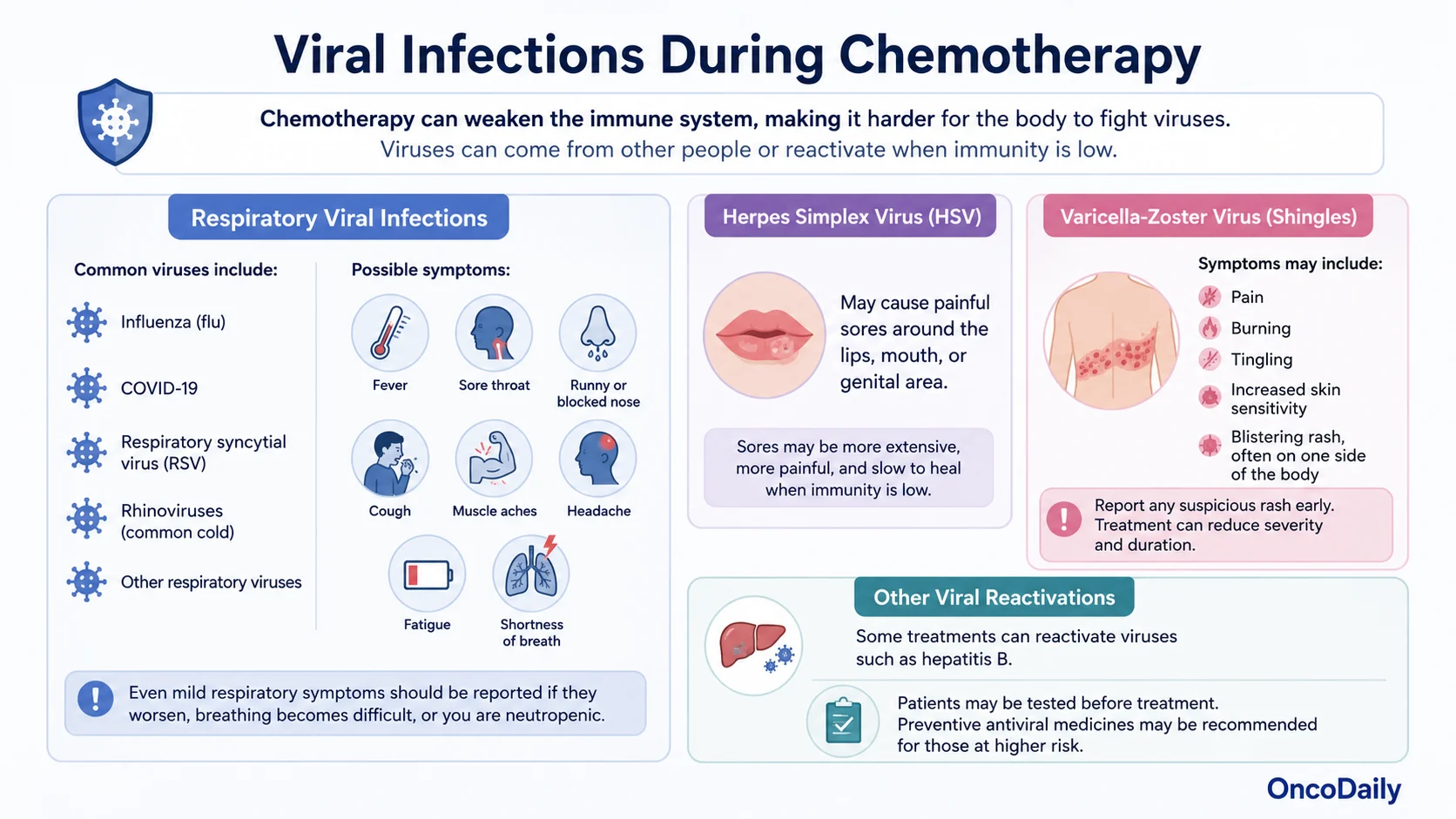
Chemotherapy can weaken the body’s ability to control viral infections. Some viruses are caught from other people, while others can remain inactive in the body and become active again when the immune system is weakened.
Respiratory viruses, including influenza, COVID-19, respiratory syncytial virus, rhinoviruses, and other common viruses, may cause fever, sore throat, a runny or blocked nose, cough, muscle aches, headache, fatigue, or shortness of breath. Even mild symptoms should be reported if they worsen, breathing becomes difficult, or the patient has neutropenia.
Herpes simplex virus may cause painful sores around the lips, inside the mouth, or in the genital area. When immunity is low, these sores may be more extensive, more painful, and slower to heal.
Varicella-zoster virus can also reactivate and cause shingles. Symptoms may begin with pain, burning, tingling, or increased skin sensitivity, followed by a blistering rash that often appears on one side of the body. Because early treatment can reduce the severity and duration of shingles, any suspicious rash should be reported promptly.
You can also read Oncoviruses and Their Role in Human Cancer: Types, and Global Impact by OncoDaily.
Other Viral Reactivations
Some chemotherapy and immunosuppressive treatments may reactivate viruses such as hepatitis B. For this reason, certain patients are tested for previous viral infections before treatment begins.
Preventive antiviral treatment may be recommended for patients at higher risk.
Fungal Infections
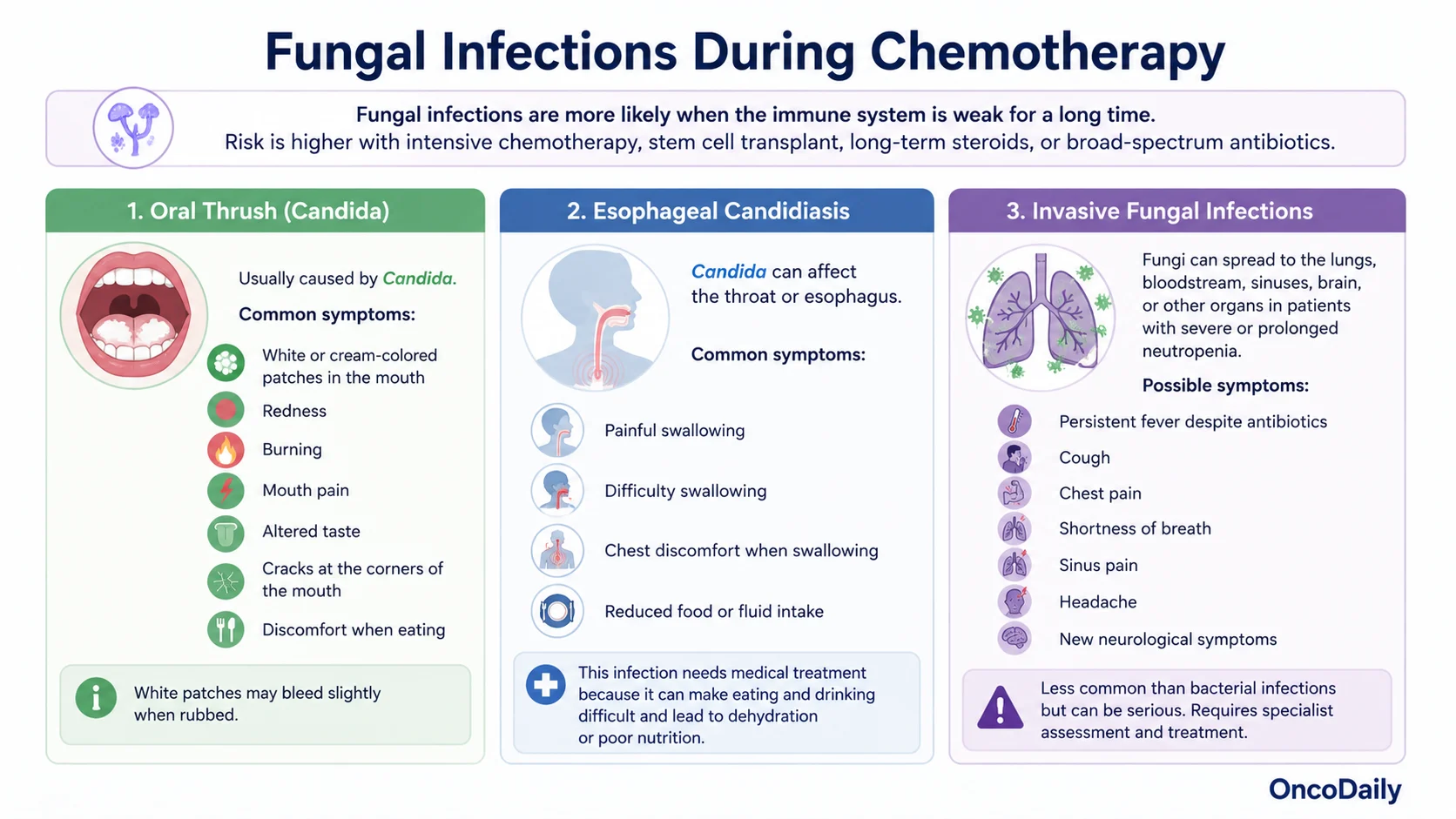
Fungal infections are an important concern in patients with prolonged neutropenia and in those undergoing allogeneic hematopoietic stem cell transplantation. The risk is influenced by both the severity and duration of neutropenia, as well as damage to mucosal barriers and other weaknesses in immune function.
Candida and Aspergillus are among the main causes of invasive fungal infections in patients with cancer and neutropenia. Candida can cause infections ranging from superficial or mucosal candidiasis to widespread disease involving internal organs. Because Candida normally lives in the body, it may enter the bloodstream when chemotherapy damages protective barriers, particularly the lining of the digestive tract.
Prolonged neutropenia is also a major risk factor for invasive aspergillosis. The risk increases further with repeated episodes of neutropenia and corticosteroid treatment. Aspergillus most commonly affects the lungs and sinuses but can spread to the brain, skin, heart, kidneys, liver, and other organs.
Possible warning signs include persistent fever, sinus pain or congestion, cough, chest pain, coughing up blood, and other new respiratory symptoms. Invasive fungal infections can be difficult to diagnose early and require prompt specialist assessment and antifungal treatment (Cumbo and Segal, 2004).
Healthcare-Associated Infections
Hospital-acquired infections are infections that develop during a hospital stay. Critically ill patients with cancer are particularly vulnerable because they frequently require intensive medical care and invasive devices that can provide pathways for germs to enter the body.
Common hospital-acquired infections in patients with cancer who are treated in the intensive care unit include ventilator-associated respiratory infections, central line-associated bloodstream infections, catheter-associated urinary tract infections, and Clostridioides difficile infection of the digestive system.
Patients who require mechanical ventilation, central venous catheters, or urinary catheters need careful monitoring because these devices are associated with specific infection risks. Hospital-acquired infections can lead to serious complications and may increase the risk of poor outcomes in critically ill patients with cancer.
Careful infection-prevention practices and early recognition are therefore essential in this vulnerable population (Battaglia and Hale, 2019).
Port, PICC Line, and Catheter Infections
Ports, PICC lines, and other central venous catheters provide reliable access for intravenous medicines, fluids, blood products, and other treatments. However, because these devices enter the bloodstream, they can occasionally become a source of infection.
An infection may develop at the catheter exit site, in the tissue or tunnel beneath the skin, around an implanted port, or in the bloodstream. Local signs can include redness, warmth, swelling, tenderness, increasing pain, or pus-like drainage around the device.
A catheter-related bloodstream infection may occur even when the skin around the catheter appears normal. Possible warning signs include fever with shaking chills, low blood pressure, vomiting, or changes in mental alertness.
New fever, chills, or signs of infection in a patient with a central venous catheter require prompt medical assessment, particularly when there is no other clear source of infection (Gahlot et al., 2014).
Infections of the Digestive System
Chemotherapy may damage the lining of the stomach and intestines and may also alter the normal balance of gut bacteria.
Possible infections or complications may cause:
- Persistent diarrhea
- Abdominal pain
- Fever
- Blood in the stool
- Vomiting
- Abdominal swelling
- Severe weakness
- Reduced urination
Severe abdominal pain with fever or neutropenia requires urgent medical assessment.
Patients should not take anti-diarrheal medicines without speaking to the oncology team when diarrhea is severe, persistent, bloody, or accompanied by fever.
Why Infections May Be Difficult to Recognize
The usual signs of infection are produced partly by the immune system. When white blood cell counts are low, the body may not create a strong inflammatory response.
This means that a patient with neutropenia may have a serious infection without obvious:
- Redness
- Swelling
- Pus
- Severe pain
- High fever
Sometimes the only sign is a small increase in temperature, unusual fatigue, confusion, dizziness, or a general feeling that something is wrong.
For this reason, patients should not ignore subtle or rapidly changing symptoms.
Factors That Increase the Risk of Infection
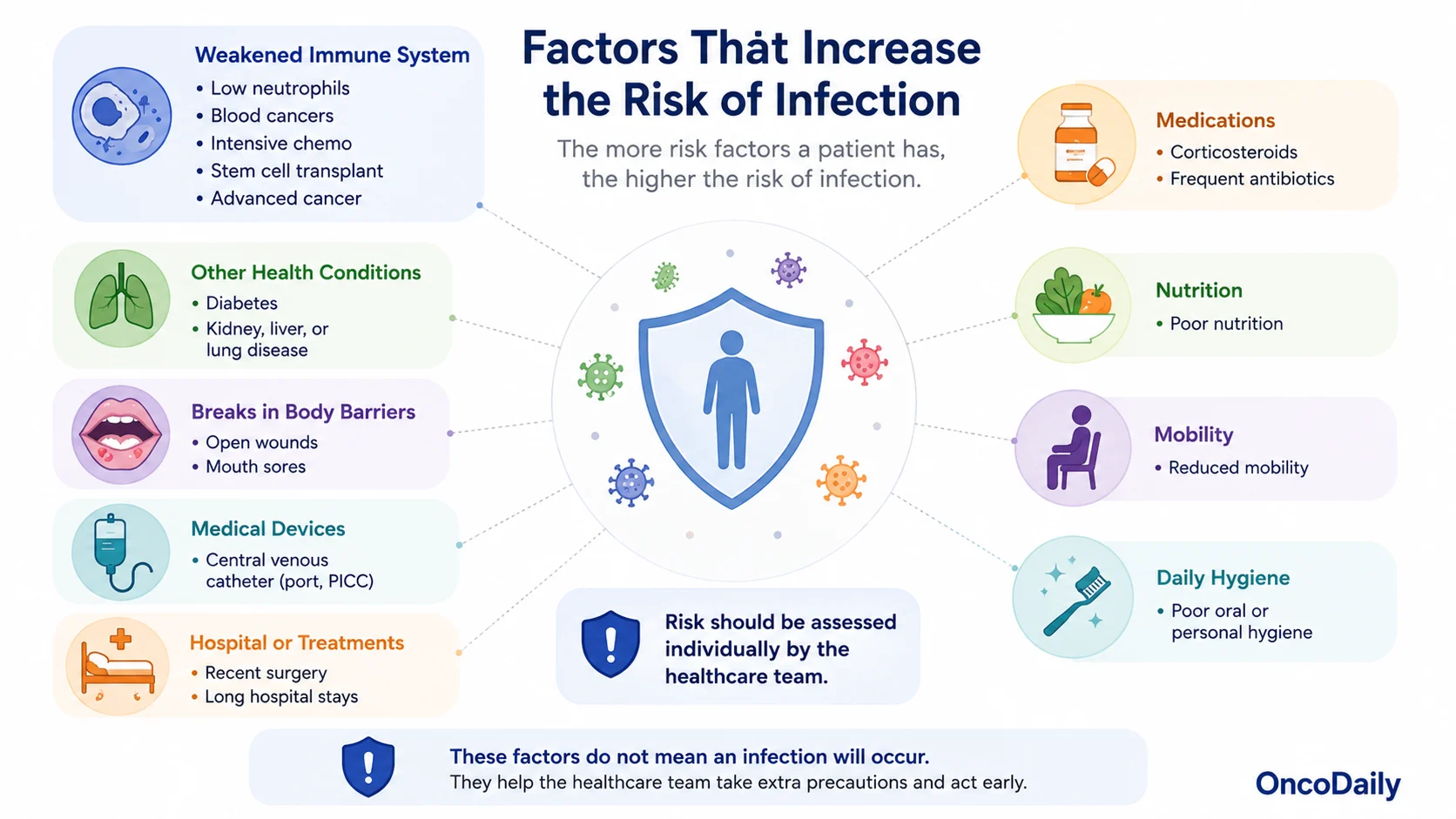
The risk of infection during chemotherapy is not the same for every patient. It is strongly influenced by the type and severity of immune-system damage caused by the cancer and its treatment.
Neutropenia is one of the most important risk factors. Both the severity and duration of neutropenia affect the likelihood of infection, with the greatest risk occurring when neutrophil counts remain very low for a prolonged period. Patients receiving treatment for acute leukaemia, certain lymphomas, or other cancers requiring intensive chemotherapy may be especially vulnerable. People undergoing bone marrow or haematopoietic stem cell transplantation also have a high infection risk while their neutrophil counts and immune function recover.
Chemotherapy can also damage the lining of the mouth and digestive tract, creating openings through which germs can enter the tissues or bloodstream. Surgery and tumours that block normal body passages may further weaken these natural protective barriers.
Corticosteroids and other immunosuppressive treatments can interfere with cellular immunity. Central venous catheters, urinary catheters, and other medical devices may also increase risk because they bypass or damage normal barriers and provide a possible route for microorganisms to enter the body.
Several risk factors may be present at the same time. For this reason, the healthcare team assesses each patient individually to estimate infection risk and guide monitoring and preventive care (Rolston and Bodey, 2003).
How Infection Risk May Be Reduced
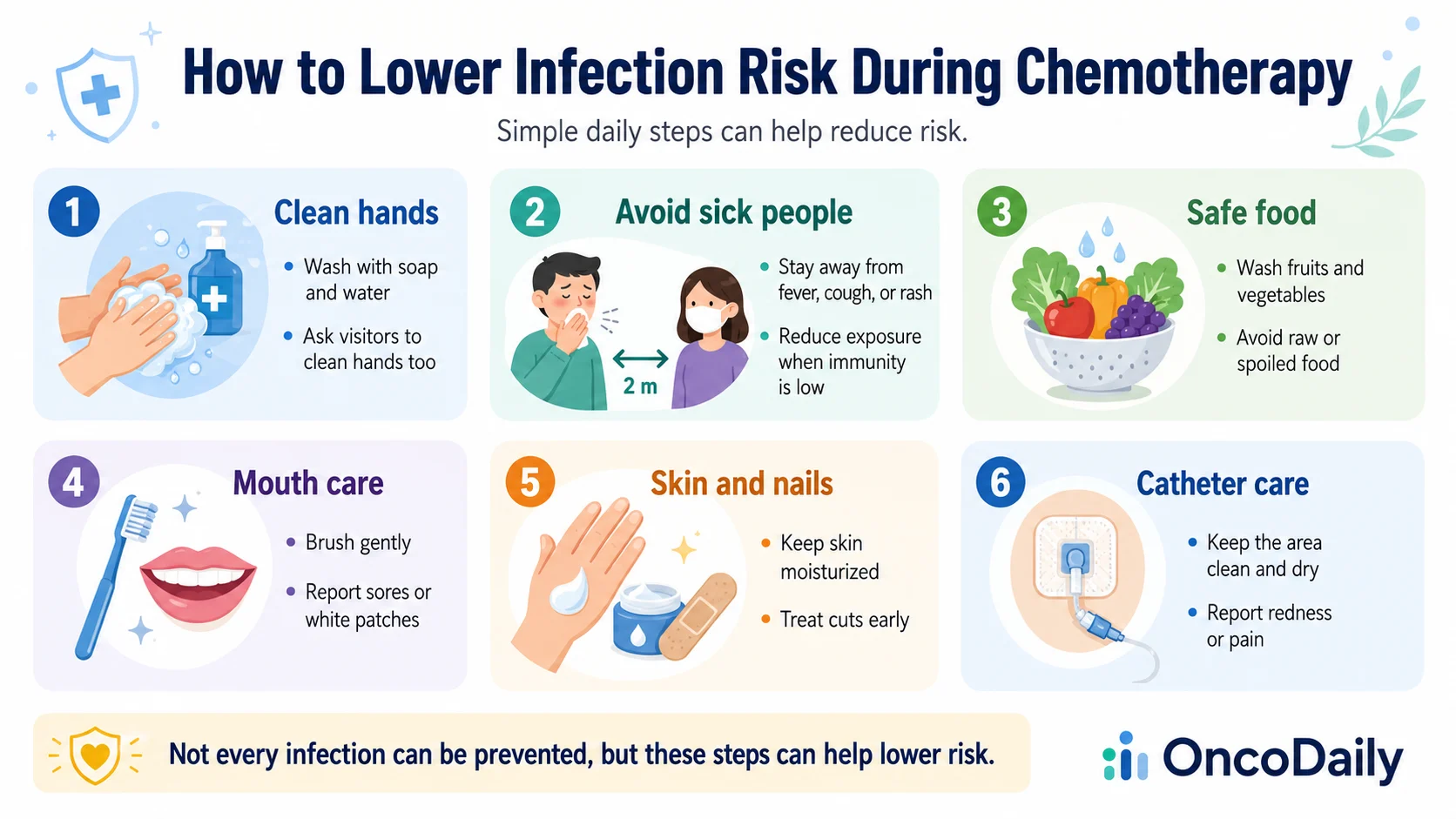
Not every infection can be prevented, but simple daily precautions can lower the risk. These measures are especially important when white blood cell counts are low or when the immune system is weakened by treatment.
Keep Hands Clean
Regular handwashing is one of the most effective ways to reduce the spread of germs. Wash your hands carefully with soap and water before eating, after using the bathroom, after blowing your nose, after touching animals, and after returning from public places.
Hands should also be cleaned before touching a wound, port, PICC line, or catheter. Family members, visitors, and caregivers should follow the same precautions.
Limit Contact With People Who Are Unwell
Try to avoid close contact with anyone who has a fever, cough, sore throat, vomiting, diarrhea, a contagious rash, or a known respiratory infection.
This does not mean that patients need to isolate themselves completely. The aim is to avoid unnecessary exposure, particularly during periods when the immune system is most weakened. Family and friends who are unwell should delay visits until they have recovered.
Follow Food-Safety Precautions
Food can sometimes carry bacteria, viruses, or parasites. Careful preparation and storage can reduce the risk of foodborne infection.
Wash fruits and vegetables thoroughly under running water. Cook meat, poultry, fish, seafood, and eggs completely, and avoid raw or undercooked foods. Unpasteurized milk, cheese, and juice should also be avoided.
Keep raw meat separate from foods that are ready to eat, refrigerate leftovers promptly, and do not eat food that is expired or has remained at room temperature for too long. The oncology team may recommend additional precautions during severe neutropenia.
Take Care of the Mouth
Chemotherapy can cause dryness, sores, bleeding, or inflammation inside the mouth. These changes can make it easier for germs to enter damaged tissues.
Brush gently with a soft toothbrush and use mouth rinses recommended by the healthcare team. Keep the lips moisturized and avoid mouthwashes containing alcohol if they cause burning or irritation.
Report mouth sores, white patches, bleeding gums, tooth pain, or difficulty swallowing. Speak with the oncology team before arranging dental procedures during treatment.
Protect the Skin and Nails
Healthy skin acts as an important barrier against infection. Keep the skin clean and moisturized, and treat small cuts or scratches promptly.
Avoid biting or picking the nails and cuticles. Wear gloves when gardening, cleaning, or handling soil, and do not share razors, nail tools, towels, or other personal items.
Redness, swelling, increasing pain, warmth, drainage, or a wound that is not healing should be reported to the healthcare team.
Care for Ports, PICC Lines, and Catheters
Ports, PICC lines, and other catheters should be cared for exactly as instructed by the treatment team. Keep dressings clean and dry, and avoid touching the area unnecessarily.
Report redness, swelling, pain, warmth, drainage, fever, chills, or difficulty flushing the catheter. Changes around the device should be assessed promptly, even when they appear mild.
These precautions cannot remove every risk, but they can help protect the body during treatment. Patients should also follow any individual advice provided by their oncology team.
Written By Marine Marachlian, MD
FAQ
Should I take antibiotics to prevent infection during chemotherapy?
Only if your healthcare team prescribes them. Do not take leftover antibiotics on your own.
How can I lower my infection risk during chemotherapy?
Wash your hands, avoid sick people, follow food-safety advice, care for your mouth and skin, and keep catheter areas clean.
What should I do if I suddenly feel unwell during chemotherapy?
Contact your oncology team immediately and explain that you are receiving chemotherapy.
Can infection symptoms be mild during chemotherapy?
Yes. When white blood cell counts are low, infection may cause only mild symptoms or sudden weakness.
Is fever during chemotherapy serious?
Yes. Fever may be the first sign of infection. Contact your oncology team immediately.
What signs of infection should I watch for?
Watch for fever, chills, cough, breathing problems, painful urination, diarrhea, mouth sores, rash, redness, or swelling.
Can infections come from inside the body?
Yes. Germs that normally live harmlessly on the skin, in the mouth, or in the gut can cause infection when immunity is weak.
What infections are common during chemotherapy?
Common infections may affect the lungs, urinary tract, skin, mouth, bloodstream, or catheter area.
What is neutropenia?
Neutropenia means having a low number of neutrophils, which are white blood cells that help fight infection.
Why does chemotherapy increase infection risk?
Chemotherapy can lower white blood cell counts, making it harder for the body to fight germs.