
Although immune checkpoint inhibitors (ICIs) have transformed the treatment landscape of advanced non–small cell lung cancer (NSCLC), currently used biomarkers such as PD-L1 expression and tumor mutational burden remain imperfect predictors of response. Many patients with high PD-L1 expression fail to respond, whereas others with low PD-L1 expression derive durable benefit. This inconsistency has intensified interest in understanding the broader tumor immune microenvironment (TME) and the structural organization of antitumor immunity.
In this important translational analysis, investigators explored whether transcriptomic-derived immune phenotypes and tertiary lymphoid structure (TLS) signatures could better predict immunotherapy benefit in patients with lung adenocarcinoma (LUAD) and lung squamous cell carcinoma (LUSC). The study represents one of the largest integrated immunogenomic analyses evaluating immune architecture and ICI outcomes in NSCLC.
Study Design and Immune Profiling Strategy
The analysis pooled clinical, genomic, and transcriptomic data from five NSCLC cohorts, including three public databases and two retrospective institutional cohorts, for a total of 514 patients treated with ICI-based therapy. After exclusions, 501 patients remained evaluable.
Investigators performed RNA-sequencing–based immune characterization using two major approaches:
- Transcriptomic classification of tumors into immune-hot versus immune-cold TMEs
- TLS signature analysis using a 12-chemokine gene expression panel associated with tertiary lymphoid structures
In addition, immune-cell trafficking and infiltration patterns were evaluated using the Kassandra deconvolution algorithm, allowing reconstruction of the intratumoral immune composition from bulk RNA sequencing data.
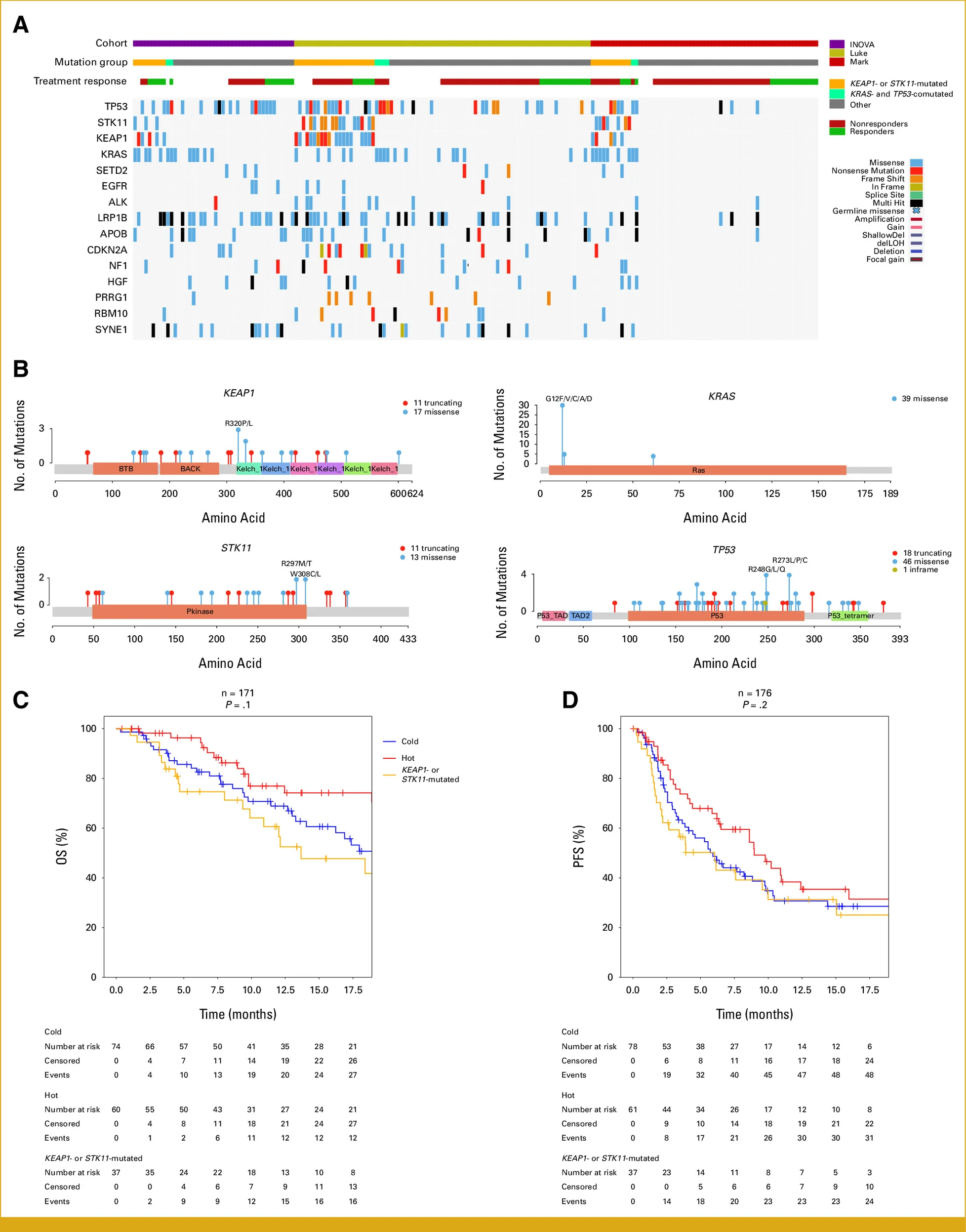
The study also evaluated traditional biomarkers including PD-L1 status, KEAP1/STK11 mutations, KRAS/TP53 co-mutations, and CD8+ tumor-infiltrating lymphocytes.
Key Results
- Only approximately 41% of LUAD tumors demonstrated an immune-hot phenotype, and these tumors were associated with significantly improved overall survival and progression-free survival compared with immune-cold tumors.
- TLS-high tumors demonstrated superior immunotherapy responsiveness and significantly prolonged progression-free survival, even after multivariable adjustment for PD-L1 expression and genomic alterations.
- Increased trafficking and infiltration of T cells and macrophage/dendritic-cell populations were strongly associated with ICI responsiveness, whereas simple immune-cell abundance alone was not predictive.
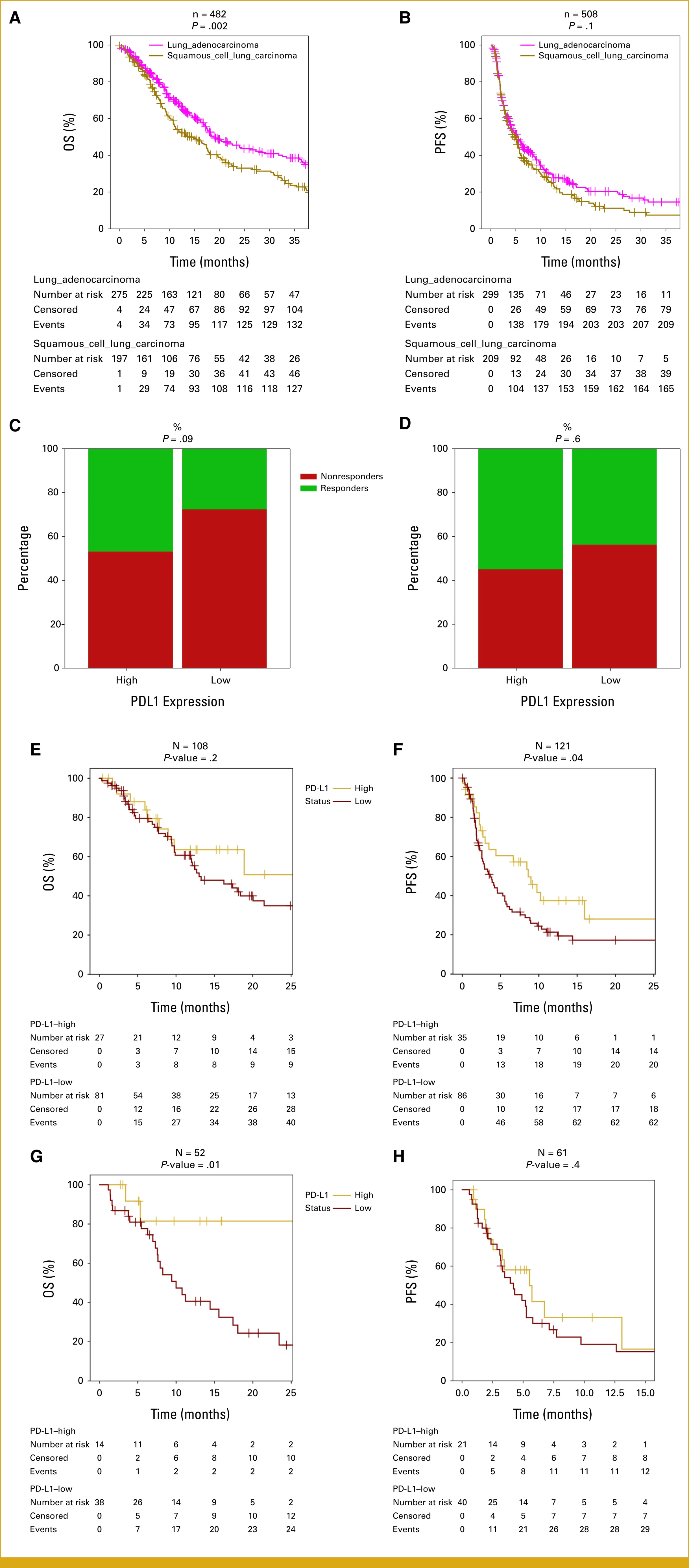
- PD-L1 expression did not significantly predict immunotherapy response in either LUAD or LUSC, despite modest associations with survival in selected subgroups.
- KEAP1 and STK11 mutations were associated with poorer survival outcomes and predominantly immune-cold TMEs, but these genomic alterations lost predictive significance after adjustment for transcriptomic immune signatures.
Immune-Hot Tumors and Active Immune Recruitment
One of the most important findings of the study was the distinction between static immune-cell presence and active immune recruitment. The investigators demonstrated that dynamic immune trafficking — particularly involving T cells, macrophages, and dendritic cells — appeared more biologically relevant than simply quantifying CD8+ T-cell abundance.
This observation challenges the conventional assumption that higher CD8+ infiltration alone predicts immunotherapy benefit. Instead, the study suggests that functional immune organization and coordinated cellular communication within the tumor may be more critical determinants of response.
The immune-hot phenotype represented tumors with active antigen presentation, inflammatory signaling, immune-cell recruitment, and coordinated antitumor immune activity. These tumors consistently demonstrated better clinical outcomes following PD-(L)1 blockade.
Tertiary Lymphoid Structures as a Biomarker
The TLS-high subgroup emerged as one of the strongest predictive biomarkers identified in the study.
Tertiary lymphoid structures are ectopic lymphoid aggregates that resemble secondary lymphoid organs and facilitate antigen presentation, B-cell maturation, T-cell activation, and immune-cell coordination directly within the tumor microenvironment.
Investigators found that patients with TLS-high LUAD tumors experienced the most favorable outcomes, including improved progression-free survival and higher response rates to immunotherapy. Notably, TLS-high tumors displayed elevated chemokine expression and markedly enriched immune infiltration signatures.
Importantly, the predictive value of TLS remained significant even after adjustment for PD-L1 status, mutational profiles, and immune subtype classification, suggesting that TLS biology may capture a broader and more functional dimension of antitumor immunity.
Why PD-L1 Alone May Be Insufficient
A particularly striking aspect of the analysis was the limited predictive performance of PD-L1 expression.
Across the pooled cohorts, PD-L1 levels were not significantly associated with ICI response rates in either LUAD or LUSC. This finding reinforces the growing recognition that PD-L1 expression represents only one component of a highly complex immune ecosystem.
The study proposes that transcriptomic immune profiling may better capture the integrated biology of antitumor immunity, including:
- immune-cell trafficking,
- cytokine signaling,
- antigen presentation,
- lymphoid organization,
- and coordinated immune activation.
- This may explain why some PD-L1–negative tumors still respond dramatically to immunotherapy while some PD-L1–high tumors remain resistant.
Clinical Interpretation
This study provides strong evidence that transcriptomic immune profiling could become an important next-generation biomarker strategy in NSCLC immunotherapy.
Rather than relying exclusively on single-marker approaches such as PD-L1 staining, future immunotherapy selection may increasingly incorporate broader immune ecosystem analysis, including:
- immune-hot versus immune-cold phenotypes,
- TLS organization,
- immune-cell trafficking dynamics,
- and functional immune architecture.
The findings are particularly relevant for lung adenocarcinoma, where immune-hot and TLS-high signatures consistently correlated with improved ICI outcomes.
Importantly, the study also demonstrates that routine RNA sequencing — already widely used for genomic testing in NSCLC — could potentially provide clinically actionable immune profiling information without requiring additional invasive tissue sampling.
Limitations
The investigators acknowledged several important limitations.
The analysis was retrospective and integrated heterogeneous cohorts with different treatment regimens and sequencing platforms. TLS signatures were inferred transcriptomically rather than validated histologically in all cases, and bulk RNA sequencing may capture immune cells outside the tumor microenvironment.
In addition, TLS definitions remain nonstandardized across the literature, and the predictive role of these signatures appeared substantially stronger in LUAD than in LUSC.
Conclusion
This large integrated analysis suggests that transcriptomic-derived immune-hot TME and TLS-high signatures may outperform conventional biomarkers such as PD-L1 in predicting immunotherapy benefit in lung adenocarcinoma.
The study highlights the importance of functional immune organization, immune-cell trafficking, and tertiary lymphoid structures as central determinants of effective antitumor immunity. These findings support the growing transition toward multidimensional immune profiling approaches that may refine patient selection for immunotherapy in NSCLC.
Read Full Article Here