This week in OncoDaily Immuno-Oncology, expert perspectives highlighted how the field continues to evolve beyond breakthrough discovery toward deeper biological understanding and smarter therapeutic implementation. Discussions ranged from immunometabolic targeting of myeloid-derived suppressor cells to overcome immune evasion, to growing clarity around the true mechanism of mRNA cancer vaccines as immune-training platforms rather than cellular “reprogramming” tools.
Major clinical momentum emerged from perioperative enfortumab vedotin plus pembrolizumab reshaping muscle-invasive bladder cancer care, alongside real-world chemo-immunotherapy insights refining prognostic assumptions in biliary tract cancer. Advances in cellular therapy engineering emphasized next-generation CAR-T strategies aiming to expand efficacy beyond CD19 and address solid tumor barriers, while precision oncology continued to advance through biomarker-driven treatment frameworks in gastroesophageal cancers and newly approved HER2-targeted therapies in lung cancer.
Collectively, this week’s highlights reflect an immuno-oncology landscape increasingly defined not only by innovation, but by mechanistic precision, translational integration, and global accessibility of next-generation cancer therapies.
This Week’s Expert Highlights in Immuno-Oncology
Wenxue Ma (Executive Guest Editor at Cytokine and Growth Factor Reviews):
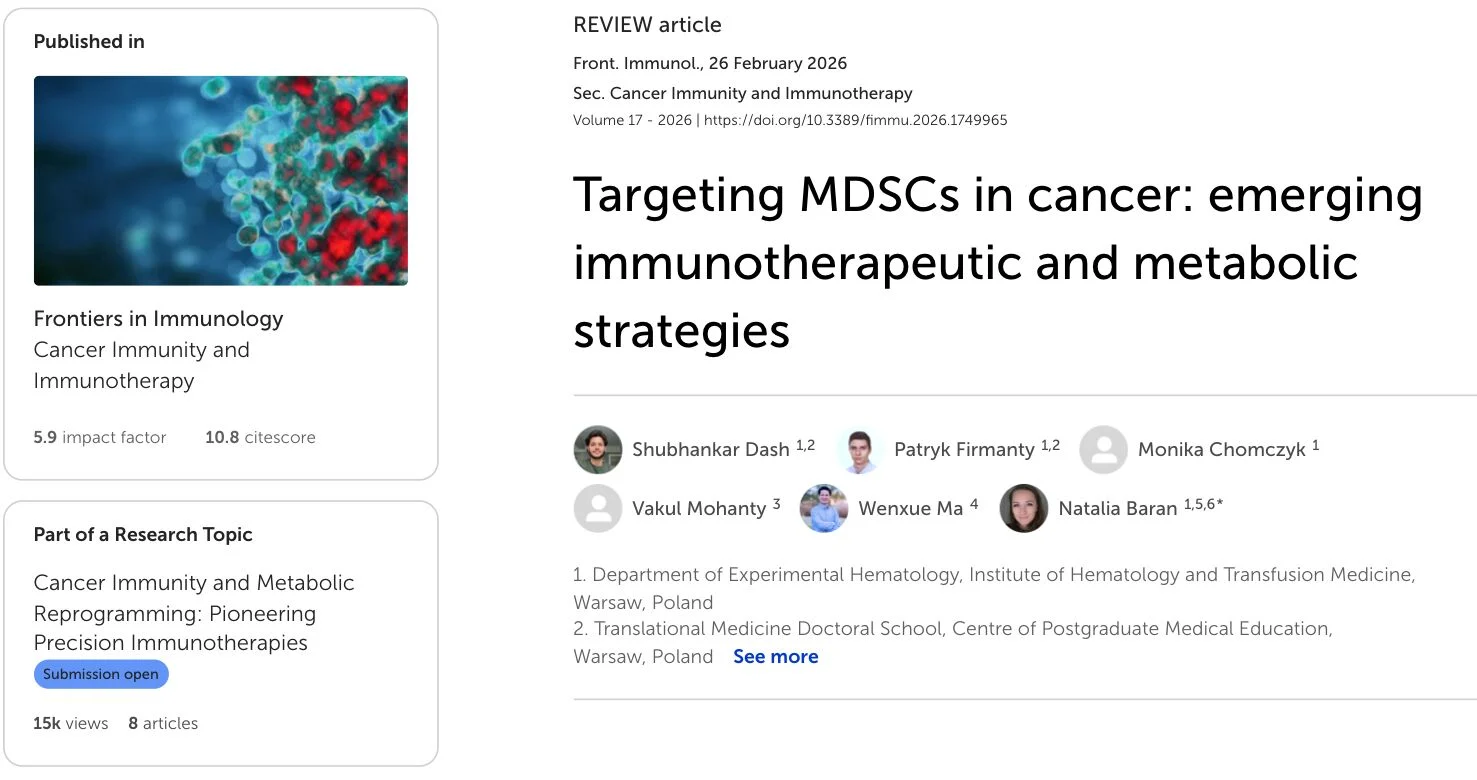
“Our new review explores how targeting myeloid-derived suppressor cells (MDSCs) through immunometabolic and combinatorial strategies may overcome tumor immune evasion and enhance the clinical efficacy of cancer immunotherapy.”
Guru Sonpavde (GU Oncology and Phase I Clinical Trials Director, Chair of Bladder Cancer Research at AdventHealth Central Florida, Professor of Medicine at the University of Central Florida, and at Loma Linda University Health):
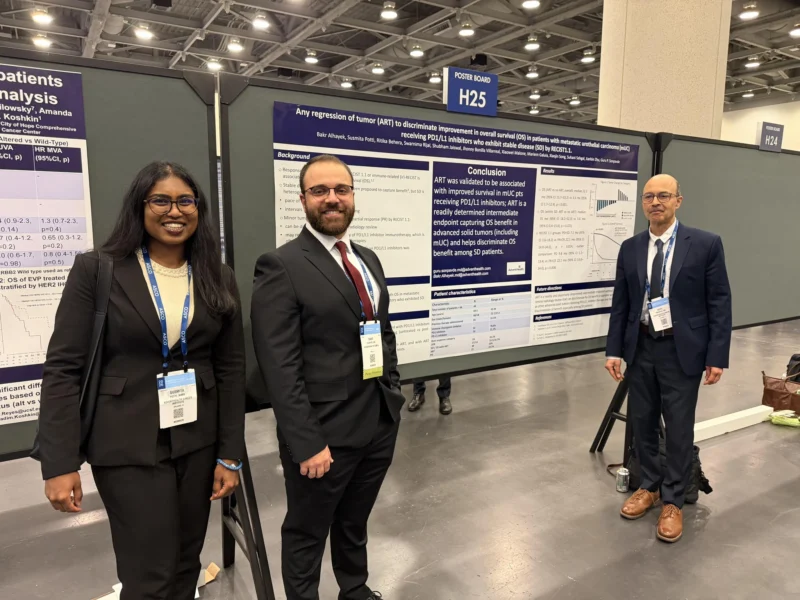
“GU26 bladder cancer presentations: pleased to mentor research fellow Advent health Cancer Institute AdventHealth Central Florida Orlando, Florida Susmita Potti and Internal Medicine resident Advent Health West FloridaTampa Bakr Alhayek M.D – several posters were possible from this work:
1) Any Regression of Tumor (ART) was associated with improved survival in patients with metastatic urothelial carcinoma (mUC) receiving PD1/L1 inhibitor therapy and facilitates the discrimination of benefit among stable disease (SD) patients,
2) early peripheral blood Neutrophil/Lymphocyte ration (NLR) dynamics, specifically an increase in 3-4 weeks, was associated with absence of tumor regression and was associated with primary refractory disease in patients with mUC receiving PD1/L1 inhibitor therapy and given the affordability and global availability of peripheral blood NLR, validation in large datasets is warranted in conjunction with its performance vs. ctDNA to allow modification or intensification of therapy before clinical decline to improve long-term clinical outcomes,
3) Taurocholic acid, a conjugated bile acid, exhibited >2-fold increase after immune checkpoint inhibitor therapy in progressive mUC suggesting association with resistance and potential therapeutic utility of targeting taurine conjugation of bile acids.”
Gisela Maria Suarez Formigo (Advanced Cell and Gene Therapy Leader, ATMP Portfolio Strategy, Translational Medicine, GMP Interface, MD, PhD, MBA):
“One of my recent articles published in Frontiers in Immunology just reached a new impact milestone. Here is the link if you would like to read our study”
Bana Antonios (M.D. Hematology-Oncology Chief Fellow at Allegheny Health Network):
” Big news from the American Society of Clinical Oncology GU Symposium (hashtag#ASCOGU 2026)!
For the first time in decades, a regimen beating platinum-based chemotherapy, which is a major step forward for patients and multidisciplinary bladder cancer care.
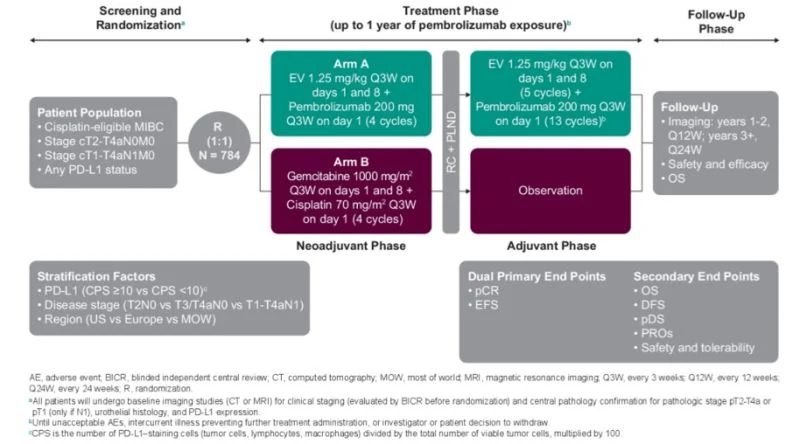
KEYNOTE-B15 / EV-304 data show that perioperative enfortumab vedotin + pembrolizumab significantly improved outcomes vs cisplatin-based chemotherapy in muscle-invasive bladder cancer (MIBC).
- ~47% reduction in risk of event-free survival events
- highest reported rate of pCR; ~56% vs ~33% with chemo
- Manageable safety, surgery completion maintained”
Andrea Casadei Gardini (Associate Professor at Vita-Salute San Raffaele University):
” New Publication in Targeted Oncology
I’m proud to share, and especially proud to present, this new article from our group, with Silvia Camera as first author, reflecting an outstanding team effort.
Our international study evaluated the prognostic impact of metastatic sites in patients with advanced biliary tract cancer (BTC) treated with cisplatin, gemcitabine, and durvalumab (CGD).
This real-world analysis included 666 patients and explored whether the number or location of metastatic sites influences outcomes in the era of chemoimmunotherapy.
Key Findings:
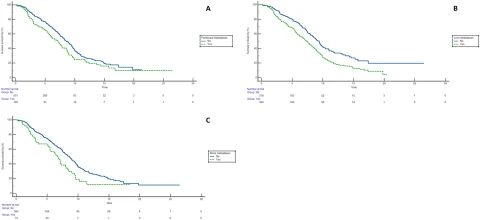
- No specific metastatic site independently impacted overall survival (OS) in multivariable analysis.
- Patients with 1–2 metastatic sites showed longer OS and PFS compared with those with 3–5 sites in univariable analysis; however, this association was not confirmed after adjustment.
- Changes in metastatic pattern at progression did not significantly affect post-progression survival (OS2).
Why This Matters
Historically, metastatic burden and distribution have been considered important prognostic factors in BTC. Our findings suggest that in patients treated with CGD, these traditional negative prognostic indicators may be attenuated.
This study contributes to a better understanding of prognostic stratification in the immunochemotherapy setting and may have implications for patient counseling, trial design, and clinical decision-making.
Grateful to all collaborators who made this possible.”
Ming-Hei Tai (Clinical Pharmacy Specialist at Karmanos Cancer Institute):
” Looks like one drug got through the FDA voucher program! Zongertinib just received accelerated approval from the FDA in unresectable or metastatic non-squamous non-small cell lung cancer (NSCLC) whose tumors have HER2 (ERBB2) tyrosine kinase domain (TKD) activating mutations. The key change here is that prior systemic is now not required.
This was based off a Beamion LUNG-1 cohort, presented at ESMO, which treated 72 treatment-naive patients. According to the package insert, it had an ORR of 76%, with a CR of 11% and a PR of 65% in these patients. These results were very impressive and suggest that zongertinib is a very effective agent for HER2 mutated TKI, and may be better than current standard of care. The accelerated approval currently makes it the only HER2 directed agent that does not require prior therapy – fam-trastuzumab requires prior systemic therapy in lung cancer.
The adverse events are nothing surprising and what we would expect from HER2 targeted agents. Overall, the agent seems fairly tolerable and works in this subset of lung cancer patients. It is important to check NGS reports carefully – zongertinib only works in HER2 TKD mutations.
The phase III confirmatory agents for both fam-trastuzumab deruxtecan and zongertinib are ongoing. There is some controversy about whether immunotherapy actually improves outcomes in HER2 mutated lung cancer. The main issue is that we don’t have great randomized data either way, due to the low incidence of HER2 mutations in lung cancer. The NCCN still recommends chemoimmunotherapy in HER2 mutated lung cancer, and chemoimmunotherapy is viewed by the FDA as the current standard of care. DESTINY-BREAST06 is combining immunotherapy with fam-trastuzumab deruxtecan, but Beamion LUNG-2 is not. More to come once these phase III trials read out! hashtag”
Diego A. Díaz García (Medical Oncologist / CEO / Founder at CánCare – Advanced Specialty in Oncology):
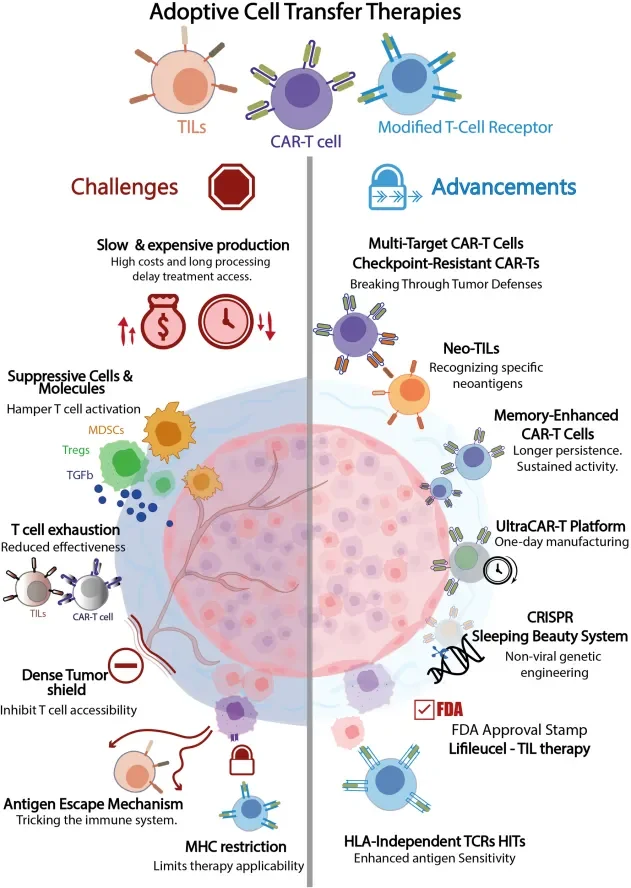
“CAR-T Cell Therapy in Children and Young Adults.
Tisagenlecleucel established CAR T cells as a curative-intent option in relapsed or refractory pediatric B-ALL and became the first FDA-approved gene therapy. CD19-directed strategies show consistent survival benefit across B-cell malignancies.
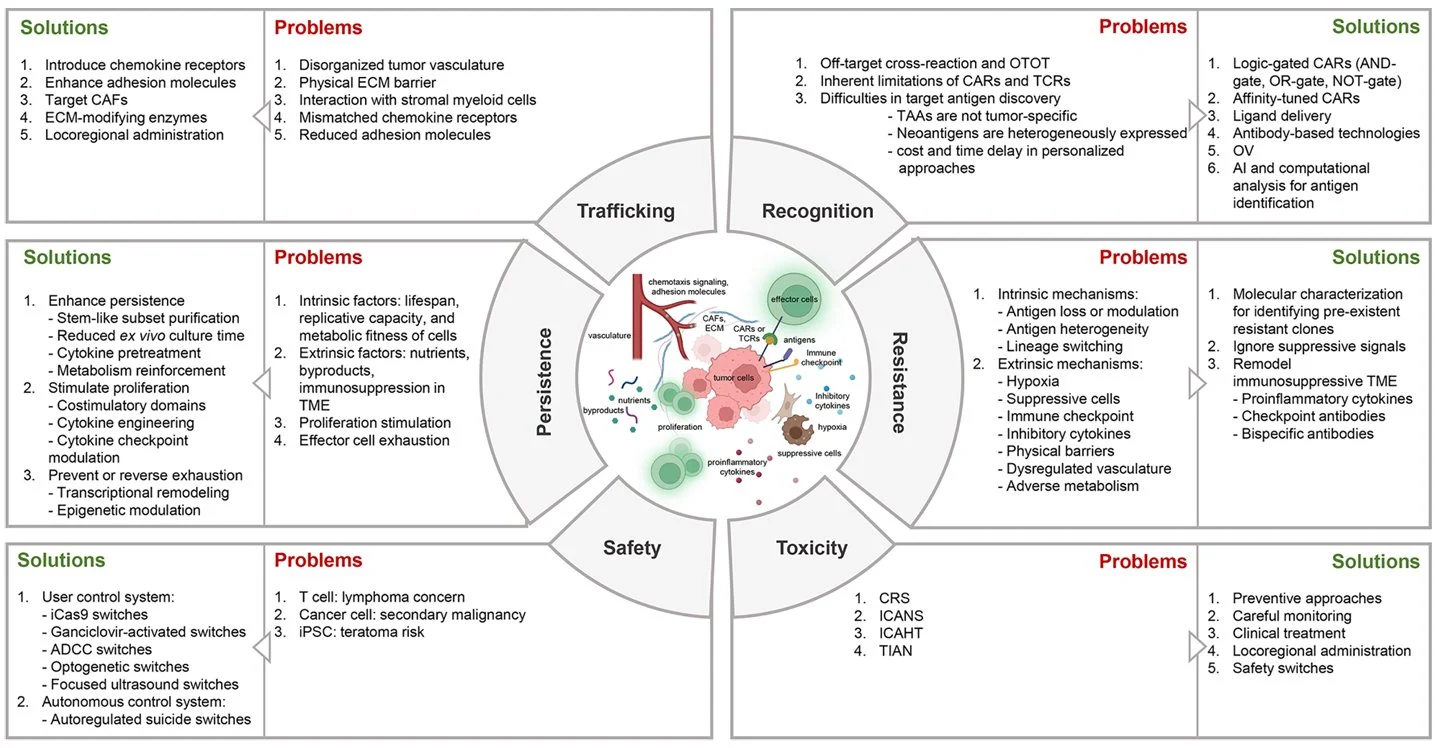
Progress beyond CD19 remains limited. Durable activity in AML, T-ALL, solid tumors, and CNS cancers is still elusive due to antigen heterogeneity, toxicity, T-cell exhaustion, and access barriers.
Future priorities include multi-target constructs, improved persistence, rational sequencing with bispecific antibodies or transplant, and broader global access.”
Sarbajit Mukherjee (Chief of GI Medical Oncology, Miami Cancer Institute):
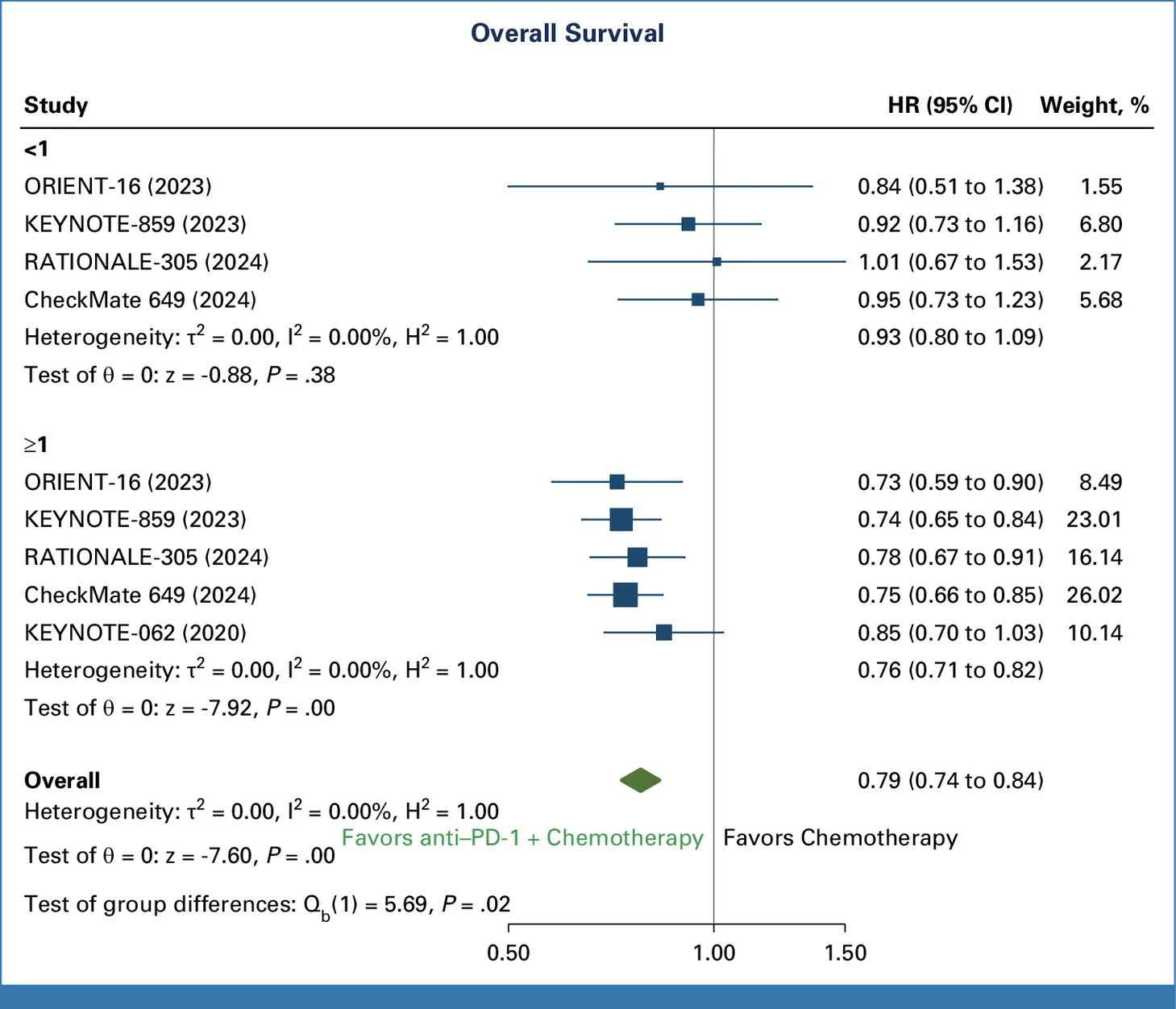
“The new ASCO Guideline Update on immunotherapy and targeted therapy for advanced gastroesophageal cancer is now published in Journal of Clinical Oncology
The emphasis is on biomarker testing and biomarker-driven treatment.
Key highlights:
- Upfront testing for HER2, PD-L1, MSI/MMR, and CLDN18.2 is essential
- PD-L1 ≥1: Immunotherapy + platinum/fluoropyrimidine chemotherapy (with greater benefit as PD-L1 increases, especially ≥10)
- CLDN18.2-positive disease: Zolbetuximab + chemotherapy is now a standard option
- HER2-positive, PD-L1 ≥1: Pembrolizumab + trastuzumab + chemotherapy
- dMMR/MSI-H: Immunotherapy-based strategies remain foundational
Grateful to American Society of Clinical Oncology (ASCO) and Manish Shah for the opportunity to contribute alongside an exceptional panel.
And this is just the beginning — antibody–drug conjugates and bispecific antibodies are poised to further reshape the treatment landscape in the years ahead.”
Shreyas Kalantri (Hematology and Oncology Chief Fellow at the University of Louisville):
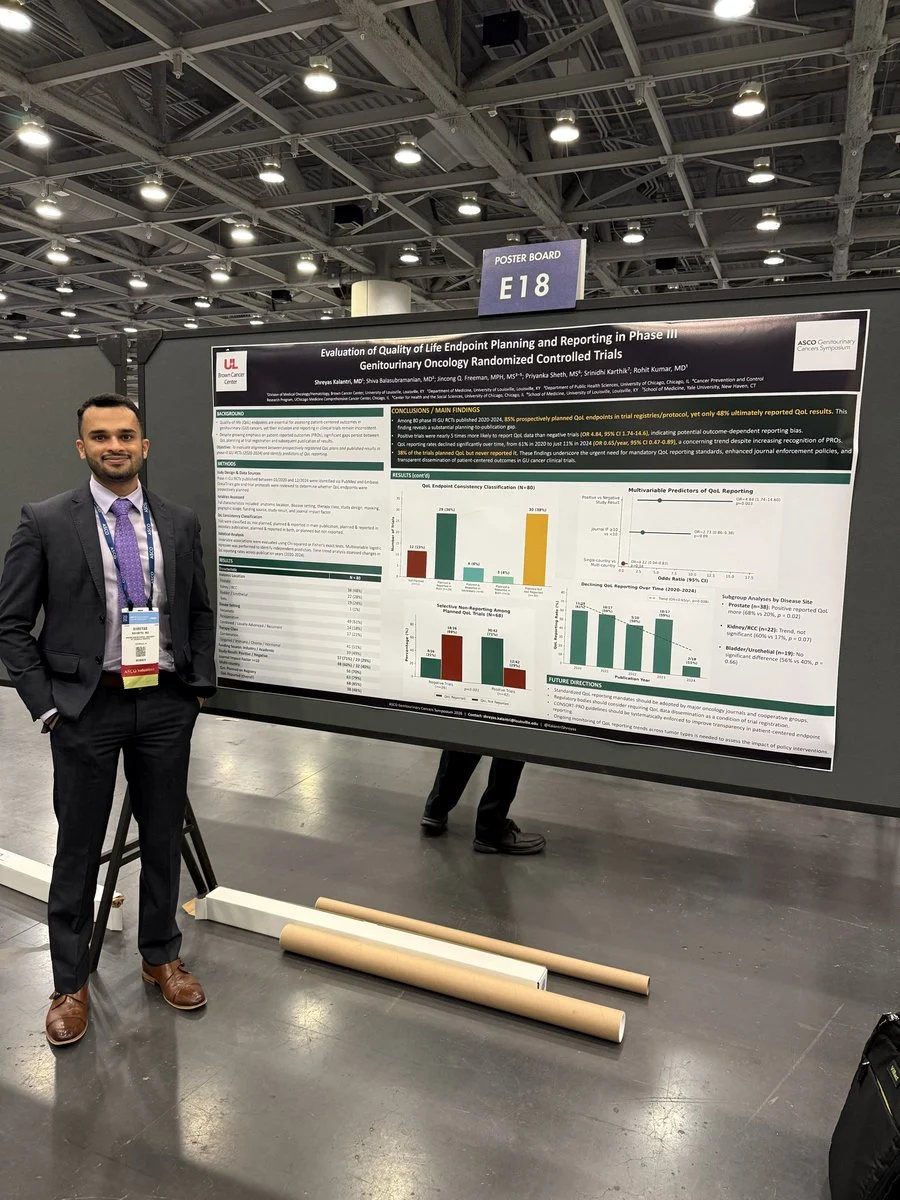
” If you’re at GU26, stop by Poster E18 Evaluation of quality-of-life endpoint planning and reporting in phase III GU randomized trials. Important gaps between what trials plan and what they report. Would love to discuss.”
Bruce Levine (Bruce Levine, Barbara and Edward Netter Professor in Cancer Gene Therapy at the University of Pennsylvania):
“NEW – Overcoming functional and translational challenges of cellular immunotherapies for solid tumors in Cancer Cell, a magnum opus review led by Khalid Shah, Yi-Ching Chen, Kok-Siong Chen ”