
This week in OncoDaily Immuno-Oncology, expert perspectives highlight a fundamental shift in cancer immunotherapy—from targeting tumor cells alone to understanding and engineering the entire tumor ecosystem.
Artificial intelligence, spatial transcriptomics, and liquid biopsy technologies are converging to reveal how the tumor microenvironment influences treatment response across cancer types. Machine learning models capable of decoding spatial ecotypes and predicting immunotherapy outcomes illustrate the growing role of computational oncology in precision medicine.
At the same time, advances in immune engineering continue to redefine therapeutic possibilities. Novel antibody–glycan conjugates designed to selectively eliminate immunosuppressive macrophages, CAR T-cell strategies that combine tumor targeting with microenvironment modulation, and personalized neoantigen mRNA vaccines all demonstrate that durable anti-tumor immunity depends not only on recognizing cancer cells, but also on reshaping the immune landscape that surrounds them.
Clinical practice is evolving in parallel. The FDA approval of perioperative pembrolizumab plus enfortumab vedotin for muscle-invasive bladder cancer and the expanding KEYTRUDA combination strategy reflect a broader transition toward platform-based immunotherapy, where checkpoint inhibitors increasingly serve as the backbone for rational combinations introduced earlier in the course of disease.
Across these developments, a common theme emerges: the future of immuno-oncology will be driven by the integration of artificial intelligence, immune engineering, personalized therapeutics, and tumor microenvironment biology—bringing oncology closer to truly individualized, ecosystem-based cancer care.

10 Must-Read Posts in Immuno-Oncology This Week
This Week’s Expert Highlights in Immuno-Oncology
José Luis Torres Cuadros (Associate Director of Clinical Trial Management and Professor at Aliat Universidades):
“Generalizable AI predicts immunotherapy outcomes across cancers and treatments “

COMPASS: Can AI Predict Immunotherapy Response Across Multiple Cancers?
Abeer Alenazi (Hematology/Oncology and BMT Clinical Pharmacist at Prince Sultan Military Medical City):
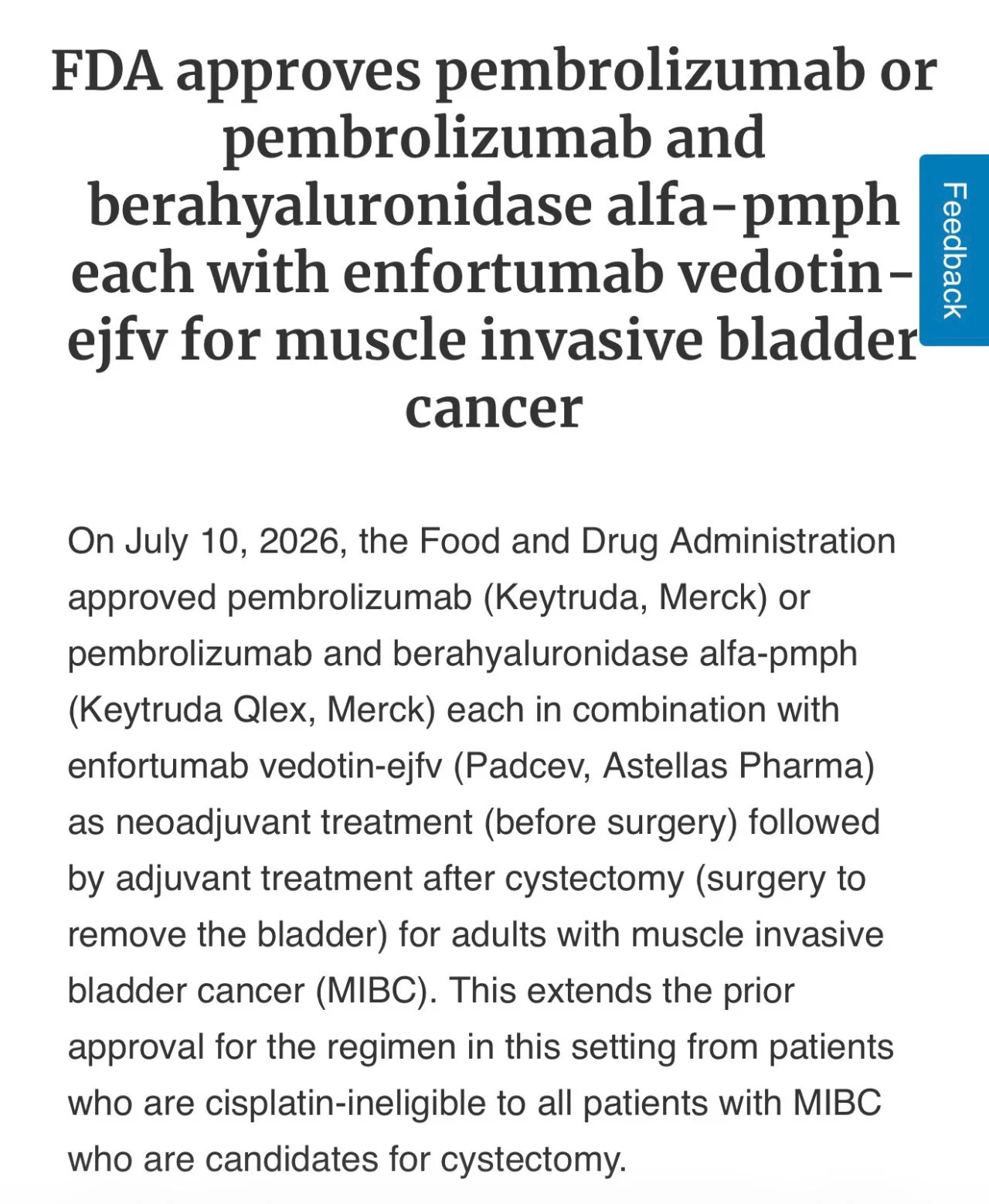
“The FDA approval of 𝐩𝐞𝐫𝐢𝐨𝐩𝐞𝐫𝐚𝐭𝐢𝐯𝐞 𝐩𝐞𝐦𝐛𝐫𝐨𝐥𝐢𝐳𝐮𝐦𝐚𝐛 𝐩𝐥𝐮𝐬 𝐞𝐧𝐟𝐨𝐫𝐭𝐮𝐦𝐚𝐛 𝐯𝐞𝐝𝐨𝐭𝐢𝐧 for muscle-invasive bladder cancer represents more than a new treatment option.
𝐓𝐡𝐞 𝐫𝐞𝐚𝐥 𝐪𝐮𝐞𝐬𝐭𝐢𝐨𝐧 𝐢𝐬: Are we entering an era where highly effective systemic therapies will replace chemotherapy as the perioperative backbone for solid tumors?
The KEYNOTE-B15/EV-304 trial demonstrated significant improvements in event-free survival and overall survival compared with neoadjuvant cisplatin-based chemotherapy, establishing a new standard for patients undergoing radical cystectomy. (The ASCO Post)
This approval also highlights a broader trend across oncology:Targeted therapies and immunotherapy are no longer being reserved for advanced disease.
They are steadily moving earlier in the disease course, where the potential impact on long-term survival is greatest. Sometimes, the most important advance isn’t a new drug. It’s moving the right drug to the right stage of disease. “
Preeti S. (Director of Competitive and Scientific Intelligence at PSTRIDE Solutions, specializing in pharmaceuticals and life sciences):
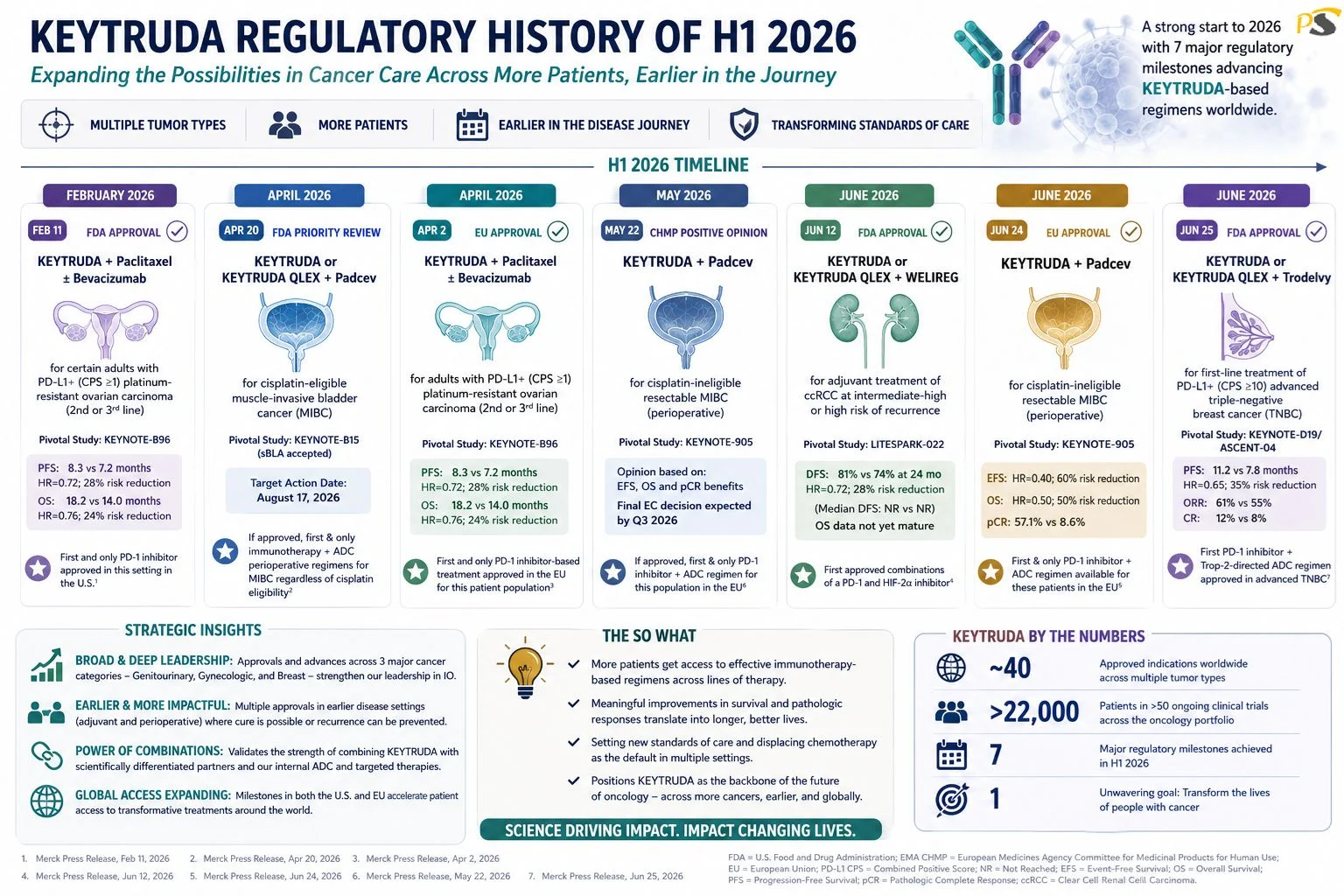
“𝗞𝗘𝗬𝗧𝗥𝗨𝗗𝗔’𝘀 𝗛𝟭 𝟮𝟬𝟮𝟲 𝗦𝘁𝗼𝗿𝘆 𝗘𝗻𝗱𝗲𝗱 𝗪𝗵𝗲𝗿𝗲 𝗜𝘁 𝗕𝗲𝗴𝗮𝗻: 𝗕𝗹𝗮𝗱𝗱𝗲𝗿 𝗖𝗮𝗻𝗰𝗲𝗿
In February, Merck expanded KEYTRUDA into ovarian cancer.
Over the following months, it secured approvals that reshaped treatment across kidney, breast, and bladder cancers.
Then came July 10.
This wasn’t simply another FDA approval—it completed a broader strategy.
The approval of KEYTRUDA + Padcev as perioperative therapy for all patients with muscle-invasive bladder cancer (MIBC) undergoing radical cystectomy, regardless of cisplatin eligibility, removes one of the most important treatment distinctions in uro-oncology.
For years, treatment decisions started with a single question:
“Is this patient eligible for cisplatin?”
That question now matters far less.
Merck has built a unified perioperative franchise in bladder cancer:
KEYNOTE-905 established the regimen for cisplatin-ineligible patients.
KEYNOTE-B15 extended it to cisplatin-eligible patients.
Together, they create one treatment platform that serves almost the entire MIBC population.
𝗞𝗲𝘆 𝗜𝗻𝘀𝗶𝗴𝗵𝘁𝘀
This is portfolio architecture—not simply portfolio expansion.
Rather than launching another standalone indication, Merck unified an entire disease setting around a single immunotherapy–ADC platform.
The strategy is becoming increasingly clear.
KEYTRUDA is no longer succeeding as a monotherapy franchise. It is evolving into the backbone of combination therapy, partnering with best-in-class agents—from antibody-drug conjugates to HIF-2α inhibitors and beyond. Throughout the first half of 2026, this combination-first approach was validated across multiple tumor types.
The competitive advantage continues to grow.
One clinical message.
One perioperative franchise.
One treatment approach across nearly the entire MIBC population.
That simplicity makes adoption easier for clinicians while creating a much stronger competitive moat.
𝗦𝗼 𝗪𝗵𝗮𝘁?
Many companies are expanding indications.Merck is building clinical platforms.
That is a far more durable advantage—and much harder for competitors to replicate.
The first half of 2026 was not simply a series of approvals.
It marked the construction of KEYTRUDA’s next growth engine.
If you’d like, I can also make it sound more like a strategy/biotech investor analysis or more like an OncoDaily scientific editorial.”
David S. Roberts (Founder and CEO of 10x Science, Postdoctoral Researcher at Stanford University, and Damon Runyon Cancer Research Fellow):
“Excited to share our new work just released in Nature Chemical Biology (Nature Portfolio).
Cancer immunotherapy represents an exciting approach in modern oncology to reprogram the immune system to fight cancers. One major obstacle is the tumor microenvironment (TME), where tumor-associated macrophages (TAMs) are often the dominant immune cell type and drive immunosuppression and metastasis.
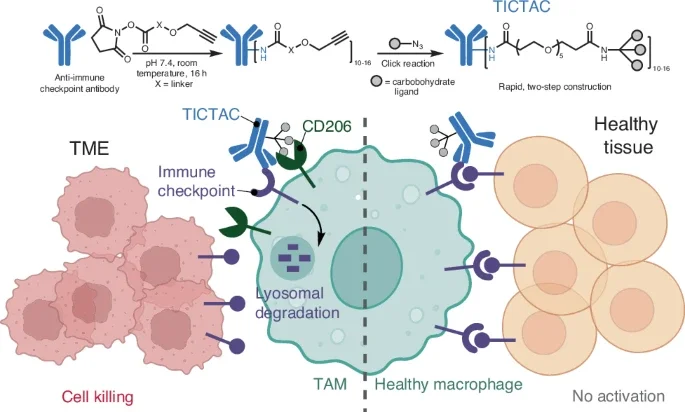
Here, we present a new class of antibody–glycan conjugates as tumor immune cell targeting chimeras (TICTACs) that exploit CD206-mediated internalization of immune checkpoint receptors by CD206-high TAMs to induce their selective degradation. This approach has the potential to overcome a major barrier to solid tumor immunotherapy while mitigating the off-tumor toxicity that arises from systemic immune activation.
This work reflects the power of multidisciplinary scientific approaches centered on chemistry, and was made possible by a multi-institutional collaboration between Stanford University Department of Chemistry, Sarafan ChEM-H | Stanford University, and University of Notre Dame. I am very grateful to my mentor, Carolyn Bertozzi, my colleague and co-lead author, Mariko Morimoto, Ru M Wen at the Brooks lab at Stanford University School of Medicine, Ell Handy, Ph.D. at the University of Notre Dame, Nick Till, and the rest of the co-authors! I am also grateful to the Damon Runyon Cancer Research Foundation for their support.
An open access version is viewable on bioRxivhere
Check out the full paper here “
Raffaele Di Giacomo (Director predictive AI at ByronInsight AG):
” Antibodies are oncology’s new operating system.
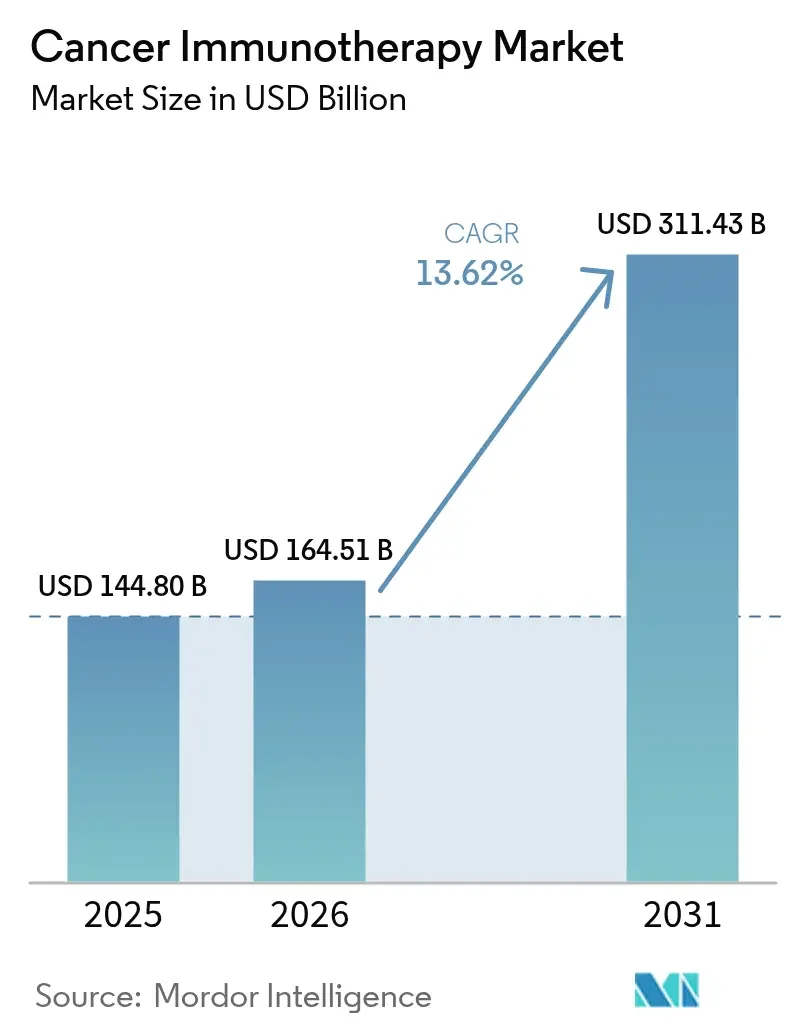
In 2025, monoclonal antibodies held 66.88% of cancer immunotherapy revenue [1]. Nature also called 2025 the “year of the bispecific”: these antibodies made up 25% of the top 20 pharma deals YTD [2].
Then BMS and BioNTech signed an up-to-$11B deal around a PD-L1/VEGF bispecific [3]. Translation: immunotherapy is moving from single targets to engineered platforms, where diagnostics, trials, and manufacturing decide who wins.
The challenge now is not discovery alone. It is access, reimbursement, and capacity. Where is the real bottleneck: science, cost, regulation, or access?”
Yan Leyfman, (Medical Oncologist, Co-Founder and Executive Director of MedNews Week):
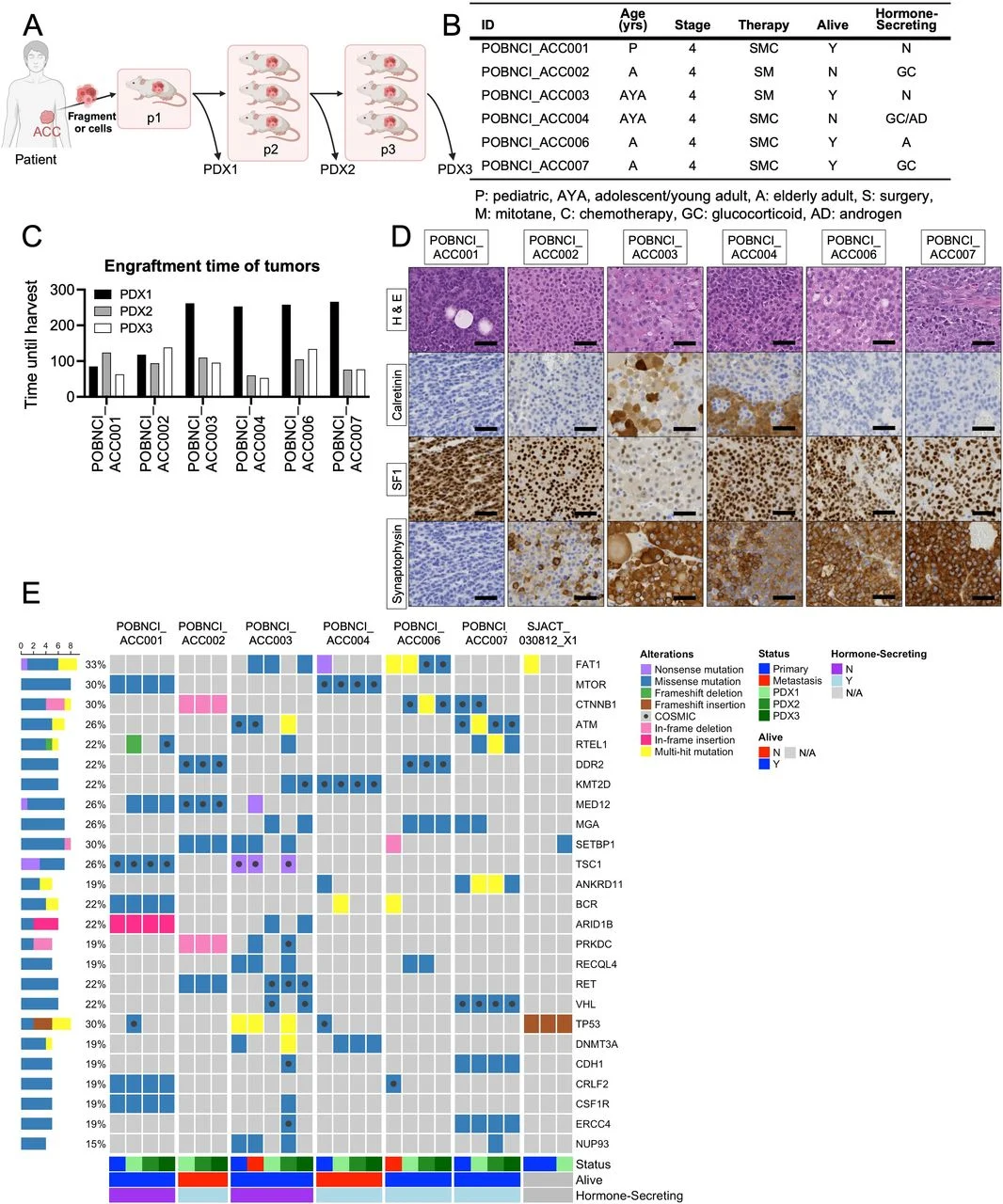
“CAR T Cells Show Promise Against Adrenocortical Carcinoma—But the Tumor Microenvironment Remains the Biggest Challenge
Adrenocortical carcinoma (ACC) is a rare and highly aggressive malignancy with limited treatment options, particularly in advanced disease. Although CAR T-cell therapy has revolutionized the treatment of hematologic cancers, translating this success to solid tumors has been hindered by challenges including target antigen selection and the immunosuppressive tumor microenvironment (TME).
In this study, researchers used patient-derived xenograft (PDX) models of ACC to identify novel CAR T-cell targets and investigate strategies to overcome immune resistance.
Through transcriptomic profiling, surface proteomics, and flow cytometry, the investigators identified ENPP3 (ectonucleotide pyrophosphatase/phosphodiesterase family member 3) as a promising target expressed in a subset of ACC tumors.
Key findings:
• ENPP3 was expressed in 4 of 7 (57%) ACC PDX models.
• ENPP3-directed CAR T cells eliminated more than 85% of ENPP3-positive ACC cells in vitro.
• Despite potent in vitro activity, CAR T-cell efficacy was markedly reduced in vivo due to an immunosuppressive tumor microenvironment.
• Treatment resistance was associated with increased infiltration of CD206-positive tumor-associated macrophages (TAMs), which impaired CAR T-cell function.Importantly, the researchers demonstrated that targeting macrophage-mediated immune suppression could restore CAR T-cell activity. Combining ENPP3-directed CAR T cells with therapies that modulate CD206+ TAMs significantly improved tumor control in ACC models, including tumors with both high and low ENPP3 expression.
This study reinforces a central challenge in developing CAR T-cell therapies for solid tumors: identifying the right antigen is only part of the solution. Durable responses will likely require strategies that also reshape the immunosuppressive tumor microenvironment.
By combining tumor-targeted CAR T cells with macrophage-reprogramming approaches, this work provides a promising framework for advancing cellular immunotherapy not only in ACC, but potentially across a broad range of solid tumors.”
Sean Fletcher, (Urologic Oncology Fellow at Memorial Sloan Kettering Cancer Center):
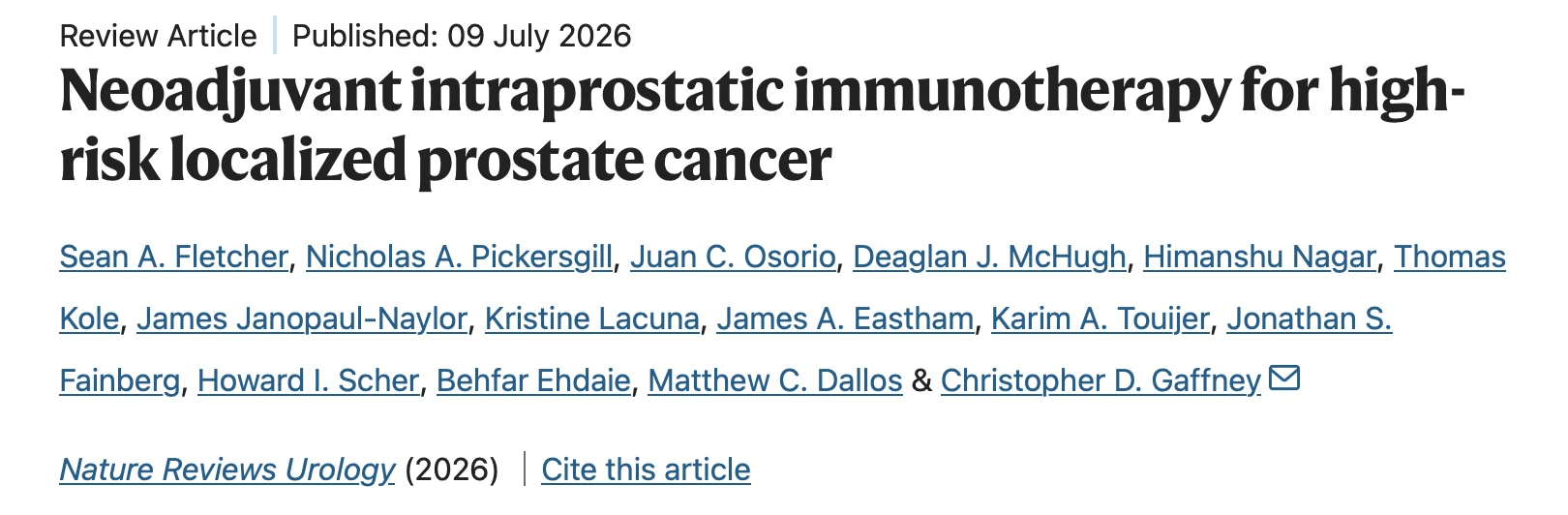
” Our review on neoadjuvant intraprostatic immunotherapy for high-risk localized prostate cancer, out now in Nature Reviews Urology.”
Patrick Hwu, (President and CEO at Moffitt Cancer Center):
” What if a simple blood test could reveal how the tumor microenvironment influences immunotherapy response?
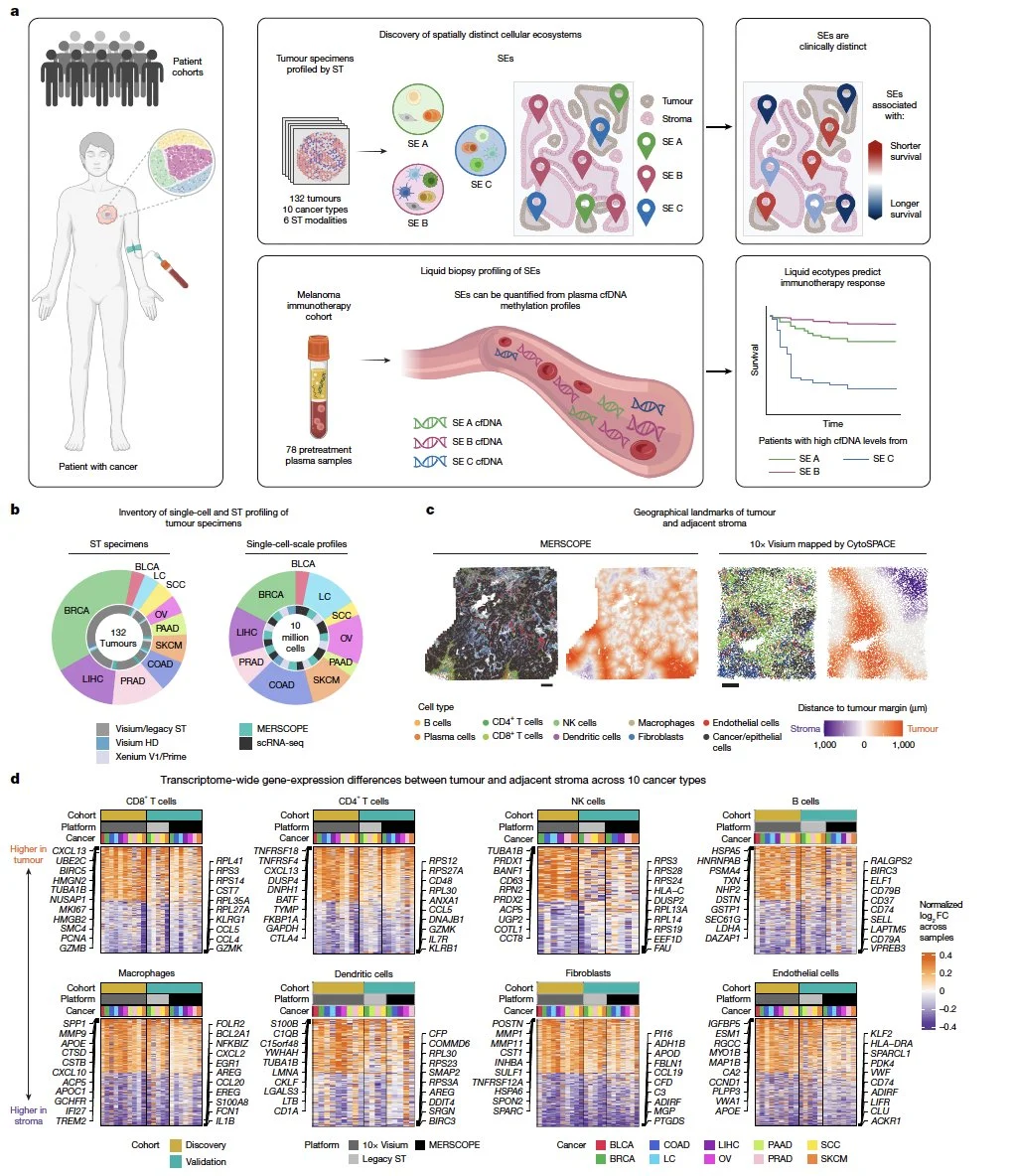
A new study published in Nature presents a machine learning framework to decode the tumor microenvironment (TME)—the complex ecosystem surrounding cancer cells that includes immune cells, fibroblasts, endothelial cells, and other stromal components.
Researchers analyzed more than 10 million single-cell and spatial transcriptomic profiles across multiple cancer types to identify not only which cells are present within tumors, but also where they are located and how they interact.
The analysis identified nine recurring spatial ecotypes—distinct cellular neighborhoods with unique biological characteristics and spatial organization. Some localized to the tumor core, while others were enriched at the invasive margin or surrounding tissue.
Several of these spatial ecotypes were associated with patient prognosis and response to immune checkpoint inhibitors, highlighting the importance of tumor architecture in shaping anti-tumor immunity.
One of the most notable findings was that these spatial ecotypes could also be inferred from cell-free DNA (cfDNA)obtained through liquid biopsy, providing a potential non-invasive method to characterize the tumor microenvironment.
In patients with melanoma, cfDNA-derived spatial signatures were strongly associated with immunotherapy response, suggesting this strategy may help identify patients most likely to benefit from immune checkpoint blockade.
The takeaway: Cancer is not defined by malignant cells alone. The organization and interactions of the surrounding tumor microenvironment play a critical role in disease progression and therapeutic response. This study highlights how integrating spatial biology, artificial intelligence, and liquid biopsy could bring precision immuno-oncology one step closer to routine clinical practice.”
Arshia Farmahini Farahani, (AI Software Founder and Developer, Biotechnology Researcher, affiliated with Islamic Azad University):
“107 patients. Up to 34 neoantigens per tumor. One personalized mRNA vaccine for every patient.
Five years later, the KEYNOTE-942 trial has delivered one of the most compelling long-term immunotherapy updates presented at ASCO 2026.
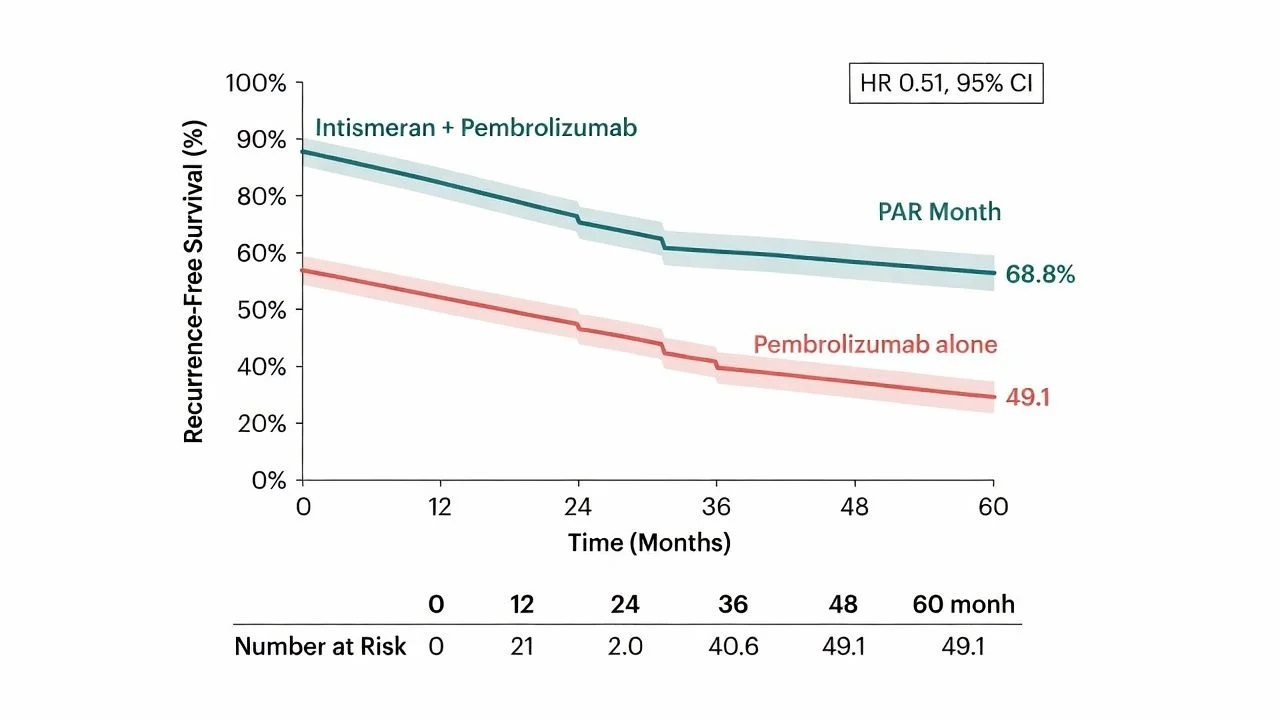
Adding intismeran, a personalized neoantigen mRNA vaccine, to pembrolizumab reduced the risk of melanoma recurrence or death by 49% compared with pembrolizumab alone after five years of follow-up.
Even more striking:
68.8% of patients receiving the combination remained recurrence-free at five years, compared with 49.1% of those treated with pembrolizumab alone.
How does this personalized vaccine work?
After surgical removal of the tumor, each patient’s cancer is sequenced to identify mutations unique to that individual.
Using computational algorithms, researchers select up to 34 neoantigens that are most likely to trigger a strong immune response.
A personalized mRNA vaccine is then manufactured, encoding these patient-specific targets.
Once administered, the vaccine trains the immune system to recognize these neoantigens, generating T cells capable of identifying and eliminating residual melanoma cells carrying the same mutations.
The numbers tell an important story.
• Relapse-free survival: Hazard ratio 0.51
• Distant metastasis-free survival: Hazard ratio 0.41
• Overall survival: Positive trend observed at five yearsA hazard ratio of 0.41 for distant metastasis means the combination reduced the risk of cancer spreading to distant organs by nearly 60%. That represents a meaningful shift in the natural history of high-risk melanoma.
Perhaps the most remarkable aspect is not the biology—but the logistics.
Every patient in this study required:
• Individual tumor sequencing
• Computational neoantigen prediction
• Personalized mRNA vaccine manufacturing
• Quality control for a unique product
• Delivery within a narrow postoperative treatment windowThis was not a single drug manufactured for thousands of patients.
It was 107 individually designed medicines produced within one clinical trial.
The efficacy signal is becoming increasingly convincing.
The next challenge is whether healthcare systems can build the infrastructure needed to deliver truly personalized therapies at scale.
A global phase III trial is already evaluating intismeran plus pembrolizumab in melanoma, while the platform is also being explored in lung cancer and other solid tumors.
The takeaway: Personalized cancer vaccines are no longer limited by biology alone. The next frontier is manufacturing, logistics, and delivering individualized immunotherapy to every patient who may benefit.”
Victoria Golovicheva, (Medical Biotechnologist and Molecular Biologist at Antherix):
“Bifunctional glycan-antibody conjugates? Simple!
Tumor-associated macrophages make up a large share of many solid tumors, and they carry a lot of CD206 — a surface receptor that constantly cycles in and out of the cell. TICTACs take advantage of this: a sugar tag that CD206 grabs is attached to an antibody. CD206 pulls the whole thing inside and drags the antibody’s target in with it, where it gets destroyed. This happens mainly in cells with high CD206, so it’s selective for tumor macrophages.
The team aimed it at SIRPα, a “don’t eat me” brake on macrophages. The TICTAC stripped more than 90% of SIRPα from human macrophages and hit essentially nothing else — other cell types and other proteins were left alone. With SIRPα gone, the macrophages ate cancer cells more effectively when combined with rituximab.
In mice, rituximab plus the TICTAC shrank tumors, slowed growth, increased cancer-cell death, and reduced spread to the lungs — all beyond rituximab alone.Limits: it worked better in primary cells than in a lab cell line, and the animal test used just one lymphoma model in immune-deficient mice. Long-term safety in normal CD206-bearing tissues (like liver and lung) hasn’t been checked yet.
Enjoy“