This week in OncoDaily Immuno-Oncology, the spotlight was on precision immunotherapy and the growing convergence of artificial intelligence, biomarkers, and next-generation immune-based treatments. Key developments included the emergence of the COMPASS AI model for pan-cancer immunotherapy prediction, the landmark approval of the world’s first regulatory T-cell therapy, new metabolic and microbiome insights into treatment response, and continued progress in perioperative immunotherapy for bladder cancer and first-line therapy for metastatic triple-negative breast cancer. The week also featured important discussions on de-escalating surgery in dMMR colon cancer, optimizing immunotherapy through combination strategies, and innovative protein scaffold technologies, highlighting a future where cancer care becomes increasingly personalized, biologically driven, and guided by both computational and translational science.
This Week’s Expert Highlights in Immuno-Oncology
Yan Leyfman, (Medical Oncologist, Co-Founder and Executive Director of MedNews Week):
“Can AI better predict who will benefit from immunotherapy?
Despite transforming cancer treatment, most patients still don’t respond to immune checkpoint inhibitors, and current biomarkers often work well in one cancer type but fail in others.
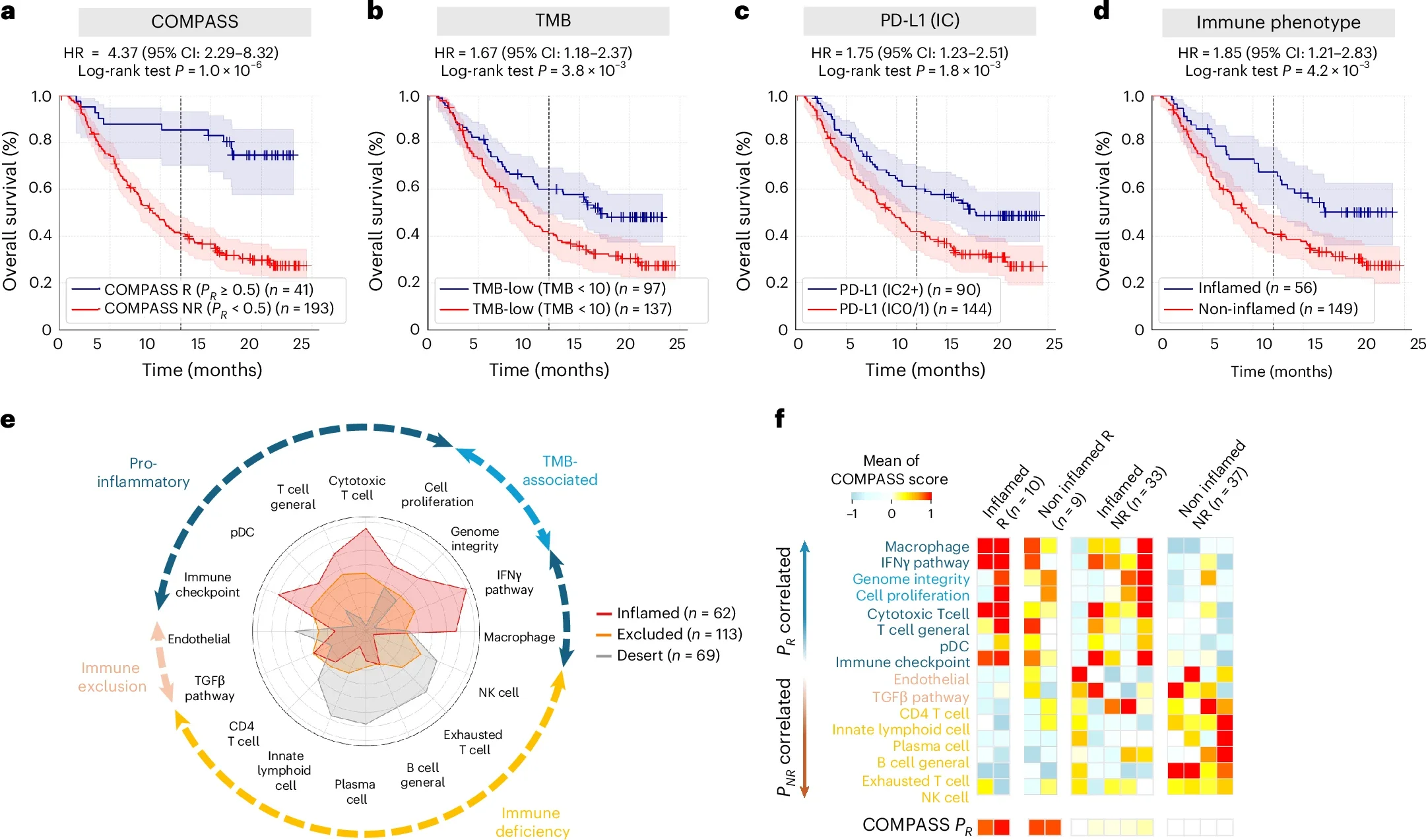
A new study introduces COMPASS, a pan-cancer AI foundation model trained on more than 10,000 tumors across 33 cancer types. Instead of relying on black-box predictions, COMPASS interprets tumor biology through 44 immune-related concepts, including immune cell states, tumor microenvironment interactions, and signaling pathways.
Across 16 independent clinical cohorts spanning 7 cancer types and 6 different immunotherapies, COMPASS outperformed 22 existing prediction methods, improving both predictive accuracy and precision. Patients predicted to respond also had significantly longer overall survival.
Perhaps most interesting, the model doesn’t just predict response—it provides biologically interpretable insights into why tumors may resist immunotherapy, highlighting mechanisms such as TGF-β signaling, endothelial exclusion, CD4⁺ T-cell dysfunction, and B-cell deficiency.
As oncology moves toward precision medicine, AI models like COMPASS may help improve patient selection while also uncovering new therapeutic targets and combination strategies.“
Farhatullah Syed ,(Group Leader and Head of Advanced Cell and Gene Therapy at King Faisal Specialist Hospital and Research Centre.):
” A New Era in Cell Therapy Has Begun.
For years, cell therapy has focused on activating the immune system to destroy disease. Today, the field has taken a remarkable step forward by harnessing the immune system’s natural ability to restore tolerance.
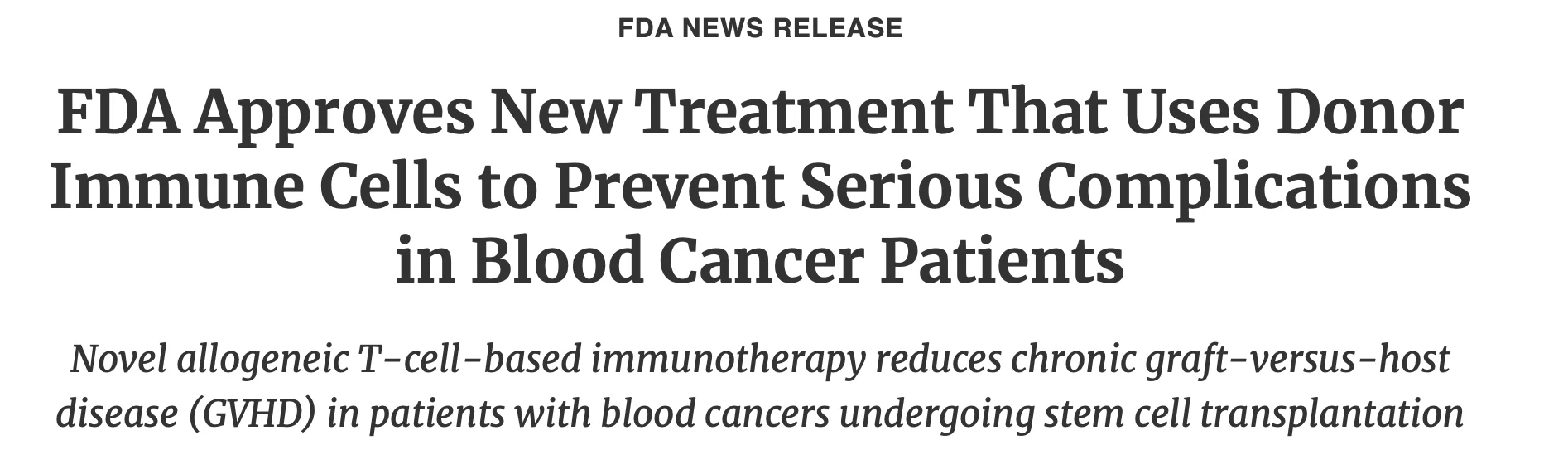
The FDA approval of TREGZI™ (Orca-T) marks the world’s first approved regulatory T cell (Treg) therapy, representing a major milestone in cellular immunotherapy.
Unlike CAR-T therapies, which engineer T cells to attack cancer, Orca-T is a precision-engineered donor graft containing highly purified regulatory T cells (Tregs), CD34⁺ hematopoietic stem cells, and conventional donor T cells in carefully defined proportions. Its goal is not to kill cancer directly, but to rebuild the immune system while dramatically reducing graft-versus-host disease (GVHD) after allogeneic stem cell transplantation.
Clinical trial results were impressive:
78% of patients were alive without moderate-to-severe chronic GVHD at one year, compared with 38% using conventional transplantation.
Preserved graft-versus-leukemia activity.
Improved immune reconstitution with reduced transplant-related complications.
This approval is far more than a new product. It is a proof of concept that precisely regulating immune responses can be as transformative as enhancing them.
The implications extend well beyond hematologic malignancies. This landmark achievement paves the way for next-generation T-reg therapies targeting solid organ transplantation, autoimmune diseases, and immune tolerance, potentially reshaping the future of precision immunotherapy.
The future of cell therapy is no longer just about stronger immunity, it is about smarter immunity.”
Nikos Paragios, (President and Chief Executive Officer at TheraPanacea):
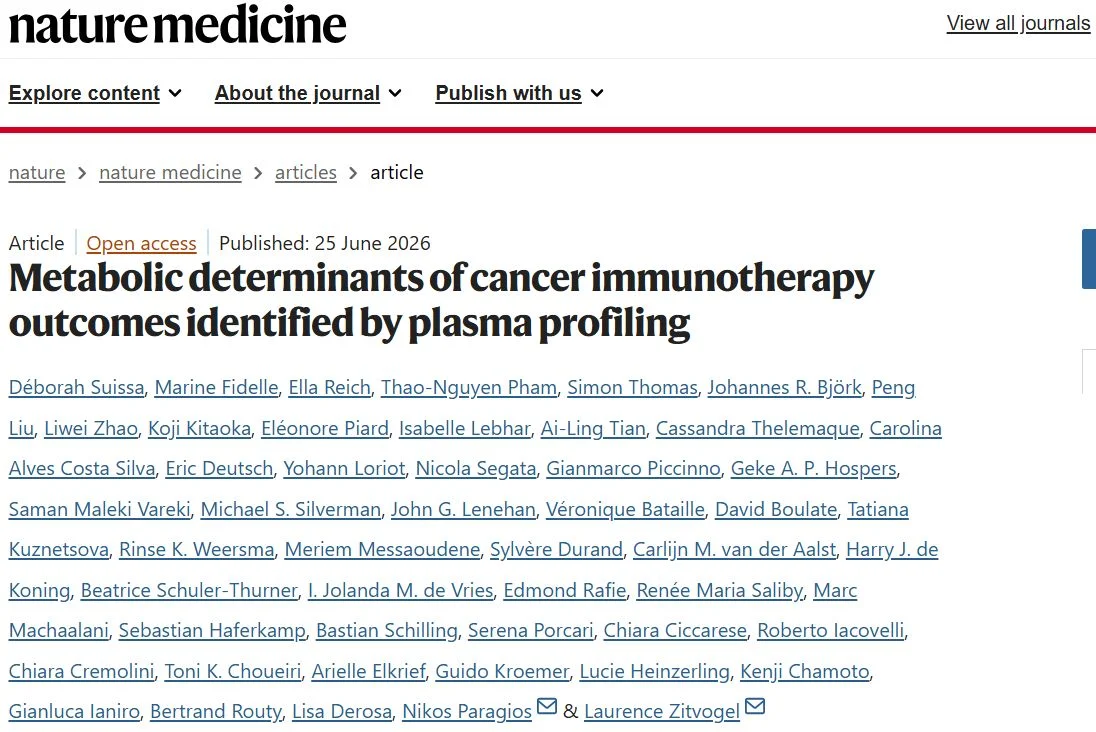
” I’m incredibly proud to see our work “Metabolic determinants of cancer immunotherapy outcomes identified by plasma profiling” with Gustave Roussy, Université Paris-Saclay & INSERM published in Springer Nature, Nature Medicine.
This breakthrough in precision immuno-oncology—identifying plasma metabolic signatures that predict immunotherapy response and uncover actionable biological mechanisms—is the result of one of a kind international collaboration. A humble thank you to Prof. Laurence Zitvogel for her leadership and for involving us in this study. Congratulations to the outstanding junior researchers, Deborah Suissa Meyer, Marine Fidelle and Ella Reich, whose talent, dedication, and scientific efforts made this achievement possible.
At TheraPanacea, we strongly believe that artificial intelligence reaches its full potential only when developed hand in hand with outstanding clinicians and scientists. This work perfectly illustrates that vision. Working on one of the largest longitudinal multimodal datasets in cancer immunotherapy, we combined metabolomics, clinical data, microbiome information and machine learning to identify metabolic determinants associated with immunotherapy outcomes.
Paper available here “
Anuja Deshmukh, (Master of Pharmacy in Biotechnology at Sanjivani College of Pharmaceutical Education and Research, Kopargaon.):
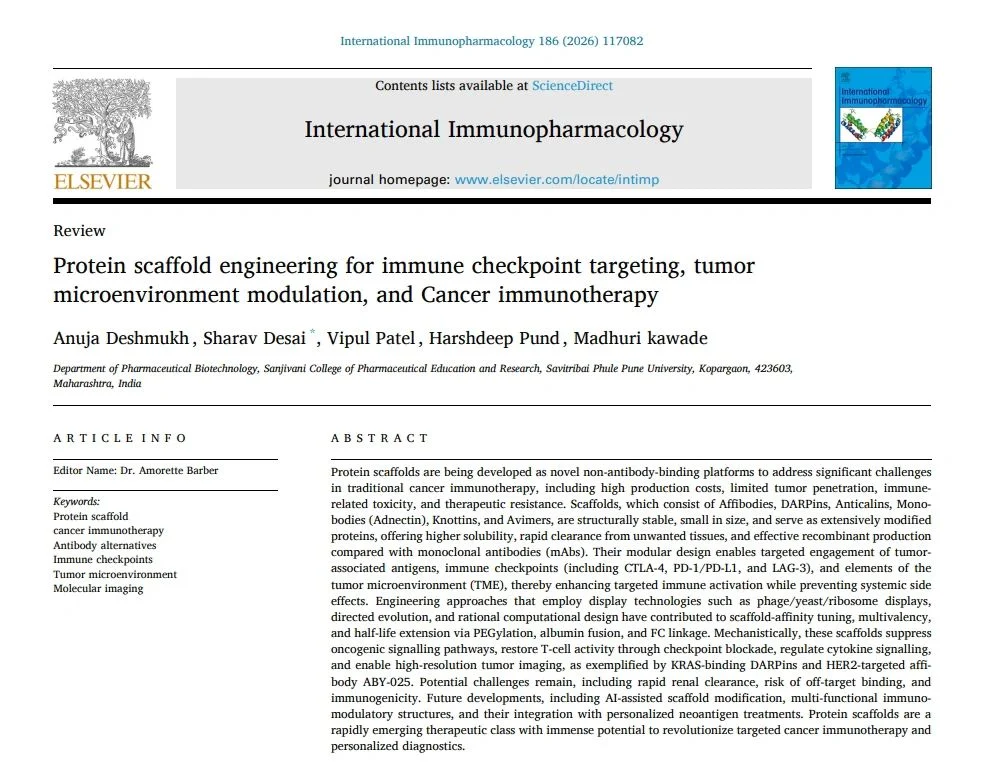
” I am delighted to share the publication of our latest review article, “Protein Scaffold Engineering for Immune Checkpoint Targeting, Tumor Microenvironment Modulation, and Cancer Immunotherapy,” now published in International Immunopharmacology (Elsevier). IF: 5.6.
Read the full article here:
This review explores the emerging role of protein scaffolds as next-generation alternatives to monoclonal antibodies for cancer immunotherapy. It discusses their applications in immune checkpoint targeting, tumor microenvironment modulation, molecular imaging, and targeted drug delivery, while highlighting recent advances, current challenges, and future perspectives in scaffold-based therapeutics.
I would like to express my heartfelt gratitude to our corresponding author and mentor, Dr. Sharav Desai, for his constant guidance and encouragement throughout this work. I am also sincerely thankful to my co-authors, Dr. Vipul Patel, Harshdeep Pund, and Madhuri Kawade, for their valuable contributions and support.”
Rishabh Jain, (Medical Oncologist at AIIMS):
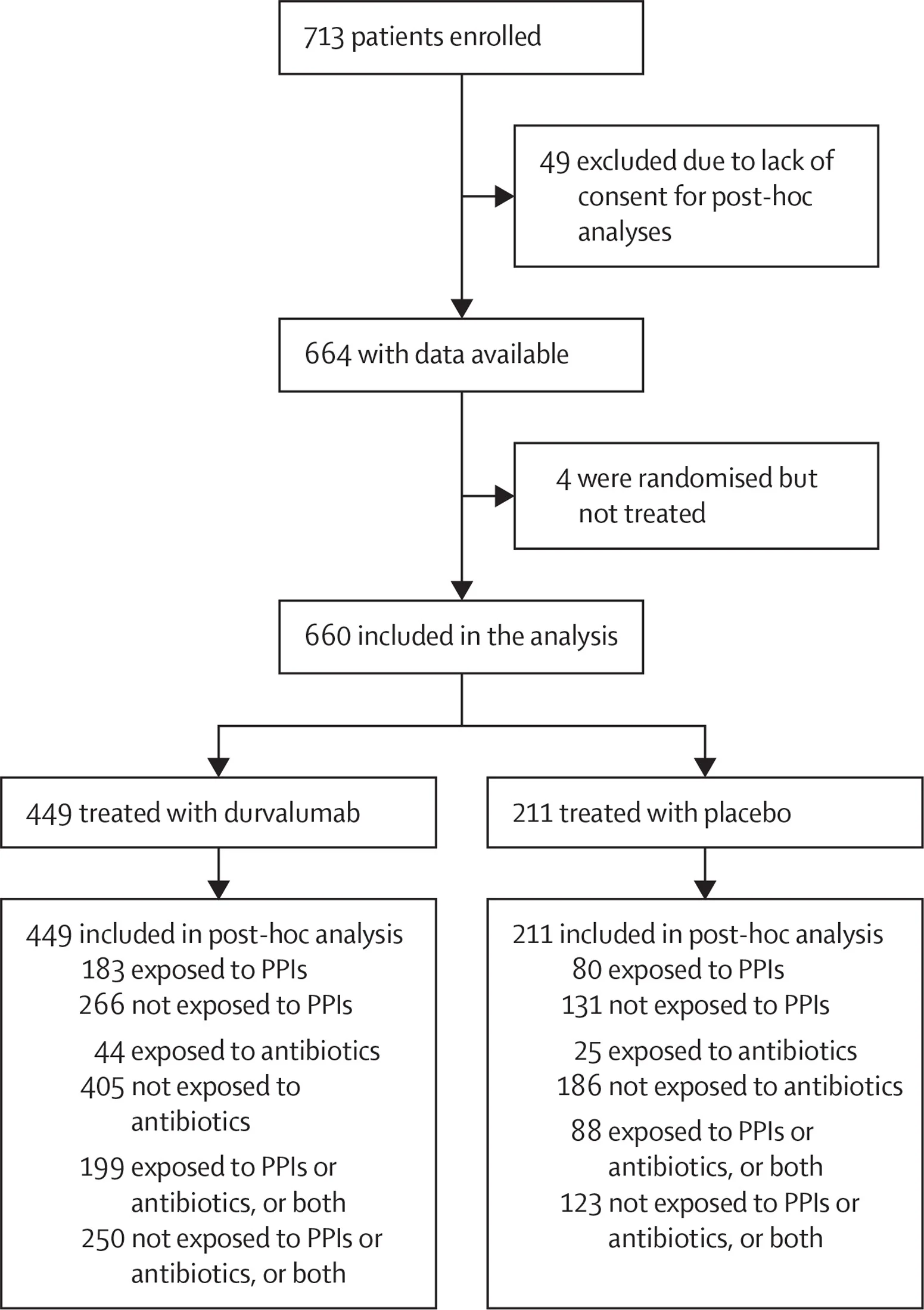
“Differential impact of proton pump inhibitors and antibiotics on immunotherapy efficacy after chemoradiotherapy in locally advanced non-small-cell lung cancer: a post-hoc analysis of the PACIFIC trial – The Lancet Oncology”
Alessandro Di Federico, (Medical Oncologist and Ph.D. student at the University of Bologna):
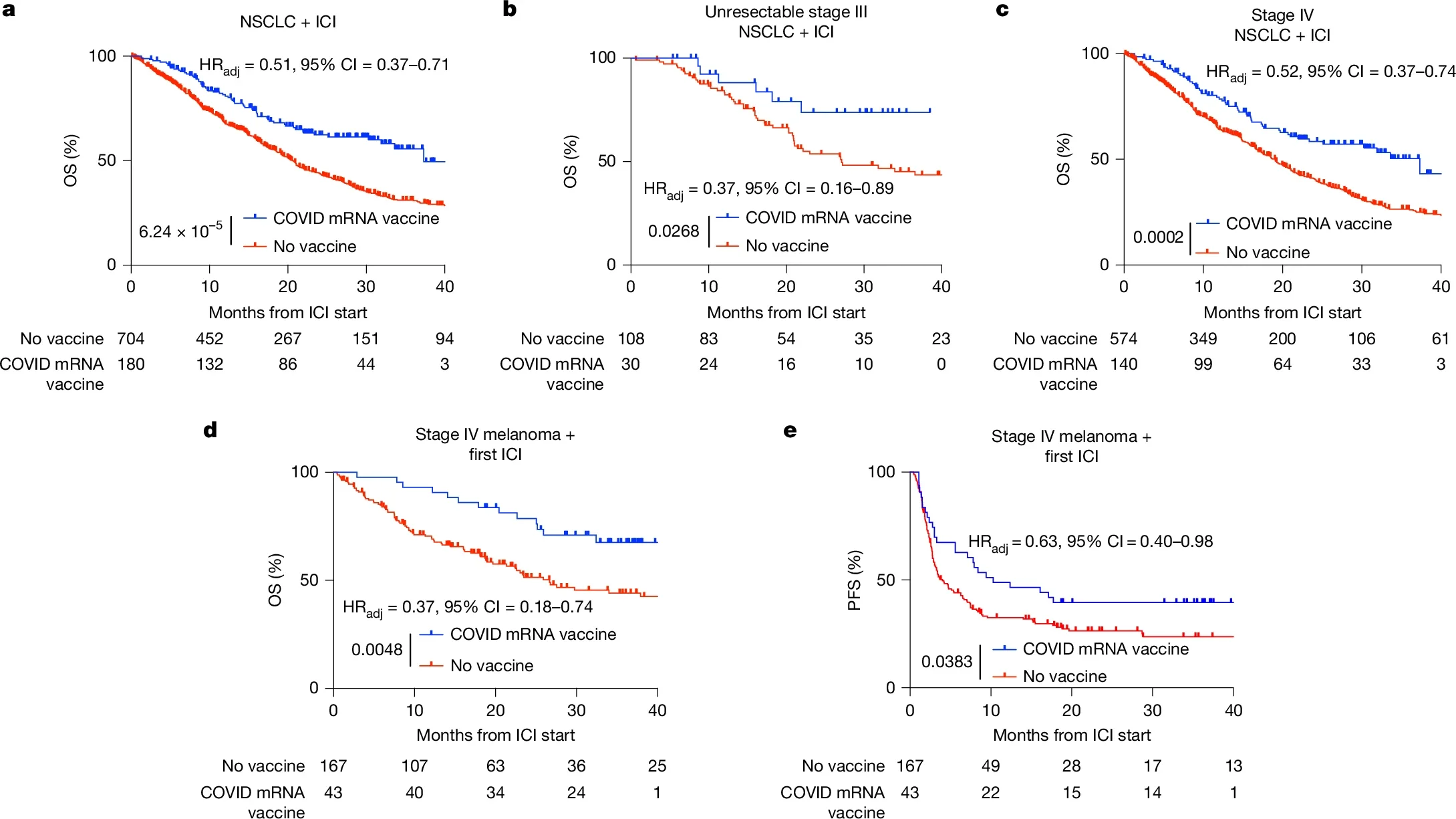
” Link to last year’s nature paper claiming SARS-CoV-2 vaccines boost cancer immunotherapy”
Nageatte Ibrahim, MD, (CEO and Founder of Arc Nouvel, Research Director at HonorHealth Research Institute, and Board-Certified Medical Oncologist.):
” A Major Shift in Muscle-Invasive Bladder Cancer.
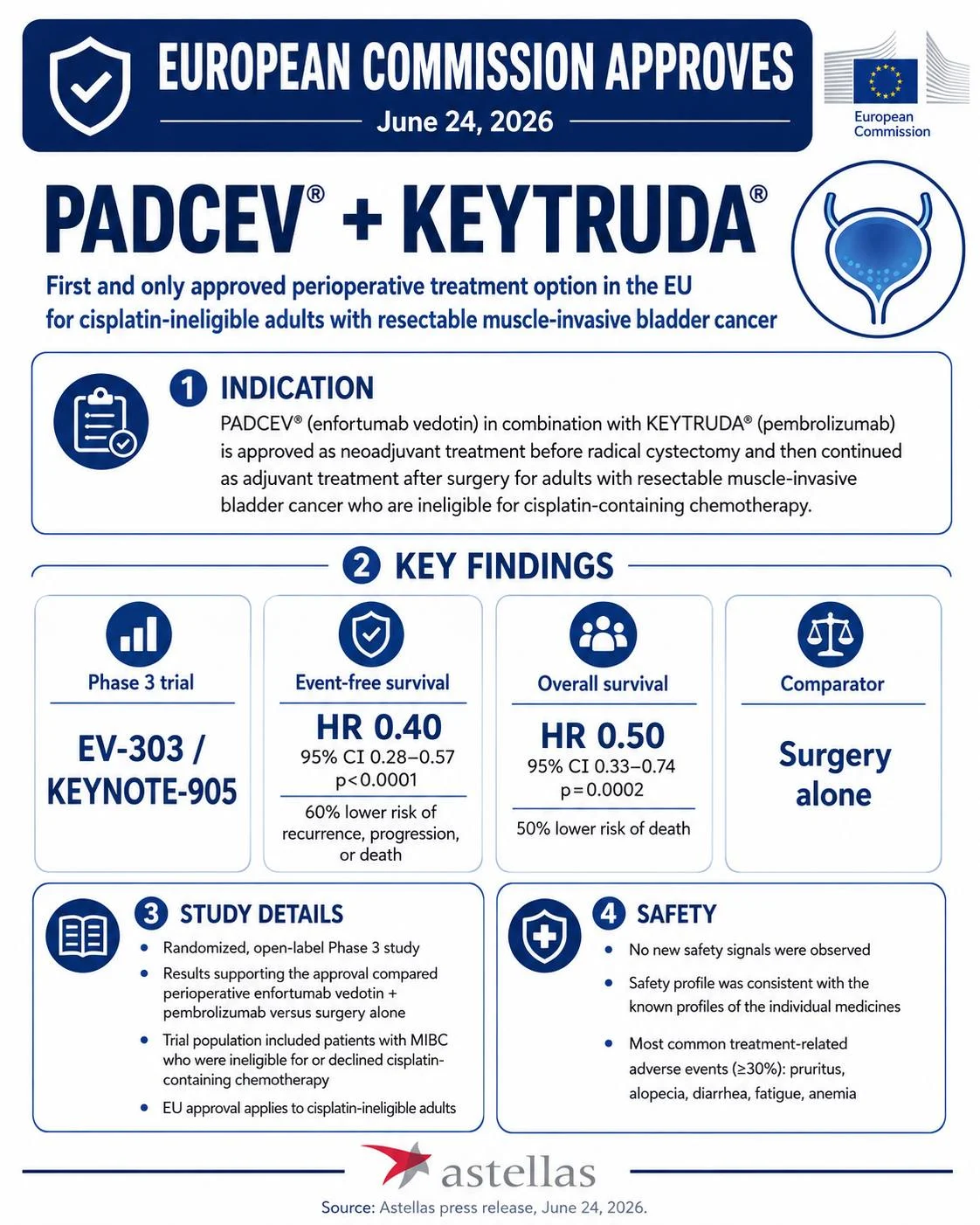
The European Commission has approved PADCEV + KEYTRUDA as the first perioperative treatment option for cisplatin-ineligible adults with resectable muscle-invasive bladder cancer.
In EV-303/KEYNOTE-905, the regimen reduced the risk of recurrence, progression, or death by 60% and the risk of death by 50% versus surgery alone.
The approval closes a major treatment gap for patients who cannot receive cisplatin, but access will depend on what happens next: clear patient-identification pathways, multidisciplinary coordination around surgery, reimbursement decisions, and real-world evidence on implementation, safety, and outcomes across different health systems. “
Santiago Fontes, (Medical Oncologist, Immuno-Oncology Specialist):
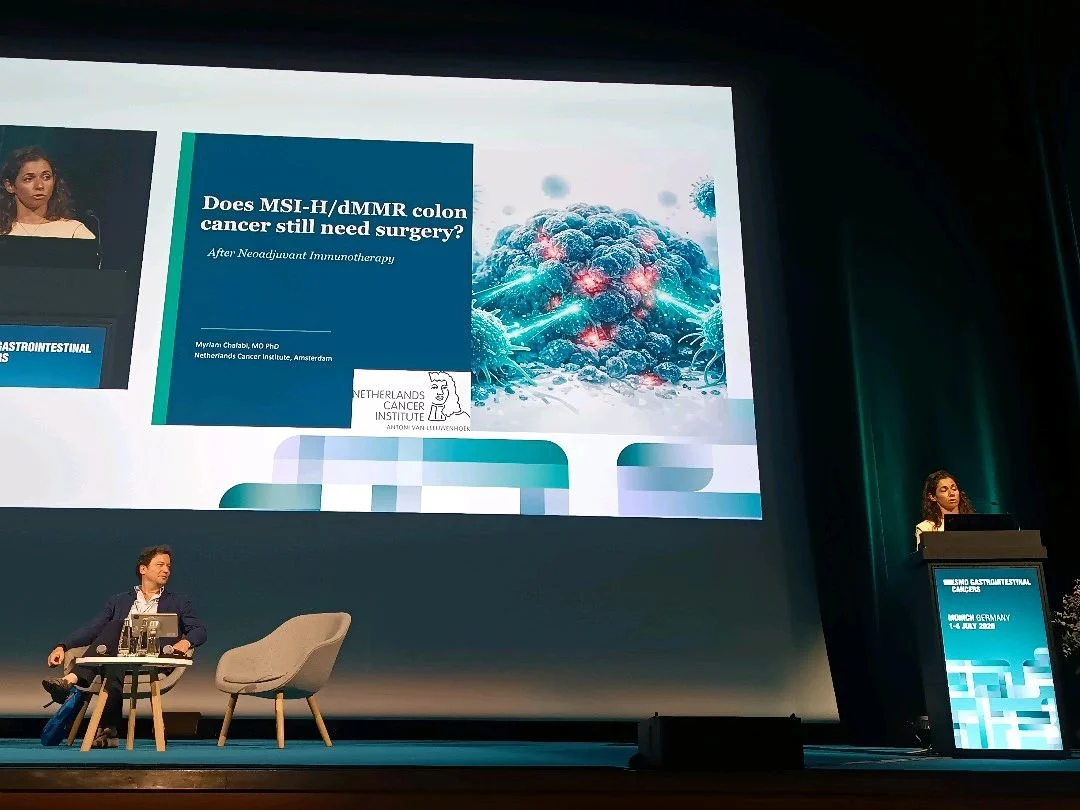
“Challenging the status quo; Does dMMR/MSI High colon cancer still need surgery?
Outstanding lecture today by Myriam Chalabi at ESMO GI, challenging one of the fundamental principles in colon cancer treatment. With the impressive efficacy of immunotherapy in dMMR colon cancer, the question is no longer purely theoretical: can some patients safely avoid surgery?
Exciting data, important discussions, and a reminder that the future of cancer care lies in continually questioning established practice.”
Manisha Singh, (Cancer Immunology Researcher and Assistant Professor at The University of Texas MD Anderson Cancer Center, specializing in cancer immunotherapy and translational oncology.):
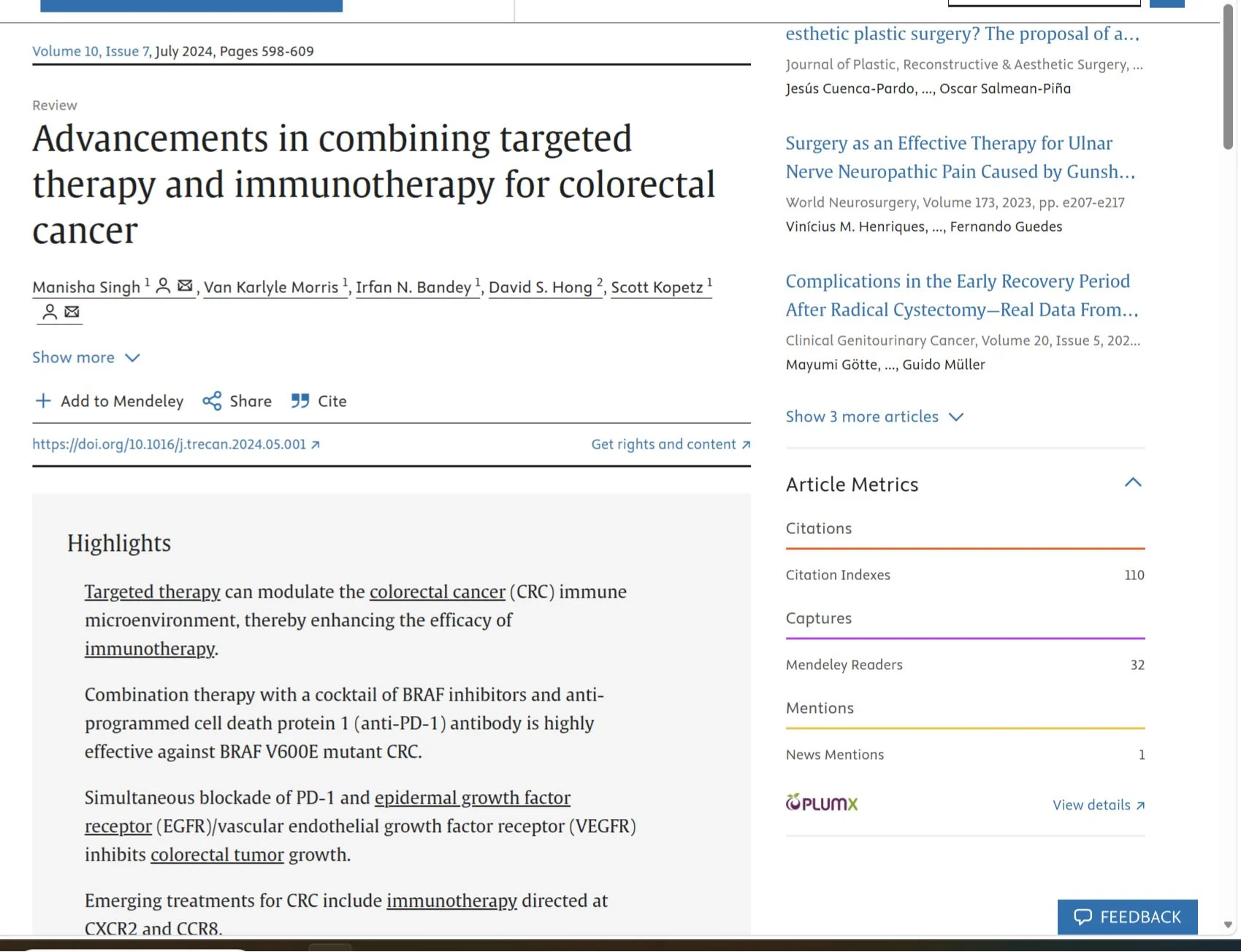
“Combination strategies integrating targeted therapy and immunotherapy are transforming the treatment landscape for colorectal cancer.
I’m delighted to see our review article, “Advancements in Combining Targeted Therapy and Immunotherapy for Colorectal Cancer,” published in July 2024 in Trends in Cancer, continue to contribute to this rapidly evolving field, with 110+ citations in Scopus.
As the first and co-corresponding author, it is incredibly rewarding to see this work recognized by the scientific community. The review highlights emerging combination strategies, predictive biomarkers, and mechanisms to overcome therapeutic resistance, with the goal of advancing more effective and durable treatments for patients with colorectal cancer.
I am sincerely grateful to my co-authors, collaborators, and the many researchers whose continued interest in our work has contributed to its impact. Every citation represents another step toward advancing scientific discovery and improving outcomes for patients.”
Puneet Chandna, (MD, PhD, Precision Medicine and Oncology Advisor, Collaborator at Tata Memorial Centre.):
” Triple-Negative. Triple Challenge. Triple Breakthrough.
For one of the most aggressive breast cancers, often affecting younger women and associated with limited treatment options. The frontline treatment landscape has just taken a significant leap forward. The FDA has approved sacituzumab govitecan (Trodelvy) as first-line therapy, both alone and with pembrolizumab, bringing an antibody-drug conjugate (ADC) into the very first battle against metastatic TNBC. (U.S. Food and Drug Administration)
Patients with advanced triple-negative breast cancer can now receive a more targeted first-line treatment instead of relying solely on conventional chemotherapy. (U.S. Food and Drug Administration)
Every milestone that moves precision medicine earlier in the treatment journey has the potential to improve outcomes where the need is greatest.”
 10 Must-Read Posts in Immuno-Oncology This Week