This week in OncoDaily Immuno-Oncology, the field continued to push the boundaries of cancer immunotherapy — from next-generation checkpoint combinations and programmable mRNA vaccines to breakthroughs in CAR-T therapy for solid tumors and AI-powered biomarker discovery. Highlights include encouraging activity of ficerafusp alpha plus pembrolizumab in HPV-negative head and neck cancer, the first global approval of a CAR-T therapy for a solid tumor, emerging evidence supporting immunotherapy in metastatic penile cancer, and innovative approaches to predict PD-L1 expression using routine CT imaging. Together, these advances underscore a future of more personalized, accessible, and biologically informed immuno-oncology care.

10 Immunotherapy Posts Not To Miss From ASCO 2026
This Week’s Expert Highlights in Immuno-Oncology
Ezra Cohen, (Chief Medical Officer of Oncology at Tempus Labs):
” The notable thing about the combination of ficerafusp alpha and pembrolizumab is the rate of deep PR and CR in HPV-negative disease.
These are often the patients who remain disease free for years and likely drove the median OS of close to two years in this study. We await the phase 3 results with excitement.”
Dikshita Ramse, (Research Associate at MITCON Biotechnology and Pharmaceutical Center, MSc Biotech, Scientific Educator, and Clinical Research Professional):
“EIGHTEENTH EDITION OUT NOW!
Welcome to the latest edition of Biotechnology Insights!
𝗢𝗻𝗰𝗼𝗹𝘆𝘁𝗶𝗰 𝗩𝗶𝗿𝘂𝘀 𝗧𝗵𝗲𝗿𝗮𝗽𝘆: 𝗪𝗵𝗲𝗻 𝗩𝗶𝗿𝘂𝘀𝗲𝘀 𝗕𝗲𝗰𝗼𝗺𝗲 𝗖𝗮𝗻𝗰𝗲𝗿 𝗙𝗶𝗴𝗵𝘁𝗲𝗿𝘀
What if the same viruses that are usually associated with infections could actually help in treating cancer?
Sounds futuristic, right?
But modern biotechnology is making it possible.Oncolytic Virus Therapy is one of the most exciting breakthroughs in cancer immunotherapy, where genetically engineered viruses are designed to selectively infect and destroy cancer cells while sparing healthy tissues. Even more fascinating is their ability to activate the immune system against tumors, making them powerful tools in next-generation cancer treatment.
In this edition, we explore how these engineered viruses are transforming the future of oncology:
How Oncolytic Viruses Selectively Target Cancer Cells
Mechanism of Tumor Cell Destruction & Immune Activation
Types of Oncolytic Viruses Used in Cancer Therapy
Role of Genetic Engineering in Virotherapy
FDA-Approved Therapy: T-VEC for Melanoma
If you’re a student, researcher, biotech enthusiast, or someone curious about the future of cancer treatment and biotechnology innovations—this edition is for you!”

Jerome Cabeau (Business Development Manager at Thermo Fisher Scientific):
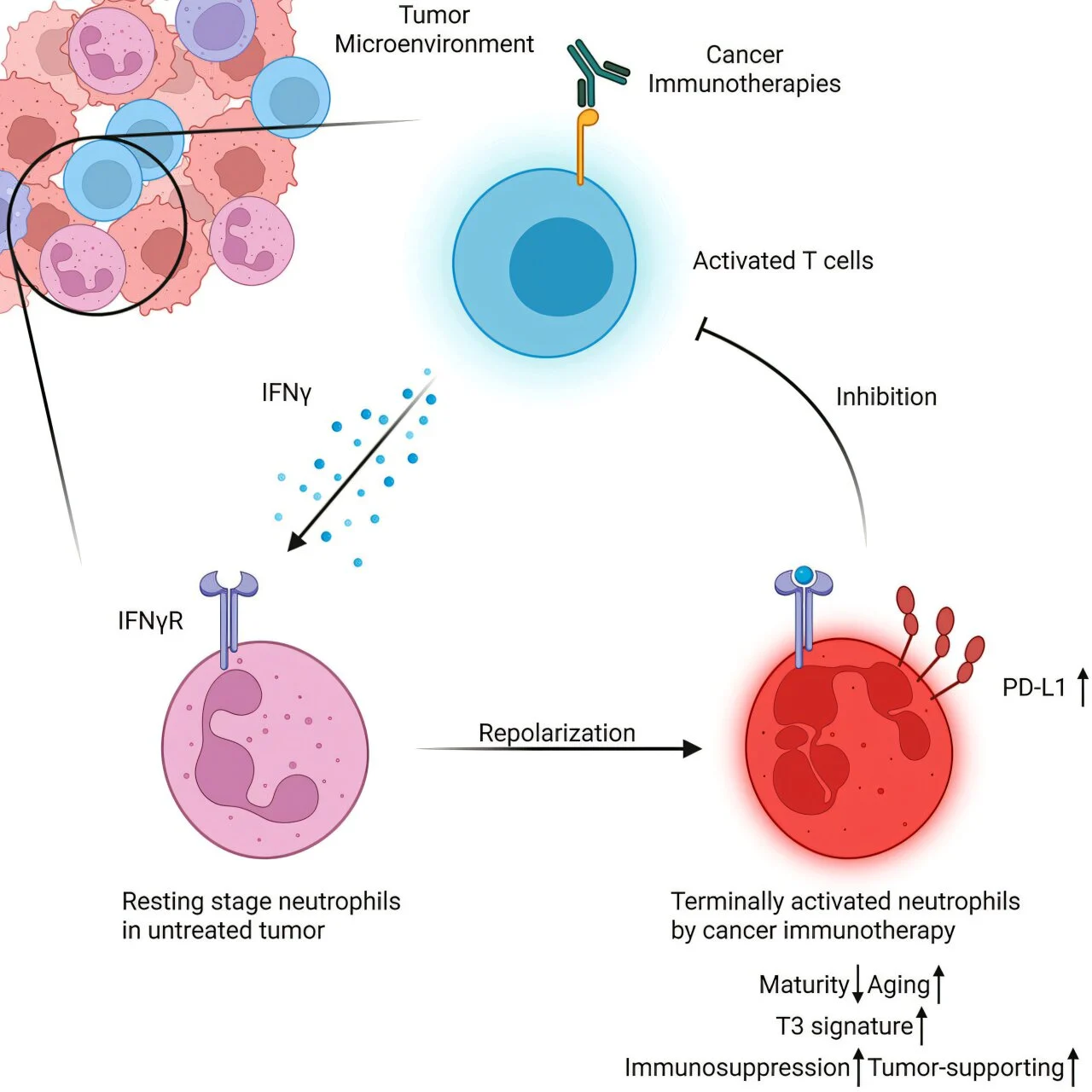
“Certain white blood cells in the immune system, known as neutrophils, can make cancer immunotherapy less effective, according …”
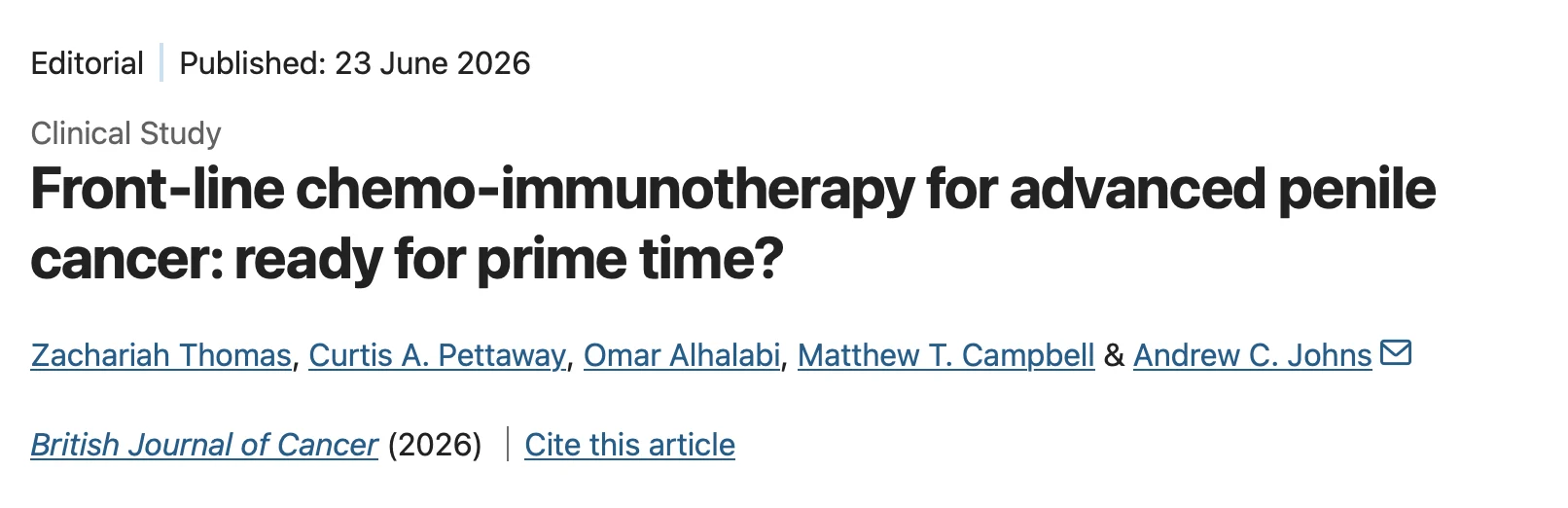
Zachariah Thomas, (Postdoctoral Research Fellow at The University of Texas MD Anderson Cancer Center and former Junior Resident at Christian Medical College Vellore):
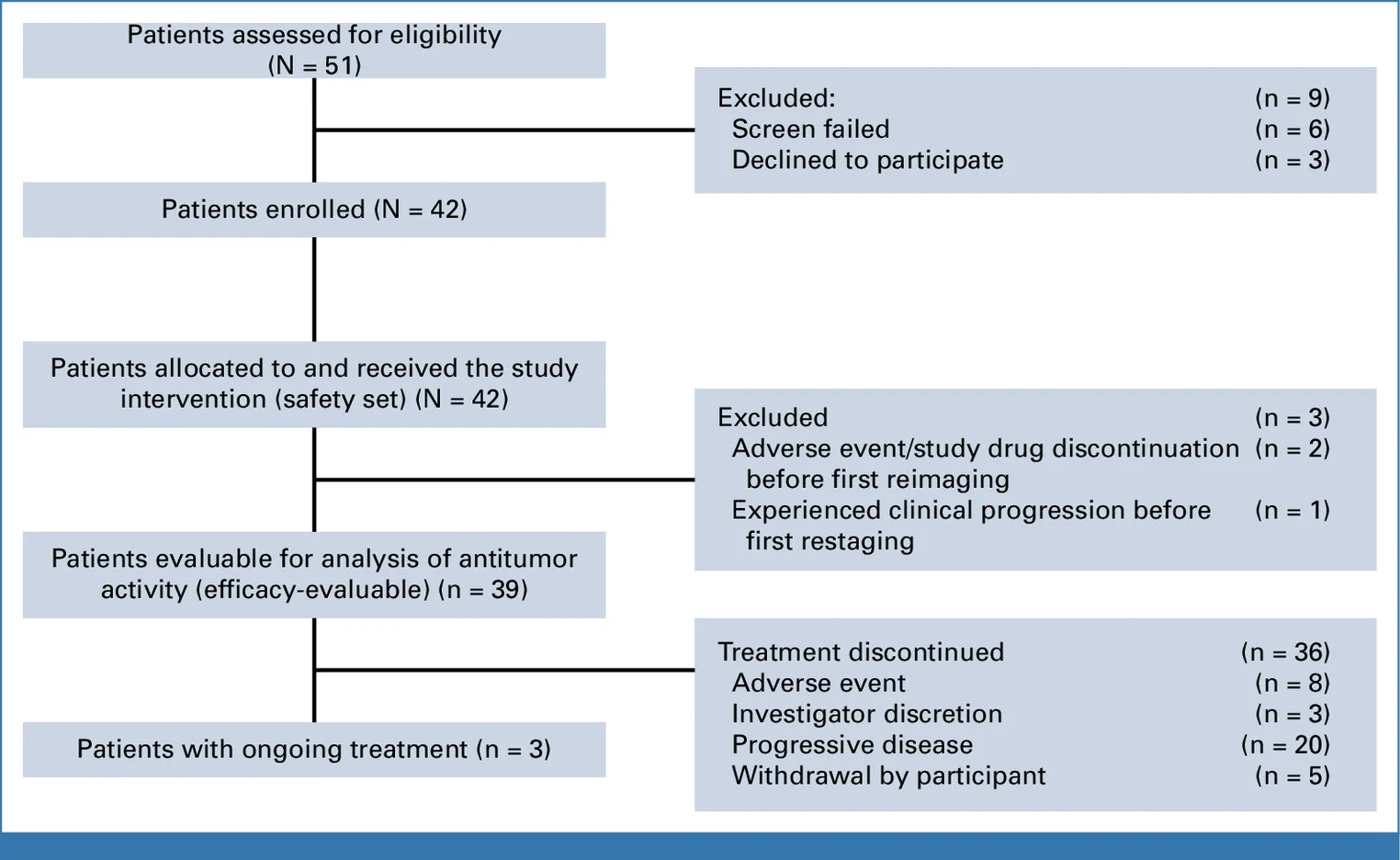
“Can immunotherapy change the outlook for metastatic penile cancer?
In this editorial, we review a recent trial, summarize the current evidence for immunotherapy, and discuss ongoing studies that could redefine treatment for this rare and challenging disease. “
Rishabh Jain, (Medical Oncologist at AIIMS):
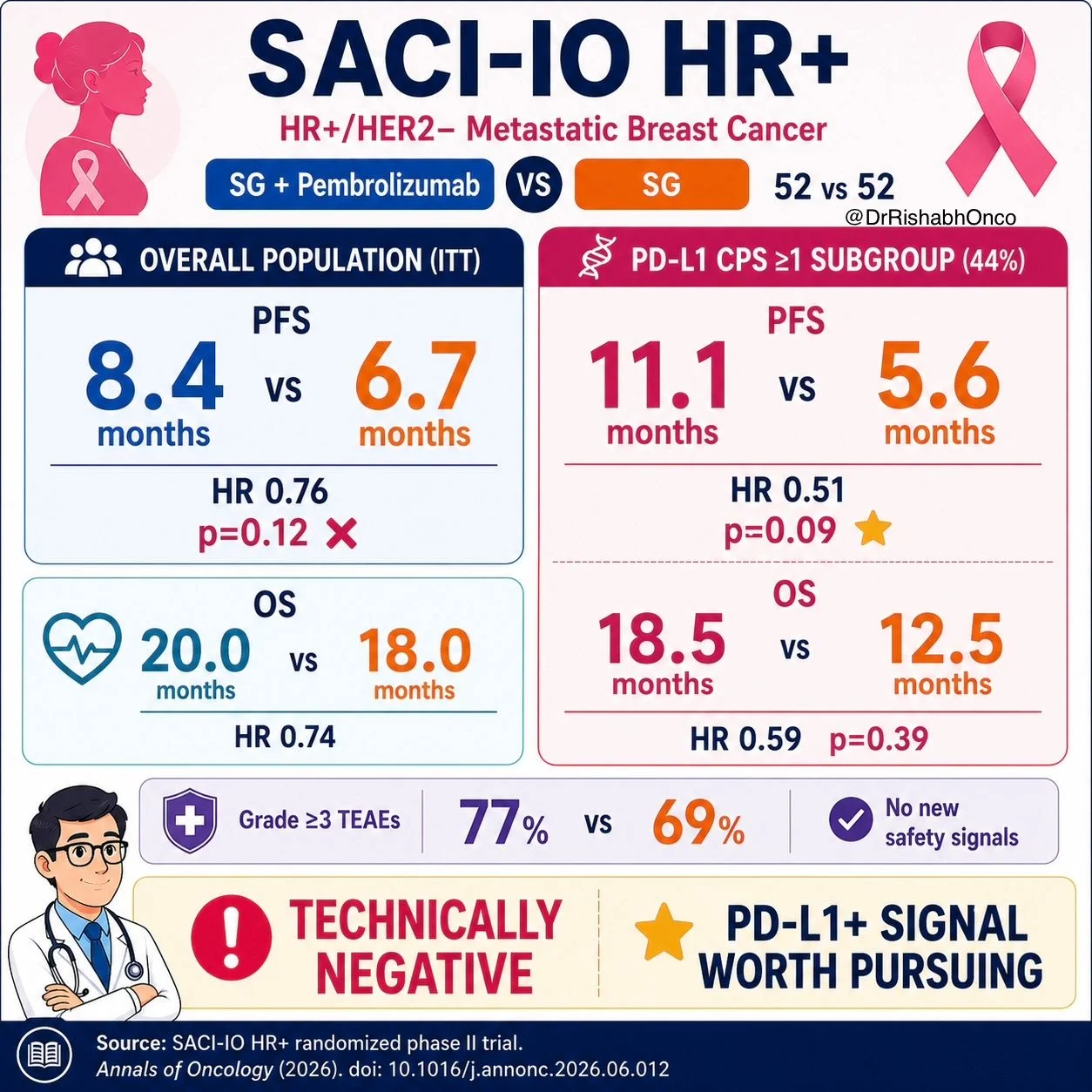
“Could the future of immunotherapy in HR+ breast cancer depend more on patient selection than the drug itself?
The SACI-IO HR+ trial evaluated:
Sacituzumab Govitecan + Pembrolizumab
Sacituzumab Govitecan alone
In patients with HR+/HER2− metastatic breast cancer who were:
• Endocrine therapy pretreated
• Received 0–1 prior chemotherapy for metastatic disease
• Had no prior TOP1 ADC or PD-(L)1 inhibitor exposurePrimary endpoint: Progression-Free Survival (PFS)
In the overall population:
• PFS: 8.4 vs 6.7 months (HR 0.76, p=0.12)
• OS: 20.0 vs 18.0 months (HR 0.74)
• ORR: 28.8% vs 19.2%However, in the PD-L1 CPS ≥1 subgroup (44% of patients):
PFS: 11.1 vs 5.6 months (HR 0.51)
OS: 18.5 vs 12.5 months (HR 0.59)
DOR: 12.9 vs 4.5 months
Grade ≥3 treatment-emergent adverse events occurred in 76.9% vs 69.2% of patients, with no new safety signals observed.
Verdict: Formally negative.
But a 5.5-month PFS improvement and a 6-month OS improvement in PD-L1-positive disease is hard to ignore.
Maybe the challenge is not finding the right combination.
Maybe it’s finding the right patient.”
Muzaffar Qazilbash, (Director of Myeloma Transplantation and Cellular Therapy at MD Anderson Cancer Center):
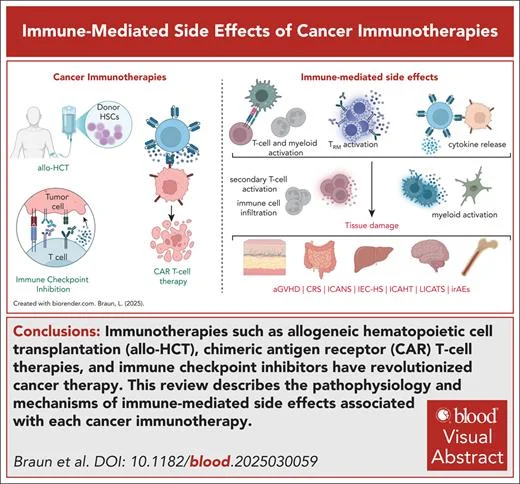
“Immune-mediated side effects of cancer immunotherapies“
Nico Gagelmann, (Hematologist at University Hospital Hamburg-Eppendorf, Young National Society Ambassador at European Hematology Association (EHA), and Chair of the CAR-T for plasma cell disorder committee at The EBMT):
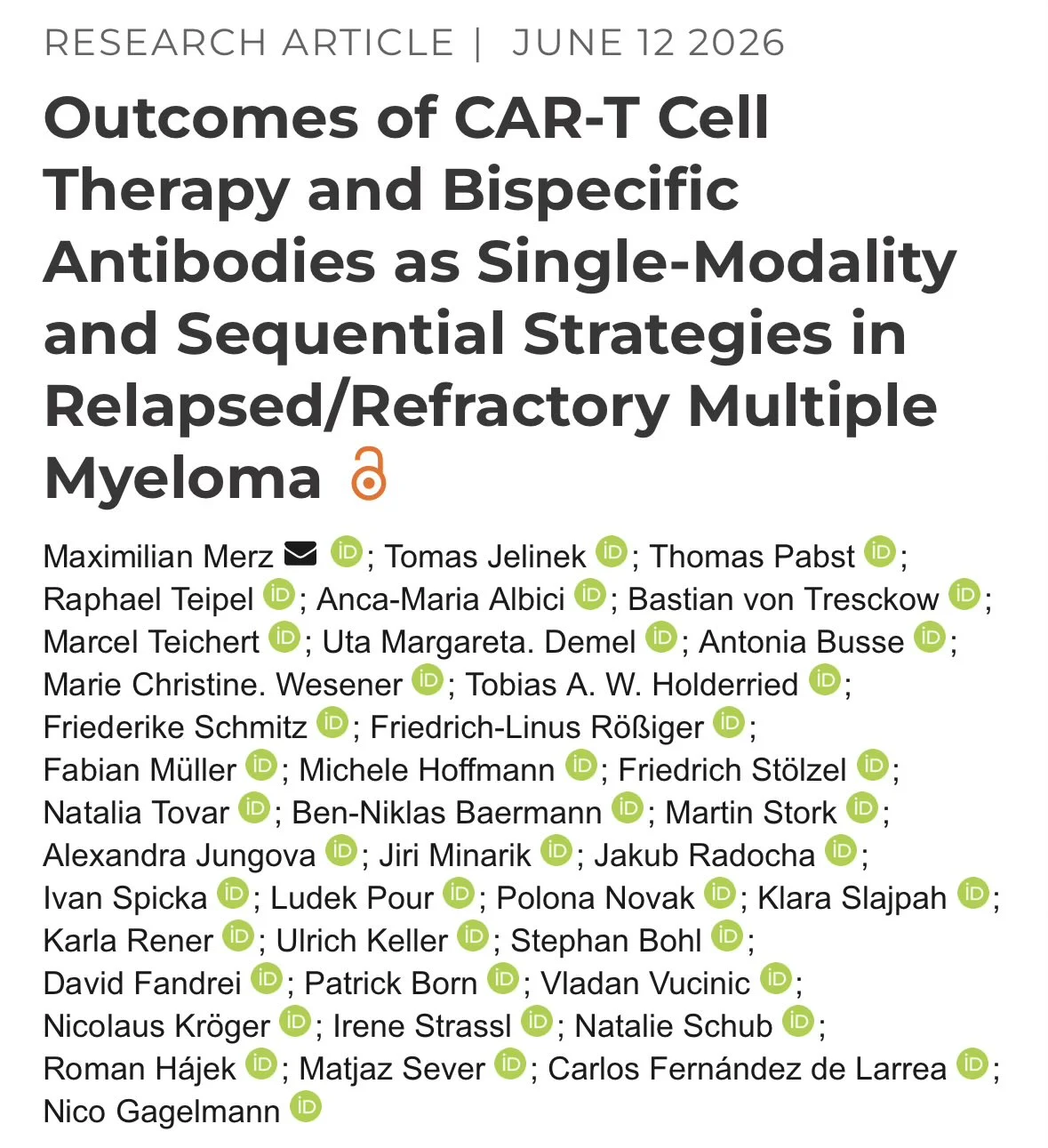
“CAR-T and bispecific antibodies for relapsed/refractory multiple myeloma”
Joe Y Chang, (Professor and Clinical Section Chief at MD Anderson Cancer Center):
“How to predict PD-L1 expression level without biopsy for your patients?
Houston, We Have a Solution.
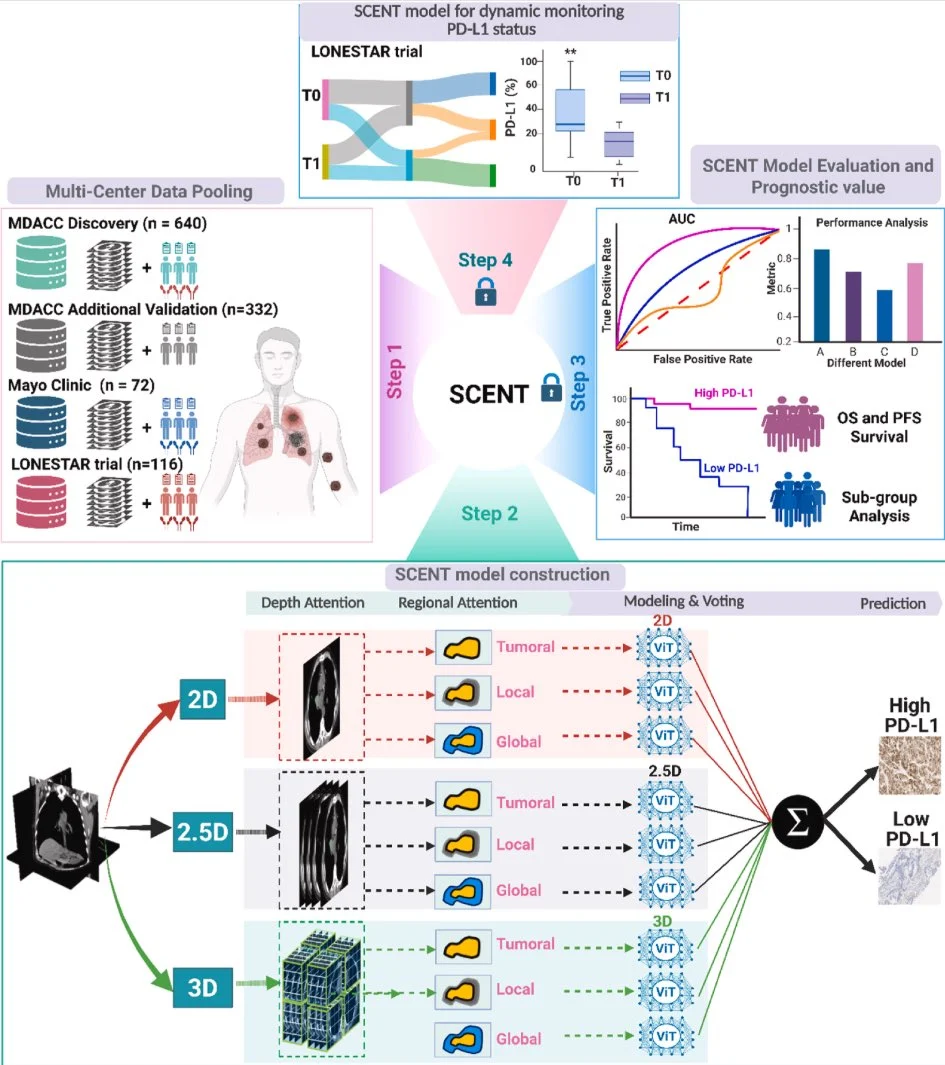
We just published “Deep Learning of CT Imaging Predicts PD-L1 Expression and Immunotherapy Response in Metastatic NSCLC: A Multi-Center Study” in Cancer Letters by team leader Jia Wu, PhD.
SCENT, an ensemble transformer model, predicts PD-L1 (≥50% vs <50%) from routine CT as a noninvasive virtual biopsy in metastatic NSCLC.
SCENT achieved strong discrimination for PD-L1 status in the MDACC cohort (AUC 0.84) and generalized it to external cohorts:
• Mayo cohort (AUC 0.80)
• LONESTAR trial cohort (AUC 0.78)SCENT-derived PD-L1 stratified immunotherapy outcomes and was associated with both:
• PFS (HR 1.49)
• OS (HR 1.40)Performance was comparable to tissue PD-L1 IHC.
How to predict PD-L1 expression without a biopsy may no longer be a future question. SCENT demonstrates that routine CT imaging can provide clinically meaningful information about PD-L1 status and immunotherapy outcomes in metastatic NSCLC.”
Frank Nocken, (Life Science and Healthcare Enthusiast passionate about Innovation.):
“In a landmark advance for cellular immunotherapy, CARsgen Therapeutics has received regulatory approval in China for satricabtagene autoleucel (satri-cel; CT041), the first CAR-T cell therapy globally approved for the treatment of a solid tumor.
Satri-cel is an autologous CAR-T therapy that targets CLDN18.2, a stomach-specific tight-junction protein that is highly expressed in gastric and pancreatic cancers but has limited expression in normal tissues. The therapy uses a humanized anti-CLDN18.2 CAR construct that is linked to CD28 and CD3ζ signaling domains, which allows for targeted elimination of tumor cells.”

Aliyu Hussaini, (Cancer Biologist, Epidemiologist, Researcher, and Educator):
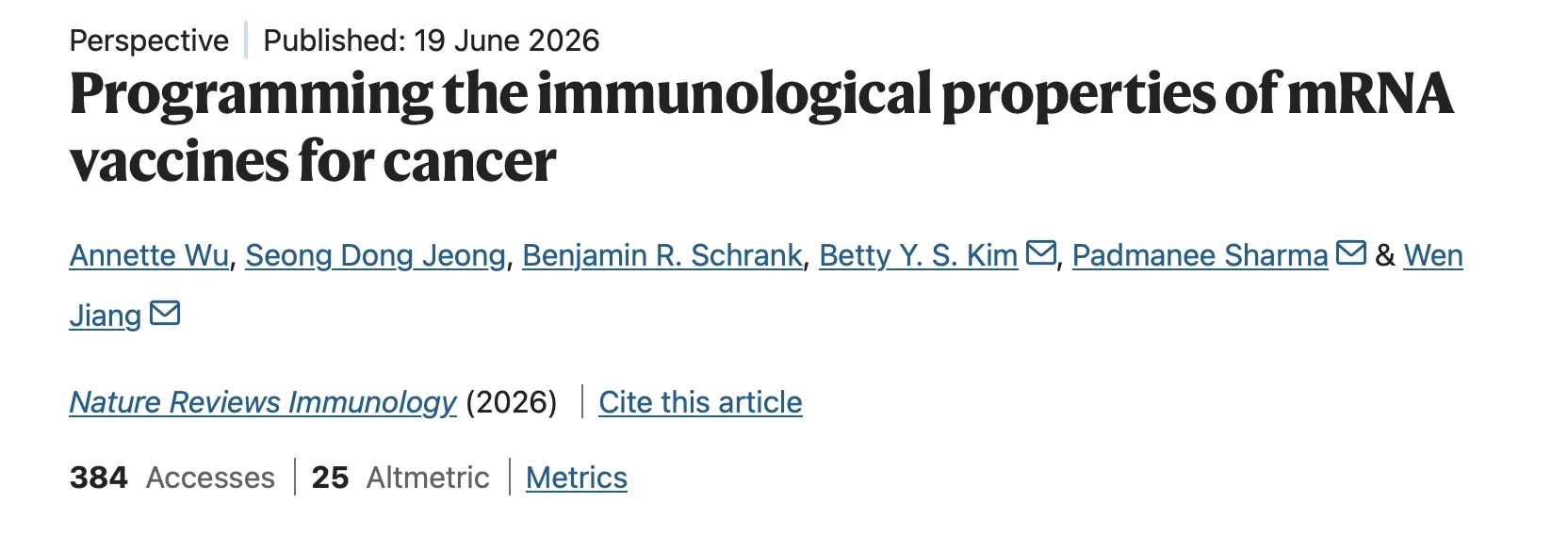
“Can the cancer vaccines be programmed as precisely as computer software?
A review in Nature Reviews Immunology explores how scientists are learning to program the immunological properties of mRNA cancer vaccines, moving beyond simply delivering tumor antigens to precisely shaping the immune response they generate. The authors describe how mRNA sequence design, nucleotide modifications, delivery systems, and formulation strategies can be engineered to control antigen expression, immune activation, and T-cell responses. In essence, the vaccine itself becomes a customizable platform capable of directing the immune system toward more potent and durable anti-tumor activity.
This represents a major shift in cancer immunotherapy. Rather than treating mRNA as a passive carrier of genetic information, researchers are increasingly viewing it as an active tool for immune engineering. By fine-tuning vaccine components, it may be possible to overcome immune suppression, enhance tumor-specific immunity, and improve patient responses across a range of cancers. The review highlights how lessons learned from the rapid development of COVID-19 vaccines are now accelerating innovation in oncology.
Perhaps the most exciting idea from this review is that mRNA vaccines are becoming programmable medicines therapies whose biological effects can be engineered at the molecular level to generate the exact immune response needed to fight cancer.
Wu, A., Jeong, S.D., Schrank, B.R. et al. Programming the immunological properties of mRNA vaccines for cancer. Nat Rev Immunol (2026).”