ASCO 2026 brought together the global oncology community for several days of groundbreaking research, practice-changing clinical data, and discussions that continue to shape the future of cancer immunotherapy. From personalized cancer vaccines and antibody-drug conjugates to novel checkpoint inhibitor combinations and biomarker-driven treatment strategies, immunotherapy remained at the center of many of the meeting’s most important presentations.
To capture some of the most insightful perspectives shared during the congress, we selected 10 immunotherapy posts from ASCO 2026 not to miss. These posts highlight key clinical trials, expert interpretations, emerging treatment approaches, and meaningful discussions across melanoma, lung cancer, hepatocellular carcinoma, bladder cancer, and other tumor types. Together, they offer a concise overview of some of the most exciting immunotherapy developments presented at one of the world’s leading oncology meetings.
15 Posts Not To Miss From ASCO 2026
Adnan Khattak (Consultant Medical Oncologist at Fiona Stanley Hospital and Hollywood Private Hospital):
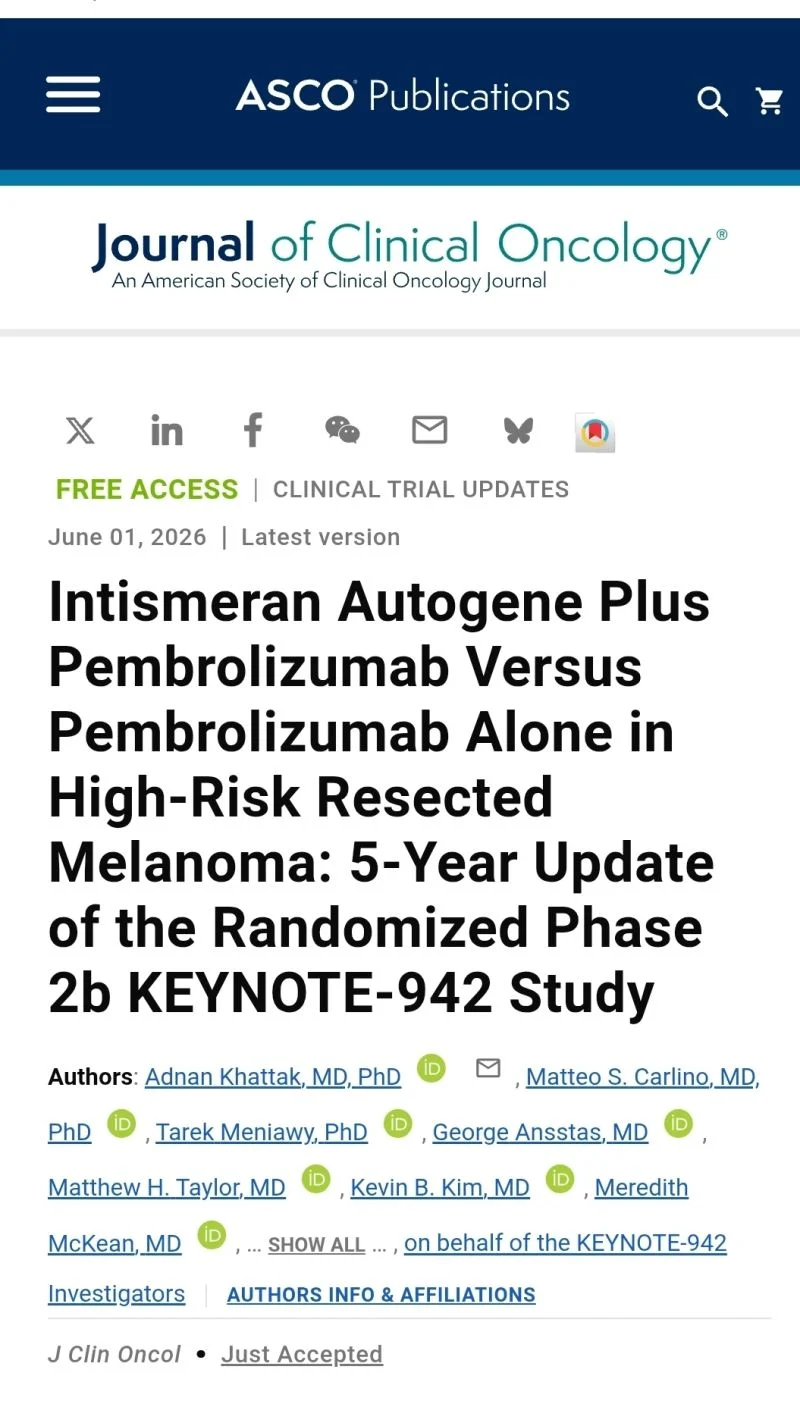
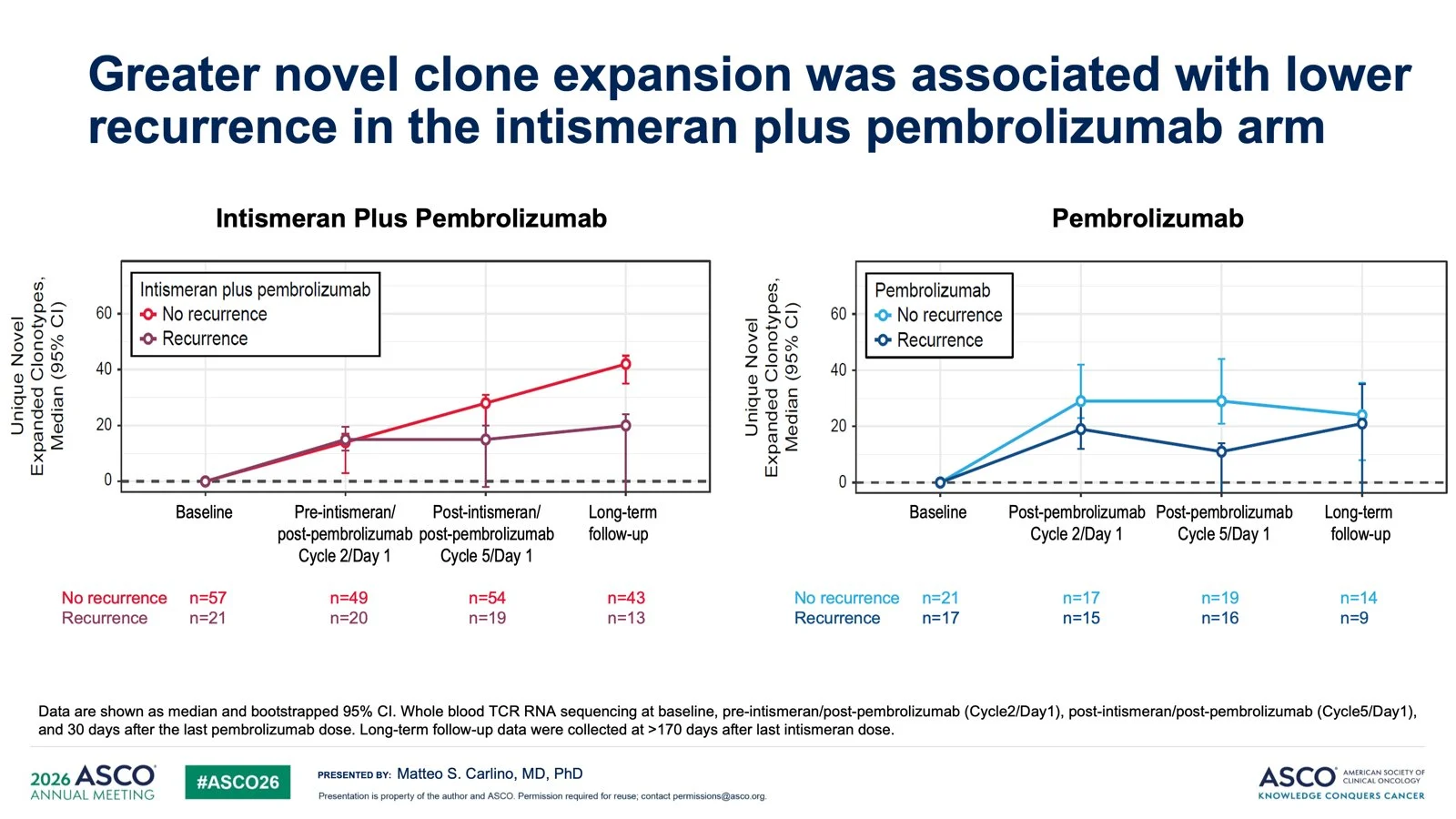
“Hot off the press from American Society of Clinical Oncology (ASCO) 2026 in Chicago: Published in JCO: 5-Year Personalized Cancer Vaccine (PCV) Data of the randomized Phase 2b KEYNOTE-942 study evaluating intismeran autogene (mRNA-4157/V940) plus pembrolizumab versus pembrolizumab alone in high-risk resected melanoma.
Being the first author on this manuscript is a privilege, but more importantly it represents the collective efforts of patients, investigators especially Azim Khan, research coordinators especially Aadesh Upadhyay, clinical trials team at One Clinical Research, sponsors, and clinical teams across the world who have helped advance the field of PCVs.
This study provides one of the longest follow-up datasets available for a PCV and continues to contribute valuable insights into the potential role of individualized neoantigen-directed immunotherapy (INT) in melanoma.
At our Western Australian site One Clinical Research, we remain deeply committed to ensuring patients have access to innovative therapies and clinical trials across a broad range of cancers. We are particularly proud to have become one of the most experienced centres globally in the delivery of PCV trials across a range of tumours including melanoma, lung cancer, and other solid tumours.
While these long-term results are encouraging, the oncology community now awaits with great interest the outcomes of the pivotal Phase 3 INTerpath-001 study, which will further define the role of PCVs in routine cancer care.
Most importantly, my sincere gratitude goes to the patients and their families. Their willingness to participate in research is what allows us to generate evidence today that may improve outcomes for future generations of cancer patients.
A special acknowledgment to the outstanding collaboration between One Clinical Research, MSD, MSD Australia and New Zealand and Moderna, whose partnership has helped bring cutting-edge cancer research to cancer patients in Western Australia.”
Nabil Ismaili (Director of the Department of Medical Oncology and Radiotherapy at Mohammed VI University of Sciences and Health):
” ASCO 2026 – highlight
TACE + immunotherapy: a new frontier in intermediate‑stage HCC?
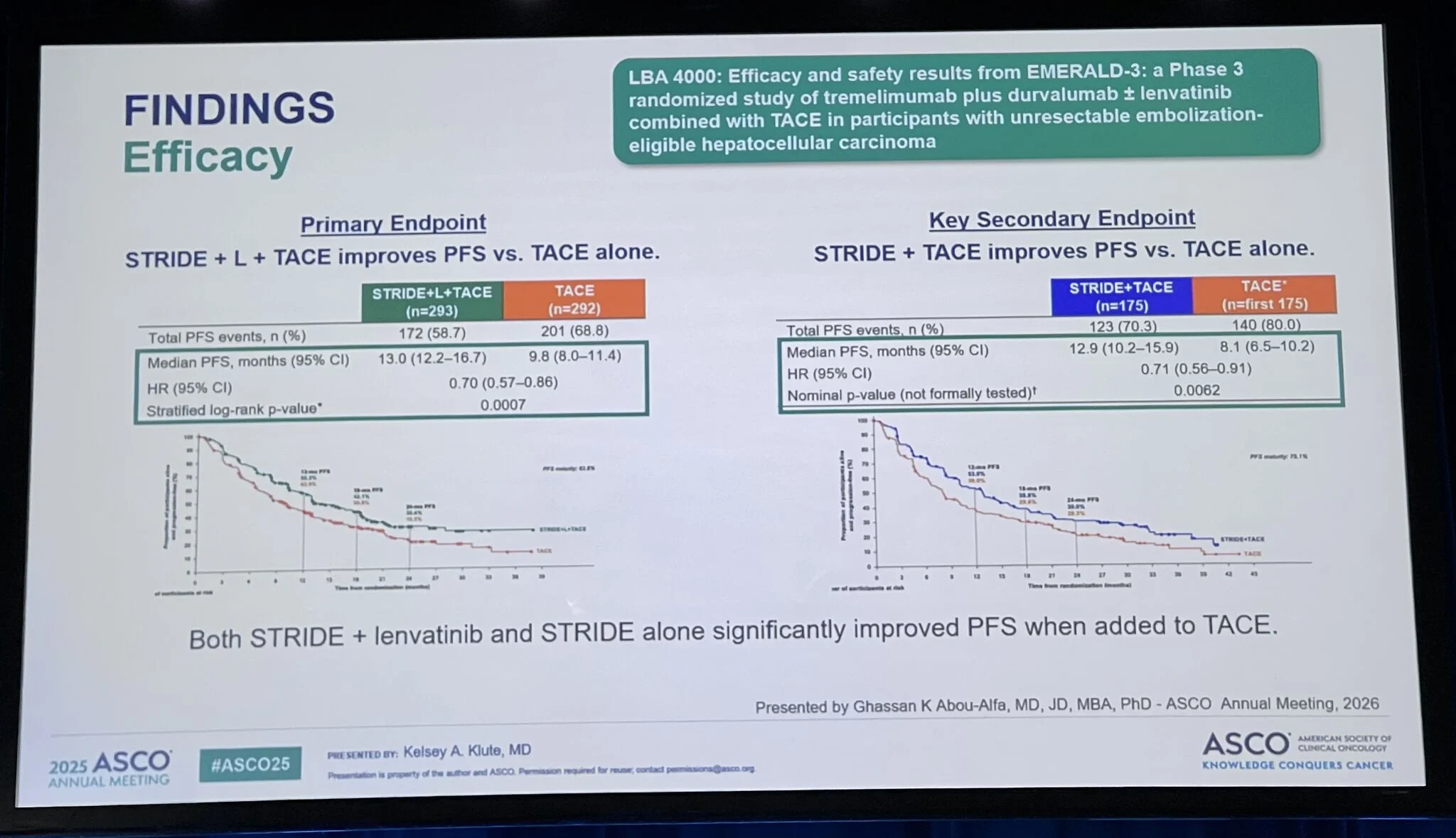
The phase 3 EMERALD-3 trial (LBA 4000) evaluated adding STRIDE (tremelimumab + durvalumab) ± lenvatinib to TACE in patients with liver‑limited, unresectable HCC.
Key PFS results:
- STRIDE + L + TACE → HR 0.70 vs TACE alone (median 13.0 vs 9.8 mo)
- STRIDE + TACE → HR 0.71 vs TACE alone (median 12.9 vs 8.1 mo)
OS data are immature but trends encouraging (STRIDE + TACE: HR 0.70, nominal p=0.023).
Trade‑off: Grade 3‑4 AEs occurred in 64‑71% of STRIDE arms vs 28% with TACE alone. No QOL data reported yet.
Open questions:
- Lenvatinib adds toxicity without clear added benefit (not formally tested vs STRIDE alone)
- Mature OS and QOL data needed before routine use
Bottom line: Practice‑changing? Probably – but proceed with careful patient selection and shared decision‑making.”
David Heredia (Head of the Oncology Department at Punta Medica):
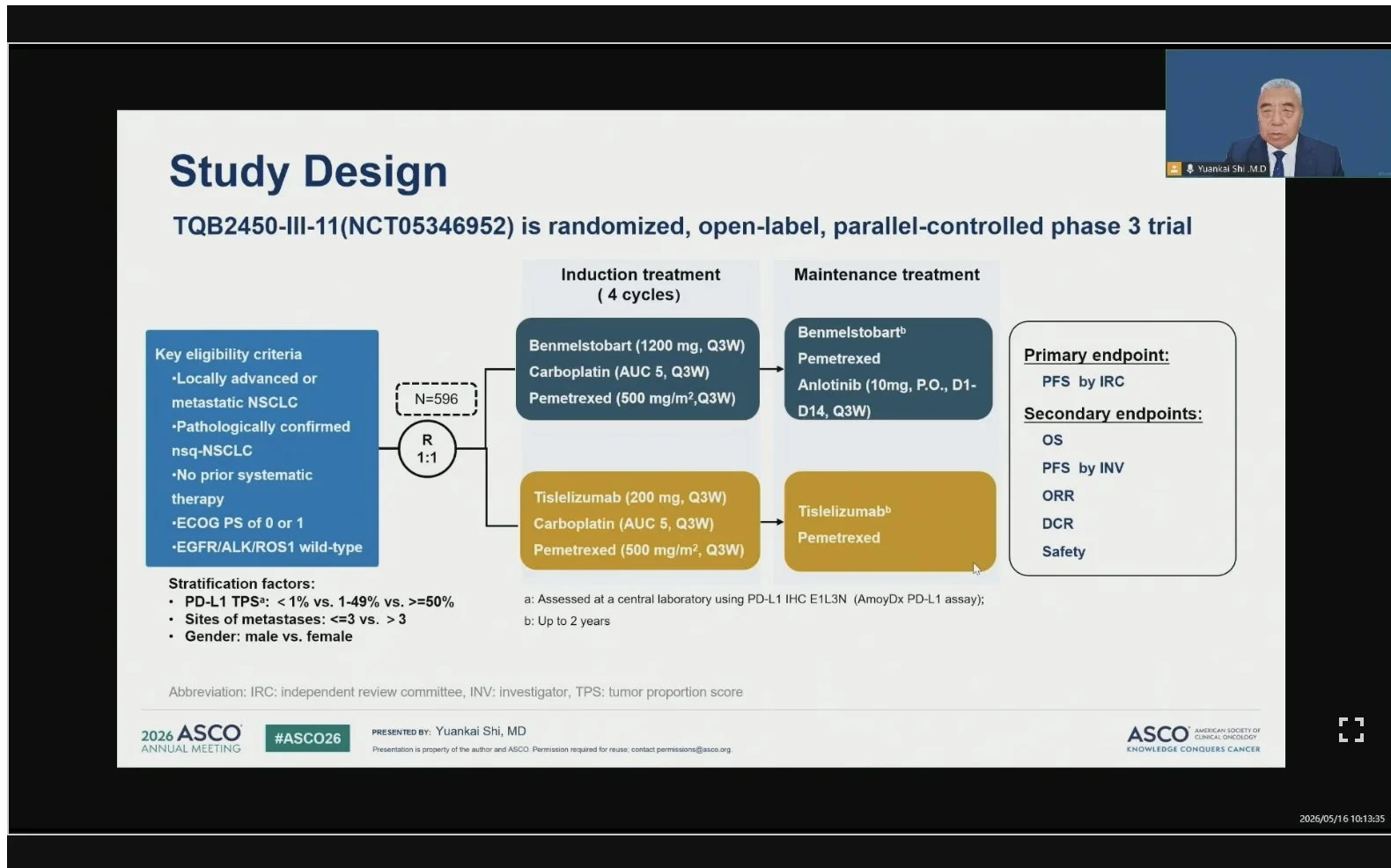
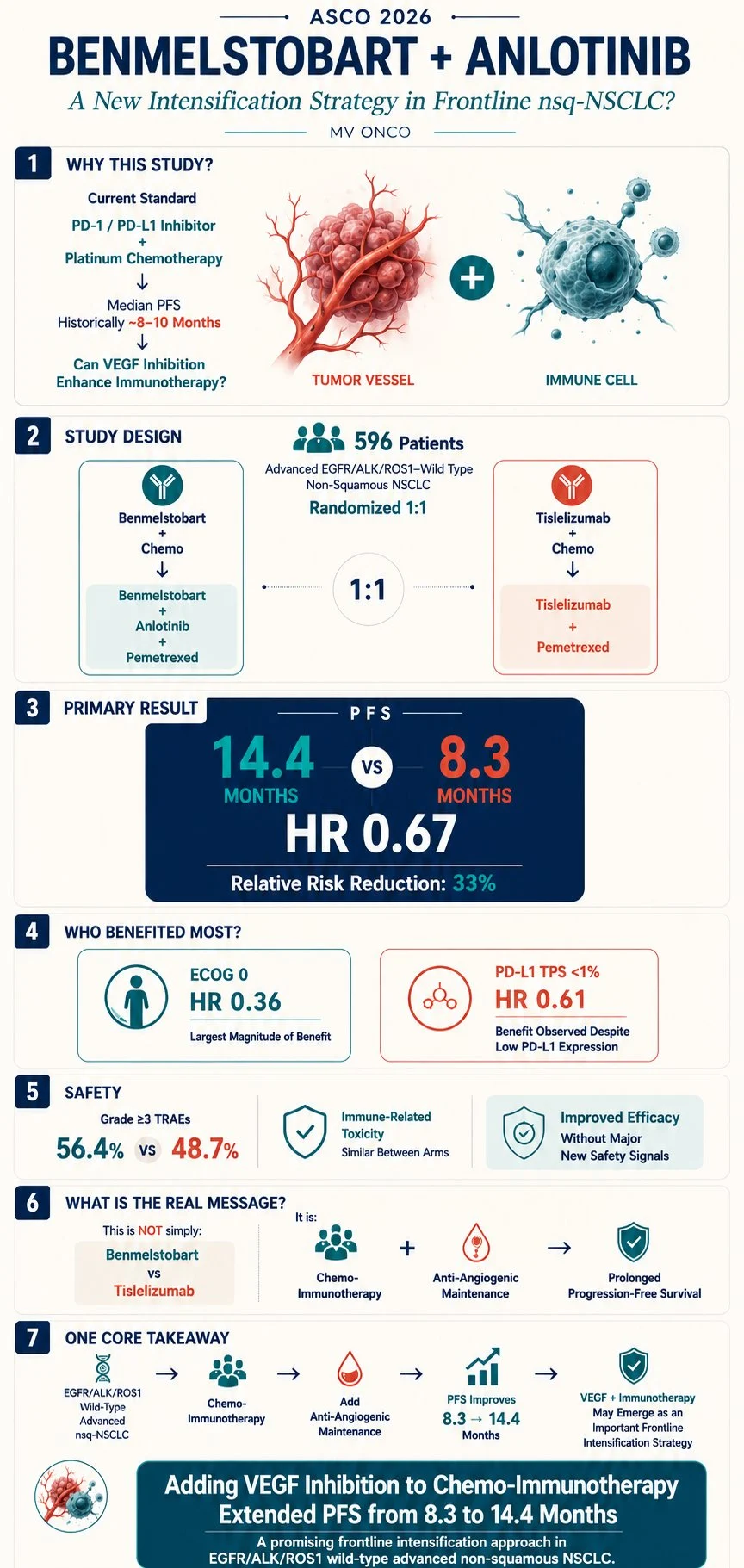
” ASCO26 in NSCLC Phase 3 TQB2450-III-11 shows benmelstobat + chemo + anlotinib significantly improves PFS vs tislelizumab + chemo as 1L therapy for advanced non-squamous NSCLC
- mPFS: 14.42 m vs 8.34 m | HR 0.67 (95% CI 0.52-0.86, p=0.0017)
- Benefit observed across nearly all subgroups, particularly in ECOG PS 0 and PD-L1 TPS <1%
- Safety: Manageable profile.
Benmelstobat + chemo + anlotinib may emerge as a new frontline option for advanced nsq-NSCLC.
This “IO + antiangiogenic + chemo” triplet strategy could become especially relevant in regions where anlotinib is available. Problem always going to be availability.”
Diego A. Díaz-García (Medical Oncologist /CEO/Founder at CánCare – High Specialty in Oncology and Medical Oncologist at Angeles del Carmen Hospital):
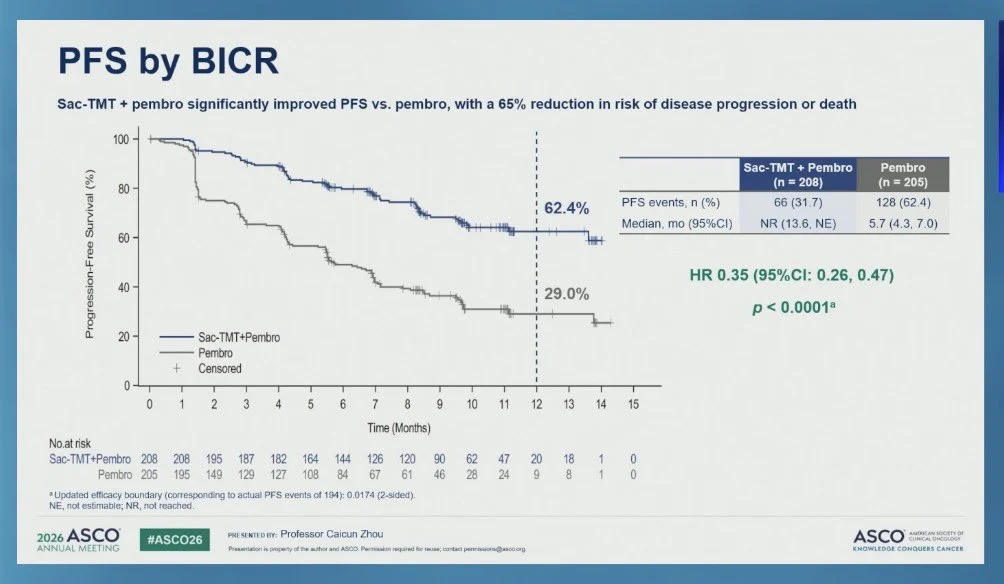
‘” Sacituzumab tirumotecan plus pembrolizumab vs pembrolizumab alone in 1L PD-L1+ advNSCLC (OptiTROP-Lung05).
Median PFS: NR vs 5.7 mo, HR 0.35 (95% CI 0.26-0.47; p<0.0001) ORR was 70.2% vs 42.0%, with consistent benefit across PD-L1 TPS and histologic subgroups. An early favorable OS trend was also observed (HR 0.55).
Grade ≥3 TEAEs occurred in 55.3% vs 31.4%.”
Himanshu Batra (Senior Resident Doctor at SMS Hospital Jaipur):
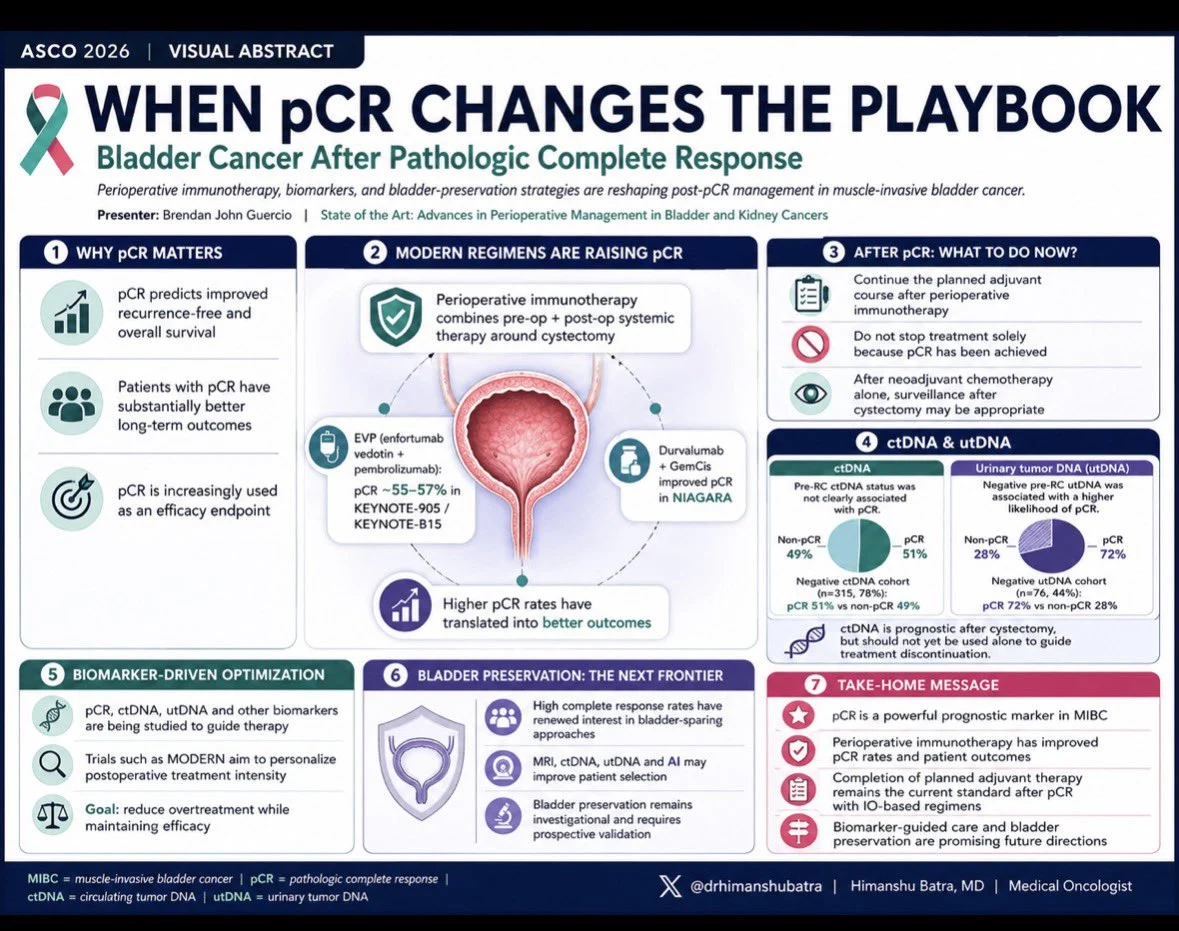
“When pCR changes the playbook in muscle-invasive bladder cancer.
ASCO2026 highlights how perioperative immunotherapy, ctDNA/utDNA, and bladder-preservation strategies are reshaping post-pCR decision-making.
Key message: pCR is a powerful prognostic marker, but treatment de-escalation should not be based on pCR alone. Biomarker-guided care may define the next frontier in personalized bladder cancer management.”
José Márcio Barros de Figueiredo (Medical Oncologist focused on Thoracic Oncology and Breast Cancer, Researcher, and Director of the Brazil Cancer Institute):
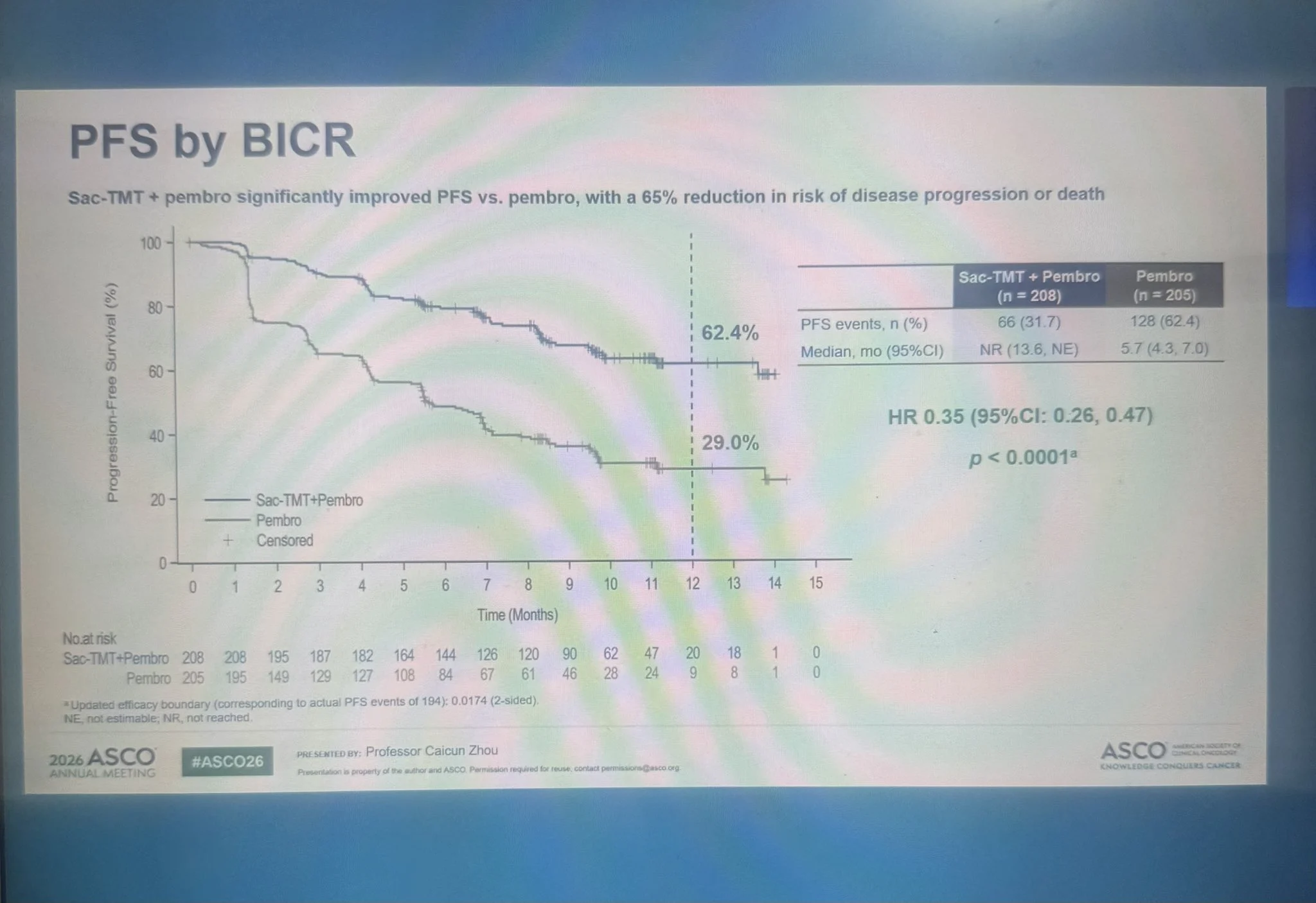
” ASCO26 | OptiTROP-Lung05
Sacituzumab Tirumotecan (sac-TMT) + pembrolizumab delivered one of the most impressive first-line NSCLC results presented at ASCO 2026.
Advanced/metastatic NSCLC
- PD-L1 TPS ≥1%
- No EGFR or ALK alterations
Key findings:
- PFS: Not reached vs 5.7 months
- HR 0.35 (65% reduction in risk of progression or death)
- ORR: 70.2% vs 42.0% Deep response rate: 49.0% vs 25.9% DOR
- HR 0.47
- Early OS signal: HR 0.55
The benefit was consistent across major subgroups:
- PD-L1 ≥50% → HR 0.47
- PD-L1 1–49% → HR 0.28
- Non-squamous → HR 0.28
- Squamous → HR 0.44
Perhaps the most striking finding was the magnitude of benefit in the PD-L1 1–49% population, a group that still represents a significant unmet need.
If the OS benefit matures as expected, sac-TMT + pembrolizumab may emerge as a new frontline standard for PD-L1–positive NSCLC without actionable driver mutations”
Tuğba Başoğlu (Associate professor at Memorial Healthcare Group Göztepe Onkoloji Merkezi):
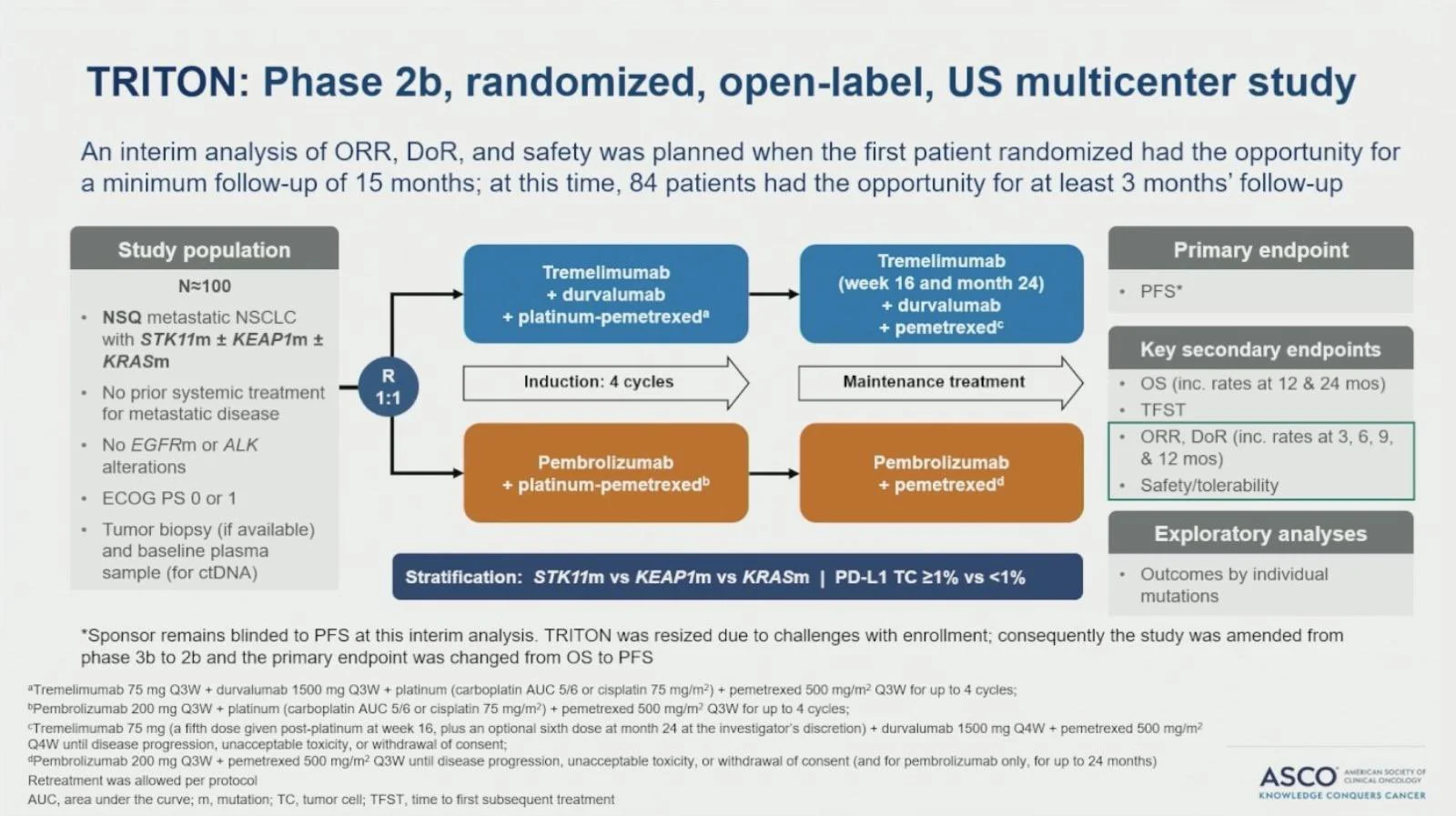
” TRITON suggests that adding tremelimumab + durvalumab to chemotherapy may improve outcomes in STK11/KEAP1/KRAS-mutant mNSCLC.
- ORR: 39% vs 34.9%
- Longer response duration (NR vs 6.4 months)
- Greatest signal observed in STK11/KRAS-altered tumors
A promising strategy for one of the most immunotherapy-resistant NSCLC populations.”
MV Chandrakanth (Medical Oncologist specializing in Breast, GU, and GI Cancers, Head of Academics at Narayana Health Kolkata, and Oncology Educator):
“VEGF + Immunotherapy: A New NSCLC Signal?
ASCO 2026 Adding anlotinib to a chemo-immunotherapy strategy extended PFS from 8.3 to 14.4 months (HR 0.67) in EGFR/ALK/ROS1 wild-type advanced non-squamous NSCLC.
A promising reminder that targeting the tumor vasculature may enhance the impact of immunotherapy.”
Daisuke Kotani (GI Medical Oncologist, Chief Physician at the Department of Gastrointestinal Oncology at the National Cancer Center Hospital East, Japan):
” Abstr 9500
5y FU from KN942: Individualized neoantigen therapy intismeran + pembro vs pembro in resected melanoma
Ph3 INTerpath-001 study is fully enrolled.”
Masahiro Torasawa (Medical Oncologist at Juntendo University):
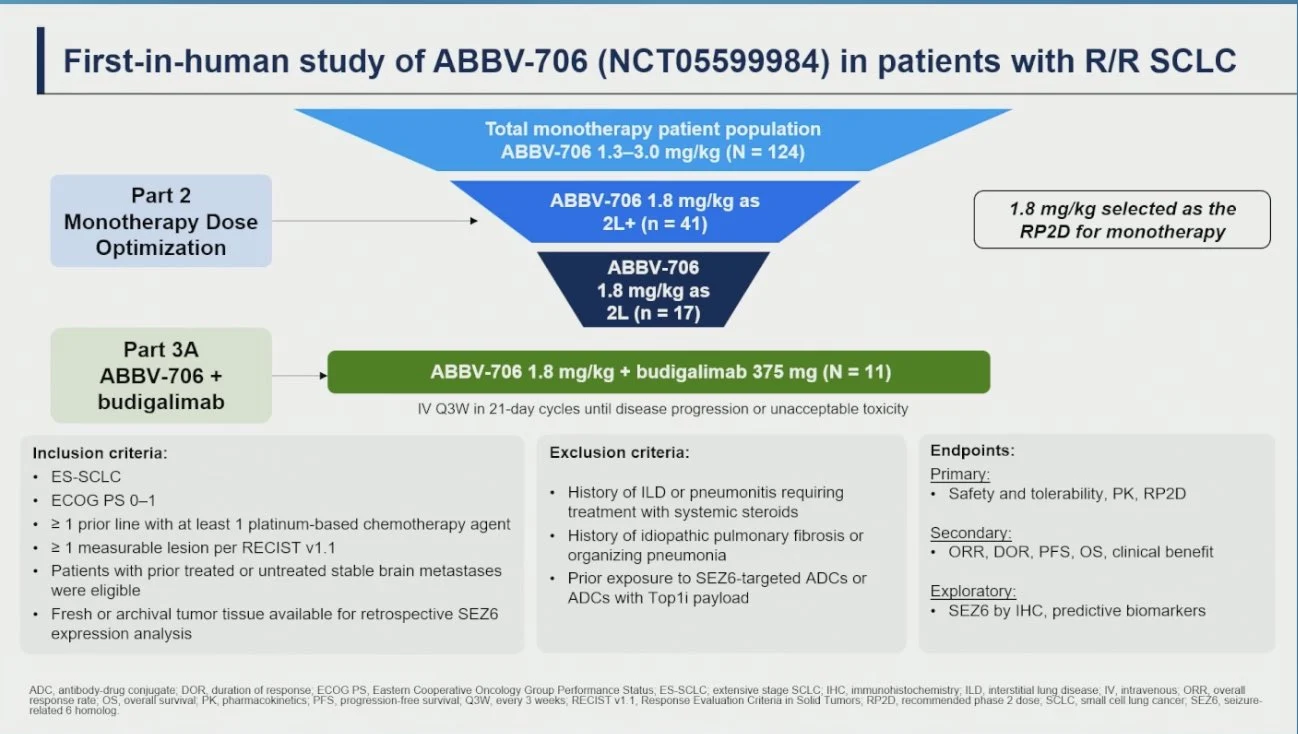
” 8008 ABBV-706 (SEZ6-targeted ADC) ± budigalimab (anti–PD-1 antibody) in R/R SCLC
- First-in-human study ES-SCLC after ≥1 prior line incl. platinum-based chemo
- Stable brain metastases allowed ABBV-706 monotherapy: N=124 ABBV-706 + budigalimab: n=11
- ABBV-706 monotherapy At 1.8 mg/kg as 2L: ・ORR 82% ・mPFS 6.8 mo ・mDOR 6.6 mo ・mOS 14.3 mo
- ABBV-706 + anti–PD-1 ABBV-706 + budigalimab showed early activity: ・ORR 55% ・mPFS 8.1 mo ・mOS NR
- Safety ・Manageable overall ・Main TRAEs: hematologic / GI ・Treatment-related ILD: 5.6% with monotherapy, 0/11 with combination
- Early-phase data, but ABBV-706 shows very promising activity as a SEZ6-targeted ADC in R/R SCLC, especially in the 2L monotherapy cohort. Larger confirmatory data will be important.”