Immune checkpoint inhibitors have demonstrated that the immune system can control—and occasionally eradicate, advanced cancer. Yet this success depends on something that is easy to overlook: there must first be an antitumor immune response available for checkpoint blockade to amplify.
In many solid tumors, that response is weak, spatially restricted, or almost absent.
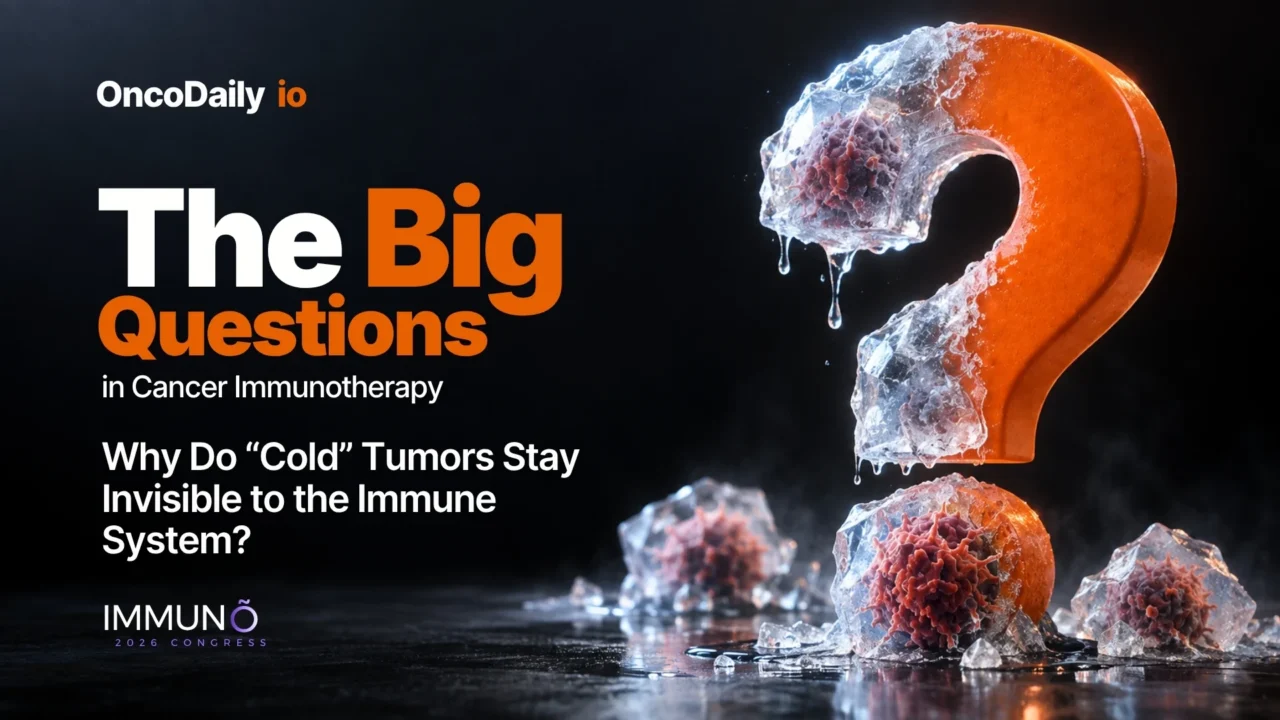
These tumors are commonly described as immunologically “cold.” They are characterized by limited productive T-cell infiltration and a tumor microenvironment that does not support sustained antitumor immunity. Pancreatic cancer, microsatellite-stable colorectal cancer, prostate cancer, and subsets of ovarian, breast, and other malignancies frequently display features of this phenotype.
But “cold” is a pathological description, not a mechanism.
Some tumors avoid generating an immune response. Others generate tumor-reactive lymphocytes but prevent them from entering malignant tissue. Still others permit immune infiltration but establish local conditions that make effective tumor-cell killing extraordinarily difficult.
Understanding these differences is becoming central to the next generation of immunotherapy.
Immune Invisibility Is More Than Low Immunogenicity
A tumor becomes immunologically visible only when several biological events occur successfully.
Tumor-derived antigens must become accessible to antigen-presenting cells. Innate immune signals must indicate that something abnormal is occurring. Dendritic cells must process and cross-present tumor antigens and migrate to lymphoid compartments. Tumor-specific lymphocytes must expand, enter the circulation, home to the tumor, cross its vasculature, penetrate malignant-cell regions, recognize their targets, and remain functional long enough to kill them.
A failure anywhere along this sequence can produce immune coldness.
This is why the 2025 Molecular Cancer review “Turning Cold Tumors into Hot Tumors to Ignite Immunotherapy”proposed a particularly useful mechanistic framework: cold tumors can maintain immune silence through camouflage, coercion, and cytoprotection.
Camouflage prevents effective immune recognition and infiltration. Coercion creates cellular and molecular networks that suppress immune function. Cytoprotection enables malignant cells to resist immune-mediated destruction even when recognition occurs.
This distinction matters because it moves the field beyond the simplistic assumption that cold tumors merely need “more T cells.”
Camouflage: How a Tumor Avoids Starting the Immune Response
Tumor-cell death does not automatically generate immunity.
For an adaptive antitumor response to develop, dying malignant cells must provide both antigens and signals capable of activating innate immune pathways.
This is where immunogenic cell death becomes important.
Immunogenic cell death can release damage-associated molecular patterns such as ATP, HMGB1, and surface-exposed calreticulin. These signals promote antigen uptake and maturation of antigen-presenting cells, linking tumor-cell destruction to adaptive immunity. A tumor that dies without producing the appropriate inflammatory context may release antigens while generating little meaningful immune response.
Thus, immune visibility depends not simply on what antigens exist, but on how those antigens are encountered by the immune system.
This distinction has therapeutic implications. Radiotherapy, selected chemotherapies, oncolytic viruses, and other interventions are increasingly being investigated not only for their direct cytotoxicity, but for their capacity to induce immunogenic tumor-cell death and convert silent tumor destruction into immune priming.
mRNA COVID-19 Vaccines Reprogram Tumor Immunity and Enhance Response to Checkpoint Inhibitors
The Innate Immune System May Decide Whether Adaptive Immunity Ever Begins
Checkpoint therapy primarily targets adaptive immune regulation.
Cold tumors frequently have problems further upstream.
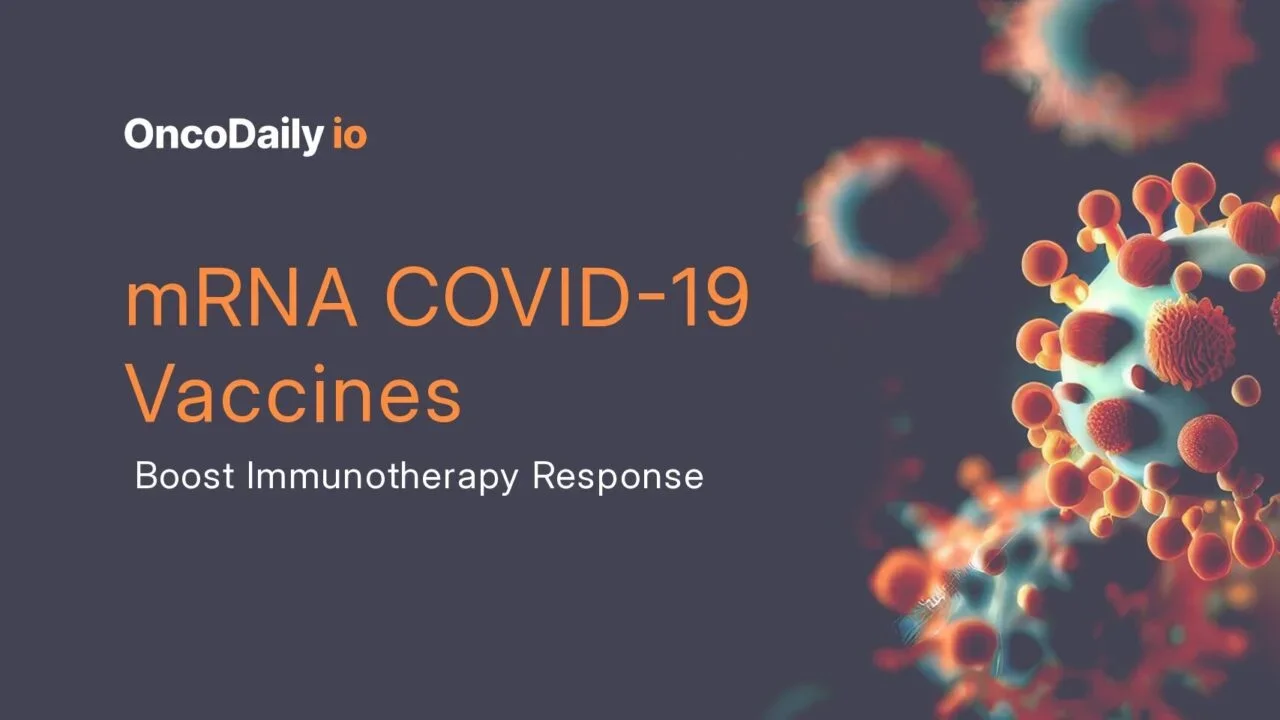
Type I interferons provide a critical connection between innate recognition of tumor-derived danger signals and subsequent adaptive immunity. They can promote dendritic-cell activation, antigen presentation, and T-cell priming. A striking example of this biology appeared in Nature in 2025 in the study “SARS-CoV-2 mRNA Vaccines Sensitize Tumours to Immune Checkpoint Blockade.”
The investigators found in preclinical systems that mRNA vaccination produced substantial type I interferon signaling, activated innate immune cells, and enhanced priming of CD8+ T cells against tumor-associated antigens.
Interestingly, tumors subsequently increased PD-L1 expression—essentially creating a new adaptive resistance mechanism after immune activation. Checkpoint inhibition then became more effective.
The observation illustrates an important biological sequence:
innate activation → T-cell priming → tumor infiltration → adaptive checkpoint expression → checkpoint sensitivity.
The study also reported retrospective clinical associations between receipt of SARS-CoV-2 mRNA vaccination near initiation of checkpoint therapy and improved outcomes, although these human data are observational and should not be interpreted as proof that vaccination improves ICI efficacy.
Nevertheless, the mechanistic finding is provocative.
A tumor that initially has little reason to respond to checkpoint inhibition may become checkpoint-dependent after an immune response has been generated.
Coldness Can Exist in Patches Within the Same Tumor
The hot-versus-cold classification also implies that one tumor has one immune state.
Increasing evidence suggests otherwise.
A 2025 study, “Tumor Cell Heterogeneity Drives Spatial Organization of the Intratumoral Immune Response,”demonstrated that genetically and phenotypically distinct tumor-cell populations can generate different immune microenvironments within the same tumor.
When experimentally defined hot and cold tumor-cell populations coexisted, the cold population exerted what the investigators described as a “dominant cold” effect.
Regions occupied by cold tumor cells contained increased CD206-high macrophages and impaired local T-cell activity. Importantly, the investigators implicated tumor-derived CX3CL1 in generating this localized immunosuppressive state.
This adds an important dimension to immune escape. A patient’s tumor may not be uniformly cold. Instead, different malignant clones may construct different immune neighborhoods.
One region may contain active T-cell responses while an adjacent region remains protected by macrophage-rich immunosuppression.
This spatial heterogeneity may help explain why a biopsy from one region cannot always represent the immunological state of the entire tumor—and why eliminating immune-sensitive clones may leave behind spatially protected populations capable of driving subsequent progression.
The Problem May Be Access, Not Recognition
In other tumors, immune priming has occurred and T cells are present—but their spatial distribution is abnormal.
Instead of penetrating malignant-cell nests, lymphocytes accumulate in stromal regions or at tumor boundaries. This immune-excluded phenotype is biologically different from a true immune desert. Several components of the tumor microenvironment can contribute to this separation.
Cancer-associated fibroblasts can remodel extracellular matrix and establish suppressive cytokine and chemokine networks. Dense collagen-rich architecture can alter cellular movement. Abnormal tumor vasculature can impair lymphocyte extravasation. TGF-β signaling can reinforce fibroblast-driven exclusion. Suppressive macrophages can establish additional spatial barriers.
Thus, simply detecting CD8+ T cells in a tumor specimen does not establish that productive antitumor immunity is occurring.
The relevant variables include where those cells are located, which cells surround them, whether they physically contact malignant cells, and what functional state they occupy.
This is why spatial transcriptomics and multiplex imaging are becoming particularly important in immuno-oncology. The next generation of tumor immune profiling may increasingly move from asking:
“Which cells are present?” to: “Which cells are interacting?”
Coercion: When the Tumor Recruits Immunity to Suppress Immunity
One of the paradoxes of the tumor microenvironment is that immune infiltration does not always mean immune attack.
Cold or checkpoint-resistant tumors can contain substantial numbers of tumor-associated macrophages, myeloid-derived suppressor cells, regulatory T cells, dysfunctional NK cells, and suppressive neutrophil populations.
These cells create networks of inhibitory cytokines, metabolites, and cell-cell interactions capable of limiting cytotoxic immunity.
This has become particularly clear through single-cell and spatial profiling.
A 2025 analysis, “Decoding Immune Low-Response States in Ovarian Cancer: Insights from Single-Cell and Spatial Transcriptomics for Precision Immunotherapy,” describes high-grade serous ovarian cancer as a heterogeneous immune ecosystem in which macrophage states, regulatory T cells, exhausted effector populations, dysfunctional NK cells, and stromal barriers contribute to low immunotherapy responsiveness.
This illustrates why the simple hot-versus-cold terminology is becoming insufficient. A tumor can contain many immune cells and remain functionally cold because its immune composition is suppressive rather than cytotoxic.
The identity and organization of the infiltrate can therefore matter more than its absolute quantity.
Cytoprotection: What If the Immune Cell Finds the Tumor but Still Cannot Kill It?
An even less discussed mechanism of cold-tumor biology occurs at the final stage of the immune response.
Successful T-cell infiltration does not guarantee successful tumor-cell killing.
Cytotoxic lymphocytes normally eliminate target cells through mechanisms involving perforin and granzymes, death-receptor signaling, and inflammatory cytokines.
Cancer cells can develop resistance to these mechanisms. Alterations in apoptotic signaling, death receptors, interferon-response pathways, and mechanisms of plasma-membrane repair can reduce sensitivity to immune-mediated destruction.
This introduces an important distinction: immune recognition and immune susceptibility are not the same thing. A malignant cell may be recognized by a T cell yet possess sufficient resistance to cytotoxic injury to survive the encounter. The 2025 Molecular Cancer framework describes this as cytoprotection, a third component of immune coldness beyond failure of recognition and active immunosuppression.
This area may become increasingly important as immunotherapy research moves beyond explaining why T cells fail to arrive and begins asking why apparently successful tumor–T-cell interactions sometimes fail to produce tumor-cell death.
Can Vaccination Create the Immune Response That Checkpoint Therapy Needs?
If some cold tumors lack sufficient tumor-specific T-cell responses, one rational strategy is to generate those responses directly.
An interesting example was reported in 2026 in “MHC-II-Restricted Neoantigen Vaccine Reverses Immune Microenvironment and Overcomes Resistance to Immune-Checkpoint Inhibitors in Cold Tumors.”
The study investigated an MHC-II-restricted neoantigen vaccination strategy and found increased T-cell infiltration and effector activity in cold-tumor models.
But immune activation created another layer of biology. Following vaccination, the PVR–TIGIT checkpoint axis became enriched.
Rather than representing treatment failure, this can be interpreted as adaptive resistance: once an immune response was generated, the tumor acquired greater dependence on an inhibitory checkpoint pathway.
Combining vaccination with TIGIT blockade enhanced antitumor activity and delayed T-cell exhaustion in the experimental system.
This provides a particularly elegant example of why combination immunotherapy should ideally be sequentially mechanistic rather than empiric. First identify what is missing.
Generate that component. Then identify the resistance mechanism that emerges. And target it.
“Cold-to-Hot” May Actually Be a Sequence of Biological Events
The common phrase “turning a cold tumor hot” suggests a binary transition.
The biology is more likely to involve several steps.
A therapeutically useful sequence might require: release or generation of immunogenic antigens → innate immune activation → dendritic-cell maturation and antigen presentation → expansion of tumor-reactive T cells → vascular trafficking → tumor infiltration → sustained cytotoxic activity → blockade of newly induced adaptive resistance.
Different tumors may fail at different points in this sequence.
This explains why one universal cold-to-hot therapy is unlikely to exist.
A tumor deficient in immune priming may benefit from vaccination, innate agonism, immunogenic cell death, or oncolytic approaches. A tumor with established T-cell responses but severe spatial exclusion may require stromal or vascular remodeling. A macrophage-dominated tumor may require myeloid reprogramming.
And a tumor that becomes inflamed after treatment may develop PD-1, TIGIT, or other inhibitory dependencies that were far less relevant before immune activation occurred.
The correct combination may therefore depend not only on which therapies are used, but on their biological sequence.
NK-Cell Immunotherapy: The Next Frontier in Cancer Treatment
A Cold Tumor May Be a Dynamic State, Not a Permanent Identity
Perhaps the most important development in this field is the recognition that immune phenotype can change.
The 2025 Nature Cancer study “Combination of Pembrolizumab and Radiotherapy Induces Systemic Antitumor Immune Responses in Immunologically Cold Non-Small Cell Lung Cancer” analyzed serial tumor and blood specimens from the randomized phase II PEMBRO-RT study.
After stereotactic body radiotherapy, non-irradiated tumor sites demonstrated enrichment of interferon-α and interferon-γ signaling and antigen-processing/presentation programs, together with expansion of new and pre-existing T-cell clones.
These observations support the possibility that local treatment can produce systemic immune remodeling.
The clinical implications are broader than radiotherapy itself. They suggest that “cold” should not necessarily be considered a permanent property of a cancer. It may be a modifiable immune state. The therapeutic challenge is identifying which biological intervention can move an individual tumor from immune silence toward productive immunity.