Immune checkpoint inhibitors (ICIs) have fundamentally reshaped the treatment paradigm of advanced non-small cell lung cancer (NSCLC). For patients without actionable driver mutations, first-line therapy now commonly includes PD-1 or PD-L1 inhibitors either alone or in combination with platinum-based chemotherapy. Despite these advances, most patients ultimately experience disease progression, creating a major need for effective post-immunotherapy treatment strategies.
Docetaxel plus ramucirumab became an established second-line option following the phase III REVEL trial, which demonstrated improved progression-free and overall survival compared with docetaxel alone. However, the REVEL study was conducted before immunotherapy became standard practice, leaving uncertainty regarding the efficacy and safety of docetaxel plus ramucirumab specifically after prior ICI exposure.
Retrospective studies have suggested that chemotherapy administered immediately after immunotherapy may demonstrate enhanced antitumor activity, potentially because prior immune activation alters the tumor microenvironment and sensitizes tumors to subsequent treatment. Nevertheless, prospective evidence supporting this concept has remained limited.
The phase II DRUN trial was designed to prospectively evaluate docetaxel plus ramucirumab administered immediately after progression on ICI-containing therapy in advanced NSCLC.
Study Design and Methods
DRUN was a multicenter, open-label, single-arm phase II study conducted in patients with advanced or recurrent NSCLC who had progressed after prior immunotherapy-containing treatment. Eligible patients were required to have received both platinum-based chemotherapy and immune checkpoint inhibition either concurrently or sequentially.
Patients received:
- Docetaxel: 60 mg/m²
- Ramucirumab: 10 mg/kg
- Administered every 3 weeks
The primary endpoint was objective response rate (ORR). Secondary endpoints included:
- Progression-free survival (PFS)
- Overall survival (OS)
- Disease control rate (DCR)
- Safety
The study also performed exploratory subgroup analyses according to:
- Response to prior immunotherapy
- Histology
- Presence of brain, liver, or bone metastases
- Pleural effusion status
A total of 33 patients were ultimately treated and included in the efficacy and safety analyses.
Patient Population
The median age was 69 years, and most patients had ECOG performance status 1, reflecting a relatively clinically fragile population. Adenocarcinoma represented the dominant histology.
Importantly, the cohort included a substantial burden of metastatic disease:
- Bone metastases in 45.5%
- Liver metastases in 33.3%
- Pleural effusion in 36.4%
- Brain metastases in 18.2%
Most patients initiated docetaxel plus ramucirumab rapidly after prior immunotherapy exposure, with more than 80% beginning treatment within 60 days of their last ICI dose.
Clinical Efficacy
Although the study narrowly missed its predefined primary statistical endpoint, the regimen demonstrated clinically meaningful antitumor activity consistent with previous retrospective observations and other prospective datasets.
The overall response rate reached 33.3%, while disease control was achieved in more than 90% of patients. Median progression-free survival was 4.9 months, and median overall survival reached 11.8 months despite the heavily pretreated and clinically advanced population.
One of the most interesting findings emerged from exploratory subgroup analyses. Patients who had previously responded to immunotherapy experienced substantially longer progression-free survival after docetaxel plus ramucirumab than patients who had not responded to prior ICI therapy. This observation suggests that residual immune activation or preserved inflamed tumor microenvironments may continue to influence sensitivity to subsequent chemotherapy and antiangiogenic therapy.
Key Clinical Results
- The objective response rate (ORR) was 33.3% (90% CI 19.9–49.1%), while the disease control rate (DCR) reached 90.9% (90% CI 78.1–97.5%).
- Median progression-free survival was 4.9 months (95% CI 4.4–6.2), and median overall survival was 11.8 months (95% CI 9.8–18.8).
- Patients who had previously responded to ICI-containing therapy demonstrated significantly longer PFS, with a hazard ratio of 0.34 (95% CI 0.14–0.76; p<0.01).
- Twelve-month overall survival reached 44.5%, despite the majority of patients having advanced metastatic disease and ECOG performance status 1.
Biologic and Mechanistic Insights
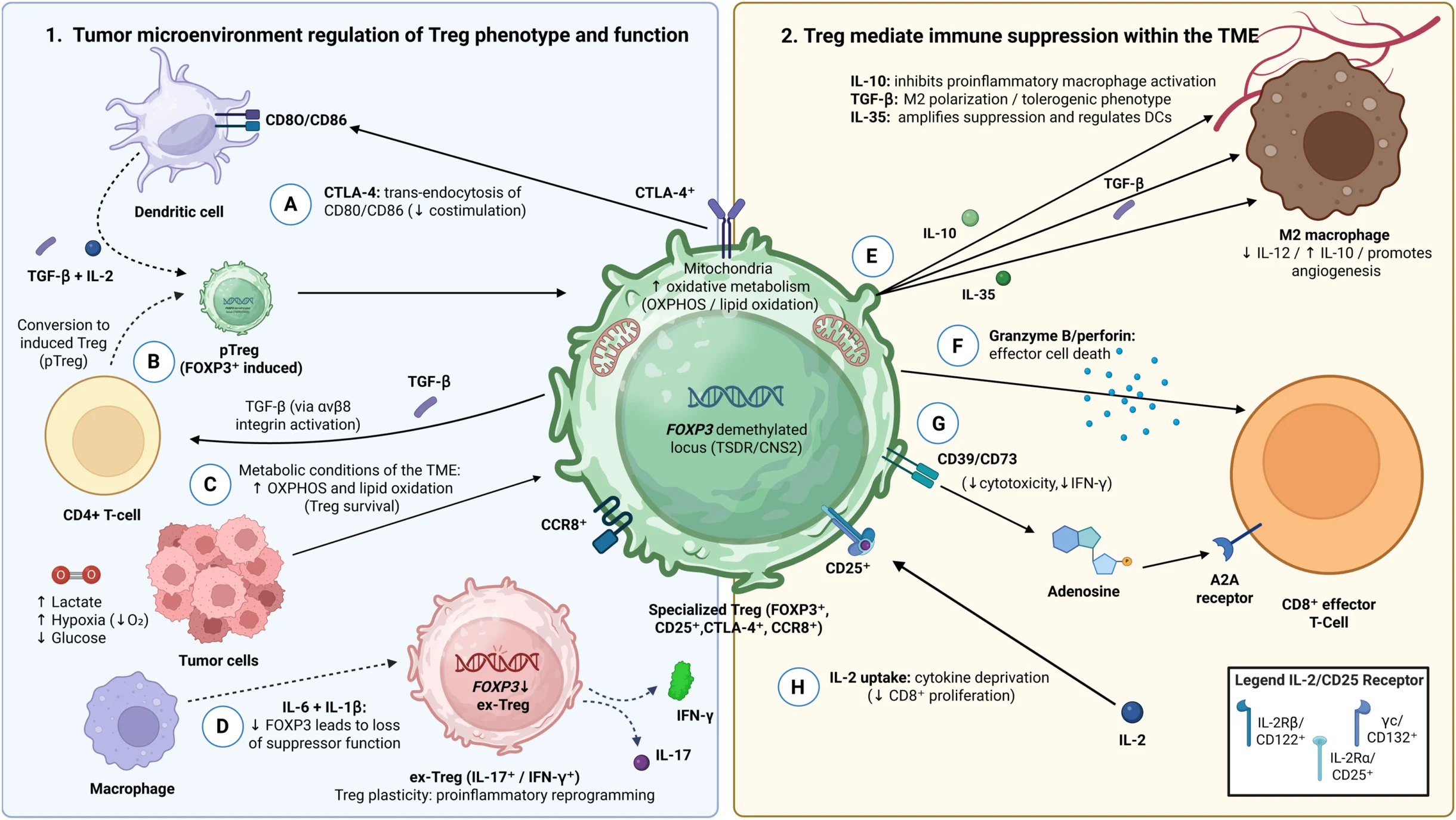
The findings of DRUN support the growing hypothesis that prior immunotherapy exposure may alter tumor biology in ways that enhance subsequent chemotherapy responsiveness.
Tumors that initially respond to PD-1/PD-L1 blockade are typically characterized by:
- Increased CD8+ T-cell infiltration
- Preserved antigen presentation
- Interferon-driven inflammatory signaling
- An inflamed tumor microenvironment
Even after acquired resistance develops, components of this immune-active state may persist. Investigators propose that docetaxel plus ramucirumab may exploit this residual immune contexture through several mechanisms:
- Docetaxel may reduce myeloid-derived suppressor cells (MDSCs)
- Taxanes may enhance dendritic-cell antigen presentation
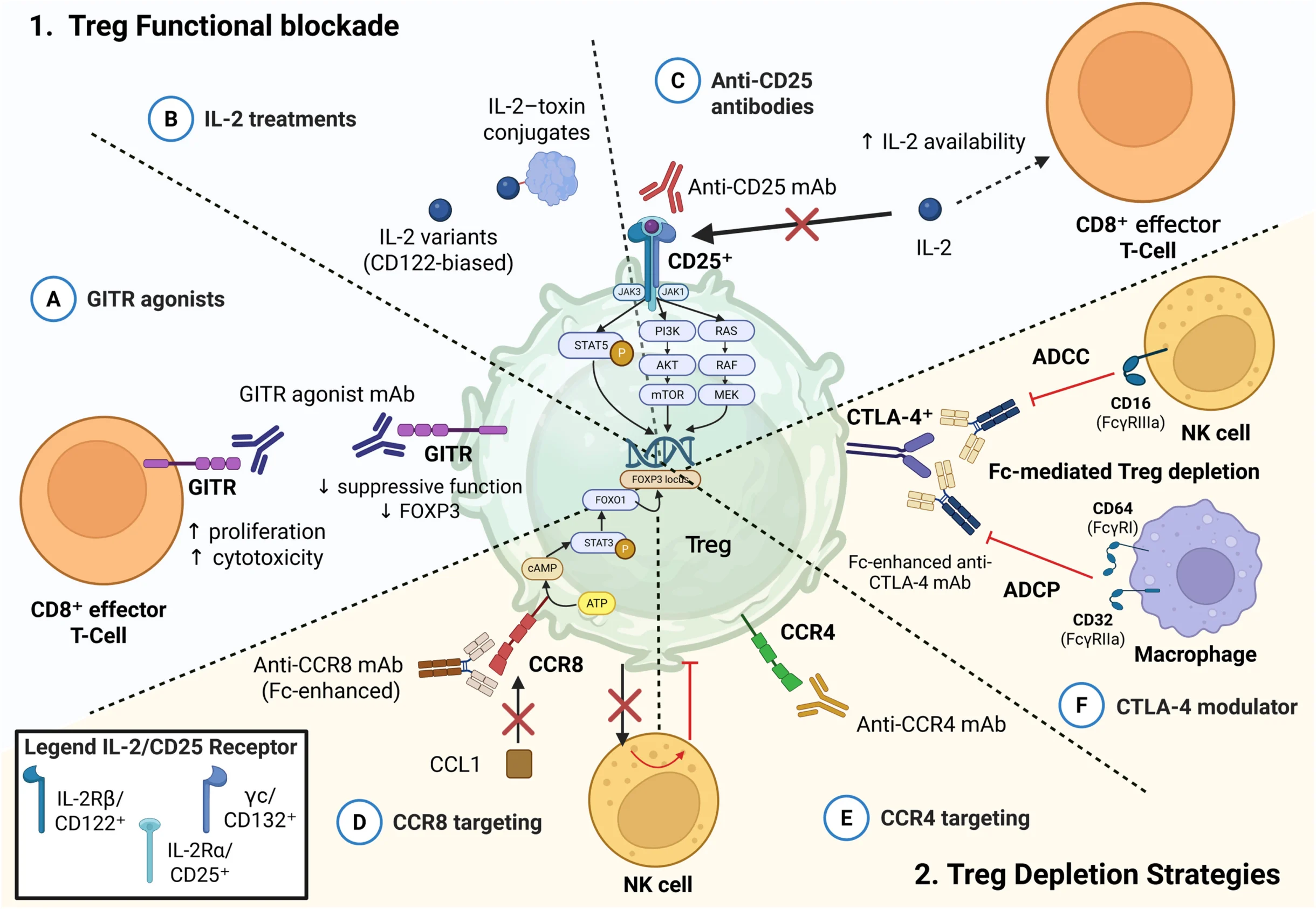
- Ramucirumab-mediated VEGFR2 inhibition may reduce regulatory T-cell populations and enhance CD8+ T-cell infiltration
These overlapping cytotoxic, antiangiogenic, and immunomodulatory effects may partially explain why patients with prior ICI responsiveness appeared to derive greater benefit.
Safety Profile
The safety profile was generally manageable and consistent with previous docetaxel plus ramucirumab studies.
Hematologic toxicities were common but relatively controlled, likely aided by prophylactic PEG-G-CSF use. No treatment-related deaths occurred.
Pneumonitis emerged as an important toxicity signal, particularly among smokers. All patients who developed pneumonitis had a smoking history, suggesting that smoking-related pulmonary vulnerability may increase risk when chemotherapy and antiangiogenic therapy are administered shortly after immunotherapy exposure.
Key Safety Findings
- Grade 3–4 adverse events occurred in 60.6% of patients.
- Grade ≥3 neutropenia occurred in 21.2%, while febrile neutropenia developed in 6.1% of patients.
- Pneumonitis occurred in 18.2% of patients, including one case of grade 3 pneumonitis. All pneumonitis cases occurred in smokers.
- No treatment-related deaths or unexpected new safety signals were observed.
You Can Read Full Article Here