
The World Health Organization (WHO) is joining MedSafetyWeek 2026, held from November 2–8, to raise awareness about the importance of recognizing and reporting medication side effects. Under this year’s theme, “Don’t ignore side effects. Report them,” the campaign encourages patients, caregivers, and healthcare professionals to report suspected adverse drug reactions and help improve medication safety worldwide.
Cancer treatment side effects are an important concern for patients receiving chemotherapy, immunotherapy, targeted therapy, and other cancer treatments. Common side effects include fatigue, nausea, vomiting, diarrhea, and hair loss, while more serious complications may involve infections, organ damage, or immune-related adverse reactions. Some symptoms appear during treatment, while others develop weeks or months later.
Recognizing cancer treatment side effects early is essential for patient safety. Symptoms that initially appear mild may sometimes indicate serious complications, particularly in patients receiving chemotherapy, immunotherapy, or targeted therapy. Understanding these warning signs and reporting suspected adverse reactions can support timely medical intervention and safer cancer care.
What Are the Most Common Cancer Treatment Side Effects?
Cancer treatment side effects vary depending on the type of therapy, drug dosage, treatment duration, and individual patient factors. They occur when treatments affect healthy tissues, disrupt normal cellular functions, or trigger inflammatory and immune responses. According to the National Cancer Institute (NCI), side effects can differ considerably even among patients receiving the same treatment.
The most commonly reported cancer treatment side effects include:
- Fatigue: Persistent tiredness that may interfere with daily activities and is not always relieved by rest.
- Nausea and vomiting: Common with certain chemotherapy regimens and sometimes associated with other cancer treatments.
- Diarrhea or constipation: Changes in bowel function caused by treatment-related effects on the gastrointestinal tract.
- Hair loss (alopecia): Hair thinning or loss, particularly with chemotherapy agents that affect rapidly dividing cells.
- Mouth sores (mucositis): Inflammation and ulceration of the oral mucosa that can make eating and swallowing painful.
- Peripheral neuropathy: Numbness, tingling, or pain in the hands and feet, particularly with platinum-based chemotherapy and taxanes.
- Skin changes: Rashes, dryness, itching, and nail changes associated with certain systemic treatments.
- Blood cell abnormalities: Anemia, neutropenia, and thrombocytopenia, which may increase the risk of fatigue, infection, and bleeding.
Most side effects can be managed with appropriate supportive care, although some may persist or require treatment modifications. Patients should inform their oncology team about new or worsening symptoms rather than assuming they are an unavoidable part of cancer treatment.
What Are the Side Effects of Chemotherapy?
Chemotherapy can damage healthy cells alongside cancer cells, particularly those in the bone marrow, digestive tract, and hair follicles. As a result, patients may experience fatigue, nausea, vomiting, hair loss, mouth sores, and changes in bowel habits. Bone marrow suppression can also lead to anemia, neutropenia, and thrombocytopenia, increasing the risk of fatigue, infection, and bleeding.
Certain chemotherapy agents can cause more specific toxicities, including peripheral neuropathy, kidney damage, hearing loss, or cardiac complications. The frequency and severity of these effects depend on the drugs used, treatment dose, and individual patient factors.
Many chemotherapy side effects are temporary or manageable with supportive care, although some may persist after treatment. Early recognition and communication with the oncology team are important for preventing serious complications.
What Are the Side Effects of Immunotherapy?
Cancer immunotherapy helps the immune system recognize and attack cancer cells. However, some treatments, particularly immune checkpoint inhibitors, can also trigger immune responses against healthy tissues, causing immune-related adverse events (irAEs). These reactions may affect almost any organ and range from mild symptoms to potentially life-threatening complications (Schneider et al., 2021).
Common immunotherapy side effects include fatigue, skin rash, itching, diarrhea, and joint pain. More serious immune-related complications may include:
- Colitis: Inflammation of the colon, causing persistent diarrhea, abdominal pain, or bloody stools.
- Pneumonitis: Inflammation of lung tissue, which may cause coughing, shortness of breath, or chest discomfort.
- Hepatitis: Liver inflammation that may initially cause no symptoms but can lead to elevated liver enzymes or jaundice.
- Endocrine disorders: Thyroid dysfunction, hypophysitis, adrenal insufficiency, and, less commonly, insulin-dependent diabetes.
- Cardiac toxicity: Rare but potentially life-threatening myocarditis, which may cause chest pain, palpitations, or breathlessness.
Unlike many chemotherapy-related toxicities, immunotherapy side effects can develop during treatment or even months after it has ended. Early recognition is important because some complications require corticosteroids, hormone replacement, treatment interruption, or hospitalization. Patients should report new or worsening symptoms promptly, even when they appear unrelated to cancer treatment.
What Are the Side Effects of Targeted Cancer Therapy?
Targeted cancer therapies act on specific molecules and signaling pathways involved in cancer cell growth, survival, and progression. Although these treatments are designed to interfere with particular molecular targets, they can also affect normal cells that depend on the same pathways, leading to treatment-related adverse effects.
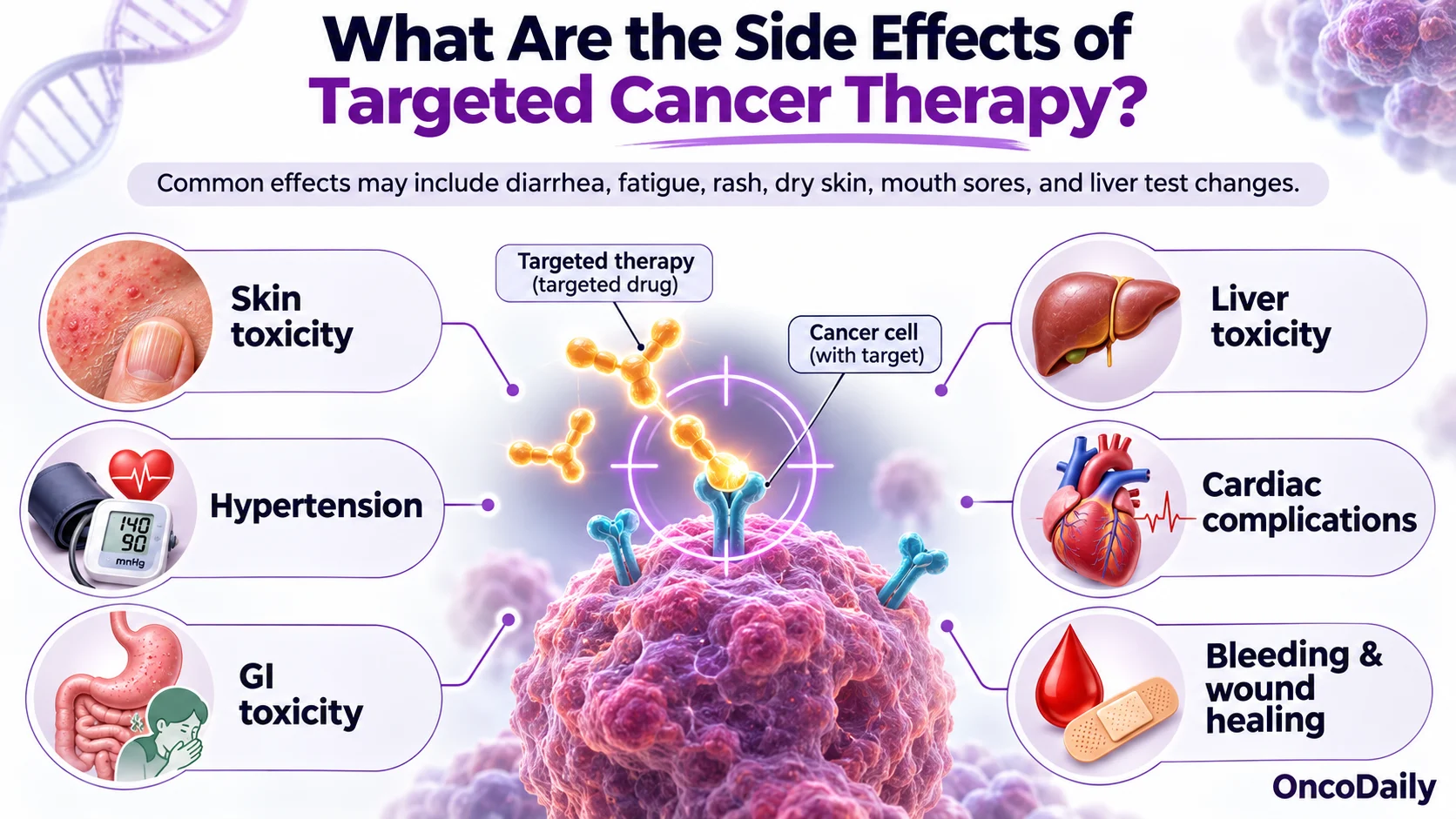
Common side effects of targeted cancer therapy include diarrhea, fatigue, skin rash, dry skin, mouth sores, and changes in liver function. Certain targeted agents may also cause more specific complications, including:
- Skin toxicity: Acne-like rashes, dry skin, and nail changes, particularly with epidermal growth factor receptor (EGFR) inhibitors.
- Hypertension: Elevated blood pressure associated with therapies targeting vascular endothelial growth factor (VEGF) signaling.
- Gastrointestinal toxicity: Diarrhea, nausea, and reduced appetite, which may affect hydration and nutritional status.
- Liver toxicity: Elevated liver enzymes and, less commonly, clinically significant liver injury.
- Cardiac complications: Reduced heart function or heart failure associated with certain HER2-targeted therapies and some tyrosine kinase inhibitors.
- Bleeding and impaired wound healing: Potential complications of some antiangiogenic therapies.
The risk and severity of these adverse effects vary considerably between drugs and depend on the molecular target, treatment duration, and individual patient factors. Some toxicities can be managed with supportive care or dose adjustments, while others require treatment interruption or discontinuation. Regular monitoring and early reporting of new symptoms are important for identifying complications and maintaining treatment safety.
What Are the Side Effects of Radiotherapy?
Radiotherapy uses high-energy radiation to destroy cancer cells, but it can also affect healthy tissues surrounding the treated area. Radiotherapy side effects depend on the treatment site, radiation dose, number of sessions, and individual patient factors. Unlike systemic cancer treatments, most acute radiotherapy side effects are localized to the area receiving radiation.
Common side effects include fatigue, skin redness or irritation, and hair loss in the treated area. Radiation to the head and neck may cause mouth sores, dry mouth, and difficulty swallowing, while abdominal or pelvic radiotherapy can lead to nausea, diarrhea, or urinary symptoms. Chest radiotherapy may cause esophageal inflammation or radiation pneumonitis. Some complications, including tissue fibrosis, organ dysfunction, and secondary cancers, may develop months or years after treatment.
Although many acute side effects improve after radiotherapy ends, new or worsening symptoms should be reported to the oncology team, particularly breathing difficulties, severe pain, persistent diarrhea, or difficulty eating and drinking. Regular follow-up helps identify and manage both early and delayed radiation-related complications.
Which Cancer Treatment Side Effects Should Never Be Ignored?
Although many cancer treatment side effects are mild or manageable, certain symptoms may indicate serious complications requiring urgent medical attention. These can result from chemotherapy-induced bone marrow suppression, immune-related inflammation, organ toxicity, or treatment-associated infections. Early recognition is particularly important because some complications can progress rapidly.
The severity of treatment-related complications depends on the therapy received, underlying medical conditions, and individual risk factors. Patients should contact their oncology team promptly when new or worsening symptoms occur. Severe breathing difficulties, chest pain, seizures, sudden neurological changes, or uncontrolled bleeding require emergency medical care. Suspected adverse reactions should be documented and reported, even when their relationship to cancer treatment has not been confirmed.
Which Cancer Treatment Side Effects Should Never Be Ignored?
Although many cancer treatment side effects are manageable, some may indicate serious complications requiring immediate medical attention. These can include infections, organ toxicity, immune-related inflammation, or neurological complications associated with chemotherapy, immunotherapy, and targeted therapies.
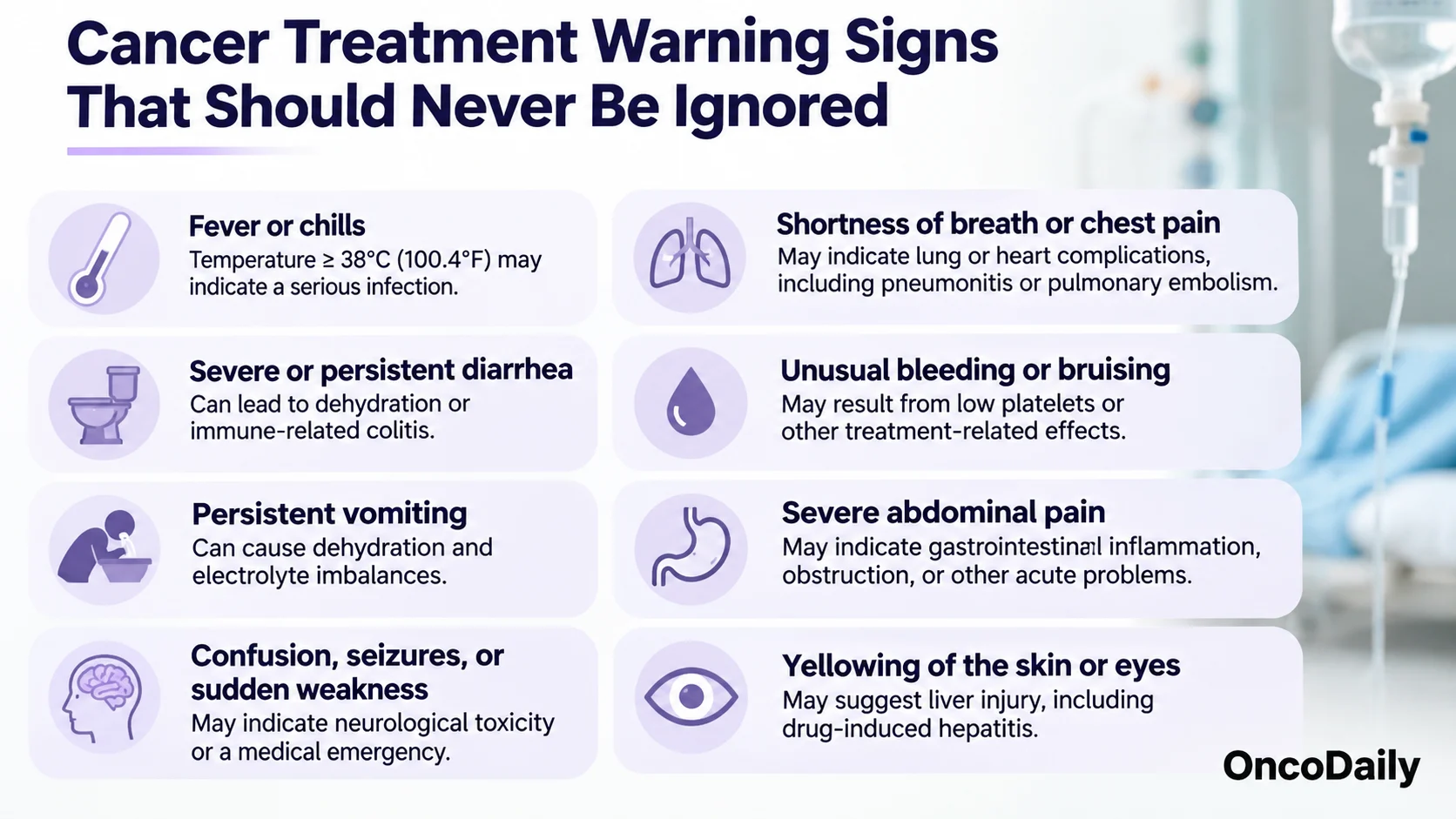
Warning signs that should never be ignored include fever of 38°C (100.4°F) or higher during chemotherapy, shortness of breath, chest pain, severe diarrhea, persistent vomiting, unusual bleeding, severe abdominal pain, confusion, and sudden weakness. Yellowing of the skin or eyes may also indicate liver injury.
Early recognition is essential, as some complications can progress rapidly. Patients should promptly report new or worsening symptoms to their oncology team, while severe symptoms such as chest pain, breathing difficulties, seizures, or sudden neurological changes require emergency medical care.
Can Cancer Treatment Side Effects Develop Months Later?
Some cancer treatment side effects can develop months or even years after treatment has ended. These are known as late effects and may occur following chemotherapy, radiotherapy, immunotherapy, or targeted therapy. Their development depends on the treatment received, cumulative drug exposure, and individual patient factors.
Late effects of cancer treatment may include peripheral neuropathy, heart or lung complications, hormonal disorders, fertility problems, and cognitive changes. Certain chemotherapy agents can cause long-term nerve or cardiac damage, while radiotherapy may lead to tissue fibrosis or organ dysfunction. Immune-related adverse events can also develop after immunotherapy has been discontinued, sometimes requiring prolonged monitoring or treatment.
Regular follow-up is important for identifying delayed complications. Patients should inform their oncology team about new or persistent symptoms, even months or years after completing cancer treatment.
Why Is Reporting Cancer Treatment Side Effects Important?
Reporting cancer treatment side effects is essential for both patient safety and the ongoing monitoring of cancer medicines. While clinical trials provide important information about treatment-related toxicities, some adverse reactions may only become apparent when medicines are used in larger, more diverse patient populations or over longer periods.
In oncology, reporting suspected adverse drug reactions helps healthcare professionals identify complications early, assess their severity, and determine whether supportive care, dose adjustments, or treatment interruptions are necessary. Accurate documentation also contributes to pharmacovigilance, the continuous monitoring of medicine safety after approval.
According to the World Health Organization (WHO), individual reports, when evaluated alongside other safety data, can help identify previously unrecognized risks and improve understanding of medication-related adverse effects. Such findings may lead to updated safety warnings, prescribing recommendations, or additional monitoring requirements.
Patients and healthcare professionals should report suspected side effects even when the connection to a cancer medicine is uncertain. A suspected reaction does not necessarily establish that the treatment caused it, but reporting provides valuable information for further safety assessment.
The message of MedSafetyWeek 2026, “Don’t ignore side effects. Report them,” reinforces the importance of recognizing adverse reactions, communicating them promptly, and contributing to safer cancer treatment.
How Can Patients Report Cancer Treatment Side Effects?
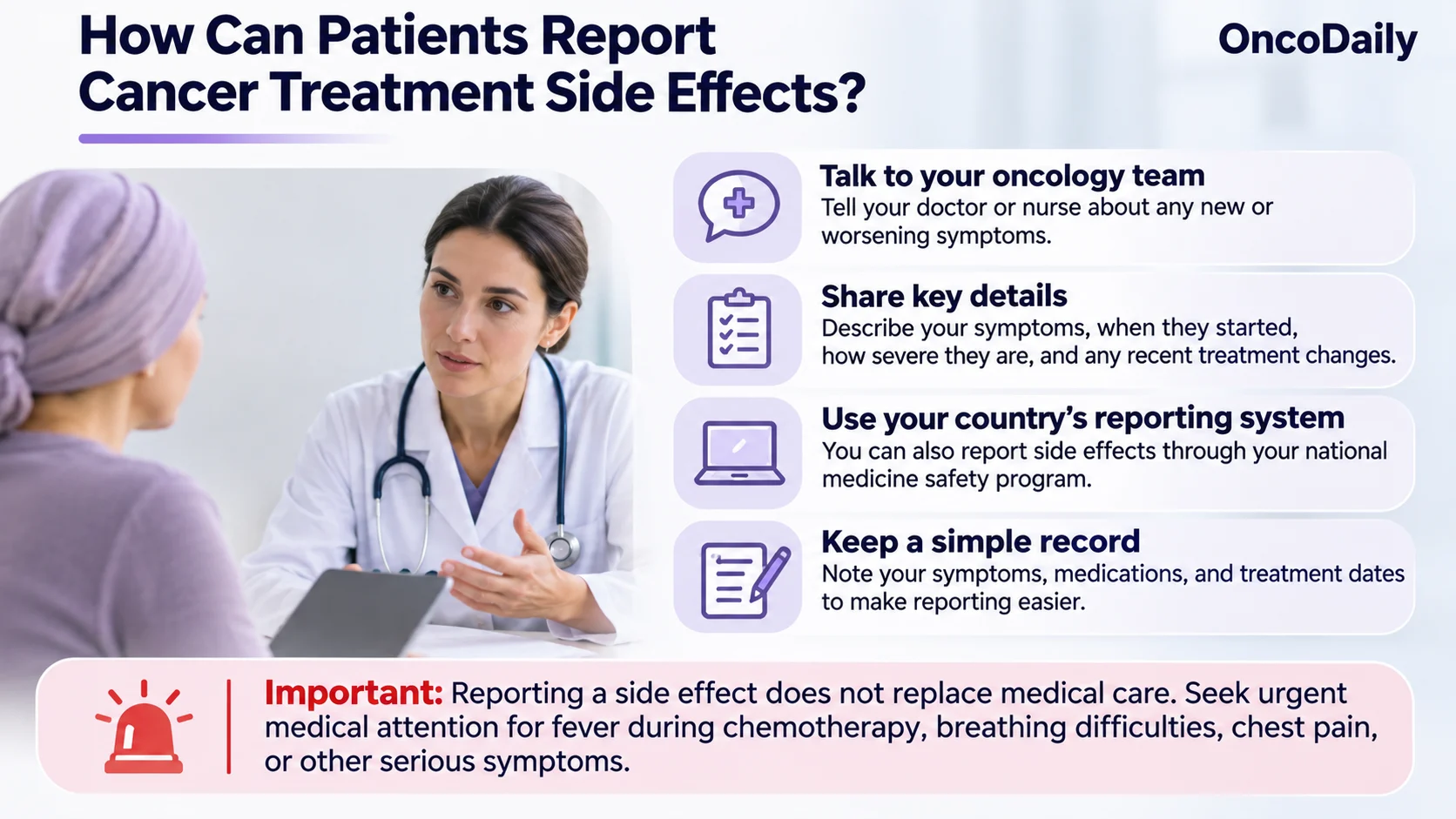
Patients experiencing side effects during or after cancer treatment should inform their oncology team, even if the symptoms seem mild or unrelated to their medication. Reporting side effects early can help doctors identify complications, manage symptoms, and prevent more serious health problems.
The first step is to contact the treating oncologist, oncology nurse, or healthcare team. Patients should explain what symptoms they are experiencing, when they started, how severe they are, and whether they have recently started a new medication or changed their treatment dose.
Patients can also report suspected side effects through their country’s official medicine safety reporting system.These reports are collected by national health authorities to monitor medication safety and identify potential risks. Patients do not need to be certain that their cancer treatment caused the reaction before reporting it.
Keeping a simple record of symptoms, medications, and treatment dates can make reporting easier. However, patients should not stop or change prescribed cancer treatment without discussing it with their healthcare team.
FAQ
What Are the Most Common Side Effects of Cancer Treatment?
The most common cancer treatment side effects include fatigue, nausea, vomiting, diarrhea, hair loss, mouth sores, and skin changes. Symptoms vary depending on whether patients receive chemotherapy, immunotherapy, targeted therapy, or radiotherapy. Some side effects are temporary, while others may require ongoing medical management.
Which Cancer Treatment Side Effects Require Immediate Medical Attention?
A fever of 38°C (100.4°F) or higher during chemotherapy requires immediate medical assessment because it may indicate a serious infection. Severe breathing difficulties, chest pain, uncontrolled bleeding, seizures, or sudden neurological changes are also medical emergencies. Patients should not wait for their next scheduled appointment.
Can Cancer Treatment Side Effects Appear After Treatment Ends?
Yes. Some cancer treatment side effects develop weeks, months, or even years after treatment. These may include peripheral neuropathy, heart or lung complications, hormonal disorders, and radiation-related tissue damage. Certain immune-related adverse events can also occur after immunotherapy has been discontinued.
Should Patients Report Mild Cancer Treatment Side Effects?
Yes. Patients should inform their oncology team about new or persistent side effects, even when symptoms appear mild. Early reporting helps healthcare professionals monitor treatment safety, manage symptoms, and identify potential complications. Suspected medication-related adverse reactions can also be reported through national pharmacovigilance systems.
Why Is WHO MedSafetyWeek Important for Cancer Patients?
WHO-supported MedSafetyWeek 2026, held November 2–8, encourages patients and healthcare professionals to recognize and report suspected medication side effects. This is particularly important in oncology, where cancer medicines may cause complex or serious adverse reactions. Reporting these reactions supports medication safety monitoring and helps identify potential risks that may not have been fully recognized during clinical trials.