Resistance to CDK4/6 inhibitors remains one of the most important clinical challenges in HR-positive/HER2-negative metastatic breast cancer.
CDK4/6 inhibitors have reshaped the treatment of ER-positive disease, but most patients with metastatic breast cancer eventually progress. The central question is no longer only how to use CDK4/6 inhibitors in the first line, but how to treat tumors once they have learned to grow despite them.
A new translational study published in Cancer Research suggests that, after CDK4/6 inhibitor resistance develops, some tumors may shift their cell-cycle dependency toward CDK2 — creating a potential therapeutic vulnerability.
Why CDK2 Matters After CDK4/6 Progression
CDK4/6 inhibitors work mainly by activating the retinoblastoma protein, or RB, and blocking the G1–S cell-cycle checkpoint.
But resistance can emerge through several mechanisms, including RB loss, increased CDK6 activity, cyclin E/CDK2 activation, and other changes in cell-cycle control.
The study by Juric et al. investigated whether CDK2 inhibition could suppress tumor growth in the setting of CDK4/6 inhibitor–resistant HR+/HER2− metastatic breast cancer.
The authors analyzed clinical samples from patients treated with the selective CDK2 inhibitor PF-07104091, together with patient-derived breast cancer models.
Early Clinical Signal With PF-07104091
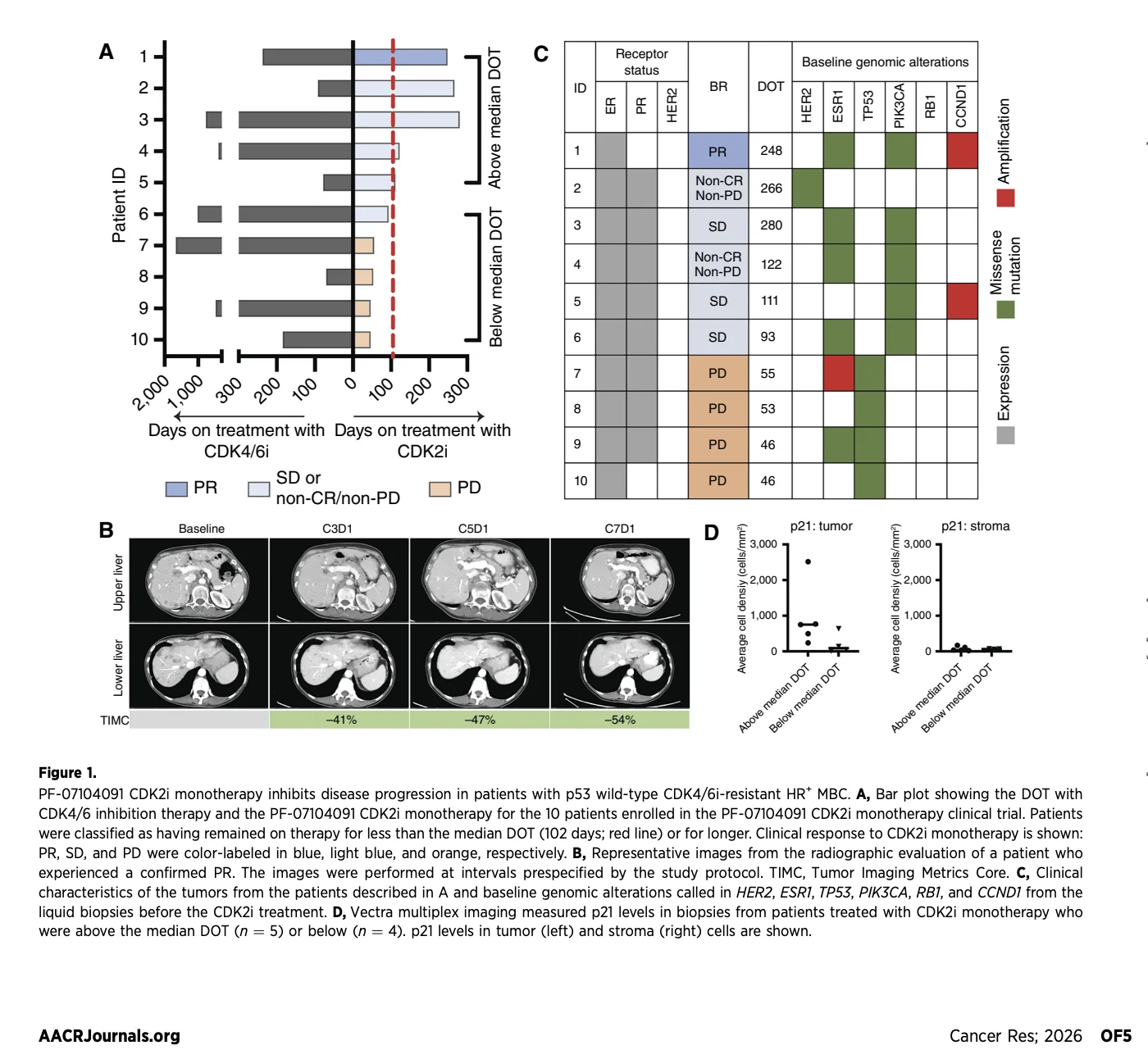
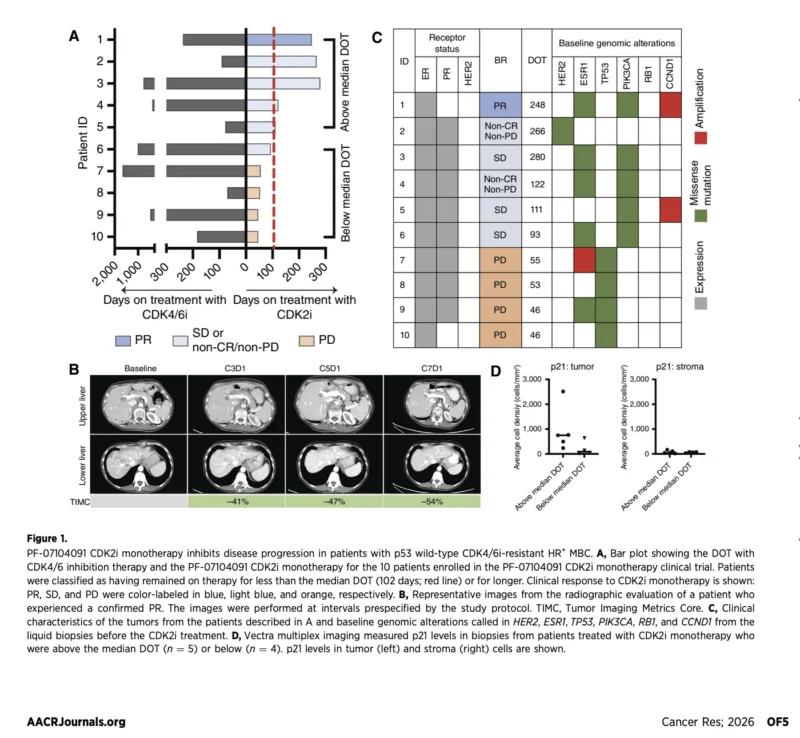
The clinical cohort included 10 patients with HR+/HER2− metastatic breast cancer treated with PF-07104091 monotherapy in a phase Ia trial.
All patients had previously received hormonal therapy and CDK4/6 inhibition. Four patients progressed within 60 days of treatment initiation. The remaining six patients had non-progressive disease, including one confirmed partial response and several cases of stable disease or non-CR/non-PD.
This is an early and small cohort, so the findings should be interpreted carefully. But the signal is important because it suggests that CDK2 inhibition may have activity in a setting where standard endocrine-based options often become less effective.
RB May Not Be the Key Biomarker
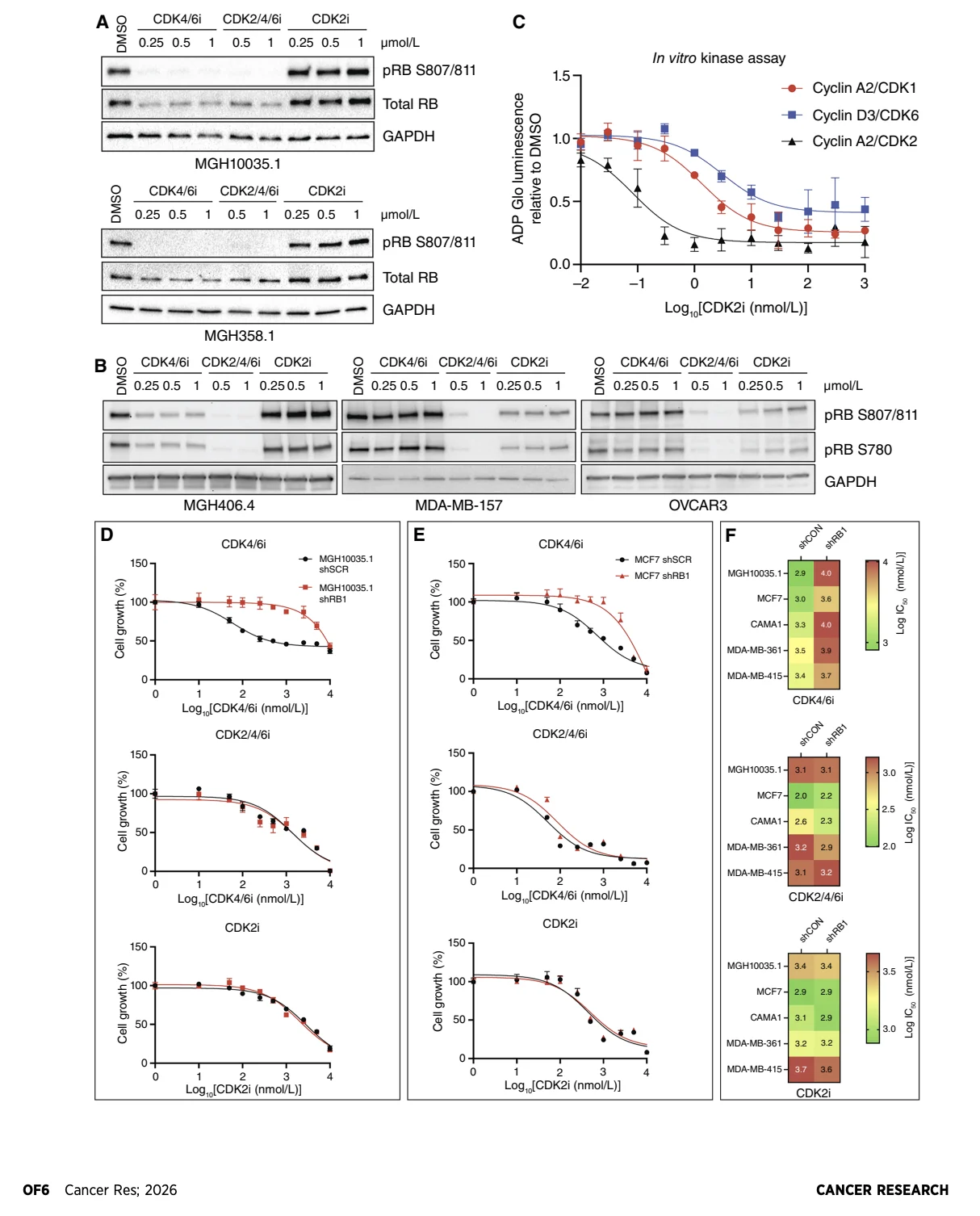
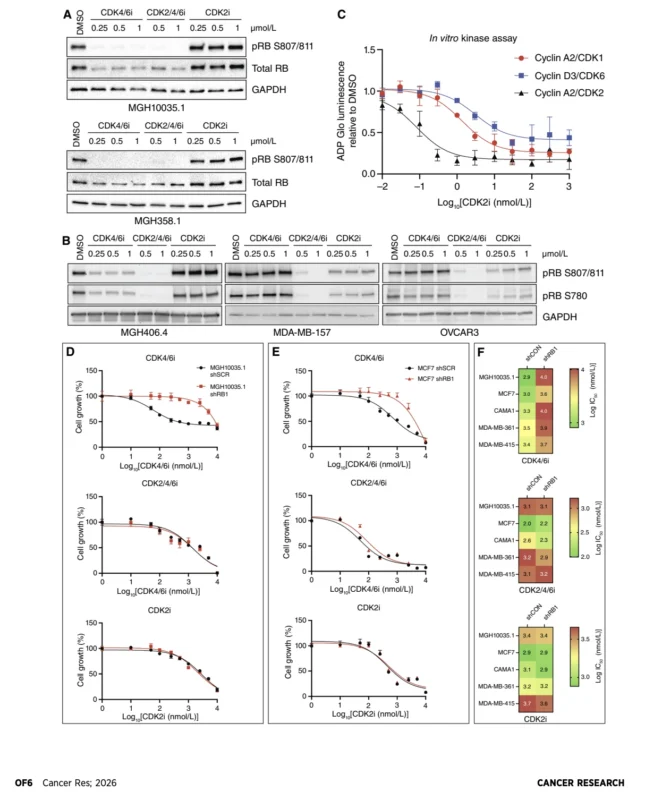
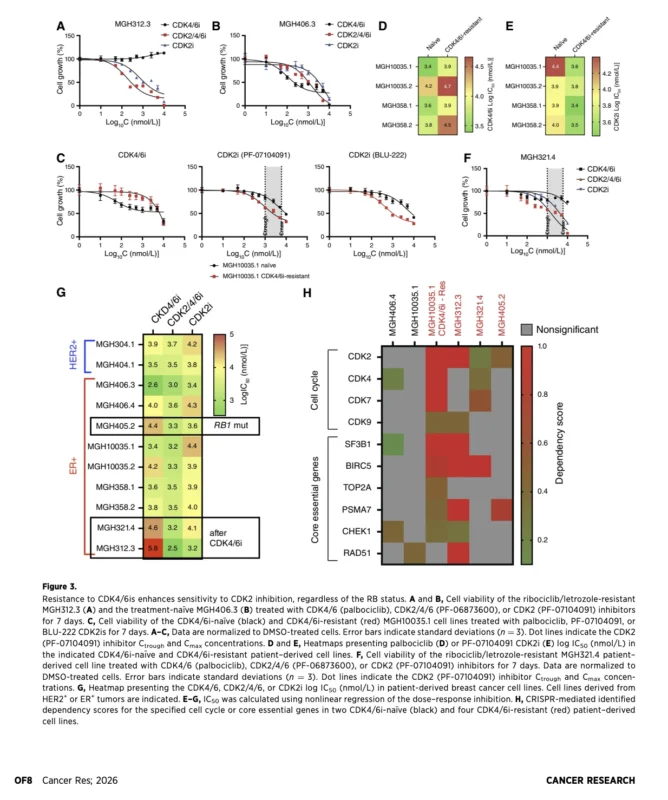
One of the most striking findings was that CDK2 inhibitor activity appeared independent of RB status.
This matters because RB loss is a known mechanism of resistance to CDK4/6 inhibitors. If a tumor loses functional RB, continuing to target the classic CDK4/6-RB axis may be less effective.
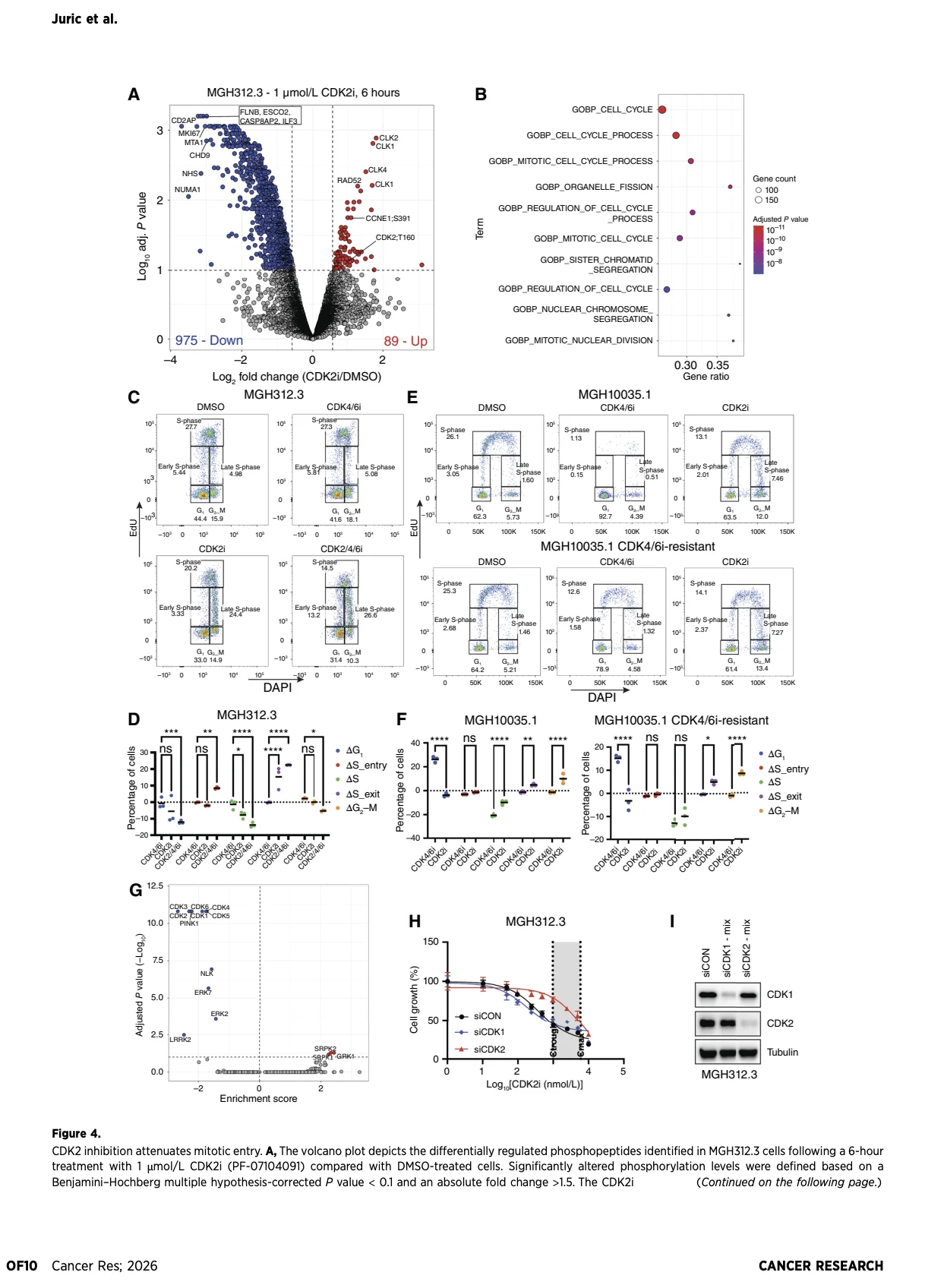
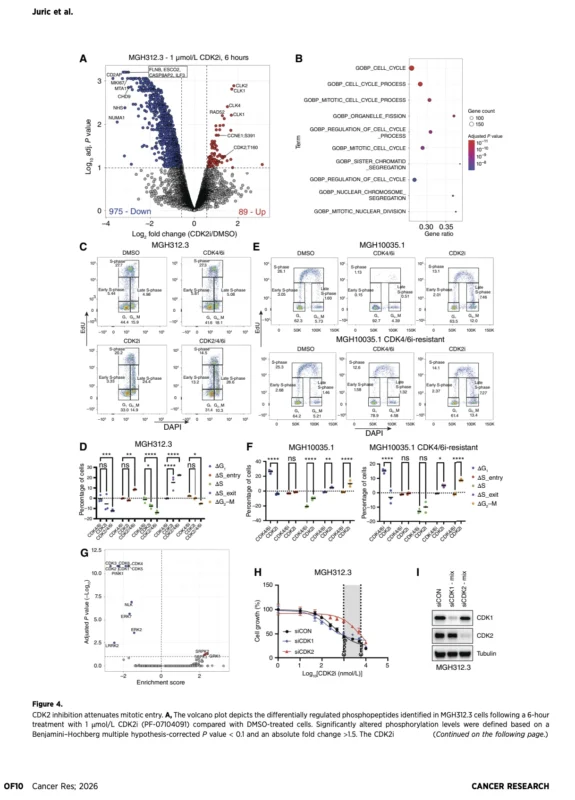
In this study, CDK2 inhibition did not consistently reduce RB phosphorylation in most HR+/HER2− breast cancer models. Instead, it appeared to act through a different mechanism: reducing DNA replication, increasing DNA damage, and impairing mitotic entry.
In simple terms, CDK2 inhibition may not need RB to work in this resistant setting.
That could be clinically relevant for patients whose tumors have developed RB-related resistance to CDK4/6 inhibitors.
TP53 May Help Identify Sensitive Tumors
The study also points to TP53 status as a possible determinant of sensitivity.
Patients who remained on PF-07104091 longer than the median duration of treatment more often had wild-type TP53, while early progression was associated with TP53 hotspot mutations.
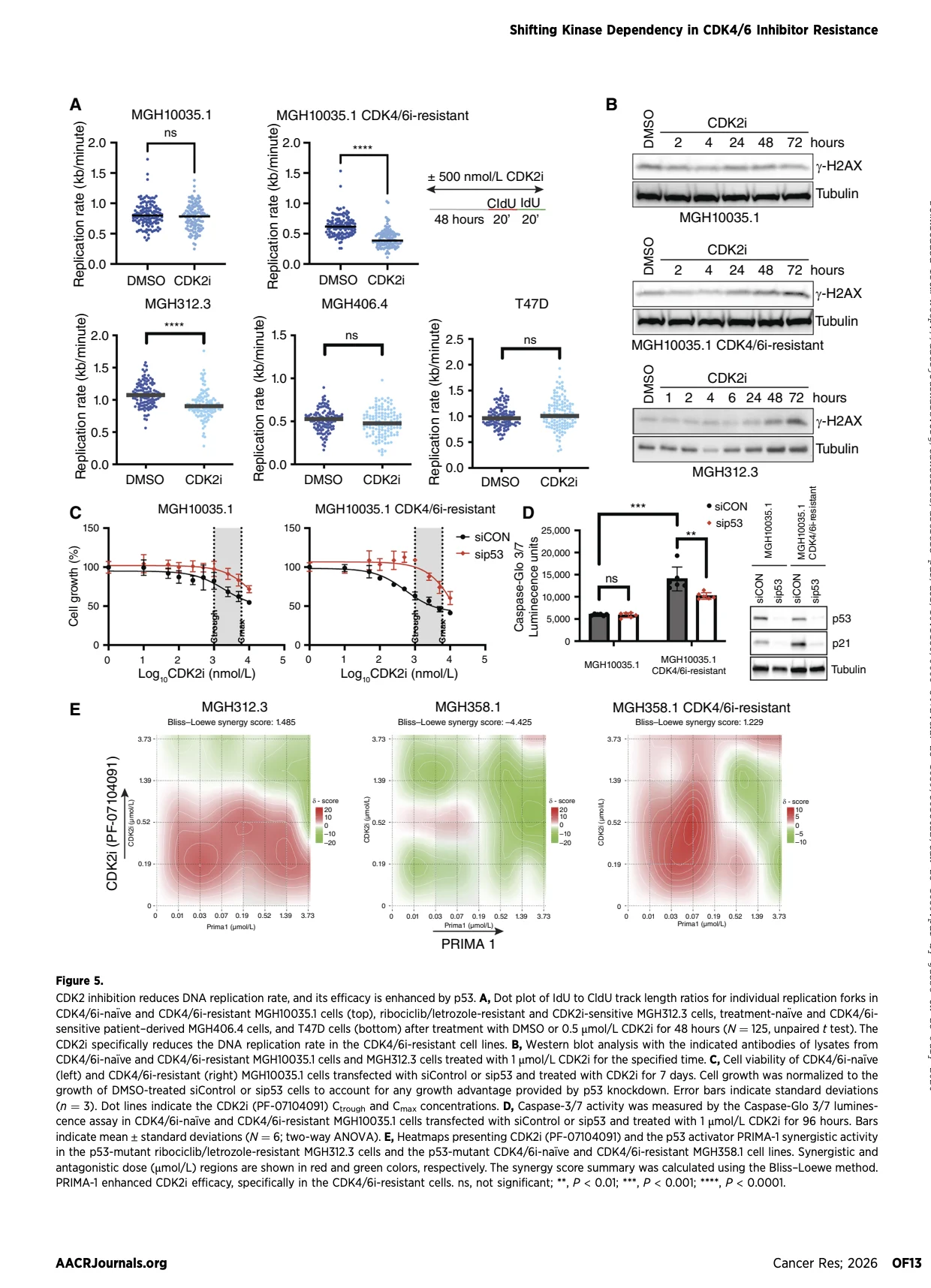
The authors also showed that CDK2 inhibition reduced DNA replication and increased DNA damage, with growth inhibition facilitated by p53 activity.
This does not yet establish TP53 as a validated clinical biomarker. However, it raises an important hypothesis: tumors with intact p53 signaling may be more vulnerable to CDK2 inhibition after CDK4/6 inhibitor resistance.
CDK Dependency May Shift Over Time
A key concept from the study is cell-cycle plasticity.
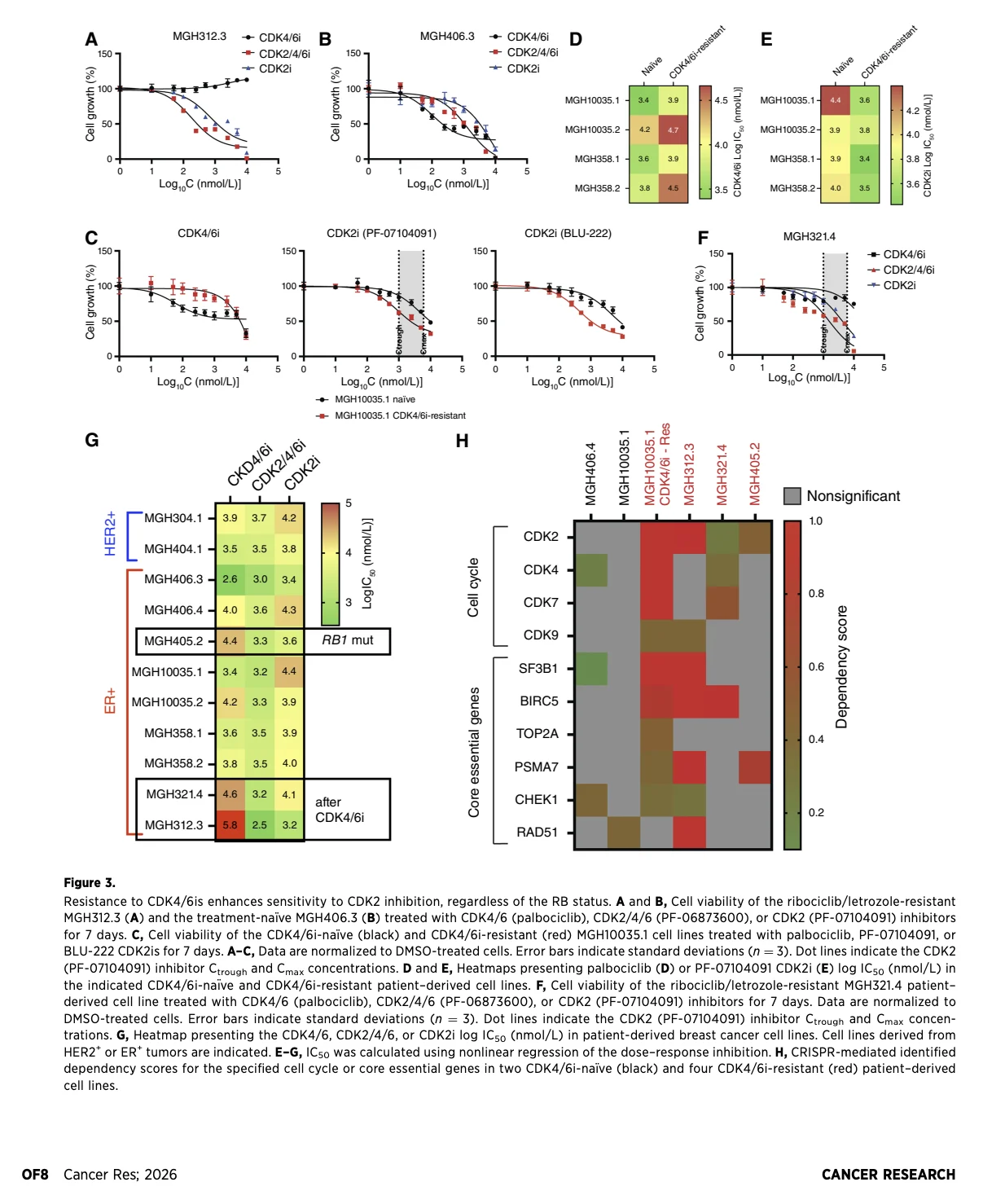
CDK4/6-sensitive tumors may depend mainly on the CDK4/6-RB checkpoint. But after resistance develops, tumor cells may rely more heavily on CDK2 to continue DNA replication and mitotic progression.
Patient-derived models resistant to CDK4/6 inhibitors showed greater sensitivity to CDK2 inhibition compared with CDK4/6 inhibitor–naïve models. The study also found that combined CDK2 and CDK4/6 inhibition produced stronger synergy in CDK4/6 inhibitor–resistant cells than in CDK4/6 inhibitor–naïve cells.
This supports the idea that CDK2 inhibitors may be most relevant not as a replacement for CDK4/6 inhibitors in all patients, but as part of a rational strategy after resistance develops.
What This Means for Breast Cancer Treatment
These findings are not practice-changing yet.
PF-07104091 and other selective CDK2 inhibitors remain investigational. The clinical sample size in this study was small, and the translational findings require validation in larger prospective trials.
But the study provides an important mechanistic framework.
Instead of viewing CDK4/6 inhibitor resistance as a single event, it suggests that resistance may create new dependencies. In some tumors, escaping CDK4/6 inhibition may expose a new vulnerability to CDK2 inhibition.
That concept could guide future biomarker-driven trials.
The Bottom Line
CDK2 inhibition is emerging as a promising strategy in CDK4/6 inhibitor–resistant HR+/HER2− metastatic breast cancer.
This Cancer Research study suggests that CDK2 inhibitors may act through an RB-independent mechanism, targeting DNA replication and mitotic entry rather than the classic CDK4/6-RB checkpoint.
The most important signal may be biomarker-related: TP53 status, RB independence, and the shift from CDK4/6 to CDK2 dependency could help define which patients are most likely to benefit.
For now, CDK2 inhibition remains investigational, but it may become an important next chapter in overcoming CDK4/6 resistance.
References
- Juric D, Islam KN, Gkotinakou I-M, Zheng A, Lee H, Saxena S, et al. CDK2 inhibition exerts RB-independent antitumor activity in CDK4/6 inhibitor–resistant HR+/HER2− breast cancer. Cancer Research. 2026. doi:10.1158/0008-5472.CAN-25-1859.
- Yap TA, Elhaddad AM, Grisham RN, Hamm JT, Marks DK, Shapiro G, et al. First-in-human phase 1/2a study of PF-07104091 in patients with advanced solid tumors, enriched for CDK4/6 inhibitor-resistant HR+/HER2− breast cancer. Journal of Clinical Oncology. 2023;41:3010.
- Wander SA, Cohen O, Gong X, Johnson GN, Buendia-Buendia JE, Lloyd MR, et al. The genomic landscape of intrinsic and acquired resistance to CDK4/6 inhibitors in hormone receptor-positive metastatic breast cancer. Cancer Discovery. 2020;10:1174-1193.