The MASCC/ISOO 2026 Annual Meeting will take place from 25 to 27 June 2026 in Melbourne, Australia. Hosted by the Multinational Association of Supportive Care in Cancer (MASCC) in partnership with the International Society of Oral Oncology (ISOO).
The meeting brings together clinicians, researchers, nurses, allied health professionals, and patient advocates working to advance supportive cancer care across the continuum, from diagnosis and active treatment to survivorship and palliative care. This year’s theme, “Coordinated and Individualized Supportive Cancer Care,” highlights the need for evidence-based, multidisciplinary approaches that also respond to each patient’s individual needs.
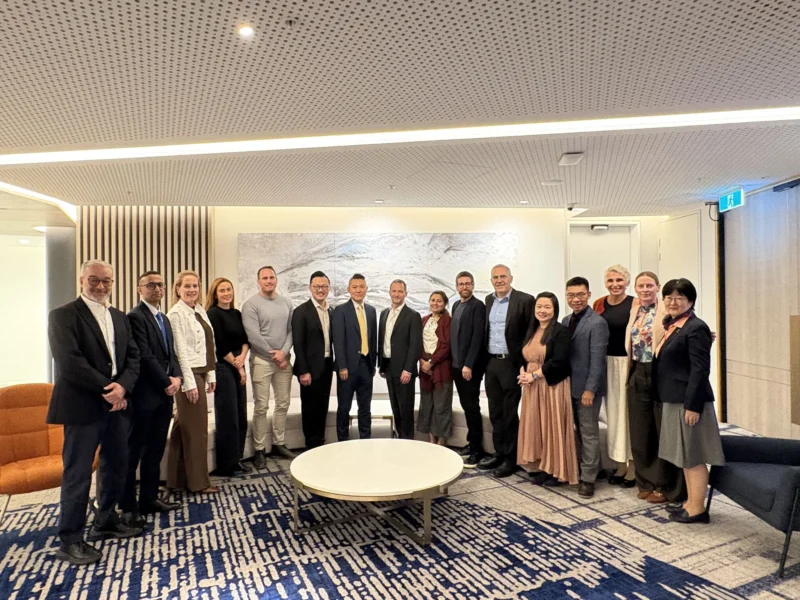
“The Multinational Association of Supportive Care in Cancer has welcomed its new Executive Committee at the MASCC 2026 Annual Meeting in Melbourne.
Alex Chan begins his term as President, alongside President-Elect Raymond Chan, Secretary Enrique Soto, Treasurer Vikas Ostwal, and Immediate Past President Florian Scotté.
After serving as MASCC President for the past two years, Florian Scotté reflected on the honour of leading the association and expressed his support for the new Board as it continues to advance supportive cancer care worldwide.
MASCC also looks ahead to its future meetings in Rotterdam, the Netherlands, in 2027 and Rio de Janeiro, Brazil, in 2028. As Florian Scotté noted, supportive care makes excellent cancer care possible.”
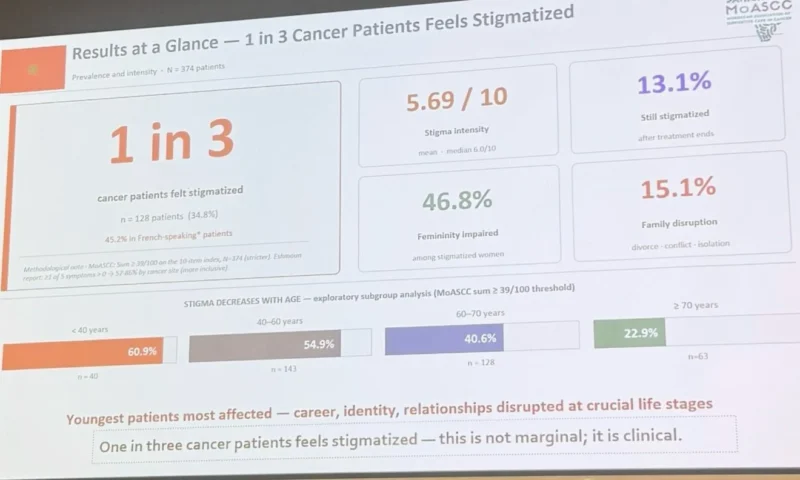
“An important discussion on stigma among people diagnosed with cancer, shared by the Moroccan Association of Supportive Care in Cancer during MASCC 2026.
Addressing stigma is essential to ensuring that cancer care is not only clinically effective, but also compassionate, equitable, and responsive to the emotional and social realities patients may face.
Thank you to Fatma Ben Abid and colleagues for highlighting this meaningful aspect of supportive cancer care.”
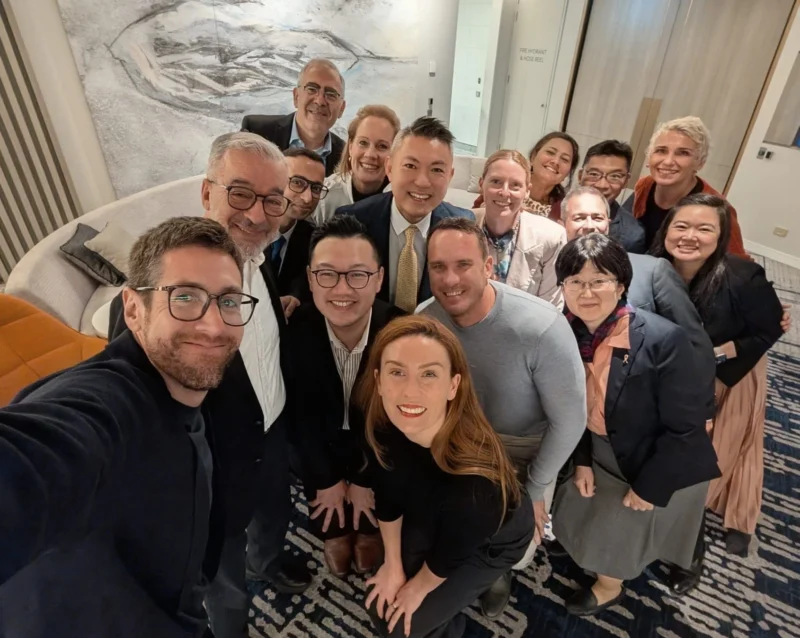
“Supportive cancer care never looked so good.
A warm welcome to the 2026 MASCC Board Members. Their leadership, expertise, and commitment will help advance supportive cancer care and strengthen outcomes for people affected by cancer worldwide.”
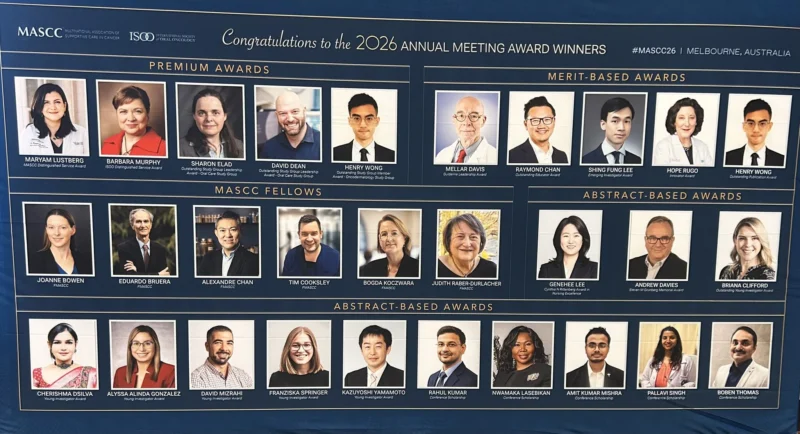
“Congratulations to all the award recipients and newly named MASCC Fellows.
It is wonderful to see the dedication, leadership, and meaningful contributions of colleagues across supportive and palliative cancer care recognized in this way.
These achievements reflect a shared commitment to improving the experiences and outcomes of people affected by cancer.”
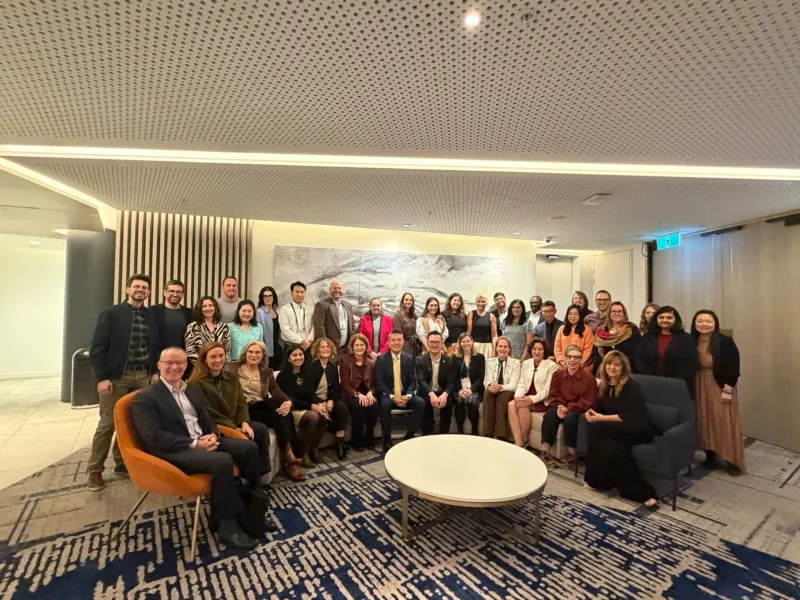
“The MASCC 2026 Annual Meeting began with the Study Group Leaders Meeting, offering an important opportunity to revisit the Supportive Care 2030 Movement and help shape the road ahead.
I am always grateful for the energy and collaboration of my fellow ‘Small but Mighty’ Pediatric Group leaders, Jason Freedman and Dori Beeler.
Despite the challenges of a red-eye flight and jet lag, I am looking forward to the rest of MASCC 2026 and the conversations ahead.”
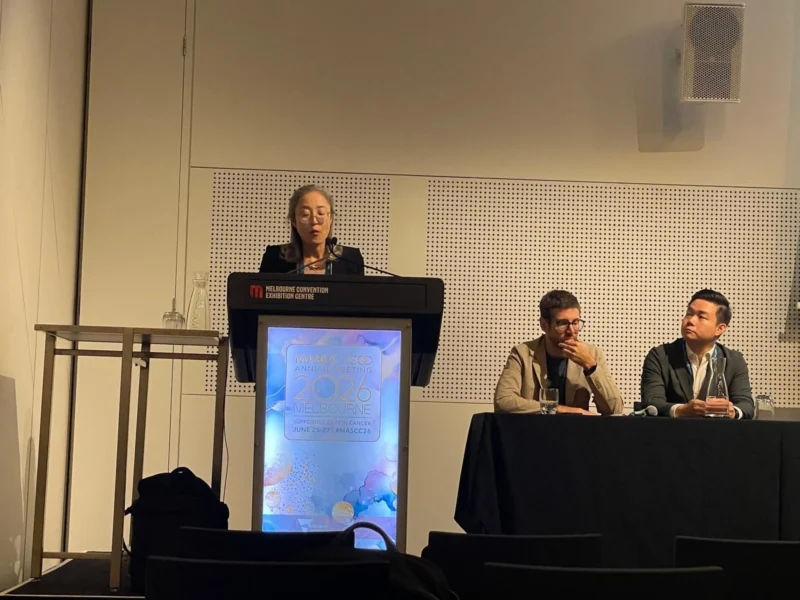
“Heartfelt thanks to all speakers who contributed to the Digital Health for Older Adults with Cancer session, including William Dale, Christopher Steer, Christian Nelson, Su-Jin Koh, Marquita Lewis, Thitikorn Nuamek, and Enrique Soto Perez de Celis.
Their expertise and perspectives highlighted both the opportunities and challenges of using digital health to strengthen cancer care for older adults, while reinforcing the importance of accessible, person-centred approaches.
The session offered valuable discussion and inspiration for advancing the future of cancer care through innovation and collaboration.”
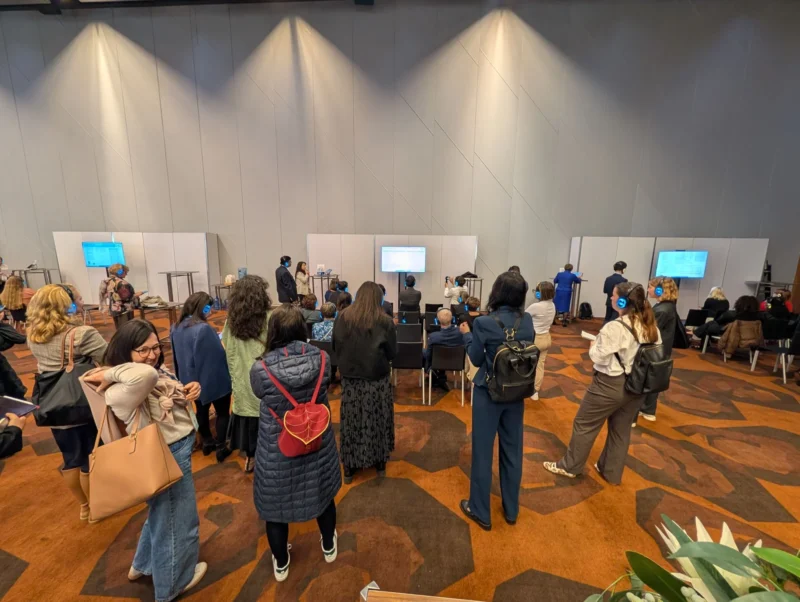
“The Geriatrics poster presentation at MASCC 2026 is packed with exciting research and conversations.
Visit Stage 7 to learn more about the latest work in geriatric oncology and the growing momentum behind GeriOnc.”
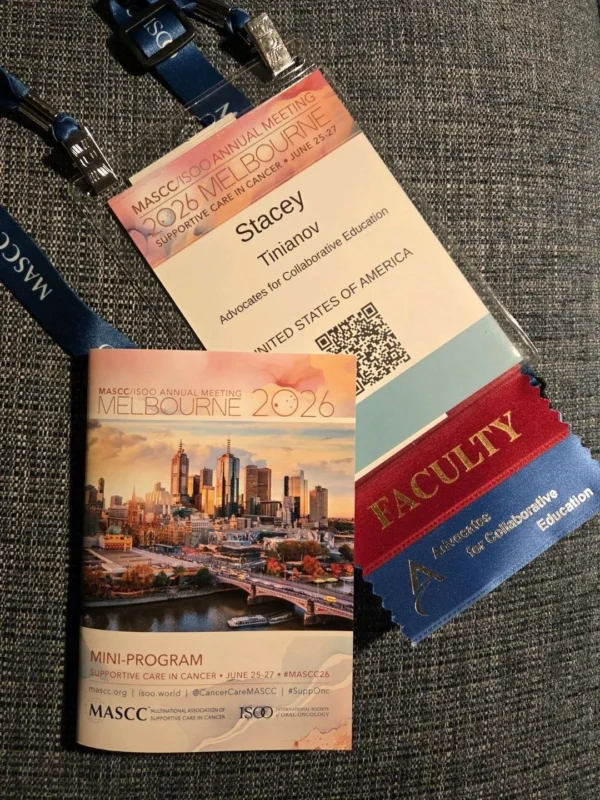
“Thrilled to be kicking off Day One of the MASCC 2026 Annual Meeting in Melbourne, Australia.
I am looking forward to connecting with fellow advocates and supportive care professionals, learning from global innovations in supportive cancer care, and representing Advocates for Collaborative Education.
I am also honoured to chair the Advocacy Around the World session on Friday morning.”
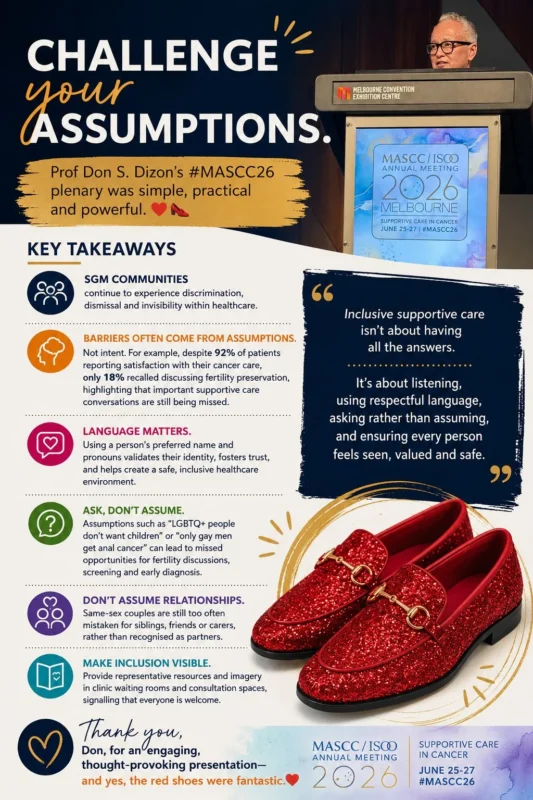
“Prof Don S. Dizon’s MASCC 2026 plenary delivered a powerful reminder for everyone involved in cancer care: challenge your assumptions.
His presentation highlighted how assumptions about sexual orientation, gender identity, relationships, fertility, and cancer risk can create barriers to timely, respectful, and inclusive care for sexual and gender minority communities.
Inclusive supportive care begins with listening, using respectful language, asking rather than assuming, and ensuring that every person feels seen, valued, and safe. Thank you, Don, for an engaging and thought-provoking session.”
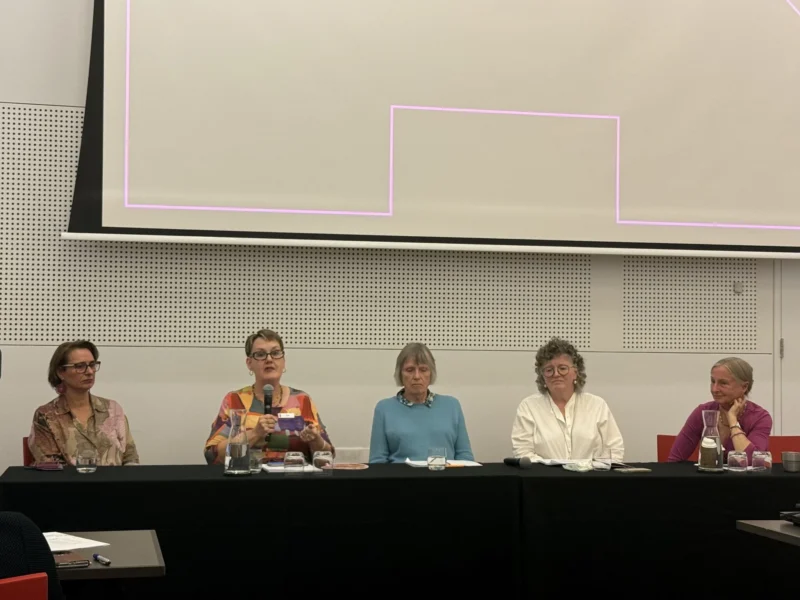
“Cancer-related fatigue remains one of the most common and under-addressed challenges in cancer care.
This MASCC 2026 session highlighted the need for a more precise, clinically meaningful approach to understanding fatigue. Rather than viewing it as a single symptom, discussions explored its many contributing factors, including treatment effects, inflammation, sleep disruption, emotional distress, and the cumulative burden of cancer.
The session also reinforced the importance of focusing not only on fatigue severity, but on its impact on daily functioning, treatment adherence, and quality of life. Mindfulness-based interventions were highlighted as a promising, adaptable approach for some patients.
Thank you to Chair Amin Malik Shah Abdul Majid and speakers Dr Dori Beeler, Chia-Ling Li, Komal Singh, Margaret-Ann Tait, Dori Beller, and Debie Kirk for advancing this important conversation and ensuring patient voices remain central to supportive cancer care.”
“Ashleigh Sharman will present two complementary Australian studies at MASCC 2026 exploring the unique experiences of people living with metastatic cancer and the impact of financial toxicity.
Her presentation will take place on Friday, 26 June, from 2:35–2:45 pm at Stage 1, contributing to the growing conversation on how financial pressures affect cancer care and supportive care needs.”
“BCNA is contributing to the MASCC/ISOO 2026 Annual Meeting in Melbourne, reinforcing the essential role of lived experience in cancer care, research, education, and policy.
Consumer representatives helped co-design elements of this year’s program alongside clinicians, researchers, and supportive care experts. BCNA also sponsored the Sexual Wellbeing Workshop, bringing together consumer advocates across breast, ovarian, prostate, and lymphoma cancer communities.
Throughout the meeting, BCNA consumer advocates and staff will share six presentations focused on research co-design, body image, stigma and shame after breast cancer, meaningful consumer engagement, metastatic breast cancer data, and cancer survivorship.
Thank you to MASCC CEO Melissa Chin, Conference Chair Professor Joanne Bowen, and the MASCC leadership team for creating meaningful opportunities to embed consumer partnership throughout the conference.”
“Leilani Way was honoured to be among 837 presenters selected for an oral rapid e-poster presentation at MASCC 2026, joining more than 1,200 delegates from around the world.
The meeting continues to bring together a global community committed to advancing supportive and survivorship care, while creating valuable opportunities to learn, connect, and exchange ideas.
Leilani also thanked Michael Jefford for sharing the meeting statistics and for his leadership in supportive and survivorship care in Australia.”
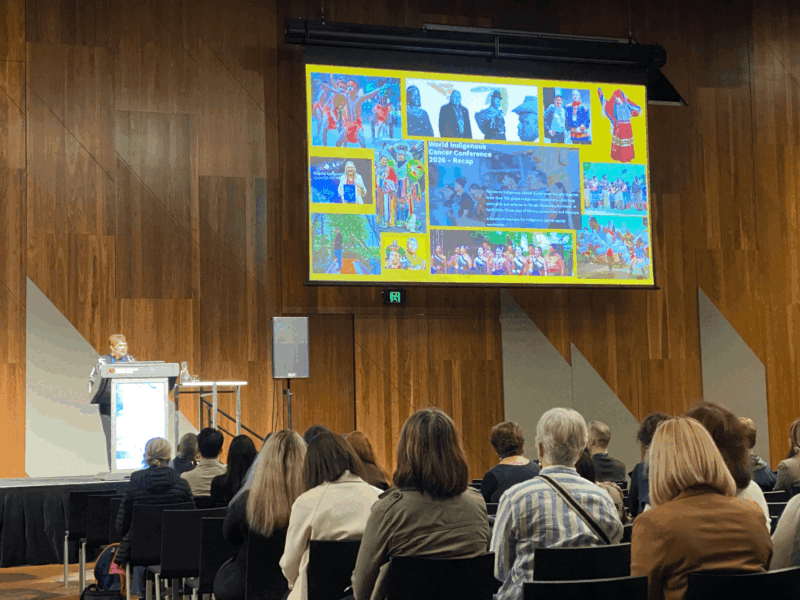
“Prof Gail Garvey’s work is driving meaningful progress toward more equitable cancer care for First Nations people in Australia.
From identifying unmet supportive care needs among patients and carers to advancing culturally safe cancer care, her team’s research is helping shape practical resources and services for First Peoples affected by cancer.
Growing evidence also highlights the important role of First Nations patient navigators in supporting patients and carers across cancer services. While there is still a long way to go, this work shows how collaboration, culturally responsive care, and sustained commitment can help improve outcomes.”
“Special thanks to Florian Scotté, Immediate Past President of MASCC, for his important contribution to the development of cardio-oncology.
His leadership and continued commitment have helped strengthen the connection between supportive cancer care and cardiovascular health.”
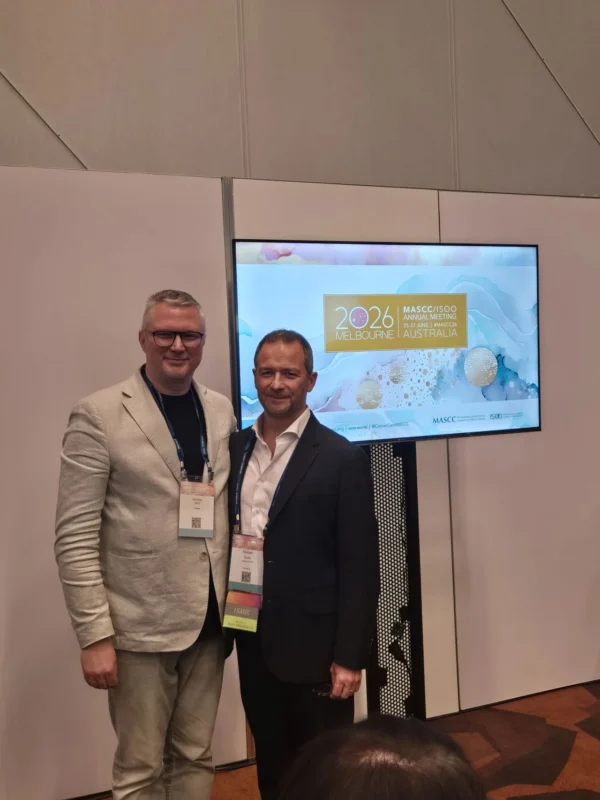
“ICOS continues its global advocacy for cardiovascular health in people affected by cancer, from Vienna to Melbourne.
At MASCC 2026, the International Cardio-Oncology Society is helping highlight the importance of integrating cardiovascular care throughout cancer treatment and survivorship.”
“From Vienna to Melbourne, Sebastian Szmit and Susan Dent are bringing the cardio-oncology conversation to MASCC 2026.
They invite colleagues to join the upcoming joint session of the Multinational Association of Supportive Care in Cancer and the International Cardio-Oncology Society, highlighting the importance of cardiovascular health throughout cancer care and survivorship.”
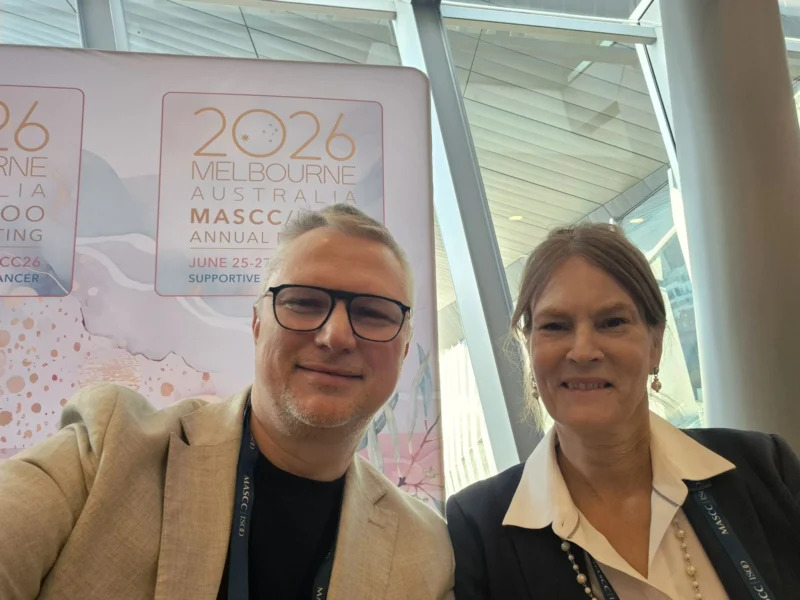
“Attending MASCC 2026 in Melbourne and looking for a short break between sessions? Webb Bridge is less than a 10-minute walk away and offers a chance to enjoy the city’s riverside atmosphere.”

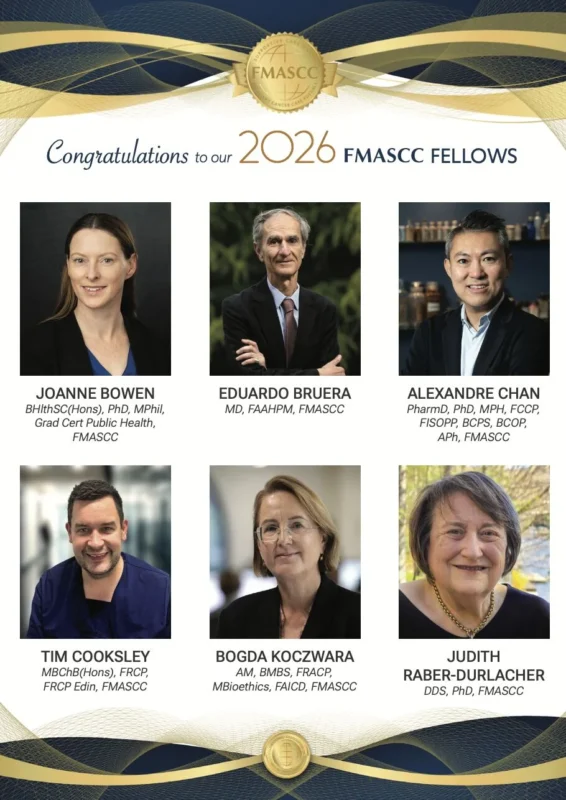
“Congratulations to the 2026 cohort of MASCC Fellows.
Fellow status recognises individuals who have made sustained contributions to MASCC and demonstrated continued excellence in supportive cancer care practice and research.
This year’s Fellows are Joanne Bowen, Eduardo Bruera, Alexandre Chan, Tim Cooksley, Bogda Koczwara, and Judith Raber-Durlacher. Their expertise, leadership, and dedication continue to strengthen supportive care for people affected by cancer worldwide.”
“Jess Morris is leading a community-led wellness after cancer program pilot at Strong Spirit Aboriginal Services.
The initiative highlights the importance of ensuring that cancer survivorship programs are shaped by community priorities, knowledge, and lived experience.
Creating better funding models that enable communities to lead is essential to building more responsive, culturally appropriate, and sustainable cancer care.”
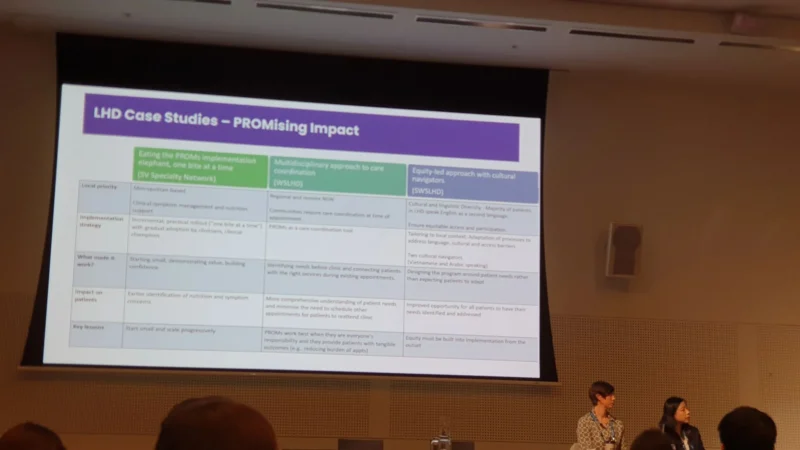
“Three insightful case studies from New South Wales highlighted pragmatic and flexible approaches to implementing patient-reported outcome measures (PROMs) in cancer care.
The presentations offered valuable lessons on how PROMs can be integrated into routine practice to better understand patient experiences, identify supportive care needs, and inform more responsive care.
The discussion also raised an important question for Scotland: where are we in translating these approaches into cancer services?”
Written by Nare Hovhannisyan, MD
Find more exclusive oncology content on OncoDaily