Day 5 of the Immuno 2026 Global Virtual Congress on Immuno-Oncology was devoted to cell therapy and pediatric immunotherapy. The program covered engineered immune cells and their use in blood cancers, solid tumors, and pediatric brain tumors.
Organized by OncoDaily in collaboration with the Parker Institute for Cancer Immunotherapy (PICI), the congress marks PICI’s 10th anniversary. The day paired established leaders with early-career researchers. The focus was on how cell therapies can be engineered to work better, why they sometimes fail, and how they can reach more patients.
James Yang: Adoptive T-Cell Therapy for Solid Malignancies, and What’s Next
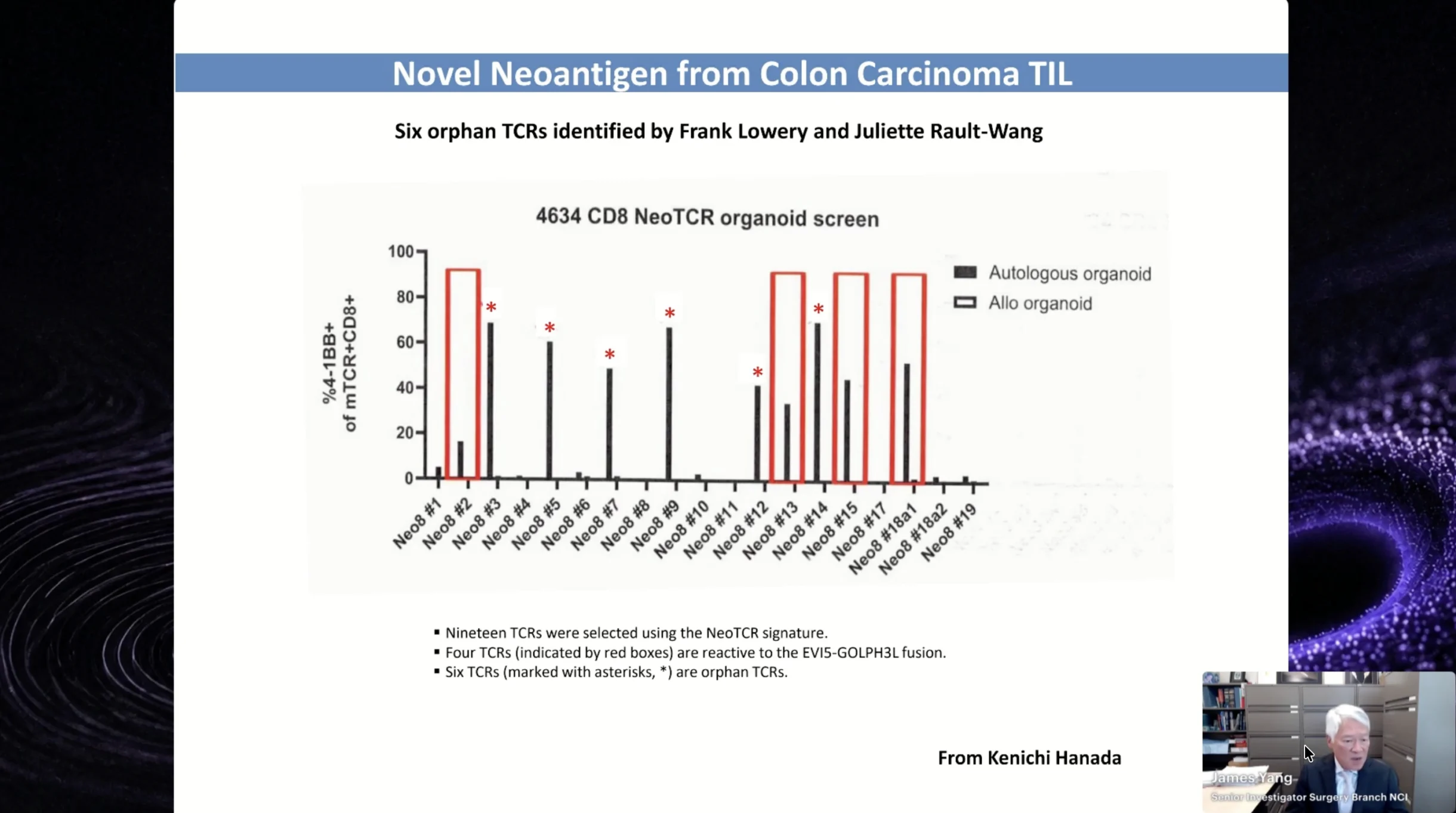
James Yang, Senior Investigator in the Surgery Branch of the National Cancer Institute, opened the day with a look at four decades of adoptive cell therapy. He traced the path from the first tumor-infiltrating lymphocyte trials in melanoma to neoantigen-directed and TCR-engineered approaches in common epithelial cancers.
He stressed that attacking several targets at once appears essential for meaningful responses, and that tumors often escape by losing antigen presentation. He also discussed patient-derived tumor organoids for identifying active T-cell products and a newly described class of “orphan” receptors that recognize previously unseen tumor antigens. He closed with a call for regulatory paradigms that can evaluate multi-target attacks as a whole.
Prasad S. Adusumilli: Regional Delivery of Mesothelin-Targeted CAR T Cells
Prasad Adusumilli, a thoracic surgeon-scientist and cellular therapist at Memorial Sloan Kettering Cancer Center, presented the lessons of the phase I study of CAR T cells delivered directly into the pleural space for mesothelioma, combined with checkpoint blockade.
He described encouraging survival, including long-term survivors in a very difficult-to-treat disease, and a safety event that highlighted the risk of autoimmune T-cell clones. He explained why standard imaging is unreliable in this diffuse cancer. He also outlined next-generation designs meant to resist exhaustion and improve tumor infiltration, and several new trials planned for the coming year.
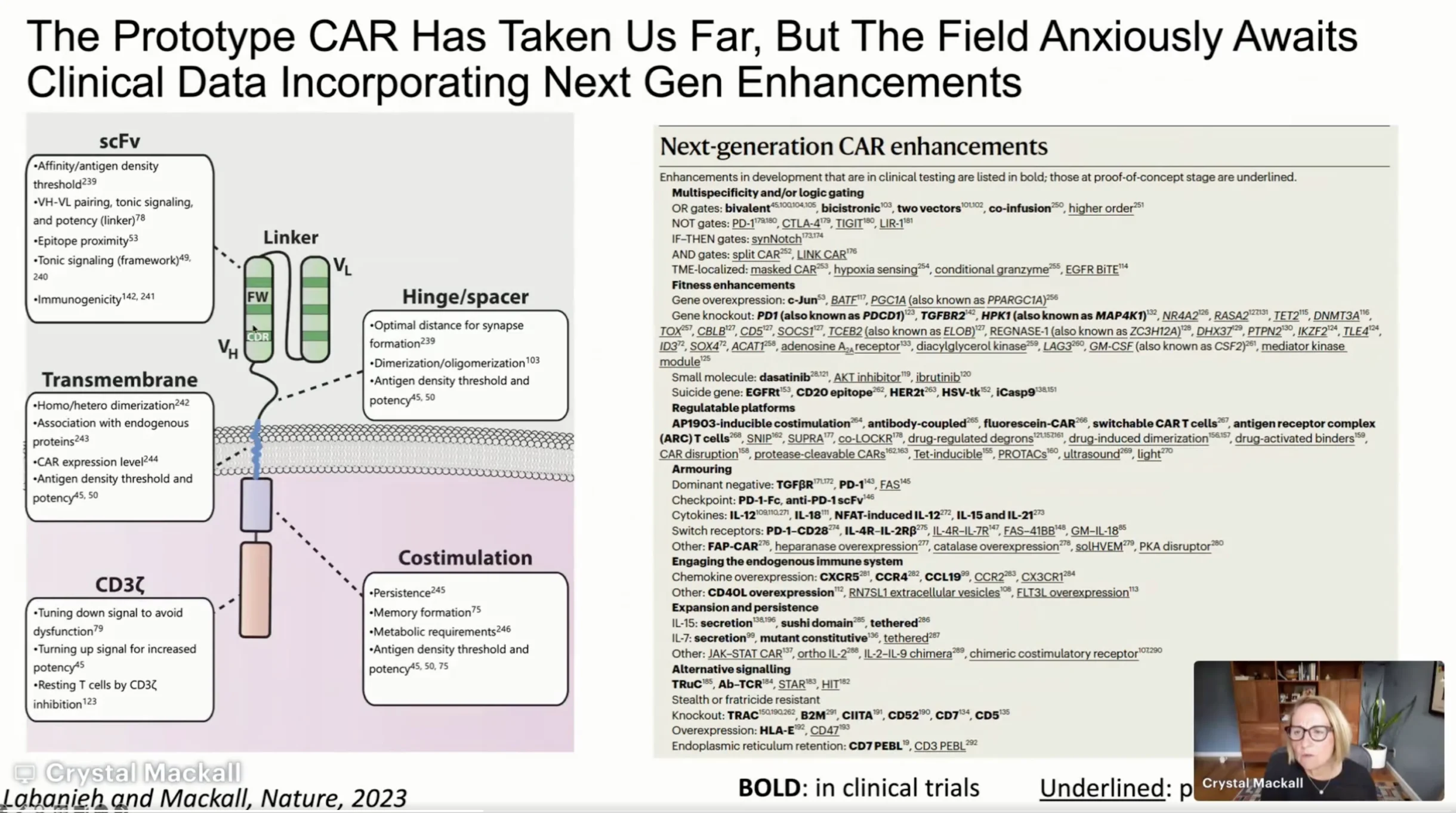
Crystal Mackall: Engineering Cellular Therapies for Cancer
Crystal Mackall, Founding Director of the Stanford Center for Cancer Cell Therapy, argued that today’s CAR T cells are only a first version of what is possible. She described the clinical experience with CAR T cells for diffuse midline glioma, a universally lethal pediatric brain tumor.
It included dramatic and durable responses in some patients, a distinctive inflammatory neurotoxicity, and immune responses against the CAR itself that limit persistence. She also presented a new engineering strategy that borrows a natural protease cut site to let CAR T cells tune down excessive stimulation, an approach that improved every CAR her team tested.
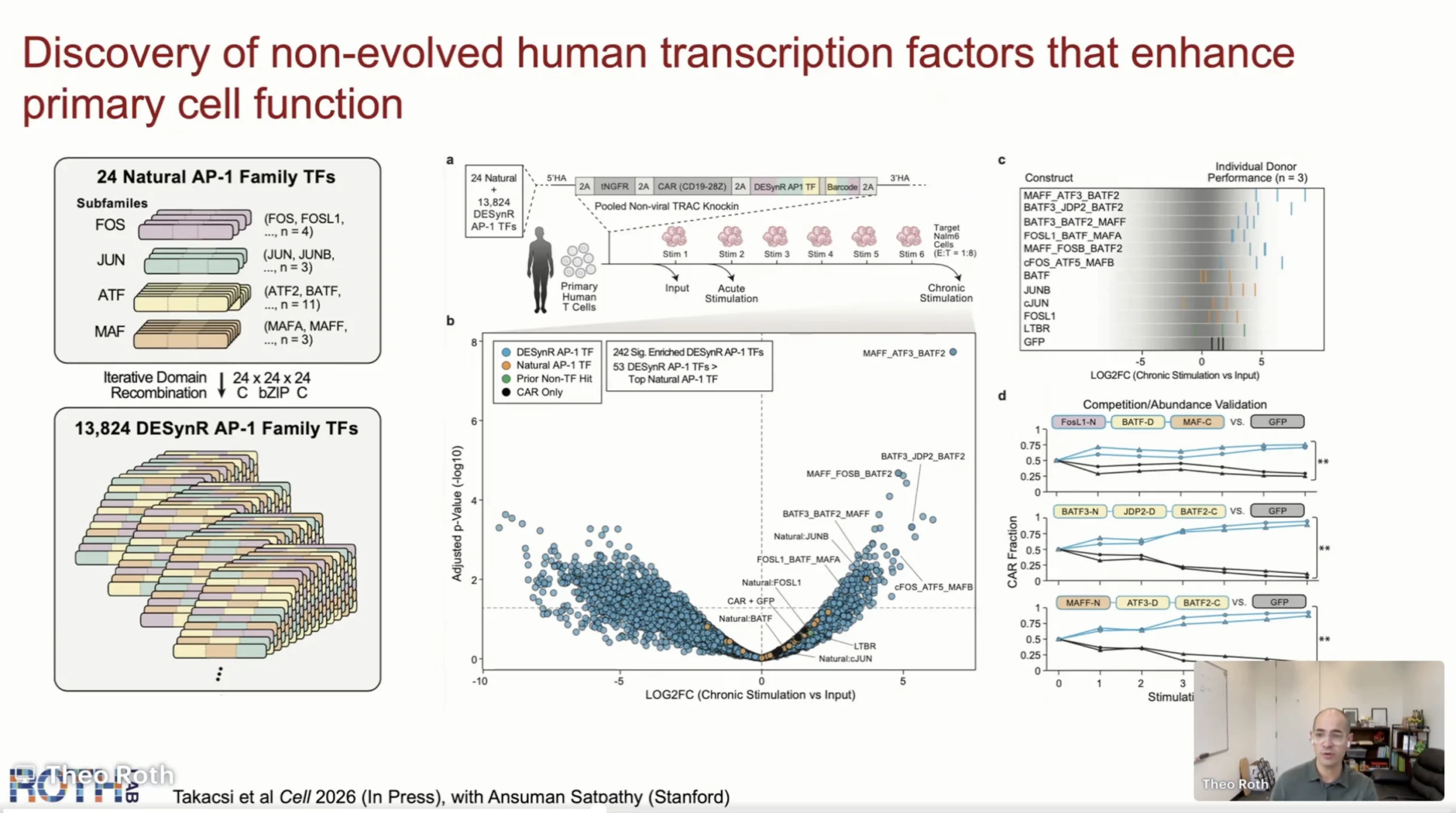
Theodore Roth: Building Larger and Smarter Genetic Programs
Theodore Roth, Assistant Professor of Pathology at Stanford University and Innovation Investigator at the Arc Institute, presented in the early-career session. He described how non-viral genome engineering now allows much larger genetic sequences to be inserted into primary human T cells.
Combined with massively parallel screening, this lets researchers test enormous numbers of designs at once. He highlighted work on building entirely new synthetic transcription factors from natural components, which unlocked cell states not seen in nature.
“We can access a much greater functional space for immune cell therapies than historically we thought were possible,” he said.
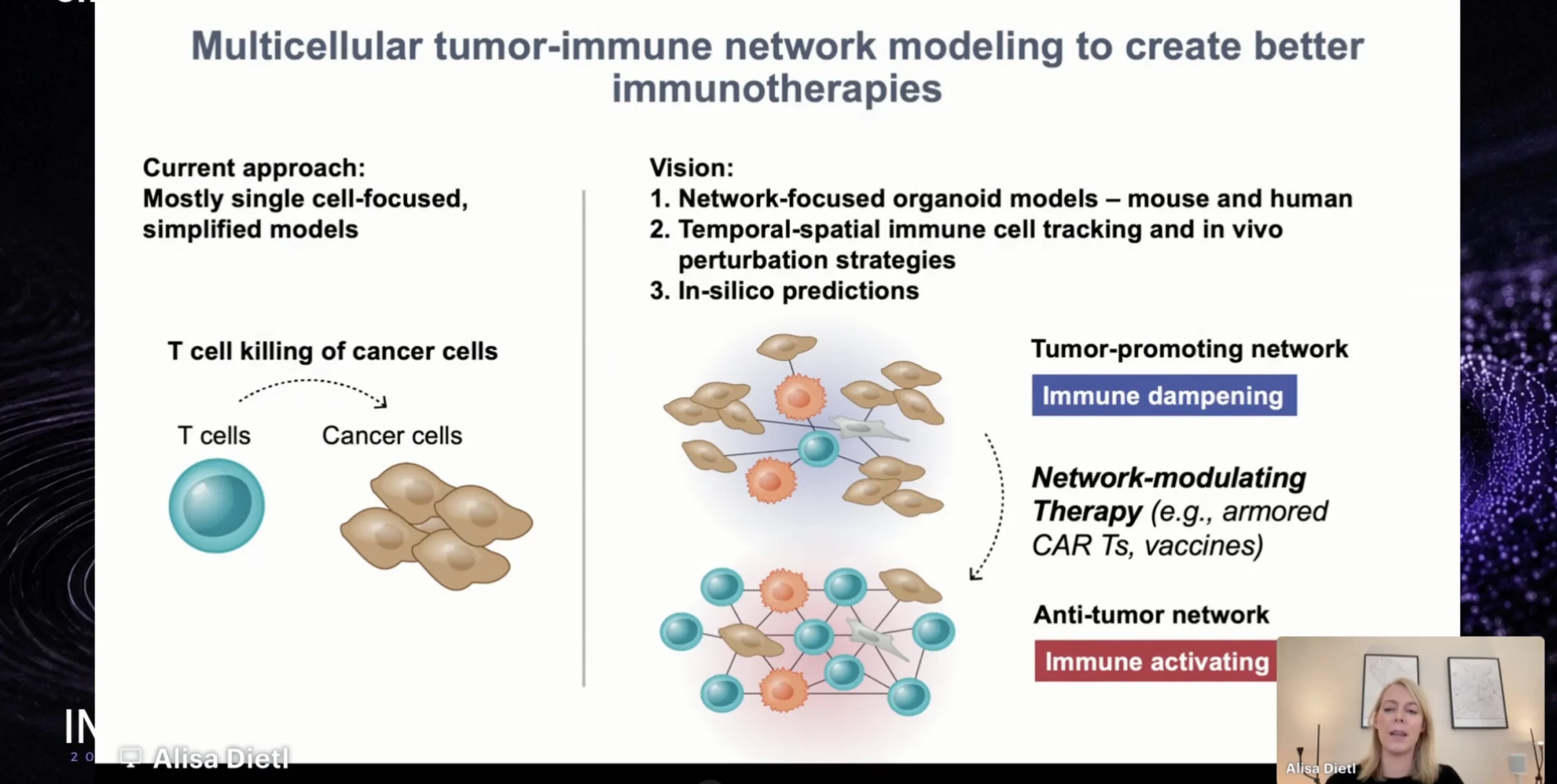
Alisa Dietl: A Multiplexed Organoid-Based Tumor Model for Immunotherapy Testing
Alisa Dietl, a postdoctoral researcher at the Gladstone Institute, presented an organoid-based in vivo platform for testing CAR T cells. Conventional cell-line tumors lack the architecture and heterogeneity of human cancers. Her model uses engineered organoids that preserve epithelial structure and antigen variability.
They can be engrafted at clinically relevant metastatic sites, and barcoding lets several CAR T-cell products be tracked side by side in the same animal. She described how this can reveal the immune “hubs” that form around effective therapy and guide the design of network-modulating treatments.
Mehdi Benzaoui: Tumor Glycolysis and T-Cell Reprogramming
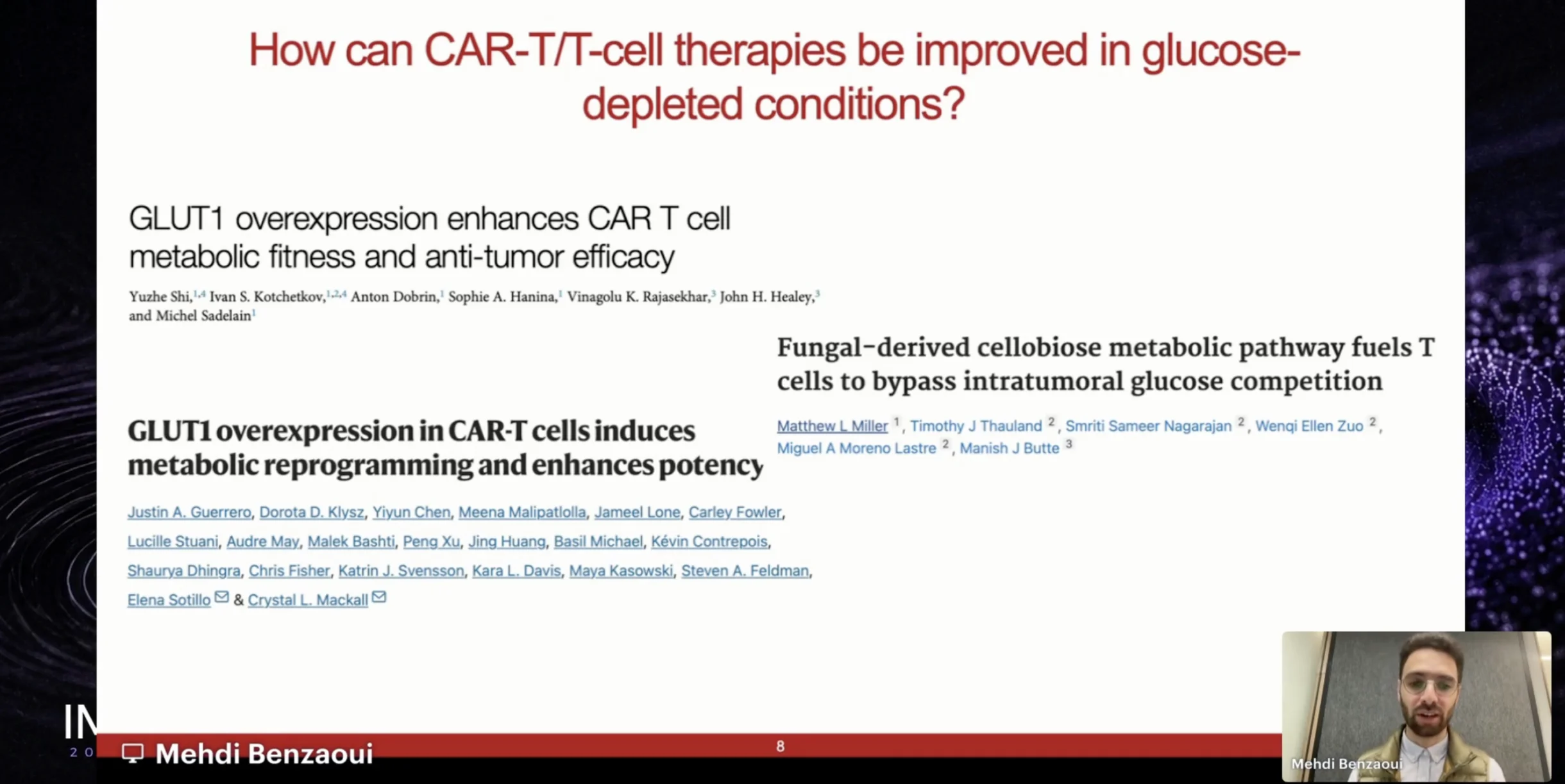
Mehdi Benzaoui, a postdoctoral researcher in pharmacology at Weill Cornell Medicine, presented his early-career work on how competition for nutrients shapes CAR T-cell function in the tumor microenvironment. H
e showed that CAR T cells depend heavily on glycolysis, which puts them in direct competition with tumor cells. A chemical screen during manufacturing identified a way to reprogram their metabolism so they stay functional when glucose is scarce, and patient data supported the relevance of this pathway.
“There is a tug of war between the tumor cells and the T cell when it comes to glucose.”</h4
Hyuncheol Jung: Virus-Like Particles for Pooled CRISPR Screening in Human Myeloid Cells
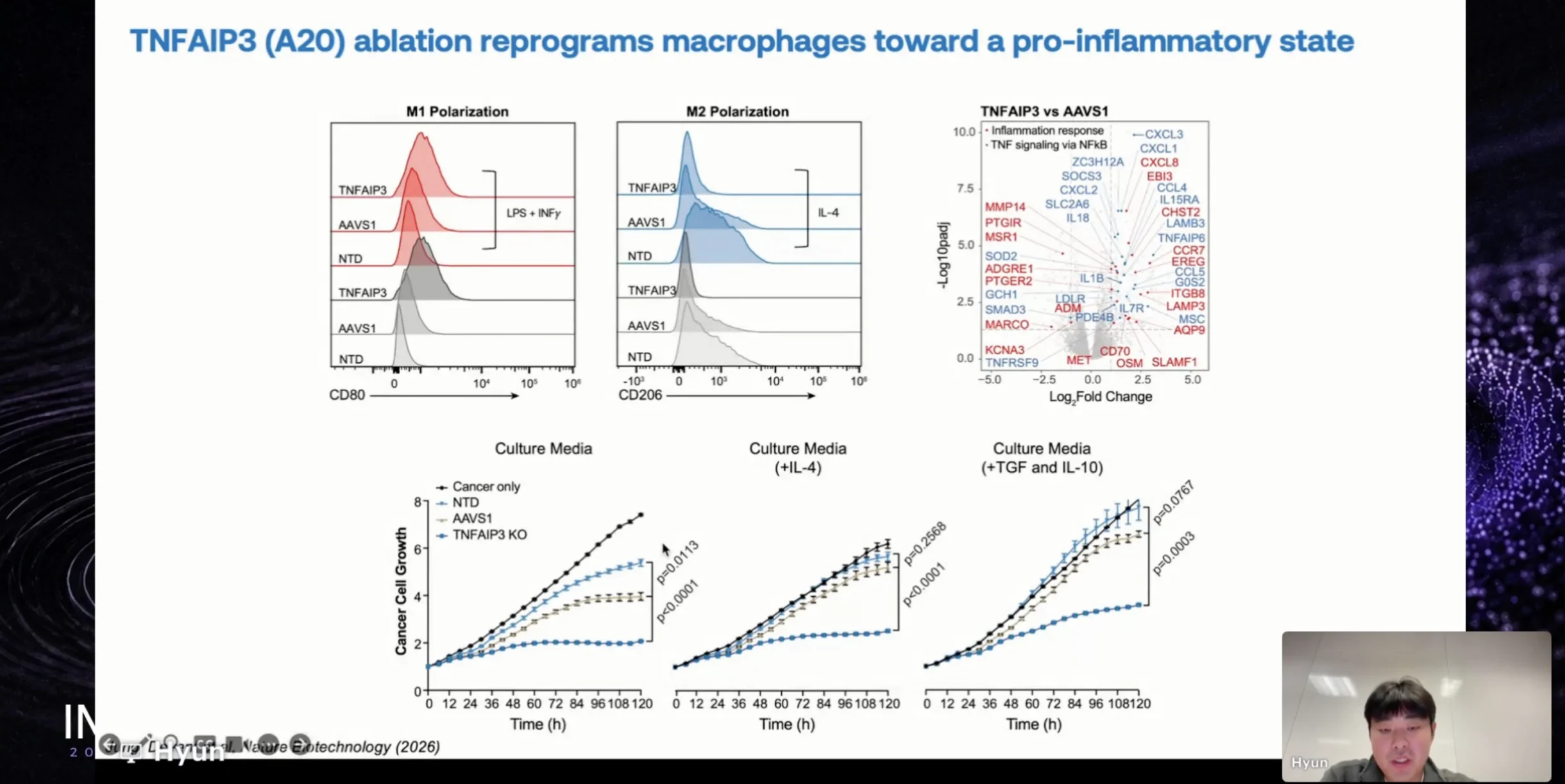
Hyuncheol Jung, a postdoctoral scholar at the UCSF Gladstone Institute of Genomic Immunology and a Parker Scholar, presented a platform that combines virus-like particles with guide RNA delivery. It enables pooled CRISPR screening directly in primary human myeloid cells, which have been difficult to study.
The screen uncovered regulators of macrophage inflammation. Removing one of them pushed macrophages toward an inflammatory state and improved the antitumor activity of CAR macrophages, even in the presence of immunosuppressive signals.
Maxime Meylan: Tracking Clonal Antitumor Immunity in Glioblastoma
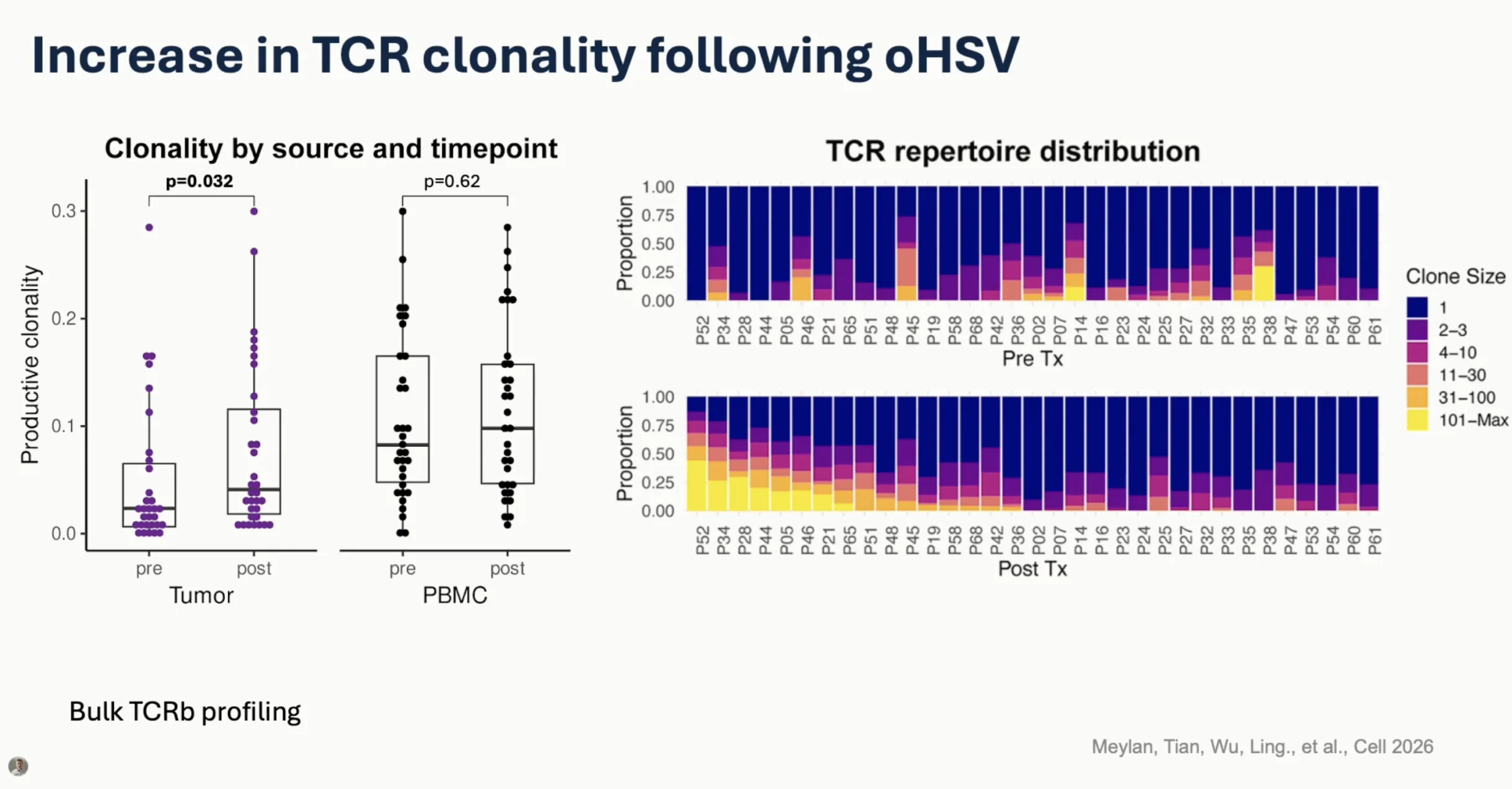
Maxime Meylan, a postdoctoral fellow at Dana-Farber Cancer Institute, presented his early-career work on T-cell responses in glioblastoma patients treated with an oncolytic virus. He showed that expansion of pre-existing T-cell clones after treatment was linked to better survival.
Using spatial technologies to detect individual T-cell clones inside the tumor, he found that these clones were largely tissue-resident, located close to tumor cells, and actively cytotoxic. The results suggest that a single treatment can trigger lasting local immunity.
“A single oncolytic virus could trigger persistent T cell immunity against glioblastoma.”
Thomas Martin: Cellular Immunotherapy in Multiple Myeloma
Paulina Velasquez: CAR T-Cell Therapy for AML
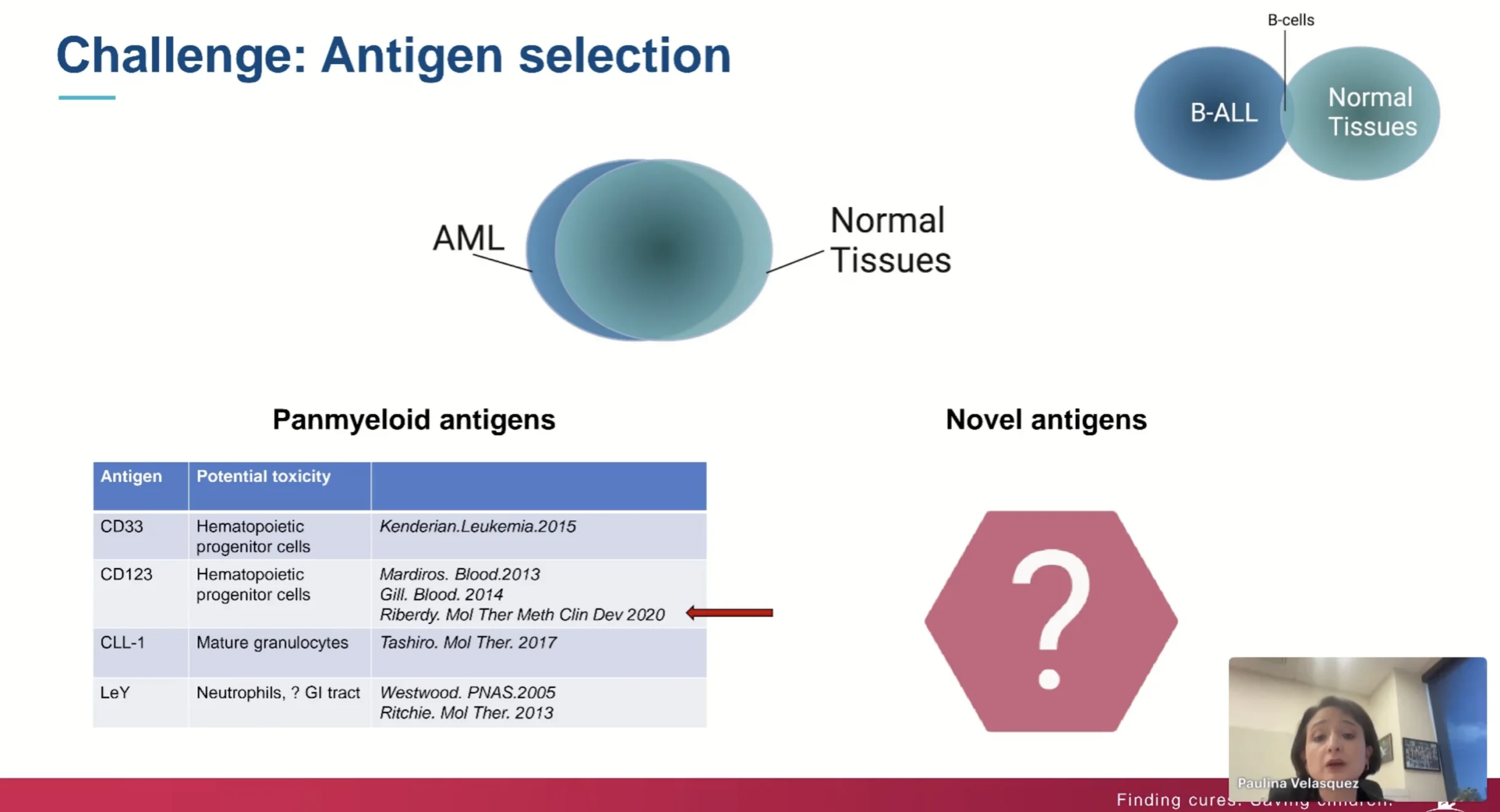
Paulina Velasquez, Associate Member in the Department of Bone Marrow Transplantation and Cellular Therapy at St. Jude Children’s Research Hospital, focused on acute myeloid leukemia. She explained why the disease has been harder to treat with CAR T cells than B-cell malignancies, chiefly antigen heterogeneity and a hostile microenvironment.
She presented a strategy that targets a stress-related surface protein, alone or paired with a second target, and used structural prediction tools to guide construct design. She also described an immunocompetent AML model that showed how bone marrow stromal cells suppress CAR T cells, and how that suppression can be reversed.
Scott Howard: How I Treat Relapsed/Refractory B-ALL in Children and Young Adults
Scott Howard, pediatric hematologist-oncologist and CEO of Resonance, made the case for optimizing the therapies we already have. He explained that T-cell exhaustion makes prolonged continuous exposure to a T-cell-engaging therapy less effective than shorter, repeated courses, and that timing these courses after chemotherapy has cleared normal B cells improves both efficacy and tolerability.
He also reminded the audience that apparent chemoresistance often reflects drug exposure rather than true resistance, and that relapsed leukemia calls for potent combination therapy between immunotherapy courses.
Ruzanna Papyan: Anti-GD2 Immunotherapy in Neuroblastoma
Ruzanna Papyan, Chief of Pediatric Oncology at the Pediatric Cancer and Blood Disorders Center of Armenia, reviewed how antibody-based immunotherapy has improved survival in high-risk neuroblastoma. She then presented a global survey by the Global Neuroblastoma Network on access to these therapies.
It showed a stark divide between high-income and low- and middle-income countries: limited availability, low registration, high costs, and reliance on out-of-pocket or charitable funding. She called for policy action, price negotiation, and international partnerships.
Pediatric Immunotherapy Discussion: Scott Howard and Ruzanna Papyan
The two speakers continued the conversation, stressing that every patient with relapsed leukemia or high-risk neuroblastoma should be discussed at an international tumor board. They noted that some treatments are already so effective that access, rather than new science, is the main gap. They also suggested that smarter scheduling and dosing could make treatments both safer and more affordable.
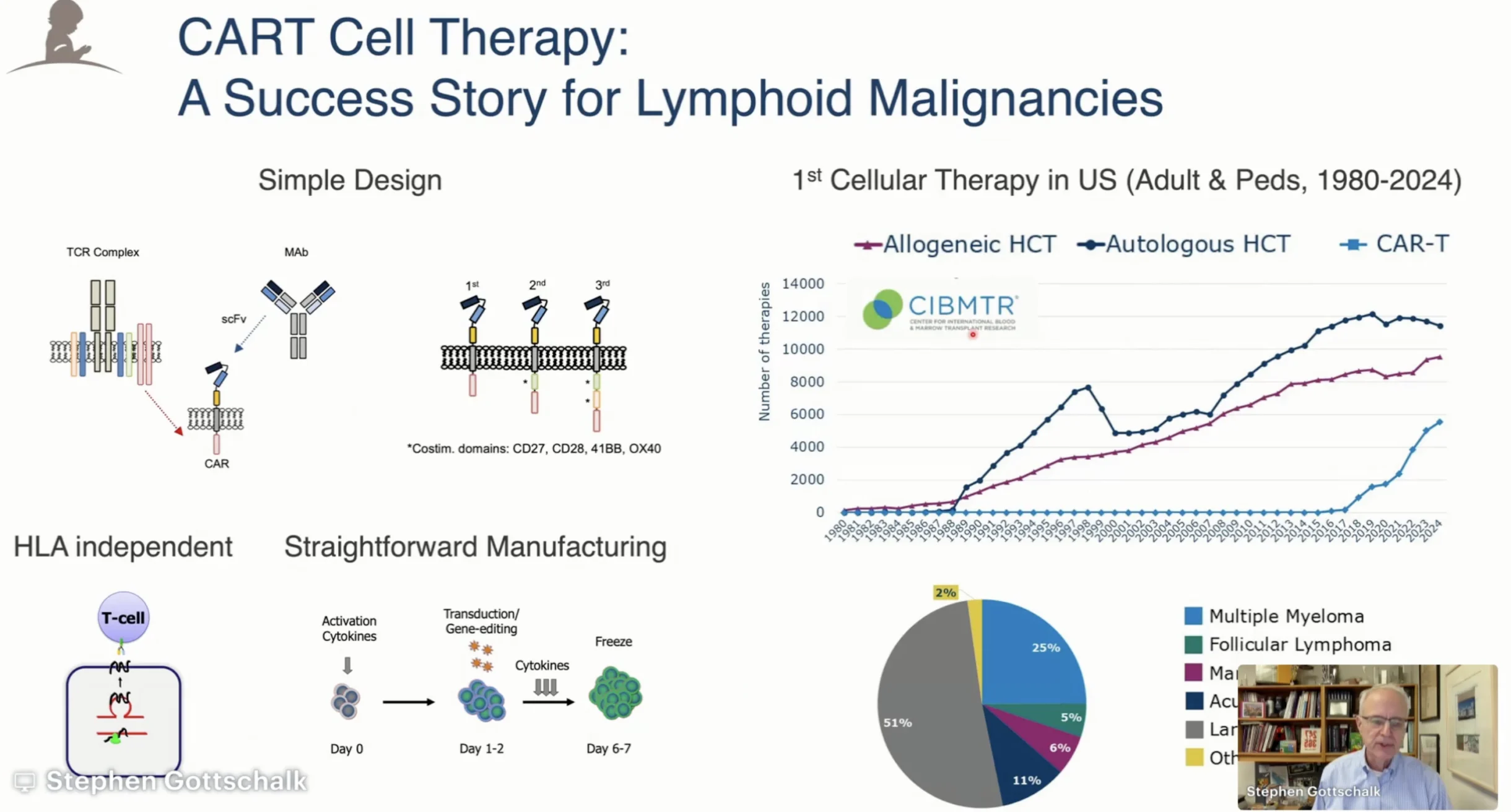
Stephen Gottschalk: Targeting Regnase-1 in B7-H3 CAR T Cells
Stephen Gottschalk, Chair of the Department of Bone Marrow Transplantation and Cellular Therapy and Co-Director of the Center of Excellence for Pediatric Immuno-Oncology at St. Jude Children’s Research Hospital, reviewed the early clinical experience with CAR T cells against a broadly expressed target in pediatric solid tumors.
The approach was safe and showed transient activity. He then presented preclinical work on removing a negative regulator of T-cell function. It boosted CAR T-cell expansion, activated the patient’s own immune cells, reduced suppressive myeloid populations, and prevented metastases in animal models. His team plans to bring this approach to the clinic soon.
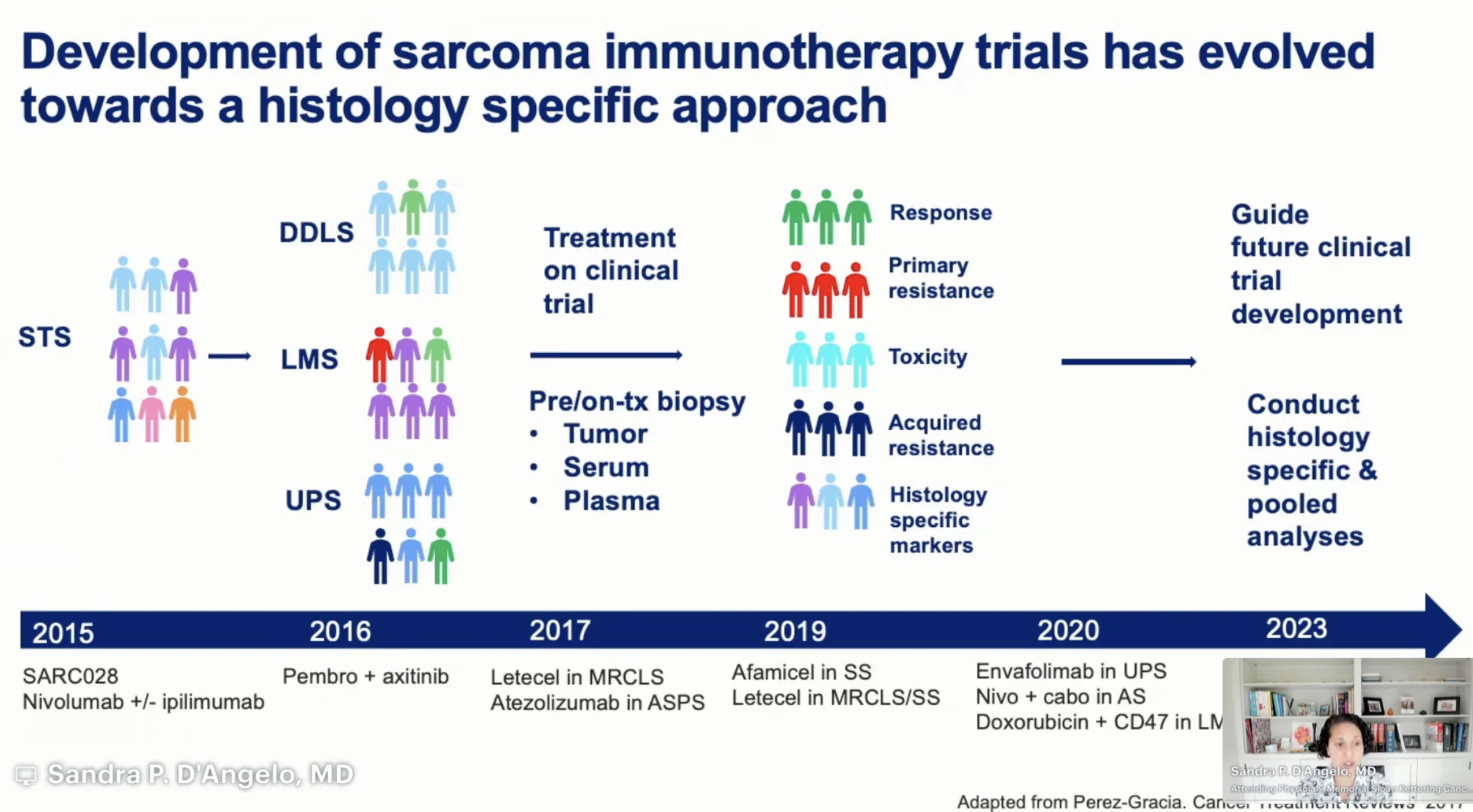
Sandra D’Angelo: T-Cell Receptor Therapy in Synovial Sarcoma
Sandra D’Angelo, sarcoma medical oncologist and cellular therapist at Memorial Sloan Kettering Cancer Center, closed the scientific program live. She described how sarcoma, a group of dozens of distinct diseases, has required tailored approaches, and why translocation-driven sarcomas such as synovial sarcoma, which are immunologically “cold,” have benefited most from adoptive cell therapy.
She traced the path from early trials to the first approved T-cell receptor therapy for a solid tumor. She also covered lessons on lymphodepletion, bridging therapy, and toxicity management, and the search for biomarkers of response.
“These advancements have established cancer-testis antigens as promising targets and really laid the groundwork for expanding TCR-based therapies.”
What’s Next at Immuno 2026
Day 5 showed a field working on several fronts at once. These include engineering cells that persist and resist exhaustion, targeting multiple antigens to prevent escape, building better models to predict success, and making effective treatments available to children everywhere.
Stay tuned for Day 6 of Immuno 2026 and explore the full congress program.