The Immuno 2026 Global Virtual Congress on Immuno-Oncology continued with its fourth day of discussions, bringing together leading researchers, clinicians, innovators, and patient advocates to explore clinical decision-making and the translation of immunotherapy discoveries into patient care.
Organized by OncoDaily in collaboration with the Parker Institute for Cancer Immunotherapy (PICI), Immuno 2026 marks the 10th anniversary of PICI, bringing together experts from across the field to examine the progress of cancer immunotherapy and the questions shaping its next decade.
Day 4 focused on clinical decisions and translational immunotherapy, highlighting how emerging scientific insights can inform treatment strategies and improve patient outcomes. Discussions explored the challenges of making clinical decisions in immuno-oncology, translating discoveries from the laboratory into clinical practice, and advancing innovative immunotherapy approaches from research to real-world patient care.
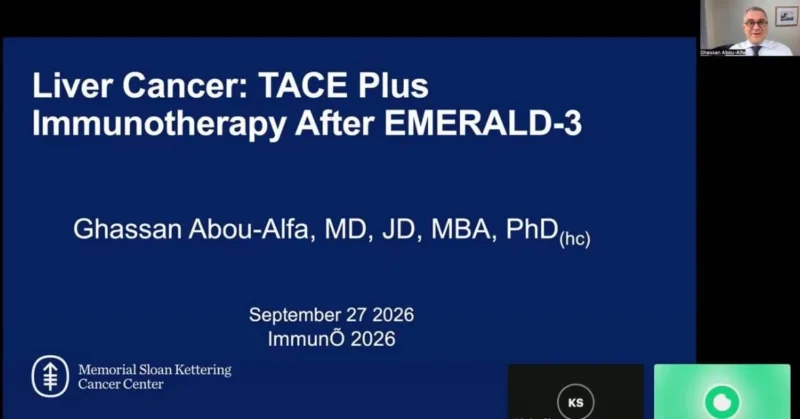
Ghassan Abou-Alfa: Liver Cancer: TACE Plus Immunotherapy After EMERALD-3 LP
Ghassan Abou-Alfa presented on “Liver Cancer: TACE Plus Immunotherapy After EMERALD-3 LP,” focusing on the evolving role of combining transarterial chemoembolization (TACE) with immunotherapy in liver cancer.
He discussed findings from the EMERALD-3 trial and the potential of combining locoregional treatment with systemic immunotherapy to improve outcomes for patients with unresectable hepatocellular carcinoma. The presentation highlighted how TACE can modify the tumor microenvironment and potentially enhance antitumor immune responses, providing a rationale for combining local treatment with immune-based therapies.
“The future is identifying responders based on the human immune microenvironment, because not every patient with liver cancer is going to benefit from the same combination of local and systemic immunotherapy.”
Abou-Alfa also addressed the clinical questions surrounding patient selection, treatment sequencing, and how combination approaches may be incorporated into the evolving treatment landscape for liver cancer. The discussion underscored the importance of translating emerging trial data into practical clinical decisions and identifying strategies that can maximize the benefit of immunotherapy for patients with hepatocellular carcinoma.
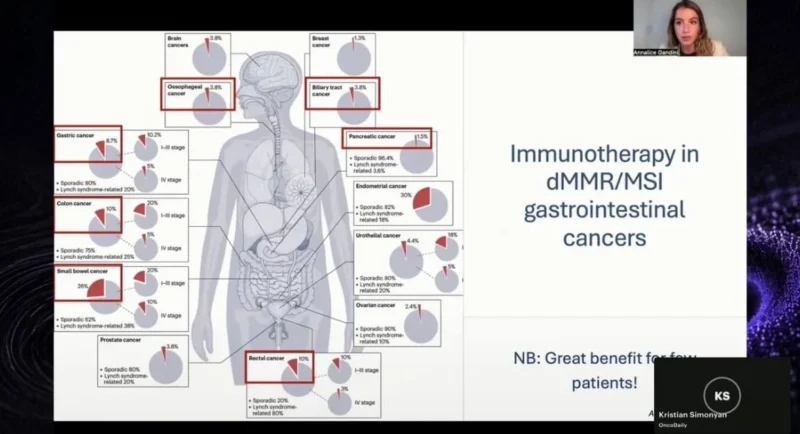
Annalice Gandini: Neoadjuvant immunotherapy in dMMR GI tumours LP
Annalice Gandini presented on “Neoadjuvant Immunotherapy in dMMR GI Tumours,” focusing on the growing role of immune checkpoint blockade before surgery in patients with mismatch repair-deficient (dMMR) gastrointestinal cancers.
She discussed how dMMR tumors, which often carry high levels of microsatellite instability and tumor-associated neoantigens, can be particularly sensitive to immunotherapy. The presentation highlighted emerging evidence supporting the use of neoadjuvant immune checkpoint inhibitors and their potential to induce substantial tumor responses before surgical treatment.
“No single strategy fits all: neoadjuvant, perioperative, ablative, non-operative, and adjuvant immunotherapy each have evidence behind them, but that evidence remains incomplete.”
Gandini also explored the clinical implications of these responses, including the potential for pathological and clinical complete responses, treatment selection, and the role of immunotherapy in reshaping the traditional sequence of surgery and systemic therapy. The discussion underscored the importance of ongoing research in determining how neoadjuvant immunotherapy can be integrated into clinical practice for patients with dMMR gastrointestinal tumors.
Thomas U Marron: Neoadjuvant immunotherapy in liver cancer LP
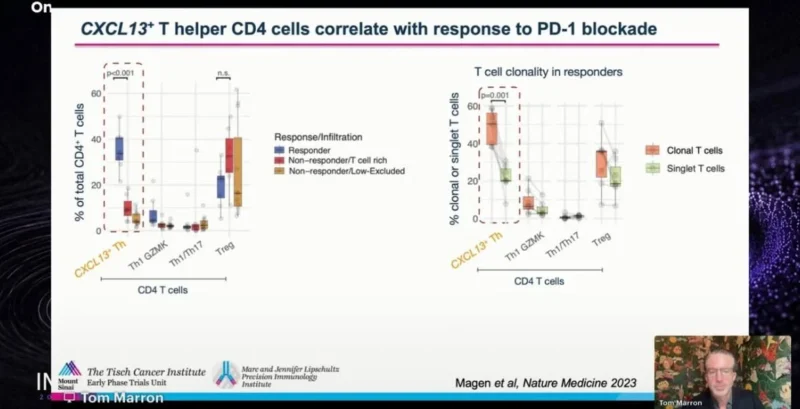
Thomas U. Marron presented on “Neoadjuvant Immunotherapy in Liver Cancer,” focusing on the emerging role of immunotherapy before surgery in patients with liver cancer.
He discussed the rationale for using immune-based therapies in the neoadjuvant setting, where treatment before surgery may help reduce tumor burden, activate systemic antitumor immune responses, and potentially improve the chances of achieving favorable surgical outcomes. The presentation highlighted emerging clinical data evaluating immune checkpoint inhibitors and combination approaches in patients with resectable or potentially resectable hepatocellular carcinoma.
“Even when we catch liver cancer early and treat it with surgery or local therapy, recurrence remains a major challenge. The question is how we can use neoadjuvant immunotherapy to change that.”
Marron also addressed key questions surrounding patient selection, treatment response, and the timing of surgery following immunotherapy. The discussion underscored the potential of neoadjuvant strategies to reshape the management of liver cancer while highlighting the need for further evidence to determine which patients are most likely to benefit.
Hesham El-Ghazali: Immunotherapy in breast and gynaecological cancers LP
Hesham El-Ghazali presented on “Immunotherapy in Breast and Gynaecological Cancers,” focusing on the evolving role of immunotherapy across breast and gynecological malignancies.
He discussed the growing evidence supporting immune-based approaches in these cancers, including the use of immune checkpoint inhibitors and combination strategies across different disease settings. The presentation highlighted how tumor biology, immune characteristics, and biomarkers can influence responses to immunotherapy and help guide treatment selection.
“Immunotherapy has become foundational in both breast and gynecological cancers, but patient selection through biomarkers is critical to optimizing outcomes and managing toxicity.”
El-Ghazali also explored the challenges of translating immunotherapy advances into clinical practice, including identifying patients most likely to benefit, optimizing treatment combinations, and determining the appropriate timing and duration of therapy. The discussion underscored the expanding role of immunotherapy in breast and gynecological cancers and the need for continued research to refine personalized treatment approaches.
Stephanie Kauffman: Melanoma research and patient priorities LP
Stephanie Kauffman presented on “Melanoma Research and Patient Priorities,” focusing on the importance of incorporating the patient perspective into melanoma research and clinical decision-making.
She discussed how patient priorities and lived experiences can help shape research questions and ensure that clinical studies address outcomes that matter most to people living with melanoma. The presentation highlighted the importance of considering quality of life, treatment burden, access to care, and individual preferences alongside traditional clinical and survival outcomes.
“The patient question is rarely simply whether a drug works on average. Patients want to know their own chance of lasting benefit, what treatment may cost them, and whether they can safely choose less treatment.”
Kauffman also emphasized the value of meaningful patient involvement throughout the research process, from identifying areas of unmet need to designing studies and evaluating outcomes. The discussion underscored how patient-centered research can help make melanoma clinical research more responsive to the needs and priorities of those it aims to serve.
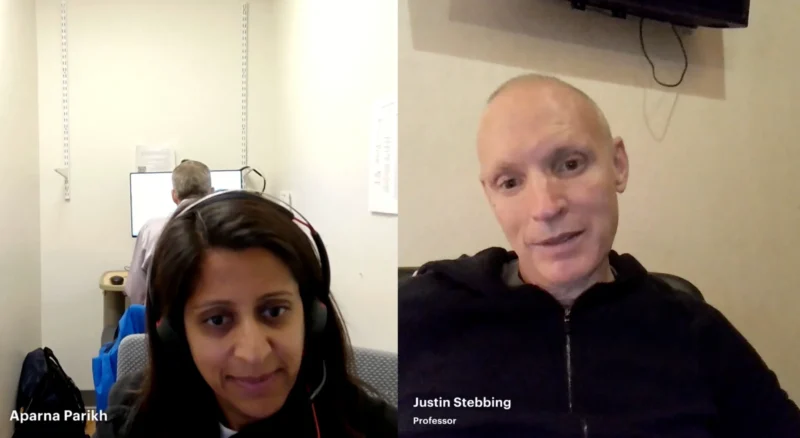
Aparna Parikh and Justin Stebbing: How I Treat the Patient With Molecular Residual Disease and No Visible Tumor DISCUSSION
Aparna Parikh and Justin Stebbing discussed the clinical management of patients with molecular residual disease (MRD) detected by circulating tumor DNA (ctDNA) despite having no radiographically visible disease.
The discussion focused on a practical clinical scenario in colorectal cancer: a patient who completes standard chemotherapy but remains ctDNA-positive on a Signatera test. Parikh emphasized that, based on current evidence, she would not switch to a different chemotherapy backbone outside of a clinical trial. Instead, she would pursue closer surveillance and additional imaging, while recognizing that the clinical significance of an isolated positive MRD result remains an evolving area.
The speakers also explored the psychological implications of MRD testing and the challenge of acting on molecular signals when conventional imaging shows no disease. The discussion highlighted that MRD may provide an earlier indication of recurrence, but questions remain regarding when detection should trigger treatment and which intervention can meaningfully change outcomes.
Looking toward the future, Stebbing suggested that the field could move toward personalized cancer vaccines for patients with molecular residual disease, while Parikh agreed that MRD research is likely to demonstrate clinical utility in the coming years.
“The future of molecular residual disease is moving toward personalized cancer vaccines, where treatment can be tailored to the individual patient rather than treating MRD as a one-size-fits-all problem.”
Ari Rosenberg: Response-Adaptive Immunotherapy in head and Neck cancers: Can Biomarkers Help us deidentify?
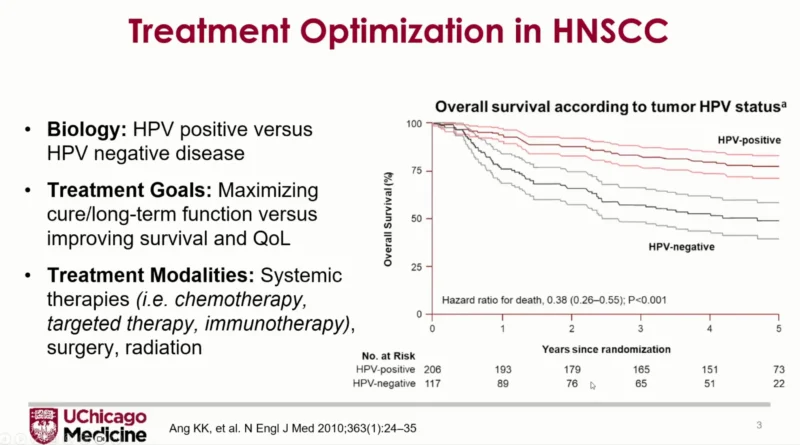
Ari Rosenberg presented on “Response-Adaptive Immunotherapy in Head and Neck Cancers: Can Biomarkers Help Us De-escalate?”, focusing on how biomarkers can help personalize treatment while improving outcomes and reducing treatment-related toxicity.
He discussed the distinct biological features of HPV-associated and HPV-negative head and neck cancers and the need to move beyond upfront clinical risk alone when deciding which patients may safely undergo treatment de-escalation. Rosenberg highlighted emerging approaches using treatment response, circulating tumor DNA (ctDNA), and other biomarkers to identify patients who may benefit from reduced-intensity treatment while maintaining disease control.
“Upfront clinical risk alone is not enough. Biomarkers are needed to identify which patients can safely be de-escalated and which still require full-dose treatment based on their biological risk.”
Rosenberg also presented data on response-adaptive strategies in which ctDNA dynamics are used to guide treatment intensity. In one approach for recurrent metastatic head and neck cancer, patients whose ctDNA decreased continued with less intensive therapy, while rising ctDNA prompted treatment escalation. This strategy allowed some patients to receive substantially less chemotherapy while maintaining an immunotherapy backbone.
He further discussed the potential of ctDNA to identify molecular residual disease and refine patient selection for immunotherapeutic intervention. Early ctDNA dynamics were associated with outcomes, while persistent MRD after treatment was linked with poorer progression-free survival. Ongoing studies are evaluating whether immunotherapy can be used to intercept MRD before radiographically detectable recurrence develops.
F Stephen Hodi: Combination strategies in melanoma immunotherapy LP
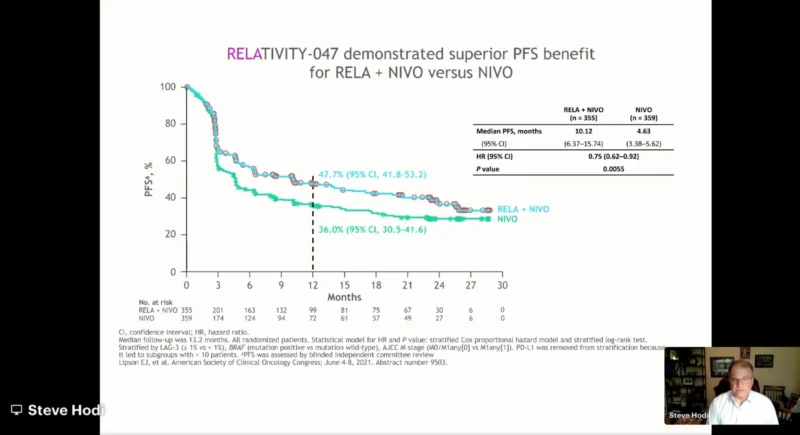
F. Stephen Hodi presented on “Combination Strategies in Melanoma Immunotherapy,” focusing on how combining different immunotherapeutic approaches can overcome mechanisms that limit the effectiveness of immune checkpoint blockade in melanoma.
He reviewed long-term data supporting combination checkpoint blockade, including CTLA-4 and PD-1 inhibition, as well as emerging approaches targeting additional immune pathways such as LAG-3. Hodi highlighted the durable benefit observed with combination strategies and discussed how these approaches may extend the effectiveness of immunotherapy beyond PD-1 inhibition alone.
Hodi then explored why some patients develop metastatic disease despite immune checkpoint therapy. He described several potential mechanisms of resistance, including inadequate immune priming, antigen or MHC loss, T-cell exhaustion, and exclusion of immune cells from the tumor microenvironment. These mechanisms provide a rationale for developing combinations that can improve immune education, enhance innate antitumor immunity, and increase immune-cell access to tumors.
“Checkpoint blockade can unleash an immune response that is already present, but combination strategies may be needed to overcome the mechanisms that prevent immune cells from effectively reaching and controlling the tumor.”
He also discussed the potential of combining checkpoint blockade with anti-angiogenic therapy, highlighting evidence that targeting VEGF can alter tumor vasculature and improve immune-cell trafficking into the tumor microenvironment. The presentation underscored the importance of understanding tumor biology and mechanisms of immune resistance when designing the next generation of combination immunotherapies.
Sandro Matosevic: Immunometabolic reprogramming of natural killer cells for solid tumor therapy LP
Sandro Matosevic presented on “Immunometabolic Reprogramming of Natural Killer Cells for Solid Tumor Therapy,” focusing on efforts to engineer and metabolically reprogram natural killer (NK) cells to overcome the challenges of treating solid tumors.
He discussed the unique biology of NK cells, which can recognize and eliminate tumor cells without requiring prior antigen presentation. However, within solid tumors, NK cells can become dysfunctional, exhausted, and short-lived, limiting their ability to provide durable antitumor responses. Matosevic highlighted strategies aimed at improving NK-cell persistence, function, and recognition through checkpoint targeting, cytokine engineering, and genetic modification.
A major focus was the metabolic environment of the tumor, including the role of adenosine and CD73 in suppressing NK-cell function. Matosevic described engineered CAR-NK approaches designed to overcome these metabolic barriers, including multi-antigen targeting strategies and approaches that can locally relieve CD73-driven dysfunction.
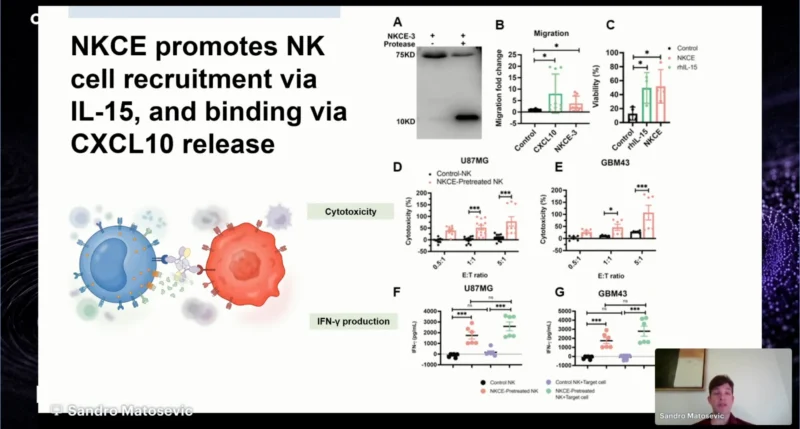
He also explored strategies to improve NK-cell trafficking into tumors. In brain tumors, for example, disruption of the CXCL10–CXCR3 axis can limit NK-cell infiltration. His work investigates engineered NK cells and bispecific engagers designed to enhance tumor localization and activation.
The presentation highlighted how immunometabolic engineering can combine cellular therapy, tumor targeting, and manipulation of the tumor microenvironment to create more persistent and effective NK-cell responses against solid tumors.
“For durable patient responses, we need more durable NK-cell responses. Understanding and reprogramming the metabolic pathways that drive NK-cell dysfunction may help us build stronger and more persistent antitumor activity.”
What’s Next at Immuno 2026
Day 4 of Immuno 2026 explored how advances in immunotherapy are increasingly shaping clinical decision-making, from neoadjuvant strategies and response-adaptive treatment to molecular residual disease, combination approaches, and next-generation cellular therapies.
The discussions underscored the importance of translating immunotherapy discoveries into more personalized and effective care, using biomarkers to guide treatment decisions, identifying patients who may benefit from treatment de-escalation or intensification, and developing new strategies to overcome resistance and improve the durability of immune responses.
Stay tuned for Day 5 of Immuno 2026 and explore the full program for upcoming sessions and speakers.