The Immuno 2026 Global Virtual Congress on Immuno-Oncology opened on September 24, bringing together internationally recognized researchers, clinicians, and cancer immunotherapy leaders to discuss the discoveries, challenges, and opportunities shaping the future of immune-based cancer treatment.
Organized by OncoDaily in collaboration with the Parker Institute for Cancer Immunotherapy (PICI), Immuno 2026 marks a special moment as PICI celebrates its 10th anniversary, reflecting on a decade of progress in cancer immunotherapy while looking ahead to the next generation of scientific breakthroughs.
The opening day, “Anniversary Leadership and the Next Decade,” featured discussions spanning the evolution of immunotherapy, the future of CAR-T cell therapy, tumor microenvironment biology, treatment resistance, and emerging strategies to expand the impact of immunotherapy across cancer types.
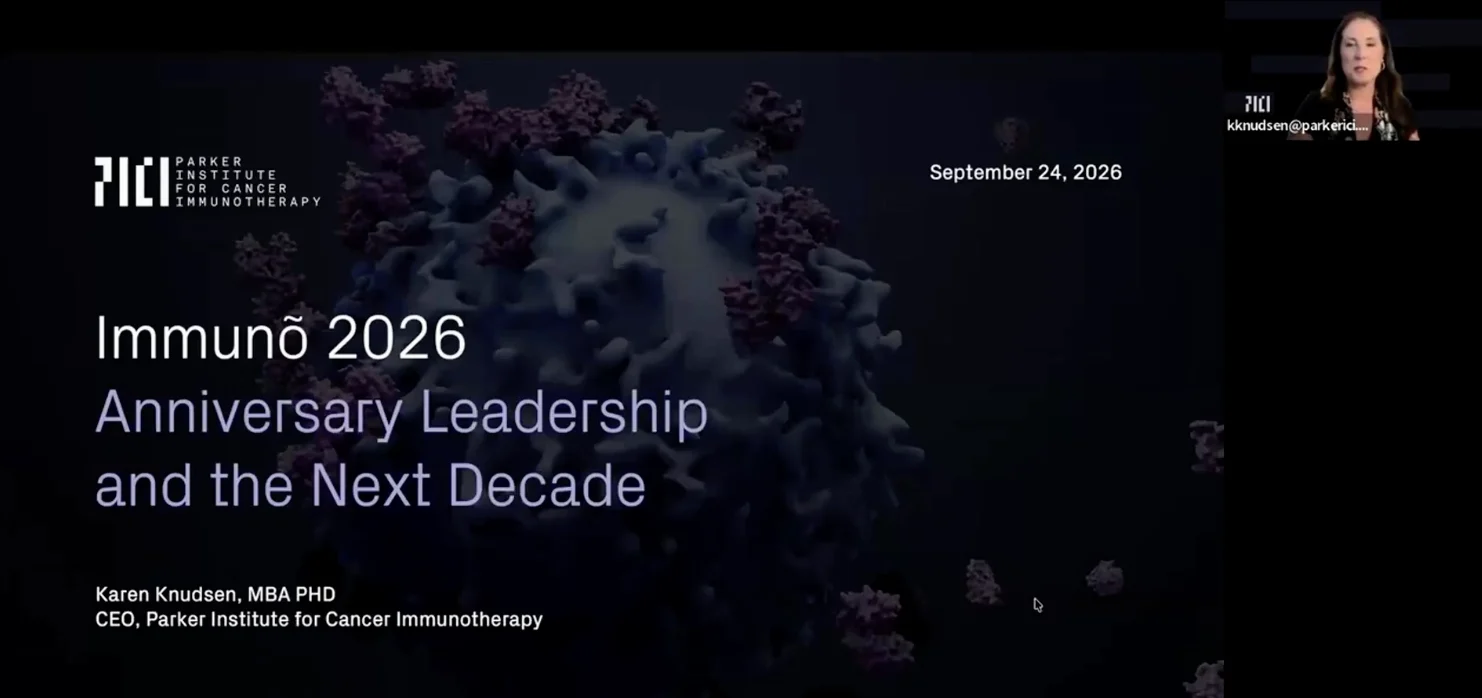
Karen Knudsen Opens the PICI 10th Anniversary Congress
The congress began with opening remarks from Karen Knudsen, who officially launched the PICI 10th anniversary congress.
The opening session highlighted the importance of collaboration in advancing cancer immunotherapy and bringing together researchers, clinicians, patients, and advocates to accelerate progress against cancer.
The first day set the stage for discussions focused not only on achievements in immunotherapy but also on the remaining scientific challenges that must be addressed to benefit more patients.
Ira Mellman: Exploring the Cancer Immunity Cycle and the Next Scientific Frontiers
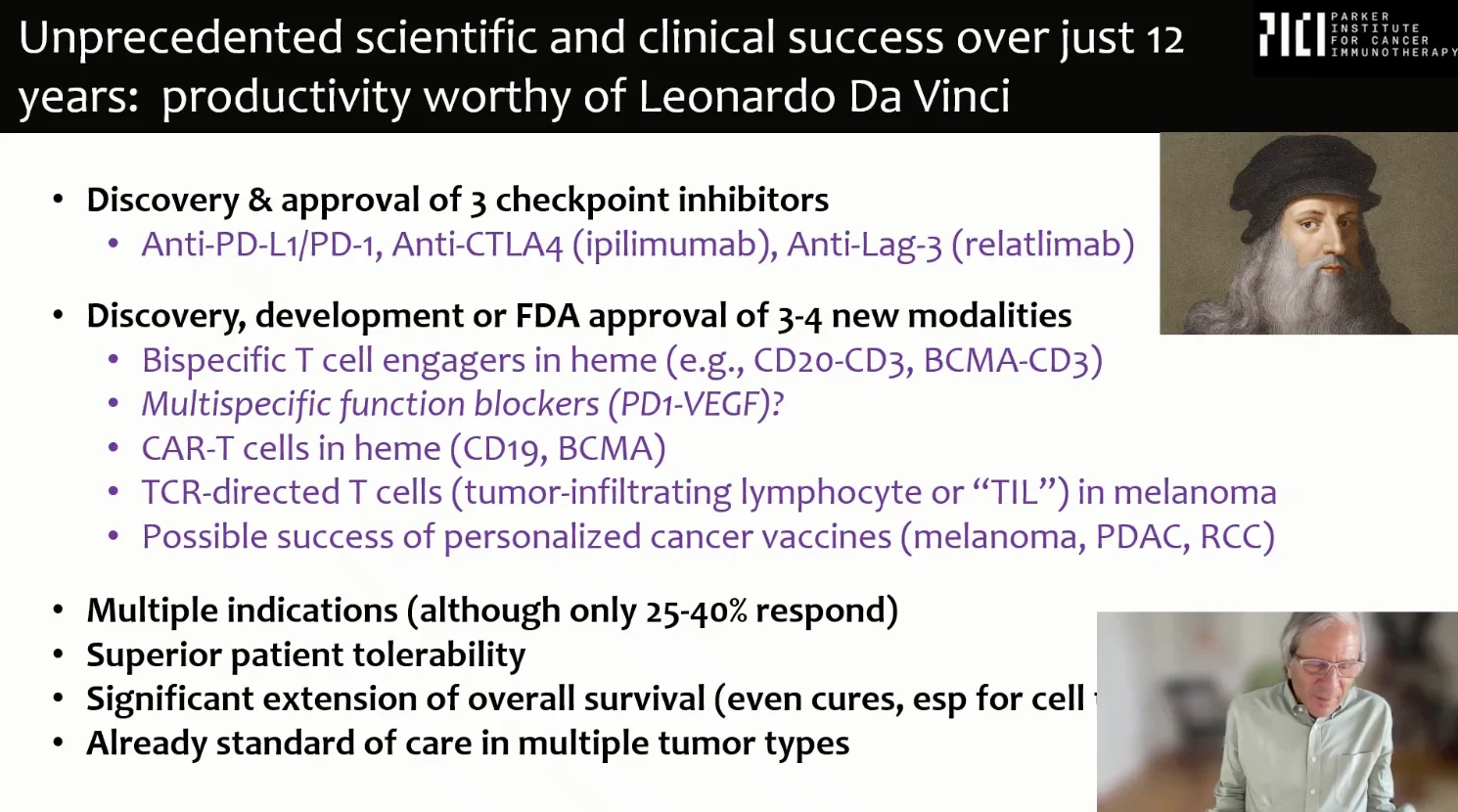
The opening scientific session featured Ira Mellman, who presented “The Cancer Immunity Cycle and the Next Scientific Frontiers.”
His lecture explored the biological principles behind anti-tumor immune responses and the future directions of cancer immunotherapy research, including opportunities to better understand immune activation, tumor-immune interactions, and mechanisms that limit treatment effectiveness.
The session reflected the ongoing evolution of immuno-oncology, from understanding how immune responses are generated to developing strategies that can make them more durable and effective.
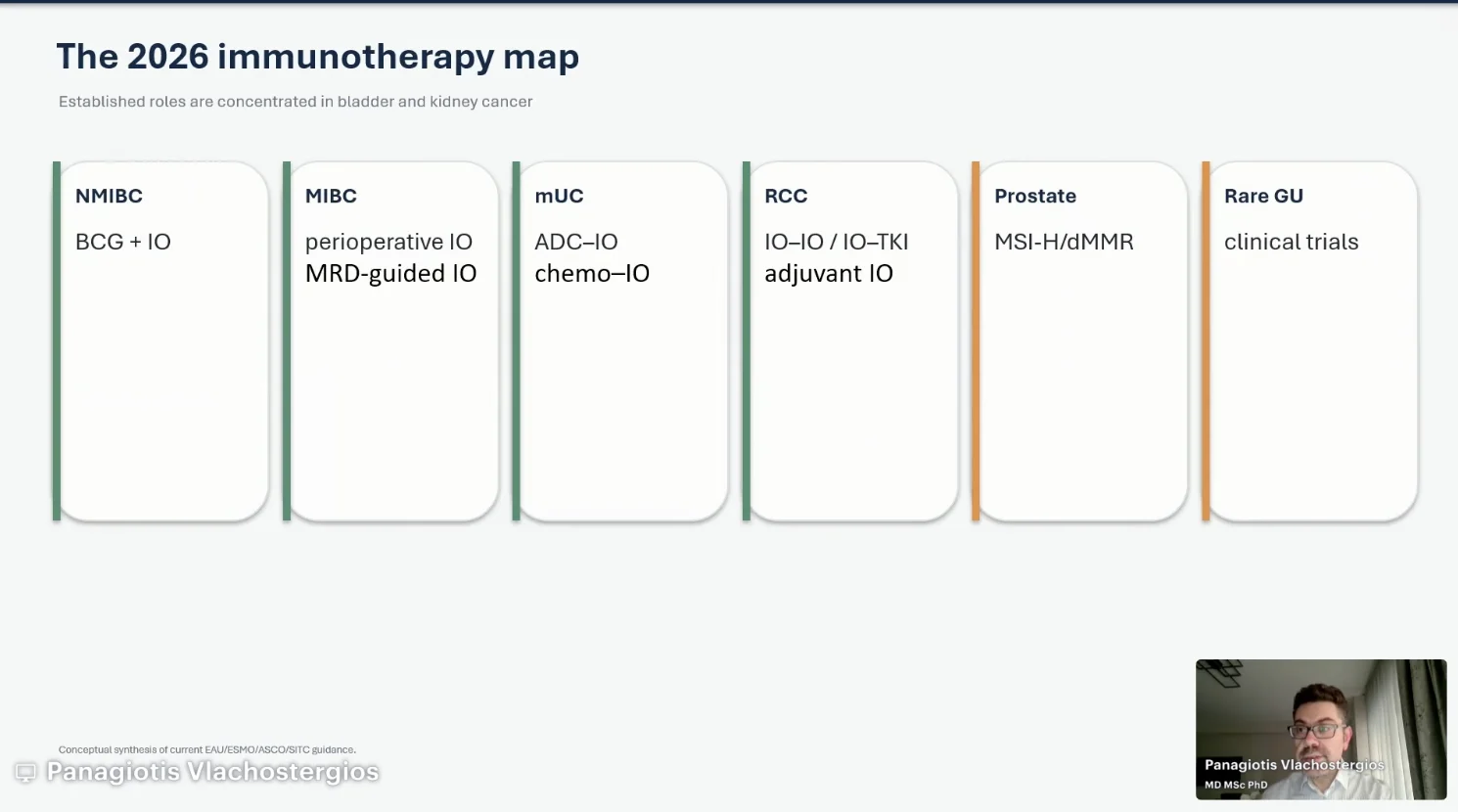
Dr. Vlachostergios: The Evolving Role of Immunotherapy in Genitourinary Cancers
The program continued with Dr. Vlachostergios, who discussed “The Evolving Role of Immunotherapy in Genitourinary Cancers.”
The presentation focused on the rapidly changing role of immune-based treatments in genitourinary malignancies, highlighting advances in clinical practice and the continued need to identify new approaches for patients who do not achieve durable responses.
Carl June: The Evolution of CAR-T and the Road Toward Solid Tumors
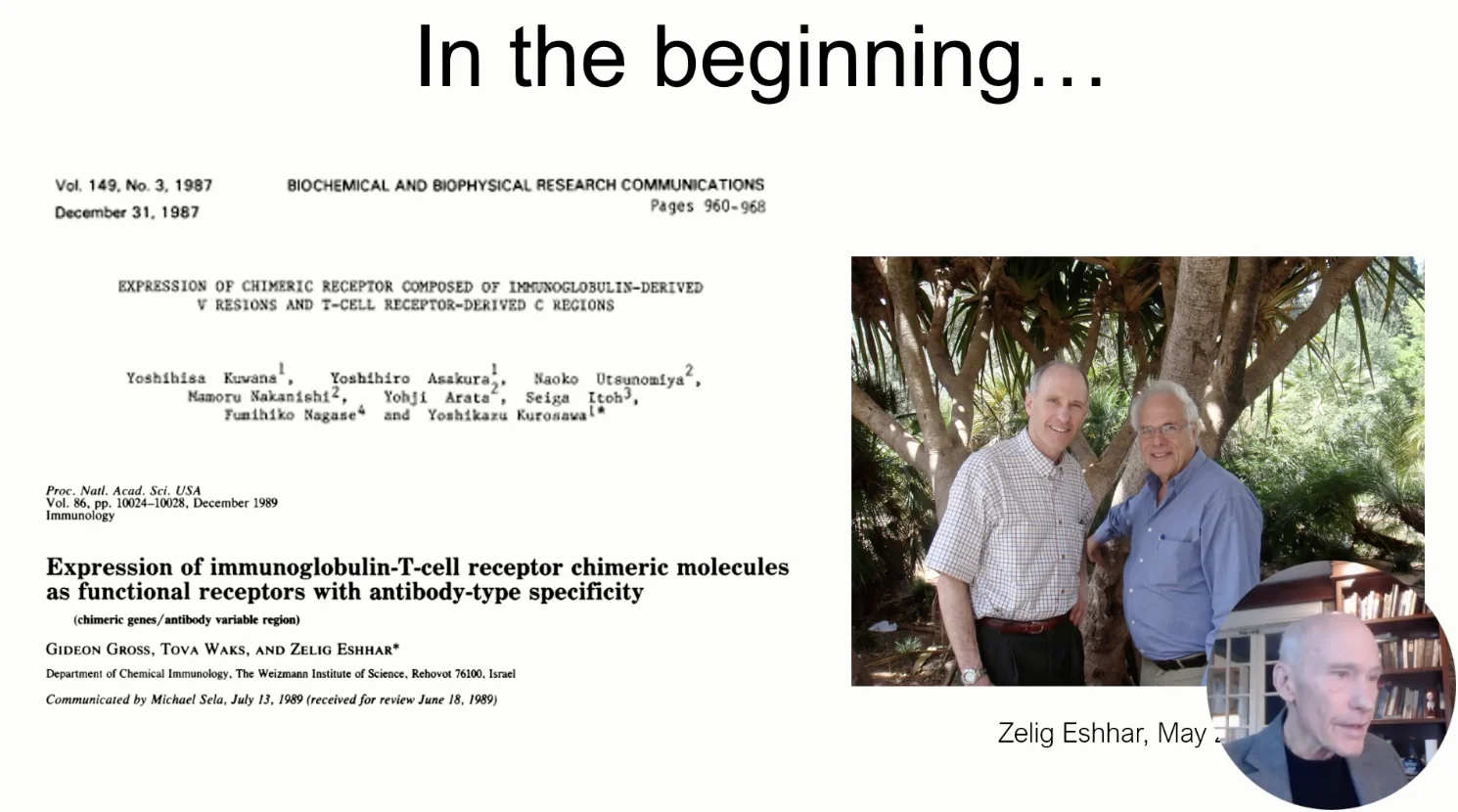
A major highlight of Day 1 was the presentation by Carl June, a pioneer in CAR-T cell therapy, who explored “Evolution of CAR-T and the Road to Solid Tumors.”
June discussed the remarkable impact of CAR-T therapies in hematologic cancers and the challenges that remain in applying this approach to solid tumors.
While next-generation CAR-T approaches have achieved significant success in blood cancers, solid tumors remain more challenging because of complex tumor microenvironments that can suppress immune activity.
“There’s been massive success in blood cancer with second-generation and next-generation CAR T cells. Unfortunately, in solid tumors we have not had those massive advances.”
June explained that solid tumors create additional barriers, including immune checkpoints, metabolic restrictions, low oxygen conditions, and toxic metabolites that can contribute to immune dysfunction.
He also highlighted emerging strategies being investigated to overcome these limitations, including allogeneic CAR-T cells, in vivo CAR-T generation using viral vectors or lipid nanoparticles, and new cellular engineering approaches.
Taha Merghoub: Reading and Rewiring the Tumor Microenvironment
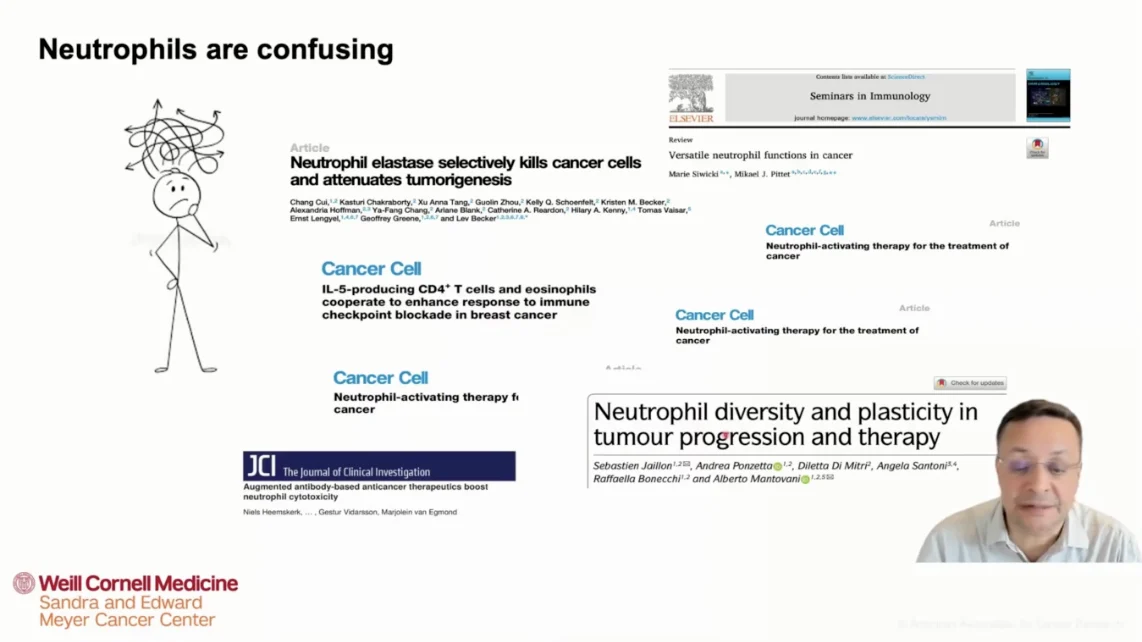
Taha Merghoub, Deputy Director of the Meyer Cancer Center and Professor of Pharmacology and Immunology Research at Cornell Medicine, presented “Reading and Rewiring the Tumor Microenvironment,” focusing on neutrophils and metabolic targeting to overcome immunotherapy resistance.
Merghoub discussed how neutrophils, a cell type historically underexplored in immunotherapy, influence tumor biology through their metabolic programs.
His presentation examined the glycolysis–lactate–MCT4 axis and how targeting MCT4 may help overcome resistance to immune checkpoint blockade.
“Neutrophils are not simply good or bad, but their metabolic states decide some of the fate within the tumor microenvironment.”
Merghoub highlighted that reducing tumor-associated neutrophil-derived lactate, either genetically or through MCT4 inhibition, could remodel the tumor microenvironment and improve responses to immune checkpoint therapy.
Guillem Argilés: The Future of Immunotherapy in GI Cancers
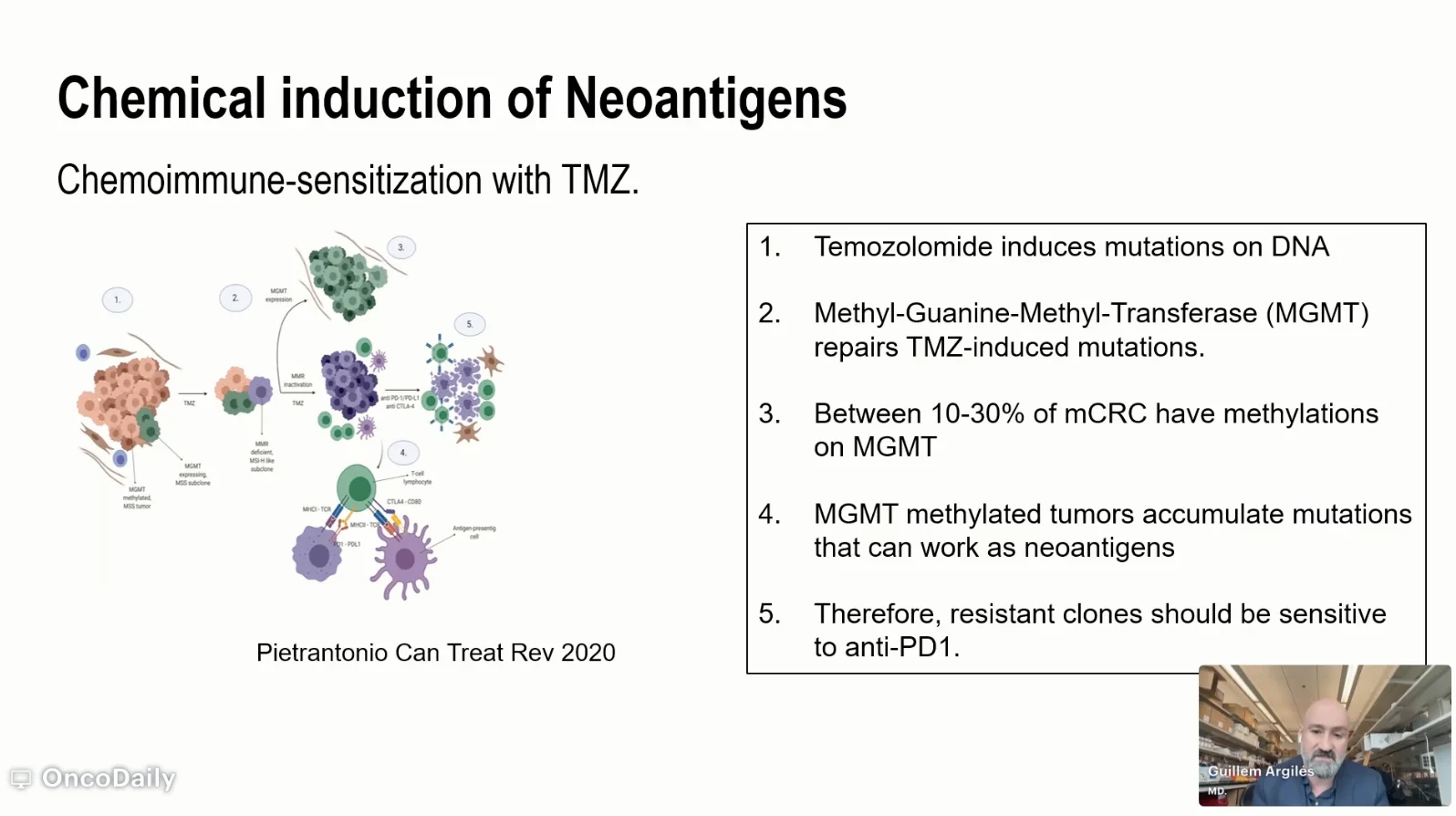
Closing the scientific sessions of Day 1, Guillem Argilés, medical oncologist at Memorial Sloan Kettering Cancer Center, presented “GI Cancers Beyond Immune Checkpoint Blockade.”
His talk examined why many gastrointestinal cancers remain resistant to current immunotherapy approaches and explored emerging strategies designed to overcome these barriers.
Argilés discussed challenges including limited neoantigen availability, tumor heterogeneity, and the difficulty of generating effective immune responses in many GI malignancies.
He highlighted that immune checkpoint inhibitors have shown limited activity in many GI tumors because of their lower immunogenicity and the complexity of their tumor biology.
“Significant progress has been made in the last five years. However, the best is yet to come for immunotherapy in GI malignancies.”
Looking Ahead: Immuno 2026 Continues the Conversation
The first day of Immuno 2026 opened discussions that will continue throughout the seven-day congress, with upcoming sessions exploring tumor microenvironment and resistance, cancer vaccines, biomarkers, cellular therapies, pediatric immunotherapy, clinical trials, toxicities, research priorities, and global access to innovative treatments.
Beyond scientific discoveries, the congress emphasized the importance of bringing together researchers, clinicians, early-career investigators, patients, and advocates to address both progress and unanswered questions in immuno-oncology.
As Immuno 2026 continues, global experts will further examine how the next decade of cancer immunotherapy can translate scientific advances into meaningful benefits for patients worldwide.
Stay tuned for Immuno 2026 Day 2 and explore the full program for upcoming sessions and speakers.