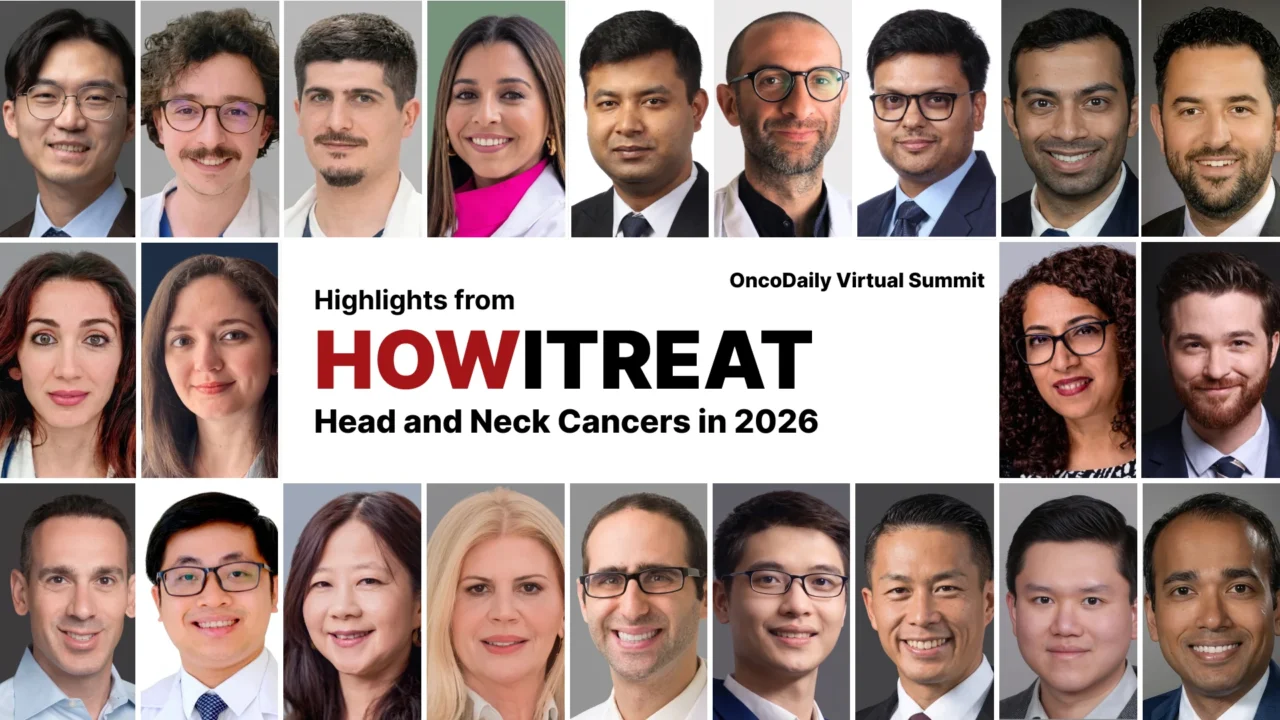
The Head & Neck Cancer Global Congress brought together an exceptional community of experts across 10 countries, 4 continents, and 20 speakers, delivering over 13 hours of continuous scientific exchange. Structured across regional blocks, the program moved seamlessly from Asia to Europe and North America, reflecting not only geographic diversity but also the evolving complexity of head and neck oncology worldwide.
This was not a routine virtual meeting. It was a carefully curated, multidisciplinary dialogue that captured the full spectrum of modern head and neck cancer care from molecular biology and systemic therapy to surgery, radiotherapy, and global access.
Setting the Stage: Asia Leads the Global Kickoff
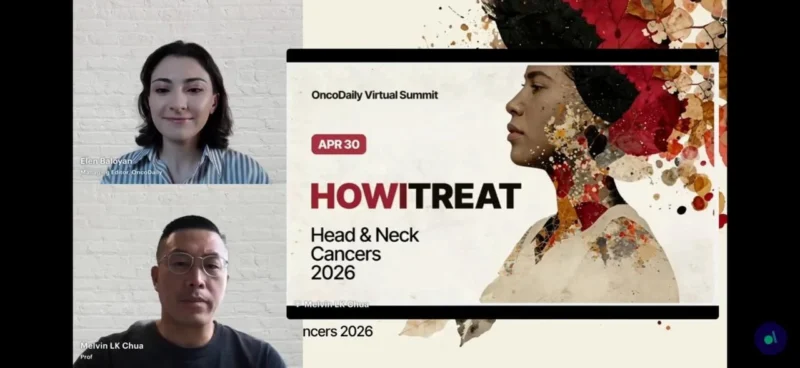
The congress opened under the leadership of Melvin Chua, who framed the discussion with both scientific depth and strategic vision. His opening remarks were followed by a focused lecture on the changing paradigm in nasopharyngeal carcinoma (NPC), highlighting how treatment is shifting toward precision-driven, biology-informed strategies.
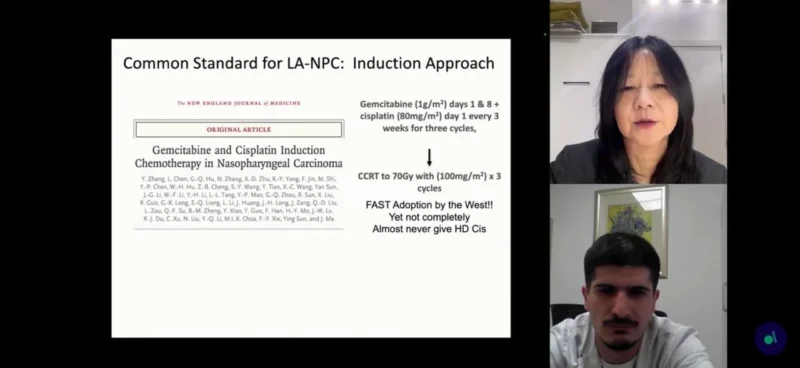
A broad clinical update came from Nancy Lee, who provided a comprehensive overview of current advances across head and neck cancers, setting a strong clinical foundation for the sessions that followed.
The role of immunotherapy in metastatic NPC was explored by David Lee, emphasizing how checkpoint inhibitors are reshaping outcomes in advanced disease. Surgical perspectives were brought forward by Kinjal Shankar Majumdar, who addressed the role of surgery in early-stage head and neck squamous cell carcinoma, reinforcing the importance of careful patient selection.
Importantly, the session extended beyond high-resource settings. Long Nguyen focused on access and affordability, highlighting persistent disparities and proposing practical strategies to expand care in resource-limited environments.
European Perspectives: Precision, De-escalation, and Biology
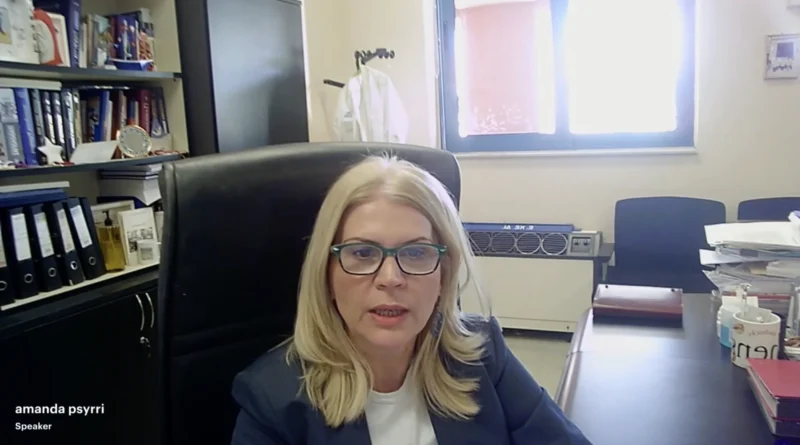
The European block, chaired by Amanda Psyrri, shifted the focus toward treatment optimization and biomarker-driven care.
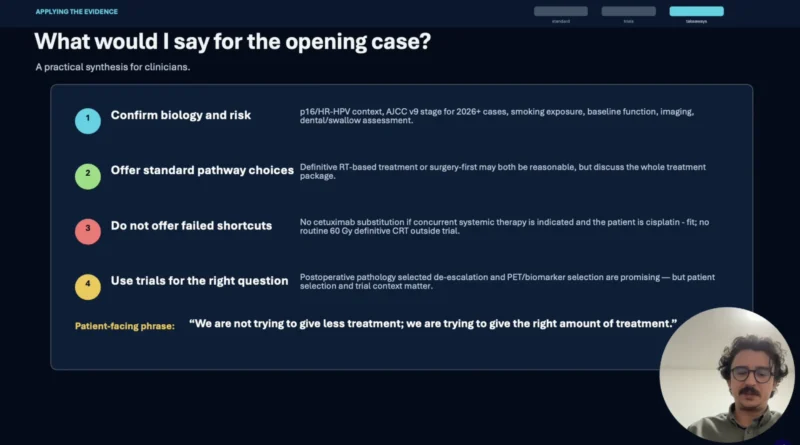
Her lecture on HPV-positive oropharyngeal cancer de-escalation addressed one of the most debated topics in the field—how to reduce toxicity without compromising cure rates.
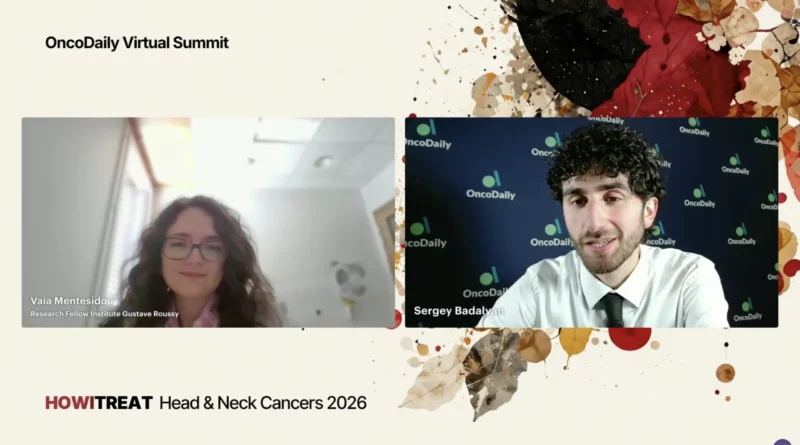
From Italy, Imperia Nuzzolese explored concurrent chemoradiotherapy, discussing how dose and agent selection can be refined to improve outcomes while minimizing toxicity. Meanwhile, Vaia Mentesidou introduced the growing role of circulating tumor DNA (ctDNA), underscoring its potential in monitoring disease and guiding treatment decisions.
The complexity of HPV-associated disease was further addressed by Amil Druzic, who provided insights into management strategies and emerging data from de-escalation trials.
Surgical perspectives returned with Duy Quoc Ngo, who discussed the evolving role of surgery in thyroid cancer in 2026, reflecting a field increasingly shaped by risk-adapted approaches.
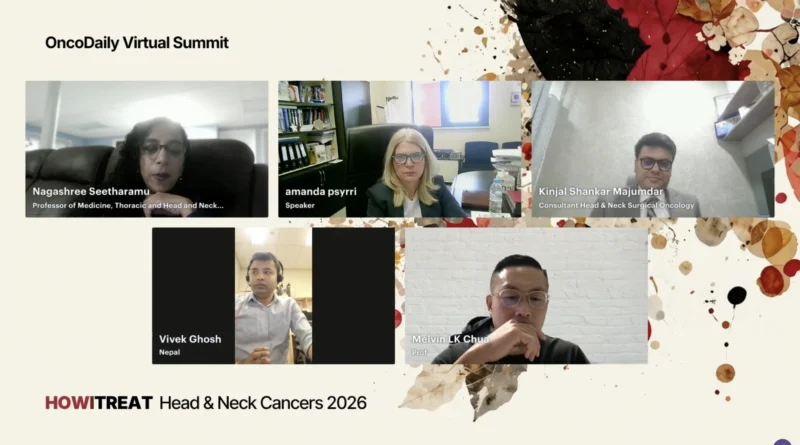
A multidisciplinary panel discussion followed, bringing together global experts to review real-world cases and emphasize the importance of integrated care across specialties.
Bridging Disciplines: Adaptive Strategies and Case-Based Learning
The third block, led by Nagashree Seetharamu, moved toward clinical decision-making in practice, combining lectures with interactive case discussions.
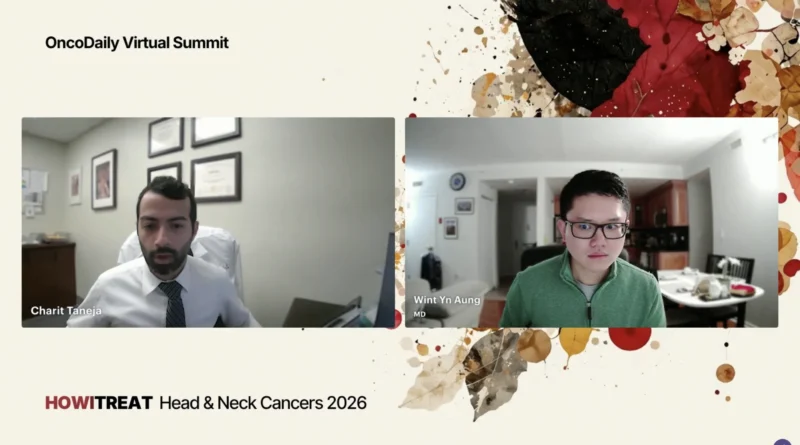
Case-based sessions led by Charit Taneja and Wint Yan Aung highlighted the nuances of thyroid cancer management, reinforcing the importance of individualized care.
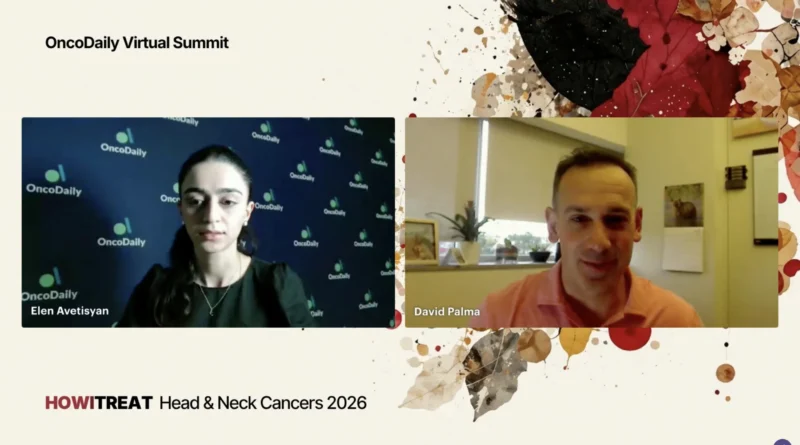
A major highlight was the lecture by David Palma, who presented on de-escalation and adaptive radiotherapy, reflecting a broader shift toward tailoring treatment intensity based on response and risk.
Further thyroid cancer discussions, including complex case scenarios, were presented by Rakshit Sagar and Nagashree Seetharamu, emphasizing multidisciplinary collaboration.
The role of neoadjuvant therapy in advanced thyroid cancer was addressed by Gregory Randolph, focusing on how preoperative treatment may improve surgical outcomes in selected patients.
From a translational standpoint, Paolo Bossi delivered an important session on molecular biology and biomarkers, reinforcing how biological understanding is increasingly guiding therapeutic decisions.
A regional contribution from Armenia came from Aren Karapetyan, who presented advances in nasopharyngeal carcinoma contouring and target definition, highlighting progress in precision radiotherapy planning.
North America: Innovation and Unmet Challenges
The final block, again chaired by Nagashree Seetharamu, focused on emerging therapies and persistent clinical challenges.
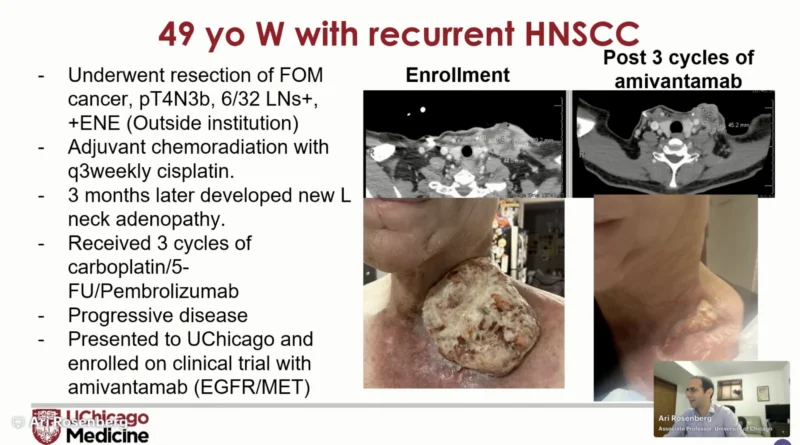
A comprehensive overview of mucosal head and neck cancers and unmet needs set the stage for innovation. Ari Rosenberg then explored the rapidly expanding landscape of novel systemic therapies, including antibody-drug conjugates, bispecific antibodies, fusion proteins, and tyrosine kinase inhibitors.
Special populations were addressed by Coral Olazagasti, who discussed the challenges of immune checkpoint blockade in elderly and comorbid patients, an area often underrepresented in clinical trials.
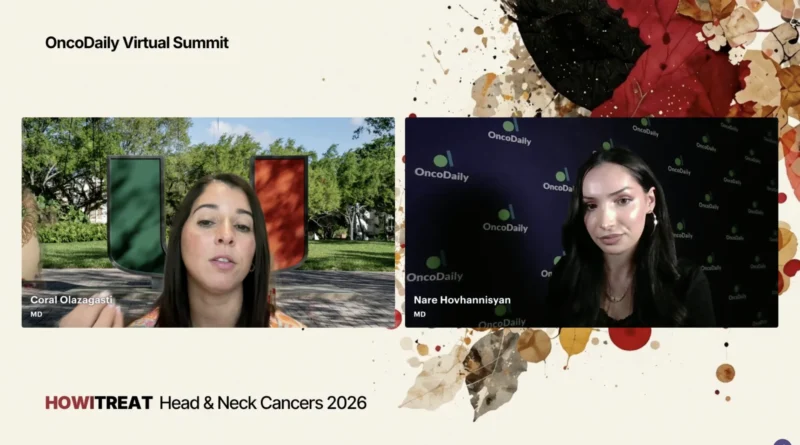
Surgical reconstruction and quality of life were the focus of Ganry Laurent, emphasizing that survival gains must be matched with functional outcomes.
The session concluded with Vivek Ghosh, who addressed the persistent issue of late diagnosis in nasopharyngeal carcinoma and strategies to bridge the gap toward curative outcomes.
Closing Reflections: A Unified Vision for Head and Neck Oncology
The congress concluded with a final synthesis led by Alexander Barbaro, who provided a comprehensive overview of mucosal head and neck squamous cell carcinoma, integrating epidemiology, staging, and treatment strategies into a cohesive framework.
More Than a Congress—A Global Conversation
Across 13 hours, this congress demonstrated what modern oncology demands: collaboration without borders, integration across disciplines, and a continuous dialogue between science and clinical practice.
From de-escalation strategies and biomarker-driven care to access challenges and emerging therapies, each session contributed to a larger narrative one that is redefining how head and neck cancers are treated worldwide.
The message was clear: progress is no longer driven by isolated advances, but by global alignment, shared knowledge, and multidisciplinary precision.
For more updates and expert insights, visit OncoDaily.
Written by Nare Hovhannisyan, MD