Identifying a large patient population is only the beginning of clinical trial recruitment. Sponsors also need to understand where eligible patients receive care, how referrals happen, and whether research teams can sustain quality as enrollment grows.
Those questions shaped the final block of Clinical Development in LATAM: Brazil Unlocked, organized by ODC Life Sciences with MassBio on September 24, 2026, in Cambridge, Massachusetts, and online.
OncoDaily covered the event, including discussions with João Paulo Lima, MD; a panel moderated by Tarek Ebrahim, MD, featuring Fábio Franke, MD, Jorge Rocha, MD, and José Moura-Neto, MD, PhD; and presentations by Angelo Orru Neto, MD, of iHealth Group and Matthew H. Maxwell, DBA, MS.
Brazil Already Contributes to International Research
João Paulo Lima opened the session by emphasizing Brazil’s existing participation in clinical development.
He described an assessment of studies associated with FDA-approved medicines and pointed to the contribution of Brazilian sites, including their recruitment performance.
João Paulo Lima said:
“Brazil already is part of the clinical research scenario.”
The discussion then moved to the operational question behind that contribution: how patients reach the institutions conducting research.
Referral Pathways Differ by Specialty
Moderating the panel, Tarek Ebrahim asked medical society leaders to explain how patients move through Brazil’s healthcare system and reach specialist research centers.
Jorge Rocha, President of the Brazilian Retina and Vitreous Society, described the concentration of ophthalmology patients in large institutions and the referral networks linking general ophthalmologists with specialized care.
In oncology, Fábio Franke, President-Elect of the Brazilian Society of Clinical Oncology (SBOC), explained how patients are referred to high-complexity centers for diagnosis and treatment. Trial referrals frequently depend on communication between physicians and investigators.
Keeping referring clinicians informed about open studies and eligibility requirements is therefore an important part of recruitment.
Franke also described efforts to encourage physicians to consider clinical trials as a potential option for their patients. 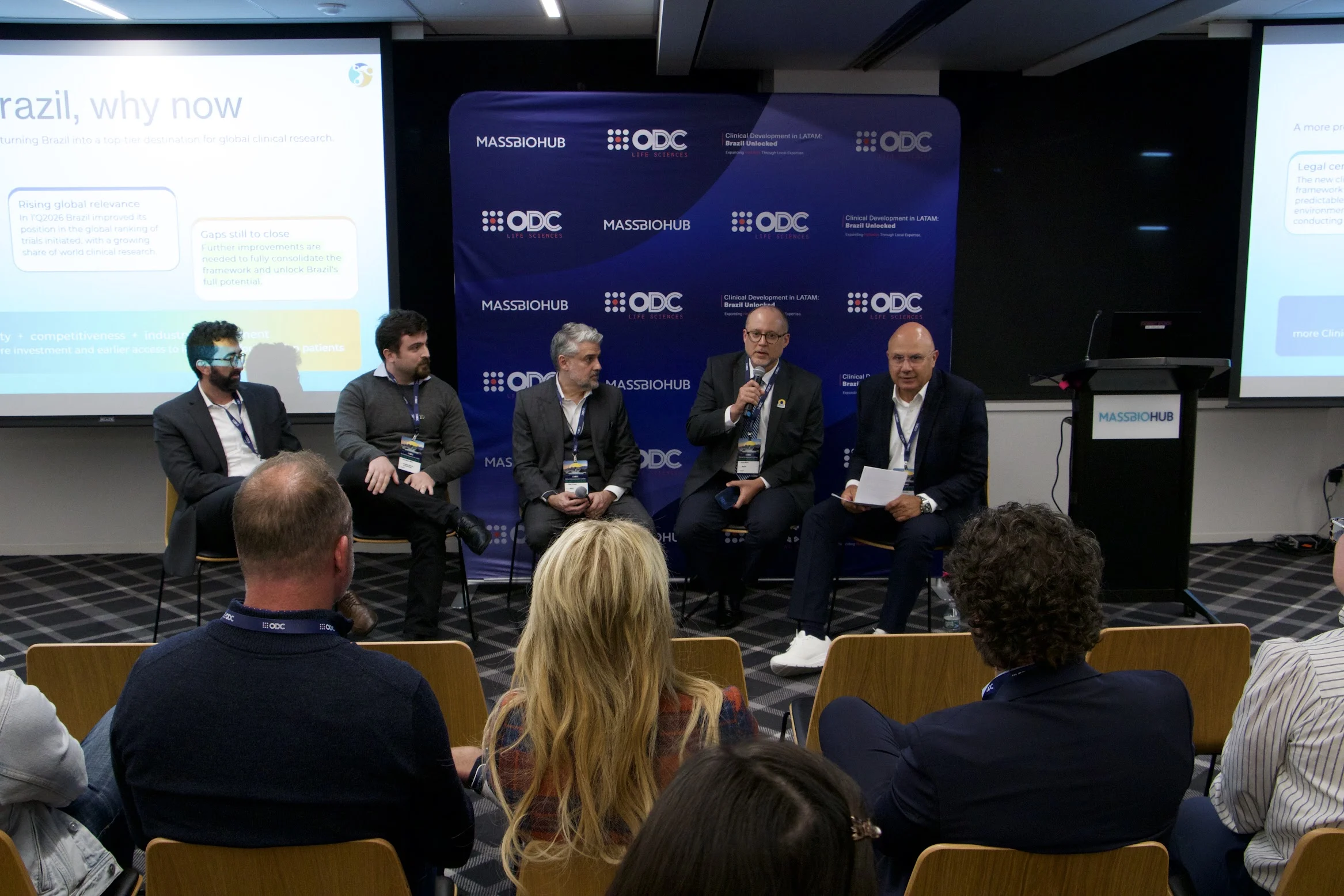
Nephrology Highlights the Need for Better Integration
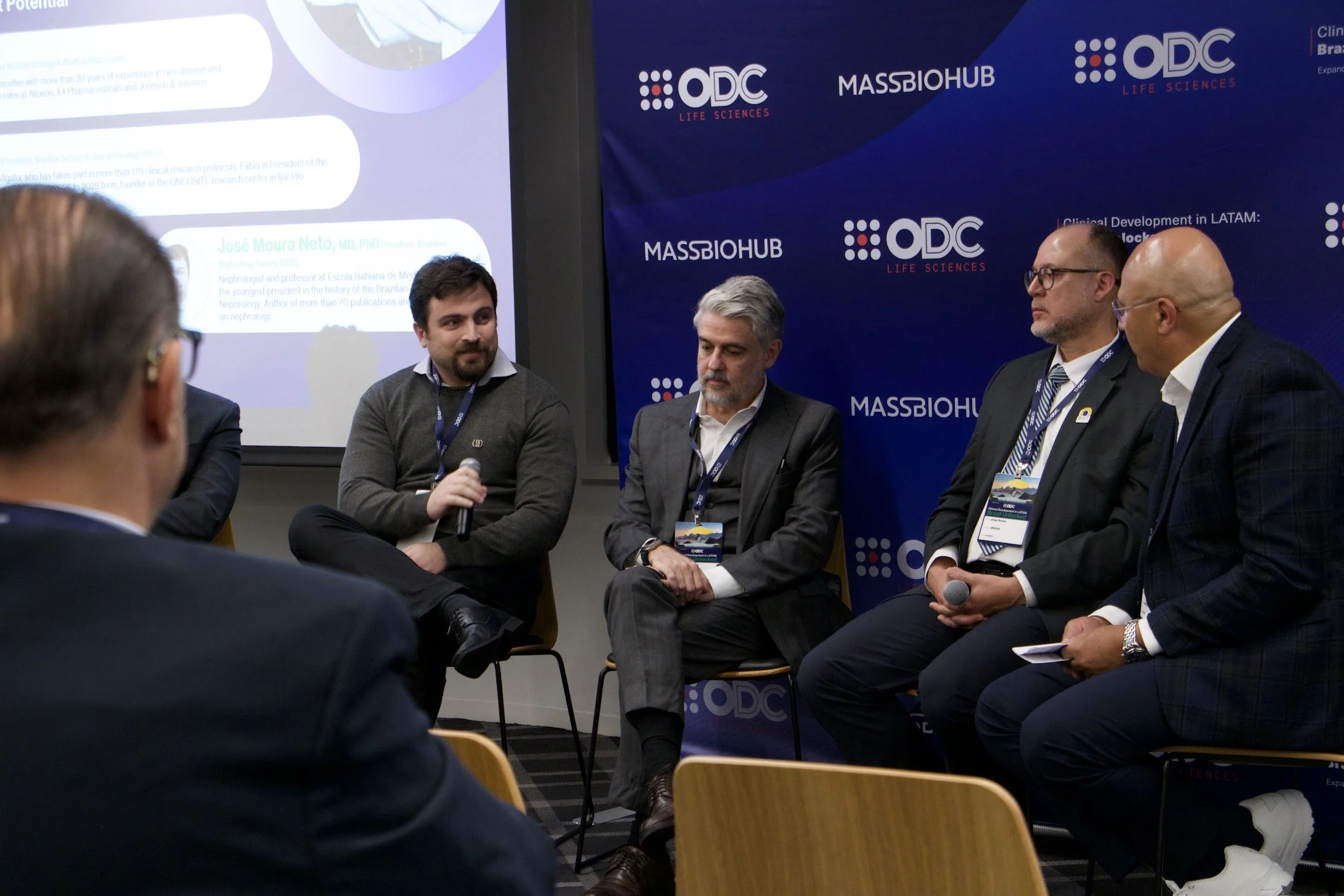
José Moura-Neto, President of the Brazilian Society of Nephrology, presented a more fragmented referral picture.
He explained that patients with earlier-stage kidney disease may enter care through primary care, emergency services, or other specialties, rather than through dialysis clinics.
Moura-Neto suggested that dialysis centers and their specialist relationships could support a hub-and-spoke approach, helping connect patients with appropriate research opportunities earlier in their disease course.
He also highlighted the role of disease registries, awareness initiatives, and investigator development.
The panel illustrated why a recruitment strategy must reflect the actual care pathway for the disease being studied. The same approach will not work equally well across oncology, ophthalmology, and nephrology.
Training the Teams Behind Trial Growth
Fábio Franke emphasized workforce development as a priority for sustaining research quality.
As Brazil receives more studies and recruits more patients, sites need additional trained nurses, physicians, and research coordinators. Regulatory predictability can support investment in that workforce, but training must accompany growth.
He described an oncology training program involving established research sites and identified research coordinator training as a next step.
Franke also highlighted an SBOC platform that uses AI to help translate and filter ClinicalTrials.gov information into Portuguese, making recruiting oncology studies in Brazil easier for clinicians to identify.
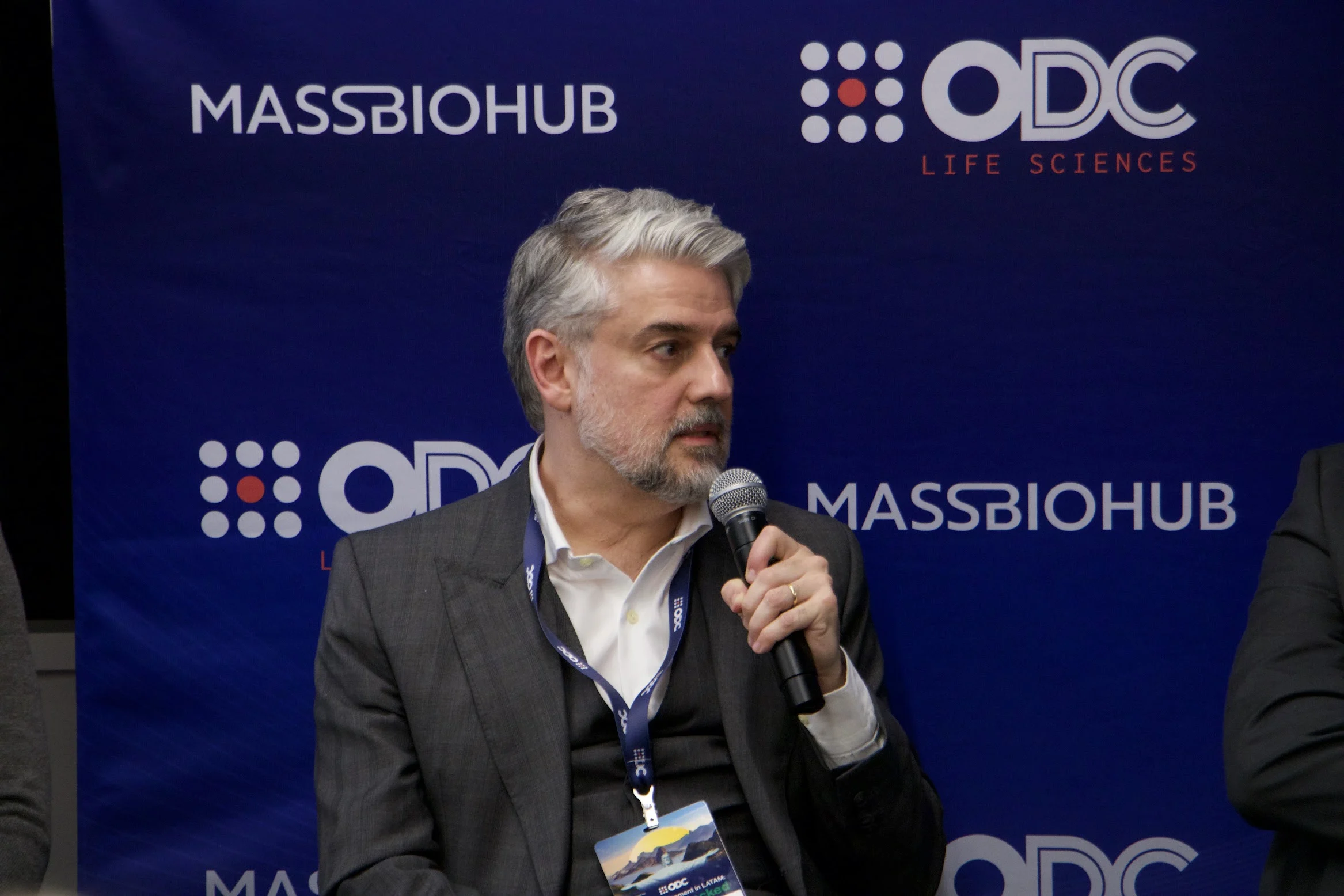
Rocha described collaborative efforts to connect research sites, train professionals, and engage patient associations. Moura-Neto similarly outlined opportunities for medical societies to strengthen awareness and coordination.
Using Clinical Records to Inform Feasibility
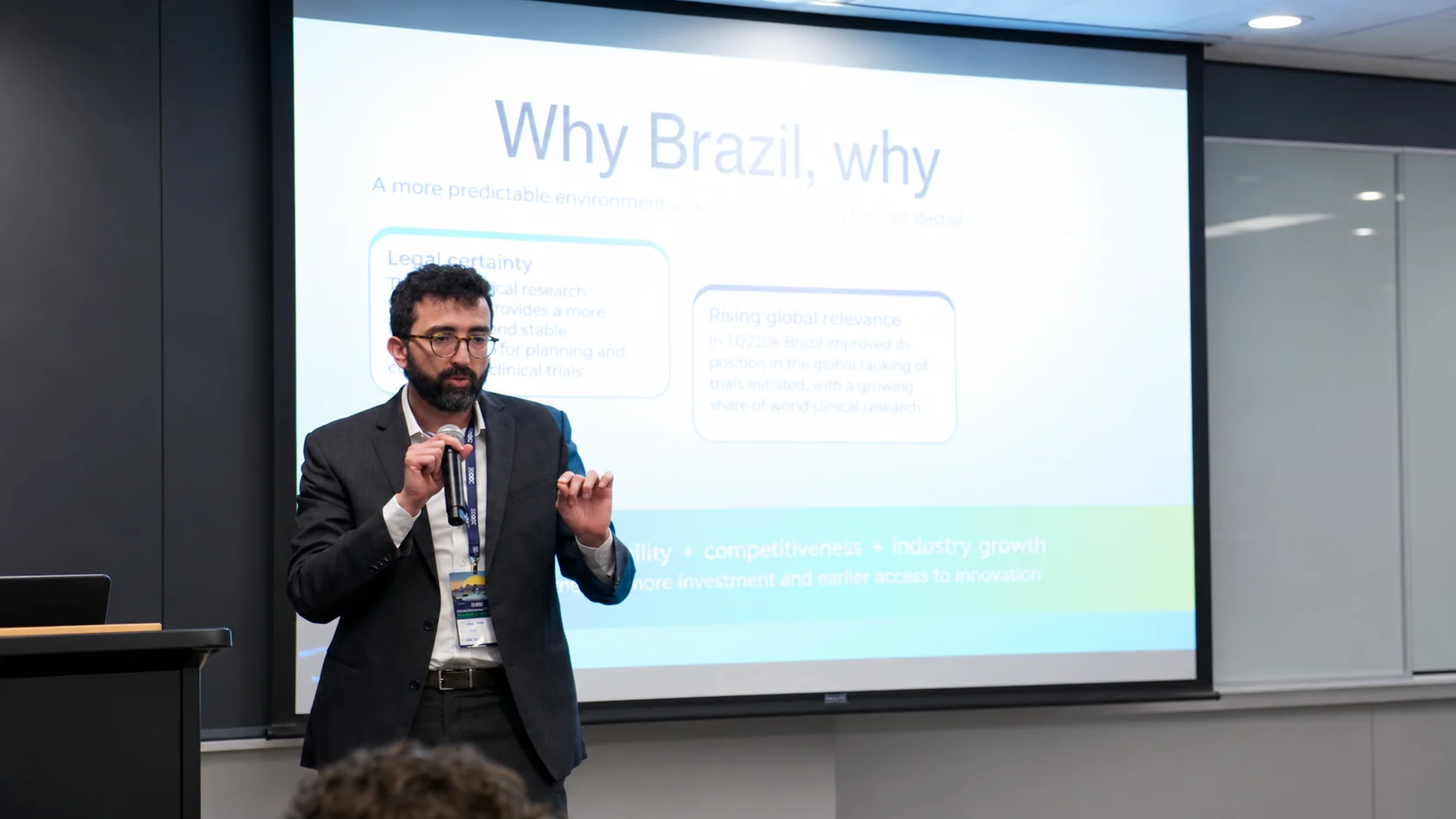
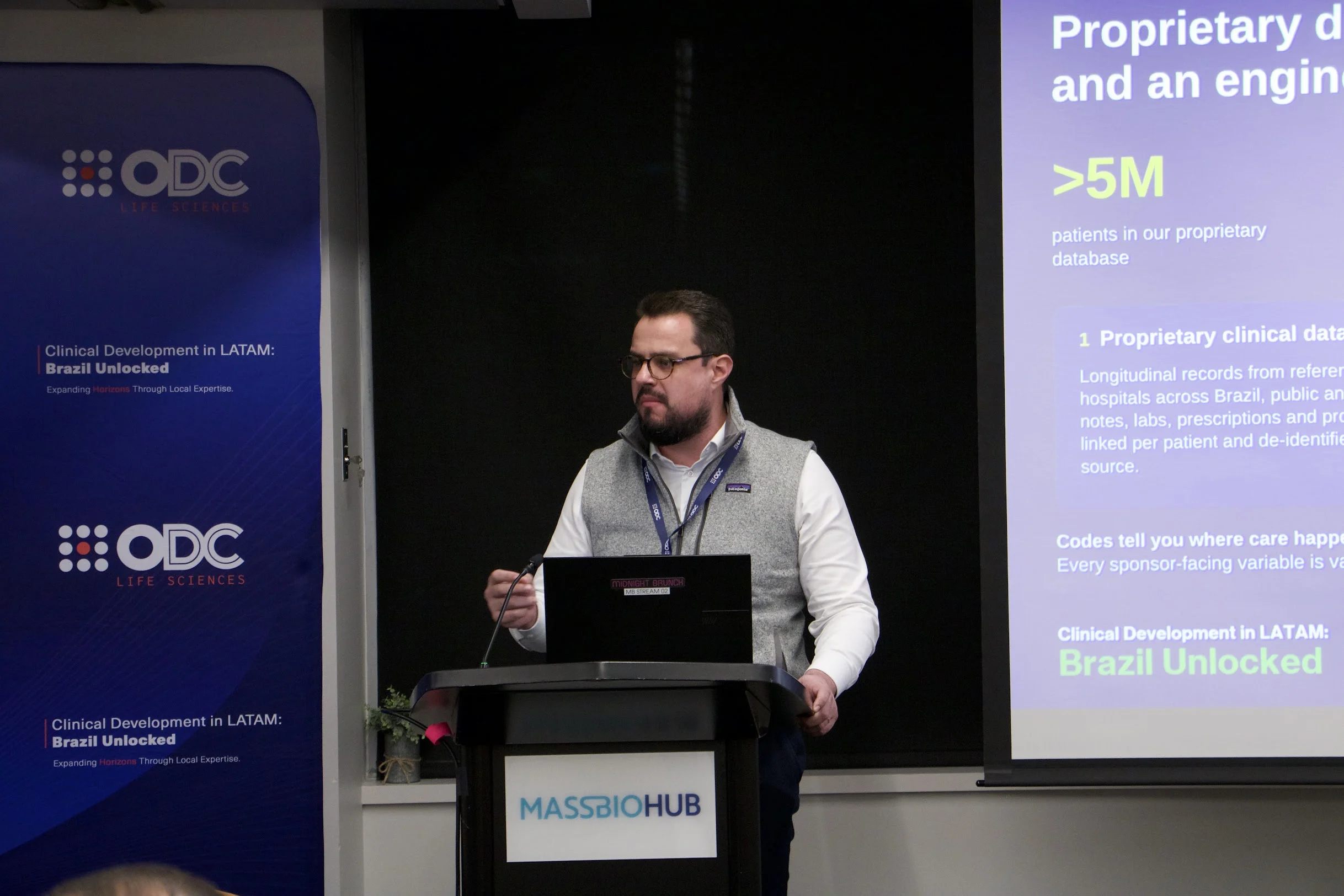
Angelo Orru Neto, CEO of iHealth Group, addressed how data could help sponsors assess recruitment potential before selecting countries and sites.
He reported that iHealth’s clinical database included more than five million patients and seven million clinical notes, with 50 hospitals connected at the time of the presentation.
He described a Portuguese-language natural language processing model that extracts information from clinical notes and structures it using the OMOP common data model, allowing comparison with study criteria.
In one example, his team identified a small group of patients with a specific biomarker after narrowing a much larger patient pool. In other work with ODC, he described feasibility assessments for gastric and breast cancer proposals completed within 24 to 48 hours.
These examples concerned identifying potential candidates; eligibility still requires clinical confirmation and screening.
Connecting Technology with Site Relationships
Matthew H. Maxwell discussed recruitment from the perspective of building site networks and platforms.
He highlighted the potential value of specialist patient concentration, hospital engagement with technology, and continuing relationships between investigators and trial engagement teams.
His presentation emphasized that technology works within an operational network. Identifying patients in records must connect with site activation, prescreening, investigator engagement, and sustained study delivery.
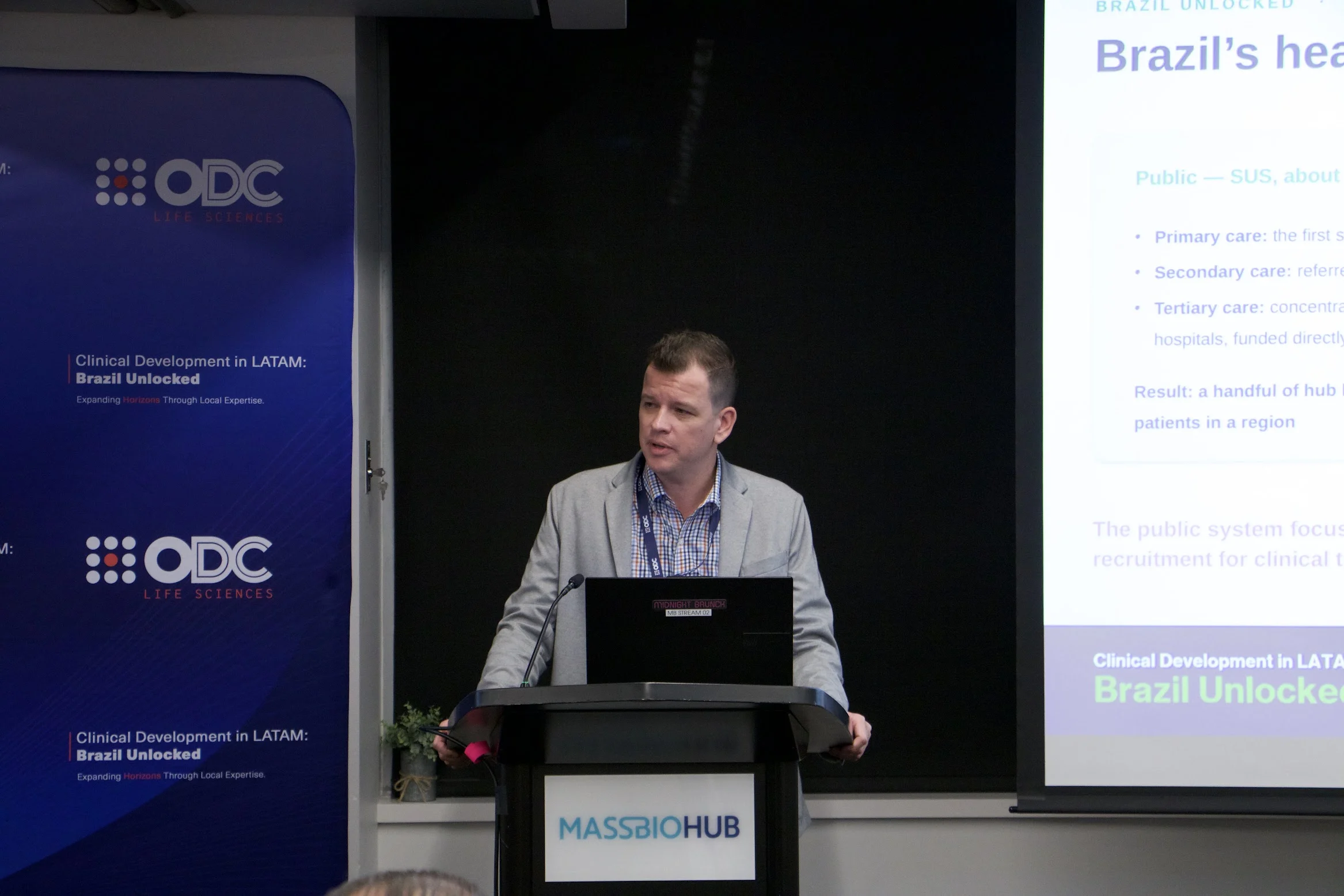
Closing his presentation, Orru Neto offered a direct invitation to sponsors:
“Just bring us a protocol and leave Boston with a number.”
The final block brought Brazil’s recruitment opportunity into practical focus: disease-specific referral pathways, trained research teams, and evidence-based feasibility all influence whether a study can reach the patients it needs.
Read further on OncoDaily: Brazil’s Clinical Trial Reforms Take Center Stage at Brazil Unlocked