Brazil’s role in global clinical development should begin when a study is being designed, rather than when recruitment elsewhere falls behind. That was the central argument of the opening session at Clinical Development in LATAM: Brazil Unlocked, organized by ODC Life Sciences with MassBio on September 24, 2026, at MassBio Hub in Cambridge, Massachusetts, and online.
OncoDaily covered the event, which brought together biotechnology executives, investors, regulators, medical society leaders, and clinical research specialists to examine Brazil’s contribution to international drug development.
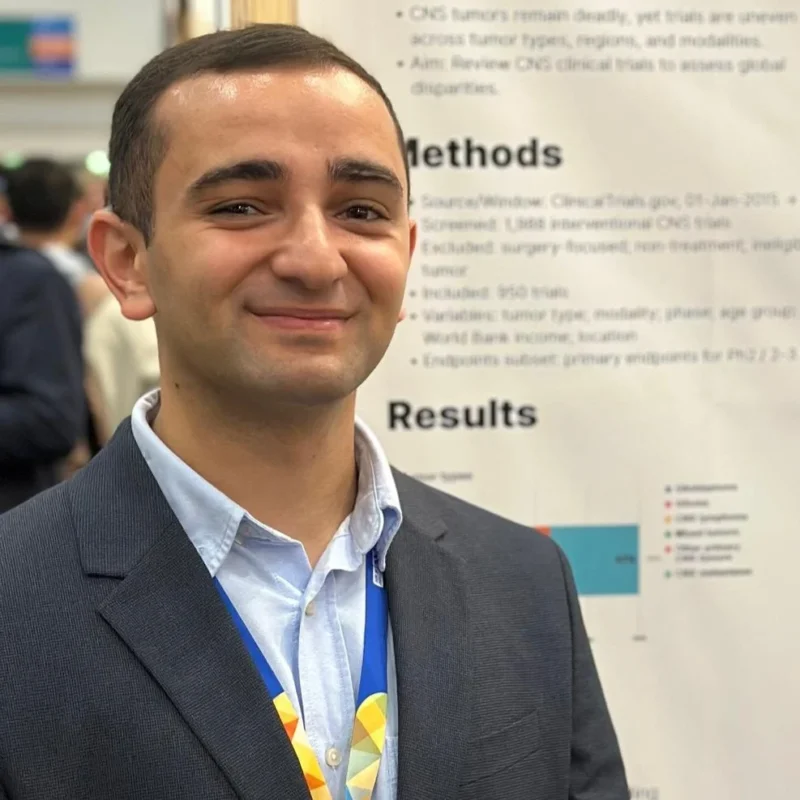
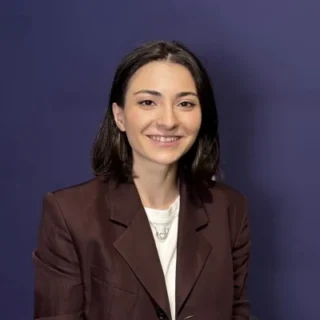
The first block focused on the strategic and financial case for country selection, featuring Daniel Zequeto, Founder and CEO of ODC Life Sciences; Cedric Francois, MD, PhD, Founder and Former CEO of Apellis Pharmaceuticals; Jennifer S. Buell, PhD, President and CEO of MiNK Therapeutics; and an investor discussion with Edward Chan, Katie Ellias, and Vikas Goyal.
Moving Brazil into the Development Strategy
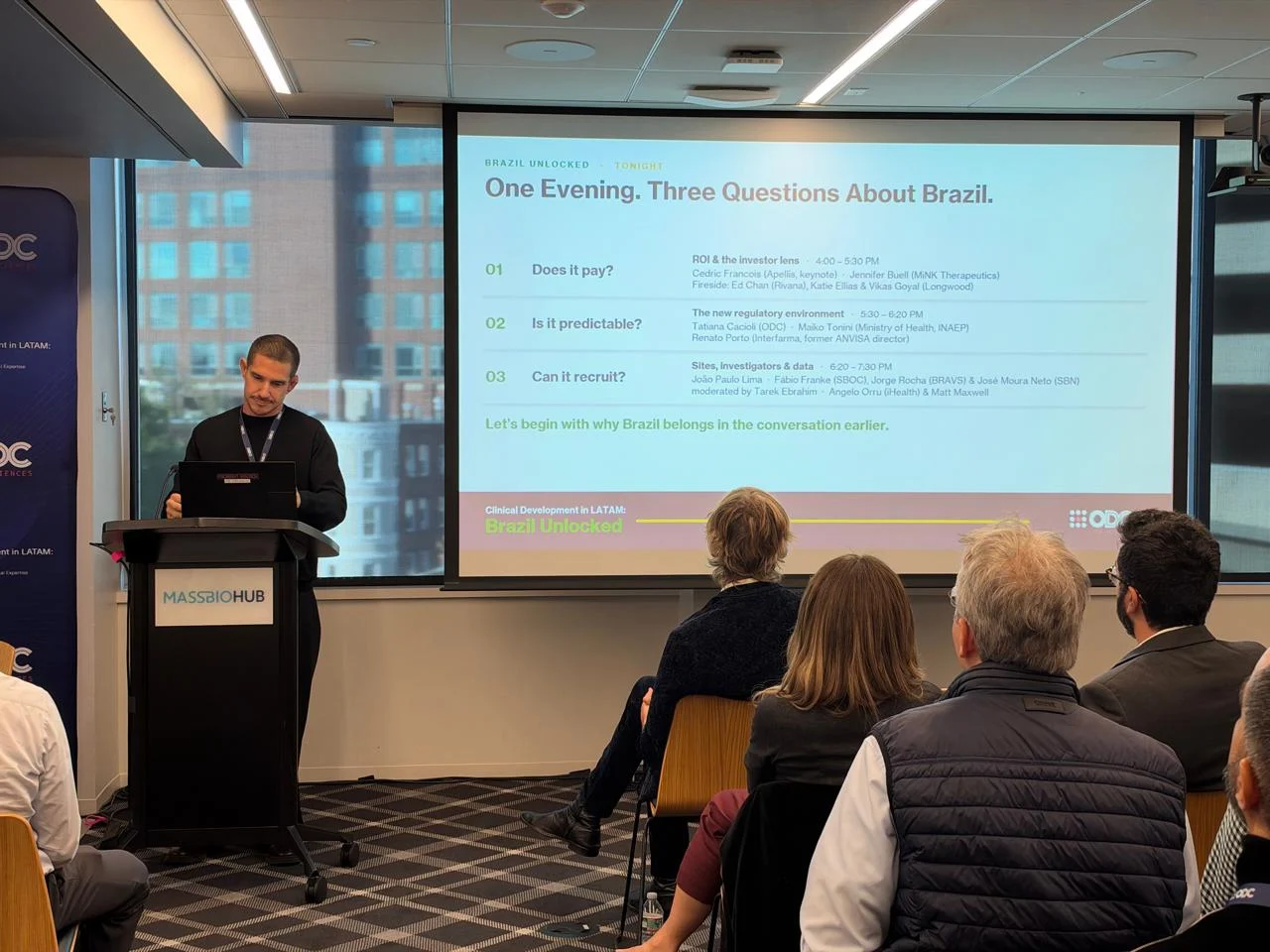
Opening the meeting, Zequeto challenged the practice of adding Brazil late to compensate for slow enrollment in other countries.
Daniel Zequeto, Founder and CEO of ODC Life Sciences, said:
“Brazil should not be a rescue country. It should be a strategic one.”
He framed the evening around three practical questions: whether conducting trials in Brazil delivers financial value, whether the process is predictable, and whether the country can recruit patients.
Zequeto pointed to Brazil’s large and diverse population, specialist institutions, and public and private healthcare networks. However, he emphasized that population size becomes useful to sponsors only when it is connected to medical expertise, patient concentration, and effective execution.
He also described ODC’s work building physician relationships across Brazil, presenting referral networks as an operational foundation for identifying patients and connecting them with research sites.
Cedric Francois on the Importance of Enrollment
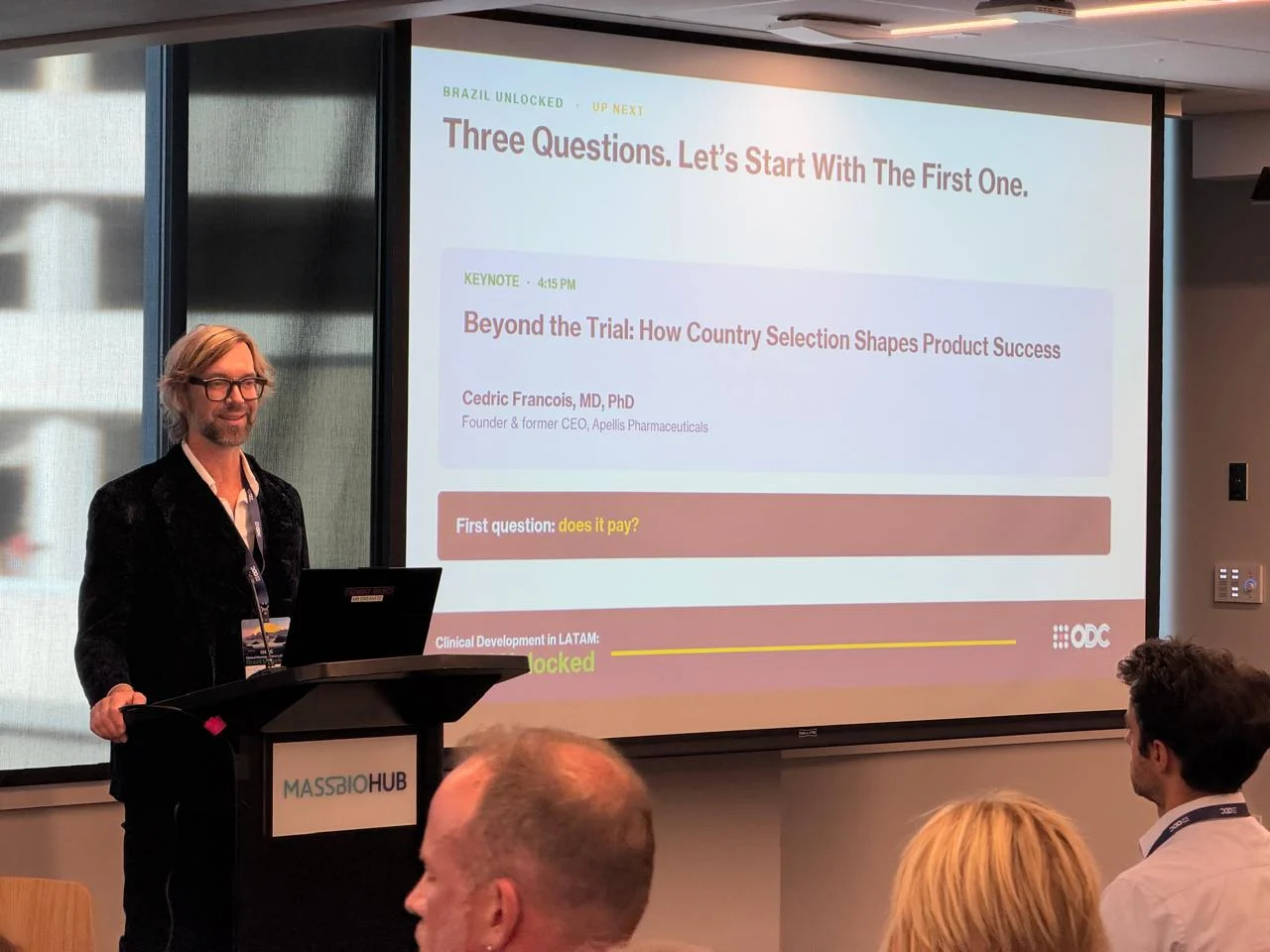
Francois drew on Apellis’ development experience to explain why recruitment deserves attention at the highest levels of a biotechnology company.
He recalled writing “Enrollment” on a newly appointed business development executive’s board to underline a basic reality: without patients entering studies, a company cannot generate the evidence needed to advance its medicines.
His presentation placed particular emphasis on research coordinators and direct engagement with sites. In his experience, explaining the purpose of a study to the people managing its daily delivery could make a meaningful difference to recruitment.
Francois reported that ODC had supported Apellis across more than 10 clinical trials, with more than 30 sites activated in Brazil, more than 70 investigators engaged, and more than 100 patients recruited.
He also acknowledged a limitation of the company’s earlier experience: Brazilian approvals sometimes arrived later than the team would have preferred. Once sites became operational, however, recruitment helped the programs catch up.
His recommendations were to bring Brazil into feasibility earlier, establish local operational ownership, build recruitment around referral networks, and maintain direct site and patient oversight.
What Investors Want to See
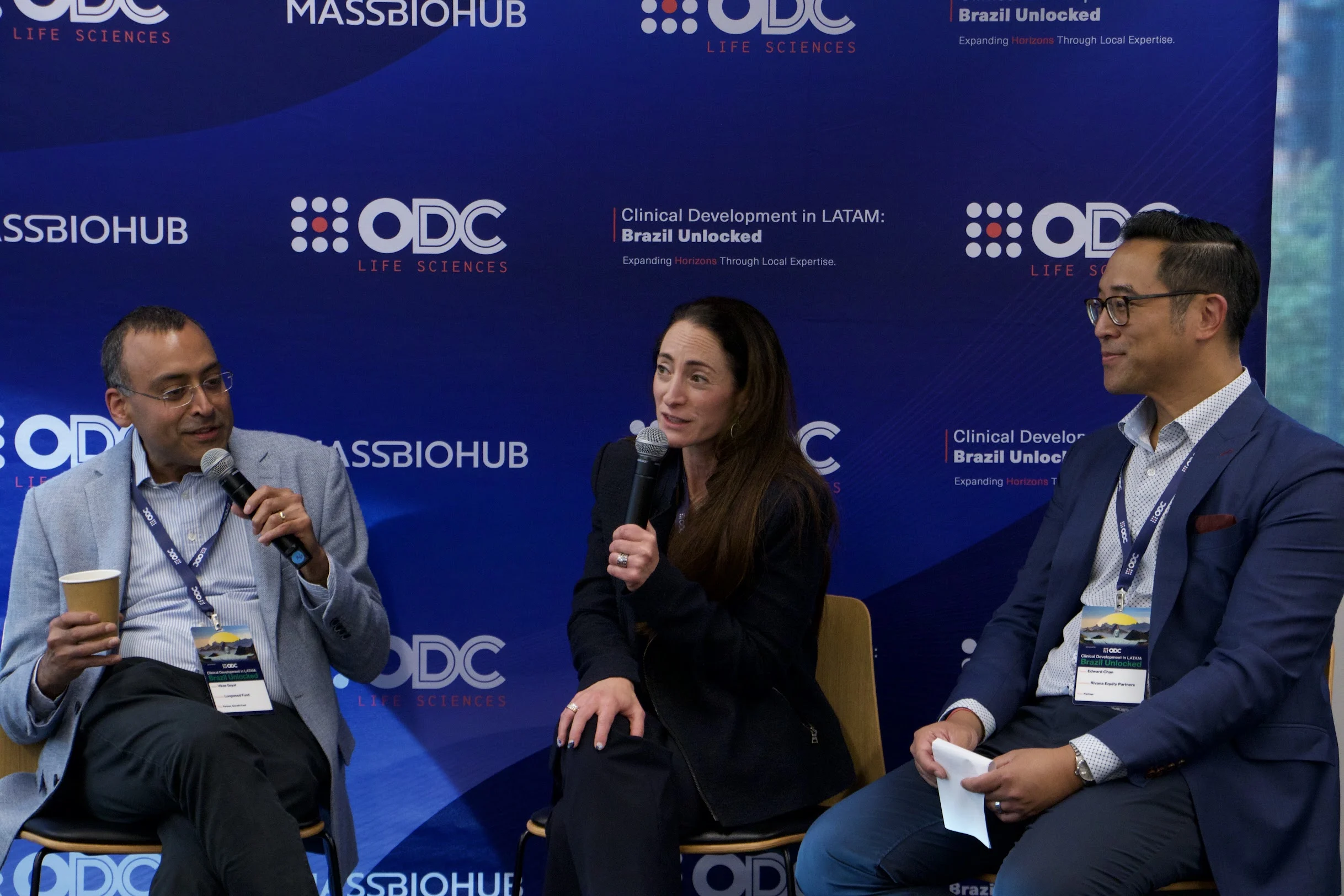
The investor discussion, led by Edward Chan of Rivana Equity Partners, examined how country selection, recruitment assumptions, and service providers influence investment decisions.
Katie Ellias, an independent board director and adviser with experience in biotechnology and medical technology investing, emphasized the importance of realistic enrollment projections. Delays can affect a startup’s entire financial position because the company continues spending while waiting for clinical progress.
Katie Ellias said:
“Because time is money in startups, and any delays in enrollment is just hugely impactful.”
Vikas Goyal of Longwood Fund explained that the rationale for selecting a country depends on the program. A company might seek a particular patient population, a specialist investigator, or additional sites for a larger study. Each situation requires its own assessment of scientific fit, operational readiness, and regulatory requirements.
The panel also discussed how sponsors should evaluate local partners alongside global CROs. Previous experience, peer references, and evidence of successful execution can help boards assess an unfamiliar provider.
Chan identified potential investment opportunities in Brazilian clinical site networks, while the discussion highlighted the need to understand how evidence generated in a particular setting will support the intended regulatory submission.
Jennifer Buell on Brazil’s Value for Small Biotechs
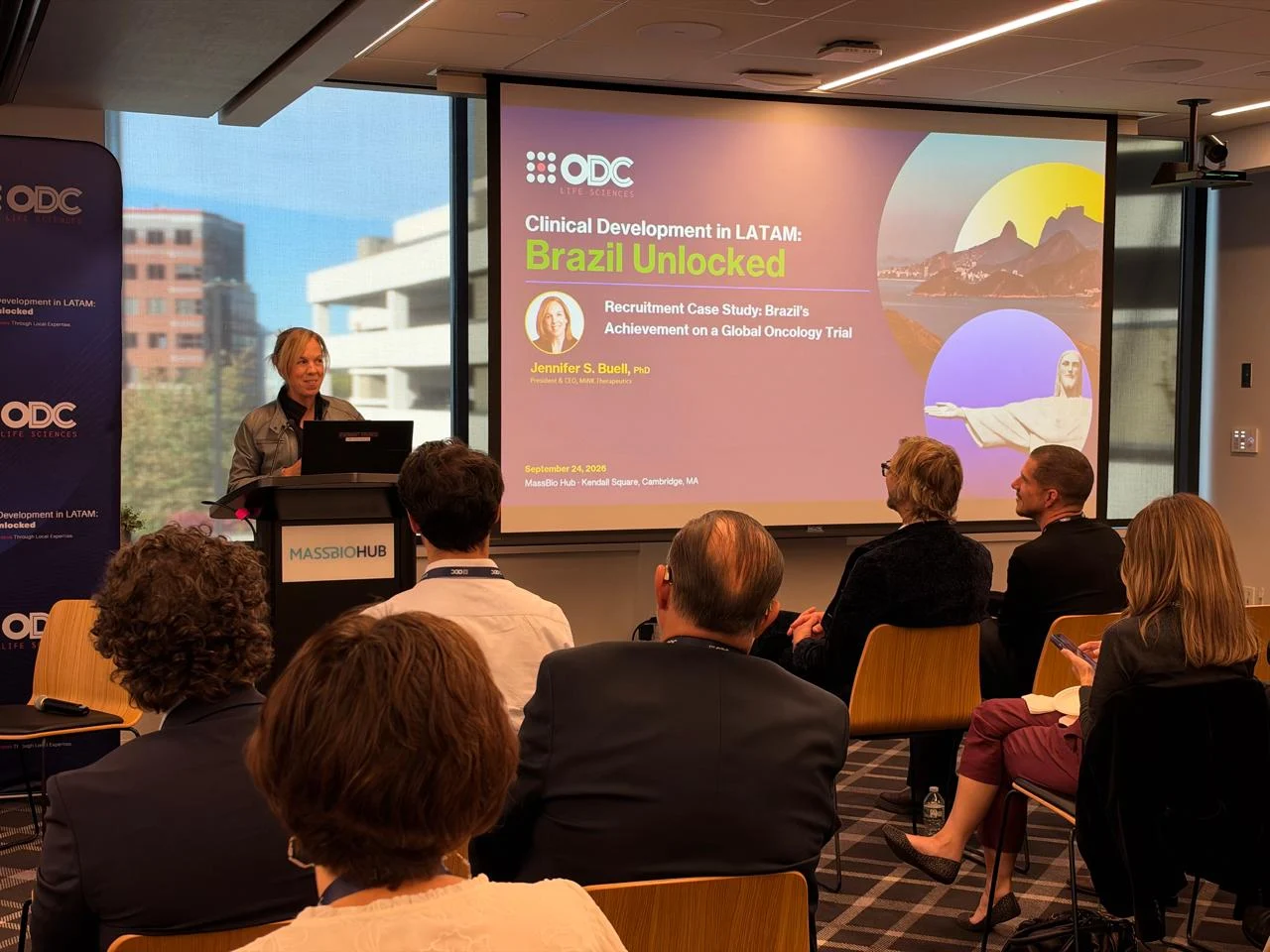
Jennifer S. Buell, PhD, President and CEO of MiNK Therapeutics, drew on the experience of MiNK and Agenus to explain why Brazil has become an early consideration in their clinical development plans.
For small biotechnology companies, timely access to patients and reliable clinical data is essential. Buell highlighted Brazilian investigator expertise, specialist infrastructure, and ODC Life Sciences’ support with regulatory submissions and study execution. In one program, she reported obtaining regulatory authorization and starting the program in less than three months.
She also emphasized clear reporting, inspection readiness, and rapid communication when challenges arise.
Jennifer S. Buell said:
“We’re always going to Brazil, and we’re often going there first.”
Her experience reinforced the session’s central message: consider Brazil early when planning clinical development.
The opening block established a practical case for considering Brazil sooner: sponsors need to evaluate its contribution while they can still shape site selection, recruitment plans, and development timelines.
Follow OncoDaily for further highlights from Brazil Unlocked, including coverage of each session.