





Brazil’s place in global clinical development is changing, and the discussion increasingly extends beyond its potential to recruit patients. Regulatory predictability, research infrastructure, investigator expertise, and the ability to deliver studies are bringing the country into earlier development conversations.
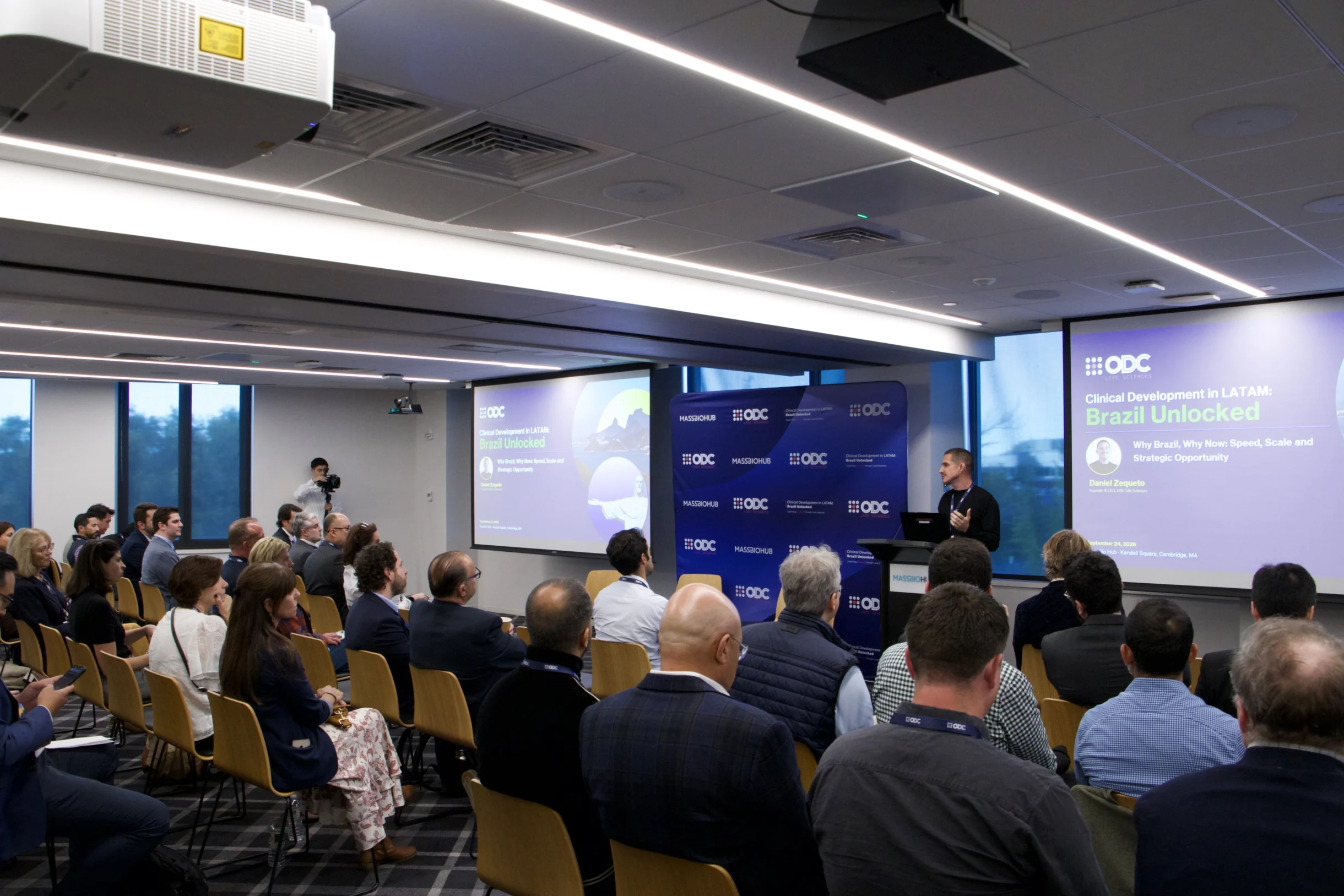
These themes brought biotechnology executives, investors, government representatives, medical society leaders, and technology specialists together for Clinical Development in LATAM: Brazil Unlocked, organized by ODC Life Sciences with MassBio on September 24, 2026, at MassBio Hub in Cambridge, Massachusetts, with participants also joining online.
OncoDaily was there to cover the event, which explored Brazil’s strategic value through three connected blocks: the business case for country selection, the evolving regulatory environment, and research capacity and patient enrollment.
Bringing Brazil into Clinical Development Earlier
Opening the meeting, Daniel Zequeto, Founder and CEO of ODC Life Sciences, challenged the practice of adding Brazil only when recruitment in other countries slows.
Daniel Zequeto said:
“Brazil should not be a rescue country. It should be a strategic one.”
He framed the evening around three questions: Does it pay? Is it predictable? Can it recruit?
Zequeto highlighted Brazil’s population diversity, specialist institutions, and physician networks, emphasizing that these assets need effective coordination to translate into successful clinical studies.
That message connected the evening’s discussions: Brazil should be considered while sponsors are designing protocols, evaluating sites, and building recruitment strategies.
Biotech Experience and the Investor Perspective
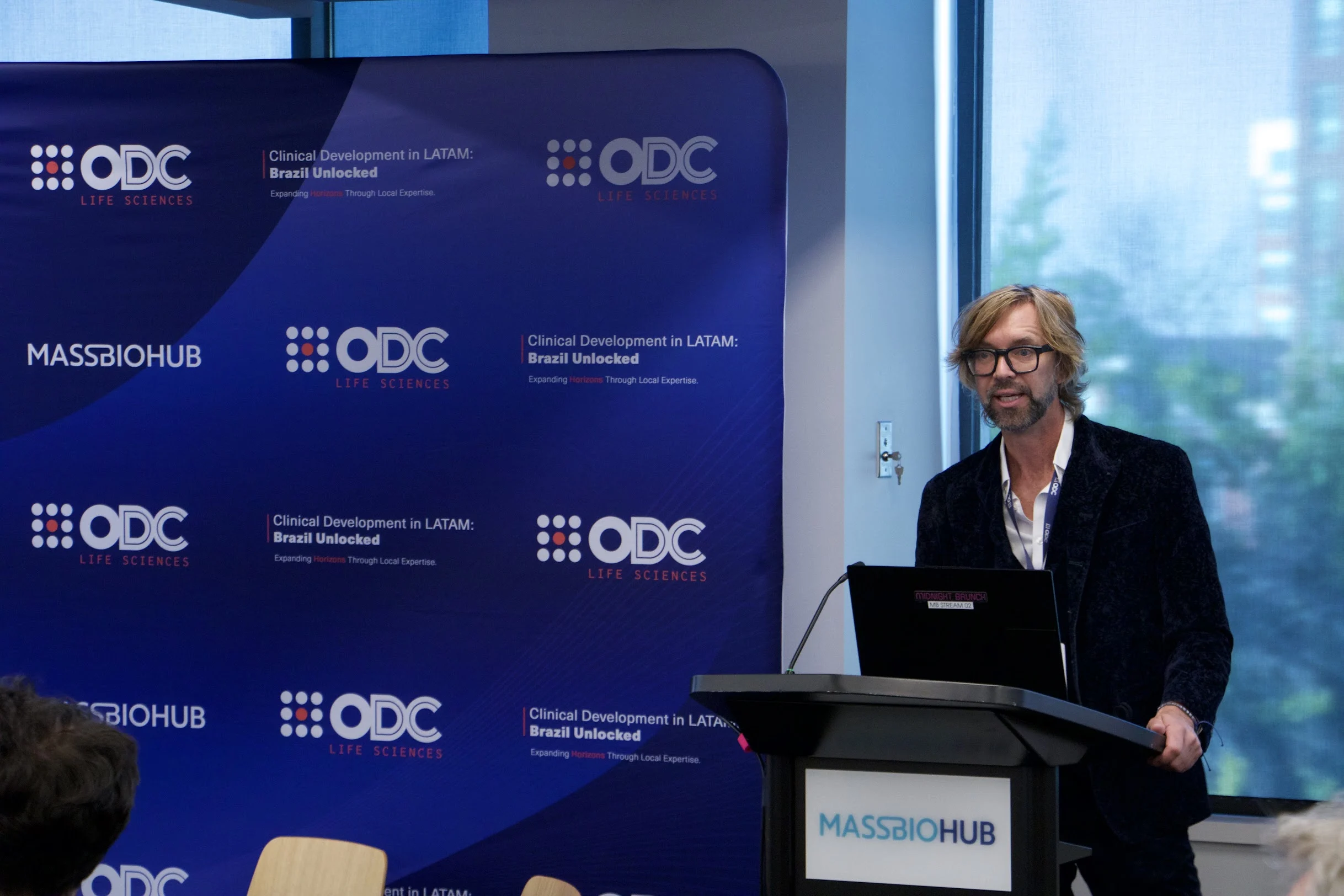
Cedric Francois, MD, PhD, Founder and Former CEO of Apellis Pharmaceuticals, drew on the company’s experience conducting research in Brazil to explain the importance of local operational ownership and direct relationships with investigators and research coordinators.
He reported that ODC had supported Apellis across more than 10 clinical trials, with more than 30 Brazilian sites activated and more than 100 patients recruited.
Francois also acknowledged that regulatory timelines had sometimes delayed Brazil’s entry into earlier programs. His recommendation was to involve the country sooner in feasibility planning so its recruitment capabilities could contribute earlier.
Jennifer S. Buell, PhD, President and CEO of MiNK Therapeutics, shared experience from both MiNK and Agenus. She described the contribution of Brazilian investigators, clinical centers, and local partners to programs involving investigational antibodies and cell therapies.
Jennifer S. Buell said:
“We’re always going to Brazil, and we’re often going there first.”
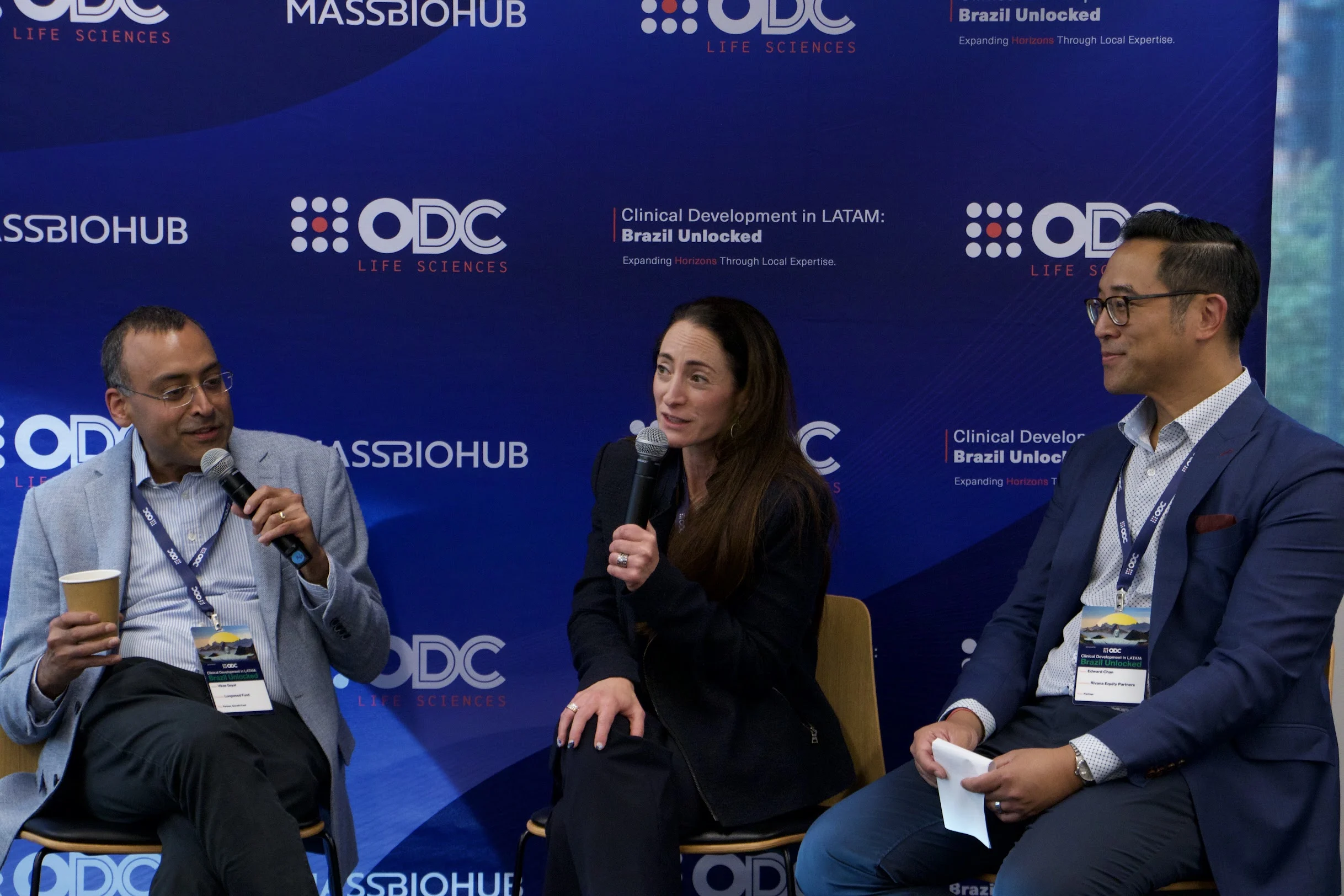
An investor discussion led by Edward Chan of Rivana Equity Partners, with Katie Ellias, an independent board director and adviser, and Vikas Goyal of Longwood Fund, examined how clinical development plans influence investment decisions.
The panel addressed realistic enrollment forecasts, contingency planning, country selection, and the evidence boards need when evaluating local partners. Their discussion emphasized that recruitment delays affect company spending and the timing of critical clinical milestones.
Regulatory Reform and More Predictable Study Start-Up
The second block featured Tatiana Cacioli, Head of Operations and Regulatory Affairs at ODC Life Sciences; Maiko Tonini, representing the Brazilian Ministry of Health; and Renato Alencar Porto, PhD, President of Interfarma and former ANVISA Director.
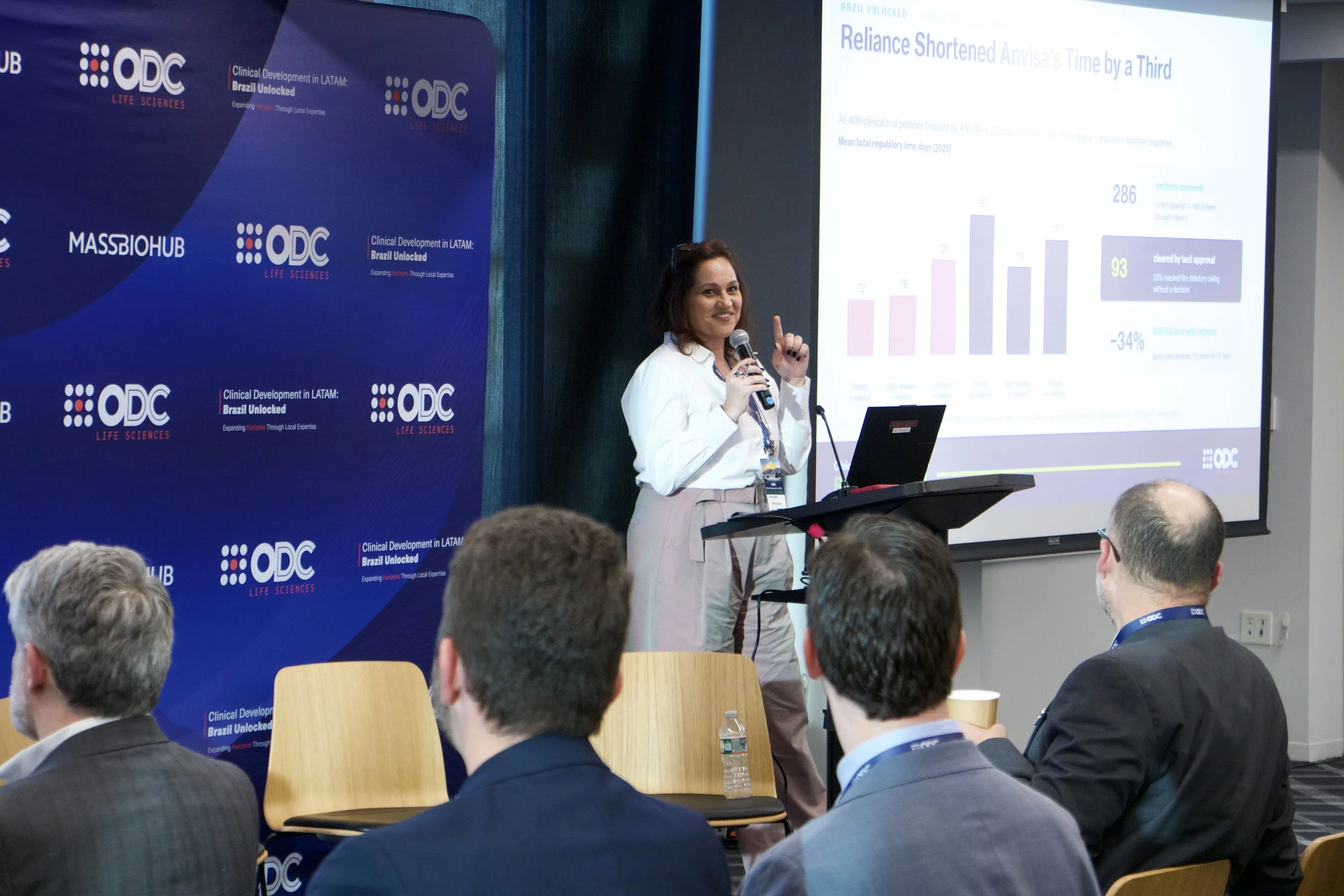
Cacioli outlined Brazil’s clinical trial authorization framework, including the 90-business-day review period and pathways involving regulatory reliance, prioritization, and assessment based on risk and complexity.
Tonini focused on ethical review and the implementation of a single assessment for multicenter protocols. He presented an analysis in which the median time from submission to completion of ethical review fell from 59 business days in the first half of 2024 to 36 in the first half of 2026.
He also acknowledged that implementation remains an ongoing process requiring training, guidance, and oversight.
Porto connected these reforms with Brazil’s broader research investment environment. He emphasized the importance of using data to track progress and maintaining consistent execution as the country attracts additional studies.
Across the presentations, faster review was linked to a practical responsibility: sites, contracts, logistics, and research teams must be ready when approvals arrive.
Connecting Patients with Research Opportunities
The final block examined how Brazil’s research ecosystem can support enrollment.
João Paulo Lima, MD, highlighted the country’s existing contribution to international clinical development before a discussion moderated by Tarek Ebrahim, MD.
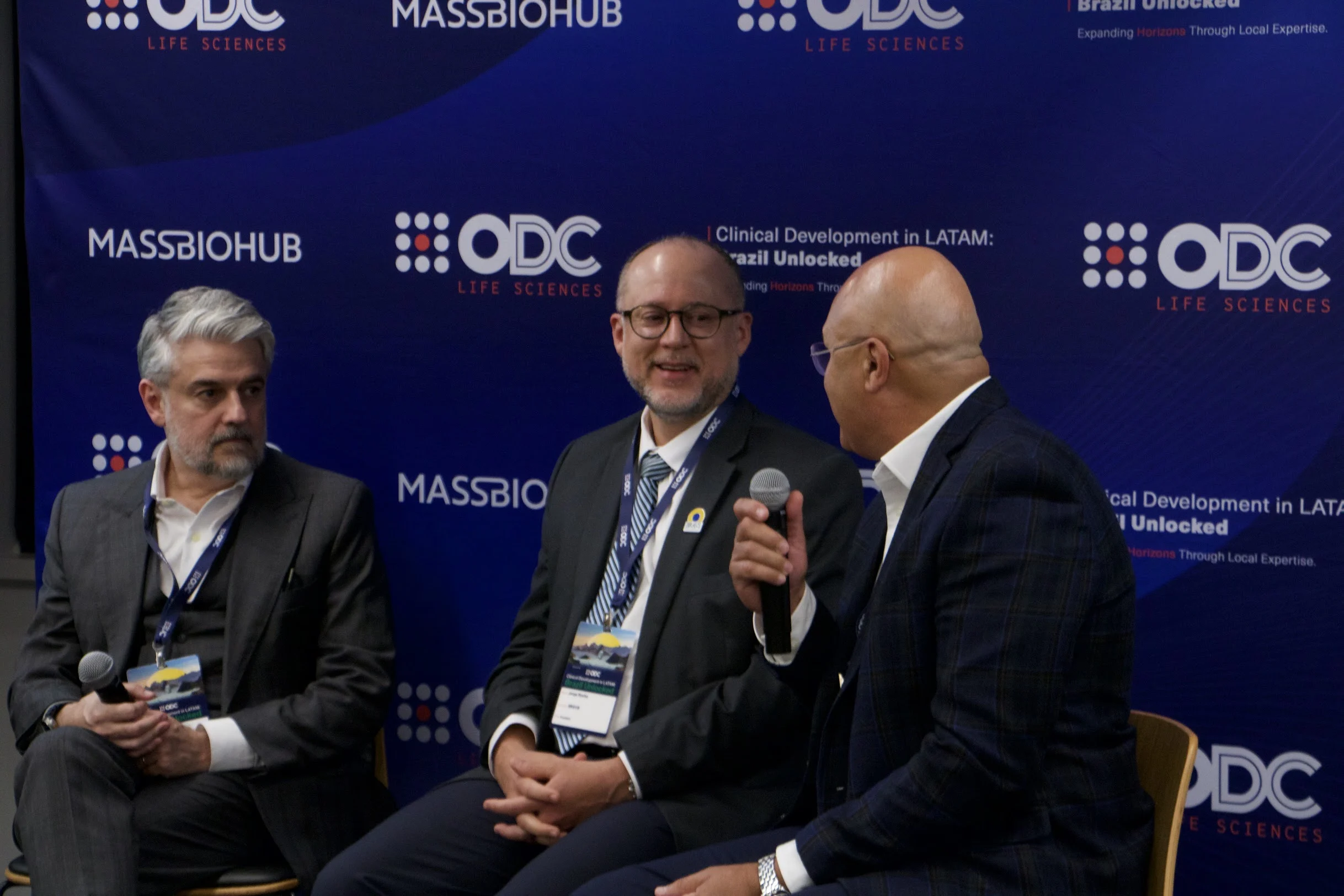
The panel featured Fábio Franke, MD, President-Elect of the Brazilian Society of Clinical Oncology; Jorge Rocha, MD, President of the Brazilian Retina and Vitreous Society; and José Moura-Neto, MD, PhD, President of the Brazilian Society of Nephrology.
Their discussion showed how referral pathways differ across specialties. Oncology and ophthalmology networks can connect patients with specialist institutions, while nephrology presents opportunities for stronger integration across primary care, hospitals, and dialysis centers.
The speakers also emphasized medical societies’ roles in investigator development, research coordinator training, disease awareness, and communication about available trials.
Data and AI in Patient Identification
Angelo Orru Neto, MD, CEO of iHealth Group, and Matthew H. Maxwell, DBA, MS, explored how technology and site networks can strengthen recruitment planning.
Orru Neto described using clinical records and Portuguese-language natural language processing to identify potential patient populations and assess study feasibility.
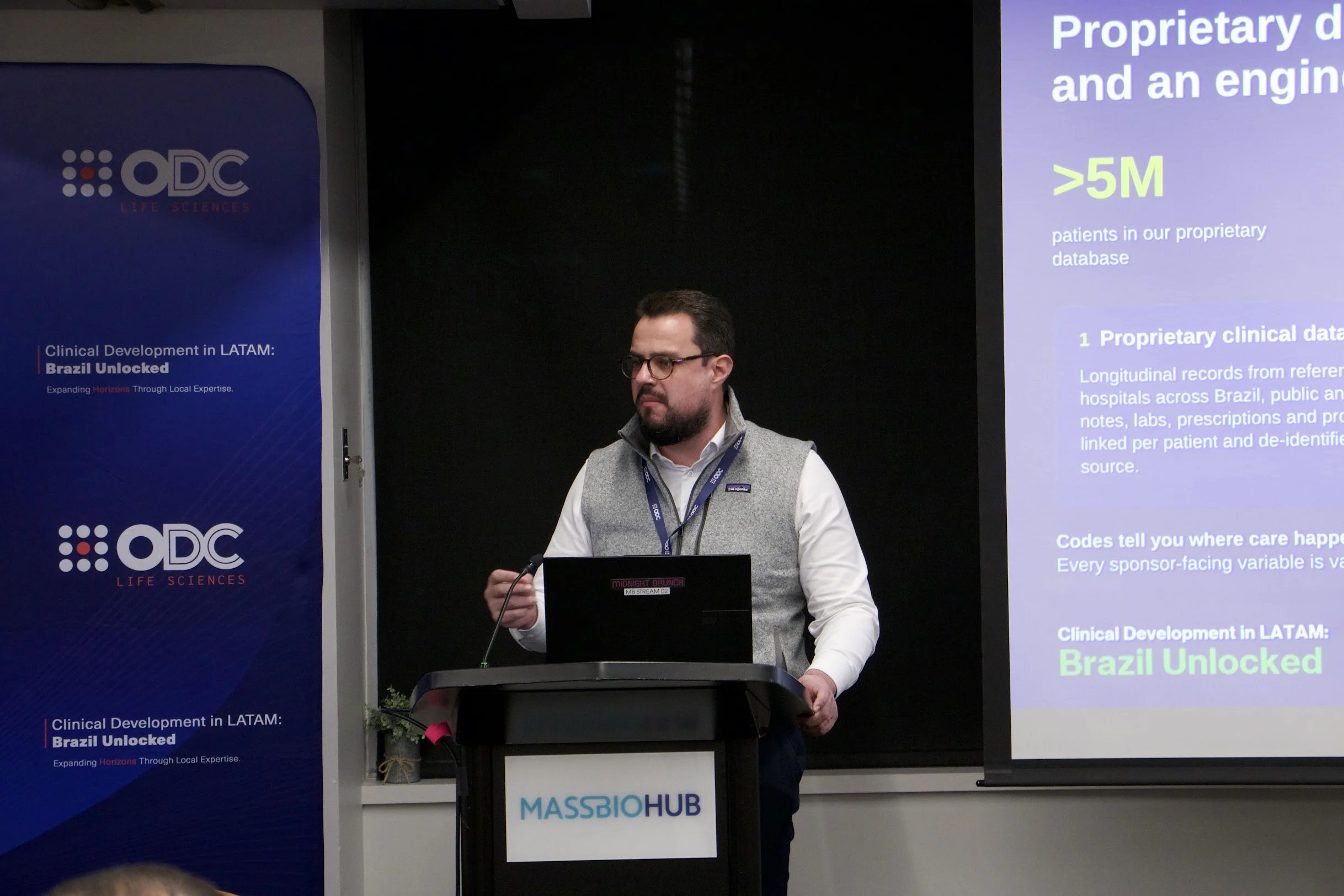
Maxwell emphasized the importance of connecting those capabilities with investigator relationships, hospital engagement, and ongoing operational support.
Their presentations illustrated how evidence from clinical records can inform country and site selection, while clinical screening remains necessary to confirm individual eligibility.
From Discussion to Earlier Planning
The event concluded with a networking reception, continuing conversations among sponsors, researchers, investors, and other participants.
Across all three blocks, speakers returned to the value of considering Brazil early enough to shape development decisions. The opportunity depends on bringing together regulatory progress, specialist expertise, trained research teams, and recruitment plans grounded in the realities of patient care.
Closing the meeting, Daniel Zequeto said:
“Think on Brazil when you’re writing your protocol, not after you write your protocol.”
Follow OncoDaily for further highlights from Brazil Unlocked, including coverage of each session.