The AACR Annual Meeting 2026 is taking place from April 17 to 22, 2026, at the San Diego Convention Center in San Diego, California, bringing together the global cancer research community for a comprehensive exchange of scientific knowledge and innovation. Recognized as the focal point of the cancer research community, the meeting convenes scientists, clinicians, healthcare professionals, survivors, patients, and advocates to share the latest advances in cancer science and medicine.
Here are key highlights you shouldn’t miss, featuring important insights, research developments, and perspectives shared during the AACR Annual Meeting 2026:
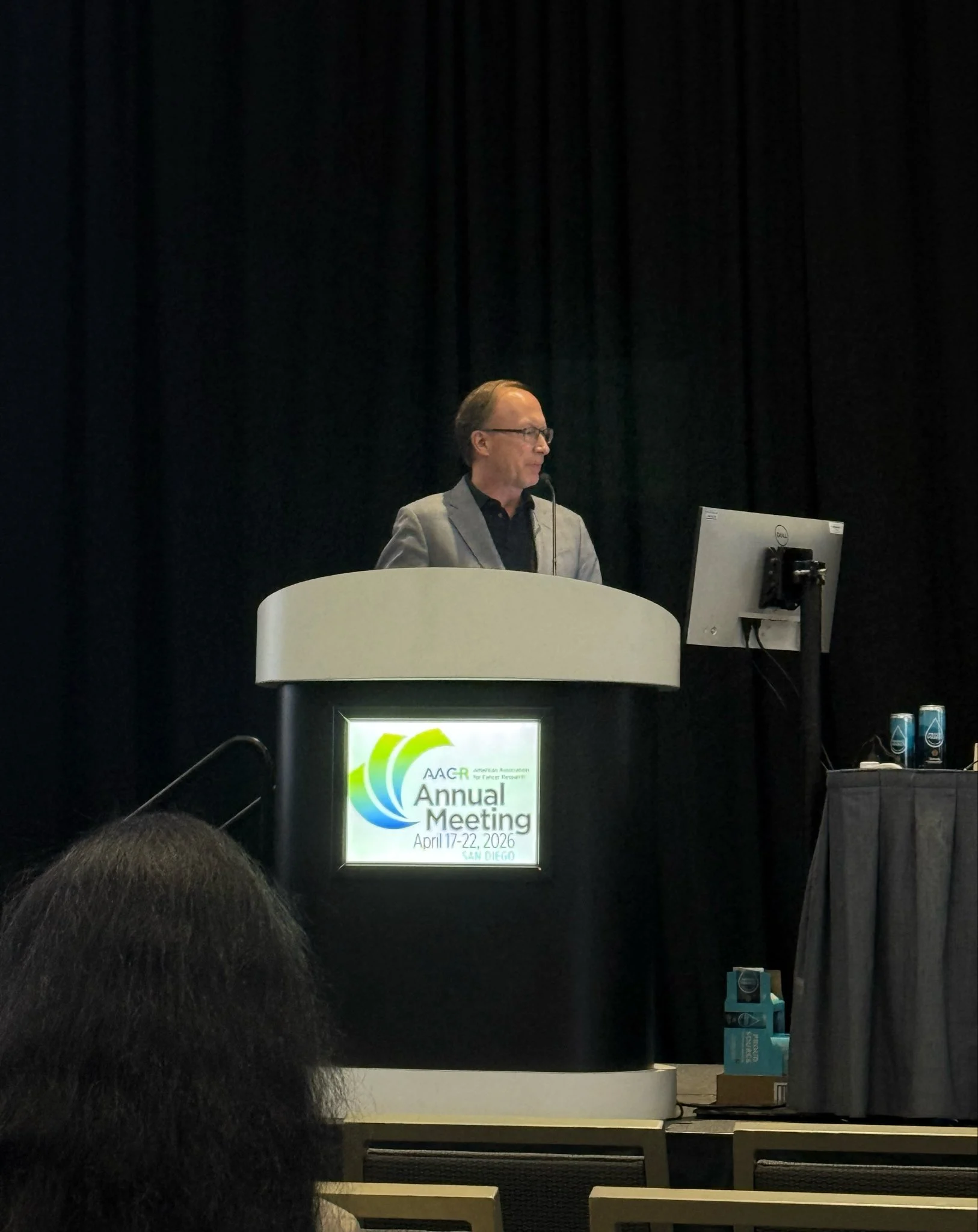
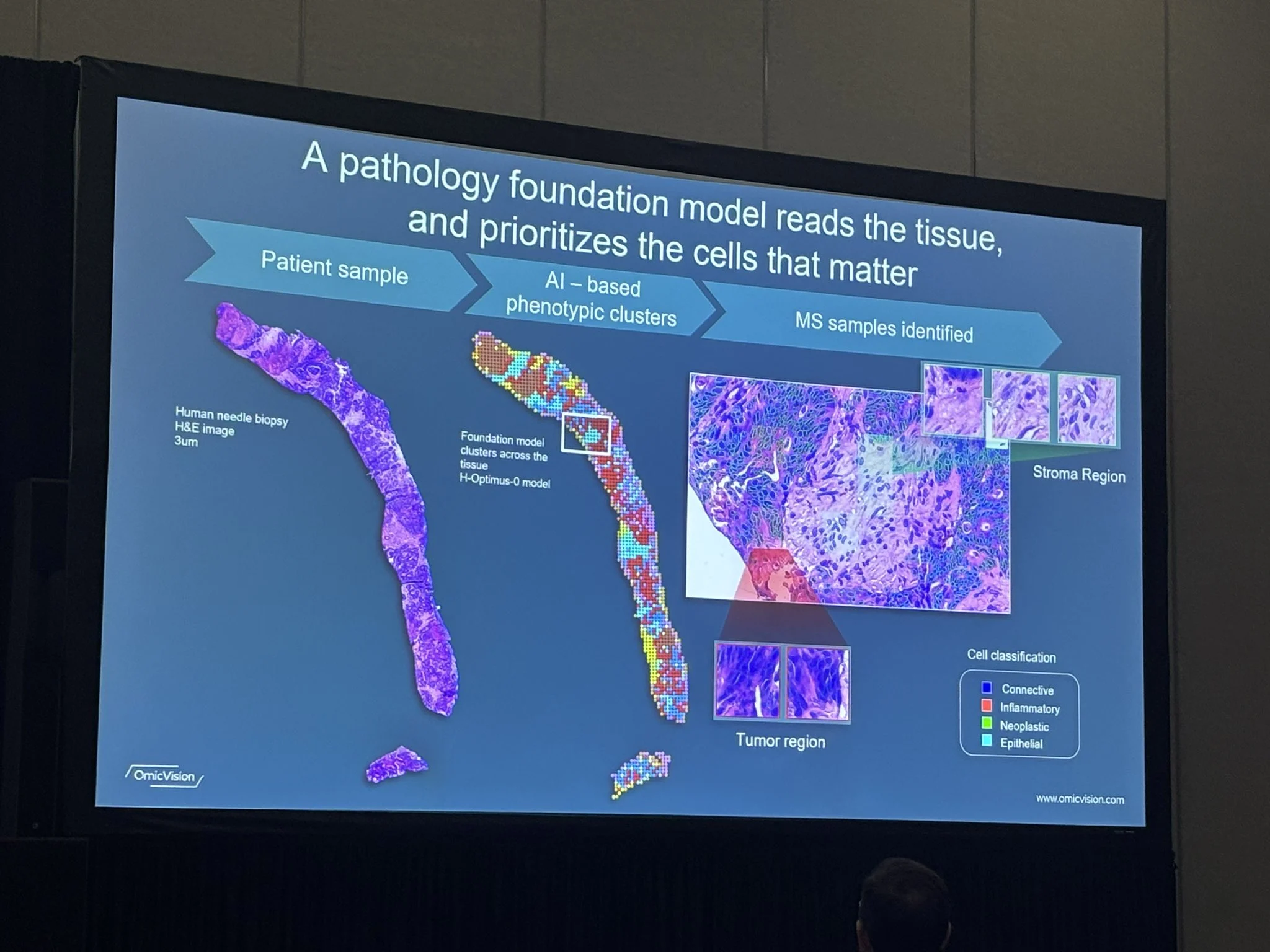
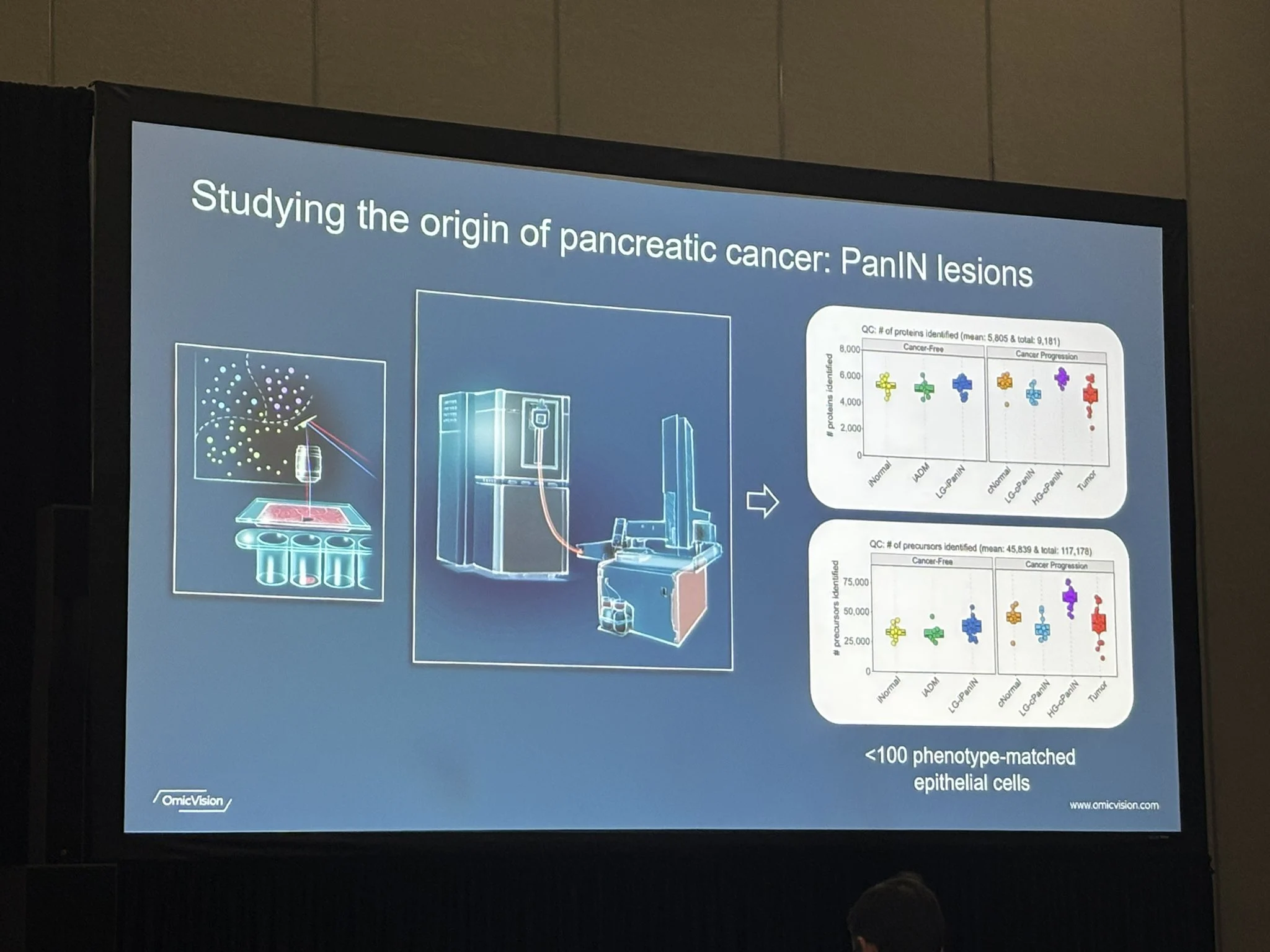
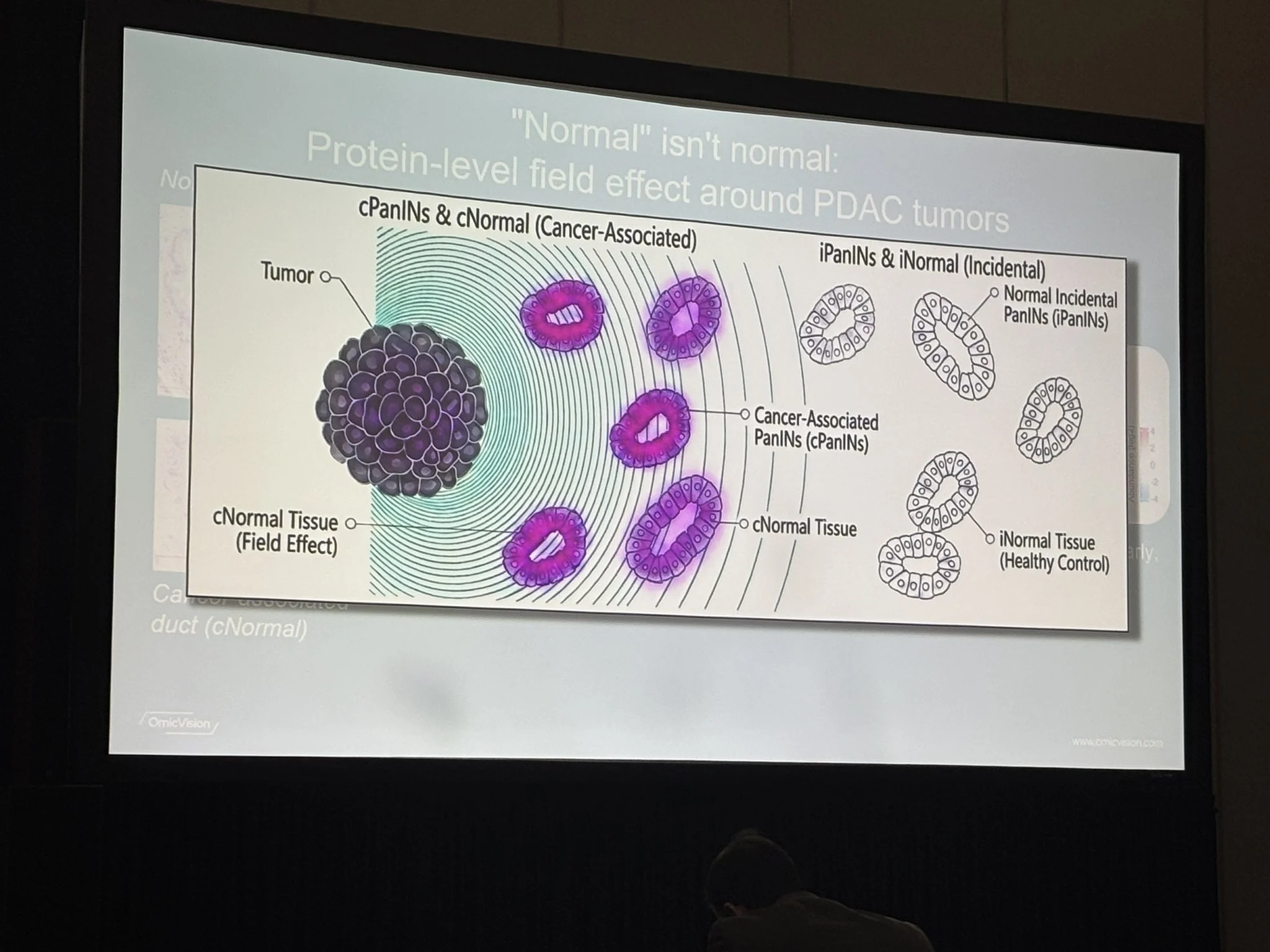
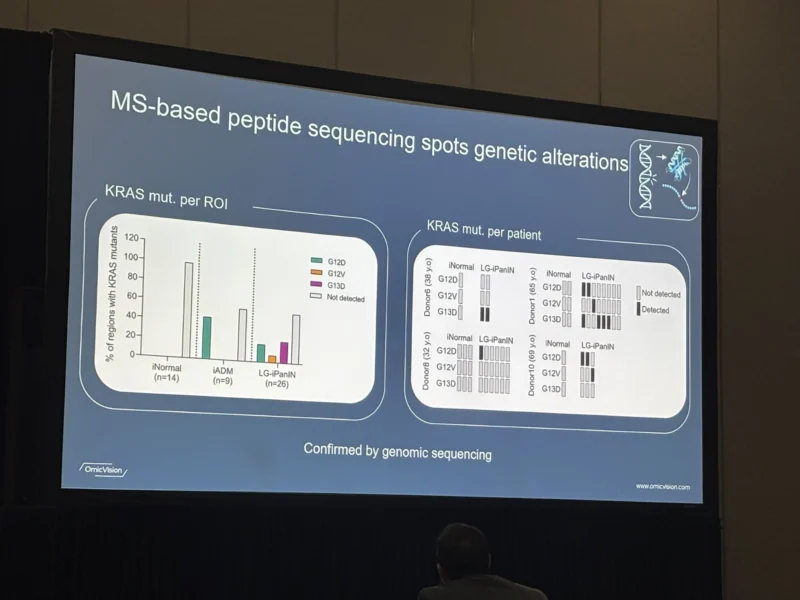
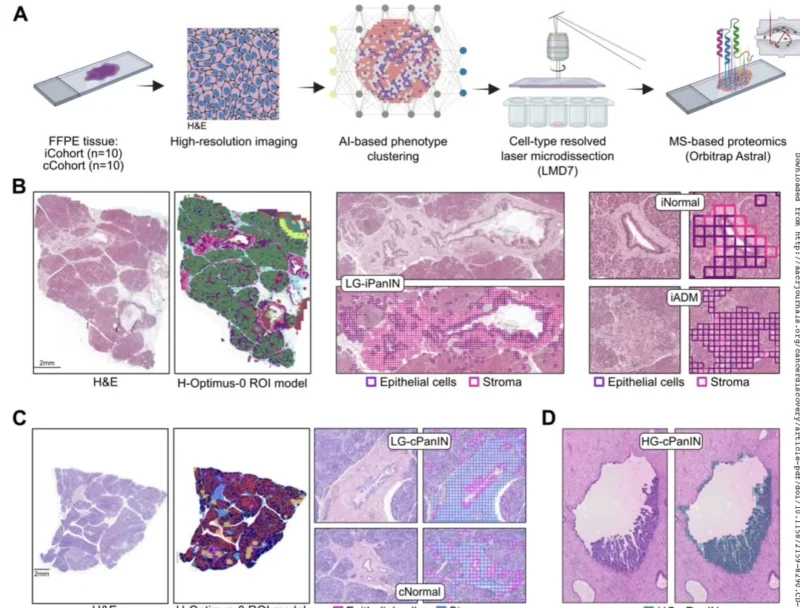
Great talk by Andreas Mund at AACR26 summarizing. Cancer Discovery paper.
– 5000+ proteins from only 50-100 microdissected cells.
– Key differences between incidental and cancer adjacent precursor lesions.
– Identifying KRAS allelic mutations via mass spec, validating polyclonality.”
Ryan Schoenfeld, Chief Executive Officer at The Mark Foundation for Cancer Research:
“The Mark Foundation for Cancer Research community is out in full force at this year’s American Association for Cancer Research (AACR) Annual Meeting.
With over 60 of our grantees speaking or chairing oral sessions, it’s been impossible to miss the impact our investigators are having across the field.
Bringing together this much high-caliber work in one place really drives home why we do what we do. It’s a privilege to support these researchers as they tackle the hardest questions in cancer research.
To all our grantees who presented at AACR26: Congratulations on a great week. We’re proud to be in your corner.”
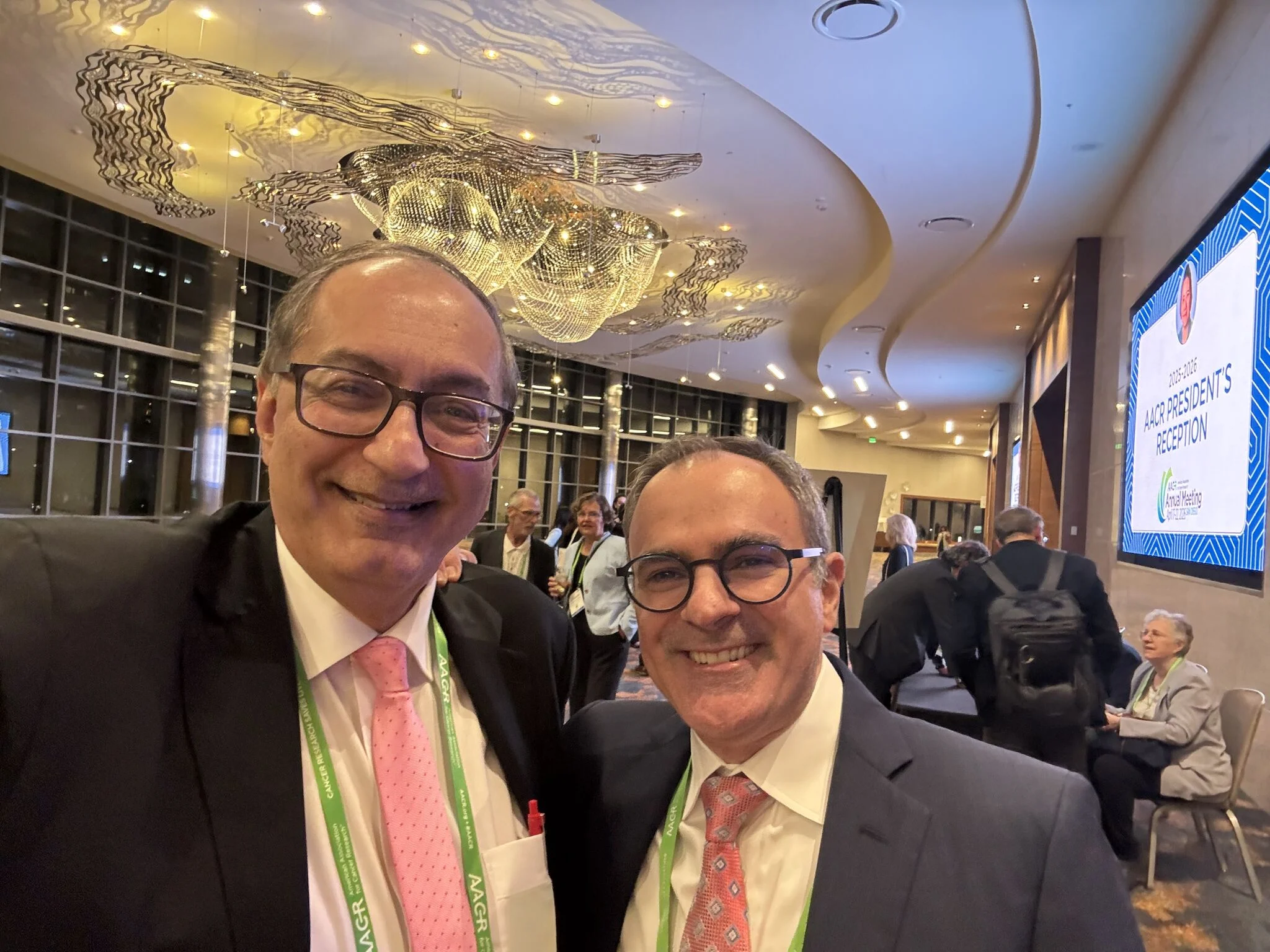
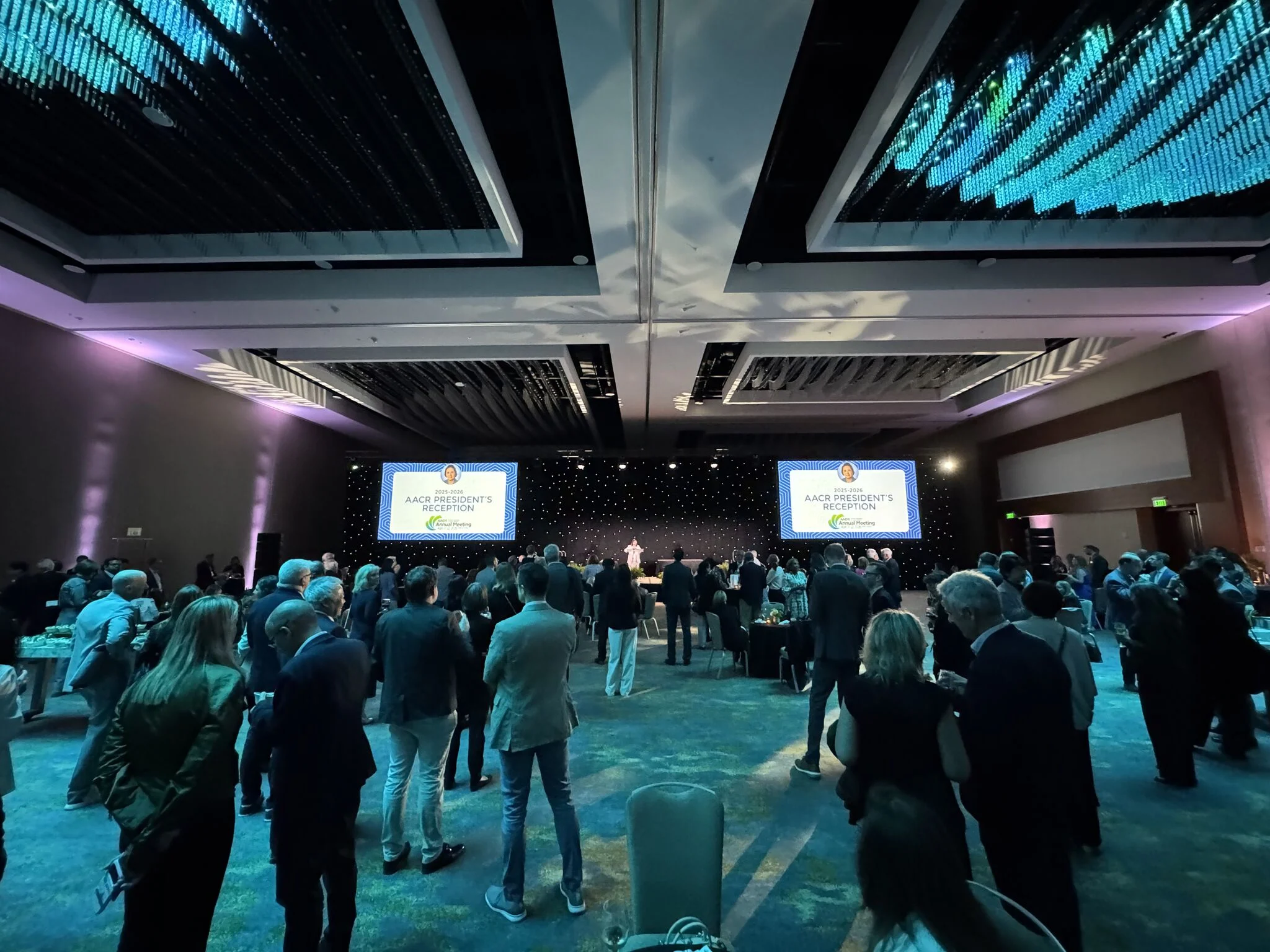
“Grateful for the opportunity to attend American Association for Cancer Research President Lillian Siu’s reception at AACR26 in San Diego. Always great to see old friends and meet new friends and colleagues.”
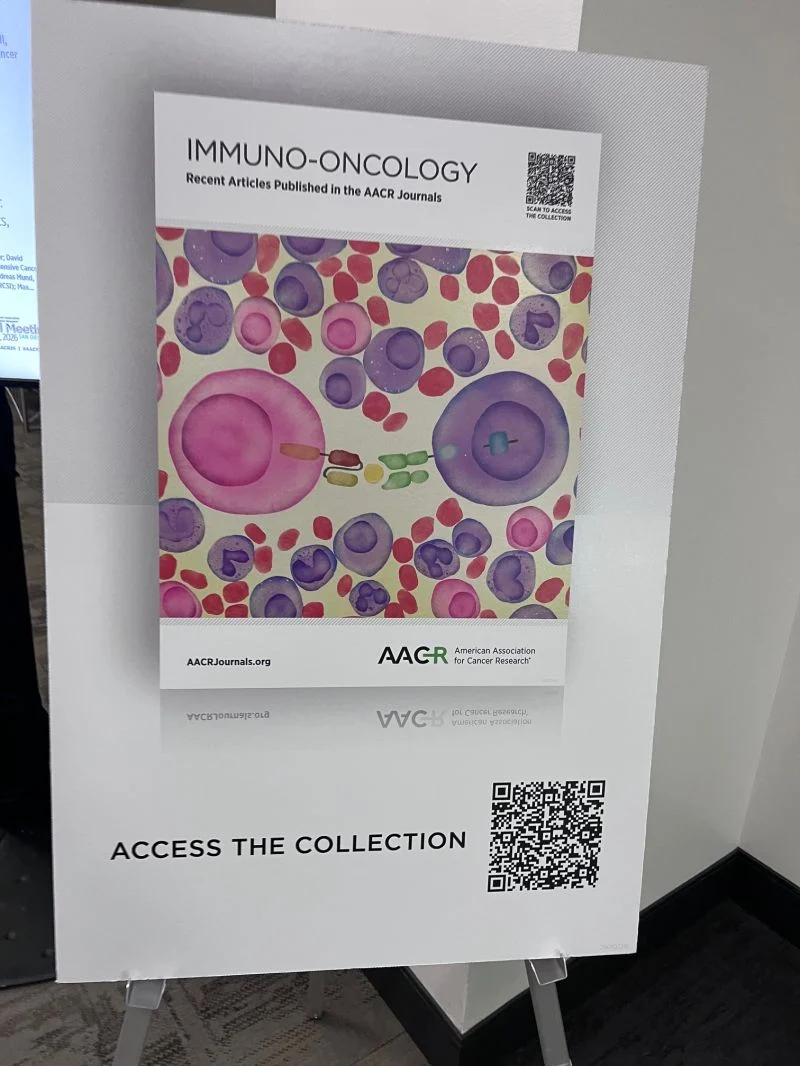
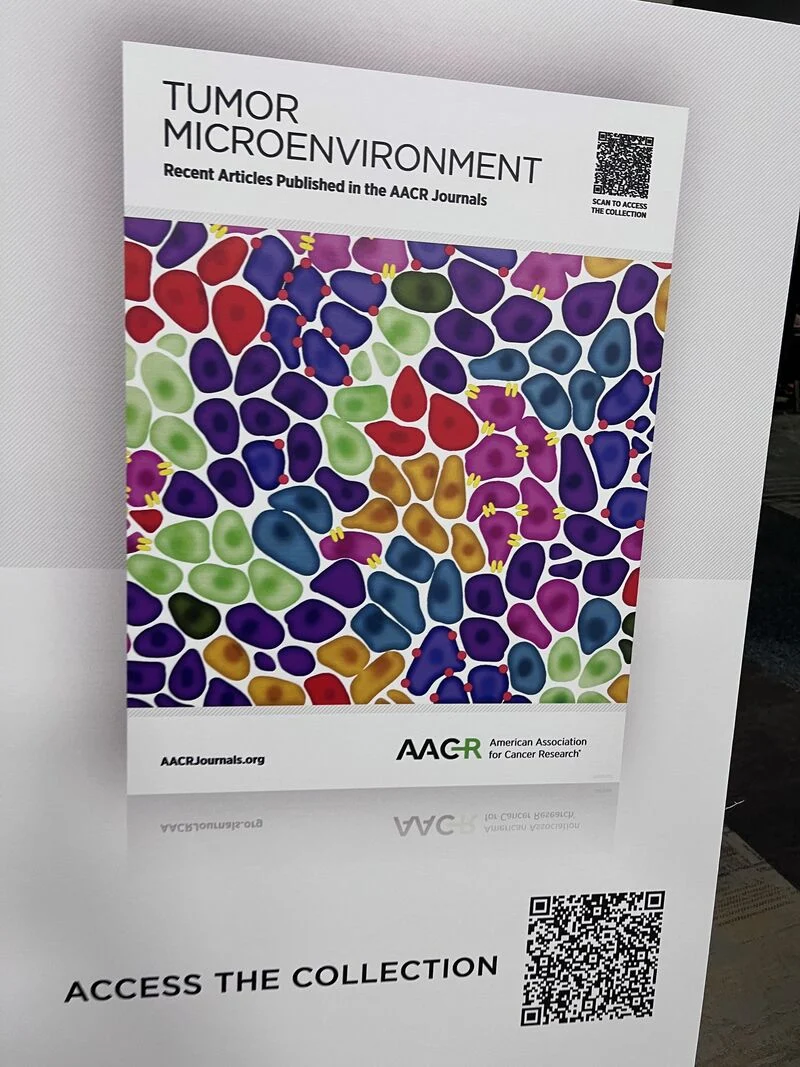
“If your appetite for science has only been whetted by the exciting findings of AACR26, take a look at what our editors are hungry for.
We’re highlighting nine editorially curated, cross‑journal collections that bring together the best of the AACR Journals, which you can pick up from the booth, read online, of find linked directly in the meeting app. These collections surface the questions, approaches, and areas of impact our editors are most excited to see.”
Sunil Verma, SVP, Global Head, Oncology Franchise at AstraZeneca:
“I’m leaving AACR2026 feeling optimistic about where oncology research is heading.
What’s striking is not just the pace of discovery, but how the field is evolving – toward deeper biological understanding, more purposeful combinations, and earlier intervention where we have the greatest chance to change outcomes.
At AstraZeneca, that remains a core focus of our oncology R/D strategy: advancing bold science, exploring next-generation platforms and combinations, and using biomarkers, data and AI to better understand cancer and act sooner.
Over the past two decades that I have been attending American Association for Cancer Research congress, I’m energized at every meeting by the sense of urgency, curiosity and a shared ambition across our Global cancer community, to push cancer science further for patients.
Every advance we make is step closer to a world in which patients have more time, more options and better outcomes.”
Cancer Research Institute (CRI):
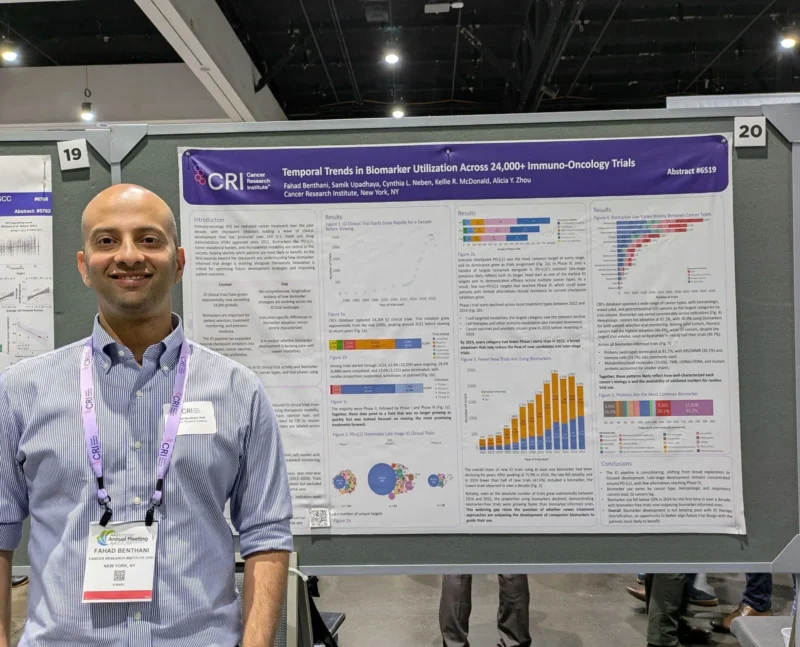
“How are biomarkers shaping the future of immuno-oncology?
Visit with Fahad Benthani, PhD now at his AACR26 poster 6709 ‘Temporal trends in biomarker utilization across 24,000+ immuno-oncology trials’ to learn about CRI’s IO clinical trial database and his analysis of how therapeutic diversification and biomarker strategies are changing over time.
If you’re thinking about trial design, biomarker development, or where the field is headed next, stop by and say hi. If you’re not at AACR26, you can review his poster here.”
Stacy W. Gray, Vice President System Strategy, Clinical and Scientific Director at City of Hope:
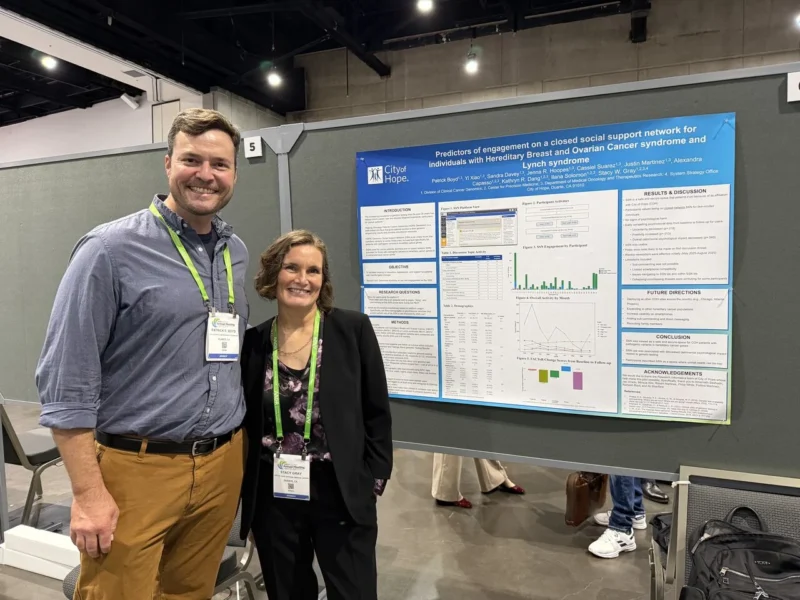
“Patrick Boyd, PhD is presenting data from our City of Hope moderated social support network for people with germline cancer risk mutations.
Early data from our pilot study looks promising! Check it out at AACR26 poster session today 2-5, section 34, board 6!”
“Great to catch up with Margaret Foti and Julie Fleshman at the President’s Reception AACR26 .”
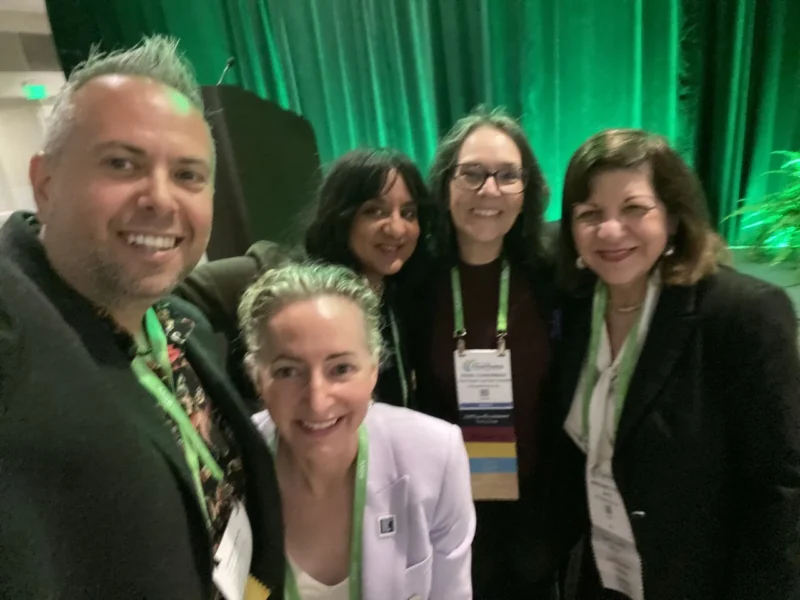
Alpa Patel, Senior Vice President, Population Science at American Cancer Society:
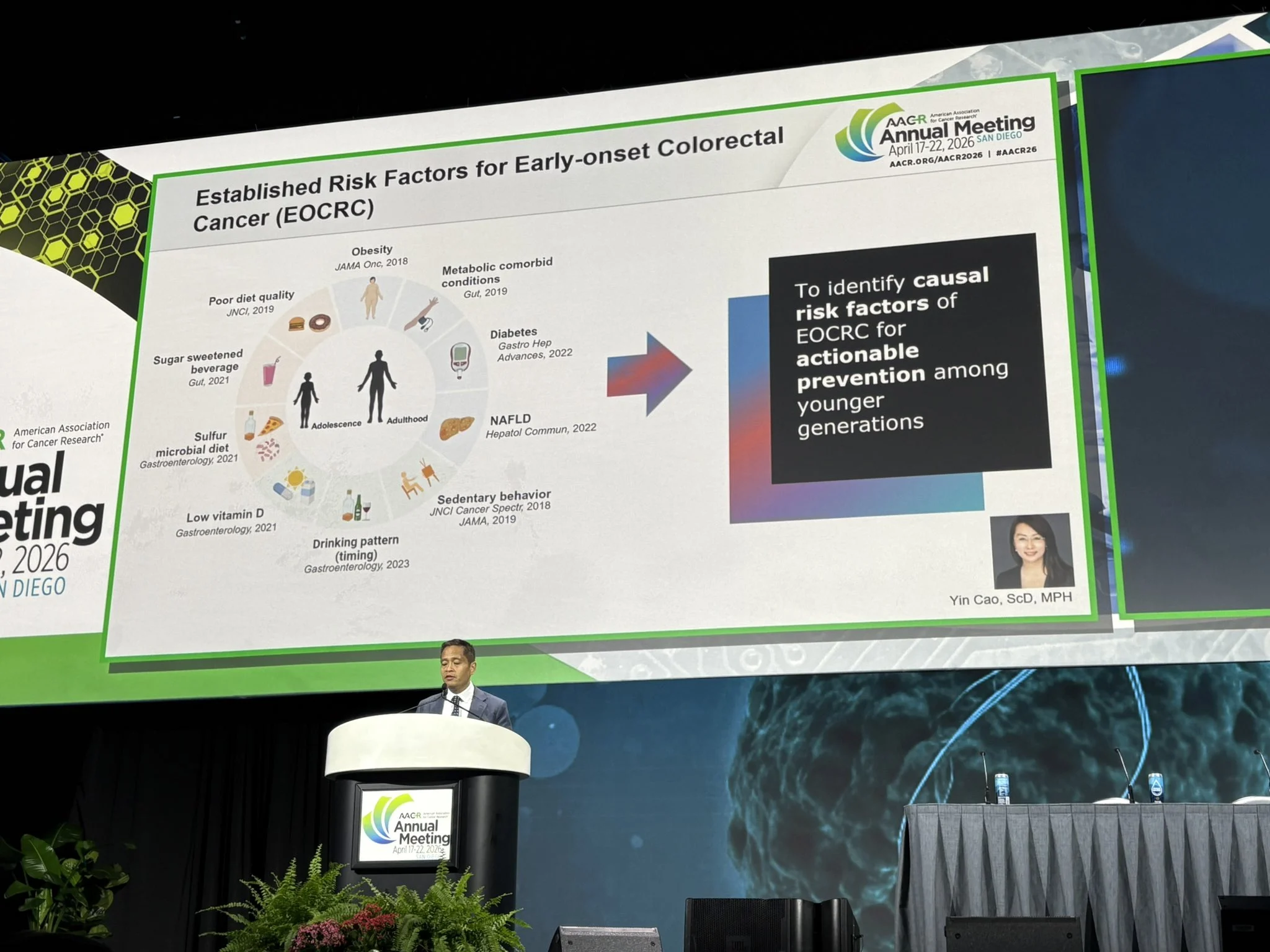
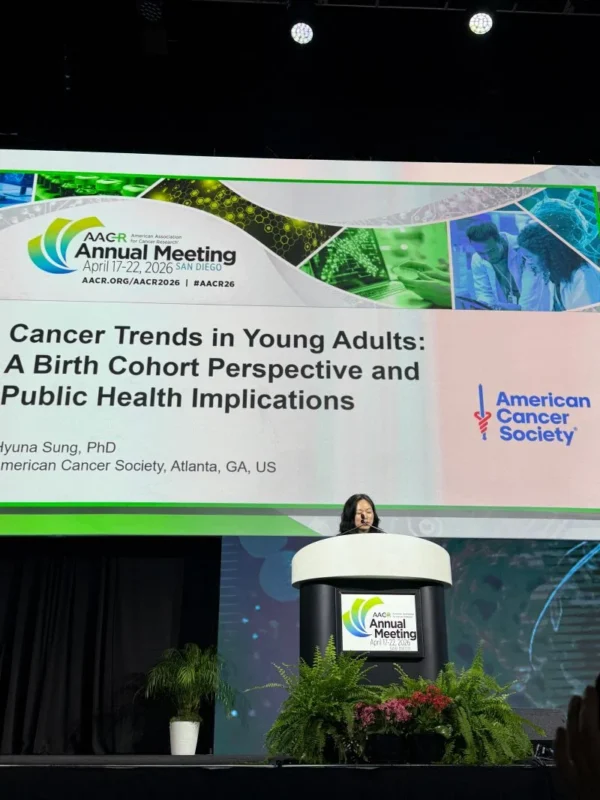
“So immensely proud of my American Cancer Society colleague, Dr. Hyuna Sung, as she presented such important work about the rise in early-onset cancers in today’s plenary session at the American Association for Cancer Research annual meeting. She was amazing!”
“Spent last few days in San Diego for AACR26 American Association for Cancer Research.
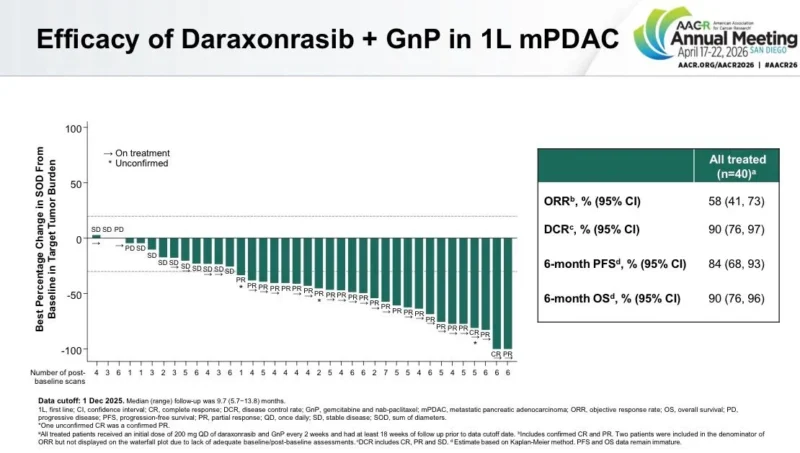
I am taking home two very (to my eyes) meaningfull and full of hope watterfall plots that I wanted to share.
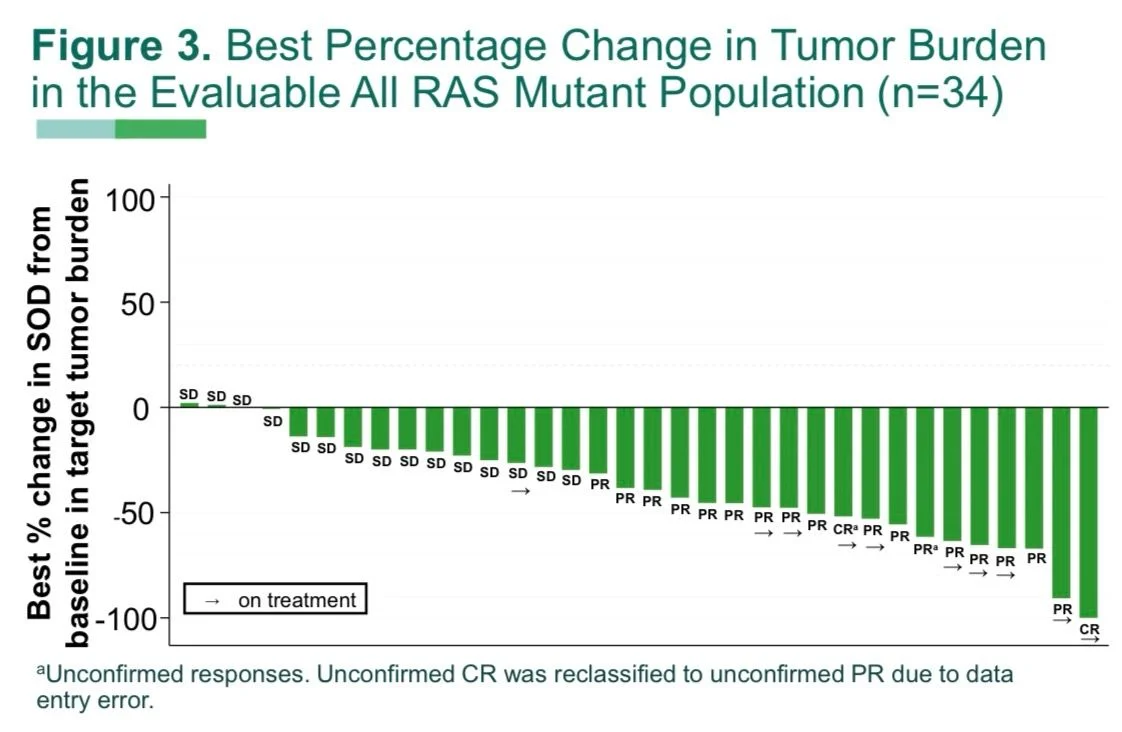
- Daraxonrasib in monotherapy in advanced KRAS-mutant pancreatic adenocarcinoma, presented by Dr Eileen OReilly – ORR 47%, DCR 92%, 71% free of progression at 6 months.
- Daraxonrasib + GemNabPaclitaxel in advanced KRAS-mutant pancreatic adenocarcinoma, presented by Dr Brian Wolpin (GI-102 Platform study)- ORR 58%, DCR 90%, 84% free of progression at 6 months.
Based on this data, RASolute303 trial is ongoing, randomised phase III: daraxonrasib vs GemNabPaclitaxel vs GemNabPaclitaxel + Daraxonrasib
Many others also coming… including a few to Hospital Universitario Fundación Jiménez Díaz.
I have the feeling that things are finally changing. I was cautious with the very first preliminary data in the second-line setting but recent press release on RASolute 302 (due to be presented in the plenary session at American Society of Clinical Oncology (ASCO) ASCO26) plus these two abstracts are making me feel really exited and hopefull. Our patients do deserve these watterfall plots and for things to finally start to evolve…”
Hassan Abushukair, Postdoctoral Researcher at OU Health Stephenson Cancer Center:
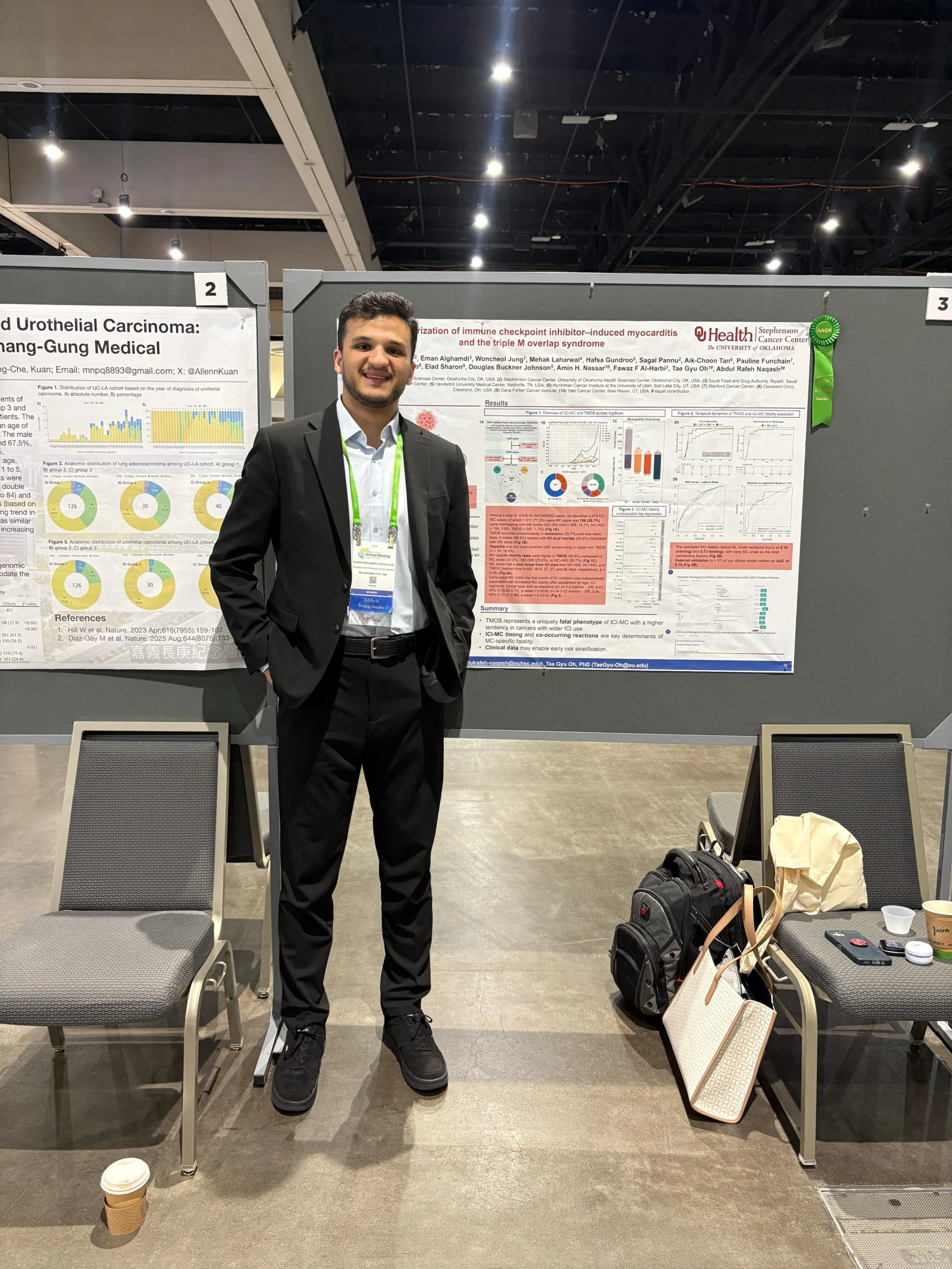
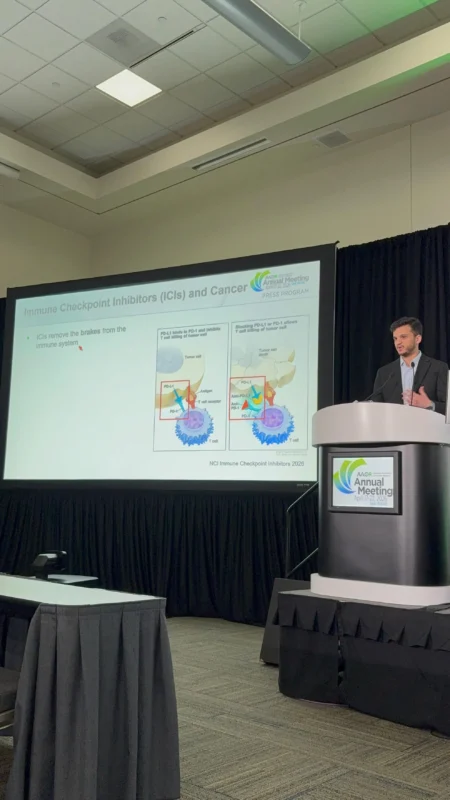
“I had a memorable AACR26, I was fortunate to receive a SITA award and present our research on ICI-myocarditis at the AACR press conference with Dr. Elizabeth Jaffee. Also, I had a full circle moment judging posters during the undergrad competition.”
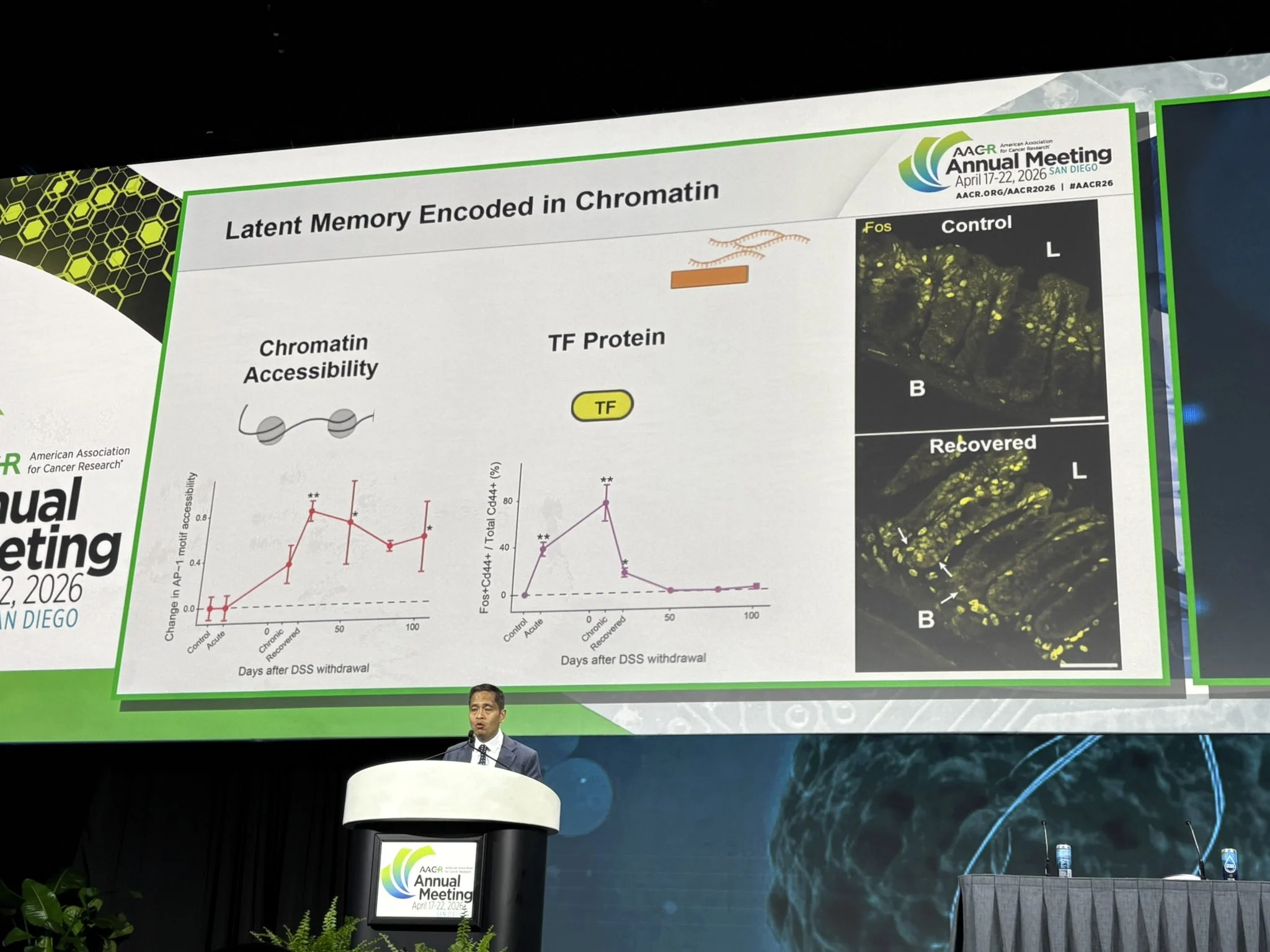
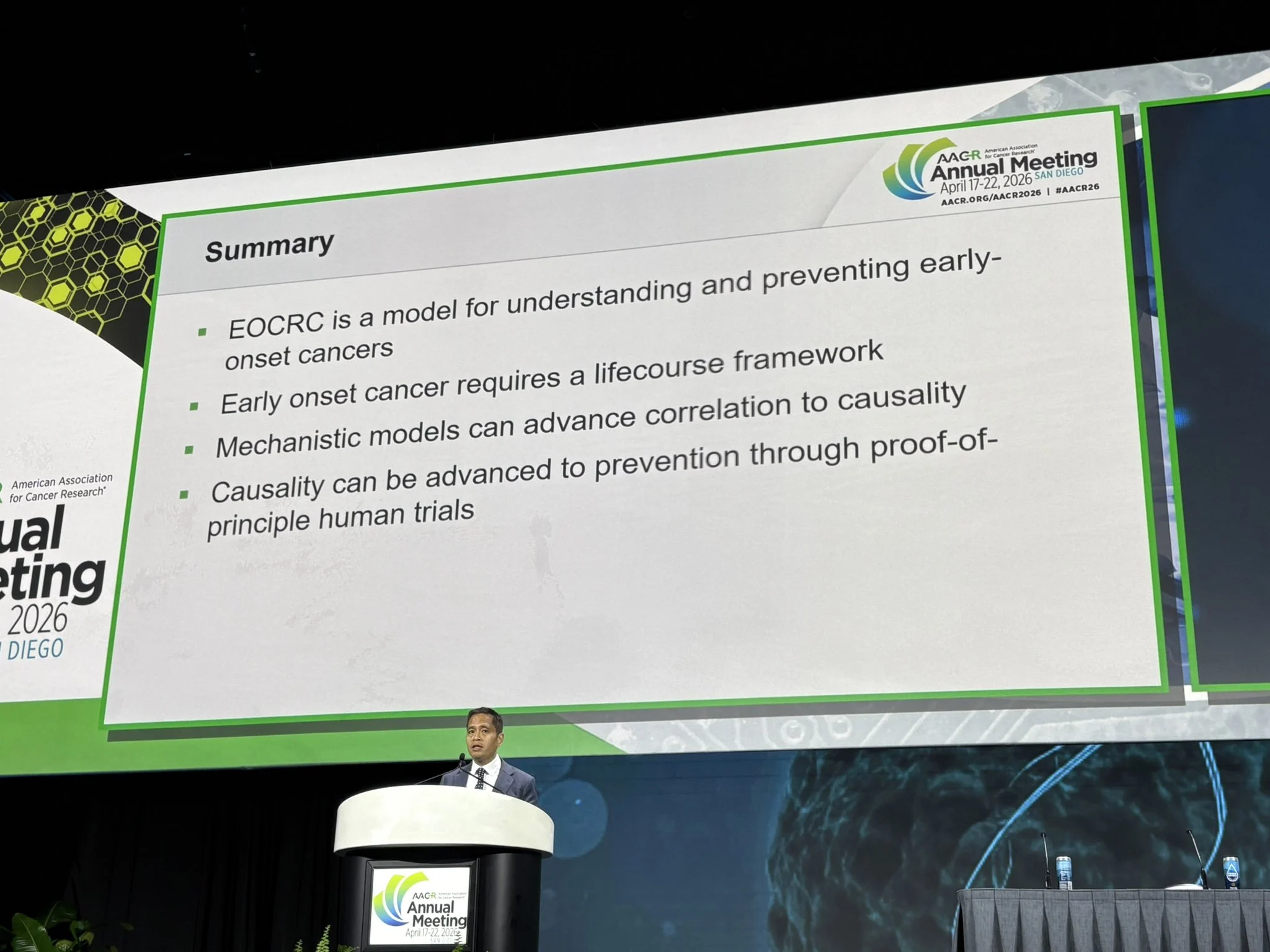
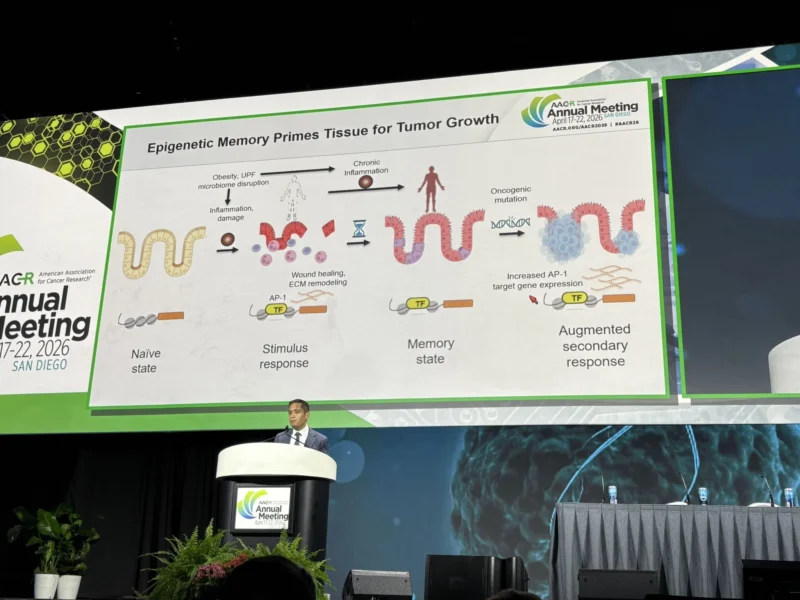
“New insight from Chan Research Group’s plenary session at AACR26: How does past inflammation trigger future cancer risk?
It’s all about Epigenetic Memory. Even after tissue ‘recovers‘ from inflammation, cells don’t fully reset. They retain a ‘latent memory‘ encoded in their chromatin structure. When the tissue is triggered again, this ‘primed‘ state leads to an augmented, aggressive response that can accelerate tumor growth.
Understanding and reversing this ‘memory state‘ is a major target for preventing EOCRC.”
“Super excited to have our simultaneous publication in Cancer Discovery concurrent with AACR26 talk by Andreas Mund, OmicVision on Deep Visual Proteomics (DVP) of Pancreatic Cancer precursor lesions, the largest high resolution proteomics dataset of PanIN lesions.”
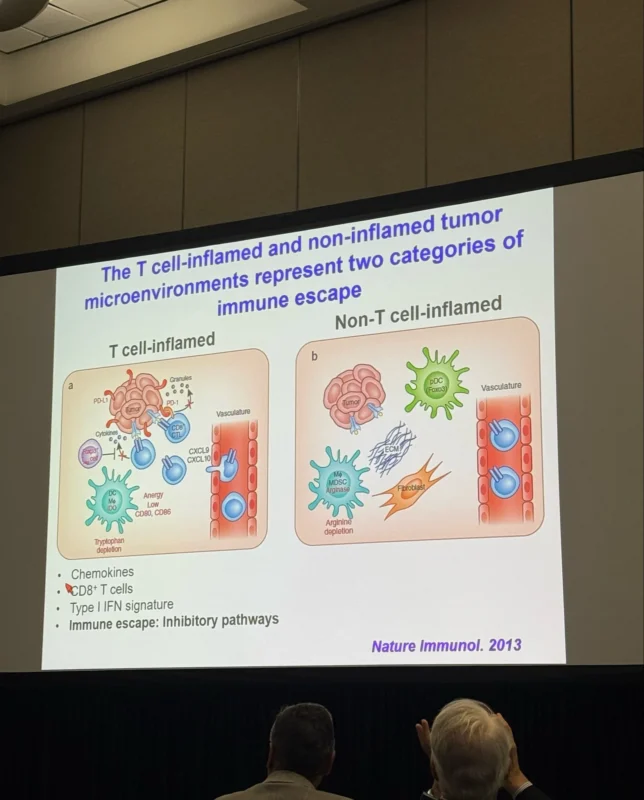
Patrick Hwu, President and CEO at Moffitt Cancer Center:
“Great presentation at AACR26 from my friend and colleague Dr. Tom Gajewski of UChicago Cancer Center on novel regulators of suppressive myeloid cells in the tumor microenvironment. Important insights into how these cells may drive resistance to immunotherapy and how we can better target them.”
Christine Lovly, Member Board of Directors at American Association for Cancer Research:
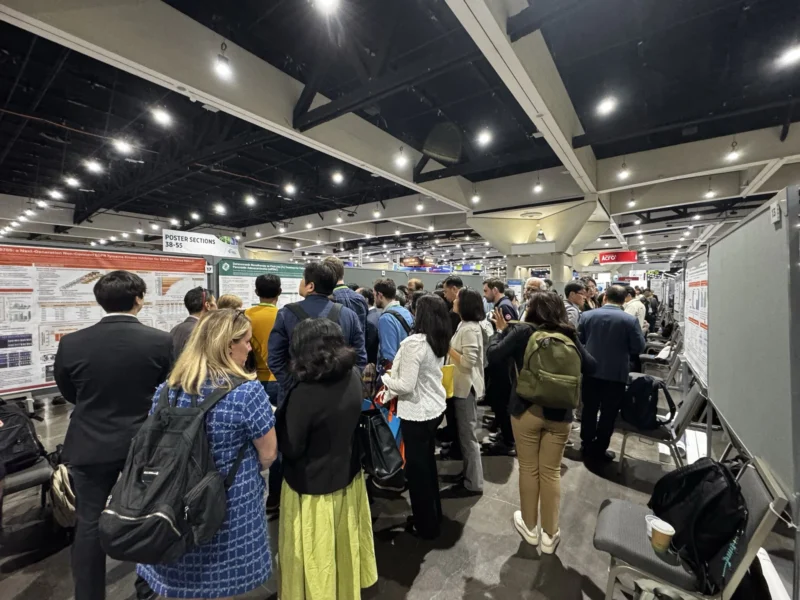
“Still lots of great #cancer science to be seen at AACR26!
Daraxonrasib in pancreas cancer – poster now – huge crowd. Many other great posters to be seen!”
Emil Lou, Professor with Tenure at University of Minnesota:
“Center stage here at AACR26: the long (desperately)-awaited success in effective targeting of KRAS therapeutically has come into its own. Reports of early success in the form of promising efficacy and early assessments of tumor responses are cause for excitement, but while in the months and years ahead we hope to hear those responses are matched by meaningful increases in survival.
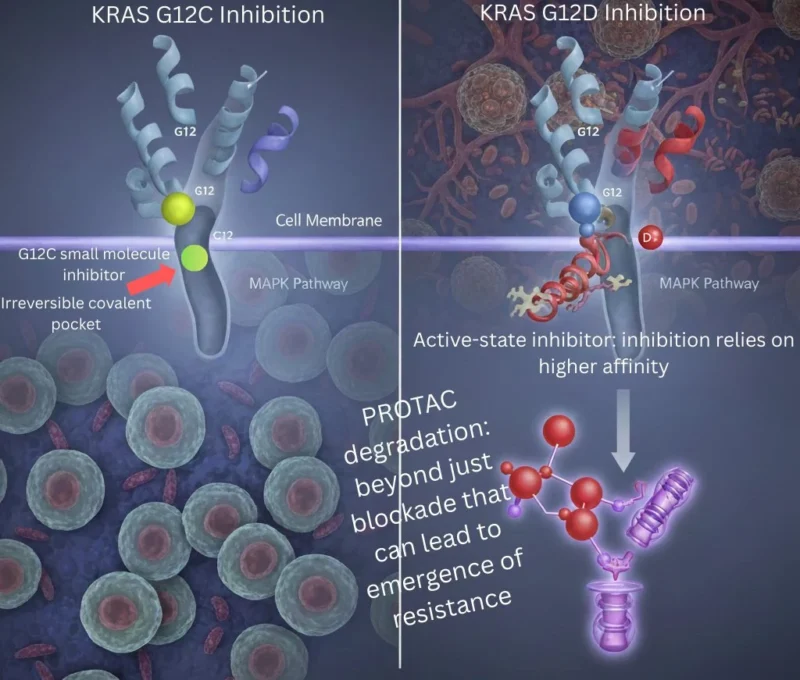
Let’s dust off our Lehninger Biochemistry texts and, yes, talk about the biochemistry of RAS, about what makes the G12D isoform different than G12C AACR26.
KRAS is essentially a molecular switch that bounces between an active GTP-bound state and an inactive GDP-bound state. G12C inhibition works when it traps KRAS in its off state; binding by an inhibitor is irreversible; we have already seen emergence of resistance.
Bring on the next generation: PROTAC degraders that degrade +destroy, not just throw a wrench in the KRAS machinery. The Era of Inhibitors of the Active State of G12D has arrived, and they require higher affinity. Show some love and thanks to our Biochemist colleagues!”
Raffaele Colombo, Associate Director of Medicinal Chemistry at Zymeworks:
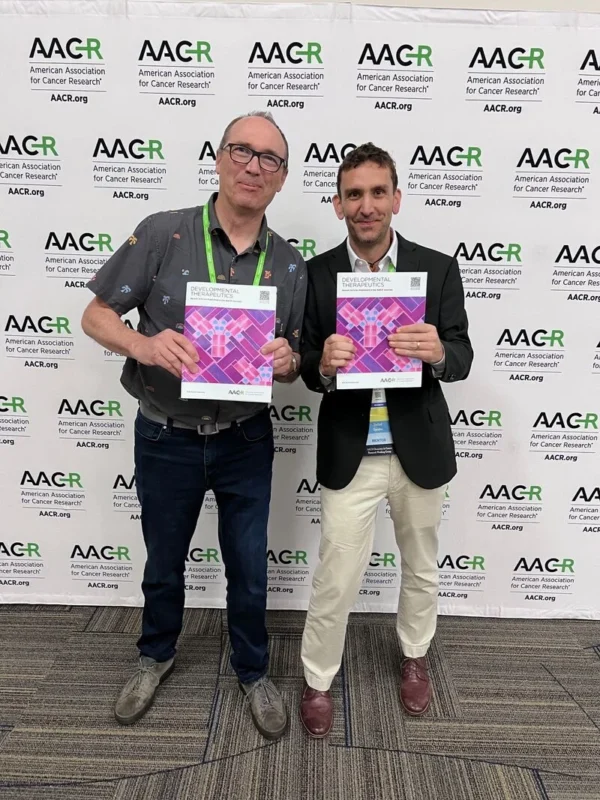
“If you pass by the AACR publication booth (3537), pick up a copy of Developmental Therapeutics, a cross-journal collection of articles selected by AACR journal editors, which includes our Cancer Discovery review on ADCs!”
Pashtoon Kasi, Medical Director of GI Medical Oncology at City of Hope Orange County:
“AACR26 drop.
Unveiling our first results at AACR-CLOVER trial enrollment is COMPLETE.
Record-pace accrual. Grateful to our patients, caregivers, study teams, and sponsor.
Important milestone!
AACR26 Excited and honored to unveil initial results from the phase-2 CLOVER trial.
CCR5-targeting Leronlimab with Oral chemotherapy and VEGF-inhibitor, Enriched, Regimen
- 2-5PM.
- Section 41 Poster 14.
Promising ctDNA.”
St. Jude Children’s Research Hospital:
“At the American Association for Cancer Research annual meeting, St. Jude has the opportunity to share its advances in research directly with the scientific community, exchange ideas and build collaborations that support the mission to advance cures and means of prevention for pediatric catastrophic diseases through research and treatment.
As St. Jude Comprehensive Cancer Center Director, Charles Roberts, MD, PhD, highlights the center’s role as the first and only National Cancer Institute-designated Comprehensive Cancer Center devoted solely to children.
‘Cancer remains the number one cause of death by disease for children in the United States. Because of this, we are thrilled to have so many of our researchers from St. Jude presenting their latest discoveries at the AACR Meeting,’ Roberts said. ‘It’s only by sharing ideas and working together that we will be able to find many more cures and save many more children.’
The St. Jude bench-to-bedside model helps translate discovery science into clinical questions and research strategies, supporting the development of new approaches for pediatric cancer and other catastrophic diseases.”
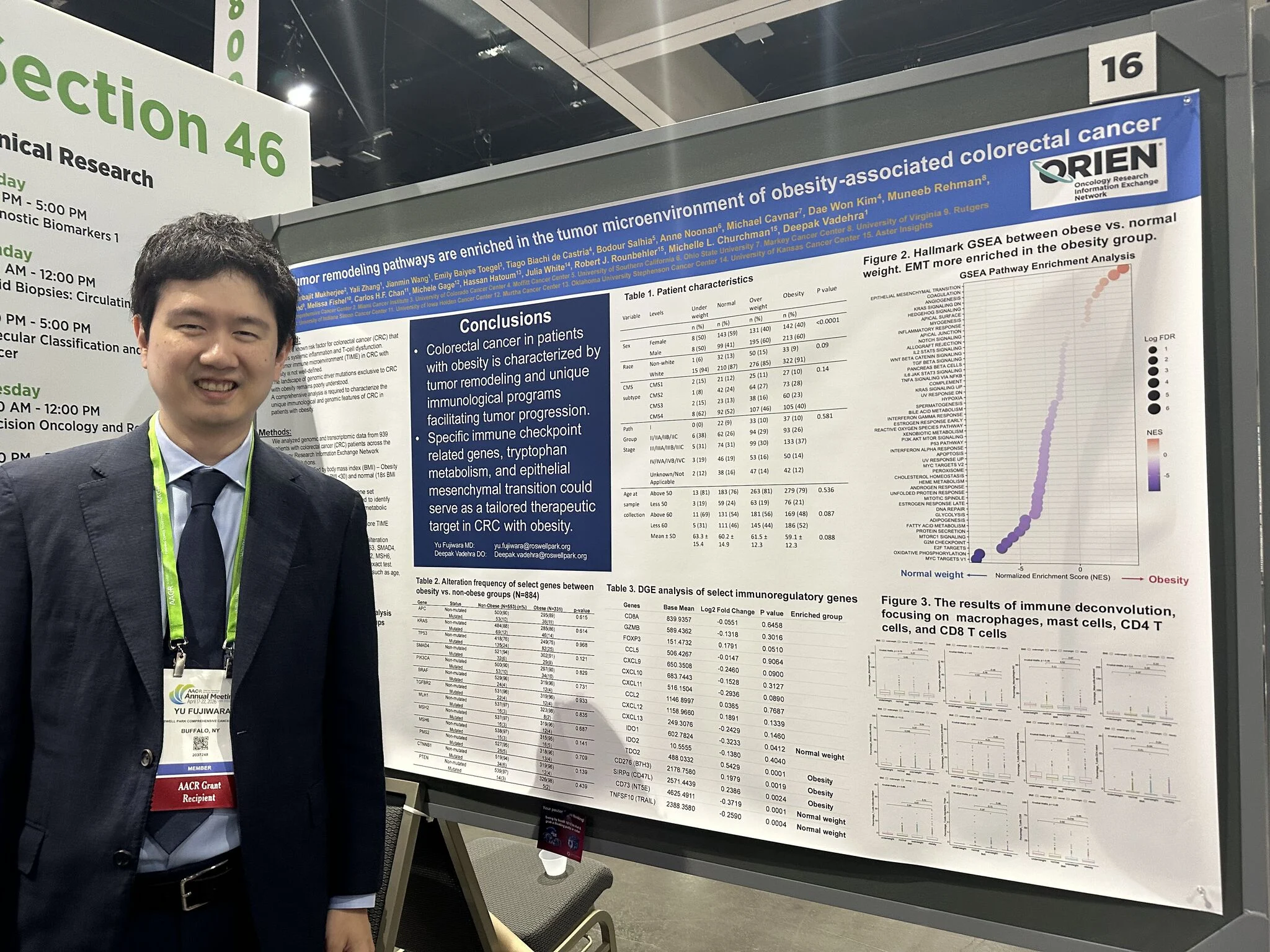
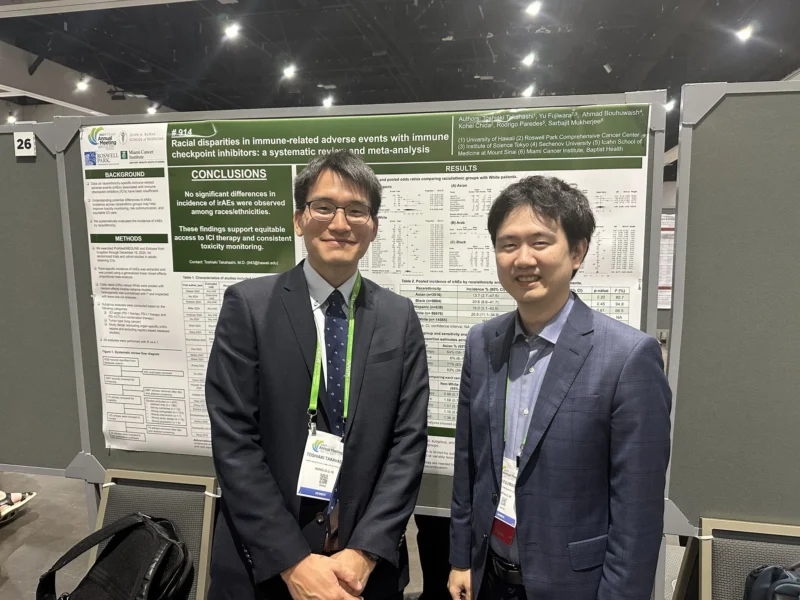
“Huge congratulations to Dr. Fujiwara and Dr. Takahashi on presenting their work at the AACR Annual Meeting.
Dr. Fujiwara’s study offers a thoughtful look at obesity-associated colorectal cancer-showing enrichment of tumor remodeling pathways such as EMT, angiogenesis, and coagulation, along with distinct immune checkpoint expression (e.g., B7H3, SIRPα) compared to normal-weight patients. It adds important biological context to something we see clinically but don’t always fully understand.
Dr. Takahashi’s meta-analysis, spanning over 100,000 patients, addressed a key question in immunotherapy. The findings showed no significant differences in immune-related adverse events across racial groups, with consistent signals across ICI classes and tumor types-reinforcing how broadly these therapies can be applied with appropriate monitoring.
It’s been a real pleasure working alongside both of them on these projects and seeing this work come to life.
Impactful, clinically meaningful science-and hopefully just the beginning, with more to come in the form of publications.”
“At AACR26, medical oncologist and Christian Rolfo lab member Roberto Borea spoke with W. Kimryn Rathmell, MD, PhD, about his research into a lung cancer paradox involving obesity.”
You can also see:
Highlights from AACR 2026 Part 2