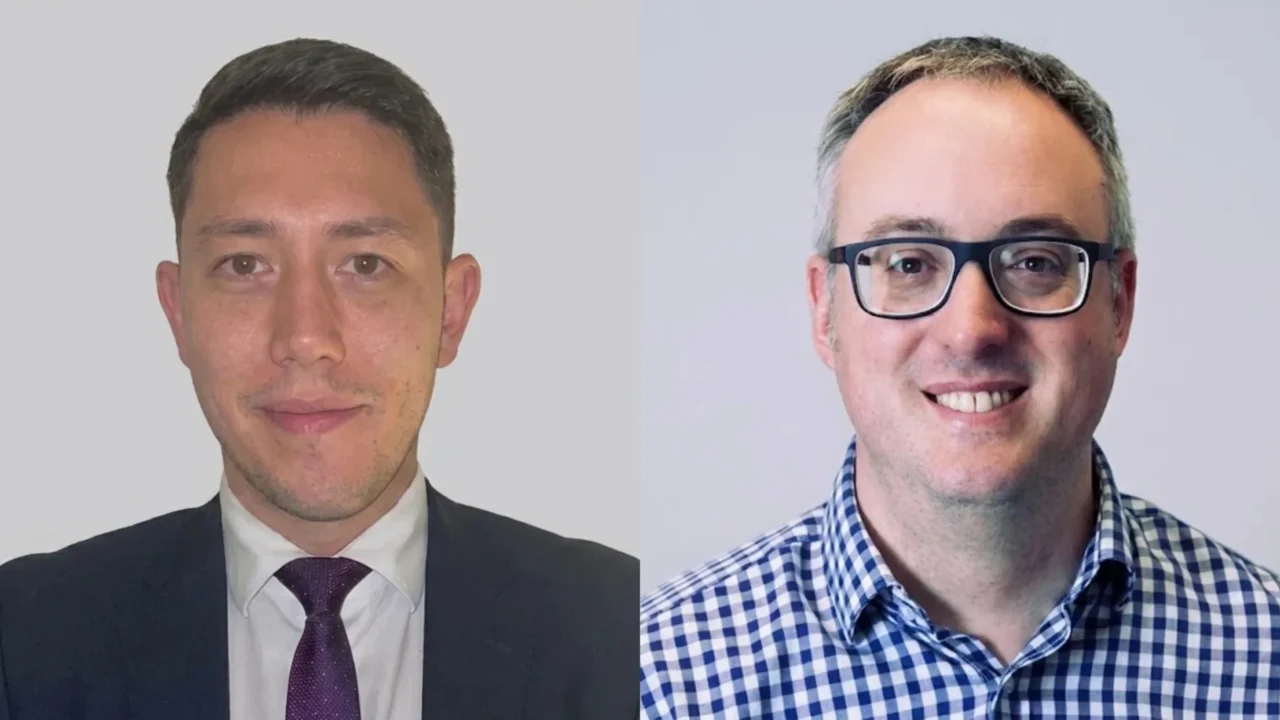
Leo Watton, Clinical Research Fellow at National Bowel Cancer Audit (NBOCA within NATCAN), shared on LinkedIn:
“I’m pleased to share that our research exploring geographical variation in stage 4 colorectal cancer at diagnosis in England has now been published in BMJ Oncology.
Using national cancer registration data from over 200,000 patients, we investigated whether geographical variation in the incidence of metastatic colorectal cancer could be explained by differences in underlying population characteristics.
Even after adjusting for population differences, the incidence of stage 4 colorectal cancer was over 20% higher in some areas of England than in others.
Our findings highlight the importance of looking beyond national averages to better understand geographical inequalities and identify opportunities for targeted initiatives to improve early cancer diagnosis.
A huge thank you to my co-authors, supervisors and colleagues across NBOCA, NATCAN and the University of Liverpool for their invaluable support throughout this project Dale Vimalachandran Kate Walker Sarah Cook Nicola Fearnhead Michael Braun Adil Rashid Angela Kuryba.
I’m looking forward to building on this work through the next stages of my PhD, exploring how national cancer data can help us better understand geographical inequalities and ultimately improve outcomes for patients with colorectal cancer.”
Andrew Beggs, Samson Gamgee Chair of Surgery at University of Birmingham, added:
“Here’s an interesting piece of work, although perhaps because it confirms what I have always thought.
When I moved to the West Midlands 14 years ago the stage of cancers I was seeing seemed considerably more advanced than I had seen in South East, coupled with intense deprivation and ill health.
The Integrated Care Boards covering the Black Country, Birmingham and Solihull have the highest rates of stage 4 colorectal cancer in the country, even after correction for deprivation!
This figure is despite us being ranked in the lower 50% for overall healthcare funding. We have the equivalent of 3 full time colorectal oncologists covering this vast population whereas equivalent specialist hospitals have double the staffing.
Perhaps it is time for a specialist cancer hospital for the West Midlands?
There is a huge gap in the Midlands for this, as there are such institutions in the South, North, Wales and Scotland, but nothing in the Midlands, and no dedicated cancer research facility.”
Title: Geographical variation in incidence of stage 4 colorectal cancer in England: a national population-based analysis
Authors: Leo Watton, Sarah Cook, Adil Rashid2, Angela Kuryba, Michael Braun, Nicola Fearnhead, Kate Walker, Dale Vimalachandran
You may also be interested in:
Andrew Beggs: University of Birmingham Launches STRIDE-RCT to Advance Early Cancer Detection
Michelle Mitchell: Urgent Action Needed to Reduce Cancer Waiting Times in England
Synchronous Metastatic Colorectal Cancer and Low-Dose Aspirin Use: A Population-Based Analysis