The recent opening of a new Colorectal Center at MD Anderson Cancer Center reflects ongoing efforts to optimize the delivery of colorectal cancer care through integrated, multidisciplinary approaches. As the clinical landscape evolves particularly with the increasing incidence of colorectal cancer in younger populations care models are adapting to address both biological complexity and patient-centered needs.
Patient Experience in Complex Care Pathways
During the opening, a patient perspective highlighted common challenges encountered in colorectal cancer care. A 31-year-old patient with stage IV disease described initial experiences of uncertainty and difficulty navigating multiple consultations and treatment decisions.
Within a coordinated care structure, her experience differed. Evaluation and treatment planning were conducted through a multidisciplinary team, providing a more structured and continuous care pathway. This approach aimed to reduce fragmentation and improve clarity in clinical decision-making.
Such experiences underscore the importance of care organization alongside therapeutic advances.
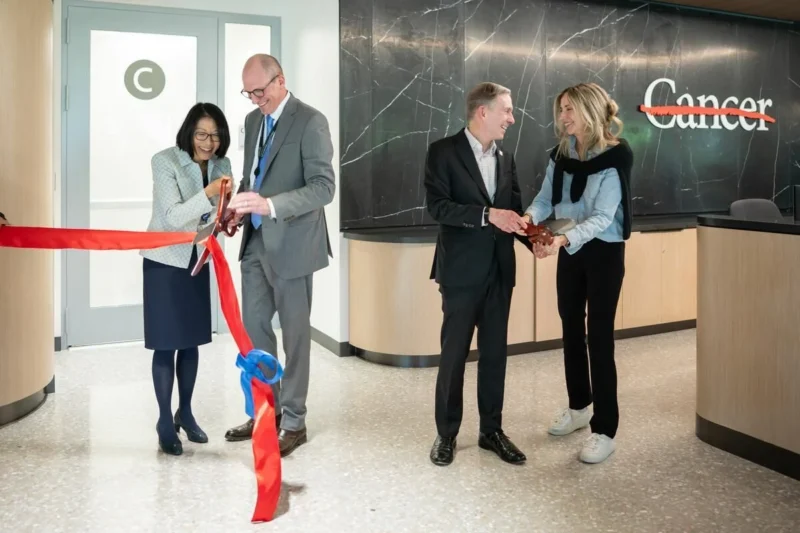
In a recent LinkedIn post, Rosanna Morris, Executive Vice President and Chief Clinical Operating Officer at MD Anderson Cancer Center, highlighted the opening of the institution’s new Colorectal Center, emphasizing its role in advancing coordinated, patient-centered cancer care.
“We recently celebrated the opening of our new Colorectal Center at UT MD Anderson a meaningful step forward in how we care for our patients.
What made the moment especially powerful was hearing from Sarah, a young patient diagnosed with stage IV colorectal cancer at just 31. She shared what so many patients experience: feeling overwhelmed, uncertain, and searching for answers during one of the most difficult times in their lives.
At MD Anderson, her experience was different. Through a truly coordinated, multidisciplinary approach, she found a team that not only treated her disease but cared for her as a whole person — with clarity, compassion, and a sense of direction during a time when so much can feel uncertain.
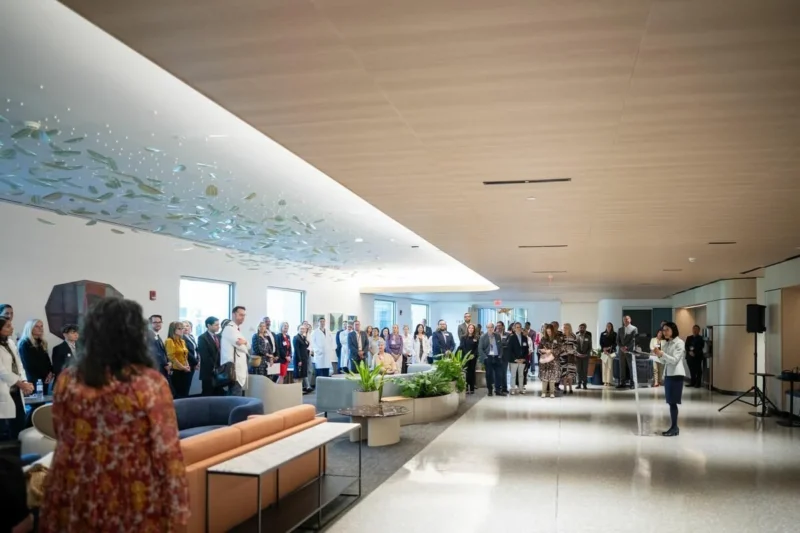
Her story is a reminder of why spaces like this matter.As colorectal cancer continues to rise in our young onset population, this center was intentionally designed to meet patients where they are, bringing together advanced care, thoughtful design, and environments that support both healing and daily life. From integrated clinical teams to calming, art-filled spaces and areas that accommodate work and family needs, every detail reflects the evolving needs of our patients.
This is more than a new space, it’s a reflection of our commitment to delivering the right care, in the right way, for every patient we serve. Congratulations to our colorectal, clinical infrastructure, facilities teams- and all who contributed- for bringing this vision to life.”
Multidisciplinary Coordination in Clinical Practice
The center is structured around collaboration between medical oncologists, radiation oncologists, and surgical teams with subspecialized expertise in colon, rectal, and anal cancers. This model supports comprehensive evaluation and individualized treatment planning.
Clinical management begins with a detailed diagnostic work-up, including staging, histopathological assessment, and, when appropriate, molecular characterization. These factors guide treatment strategies, which may include combinations of systemic therapy, radiation therapy, and surgical intervention.
The integration of specialties within a single care framework facilitates coordinated decision-making and may reduce delays between diagnostic evaluation and treatment initiation.
Surgical Approaches and Evolving Strategies
Surgical management remains a key component of colorectal cancer treatment. The center incorporates minimally invasive surgical techniques, which may be associated with shorter recovery times, reduced hospitalization, and preservation of function.
In selected clinical scenarios, alternative management strategies such as non-operative surveillance following response to neoadjuvant therapy are considered. These approaches require careful patient selection and close monitoring.
The management of recurrent pelvic disease is also addressed within the center, reflecting the need for specialized expertise in complex surgical cases.
Focus on Young-Onset Colorectal Cancer
The increasing incidence of colorectal cancer in individuals under 50 years of age has led to the development of dedicated care pathways. The center includes a Young-Onset Colorectal Cancer Program designed to address clinical and supportive care needs specific to this population.
Services include access to counseling, integrative care, and fertility preservation consultations. These components are integrated into the overall care plan to address factors that may influence long-term outcomes and quality of life.
Genetic Evaluation and Risk Stratification
Genetic counseling and testing are incorporated into the care model for patients with colorectal cancer and their families when indicated. Identification of hereditary cancer syndromes informs both treatment decisions and surveillance strategies.
High-risk individuals may benefit from structured screening programs aimed at early detection. This approach supports the identification of disease at earlier stages and contributes to preventive oncology efforts.

Care Environment and Patient Support
The design of the center includes spaces intended to support patient comfort and daily functioning during treatment. Considerations include areas for family interaction, work-related activities, and a structured clinical environment that supports continuity of care.
While clinical outcomes remain the primary focus, the care setting may influence patient experience and engagement throughout treatment.
Discover more articles like this on OncoDaily.
Written by Nare Hovhannisyan,MD