





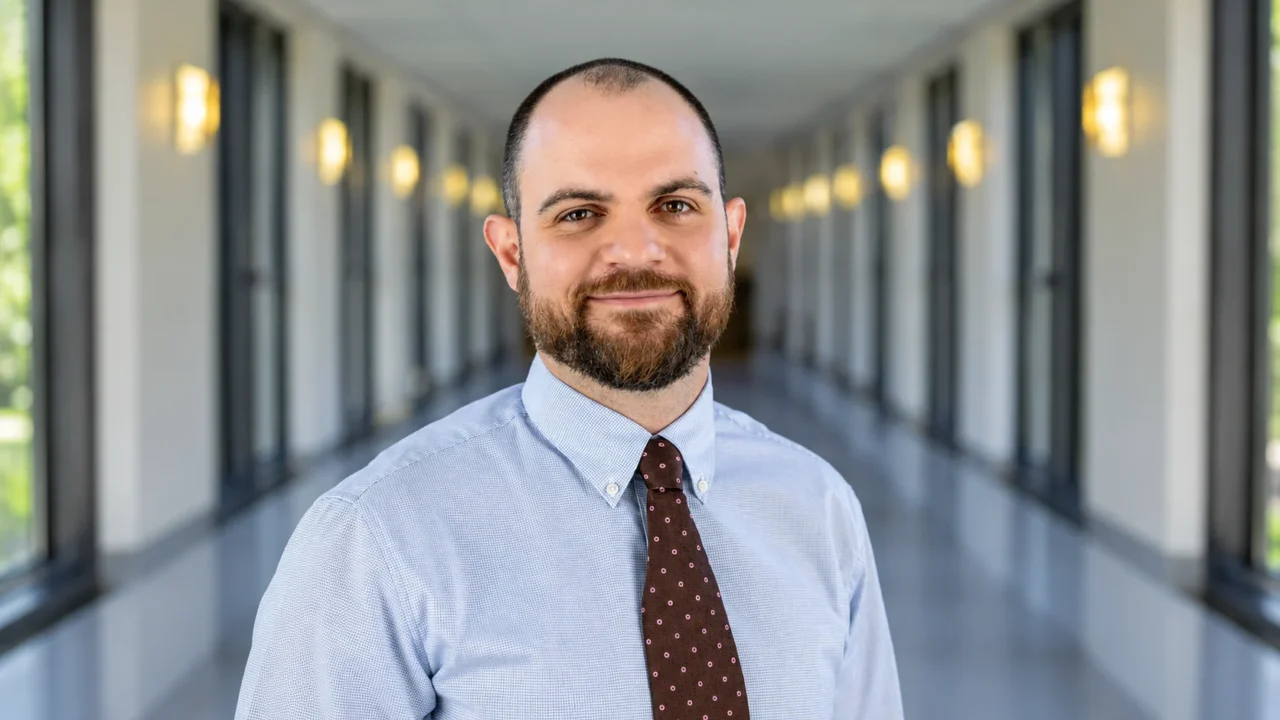
Dr. Rafik Mughnetsyan, DO, recently shared reflections on palliative care and end‑of‑life considerations in a conversation highlighted on his LinkedIn page. His perspective offers a clear, grounded understanding of how supportive care fits into modern oncology — not as a final chapter, but as a parallel layer of care throughout the cancer journey. Dr. Rafik Mughnetsyan’s approach reflects a growing recognition that quality of life is inseparable from cancer outcomes.
These insights were originally shared during an interview with the Armenian American Medical Society (AAMS), where he discussed the evolving role of supportive care in cancer.
Dr. Mughnetsyan completed his undergraduate studies at UC Irvine, earned his medical degree from Western University of Health Sciences, and trained in Internal Medicine at Adventist Health White Memorial. He later completed a Hospice and Palliative Medicine fellowship at City of Hope, one of the world’s leading cancer centers. Since 2025, he has been part of the Inpatient Supportive Care Medicine Team at Huntington Hospital, where he works closely with oncology services.
Dr. Rafik Mughnetsyan on the Long Journey of Cancer Care
In his recent discussion, Dr. Mughnetsyan emphasized that palliative care is not reserved for the final days of life. Many of his patients are actively receiving cancer treatment — surgery, radiation, immunotherapy, or their fourth or fifth line of systemic therapy — and are navigating symptoms that profoundly affect daily life.
He described patients recovering from tumor resections, those experiencing chemotherapy‑related nausea, and individuals with advanced lung disease struggling with breathlessness.
“Our goal is not only to extend life, but to help patients live the life they still have,” Mughnetsyan said.
His perspective aligns with the broader shift in oncology toward early integration of supportive care to improve quality of life, treatment tolerance, and patient‑centered decision‑making.
Approaching Symptom Burden
For Dr. Rafik Mughnetsyan, symptom management is not an accessory to cancer care; it is the foundation that allows patients to remain themselves while undergoing treatment. He often meets patients recovering from major cancer surgeries, struggling with the lingering pain that follows tumor resections. Others arrive exhausted from chemotherapy, dealing with nausea that disrupts their appetite, or the deep fatigue that settles in after multiple lines of therapy. Breathlessness is a frequent companion in advanced lung disease and metastatic cancer, and anxiety often rises quietly alongside physical symptoms.
Dr. Mughnetsyan’s team works closely with oncologists to stabilize patients, restore comfort, and help them regain a sense of control over their day. His goal is simple but essential: ensuring that treatment does not eclipse the person receiving it.
Treatment Decisions and Turning Points
As patients move through successive lines of therapy, Mughnetsyan often witnesses the moment when the clinical conversation shifts from “What can we do next?” to “What matters most now?” He described the quiet, pivotal moments when a patient who has endured years of treatment begins to question whether another regimen will offer meaningful time or simply prolong the cycle of side effects and recovery.
These are not moments of resignation; they are moments of clarity. Dr. Mughnetsyan approaches them with honesty and gentleness, helping patients articulate their values and the kind of life they still want to live, even in the face of advanced disease.
Hospice Through Dr. Mughnetsyan’s Lens
Rafik Mughnetsyan addressed the persistent misconception that hospice represents a withdrawal from care. In reality, hospice is a shift in priorities — from disease‑directed treatment to comfort, dignity, and presence. He noted that many cancer patients stabilize once they enter hospice, sometimes living longer than expected because they are supported in a calm, consistent environment.
He referenced the example of President Jimmy Carter, who lived two years under in-home hospice care, as a reminder that hospice is not a countdown but a continuation of care with different goals.
Advance Care Planning
A significant part of Dr. Rafik Mughnetsyan’s discussion centered on the importance of advance care planning. He explained that decisions about CPR, mechanical ventilation, artificial nutrition, and hospitalization should not be made in the middle of a crisis. They should be made when patients are stable, thoughtful, and able to express what quality of life means to them.
“You don’t want your family guessing. You want them to know your wishes,” Dr. Mughnetsyan emphasized.
For oncology patients, this clarity can prevent unnecessary suffering and ensure that care aligns with personal values.
The Human Story Behind the Work
What distinguishes Dr. Mughnetsyan’s approach is his ability to see the human story behind every diagnosis. He spoke about patients who want to walk their dog again, those who want to taste food without nausea, and those who want to spend their final days at home, surrounded by the people they love. These details — small to some, essential to others — shape the decisions that matter most.
His work is grounded in the belief that supportive oncology is not only about managing symptoms but about preserving identity, autonomy, and connection.
Dr. Rafik Mughnetsyan’s Commitment to Mentorship
Beyond his clinical responsibilities, Rafik Mughnetsyan dedicates time to mentoring prospective medical students, helping them prepare for interviews and navigate the early stages of their careers.
Article by Dr. Martin Harutyunyan, Director of OncoDaily LA