





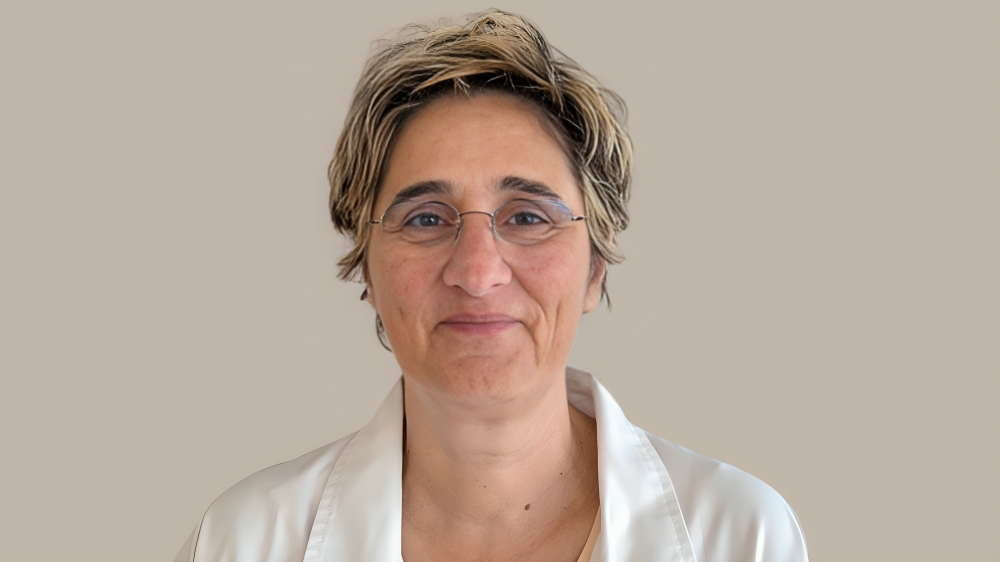
Zacharoula Sidiropoulou, Senior Consultant Breast Surgical Oncologist at Hospital São Francisco Xavier, shared a post on LinkedIn:
“I’m honoured and excited to share that I’m joining the Gender Equity Initiative in Global Surgery (GEIGS) EURO Regional Team as Research Lead together with Irida Dajti (Edu Lead), NienkeSmits (Advoc Lead) and Lynda Prato Navas (Ment Lead) with Hammad Assilkhi as EUROTL.
Gender Equity Initiative in Global Surgery (GEIGS) is a sister organization to Harvard Medical School’s Program in GlobalSurgeryandSocialChange, working through research, mentorship, and advocacy to advance equity across surgery, obstetrics, and anesthesia.
Gender inequity in global surgery is notabout ability, I guarantee. It’s about access to power: who gets sponsorship, protected time, authorship, platforms, and decision-making roles.
Our system still tilts:
Across the global health and social workforce, women occupy ~70%, yet hold only ~25% of senior roles—a leadership gap that shapes priorities and resource allocation.
In global surgery research (2016–2020), studies focused on “surgery” had ~69% male authors, and disparities widen with seniority and geography.
In high-impact surgical journals (2010–2020), women made up 7.9% of editors-in-chief and 11.1% of editorial board members (2020 snapshot)—highlighting how gatekeeping can occur before research is even “seen.”
My spotlight: Surgical Oncology
Surgical oncology is the heart of life-saving solid organs cancer care, in treatment POV and of every cancer in diagnosis POV, and it is also a clear lens on equity.
In academic oncology faculty data cited in JAMA Network Open, women represented 38.8% of surgical oncology faculty (US).
At the Society of Surgical Oncology (SSO) meetings (2014–2019), 47% of presenters were women, yet female senior authors were fewer than male senior authors across all session types—a classic “seniority bottleneck.”
In leading oncology journals, women made up 24% of editorial board members—a visibility and influence gap in the evidence pipeline.
We need to be practical, objective and led by measurable targets:
Map where inequities persist, validate what works, and help turn evidence into implementable change, especially for those most affected by intersecting barriers (gender × geography × opportunity).”
More posts featuring Zacharoula Sidiropoulou.