





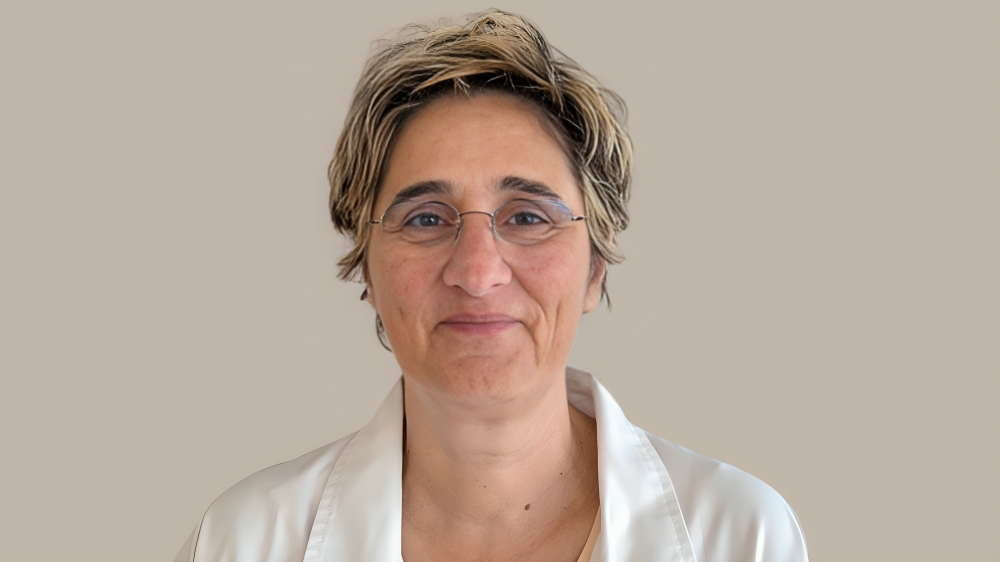
Zacharoula Sidiropoulou, Senior Consultant Breast Surgical Oncologist at Hospital São Francisco Xavier, shared a post on LinkedIn:
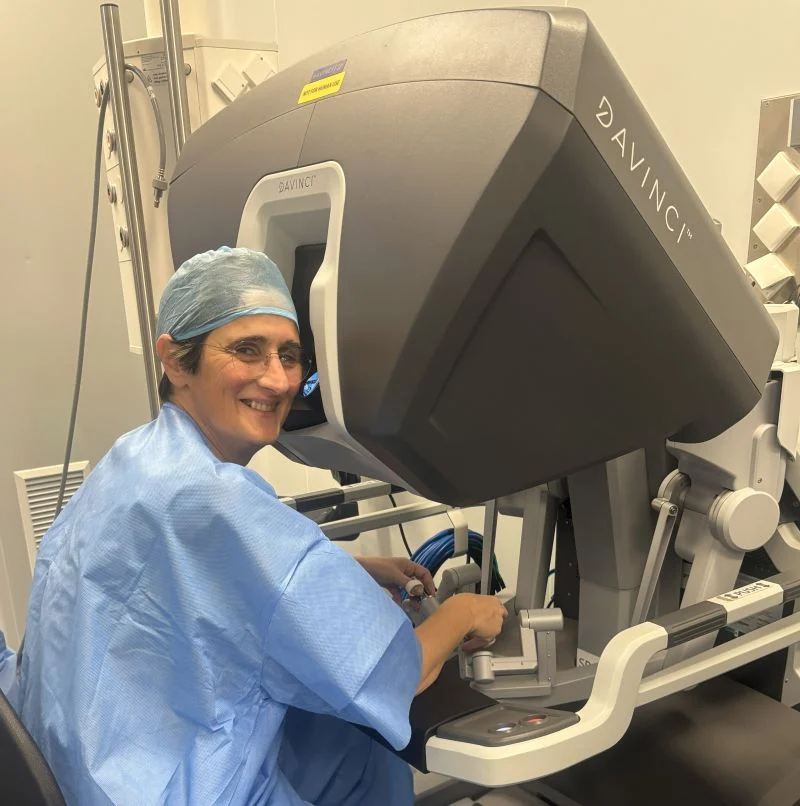
“Looking back at photos from the Robotic & Endoscopic Breast Surgery Course
I completed in Barcelona in December 2025 , advanced techniques, state-of-the-art technology, the future of minimally invasive oncology.
And in the middle of this, I’m trying to prepare a talk that questions it all, knowing that students are the hardest audience because they ask the uncomfortable questions.
Honored to be invited to speak at XVIIBeInMed, Beira Interior Medical Meeting: “From Surgical Innovation to Health Equity: The Role of Breast Oncology in Global Health” at Universidade da Beira Interior on January 15-18, 2026
But how do you structure a talk about contradictions you haven’t resolved?
Last October, we performed our first endoscopic mastectomy at ULS Lisboa Ocidental, minimally invasive, cosmetically superior, faster recovery. A genuine surgical advancement. That same month, I published data from our Guinea-Bissau missions where women still present with stage IV breast cancer because basic screening doesn’t exist. Basic pathology doesn’t exist.
So which matters more? The wrong question, obviously.
But it’s the question that haunts me when I’m looking at these Barcelona course photos, trying to organize my slides.
We publish in high-impact journals about axillary surgery techniques and de-escalation (AXSANA Study: 6,000+ patients, 26 countries, cutting-edge research). Meanwhile, the World Health Organization estimates that 2.3 million women were diagnosed with breast cancer globally in 2020, and survival rates vary wildly based on where you’re born.
What I want students to wrestle with (and what I’m wrestling with):
- How do we justify investing in robotic surgery when basic surgical techniques aren’t available a 2-hour flight from Europe?
- Can innovation and equity coexist, or are we just creating a wider gap?
- What’s our responsibility as MDs, to push boundaries or to ensure foundational care reaches everyone?
- Is health literacy in underserved communities as important as surgical precision in operating rooms?
The hardest part of preparing this presentation isn’t finding the data , I have decades of it. It is finding the honesty to say: I don’t have this figured out.
Twenty years in breast surgical oncology, PhD, CEBS certification, international collaborations, teaching positions, and I’m still struggling with how to reconcile excellence with equity.
That is why I’m both dreading and looking forward to January 18th.
This is not about inspiration. It is about confronting complexity, mine included.
Join us and become part of the questioning community!
If you have the answer, please share it!
“Si quid novisti rectius istis, candidus imperti” – If you know something better, share it candidly.
Because, me, honestly: “Ἓν οἶδα ὅτι οὐδὲν οἶδα” – I know that I know nothing.”
More posts featuring Zacharoula Sidiropoulou.