UT MD Anderson shared a post on LinkedIn:
“From studying brain cancer mutations to improving outcomes for treatment-resistant melanoma, UT MD Anderson researchers continue to accelerate discovery with the mission to end cancer.
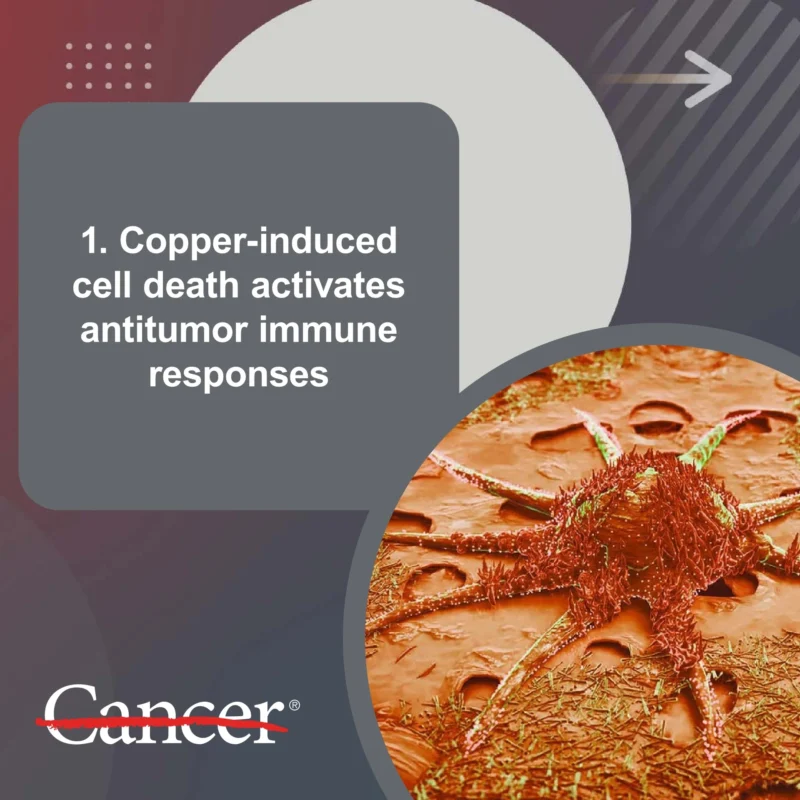
- Copper-induced cell death activates antitumor immune responses:Research led by Boyi Gan, found that cuproptosis activates antitumor immune responses, creating a feedback loop that enhanced the effects of immunotherapy in preclinical models.
- AI-guided pathology analysis can help predict immunotherapy response:A recent study, led by Aung Naing, demonstrated that an artificial intelligence-based analysis of tumor biopsies can predict responses to immunotherapy in a study of patients with rare cancers.
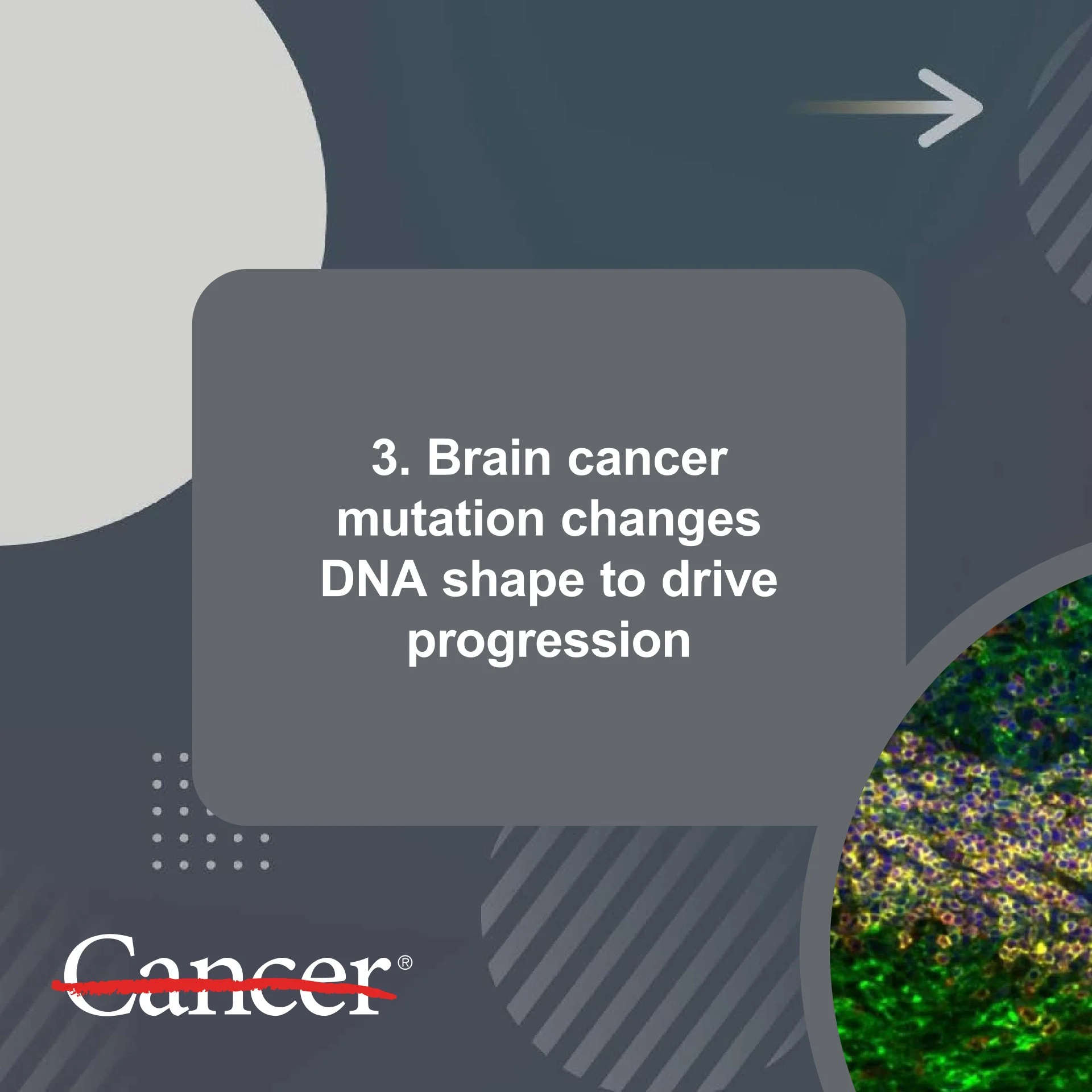
- Brain cancer mutation changes DNA shape to drive progression:A study co-led by Jason Huse and Kunal Rai, uncovered how the ATRX genetic mutation in glioma rewires the cancer cell genome to fuel tumor progression, suggesting a potential new therapeutic strategy for these patients.
- Personalized drug combinations may improve outcomes for treatment-resistant melanoma:UT MD Anderson researchers, led by Vashisht Gopal Yennu Nanda, and in collaboration Michael A. Davies, identified a way to tailor drug combinations based on specific tumor biology to improve outcomes for treatment-resistant advanced melanoma, suggesting a path toward biomarker-guided therapy.
- Genetic factors identified that could guide prostate cancer treatments:Research led by Di Zhao, and Boyi Gan, identified genetic factors that determine whether prostate cancers are susceptible to ferroptosis, which could guide treatment strategies for patients whose tumors do not respond to current treatments.
- Why some leukemia patients don’t benefit from approved targeted therapy:Why do some patients with a rare type of leukemia develop treatment resistance? Research, led by Naveen Pemmaraju, and Hannah Beird, found a link between certain genetic mutations and with levels of a key enzyme.”
Other articles about UT MD Anderson on OncoDaily.