





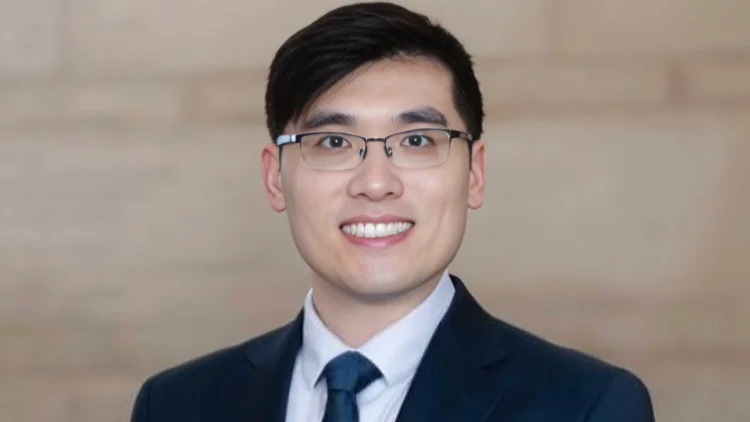
Tony Hung, Medical Oncologist and Clinical Informatics Executive at Hartford HealthCare, shared a post by AMIA (American Medical Informatics Association) on LinkedIn:
“Are large language models the Swiss Army knife or the Scalpel for clinical research. Gen AI is rapidly entering oncology. In just a few years, large language models have gone from curiosity to tools that can summarize literature, assist clinicians, and even answer patient-facing questions about clinical trials.
But an important question remains: how reliable are they when patients depend on the answers?
In a recent commentary in JCO Oncology Advances, Peter Yu and I reflect on a study evaluating how LLMs perform when answering patient questions about clinical trials. The findings highlight both the promise of these tools – and the caution required when applying them in high-stakes clinical contexts.
Congratulations to Jack Gallifant, Danielle Bittermane, et al. of the original study for advancing this important work. Their analysis adds much-needed evidence to a conversation that is often driven more by excitement than by data.
AI will undoubtedly play a role in the future of oncology and clinical research. The real challenge may not be whether we can use it everywhere, but knowing when a Swiss Army knife is sufficient, and when we need the precision of a scalpel.”
Title: Are Large Language Models the Swiss Army Knife or the Scalpel for Clinical Research?
Authors: Peter P. Yu, Tony K. W. Hung
Read The Full Article

Other articles featuring Tony Hung on OncoDaily.