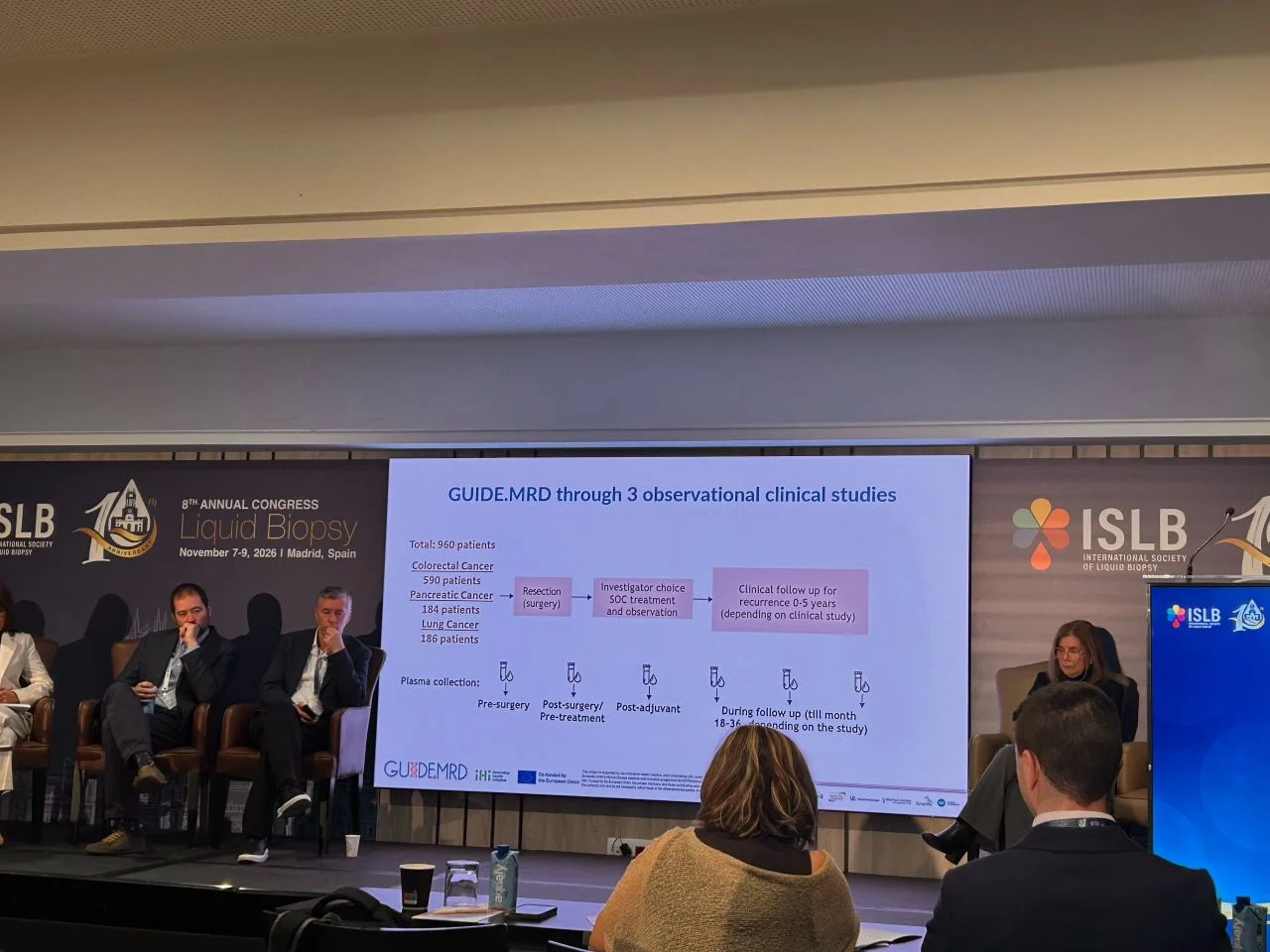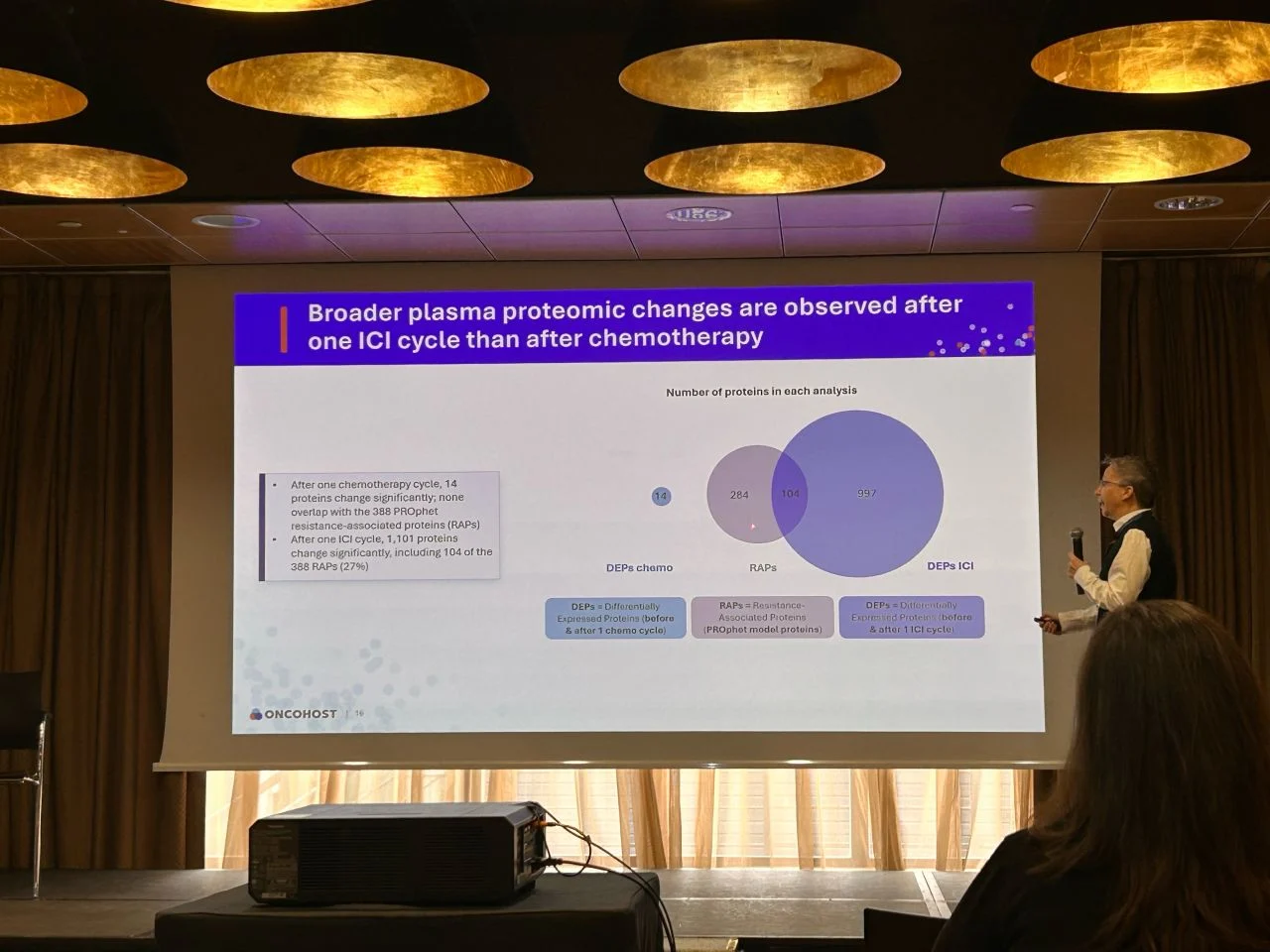
Svetlana Nikic, Founder and Principal at Precision Oncology Consulting, shared on LinkedIn:
“As I’m heading back home from this years ISLB2026 here are few thoughts from my side:
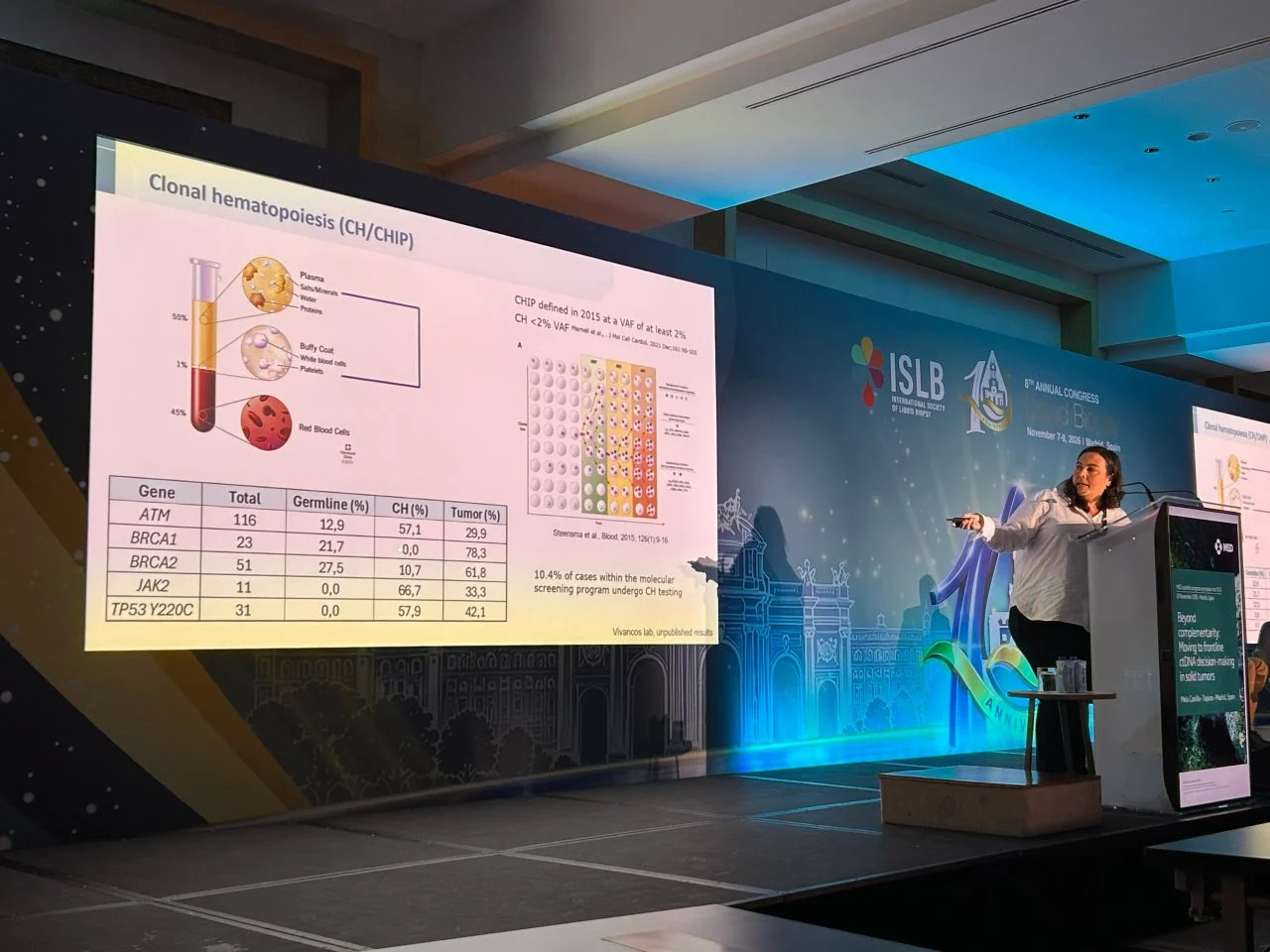
- Limit of detection (LOD) and VAF are not the same thing. We need to educate the community on these different terms, and several discussions at the International Society of Liquid Biopsy Annual Congress in Madrid this weekend showed why.
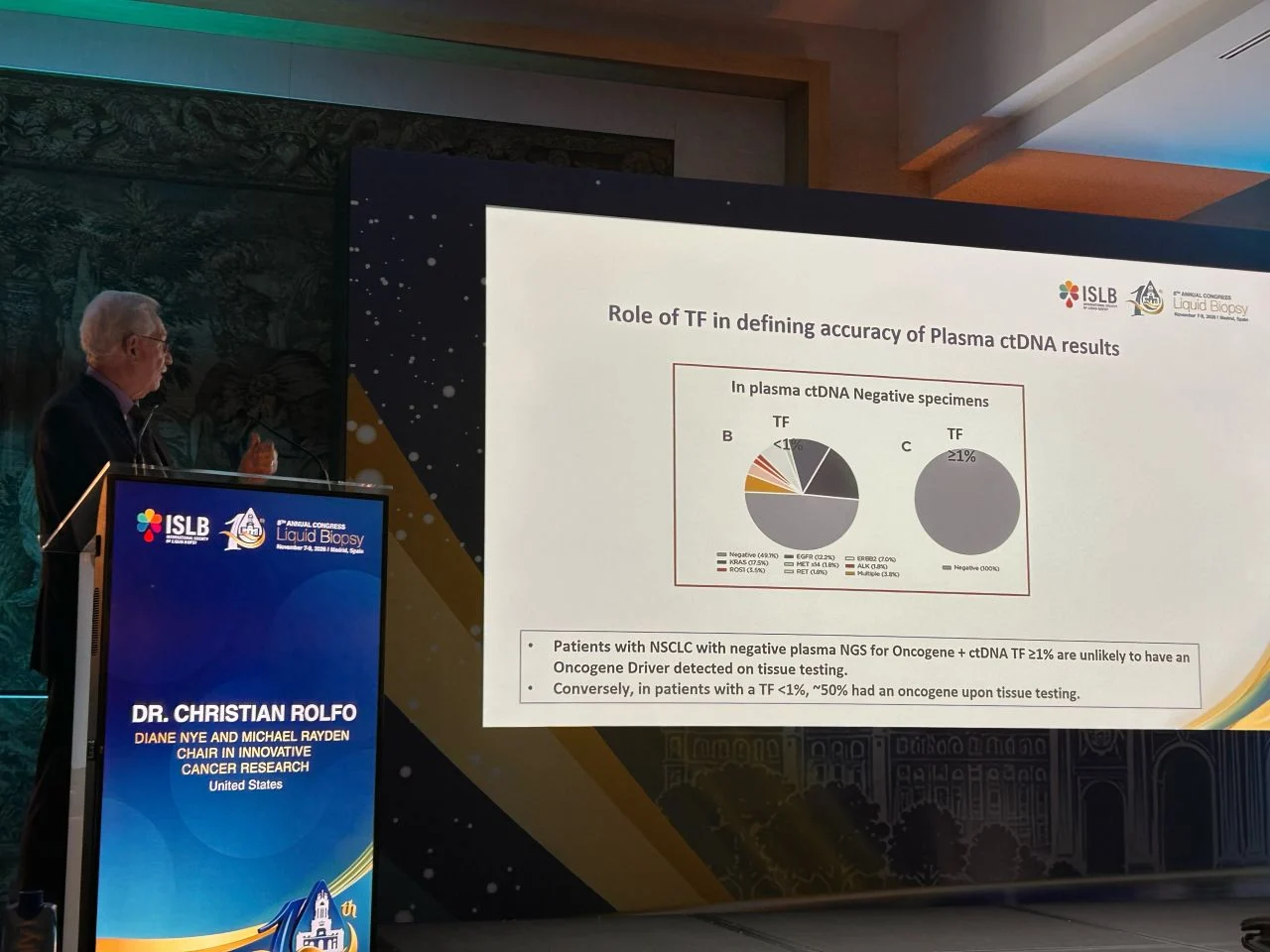
- Tumour fraction comes before VAF. A low VAF means something different depending on how much tumour DNA is in the sample. We should always report and discuss both.
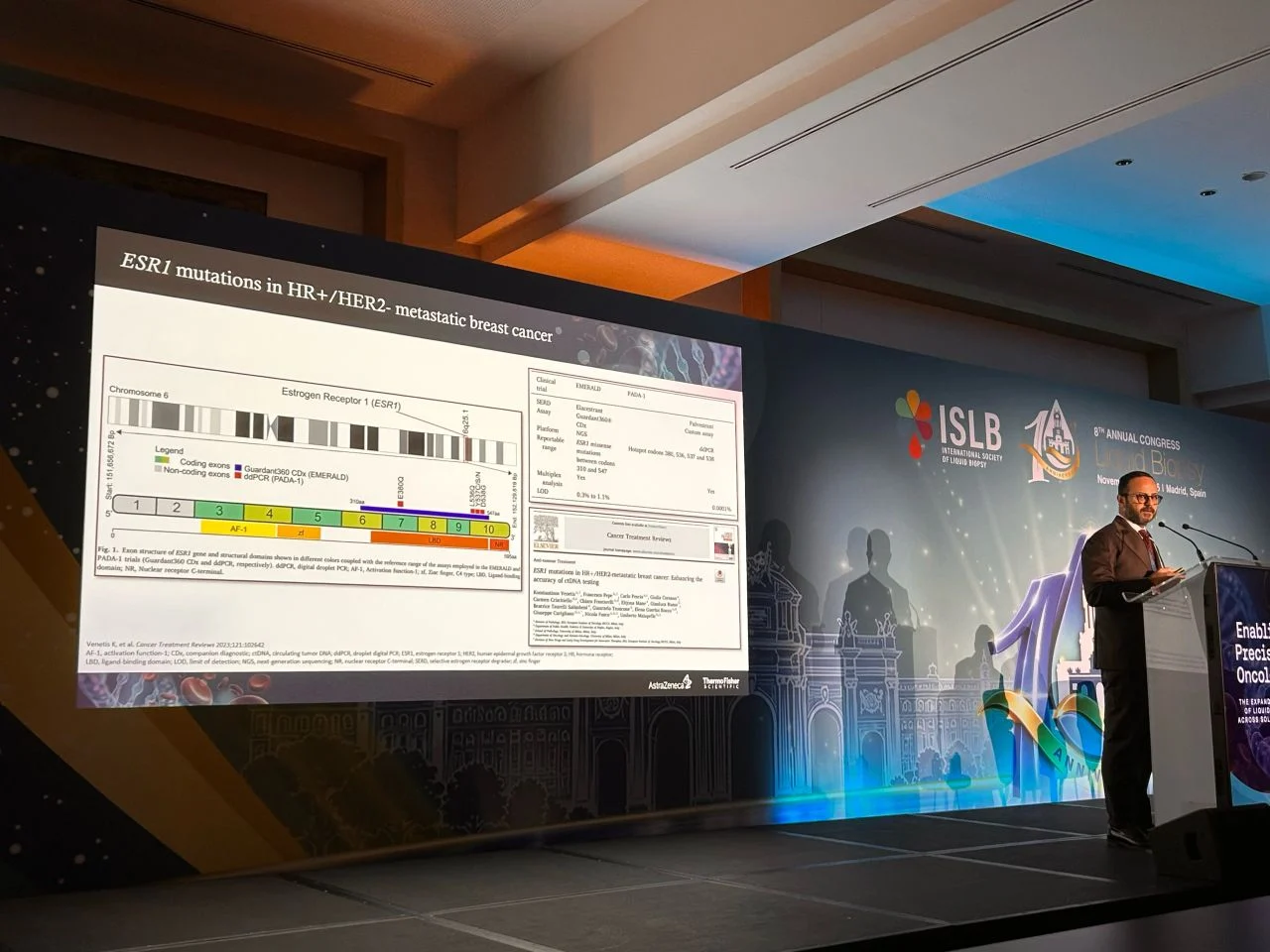
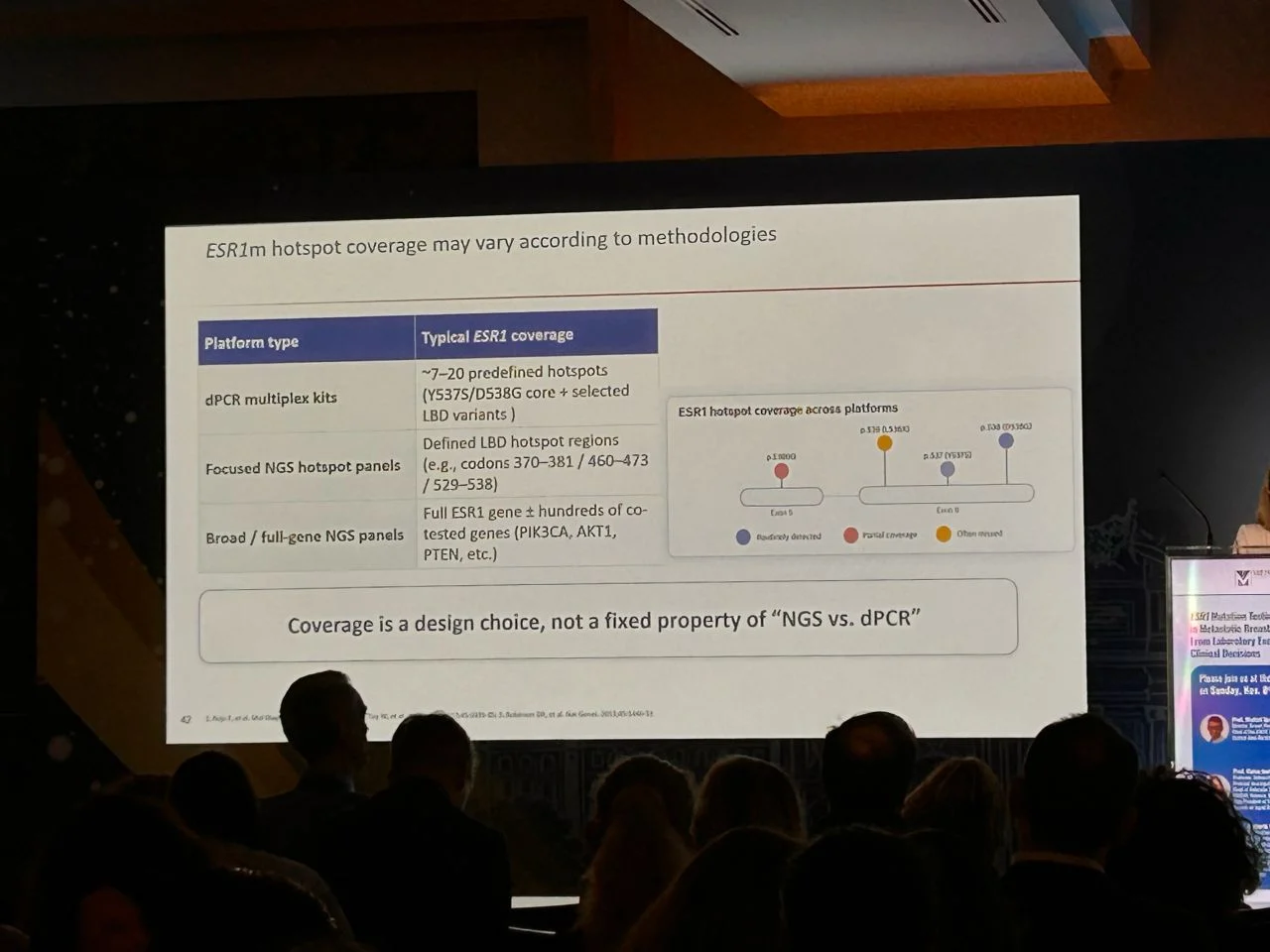
- ESR1 testing dominated many presentations! The technology still shapes the result. dPCR reaches about 0.01–0.1% VAF, while qPCR has a higher LOD and is not recommended as a standalone test. Hotspot coverage also varies between panels. If VAF is going to inform response to therapy, how do we handle results from technologies with different LODs?
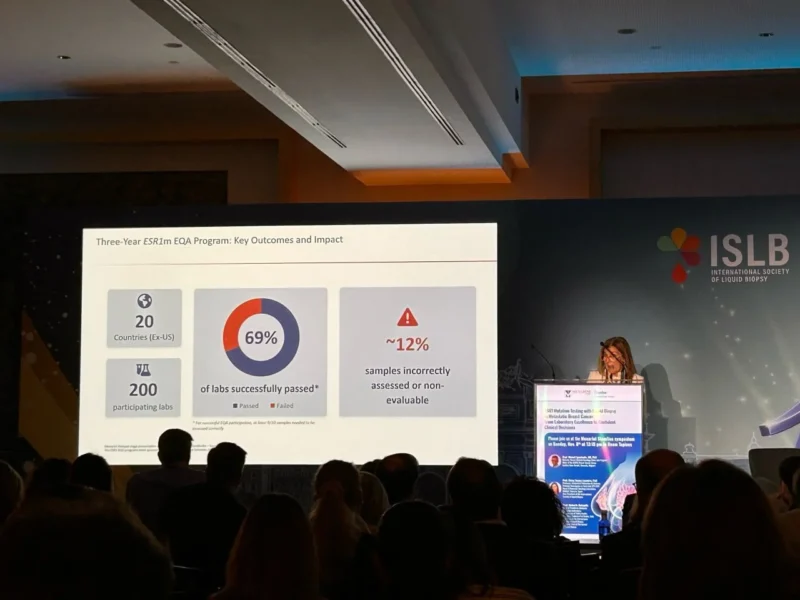
- Standardisation is not there yet. As shown by Eloisa Jantus, in a three-year ESR1m EQA programme covering 200 labs in 20 countries, 69% of labs passed. Around 12% of samples were assessed incorrectly or could not be evaluated.
- Reimbursement shapes what is actually used – really important! CDx with defined sensitivity and specificity exist, but in-house tests are often used in the end because of reimbursement limitations.
- Plasma first? It still depends. Tissue gives us PD-L1 status and TROP2, and possibly MTAP expression in future. Fusion detection (MET, ALK) is still lower in plasma than in tissue.
These have been very intense 2 days in Madrid but highly enjoyable – congrats to the organizers Umberto Malapelle and the rest of team! Wonderful to see many known faces.”
You can also read: From Liquid Biopsy to New Treatment Modalities: What to Expect at Northeast GI Oncology Congress 2026