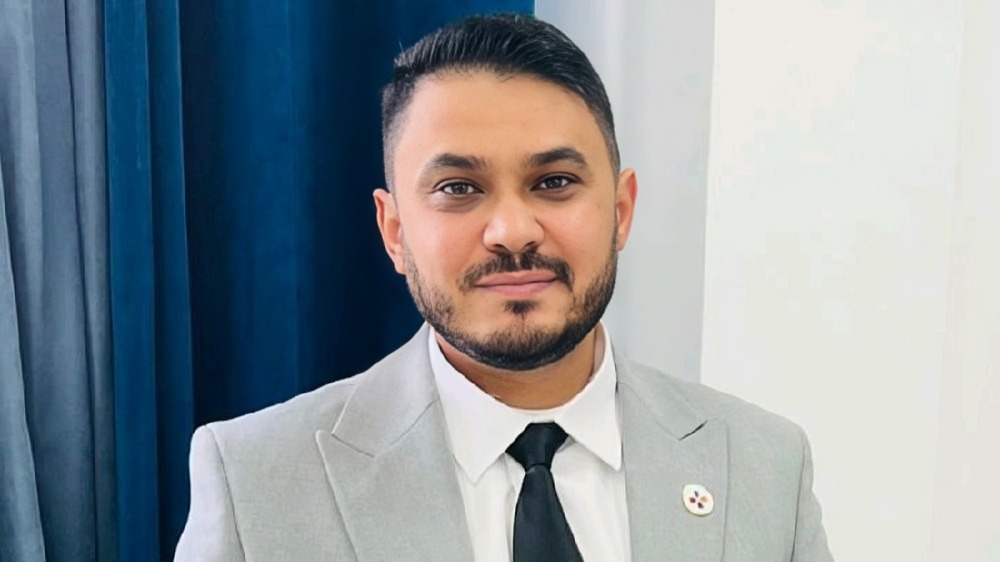
Bilal Awad, Communication Working Group Member at European Oncology Nursing Society, shared a post on LinkedIn:
“Strengthening Palliative Care Through Leading Research Centers in Spain
Palliative care continues to grow globally, and Spain stands out for hosting several outstanding research groups and observatories that are shaping the future of the field.
As a healthcare professional and researcher in oncology and palliative care, I am inspired by the scientific impact and international collaboration led by these institutions.
1. ATLANTES Global Observatory, University of Navarra
One of the most influential groups worldwide, closely linked to the WHO and focused on global palliative care development, access inequities, policy, and compassionate communities.
ATLANTES Global Observatory of Palliative Care.
2. CUDÉCA Foundation and IBIMA Research Institute
A leading center in Spain combining clinical care and research in adult palliative care, quality of life, and innovative community-based models.
IBIMA Palliative Care Research.
3. IRSJD, Sant Joan de Déu Research Institute (Barcelona)
A global reference in pediatric palliative care, producing high-impact research in symptom management, family support, and serious illness in children.
Sant Joan de Déu Research Institute (IRSJD).
Pediatric Palliative Care Team.
4. SECPAL, Spanish Society for Palliative Care
The main scientific society in Spain, promoting research networks, clinical training, guidelines, and the national palliative care journal Medicina Paliativa.
Why These Research Groups Matter for Palliative Care
Scientific research is essential to improving the quality, equity, and accessibility of palliative care services worldwide.
These Spanish centers are:
- Advancing evidence-based models of care,
- leading global and European collaborations,
- publishing high-impact studies on adult and pediatric palliative care,
- training the next generation of professionals,
- supporting WHO strategies on universal health coverage and serious illness care.
Their work directly influences clinical practice, health policy, and the lives of patients and families, especially in regions facing limited resources or crisis situations.
As professionals, researchers, and advocates, learning from these centers strengthens our ability to deliver compassionate, effective, and culturally sensitive palliative care.”
More posts featuring Bilal Awad.