





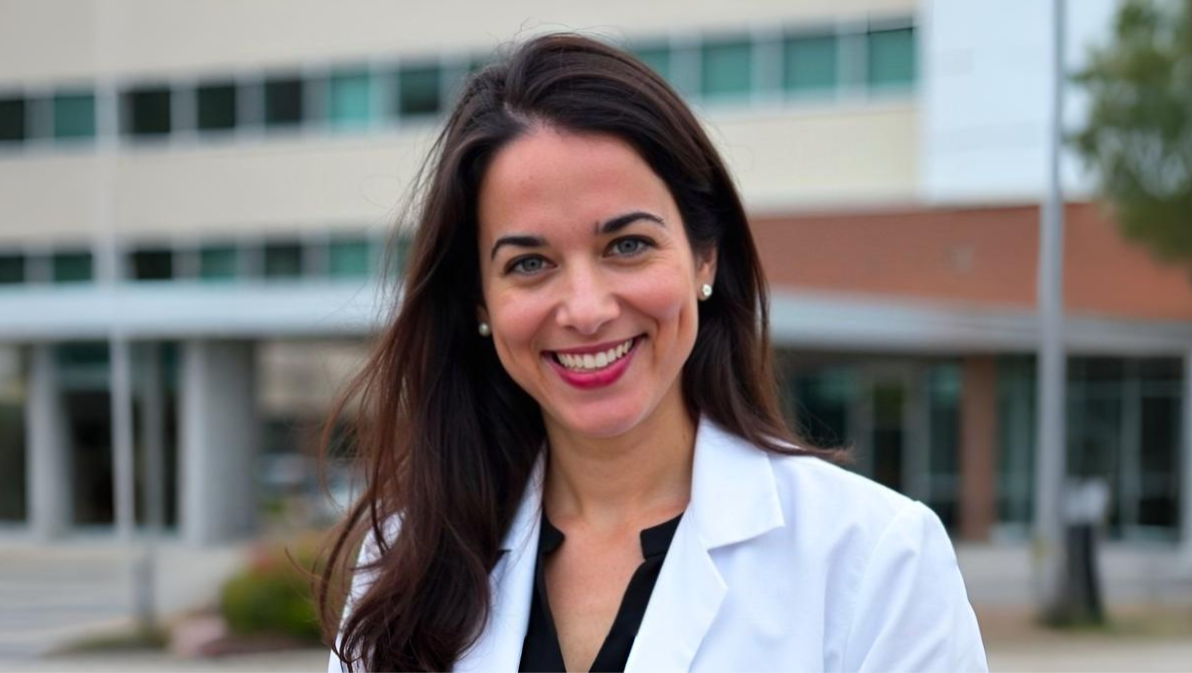
Sarah Sammons, Breast Medical Oncologist and Senior Physician at Dana-Farber’s Breast Oncology Center, shared a post on X:
“In mBC, not all imaging changes mean your therapy has stopped working and switching too early is a real risk.
- RECIST 1.1 sets a clear bar for progression: ≥20% increase in the sum of target lesion diameters (with ≥5mm absolute increase), unequivocal progression of non-target lesions, or new lesions. Not every change on imaging meets this threshold.
- Three scenarios commonly and incorrectly flagged as progression: new asymptomatic sclerotic bone lesions, small mm asymptomatic changes in known lesions, and increased SUV on PET without corresponding size change. None of these, in isolation, trigger a therapy switch for me.
- Sclerotic bone lesions deserve particular attention: When effective therapy kills tumor cells in bone, the body lays down new bone matrix appearing dense and white on CT. This is a healing response, not new disease.
- The consequences of switching too early are real: loss of disease control from a working regimen, premature exhaustion of sequencing options.
- My approach: I integrate clinical symptoms, tumor markers, and serial scans together before making any decision to change therapy.
- Bottom line: confirm true progression before changing course. When in doubt, a short interval rescan is almost always preferable to an unnecessary switch.”
Other articles featuring Sarah Sammons on OncoDaily.