Runcie C.W. Chidebe, Executive Director at Project Pink Blue, shared a post on LinkedIn:
“I’m excited to share my new article published in the American Society of Clinical Oncology (ASCO), JCO Global Oncology titled ‘Cancer in Africa, 2022: Incidence, Mortality, and Age-Patterned Fatality From GLOBOCAN Across 36 Cancer Types.’
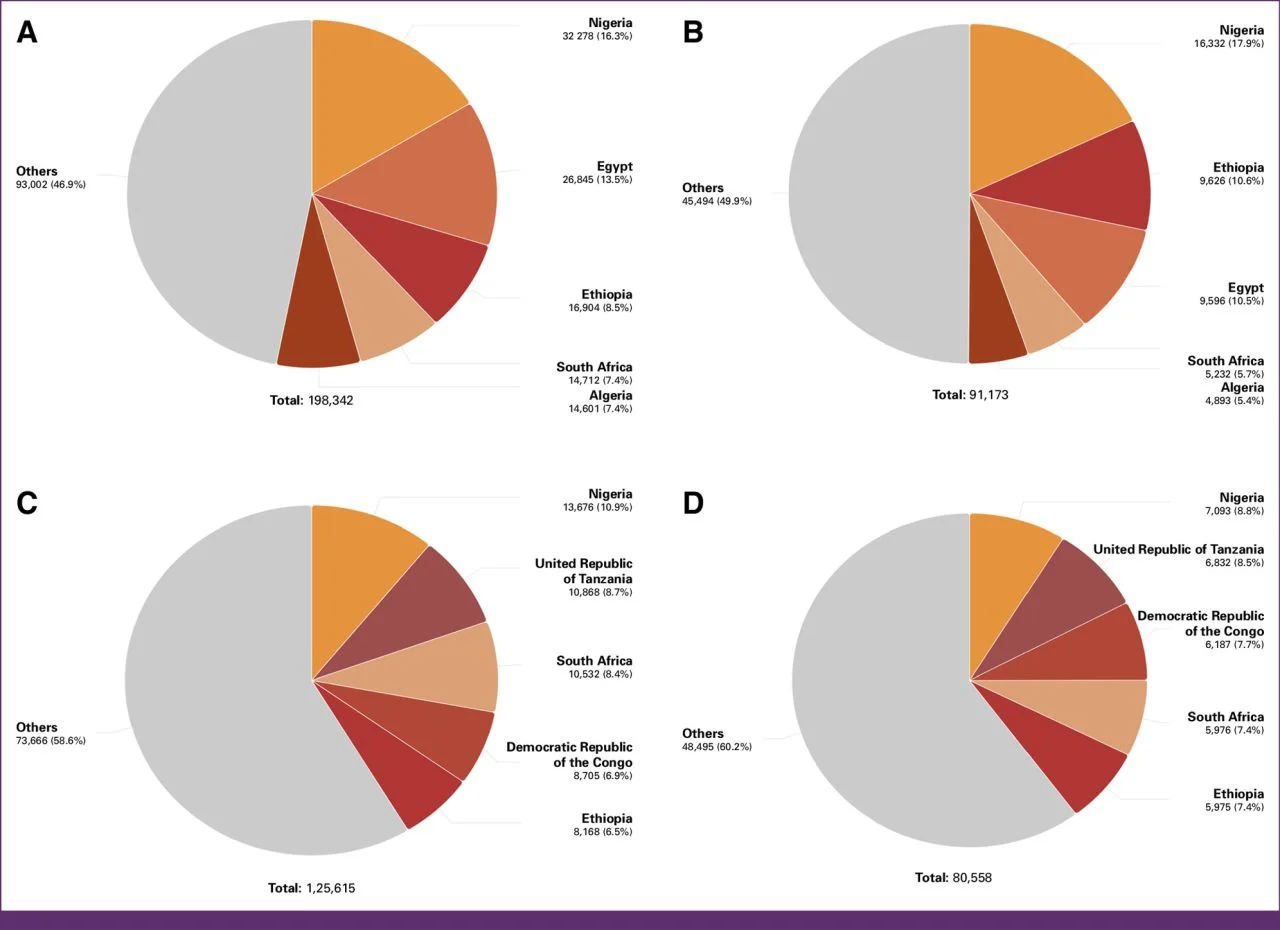
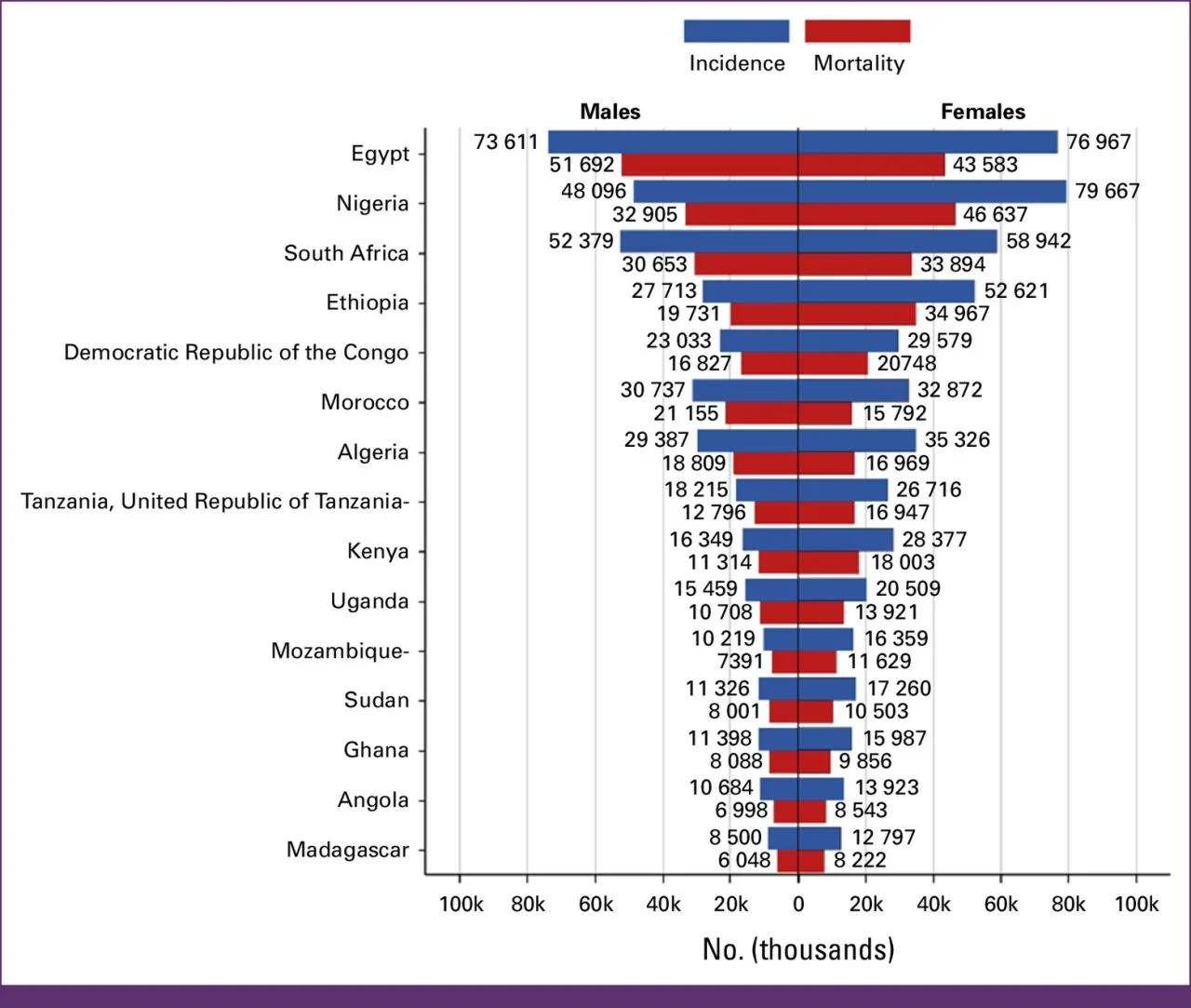
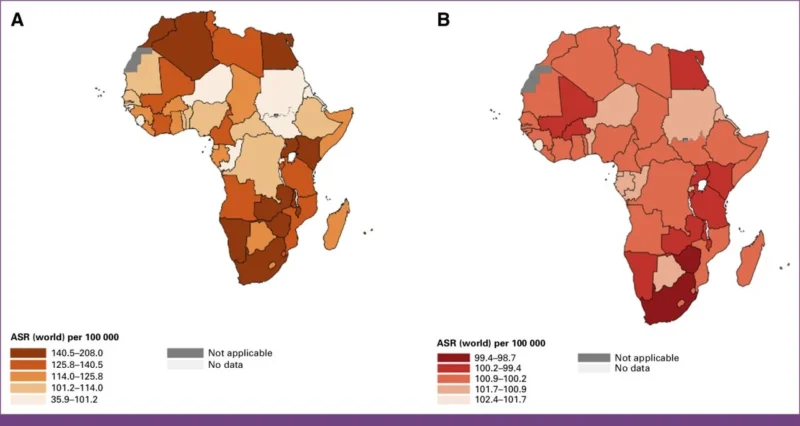
In this article, we provided one of the most comprehensive, continent‑wide analyses of cancer incidence, mortality, and fatality patterns across Africa using GLOBOCAN 2022 data. The findings are crucial, revealing, and deeply consequential for cancer control planning in Africa.
1. Africa carries a disproportionate cancer mortality burden
While incidence is rising, mortality remains unacceptably high, reflecting late diagnosis, limited treatment access, and systemic inequities.
2. Age‑patterned fatality reveals a disturbing trend
Younger Africans face higher fatality rates for several cancers compared to global averages. This is a worrying signal of delayed detection, constrained treatment pathways and a weak cancer control system.
3. Five cancers dominate the landscape
Breast, cervical, prostate, liver, and colorectal cancers account for the majority of cases and deaths, underscoring the need for targeted national strategies.
4. Cervical cancer remains a continental emergency
Despite being almost entirely preventable, cervical cancer continues to kill African women at rates far above the global average.
5. Data gaps persist
Many countries still lack robust cancer registries, limiting the precision of planning and resource allocation.
Africa is experiencing a silent escalation of cancer burden, and without decisive policy action, mortality will continue to rise. In my estimation, this is not just an African health issue; it is a global health, development, equity, and justice issue.
To change the trajectory, African countries must:
1. Invest in population‑based cancer registries to strengthen data quality.
2. Scale early detection programs, especially national screenings for breast, cervical, and prostate cancers.
3. Expand access to diagnostics and treatment, including radiotherapy and pathology.
4. Invest in its own healthcare system and advance national health financing reforms.
5. Strengthen workforce capacity, from oncology specialists to patient navigators.
6. Accelerate HPV vaccination and cervical cancer screening.
7. Promote regional collaboration for research, training, and procurement.
I want to especially thank my co-authors, especially Lawrence-Ejike Ugwu, for leading this very important work. Co-authors: Kenni Wojujutari Ajele, Maria Chidi C Onyedibe, etc. Special thanks to Isabelle Soerjomataram, Julie S. Torode, Dario Trapani who provided some critical and insightful guidance.
Please use the comment section to share your feedback. Kindly repost.”
Title: Cancer in Africa, 2022: Incidence, Mortality, and Age-Patterned Fatality From GLOBOCAN Across 36 Cancer Types
Authors: Lawrence Ejike Ugwu, Wojujutari Kenni Ajele, Erhabor Sunday Idemudia, Bruno Basil, Maria-Chidi Christiana Onyedibe, Runcie C.W. Chidebe, Cornelie Nienaber-Rousseau, Uzoamaka F. Ugwoke, Candy T. Khohliwe
Read The Full Article

Other articles featuring Runcie C.W. Chidebe on OncoDaily.