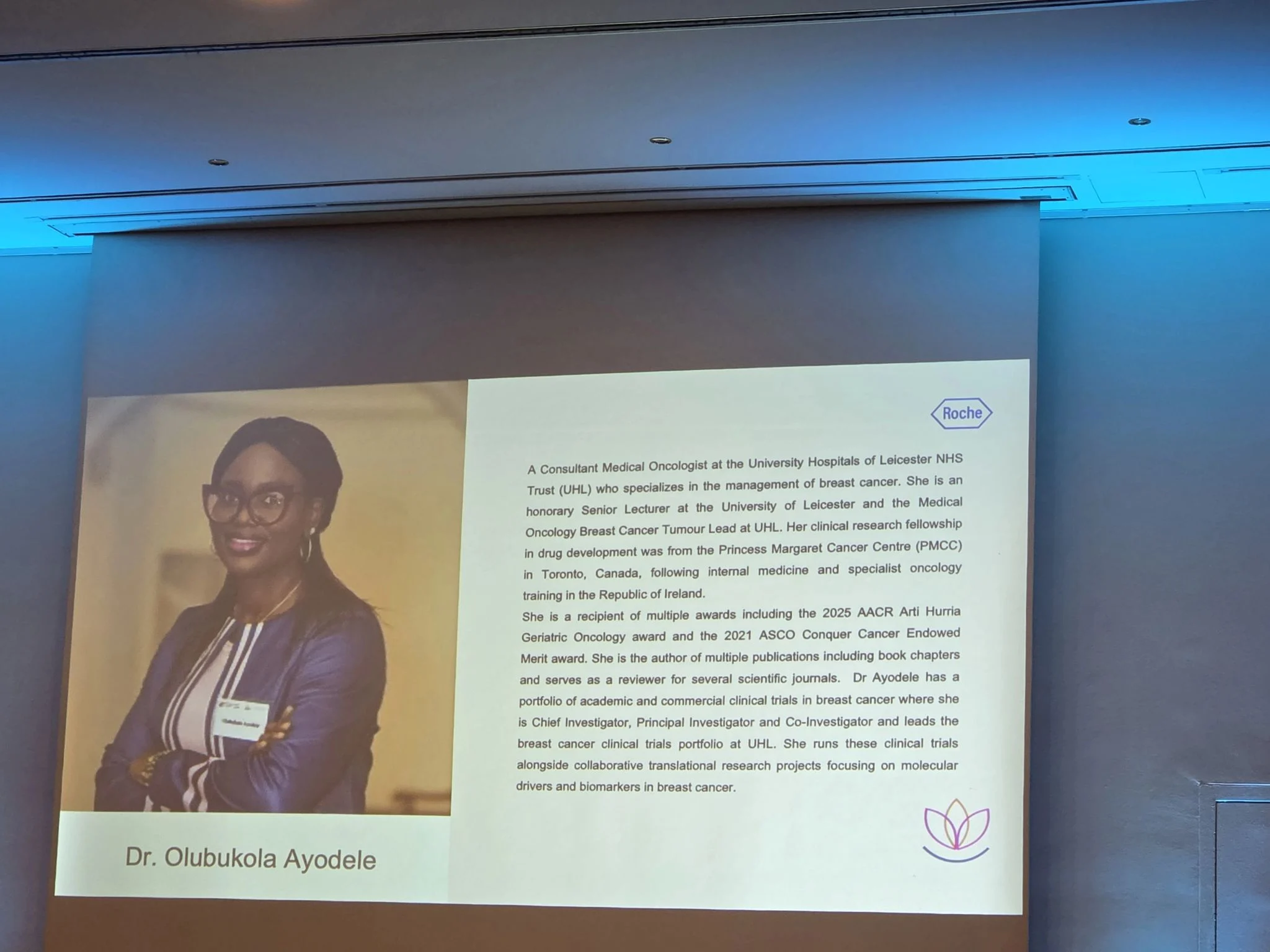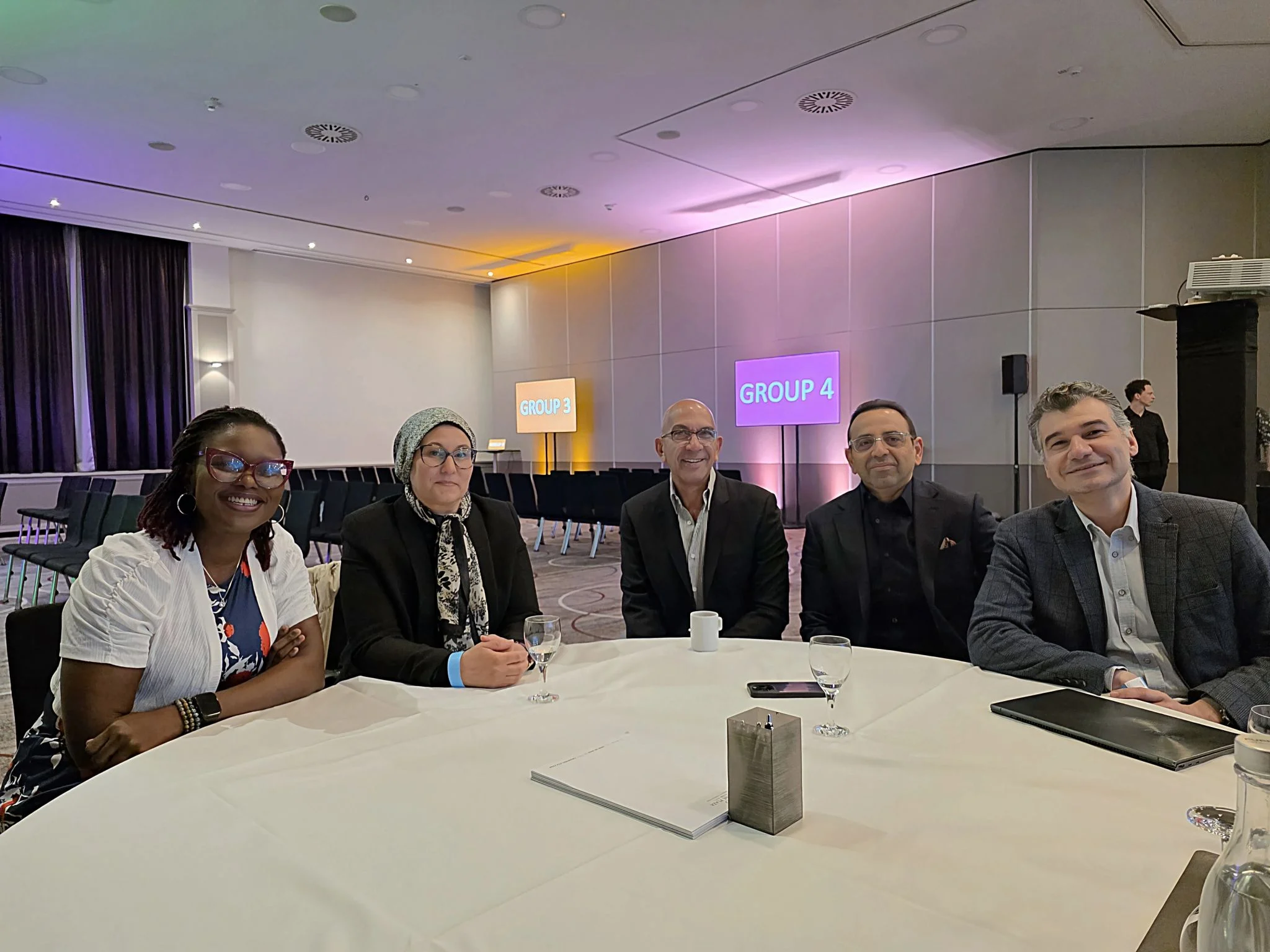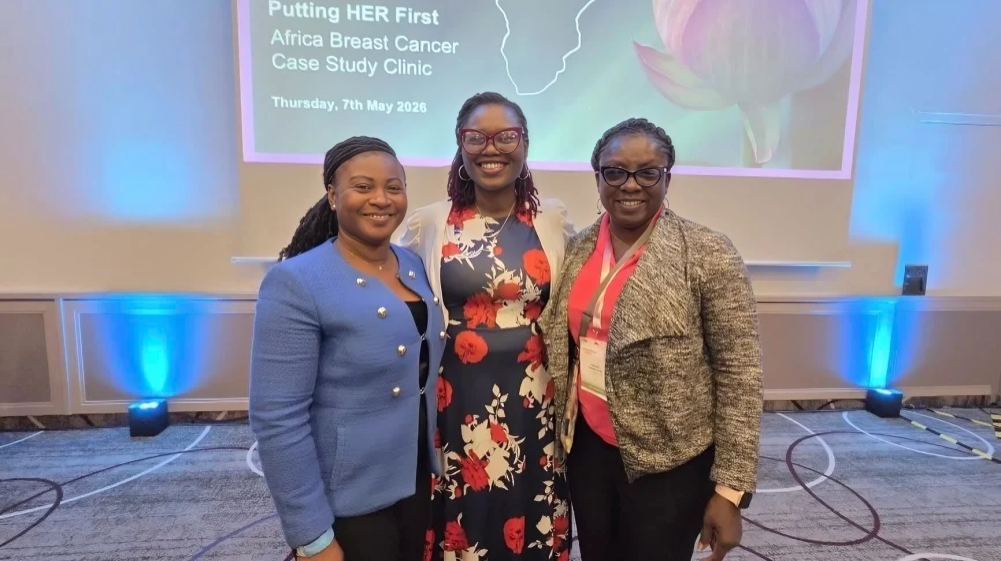
Olubukola Ayodele, Breast Cancer Lead at University Hospitals of Leicester NHS Trust, shared a post on LinkedIn:
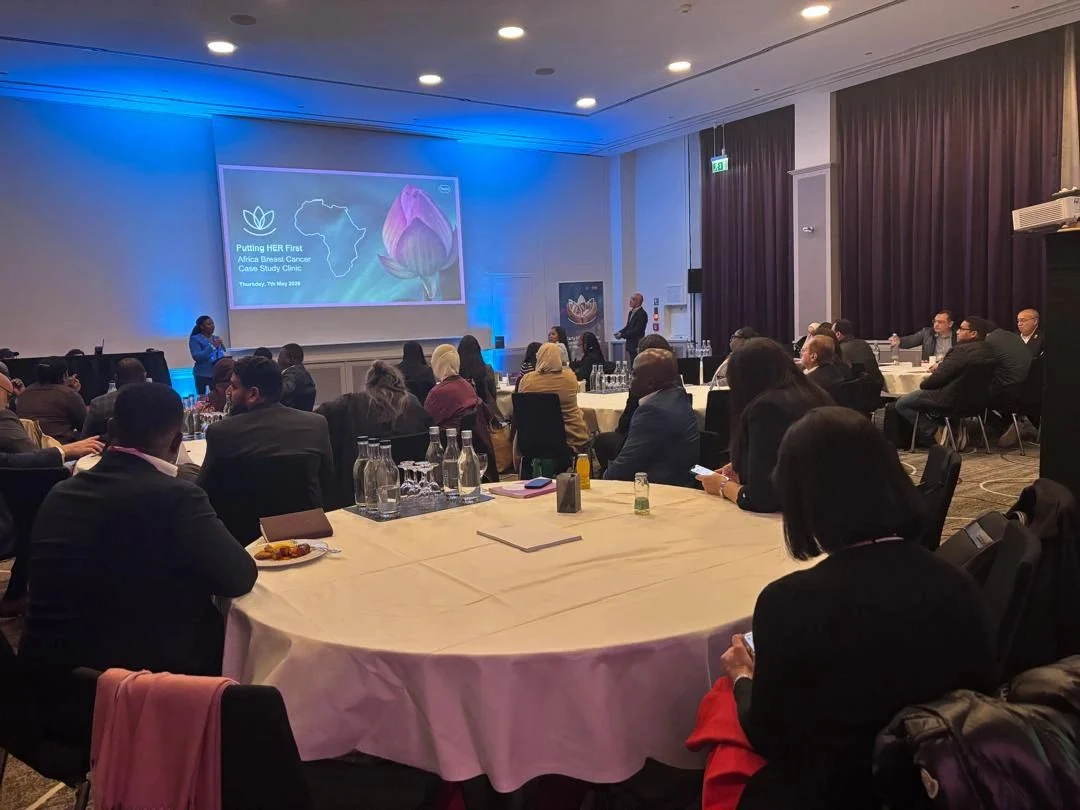
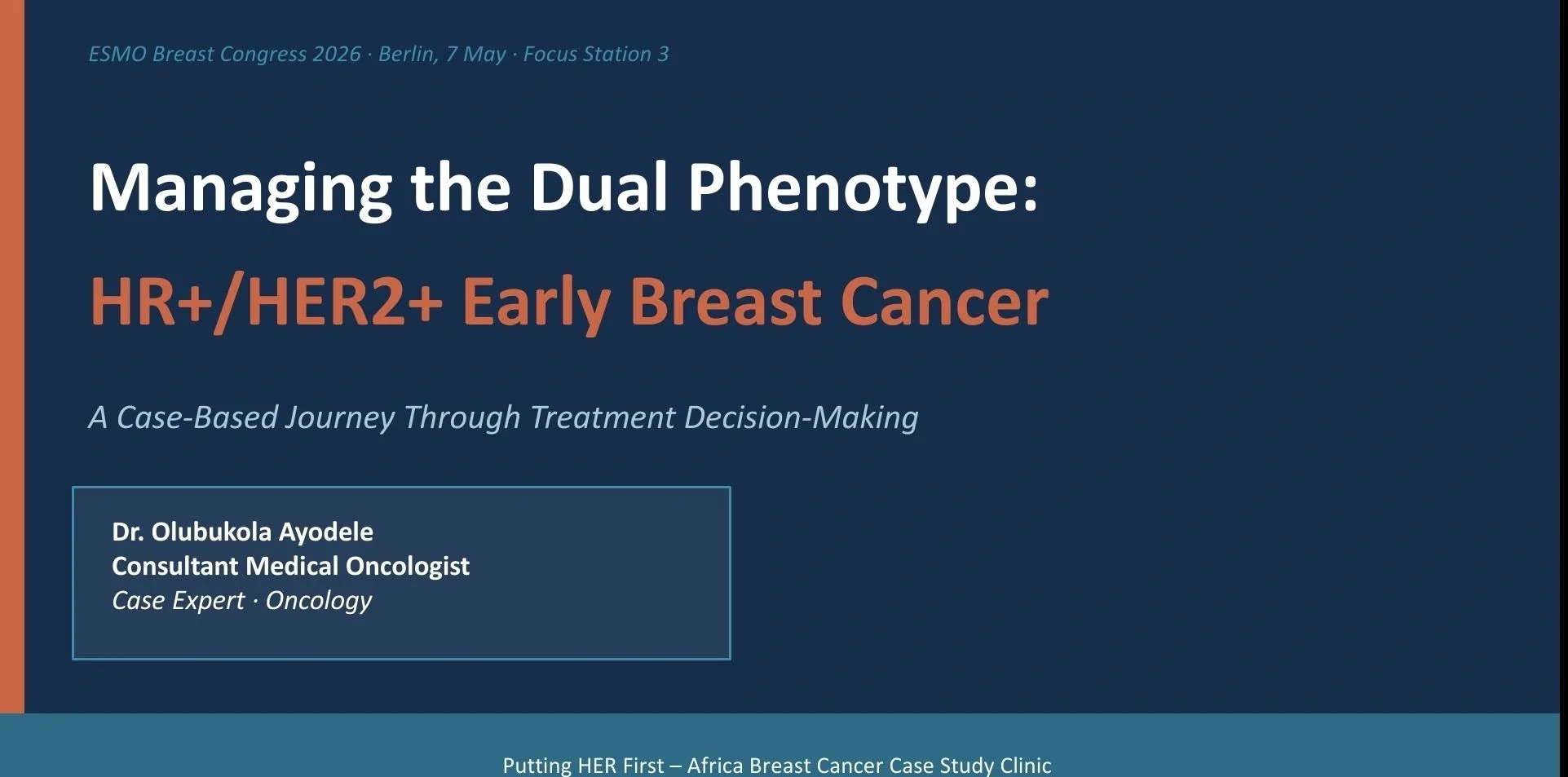
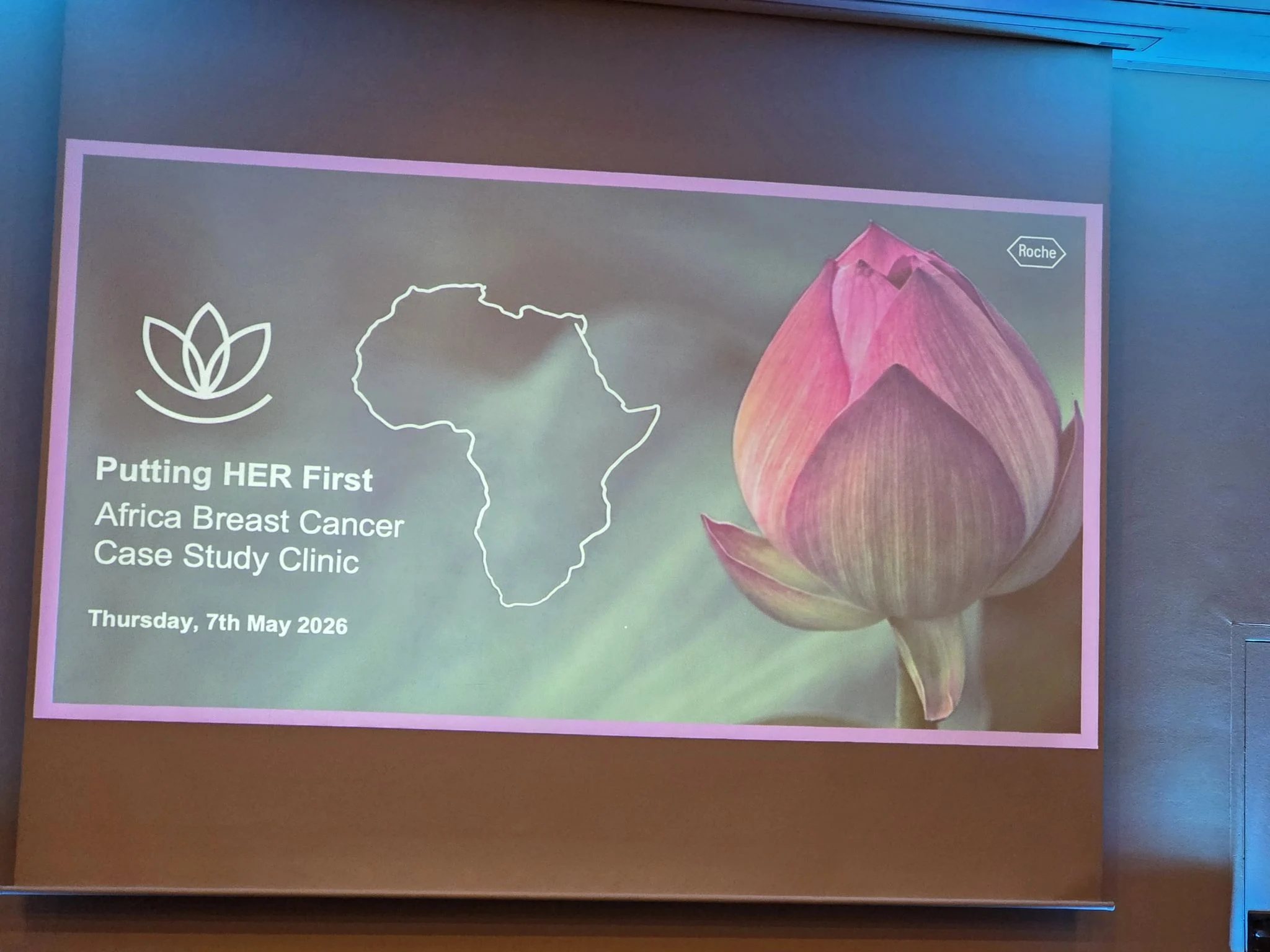
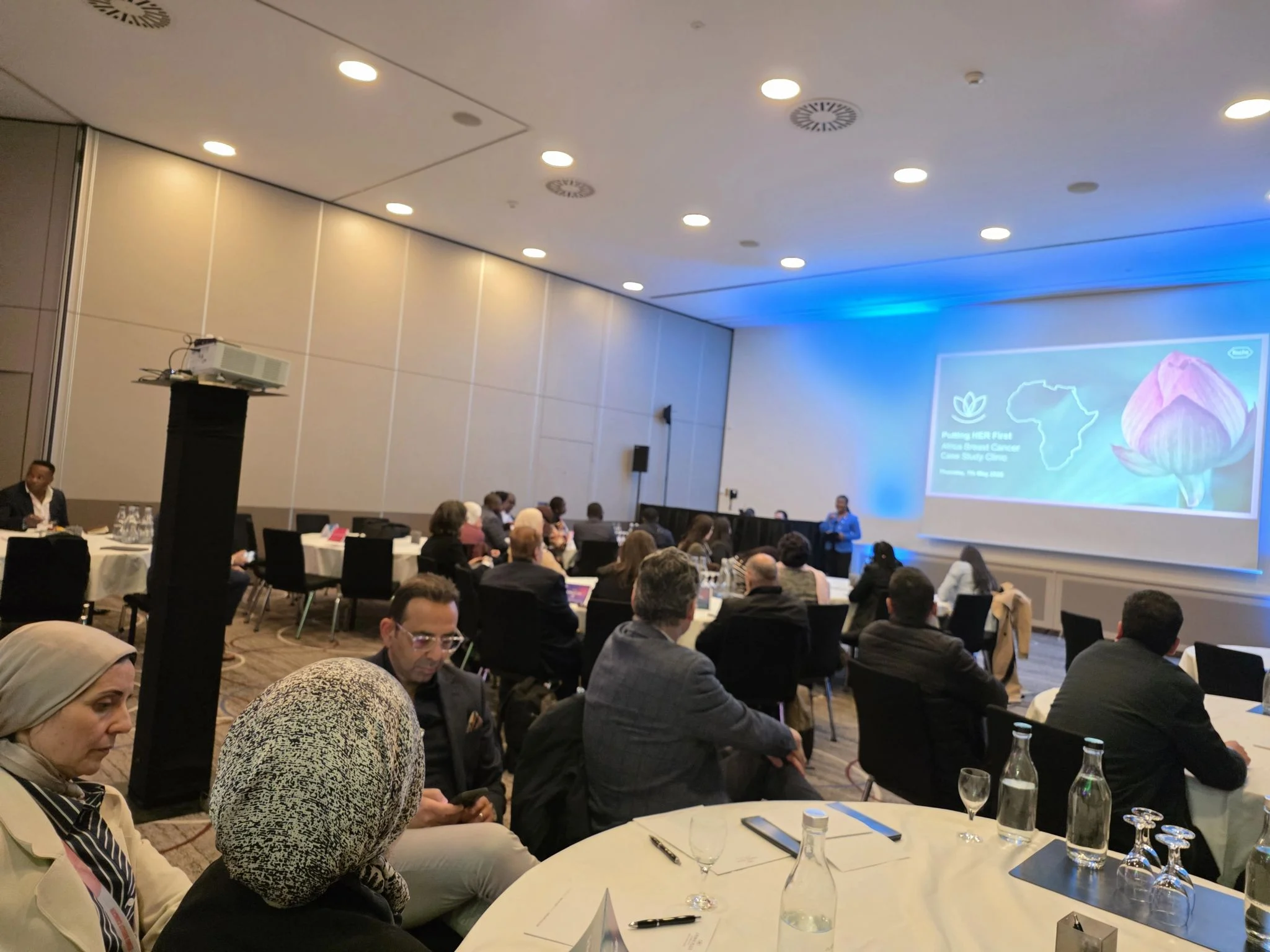
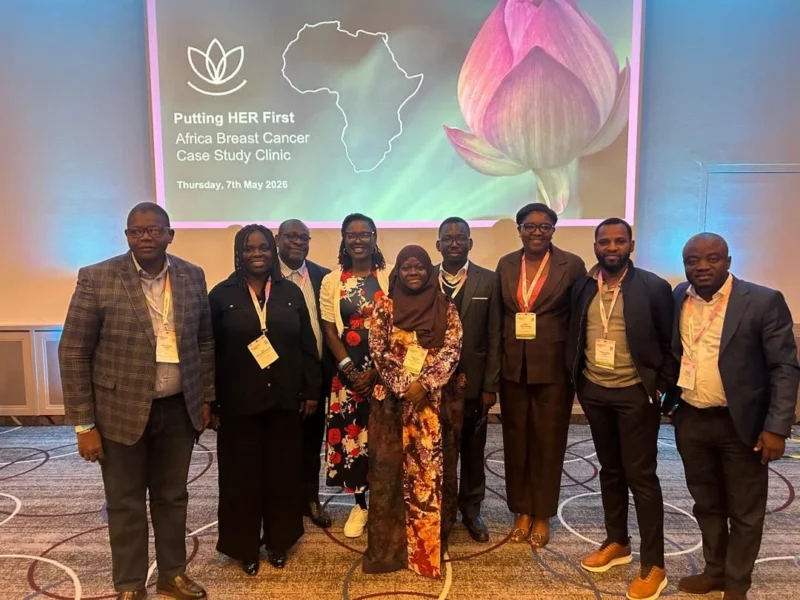
“At ESMO Breast Congress 2026, I was invited by Roche Africa as a faculty expert for a new initiative: Putting HER First: Africa Breast Cancer Case Study Clinic.
The concept was simple but powerful.
When colleagues from across Africa attend major oncology meetings, the volume of new data can feel overwhelming. But beyond the excitement of new evidence lies a more difficult question:
‘How do we translate this into local healthcare realities?’
That was exactly what this initiative set out to address.
I had the opportunity to teach and lead discussions on the management of HR+/HER2+ early breast cancer, focusing not just on guidelines and trial data, but on what treatment decision-making looks like in real-world African settings.
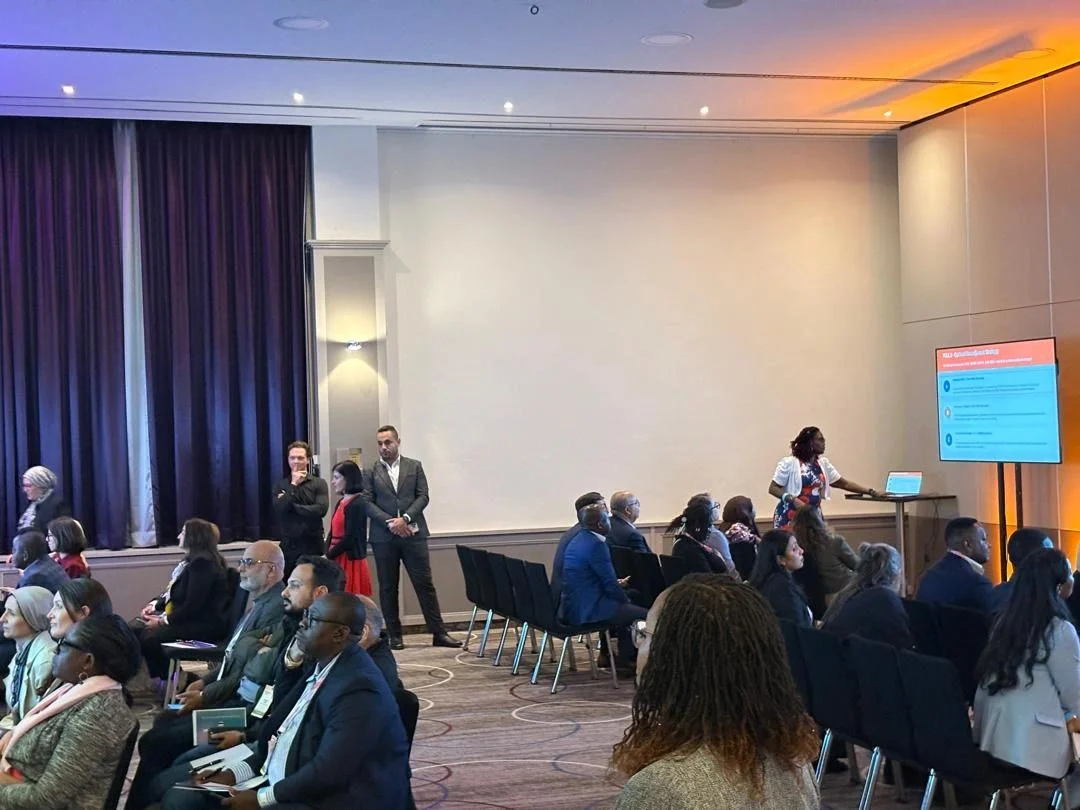
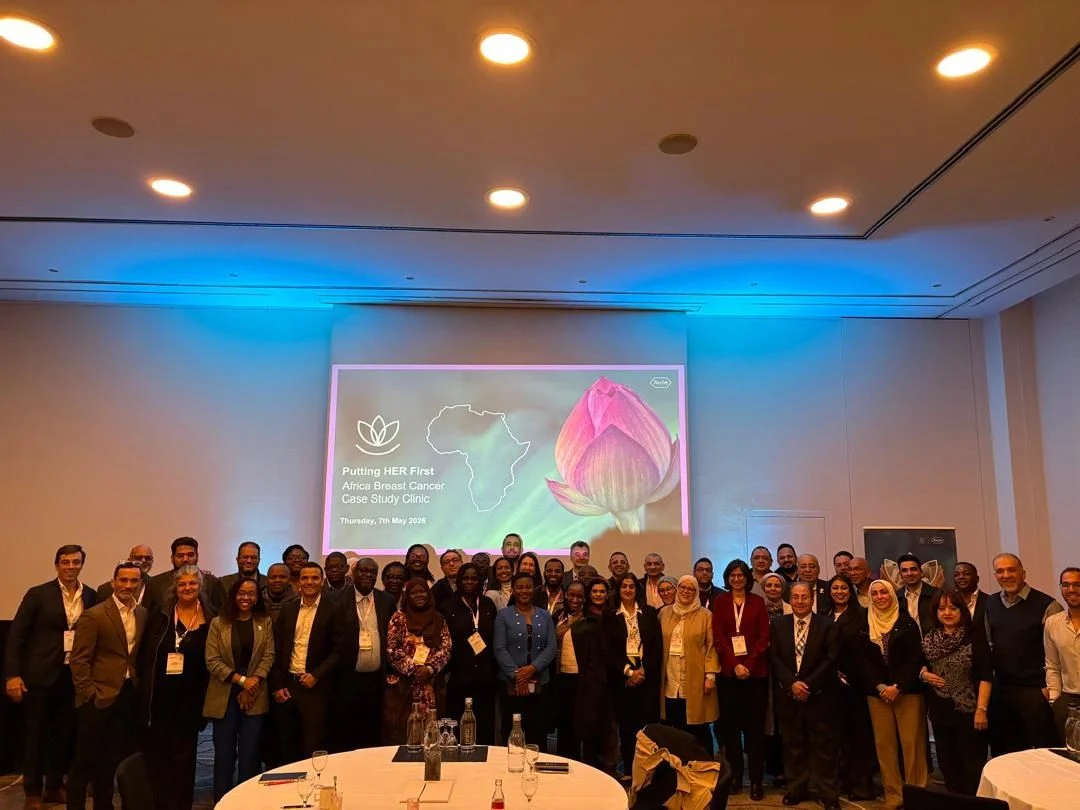
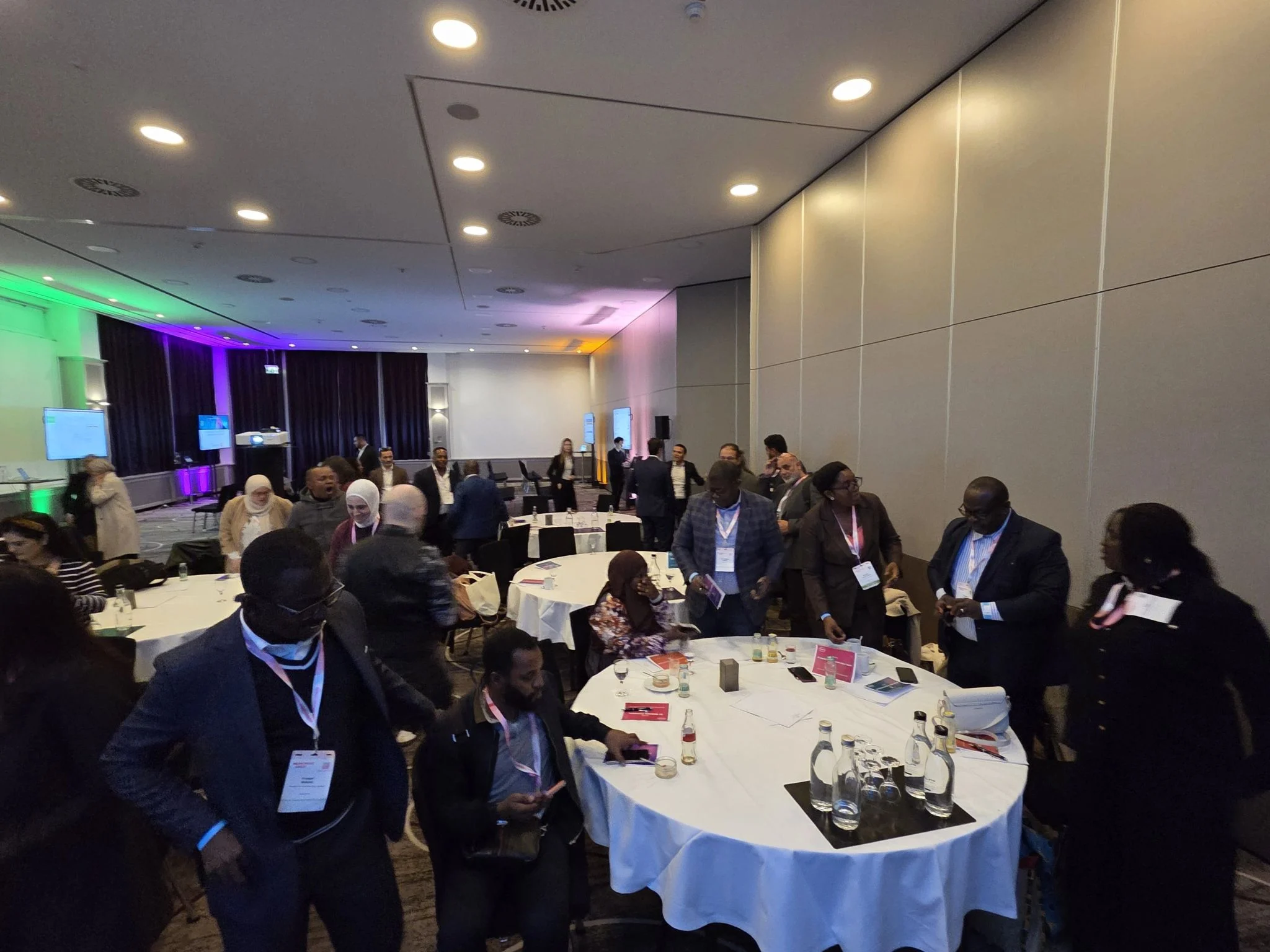
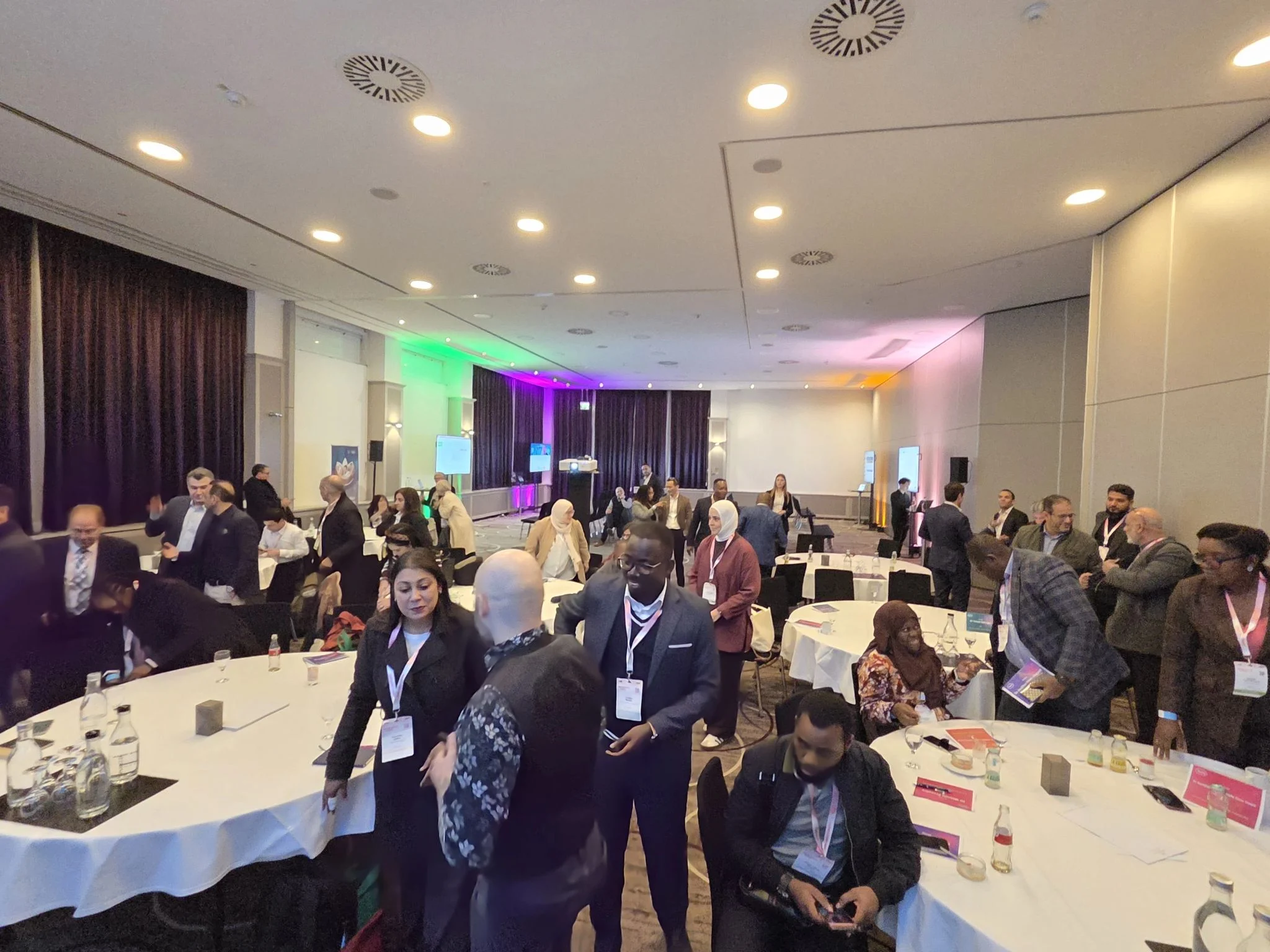
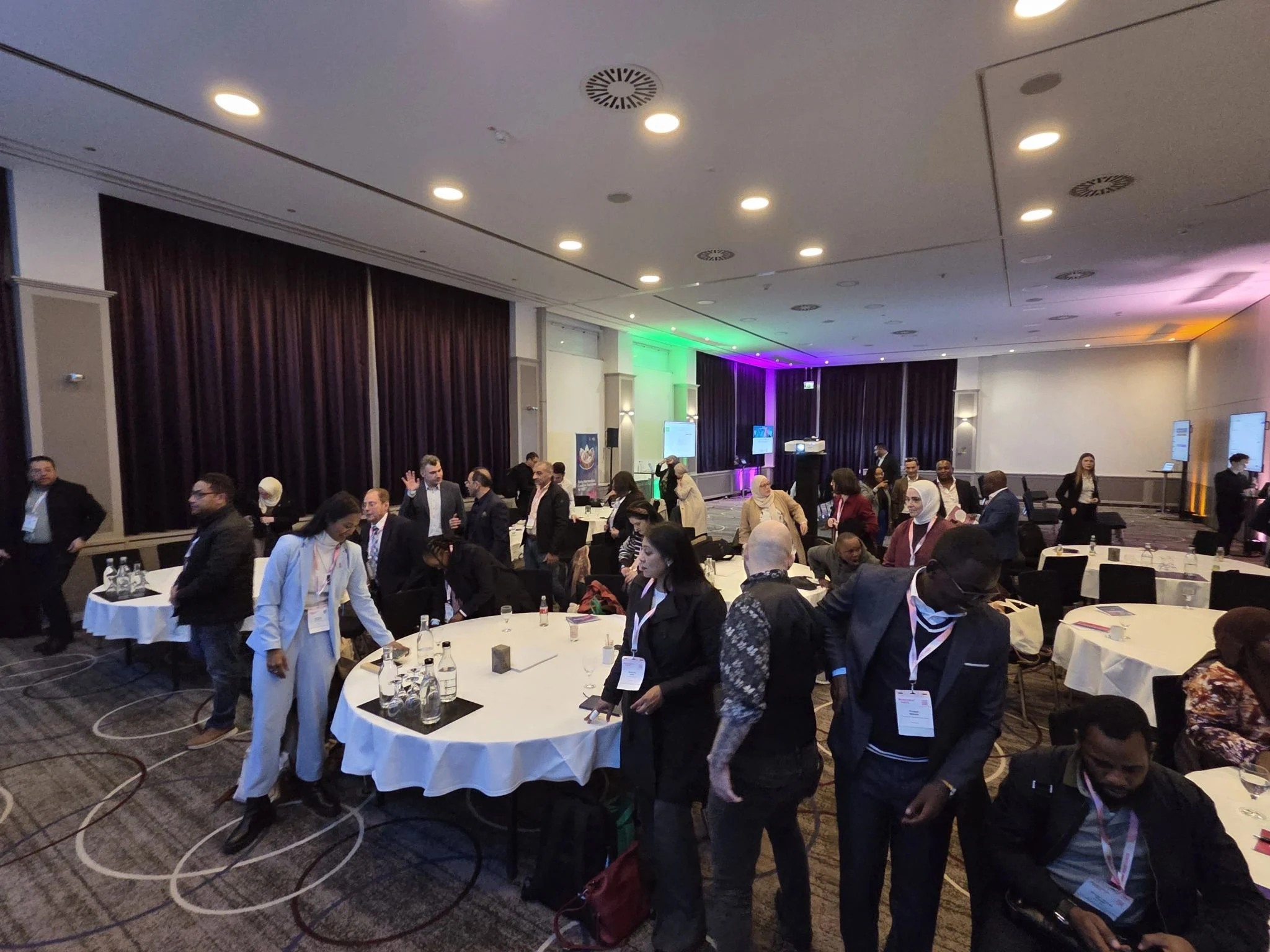
We had approximately 50 oncology colleagues representing different regions across Africa in the room. The discussions were honest, practical, and deeply insightful.
Because the reality is this:
Cancer care is not equal globally.
We spoke about:
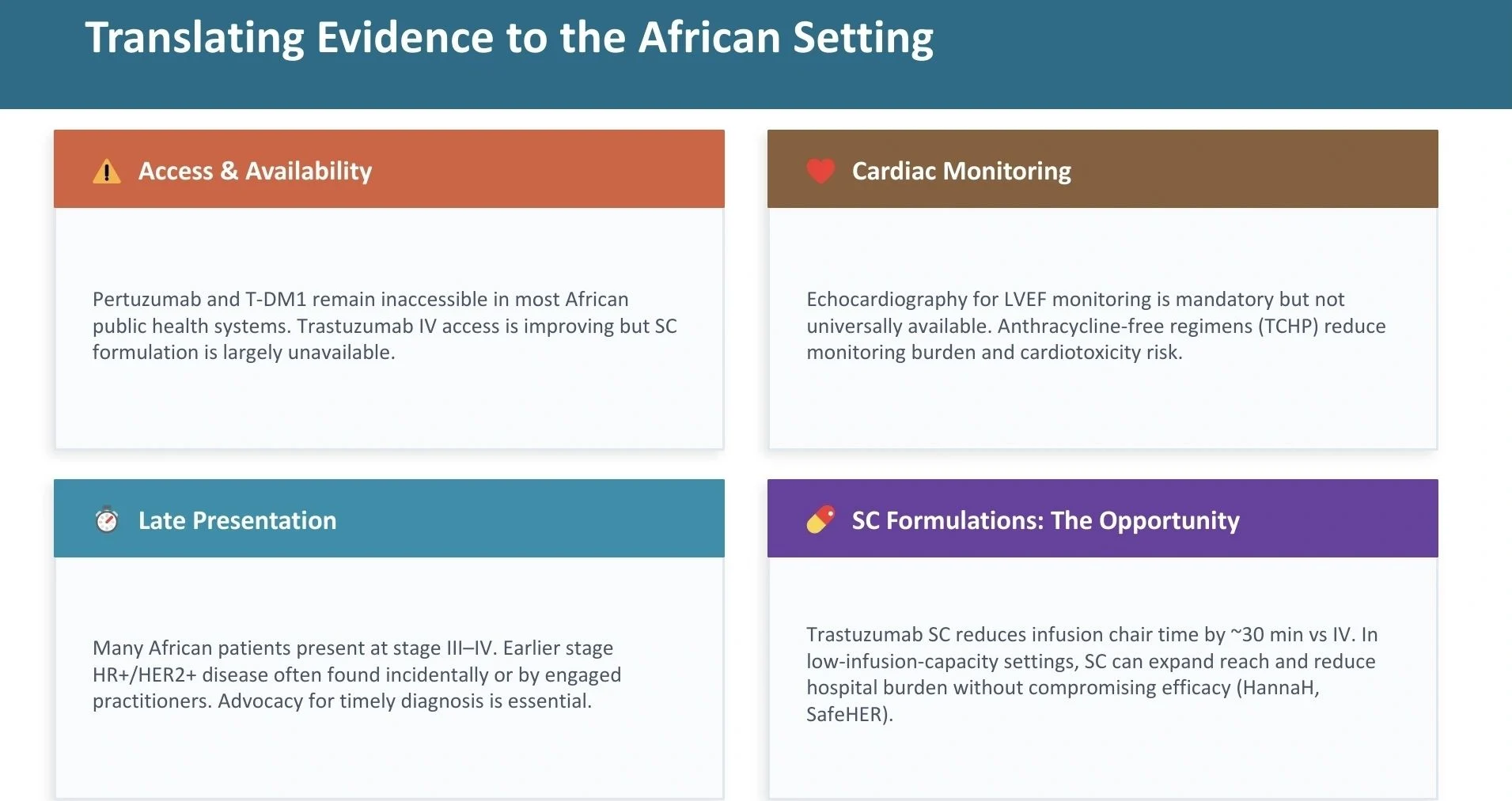
- Access and availability of HER2-targeted therapies.
- Cardiac monitoring limitations and infrastructure gaps.
- The challenge of late presentation.
- The importance of timely diagnosis and advocacy.
- The opportunity that SC formulations may offer in reducing treatment burden and improving reach in resource-constrained systems.
There was a real sense of collaboration, openness, and determination to improve outcomes for patients despite system limitations.
This is what capacity building should look like.
Not just exporting guidelines, but creating spaces where evidence can be contextualised, challenged, adapted, and applied meaningfully.
I have to commend Roche for investing in this initiative and recognising that advancing cancer care in Africa requires partnership, education and sustained commitment to equity.
Global oncology cannot only focus on innovation.
It must also focus on implementation, accessibility, workforce development, and context-specific care delivery.
Because breakthroughs only matter if patients can actually access them.
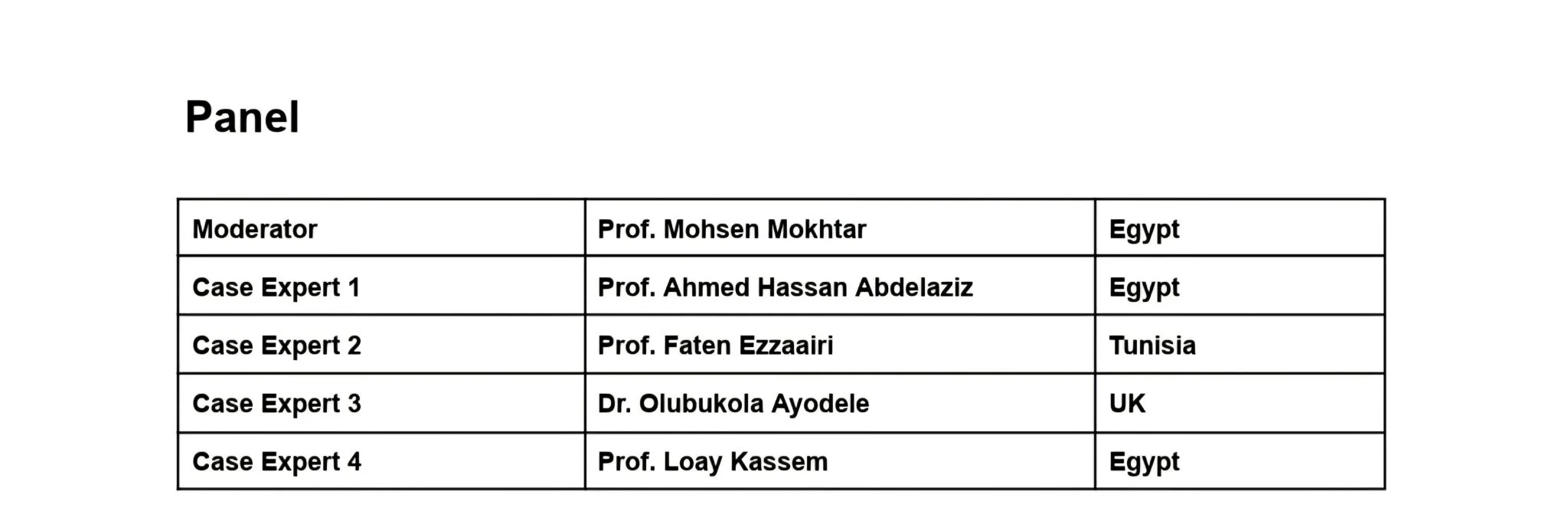
Grateful to have shared the panel with esteemed colleagues from Egypt and Tunisia, and thankful to every participant who contributed so thoughtfully to the discussions.
The future of oncology in Africa will not be built by one country or one institution.
It will be built collectively.
And conversations like this are an important step forward.
Prof. Mohsen Mokhtar.
Prof. Ahmed Hassan Abdelaziz.
Prof. Faten Ezzaairi Khaznadar.
Prof. Loay Kassem.
A big appreciation to Louisa Preko and the Roche Africa team for putting together a successful and impactful meeting.”
Other articles about Breast Cancer on OncoDaily.