






Olubukola Ayodele, Breast Cancer Lead at University Hospitals of Leicester NHS Trust, shared a post on LinkedIn:
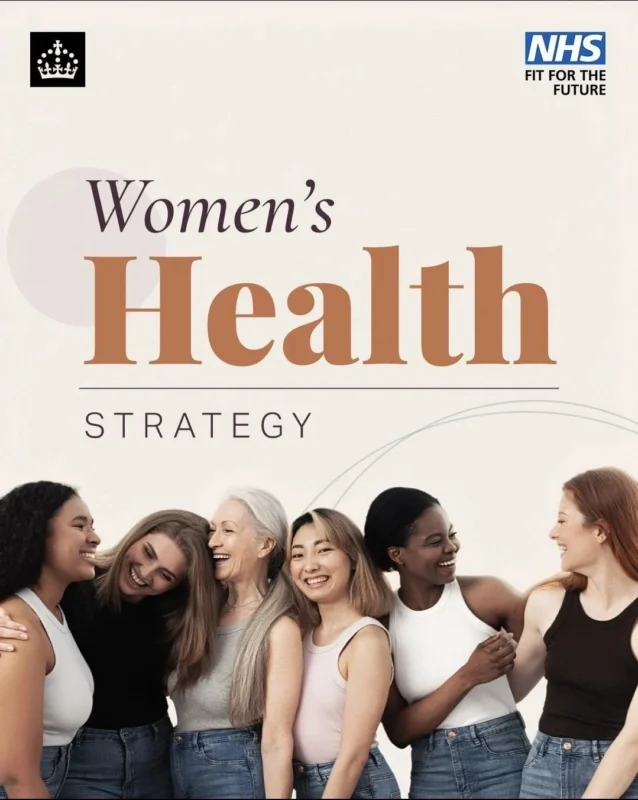
“The renewed Women’s Health Strategy has landed. And yes, there’s progress.
Let’s start with the positives.
For the first time, there is clear acknowledgment of what many women have experienced for years: not being listened to, dismissed symptoms, and a culture that has too often normalised suffering.
Naming medical misogyny matters. You cannot fix what you refuse to see.
There is also a stronger emphasis on patient voice, experience, and choice. The move toward embedding patient-reported outcomes and linking feedback to service improvement is a step in the right direction.
So is the focus on inequalities, particularly socioeconomic and ethnic disparities.
And the life-course framing is welcome. Women’s health is more than reproduction.
But here’s where the cracks begin to show.
Much of the strategy leans heavily on broader NHS reform. Digital, prevention, community care, all important, but not new. The risk is that women’s health becomes dependent on system change that is slow, complex, and uncertain.
There is also a familiar pattern: strong ambition, limited detail on delivery. Workforce? Capacity? Accountability? Less clear.
And then the uncomfortable truth.
For a strategy on women’s health, breast cancer is barely visible.
- No meaningful focus on screening inequalities.
- No attention to metastatic disease.
- No clear plan for survivorship.
- No serious engagement with disparities in diagnosis, outcomes, or clinical trial access.
Meanwhile, the UK has dropped in global rankings for women’s health outcomes. That should be a wake-up call.
The rest of the world is moving forward.
The latest National Comprehensive Cancer Network guidelines are already recognising the role of AI in breast cancer risk stratification, using imaging, genetics, and clinical data to personalise screening rather than the age based approach as we do in the UK.
We are also seeing a shift towards earlier, risk-based screening, starting from age 35 in higher-risk groups.
Breast cancer is the most common cancer in women. It is a major driver of morbidity, mortality, and inequality. You cannot talk about women’s health and relegate cancer to the sidelines.
It raises a bigger question: are we still compartmentalising women’s health instead of truly integrating it?
Because women don’t experience their health in silos.
If this strategy is to deliver real change, it must go further, particularly in addressing cancer inequities and ensuring that the conditions that affect the most women are given the attention they deserve.
Progress? Yes.
But we are not there yet.”
Other articles about Breast Cancer on OncoDaily.