Olubukola Ayodele, Breast Cancer Lead at University Hospitals of Leicester NHS Trust, shared a post on LinkedIn:
“As an oncologist, I’ve seen firsthand that treating cancer is more than just systemic anticancer therapies, radiation, and surgery. True healing requires a holistic approach, one that acknowledges the physical, emotional and social dimensions of the disease.
Cancer doesn’t just affect the body; it touches every aspect of a one’s life. From the moment of diagnosis, patients are navigating a whirlwind of emotions, treatment side effects and life changes. To provide the best care, we must move beyond tumour-focused medicine and consider the whole person.
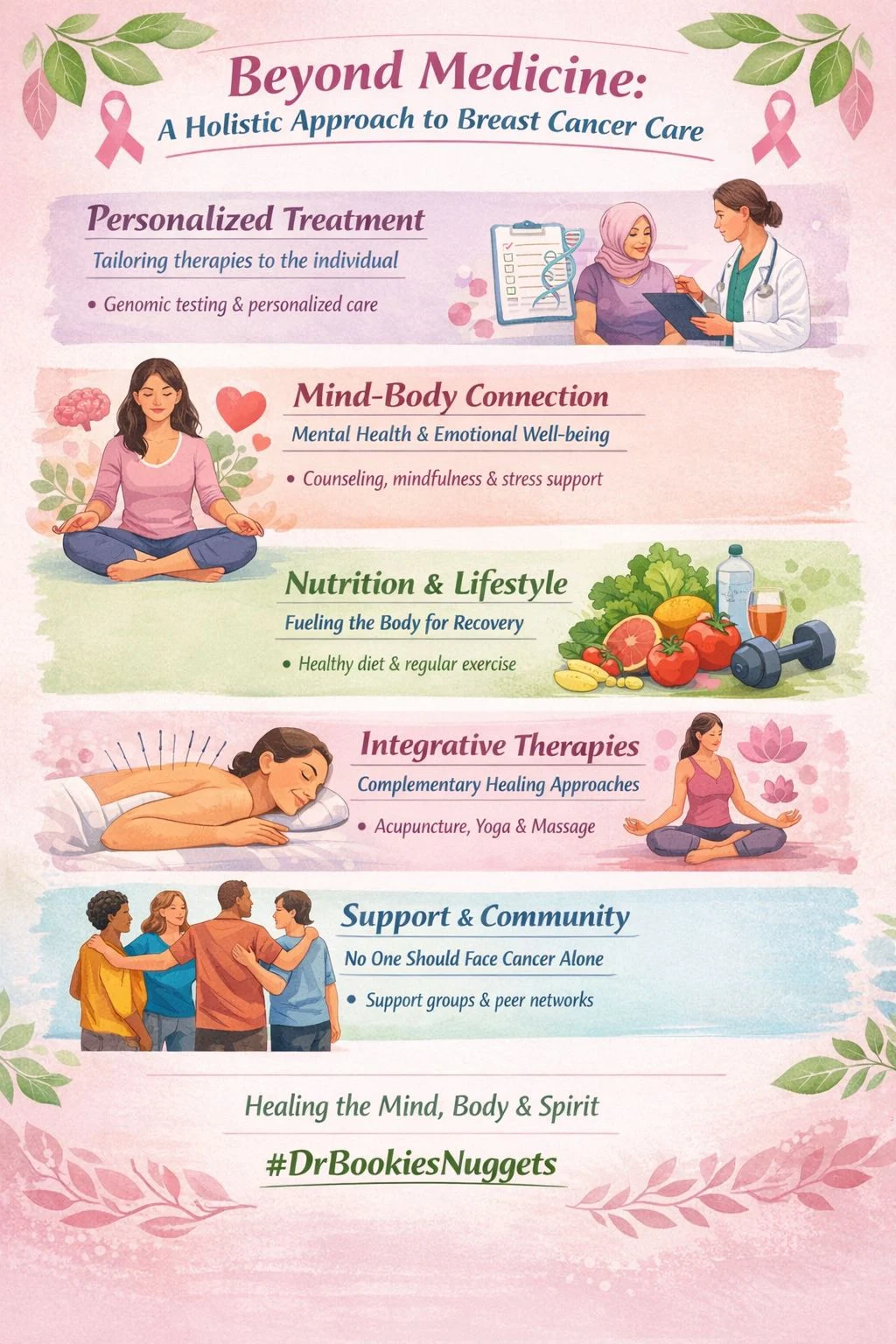
Personalized Treatment, Not Just Protocols
Every cancer case is different. Genomic profiling, targeted therapies, and immunotherapy are revolutionizing treatment, allowing us to tailor therapies based on tumour biology and individual patient factors. But personalized care isn’t just about drugs, it’s about understanding a patient’s lifestyle, support system and personal values to help guide treatment decisions.
The Mind-Body Connection: Mental Health and Emotional Well-being
A cancer diagnosis can bring anxiety, depression and fear of recurrence. Integrating psychological support, mindfulness and counseling into treatment plans is just as important as chemotherapy schedules. Oncology social workers, therapists and support groups play a crucial role in helping patients navigate their emotions.
Nutrition and Lifestyle Medicine: Fueling the Body for Recovery
Proper nutrition, physical activity, and stress management can make a significant impact on treatment outcomes and survivorship. While no diet can “cure” cancer, evidence suggests that a less processed and high antioxidant diet (berries, green leafy vegetables), regular exercise and maintaining a healthy weight can reduce recurrence risk and improve overall well-
Integrative Medicine: Complementary Therapies That Support Healing
Many patients explore acupuncture, yoga, massage therapy and meditation to help manage side effects like fatigue, pain, and nausea. Integrative oncology ensures that these therapies are evidence-based and used alongside, not instead of, medical treatments.
The Role of Support Networks: No One Should Face Cancer Alone
Cancer can be isolating, but no one should walk this path alone. Peer support groups, patient advocacy networks and survivorship programs provide emotional strength, practical advice and a sense of community that is often just as powerful as medicine.
A truly holistic, multidisciplinary approach combines medical excellence with compassionate, individualized care, helping people not just survive but thrive. Cancer care should be about healing the whole person; mind, body, and spirit.
Come listen to me sharing my thoughts on personalising cancer care with Robin Daly and Dr Penny Kechagioglou on the latest episode of Cancer Talk Podcast.”

Other articles featuring Olubukola Ayodele on OncoDaily.