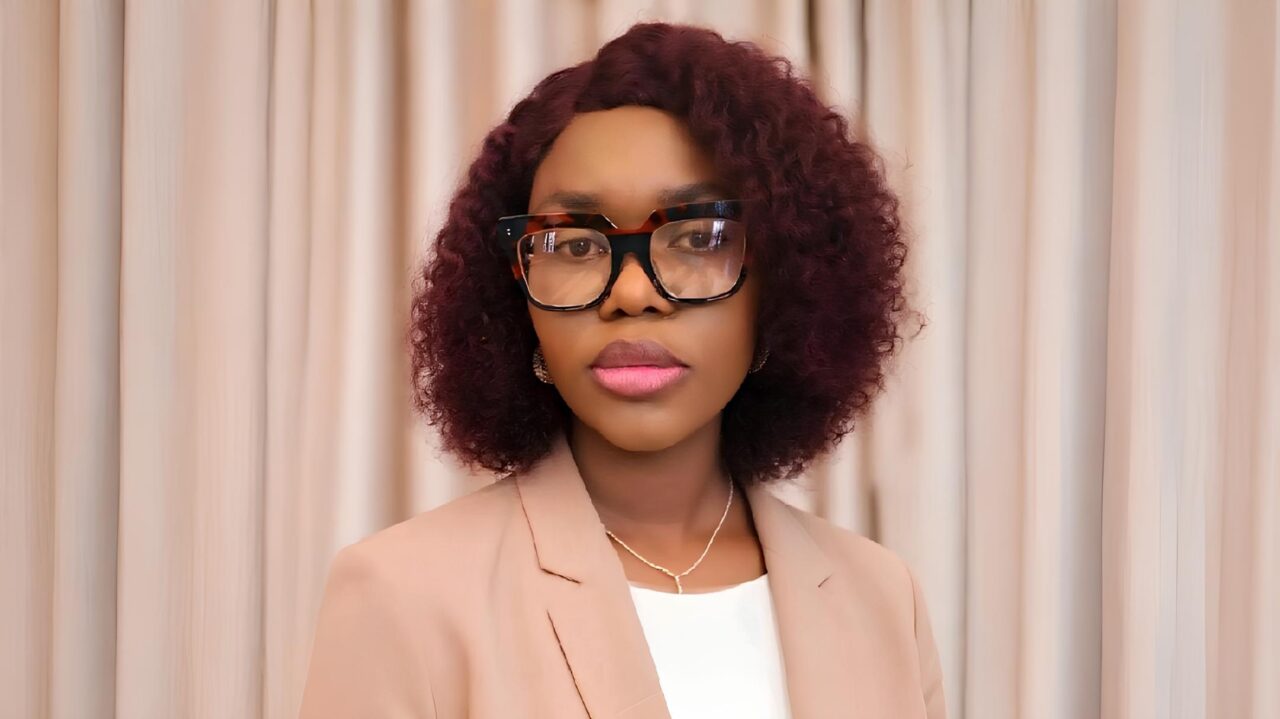
Olubukola Ayodele, Breast Cancer Lead at University Hospitals of Leicester NHS Trust, shared a post on LinkedIn:
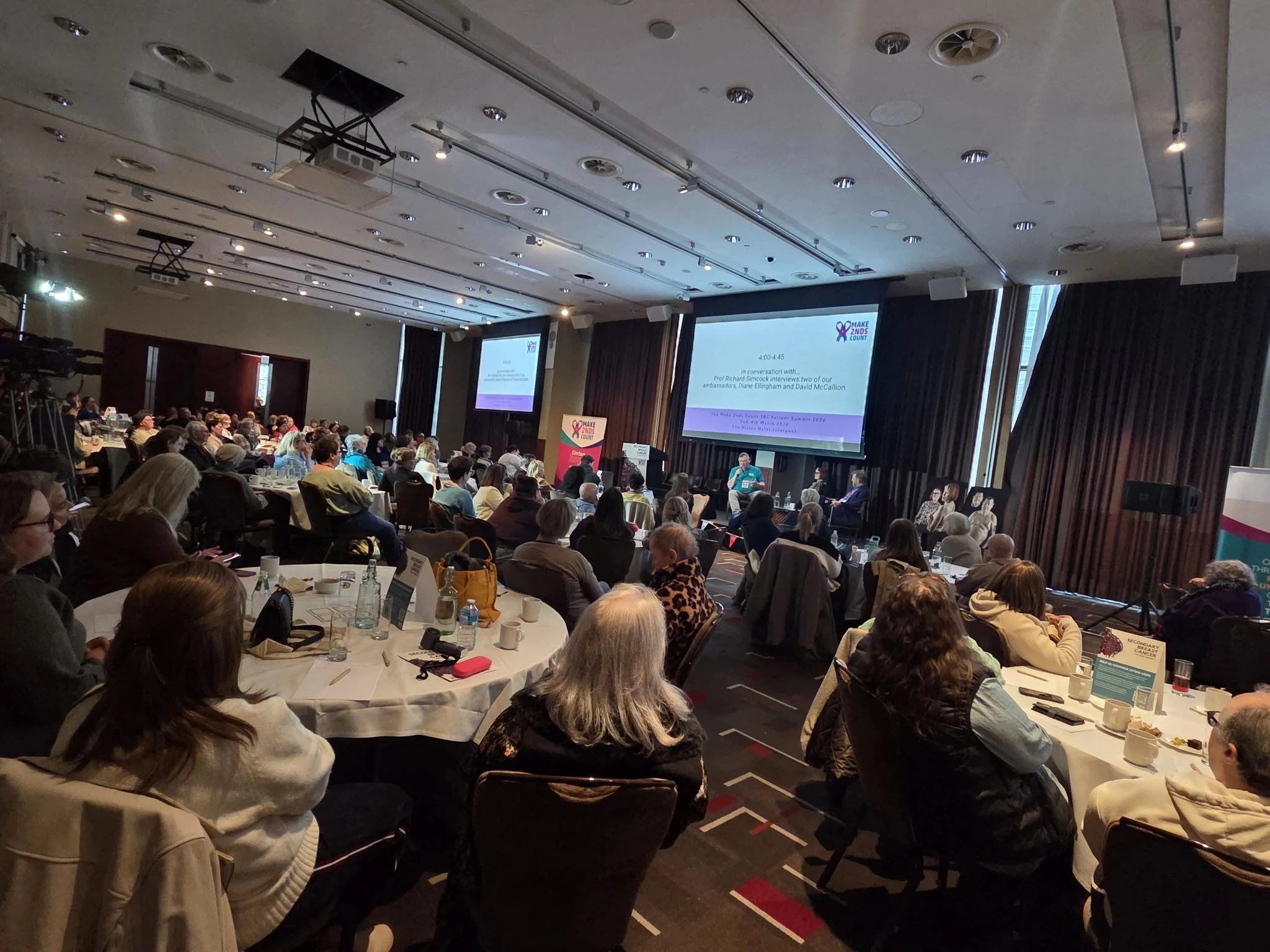
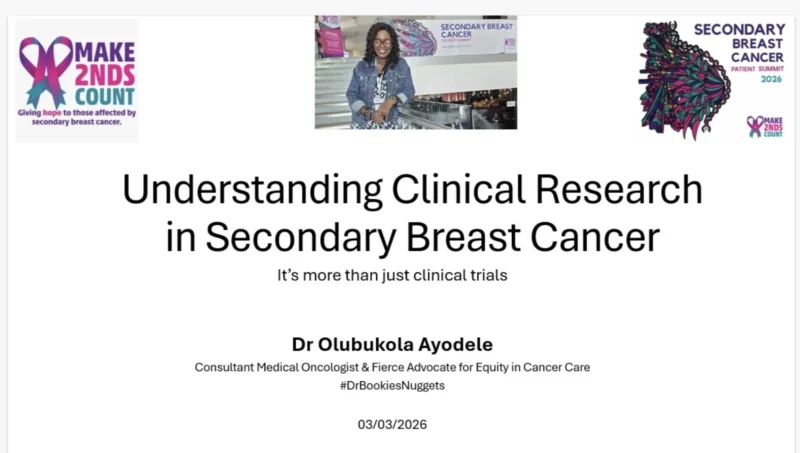
“It’s been a powerful few days in Liverpool at the 3rd Make 2nds Count Secondary Breast Cancer Patient Summit.
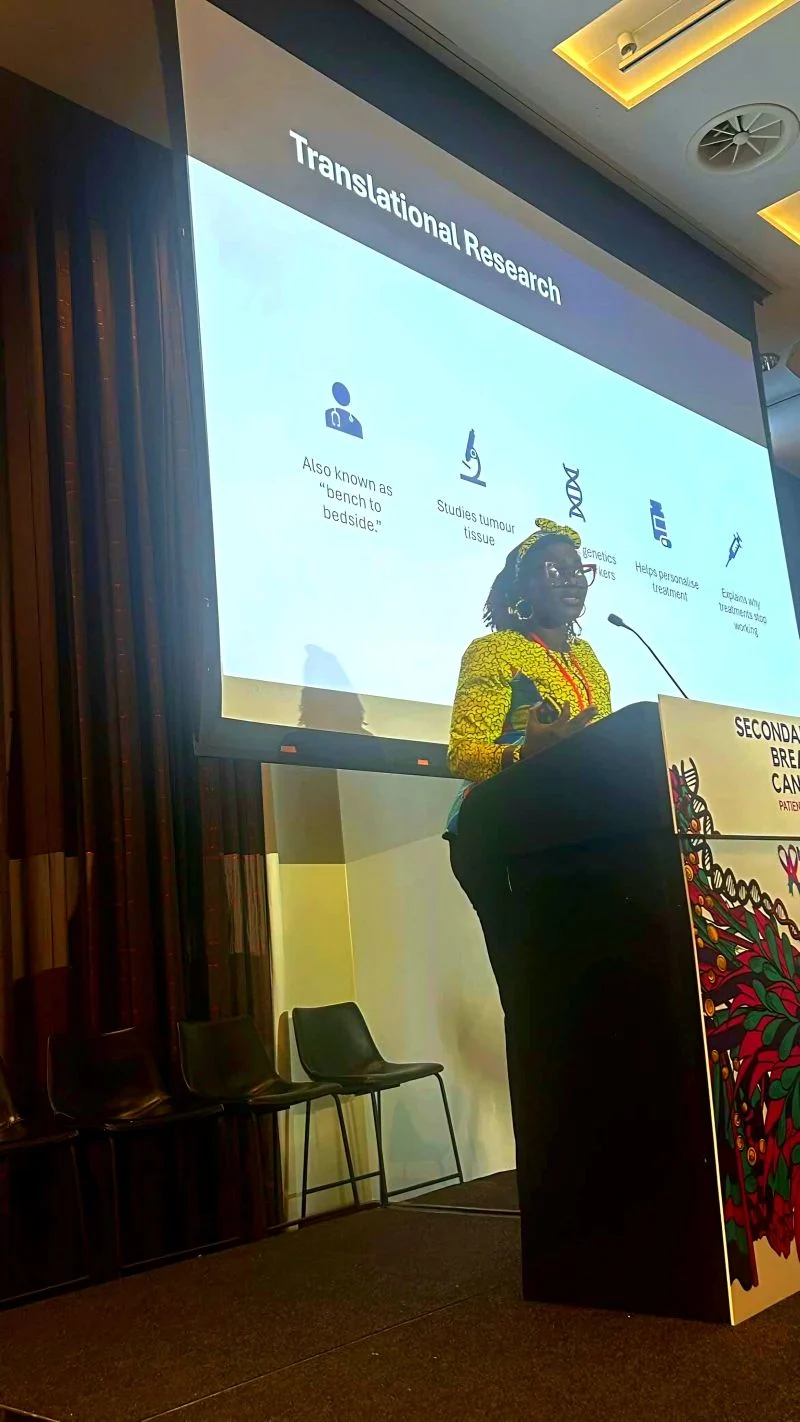
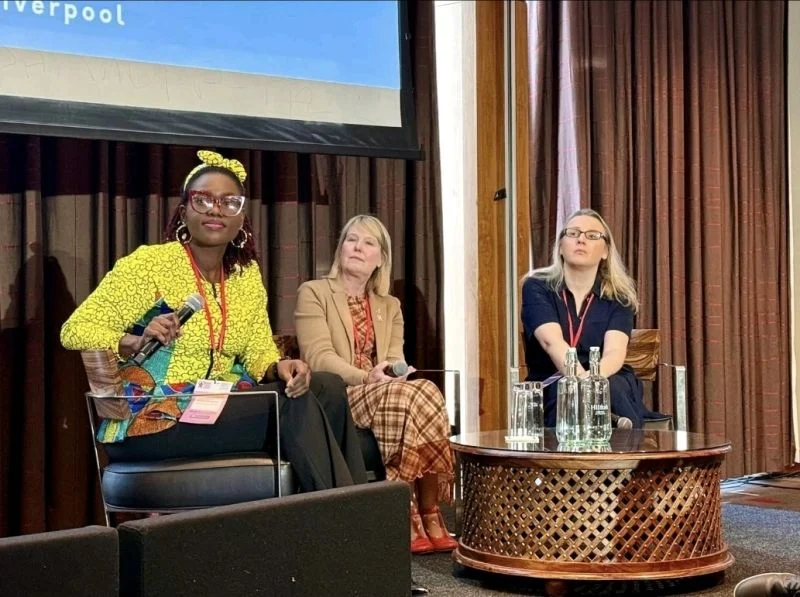
I had the privilege of leading the “Understanding Clinical Trials” session alongside Melanie Tolson, Lead clinical trials nurse, and Lesley Stephen MBE, a committed patient advocate and Trustee. The conversations were open, honest and energising.
Research matters deeply in secondary breast cancer.
Cancer evolves. Resistance develops. Side effects accumulate. We cannot afford to stand still. Research is how we stay ahead. Every treatment we routinely prescribe today exists because someone once chose to take part in research.
But one of the most important messages I wanted to share is this:
Clinical research is not limited to drug trials. We discussed observational studies, quality-of-life research, translational science, and health services research. All of these shape outcomes. And in all of them, the patient remains central.
Many patients underestimate the power they hold.
Patients can:
- Review consent forms and patient information sheets to ensure they are understandable
- Comment on study protocols to make them realistic and humane
- Sit on panels that decide which studies receive funding
- Help shape research questions so they reflect real needs, not just academic curiosity
Patient voices are not symbolic. They are influential. When patients speak, systems listen. Funding decisions change. Study designs improve. Language becomes clearer. Outcomes become more meaningful.
Yet too many people living with secondary breast cancer do not realise the authority their lived experience carries.
Research still does not consistently reflect the diversity of the communities it serves. Barriers remain. Structural, cultural and practical. If we want equitable cancer care, inclusion in research must be intentional, not an afterthought.
Empowered patients can challenge this. They can ask why certain groups are missing. They can question eligibility criteria. They can demand that global pharmaceutical companies and funders design studies that are truly representative.
The progress we need tomorrow will depend on patients recognising that their voices are not peripheral. They are powerful. They shape policy. They influence funding. They change practice.
Research would not exist without patients!
As a breast oncologist and Trustee of Make 2nds Count, I will continue to advocate for research that is inclusive, patient-centred and reflective of real lives.
Because when patients understand their power, research becomes stronger. And stronger research means better outcomes for those living with secondary breast cancer.
Congratulations to all the amazing team at M2C for another impactful summit.”
Other articles featuring Olubukola Ayodele on OncoDaily.