





Fabio Ynoe de Moraes, Associate Professor at Queen’s University, shared a post on LinkedIn:
“NSCLC has become oncology’s flagship success story.
Immunotherapy and targeted therapies have moved decisively into curative-intent settings, driven by landmark trials such as CheckMate 816, KEYNOTE-671, PACIFIC, ADAURA, and ALINA.
But clinical success is now outpacing system readiness.
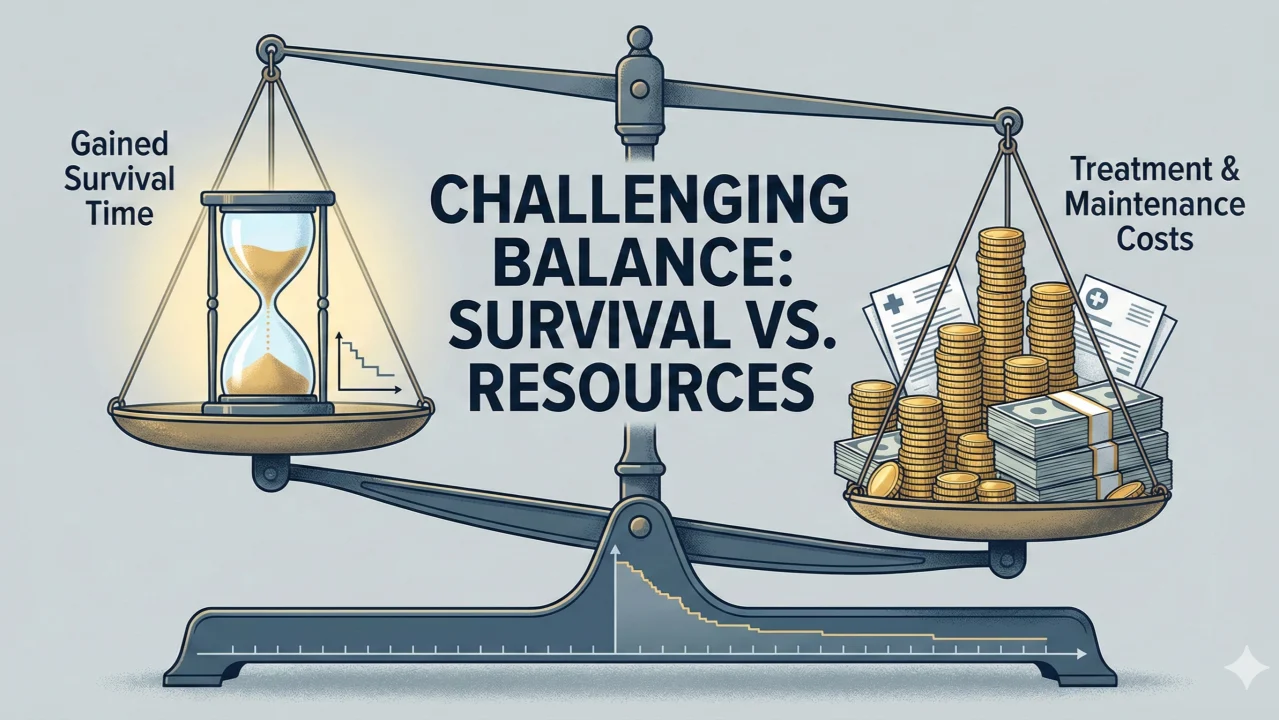
As treatment durations lengthen, indications expand, and costs rise, the most urgent questions in lung cancer are no longer about efficacy – but about optimization, access, and sustainability. These challenges will not be solved by registration trials alone.
This Perspective examines why the next phase of progress in NSCLC must shift from “more drugs” to smarter science, pragmatic trials, and global implementation – or risk turning one of oncology’s greatest victories into an unsustainable model.
NSCLC in 2025: When Therapeutic Success Outpaces System Readiness
The last 5 years have delivered one of the most dramatic therapeutic shifts in solid tumor oncology.
NSCLC is now the proof-of-concept that precision oncology can work at scale.
But 2025 also exposes the limits of our current model.
What is unequivocally established
- Immunotherapy is standard of care in early-stage NSCLC, supported by multiple phase III trials:
- Targeted therapy has transformed biomarker-selected disease, with durable DFS benefits:
These trials changed guidelines, pathways, and expectations of cure.
The strategic friction points we now face
- We are entering an era of multiple IO and TT agents with overlapping indications and marginal differentiation.
- Drug costs continue to escalate, while global access is contracting, particularly in LMICs and middle-income systems.
- Health systems are being asked to absorb longer treatment durations, earlier lines of therapy, and larger eligible populations – often without proportional survival gains.
The critical unanswered questions (and who should care)
- Optimal treatment duration: One year vs two vs three years of IO or TT remains empiric. This is a health-system sustainability issue, not just a clinical one.
- Rare molecular alterations RET, NTRK, MET exon 14, HER2, NRG1: remarkable science, limited real-world penetration. Access pathways are fragile and inequitable.
- Antibody–drug conjugates (ADCs) Promising signals (e.g., HER3, MET, TROP2), but unresolved questions on:
- Radiotherapy and devices. As systemic control improves, local therapies (SRS, SBRT, adaptive RT) become even more critical. Device innovation must align with evolving systemic paradigms – not lag behind them.
The uncomfortable reality Most of these questions will not be answered by registration trials.
They require:
- Academic-led comparative and duration trials
- Pragmatic real-world and implementation studies
- Cross-sector collaboration between academia, pharma, device companies, and payers
Why this matters for leaders
- For pharma: differentiation will increasingly come from value, sequencing, and access strategies, not new PD-1 clones.
- For device companies: systemic advances amplify the importance of local control, precision imaging, and adaptive technologies.
- For health-system leaders: sustainability and equity are now as critical as efficacy.
NSCLC has become oncology’s flagship success story. Whether it remains one will depend on whether the next decade prioritizes smart science, real-world value, and global access – not just approvals.
I would be very interested to hear how others – across academia, industry, and health systems – are thinking about the next phase of lung cancer innovation.”
More posts featuring Fabio Ynoe de Moraes.